What is bruxism?
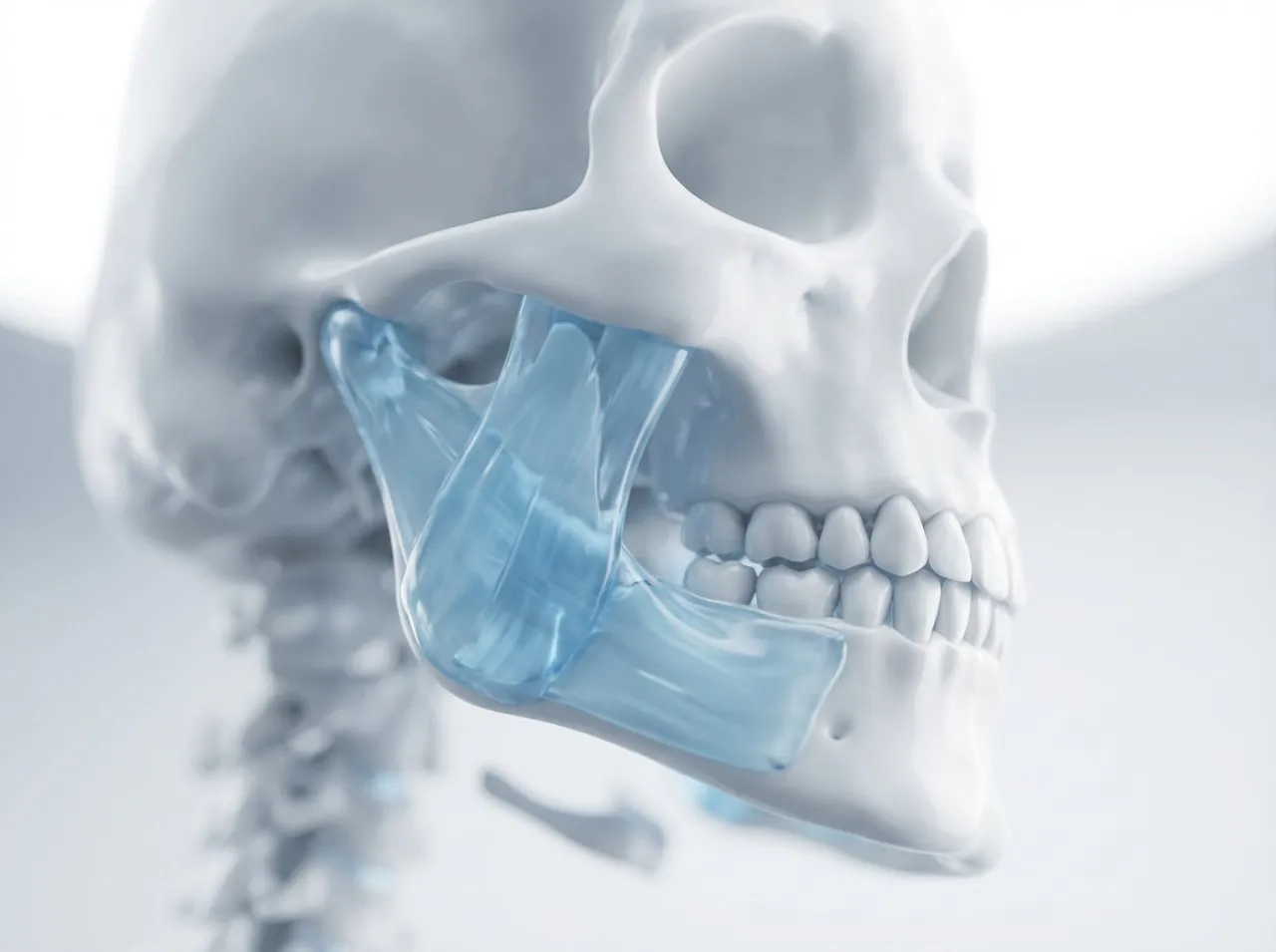
Bruxism means grinding or clenching the teeth. This often happens unconsciously. Many people affected do not notice it until later.
A distinction is made between sleep bruxism and awake bruxism. At night, teeth often grind during sleep. During the day, clenching is more common.
Über 350 Google-Bewertungen
Causes of bruxism: why does teeth grinding occur?
The causes are usually varied. Stress is a common trigger. Tension in everyday life also plays a role.
Sleep problems can make teeth grinding worse. These include restless sleep or frequently waking up. Snoring can also occur alongside it.
Misaligned contacts in the bite can irritate the chewing muscles. This sometimes happens after fillings or crowns. Crooked teeth can also create pressure points.
Some people clench their teeth when concentrating. This happens at a screen or during sport. It often becomes a habit.

Symptoms of bruxism: how can you recognise the problem?
The symptoms are not always clear-cut. Many people notice sore jaw muscles in the morning. Some have headaches after waking up.
Sensitive teeth are typical. The tooth enamel wears down. Small cracks or chipped edges develop.
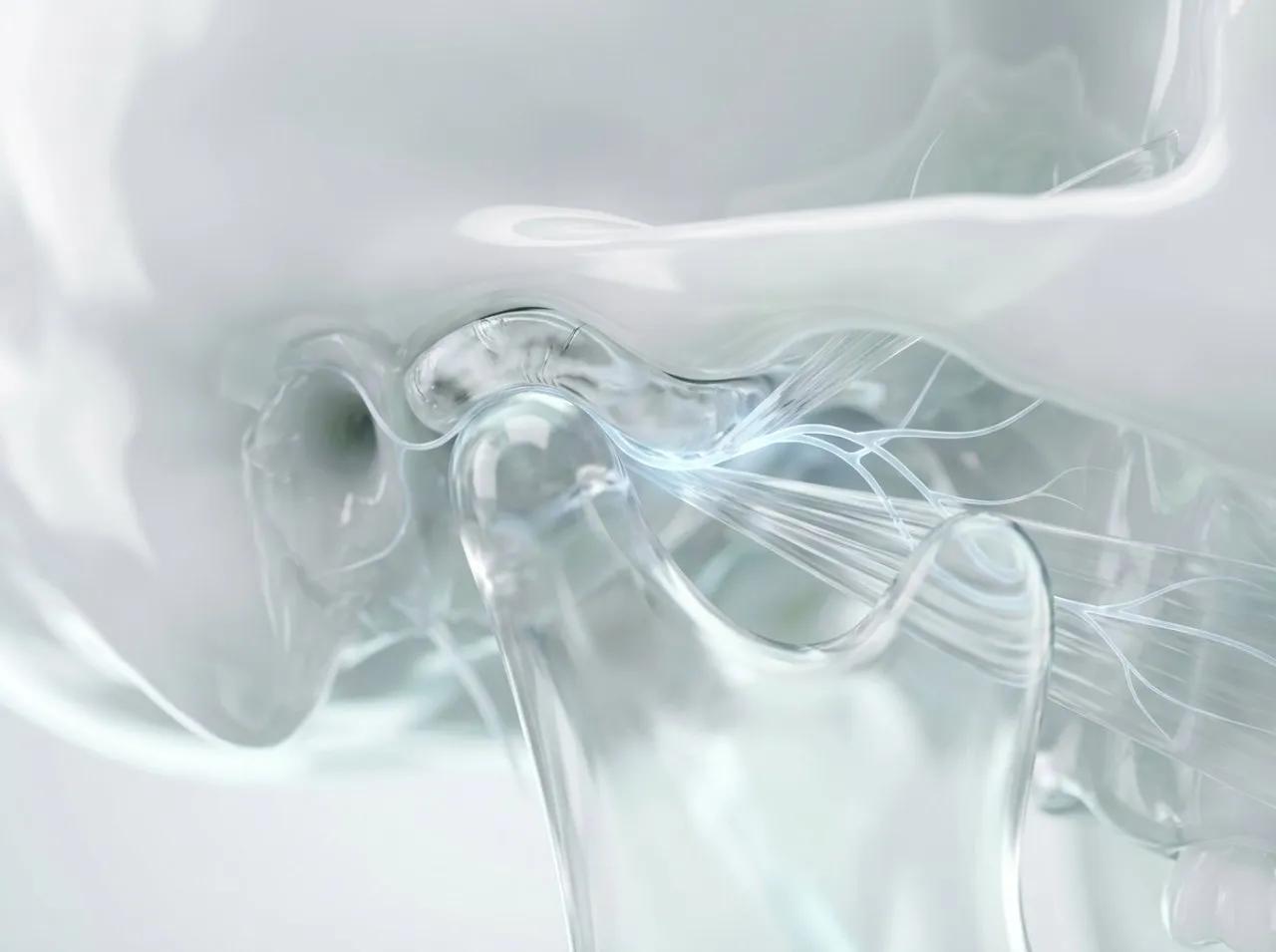
The temporomandibular joint can also be painful. Clicking when opening the mouth is possible. Sometimes mouth opening is restricted.
Another sign is tension in the neck. Ear noises can also occur. This should always be checked by a doctor.

When should bruxism be assessed?
A visit to the dentist is advisable for new pain. Visible wear is also a warning sign. The same applies to frequent cracks.
Broken fillings are warning signs. Sensitive tooth necks are also typical. Jaw pain when chewing is another sign.
Morning headaches are common. Clicking in the joint should be checked.

What consequences can bruxism have?
Persistent grinding overloads the teeth and the supporting structures of the teeth. The tooth substance becomes thinner. This increases the risk of damage.
Fillings and crowns can break more quickly. Implants are also subjected to greater strain. The pressure can jeopardise the result.
The temporomandibular joint often reacts sensitively. Craniomandibular dysfunction (CMD) can develop. This then causes pain in the face and head.
Sleep quality sometimes suffers too. Partners hear grinding noises. Those affected wake up feeling unrefreshed.

Diagnosis at the dentist: how we proceed
We examine the teeth, bite and chewing muscles closely. Abrasion facets provide important clues. Tenderness to pressure is also checked.
If necessary, we use digital diagnostics. These include photographs and bite registrations. Sometimes a functional analysis is advisable.
We also ask about everyday life and sleep. This helps to identify the causes. This enables us to create a suitable treatment plan.
Treatment: which options really help?
An occlusal splint protects the teeth. It is custom-made in a laboratory. It is usually worn at night.
The splint reduces wear and relieves strain on the temporomandibular joint. It does not always stop the grinding. But it protects against consequential damage.
Physiotherapy can relax the muscles. Stretching exercises improve mobility. Many people feel less pressure as a result.
Stress management is also important. Relaxation techniques often work well. Examples include breathing exercises or progressive muscle relaxation.
If the bite is causing problems, correction can help. Sometimes minor adjustments are enough. This is checked carefully.
There are other options for severe symptoms. In individual cases, muscle relaxation or injections can help. We assess this on an individual basis.
What you can do yourself about teeth clenching
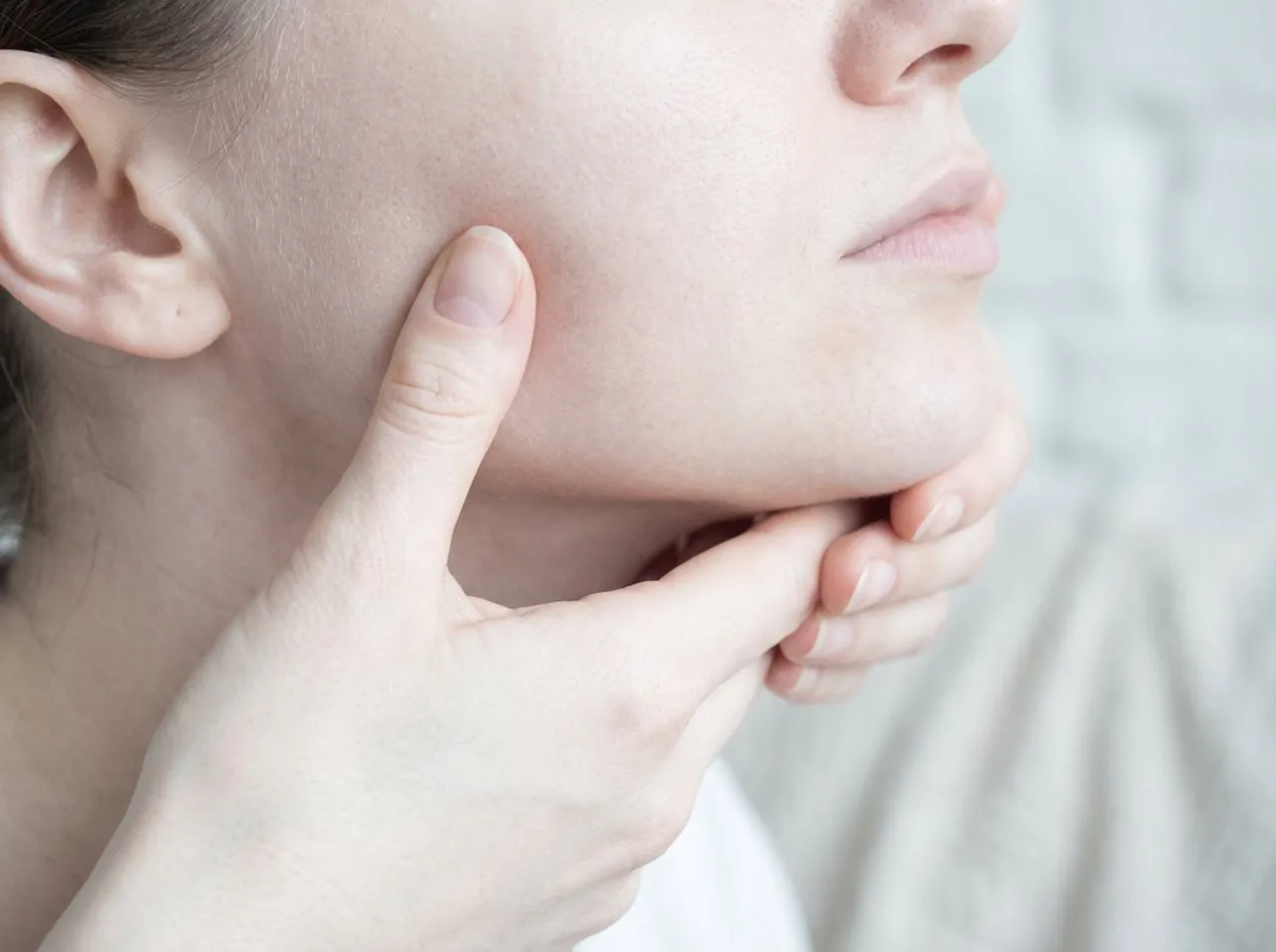
Pay attention to your jaw position during the day. Your teeth should not touch. Your tongue should rest loosely against the palate.
Short breaks during the day help. Relax your shoulders and jaw. A warm flannel can be soothing.
Reduce caffeine and alcohol in the evening. Nicotine can also be disruptive. A calm bedtime routine supports sleep.
Bruxism in children and at night
Children sometimes grind their teeth temporarily. This is often related to growth. Treatment is often unnecessary.
Nevertheless, a check-up is worthwhile. We examine the teeth and the development of the bite. We act early if there is pain.
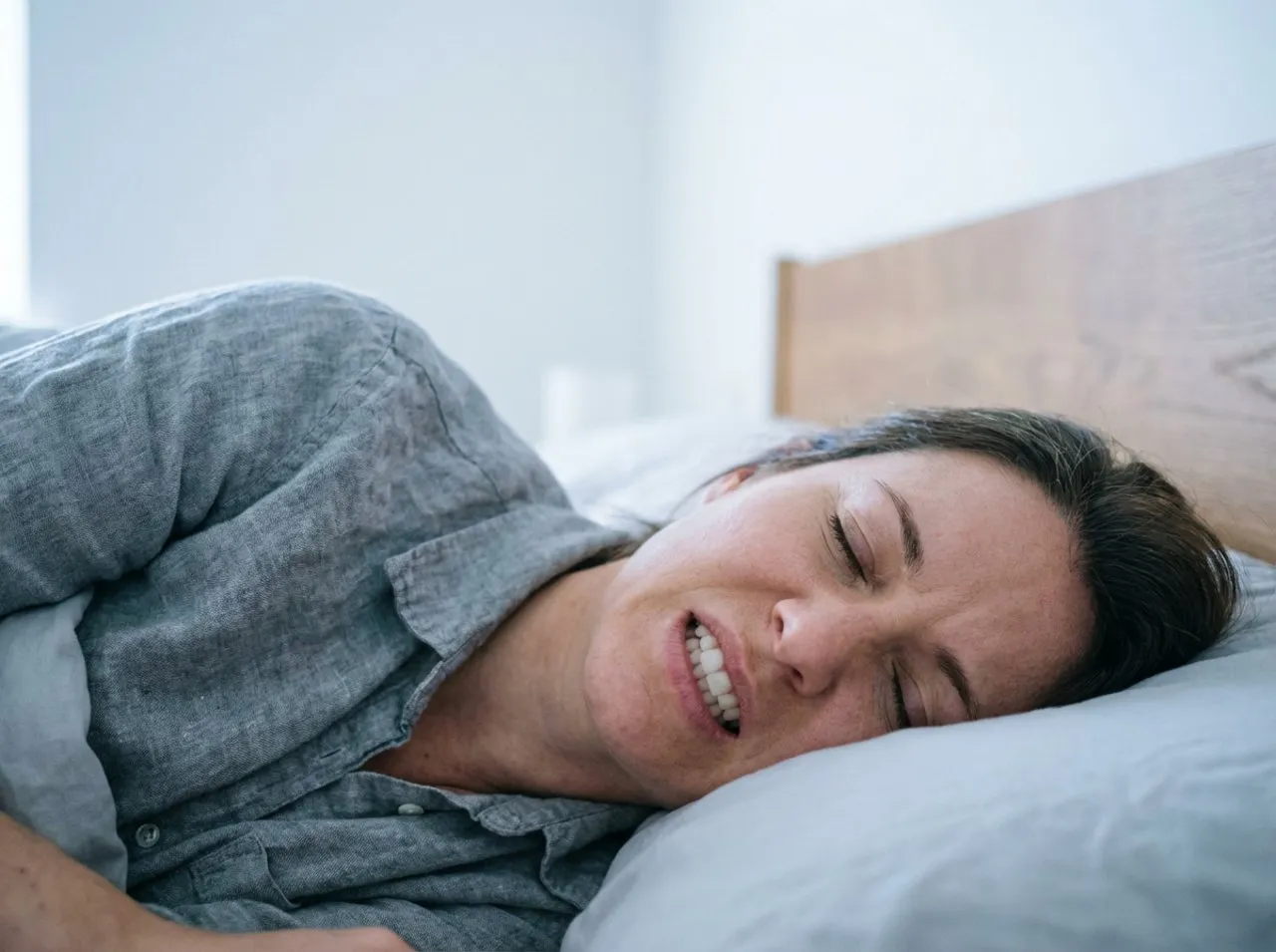
Grinding is particularly stressful at night. The chewing pressure can be very high. A splint then provides reliable protection.

Bruxism and dental restorations: what is important?
People with crowns or bridges should be vigilant. High forces act directly on the dental prosthesis. Small cracks often go unnoticed.
A splint can provide protection here too. It distributes the forces more effectively. This often extends its durability.
With implants, we check the load carefully. This protects the bone and superstructure. Good follow-up care is crucial.