
Bleeding gums when using dental floss: causes and help
Many people notice blood after cleaning with dental floss. This can be alarming at first. However, there is often a harmless cause. Nevertheless, blood on the gums can be a warning sign. It often indicates inflamed gums or incorrect technique. At our Wunschlachen practice...
Über 350 Google-Bewertungen
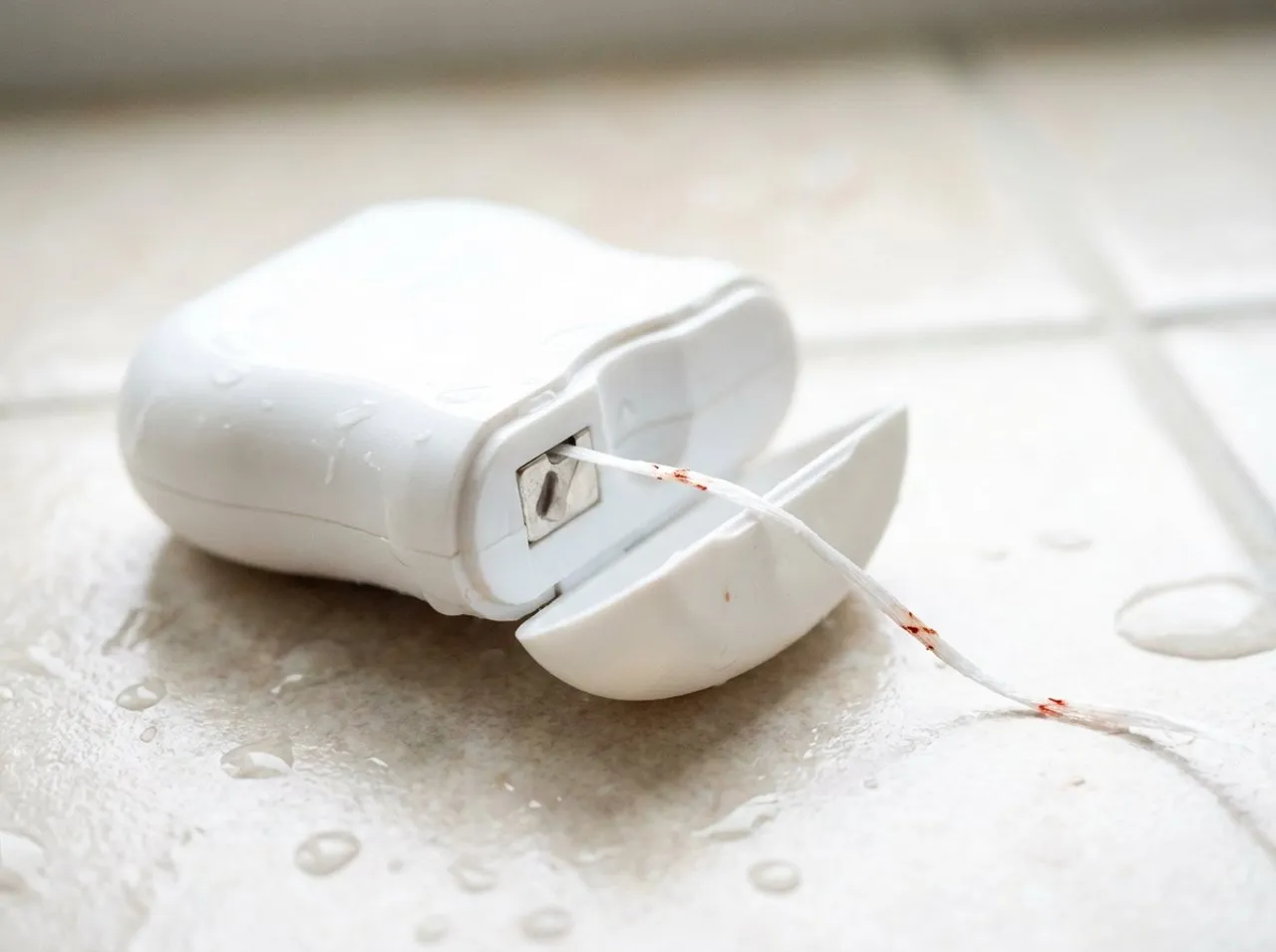
Bleeding gums when using dental floss: possible causes
Mild gum bleeding when using dental floss is common, especially if the spaces between the teeth have previously received little cleaning. However, the transition between a harmless reaction and inflammation is gradual. Common causes include: • Sensitive or irritated gums • Early gum inflammation caused by plaque and bacteria • Excessively jerky movements with the dental floss • Incorrect use in narrow spaces between the teeth • An unsuitable cleaning aid, such as dental floss that is too thick If the bleeding persists, gingivitis is usually the cause. The gums are then inflamed and have an increased blood supply. Even light contact causes bleeding.

Is gum bleeding when using dental floss normal?
Short-term bleeding can be normal at first. Your body is reacting to the new cleaning between your teeth. After a few days of consistent care, this should subside. However, if your gums bleed persistently, caution is needed. Bleeding gums when cleaning then indicate inflammation. If left untreated, this can develop into periodontitis.

Common symptoms of inflamed gums
Bleeding gums when using dental floss are often only an initial sign. The following symptoms provide further clues: • Redness and swelling of the gums • Sensitivity when chewing or brushing your teeth • Bad breath despite thorough care • Slight gum recession If several of these symptoms occur, you should take action. An early visit to the dentist prevents more serious damage. This helps to protect the supporting structures of the teeth in the long term.

Incorrect dental floss technique as a cause
Inflammation is not always the cause. An unsuitable brushing technique often injures the gums mechanically. The result is small wounds and bleeding. Typical mistakes include jerky movements, for example. Pulling the dental floss firmly up into the gums also causes damage. Guiding it incorrectly between the teeth is equally problematic. Gentle, controlled handling is better. Guide the dental floss along the tooth with gentle movements. This removes plaque without injuring the gums.

How to use dental floss correctly, step by step
The right technique can often prevent gum bleeding. Proceed as follows: • Tear off a piece of dental floss and wrap it around both middle fingers. • Hold the floss taut between your thumbs and index fingers. • Carefully slide it into the space between the teeth; do not cut into the gums. • Curve the dental floss around the tooth in a C shape. • Loosen the plaque with gentle up-and-down movements. • Also clean the adjacent tooth surface in the same space. Patience and a calm approach are important at every step. This protects the gums while still cleaning the spaces between the teeth thoroughly.

When should you see a dentist?
If your gums only bleed occasionally when using dental floss, observation is sufficient. Improve your technique and clean regularly. The gums usually settle down after a short time. A visit to the dentist is important if the bleeding persists. This applies particularly if you experience pain, swelling or bad breath. Visible gum recession is also a warning sign. At our Wunschlachen practice, we thoroughly assess your condition. This includes a detailed examination of your gums. We often also draw up an individual preventive care plan.
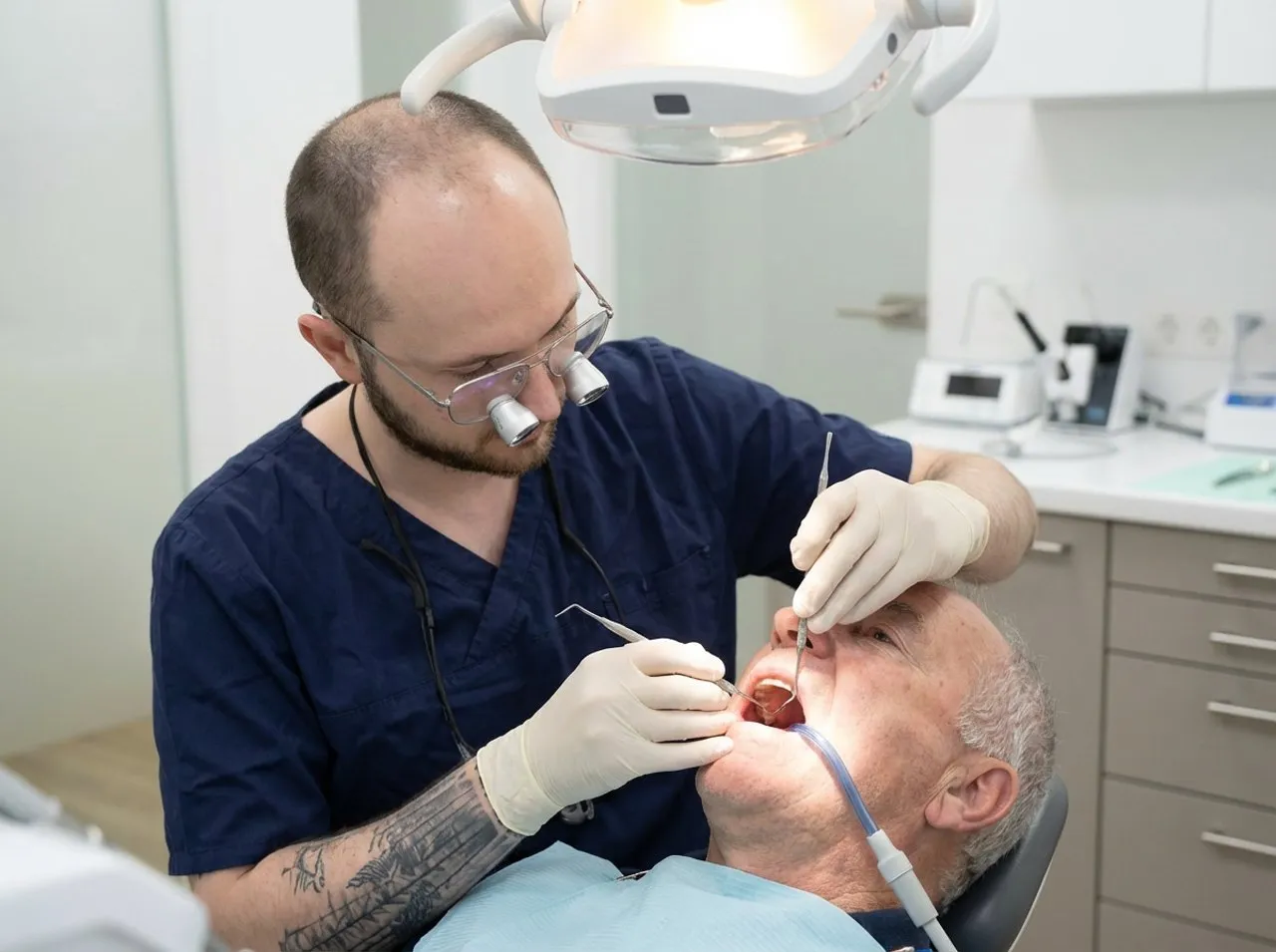
Treatment for bleeding gums at the Wunschlachen practice
First, we professionally remove soft and hard deposits. This significantly reduces the number of bacteria in the spaces between the teeth. The gums can then settle down. Further steps depend on the findings. These may include special mouthwashes or gels, for example. Gentle periodontitis treatment may also be advisable. We place particular emphasis on providing you with guidance for care at home. We show you how to use suitable cleaning aids such as dental floss or interdental brushes. This enables you to keep your gums healthy.
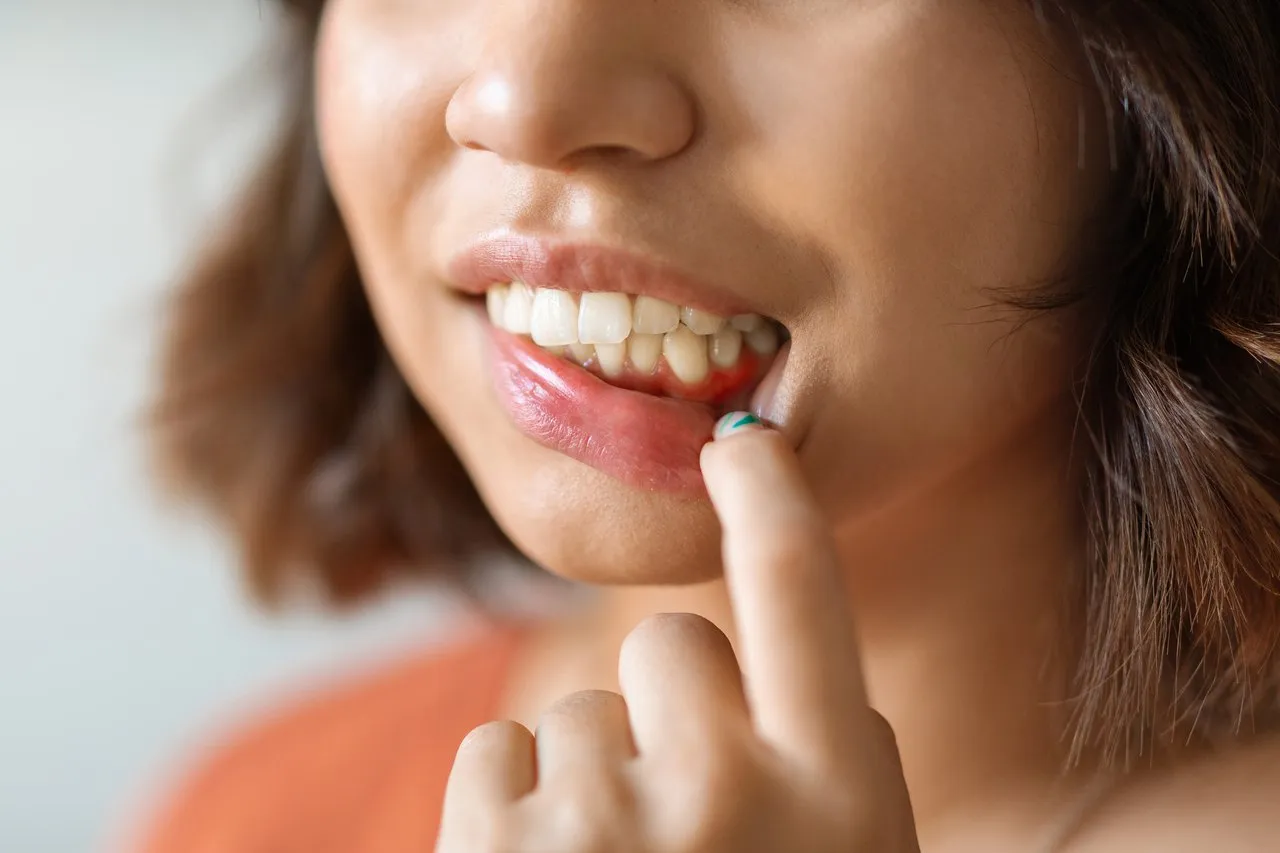
Prevention: how to keep your gums healthy during cleaning
Consistent oral hygiene is the best protection. This includes brushing your teeth daily with fluoride toothpaste. Ideally, clean the spaces between your teeth once a day. Use dental floss or suitable small brushes for this. The correct size and a gentle technique are important. Avoid aggressive movements. Regular dental check-ups are also important. Professional dental cleaning removes stubborn deposits. This significantly reduces the risk of gum inflammation.

Bleeding gums during pregnancy or with illnesses
Sometimes gums bleed despite good care. Hormonal changes can make the mucous membranes more sensitive. This is common during pregnancy, for example. General illnesses also affect the gums. These include diabetes and certain blood clotting disorders. A detailed discussion at the practice provides clarity. Tell us about any medication you take and any pre-existing conditions. This allows us to adapt your treatment optimally. Your gums benefit from a holistic approach.
FAQ – frequently asked questions about bleeding gums when using dental floss
Mild bleeding at first is often harmless. If it persists, you should see a dentist.
A few days is normal when using it for the first time. After that, the gums should no longer bleed regularly.
Reduce the pressure and work more gently. If the pain persists, have the cause assessed.
Yes, but with particular care and under guidance. The inflammation should also be treated professionally.
Antibacterial mouthwashes can support healing. However, they do not replace mechanical cleaning.
That depends on the width of the spaces between your teeth. Your dentist will choose the appropriate method with you.
No, that would be detrimental to your gums in the long term. A gentle, correct technique is more important.
Once a day is ideal for healthy spaces between the teeth. This effectively helps to prevent inflammation.
Yes, especially if there are other symptoms such as bad breath. A thorough examination is then very important.
Yes, we specialise in gentle treatments. We would be happy to advise you personally at our practice.