Changing orthodontist: how to ensure a smooth transition
Sometimes the care you receive no longer suits your situation. In that case, changing orthodontist may be advisable. A transition without a break in treatment is important. You can also change orthodontist during ongoing treatment. This applies to fixed braces and aligners. The key is a seamless...
Über 350 Google-Bewertungen

Common reasons for changing orthodontist
Many patients would like a second opinion. Others are unhappy with long waiting times or poor availability. Sometimes people move house and need a new practice nearby. The approach to treatment may also be unsuitable. Some people want more digital planning and transparency. Others want gentler check-ups, while others want fixed appointments. Trust is particularly important for children. Changing practice can reduce stress. This improves cooperation during treatment.

Changing orthodontist during treatment – step by step
The treatment process usually remains clear and safe. We guide you through it in a structured way. Start with an initial appointment at the new practice. There, we assess tooth alignment, bite and jaw joints. We then define goals and stages. Next, you obtain your records. These include photographs, X-rays and models. Your existing plan is also important. We then take over the active appliance. We check brackets, archwires and attachments. If necessary, we adjust the forces carefully.
Records and findings: what is needed
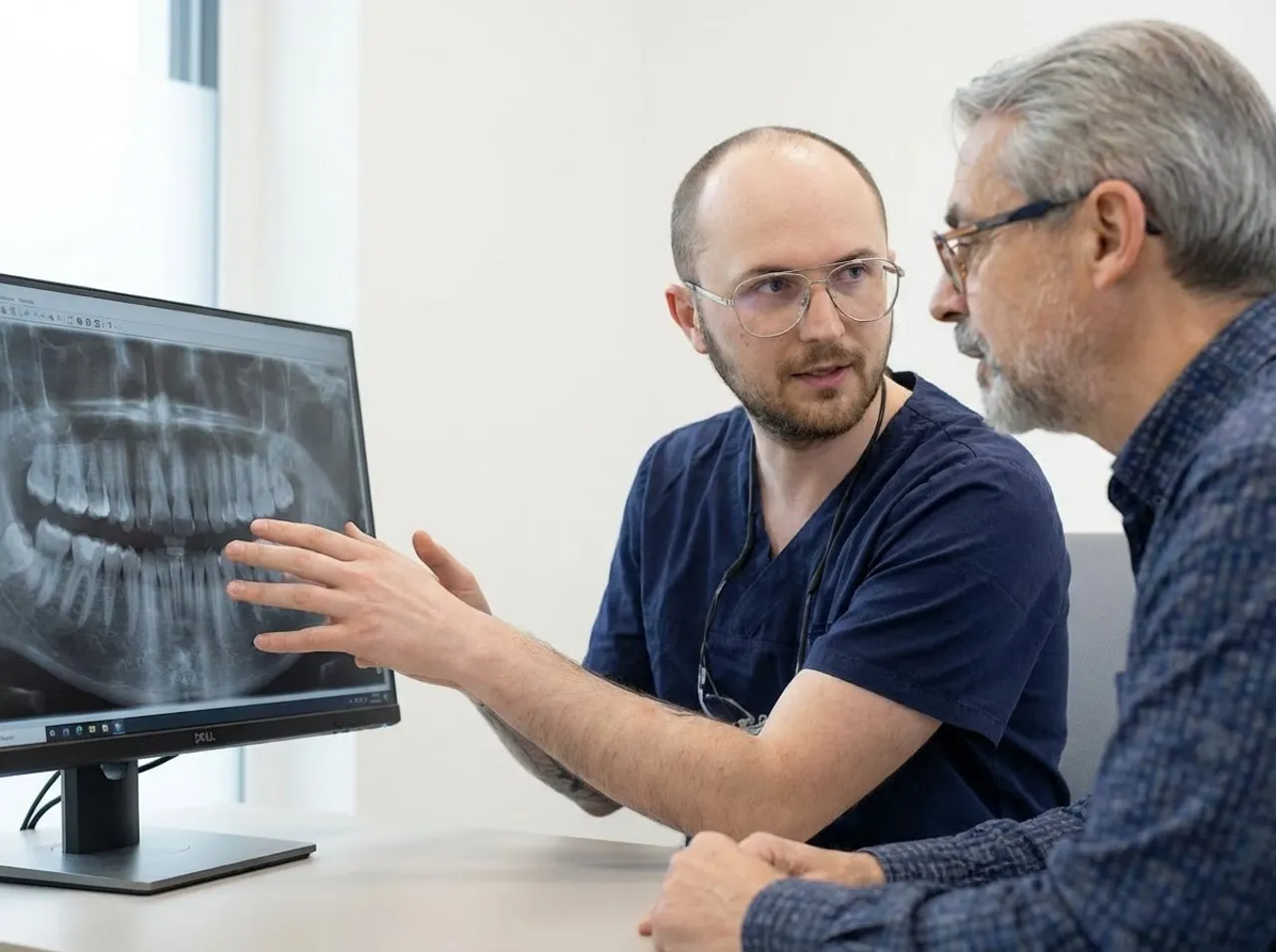
Ask for your complete patient record. This includes findings, diagnostic records and treatment notes. Laboratory records can also be helpful. Current X-rays and photographic documentation are important. These include an OPG and a lateral cephalometric X-ray. This allows planning to continue safely. Ask for the cost and treatment plan. For statutory health insurance patients, the KIG classification is relevant. For private treatment, fee agreements are important.

Contract, termination and data protection when changing practice
Review your treatment contract carefully. Pay attention to notice periods and outstanding invoices. Also clarify any personal contributions you have already paid. Your data may be transferred, but only with your consent. This applies to X-rays and digital scans. We can help you with the formalities.

Costs, health insurance and billing when changing orthodontist
The costs depend on your contract and the services already provided. Some services have often already been billed. We then draw up a new plan for the remainder of your treatment. For patients with statutory health insurance, the insurer's approval is important. An up-to-date treatment and cost plan (Heil- und Kostenplan) is often required. Sometimes a new assessment follows. The bonus booklet scheme is also important. Regular check-ups can improve subsidies. We explain the billing process transparently. For private insurance, your individual policy is what matters. We prepare a clear, itemised plan. This keeps your personal contribution predictable.

Changing practice with aligners or a fixed brace
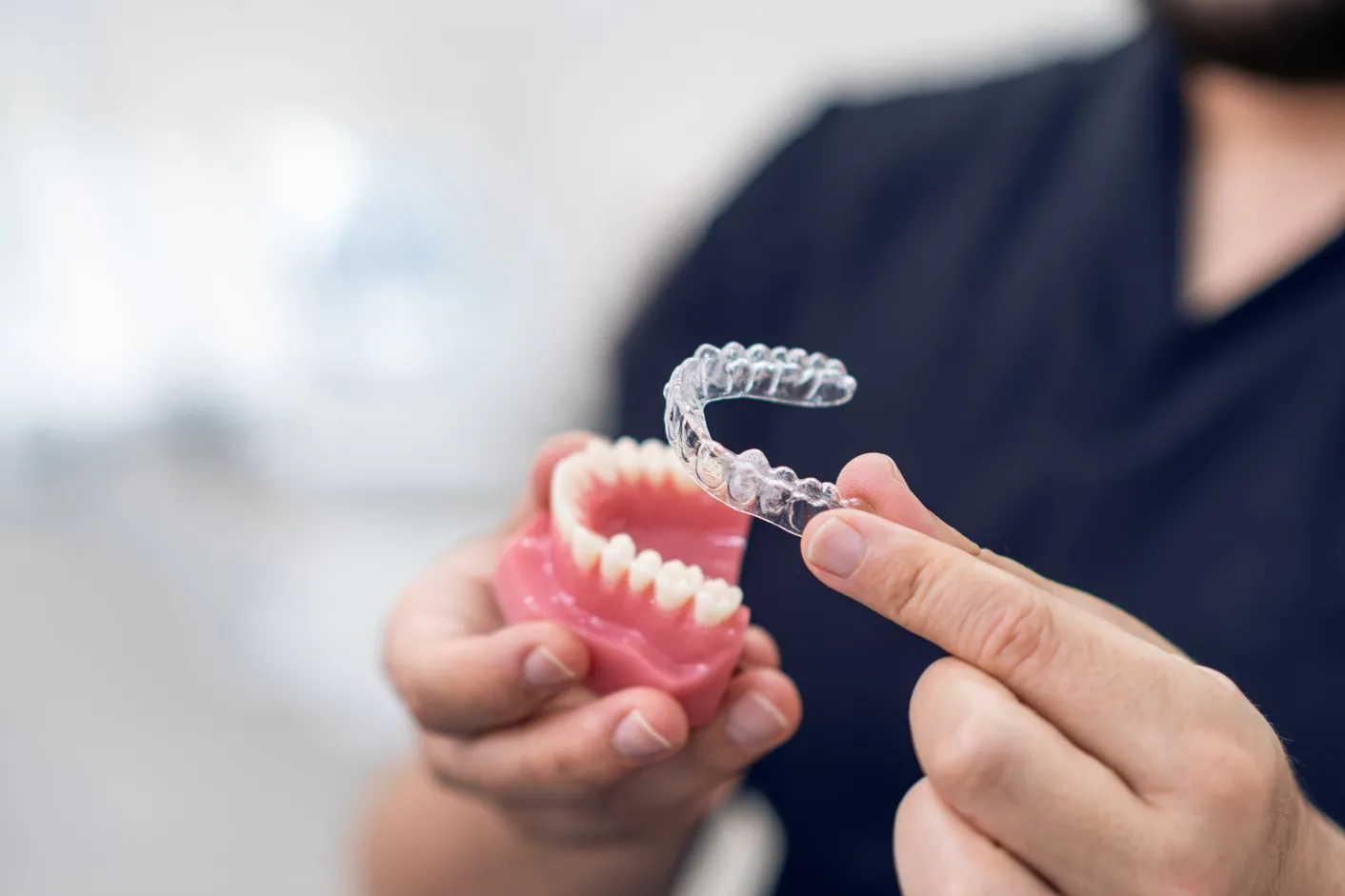
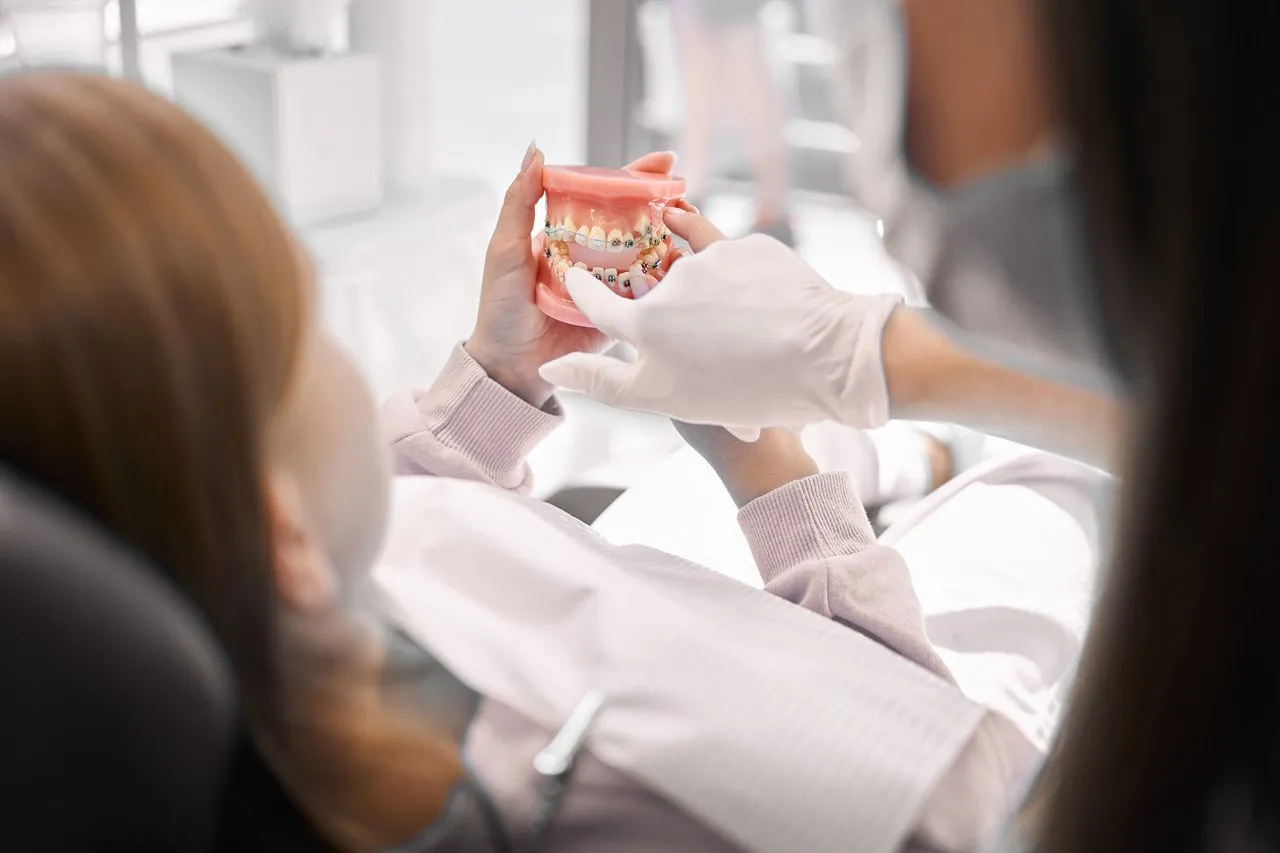
For aligners, we check the digital planning. We assess attachments, IPR and wear time. We then decide whether to continue or take a new scan. We also check your existing aligners. This includes their numbers, fit and material. Missing sets can often be reordered. With fixed braces, we check the brackets and wires. We monitor forces, hygiene and pressure points. Minor adjustments stabilise progress. Retainers are part of the retention phase. We check the adhesive margins and wire tension. This helps prevent an unnoticed relapse.

Communication with your previous practice
Keep the conversation calm and factual. Ask for a brief handover. Ask about the next treatment step. Request copies of your records. Make a note of the wire sizes, bracket system and adhesive. This saves time when your treatment is taken over.
Avoiding risks: what to look out for
Do not terminate your treatment without a follow-up plan. Breaks in treatment often cause teeth to shift quickly. Schedule appointments close together and keep them reliably. Make sure responsibilities are clear in an emergency. Broken wires require prompt attention. A practice that is easy to reach is then crucial. Talk openly about goals and limitations. Ask about alternatives and risks. These include root resorption and decalcification.
Checklist before changing practice
• Which goals are realistic and over what timescale? • Which records are complete and available? • How will the costs be covered by your health insurer or insurance company? • Who can be reached at short notice if problems arise?

Changing orthodontist in Berlin – care at Wunschlachen
At our Wunschlachen practice in Berlin, we take over ongoing orthodontic cases. We work in a structured and transparent way. You receive a clear treatment roadmap. We use modern diagnostics and digital workflows. This makes it easier to take over and plan treatment. We also continue aligner treatments. With children, we focus on calm communication. We explain every step clearly. This helps rebuild trust.

Conclusion: change practice safely and continue treatment without disruption
Changing orthodontist is usually straightforward. Records, planning and coordination are important. This protects the success of your treatment. If you would like to change practice, contact us. We assess your current status and plan the next steps. This makes the transition stress-free.
FAQ – frequently asked questions about changing orthodontist
Changing practice can help if you move house, are dissatisfied or have lost trust. A second opinion can also be useful.
Yes, you can change practice. Your records, diagnostic information and a follow-up plan are important.
You need X-rays, photographs, models and your treatment plan. Billing records can also be helpful.
Sometimes, particularly for treatment covered by statutory health insurance. A new treatment and cost plan (Heil- und Kostenplan) is often required.
This is possible, for example if new diagnostic tests are needed. It often depends on your existing contract.
It usually remains in your mouth and is taken over by the new practice. The technique can be adjusted carefully.
Often yes, after the digital plan has been reviewed. Sometimes a new scan is advisable.
Arrange appointments at the new practice early. Have your records transferred in good time.
Yes, you are entitled to inspect it and obtain copies. Copying charges may apply.
After your initial appointment and a review of your records, we can start promptly. We treat emergencies at short notice.