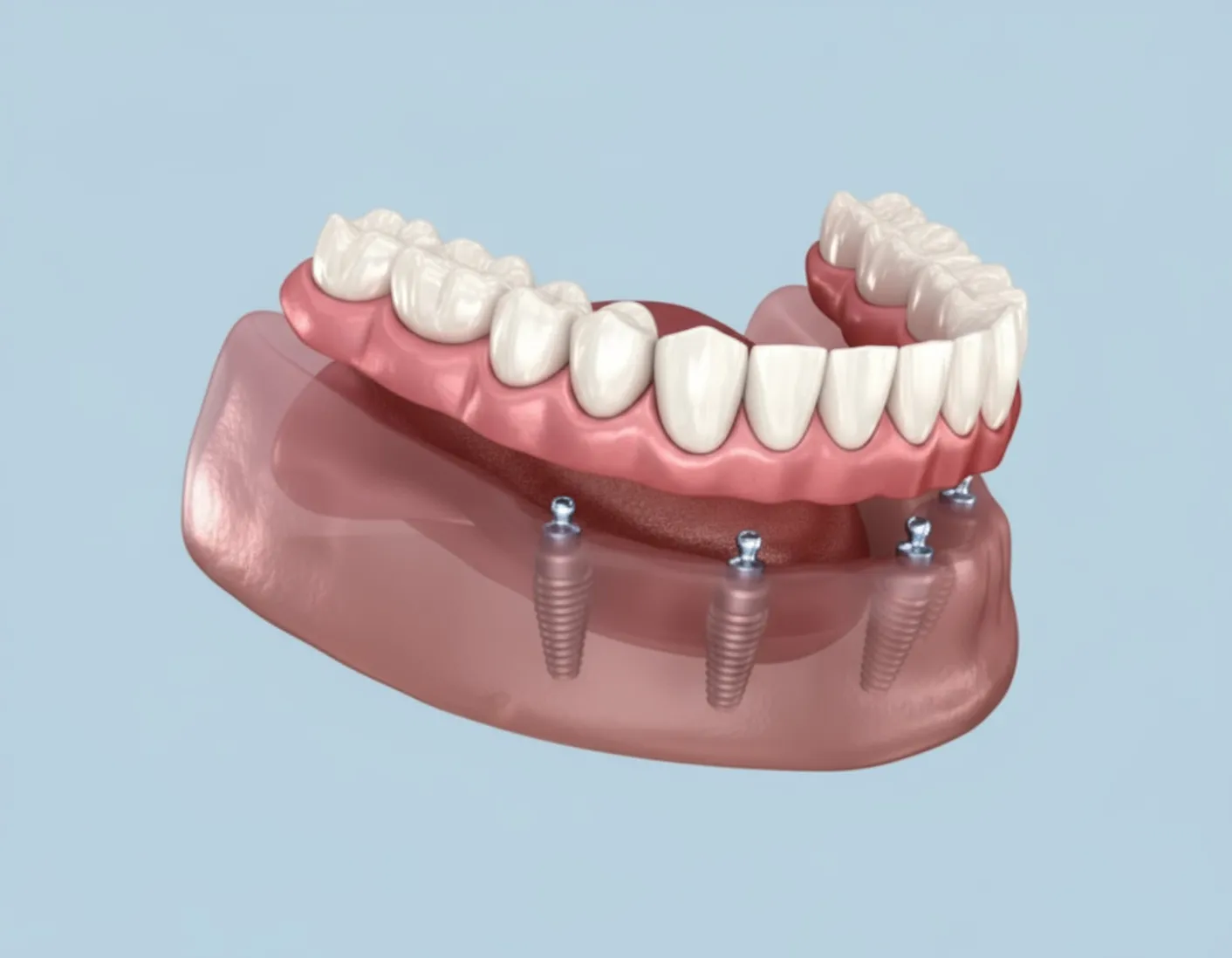
What does a complete dental restoration involve?
A complete dental restoration treats the teeth, gums and bite. It combines many measures in one plan. The aim is a strong, reliable chewing function. This includes preserving teeth, treating inflammation and replacing teeth. Aesthetics are also planned. Ultimately, symptoms should be significantly reduced.
Über 350 Google-Bewertungen
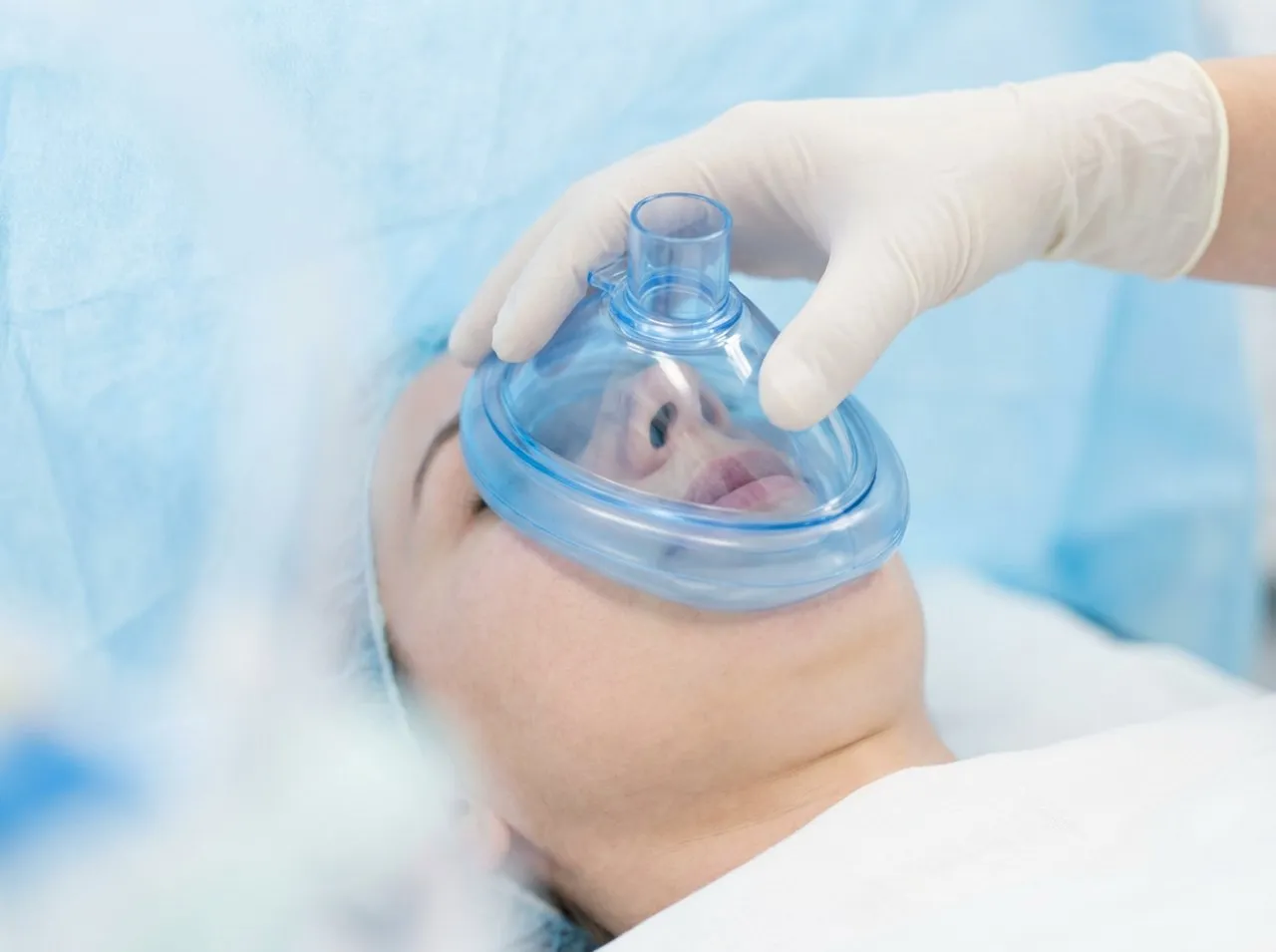
Who is general anaesthesia at the dentist suitable for?
General anaesthesia can be helpful for severe dental anxiety. It also helps with very lengthy procedures. This allows several steps to be carried out in one day. A pronounced gag reflex can also be a reason. Pain despite local anaesthesia can sometimes be another reason. The decision is made after an examination and a full explanation of the procedure. Twilight sedation is an alternative. It is not as deep as general anaesthesia. Which method is suitable depends on the clinical findings and risks.
Typical steps in a complete restoration
The first step is a thorough diagnostic assessment. This includes X-rays, photographs and measurements. Inflammation is then reduced and stability established. The gums and bone should be free of inflammation. This improves the prognosis and wearing comfort. Damaged teeth are preserved wherever possible. Fillings or root canal treatments are typical steps at this stage. Sometimes a tooth is removed if it cannot be saved. Missing teeth are replaced with dental prostheses. Bridges, dentures and implants are common options. The choice depends on function and budget.

Complete dental restoration under general anaesthesia: what costs are involved?
Costs depend heavily on the initial clinical findings. There is therefore no reliable flat rate. A treatment and cost plan (Heil- und Kostenplan) provides clarity. We will advise you in detail. The total amount consists of dental practice fees and laboratory work. Materials often account for a large proportion. With general anaesthesia, the anaesthesia itself is added as a separate item. Five-figure sums are possible for extensive implant treatment. The decisive factor is the amount of tooth replacement required.
Which cost categories should you know about?
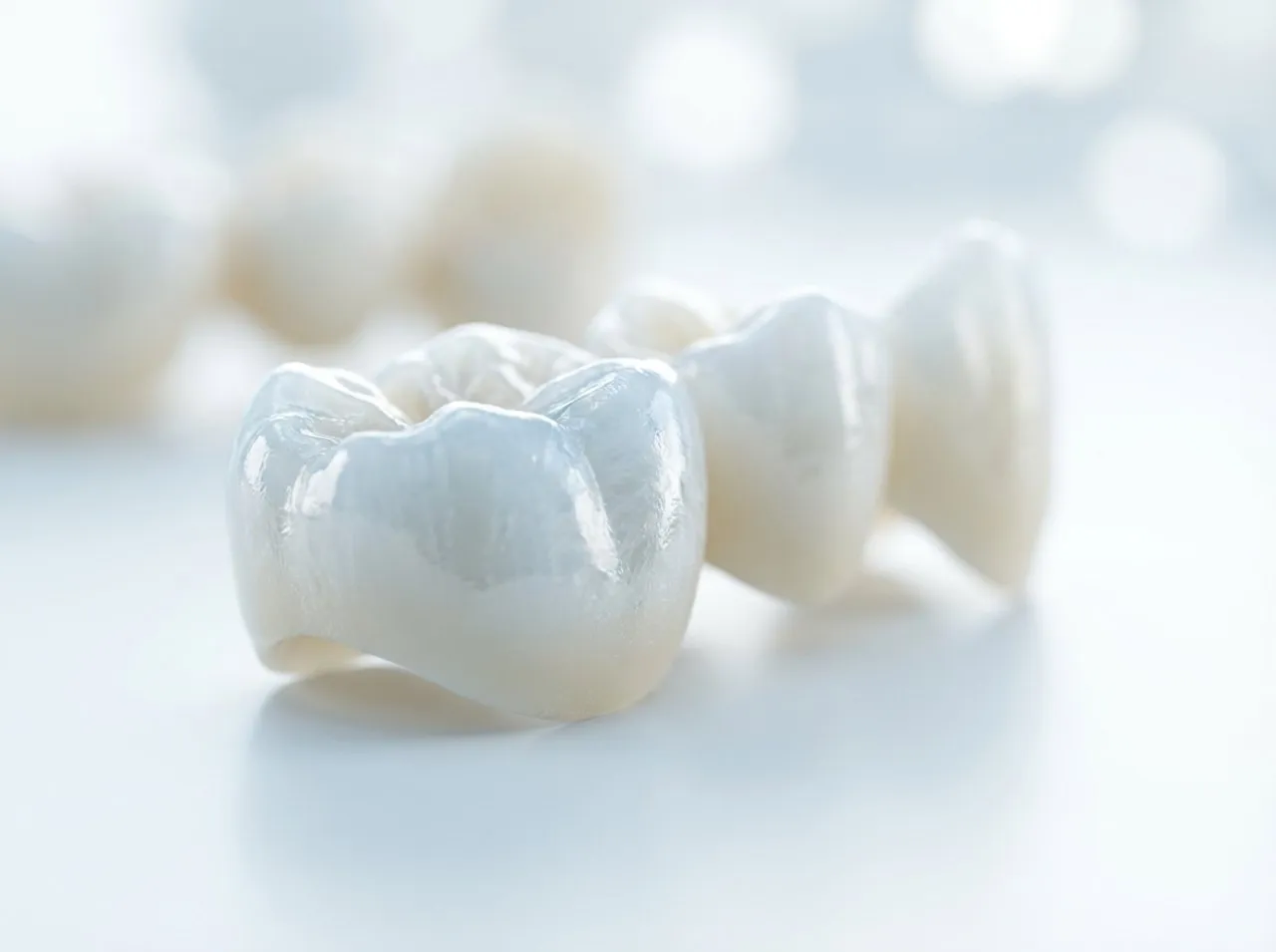
Preserving teeth usually costs less than extensive tooth replacement. However, crowns and bridges require laboratory work. This can significantly increase the bill. Implants involve surgery and the implant structure. The crown on top of the implant is an additional cost. The amount increases noticeably with several implants. Temporary restorations maintain function during healing. They cost extra, but are often worthwhile. General anaesthesia is usually charged according to its duration. The consultation, monitoring and recovery period are also included.
What drives costs up in particular?
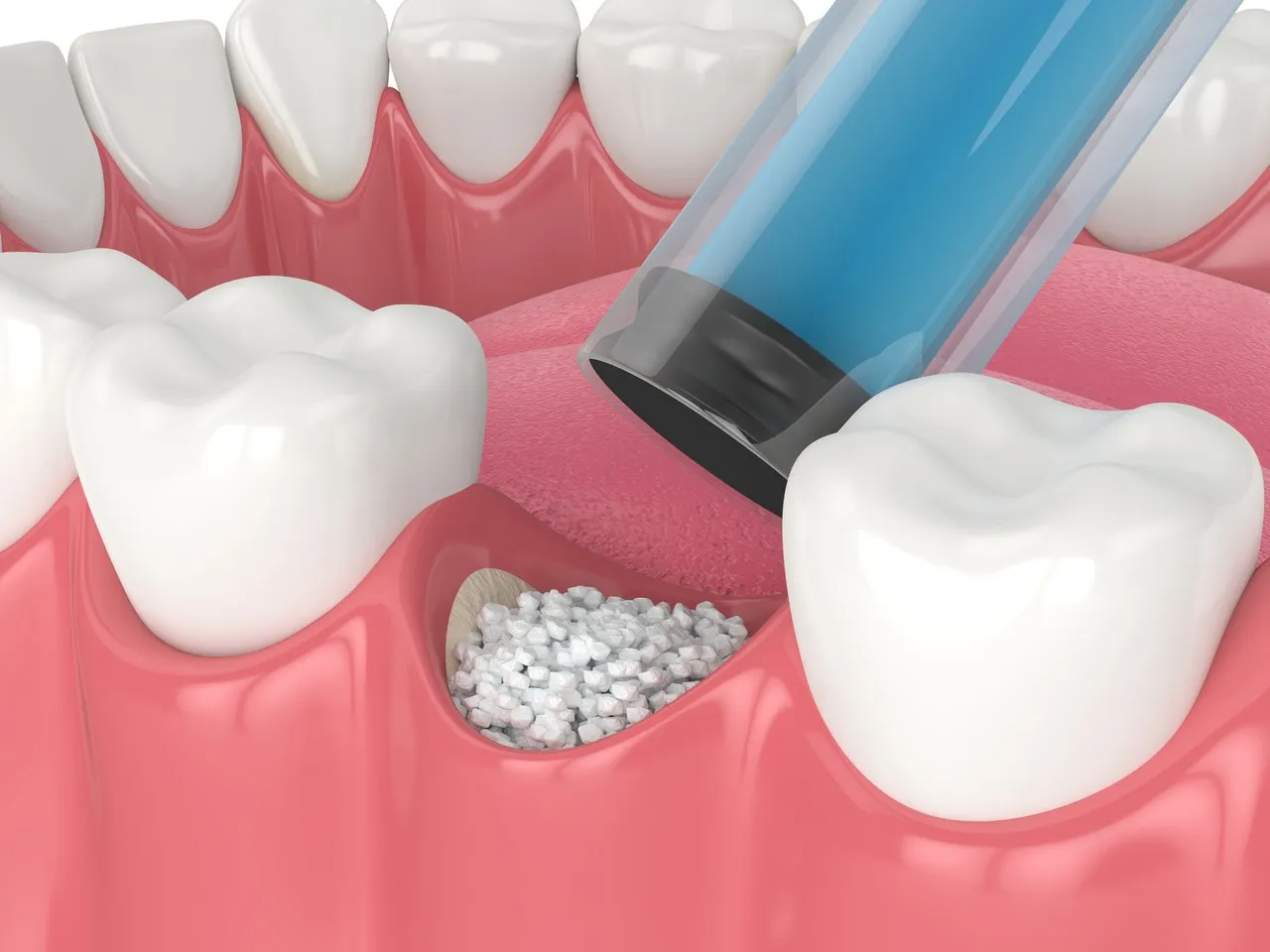
A large number of teeth requiring treatment increases the time and materials needed. The number of sessions also plays a role. Long treatment times often extend the anaesthesia. Bone augmentation may be necessary before implants. It increases the work involved and material costs. The healing time may also be longer. The choice of material affects price and appearance. All-ceramic restorations often look very natural. Metal-based solutions are often less expensive. Bite correction can also incur costs. Splints and fine adjustments take time. This protects the teeth, jaw joints and muscles.
Health insurance, fixed subsidies and the bonus booklet
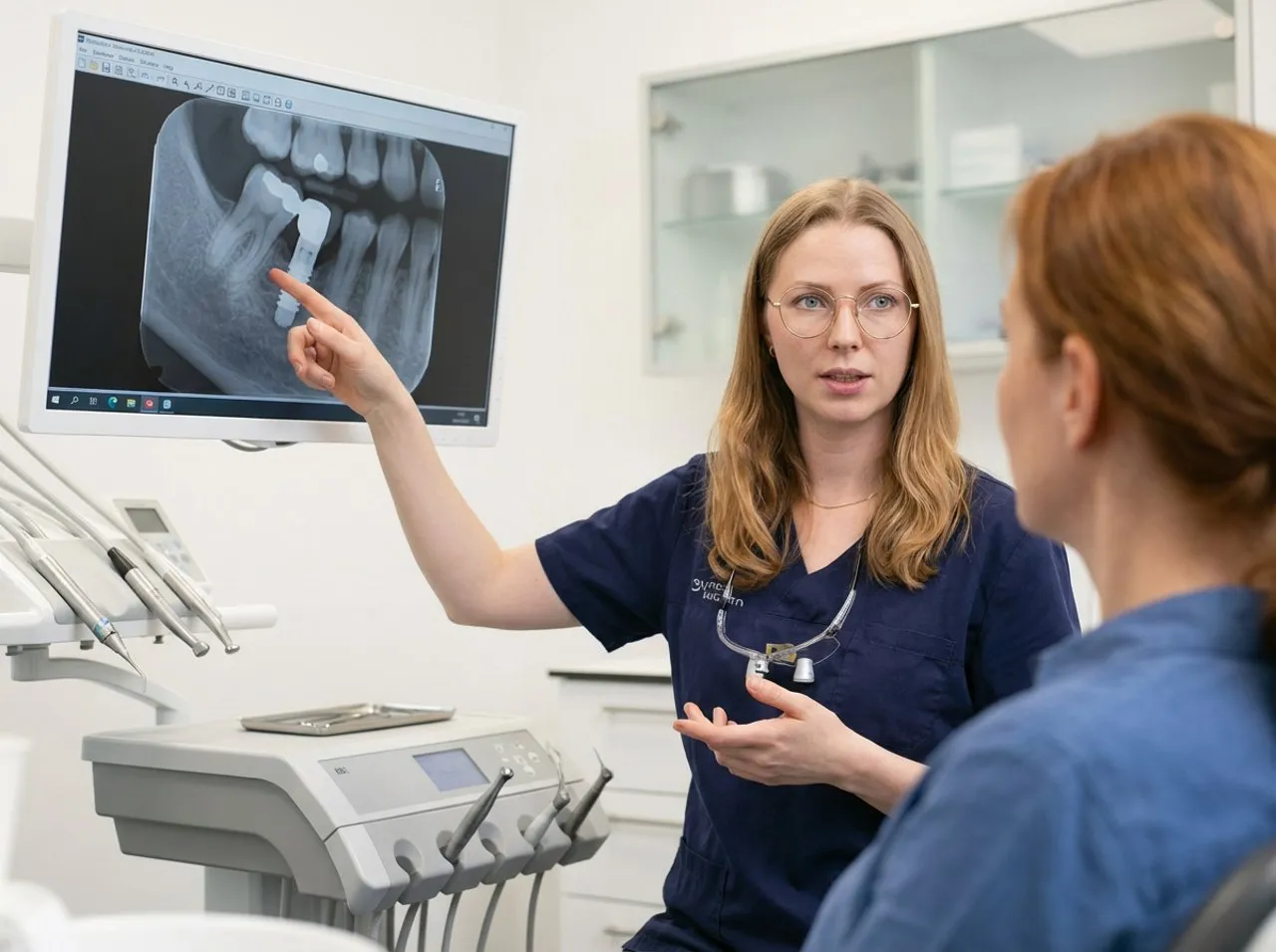
For tooth replacement, statutory health insurance pays a fixed subsidy. It is based on the standard insurance-funded treatment. Your own contribution depends on the solution you choose. The bonus booklet (Bonusheft) can increase the subsidy. Regular check-ups are essential for this. It is particularly worthwhile for more extensive treatment plans. General anaesthesia is usually not covered by statutory health insurance. Exceptions apply where there is a clear medical indication. Anxiety alone often does not meet this requirement. Supplementary dental insurance can reduce your own contribution. The policy, waiting period and benefit limits are important. Also check the rules relating to implants.
Treatment and cost plan: making everything transparent
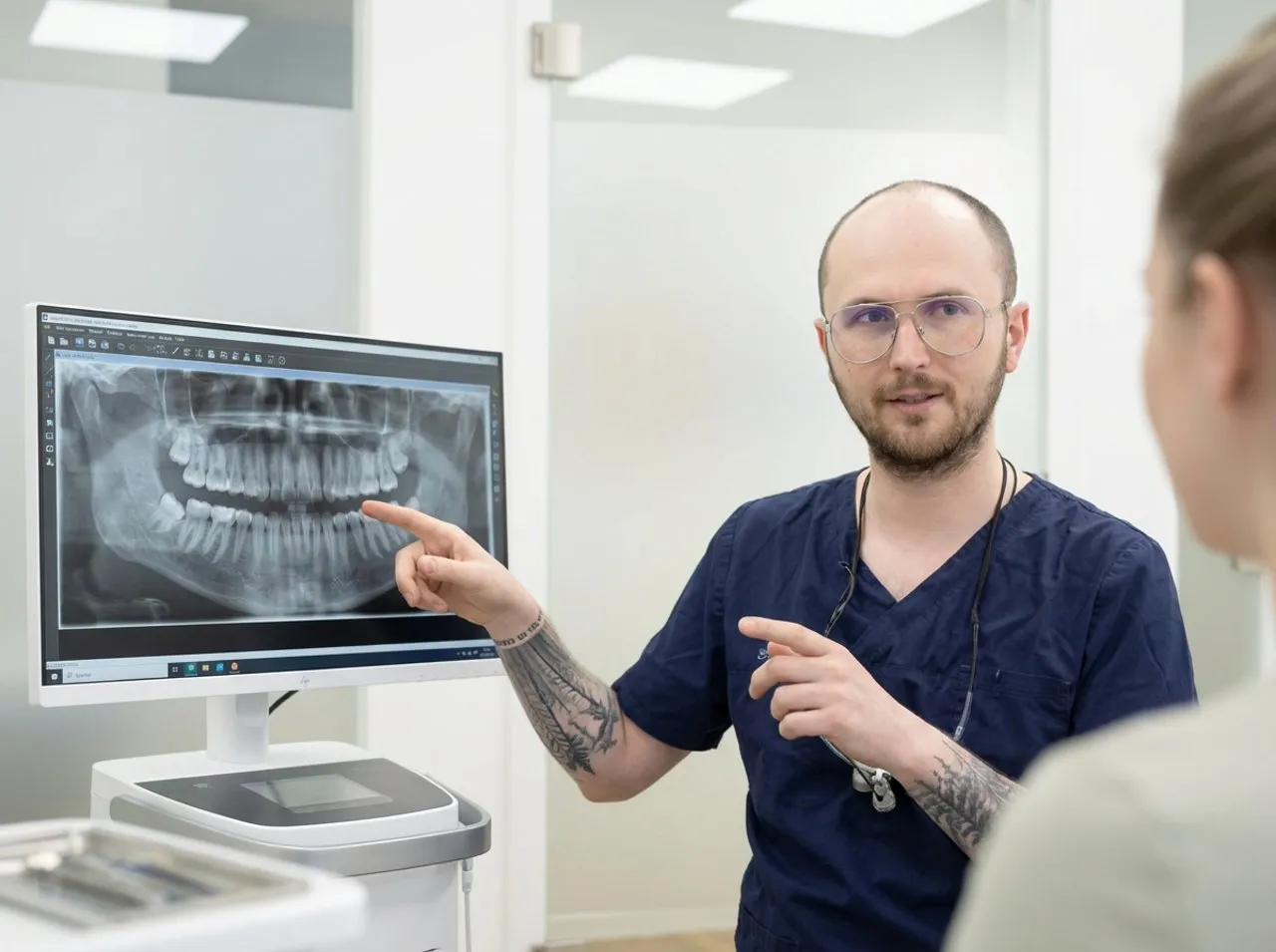
The treatment and cost plan (Heil- und Kostenplan) lists every item. It separates dental practice fees, laboratory costs and materials. This makes it easy to compare options. Look for separate items for anaesthesia. Clarify the number of appointments in advance. This helps with work and care arrangements at home. The duration of the general anaesthesia also becomes easier to plan.
Safety and preparation for general anaesthesia
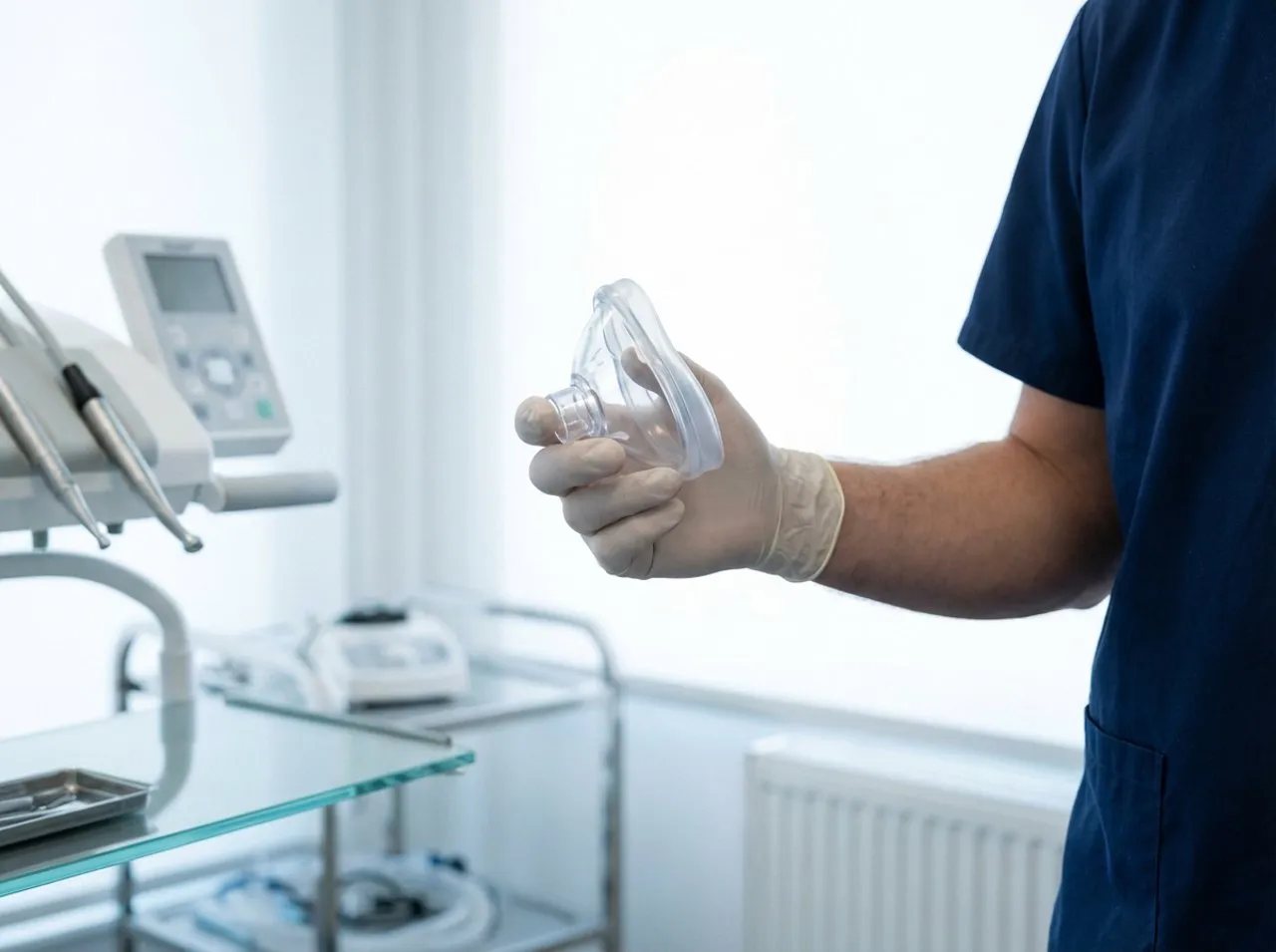
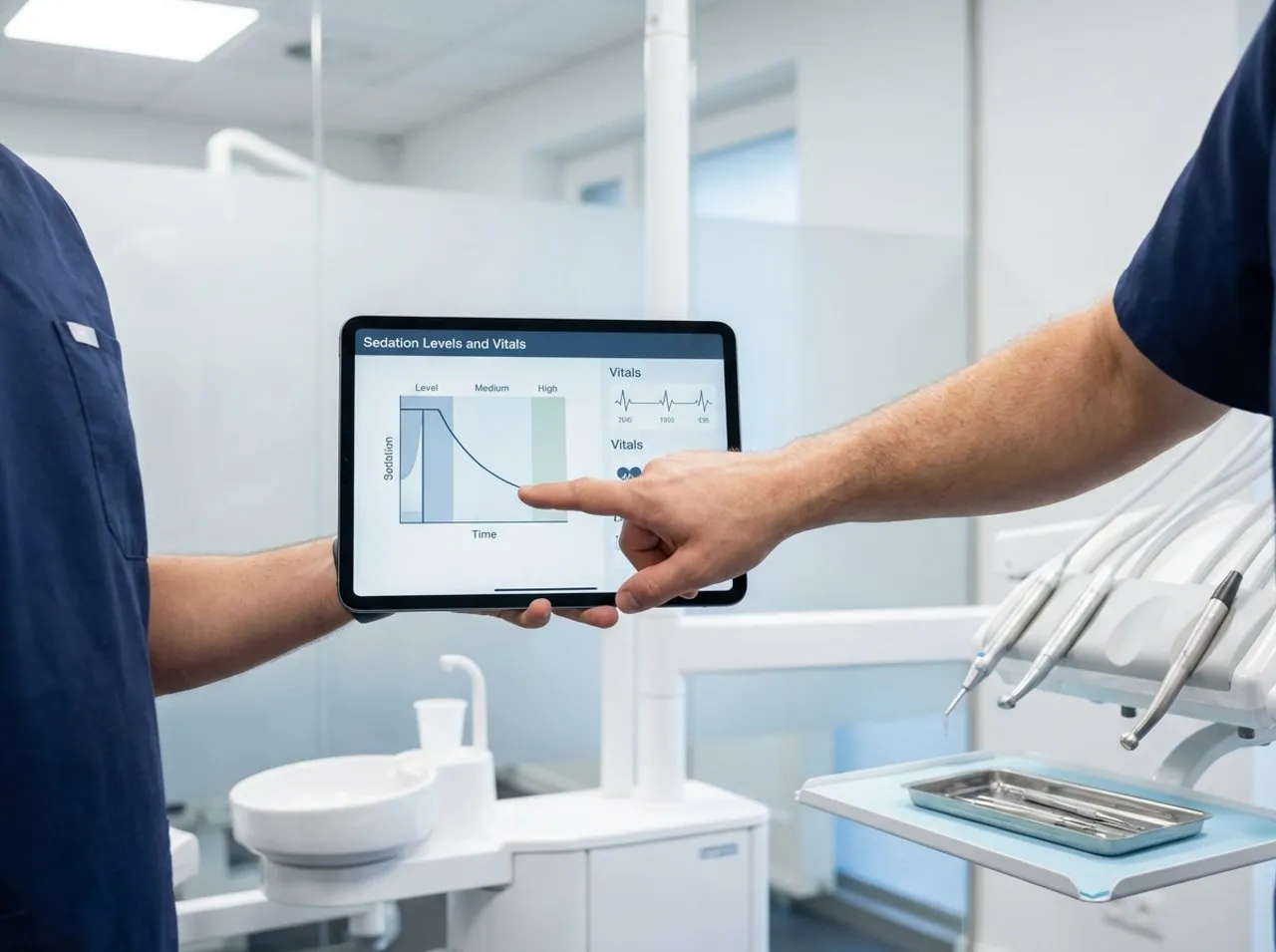
Your medical history is taken before general anaesthesia. Pre-existing conditions and medications are reviewed. Allergies are also recorded. You must not eat or drink on the day of treatment. This reduces the risk of complications. You will need someone to accompany you. Your vital signs are continuously monitored during anaesthesia. These include breathing, pulse and blood pressure. A rest period follows after you wake up.
Risks and side effects of general anaesthesia
General anaesthesia is considered safe in dentistry. However, it requires careful planning. An experienced anaesthetist ensures this. Tiredness and mild nausea are common. Some patients have a sore throat from the breathing tube. This usually subsides after one day. Circulatory problems or airway irritation occur rarely. All vital signs are therefore continuously monitored. Pre-existing conditions can increase the risk. Discuss blood thinners, asthma and diabetes. Alcohol and nicotine also affect anaesthesia. Providing an honest medical history protects you.

Tips for managing costs and the treatment process
Plan the restoration in clear phases. Inflammation comes first, then function, then aesthetics. This keeps the plan manageable. Ask about a statutory insurance option and a more comfortable option. Both use the same clinical findings. The differences often lie in the materials. With ceramic, appearance is a particular focus. In the back teeth, metal or zirconia is sometimes sufficient. This often reduces your own contribution. The duration of anaesthesia can also be influenced. Several steps in one session can be less expensive. This depends on your clinical findings. A second treatment and cost plan (Heil- und Kostenplan) can show different options. This helps you identify potential savings early on. Also ask where the laboratory is located. If you have supplementary dental insurance, submit the plan to your insurer. This way, you will know the reimbursement amount before treatment begins. This prevents unpleasant surprises.

Aftercare: how to protect the result
It is important to take it easy after treatment. Soft food can help at first. Cooling often reduces swelling. Follow-up appointments check healing and your bite. This keeps tooth replacements stable in the long term. Implants also benefit from this.
Financing and payment in instalments
Many patients would like predictable monthly payments. Paying in instalments can spread your own contribution. Transparent terms and total costs are important.

The process at Wunschlachen in Berlin
First, you will have a consultation and clinical assessment. We will discuss your goals, wishes and expected costs. You will then receive a structured plan. Before the procedure, the anaesthesia will be explained to you. You will receive clear instructions on how to prepare. An experienced team will look after you on the day of treatment. You should rest after the anaesthesia. You should not drive yourself on the same day. We will schedule your aftercare appointments in advance.

Conclusion: assess costs realistically
A complete dental restoration can significantly improve quality of life. Costs depend on the clinical findings, materials and duration of anaesthesia. With planning, your own contribution can be calculated reliably.
FAQ: Frequently asked questions
The range is wide and depends on the clinical findings. Five-figure sums are often possible with implants. We will advise you in detail and draw up a transparent cost plan.
Yes, anaesthesia is usually a separate item on the bill. The duration of the session affects the amount.
Usually not, including for patients with anxiety. Exceptions apply where there is a medical indication.
Sedation is lighter and often shorter. General anaesthesia affects the entire body.
The bonus booklet (Bonusheft) increases the fixed subsidy for tooth replacement. This often reduces your own contribution.
No, bridges or dentures are often good alternatives. The choice depends on the bone and neighbouring teeth.
The diagnostic assessment before implant treatment will show this. Too little bone can jeopardise stability.
Many people need at least one day of rest. It can take longer after more extensive procedures.
It makes services and materials comparable. It shows laboratory and anaesthesia costs.
Financing is possible in many cases. We will discuss the terms with you in person.