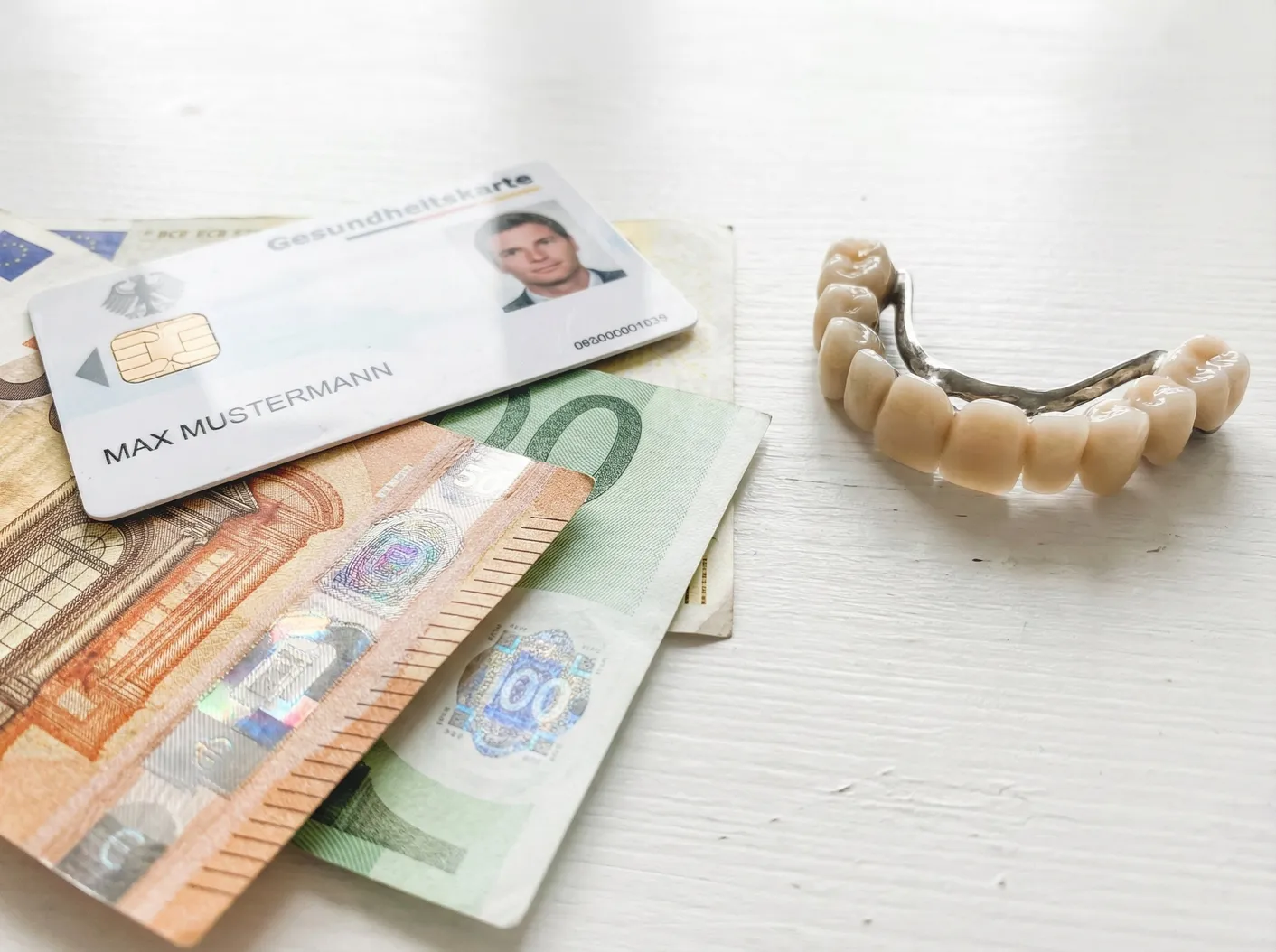
Costs of complete dentures: prices, subsidies and planning
• ‘Complete’ usually means dentures for an entire jaw. • Costs range from full dentures to fixed implant solutions. • The treatment and cost plan clearly shows the subsidy, your own contribution and alternatives.
Über 350 Google-Bewertungen
What does ‘complete dentures’ mean?
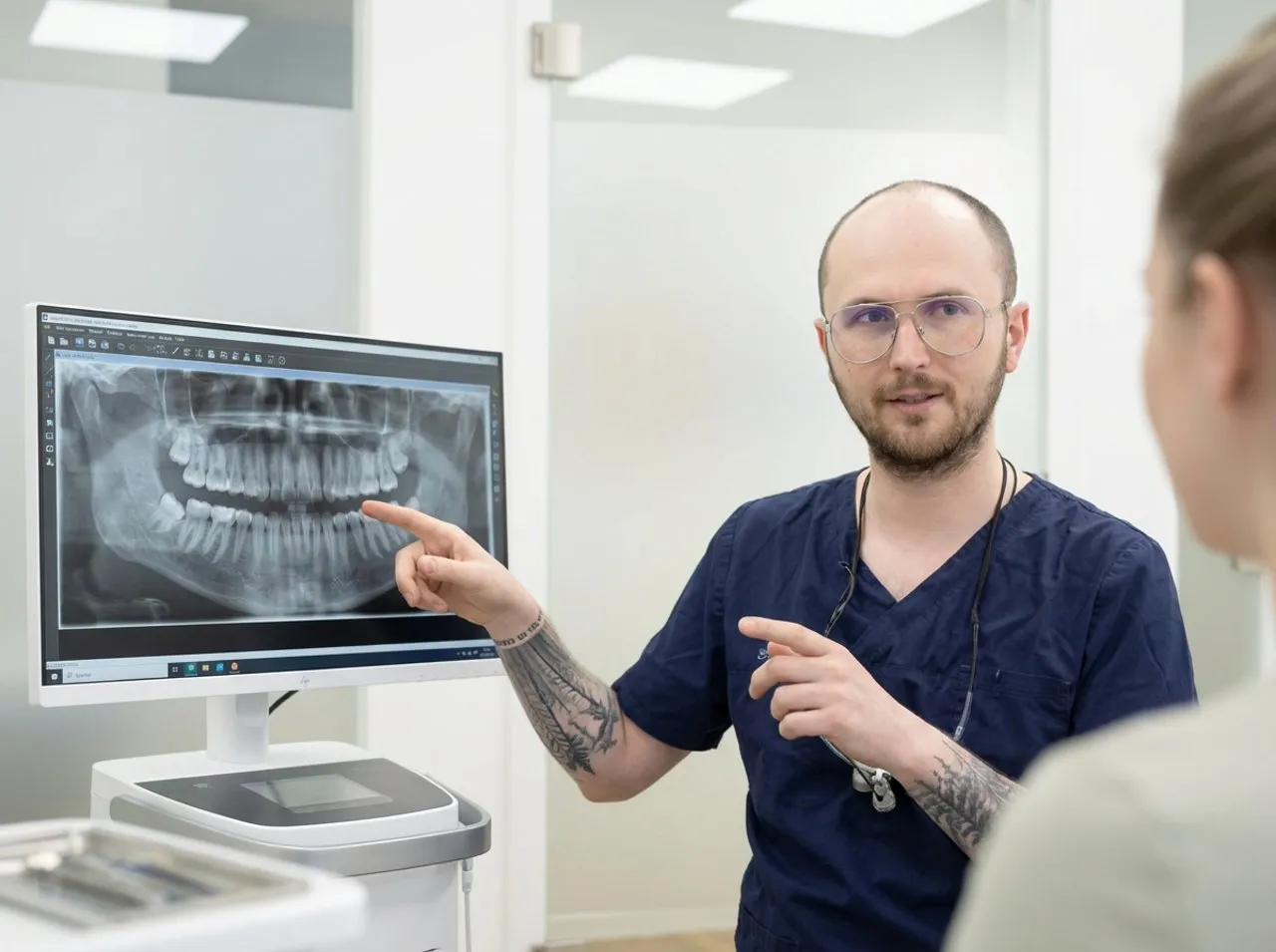
The expression is imprecise in everyday use. It usually refers to an edentulous jaw. Sometimes it affects both jaws. ‘Complete’ can mean removable dentures. Fixed dentures can also be planned. The decisive factors are the diagnosis, bone and your expectations.
Which types of restoration are possible?
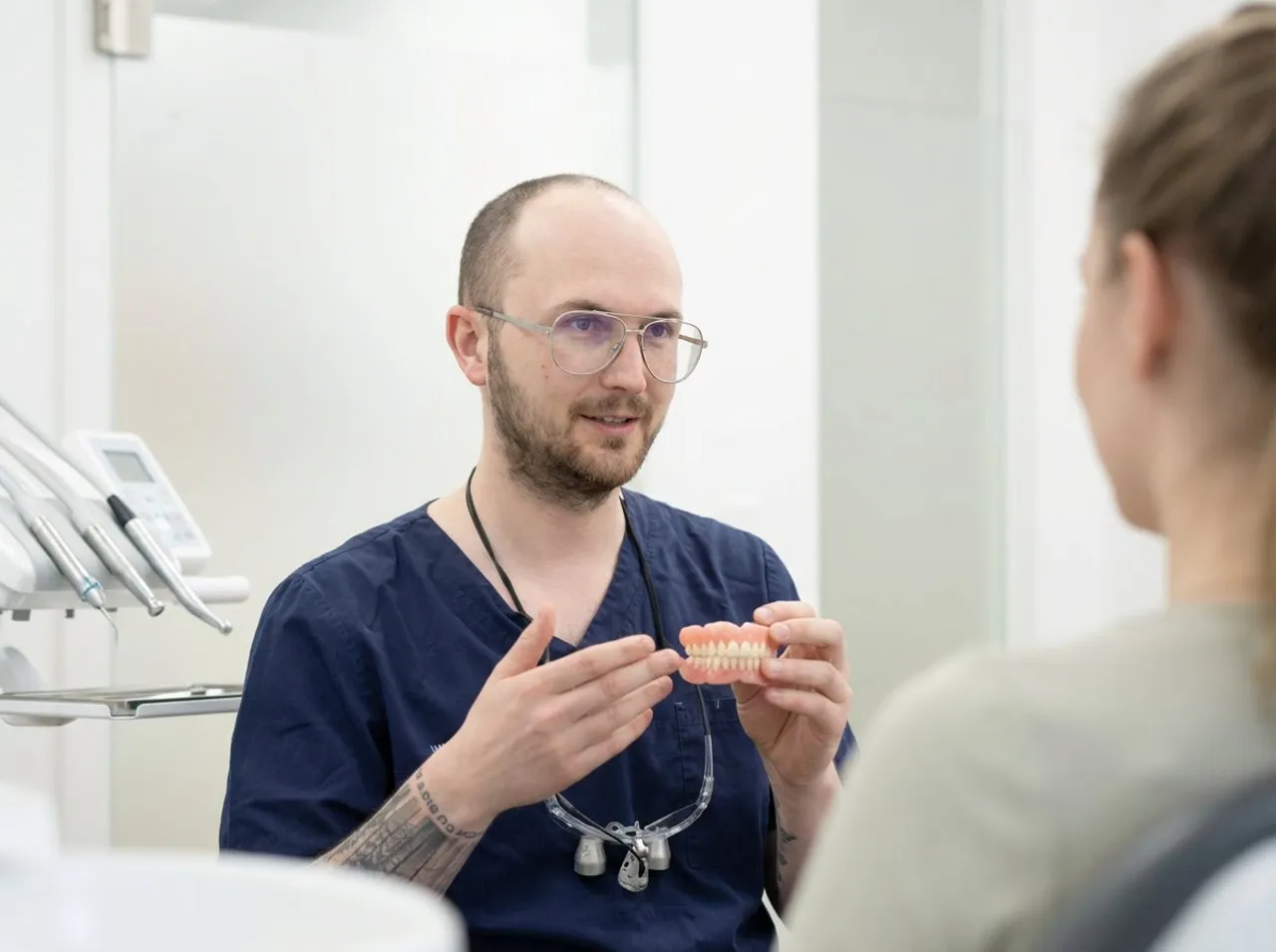
A full denture replaces all the teeth in one jaw. It rests on the mucous membrane and alveolar ridge. It is often the standard treatment. A temporary denture bridges a transitional period. It is often used after extractions. The definitive restoration follows later. Combination dentures use existing teeth as abutments. Typical options include telescopic dentures or cast-metal framework dentures with retaining elements. Retention is often better. Implant-supported dentures provide significantly greater stability. Locators or a bar are possible options. Fixed bridges are also possible. Fixed concepts supported by 4 or 6 implants replace a full arch of teeth.
Cost ranges: what is realistic?
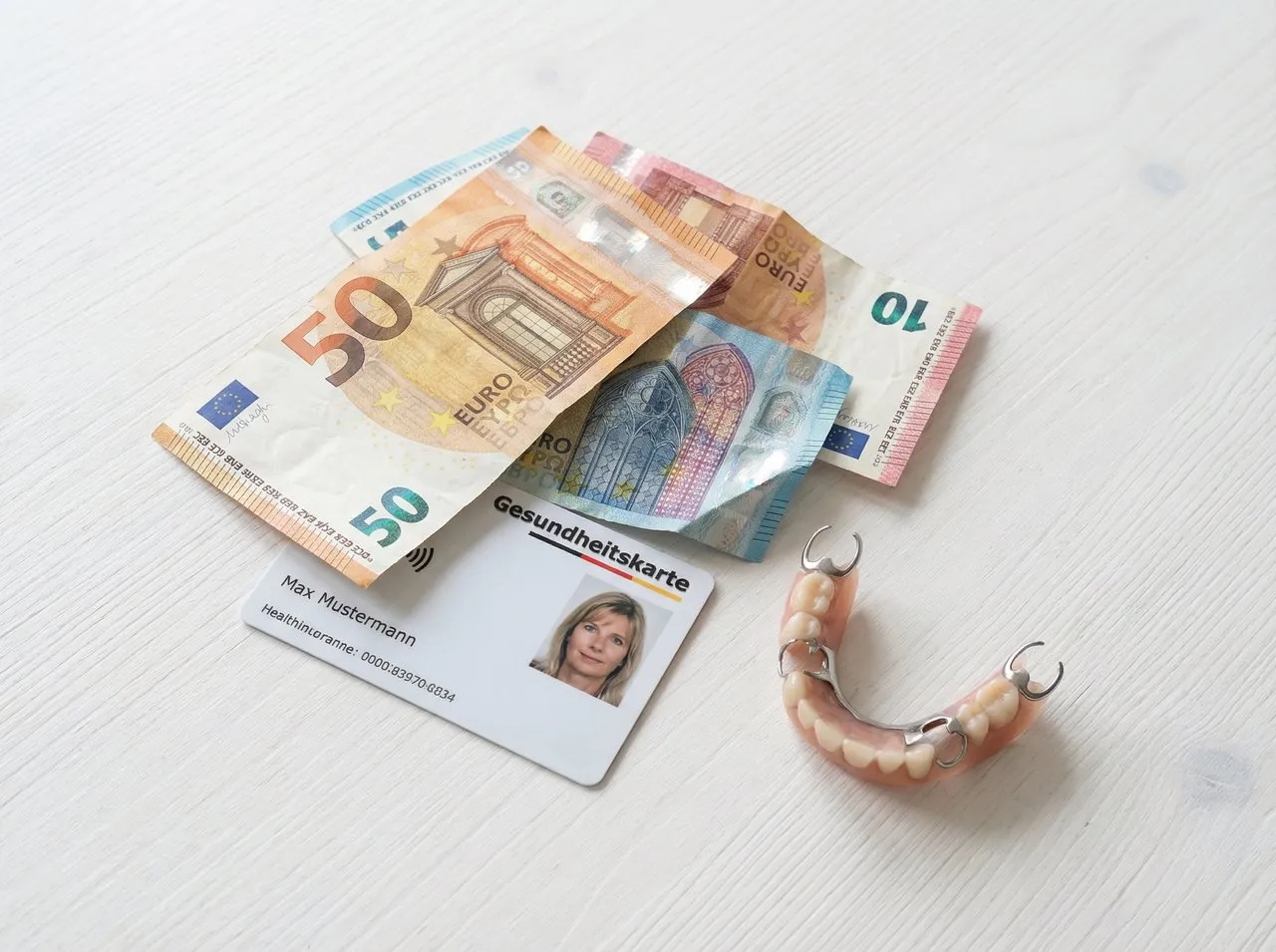
Costs for complete treatment vary widely. The type of dental prosthesis accounts for most of the cost. A full denture for one jaw is often in the lower four-figure range. The fixed subsidy significantly reduces the amount you pay yourself. The amount depends on your bonus booklet. Combination dentures often cost more than full dentures. There are more steps and more dental laboratory work. In return, functionality often improves. An implant-supported denture is usually in the mid-four-figure range per jaw. The implants and anchoring components are additional. The work involved is greater. Fixed implant bridges are often in the five-figure range per jaw. The material and number of implants are the decisive factors. Bone augmentation may also be necessary.

Which factors drive the overall costs?
The diagnosis is the most important driver. Inflammation and bone loss increase the effort involved. The bite also plays a role. Remaining teeth change the planning. Abutment teeth require stable conditions. With edentulism, denture retention is what matters. The choice of material has a major effect on the price. Acrylic is usually cheaper. Zirconia or ceramic increase laboratory costs. The dental laboratory work also affects the amount. An individual tooth set-up takes more time. Aesthetic characterisation often costs extra. Diagnostics and planning are further components. CBCT, photographs and models improve predictability. This is often advisable with implants.
Pre-treatments that are often necessary
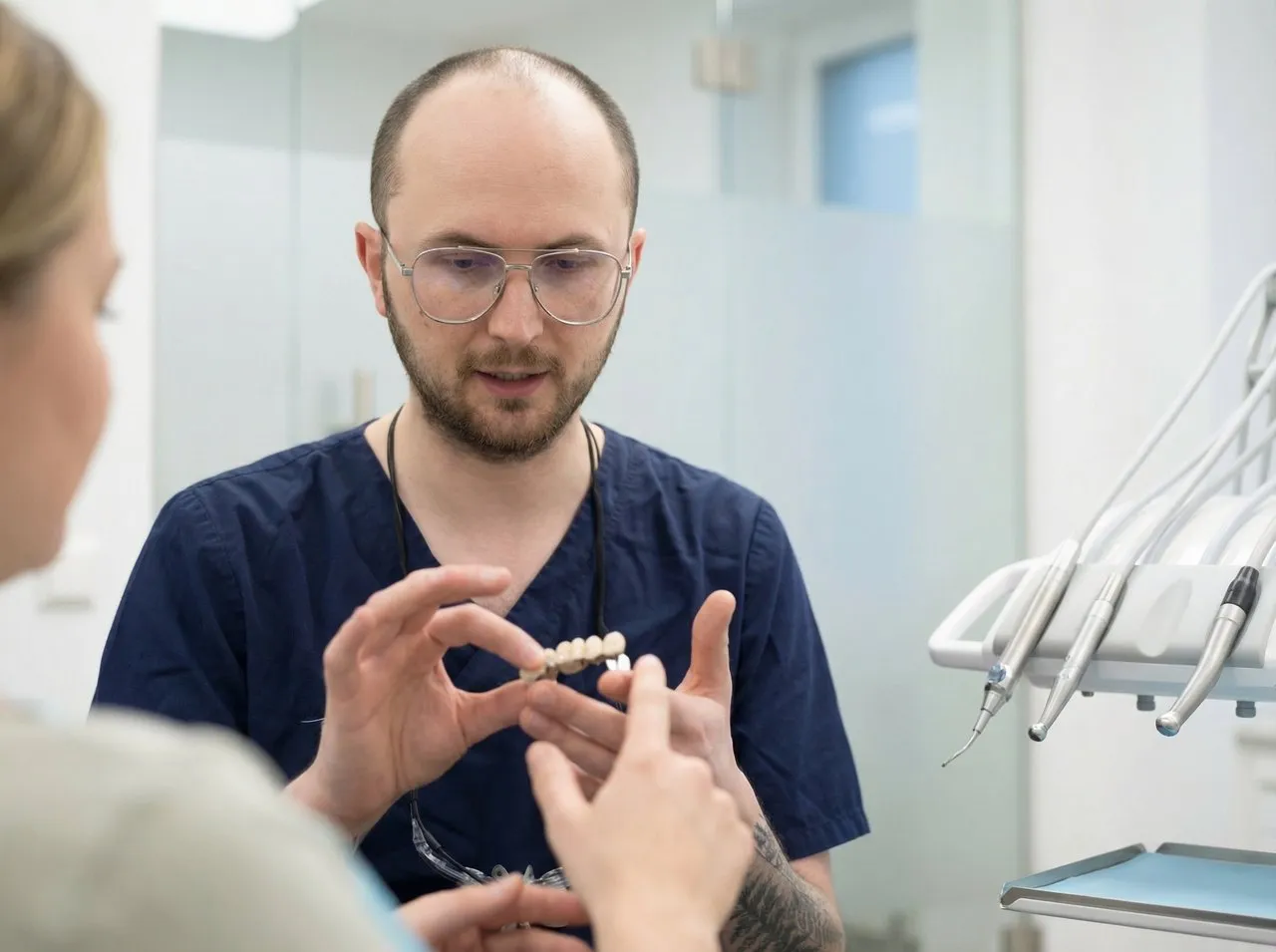
Sometimes teeth have to be removed first. This may be necessary because of caries or inflammation. A temporary solution often follows. Periodontitis should be stable before dental prostheses are fitted. Inflamed gums worsen the prognosis. Treatment protects the abutment teeth and implants. Bone augmentation may be necessary with implants. This applies when there is severe bone loss. The procedure often lengthens the treatment time.

What does statutory health insurance cover?
The GKV system uses fixed subsidies. The subsidy depends on the diagnosis. It is based on standard care. Without a bonus booklet, the subsidy is lower. It increases with regular check-ups. This noticeably reduces your own contribution. People on low incomes may qualify for hardship provision. The subsidy is then increased. Standard care can therefore be inexpensive. It is important to distinguish this from treatment beyond standard care. Fixed subsidies are also available for high-quality dentures. The additional cost remains private.
Why the bonus booklet and diagnosis category matter
The bonus booklet documents preventive care. It directly affects the subsidy. Consistent check-ups are therefore worthwhile. The diagnosis category is also crucial. It defines standard care in the plan. Small differences change the subsidy. If findings are unclear, we clarify them thoroughly. X-rays and diagnostic assessment are important for this. This ensures that the plan is correct.
Treatment and cost plan: your most important document
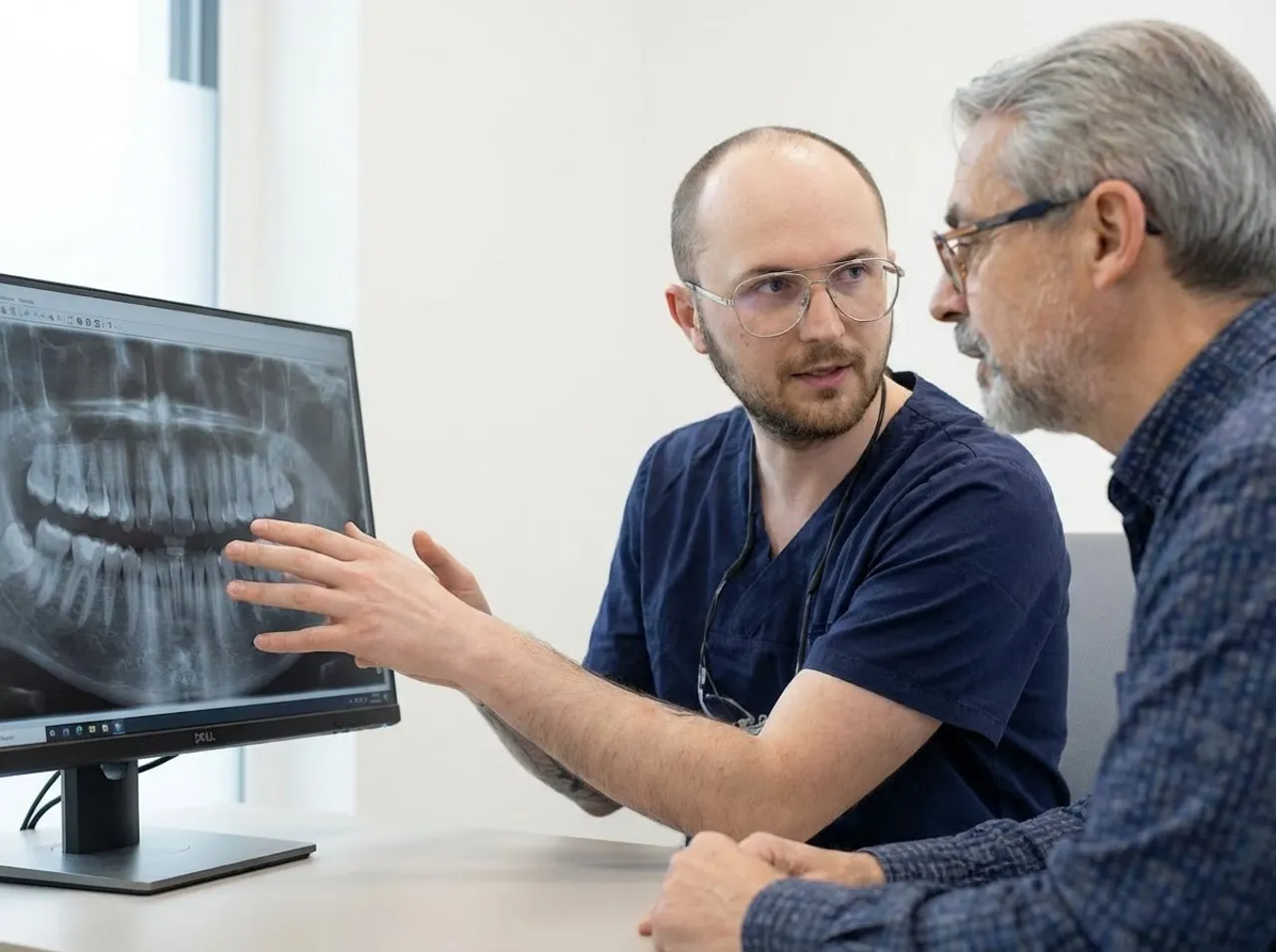
The treatment and cost plan is called HKP for short. It shows the planned restoration. It also shows standard care. You can see the total costs and the subsidy. You can also see your estimated own contribution. This provides planning certainty. The HKP is useful for comparisons. You can discuss alternatives. You can also review material options.
How can costs be managed sensibly?
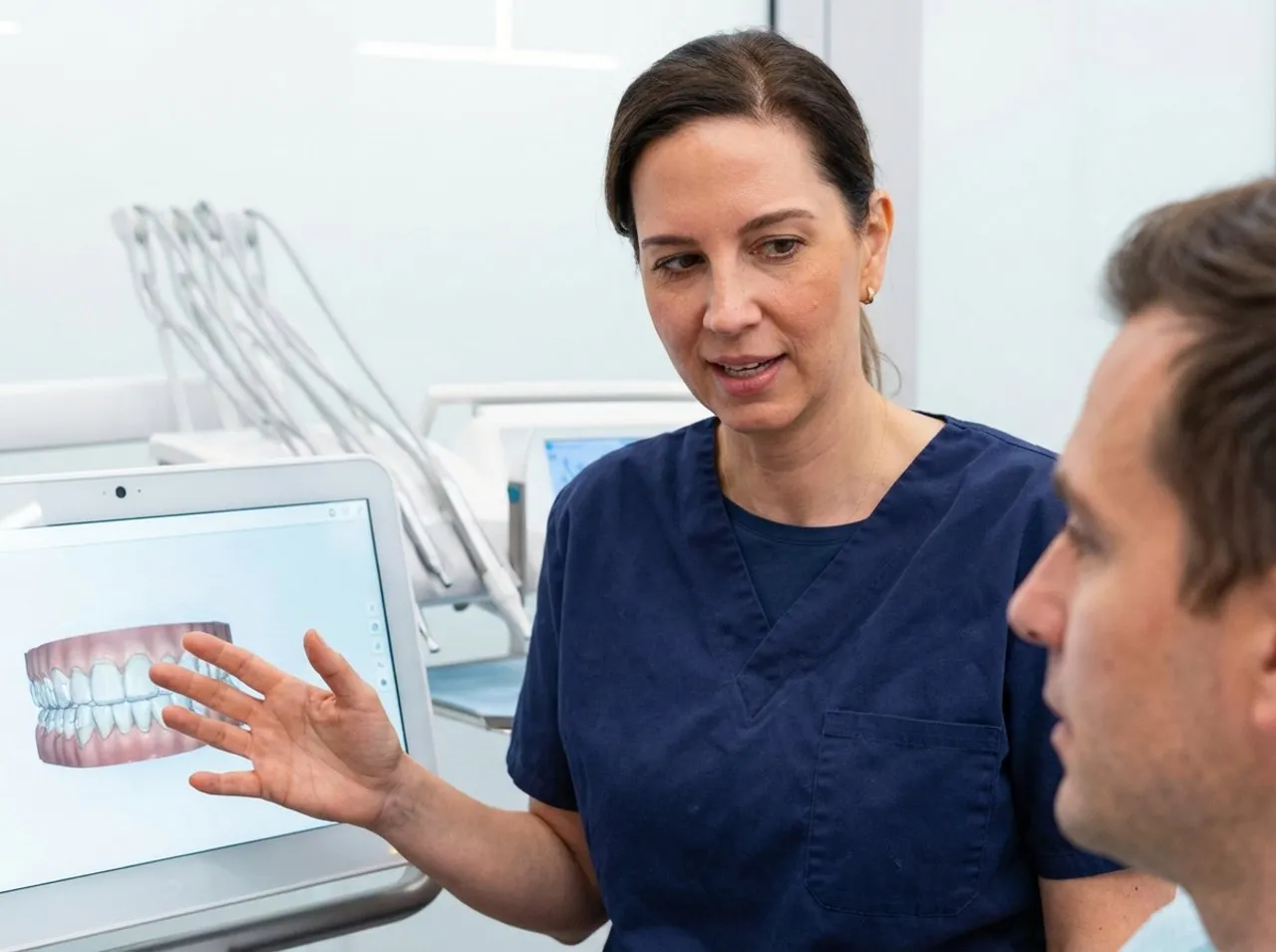
The most important factor is the appropriate indication. Not every solution is suitable for every jaw. We plan according to function and risk. Materials can also be graded. Acrylic teeth are often sufficient. Ceramic can be aesthetically superior. With implants, the number of implants matters. More implants increase stability, but also costs. Sometimes a hybrid solution is sufficient. A good fit reduces follow-up costs. Otherwise, pressure points lead to further adjustments. Good impressions often save appointments.
Allow for follow-up costs and service life
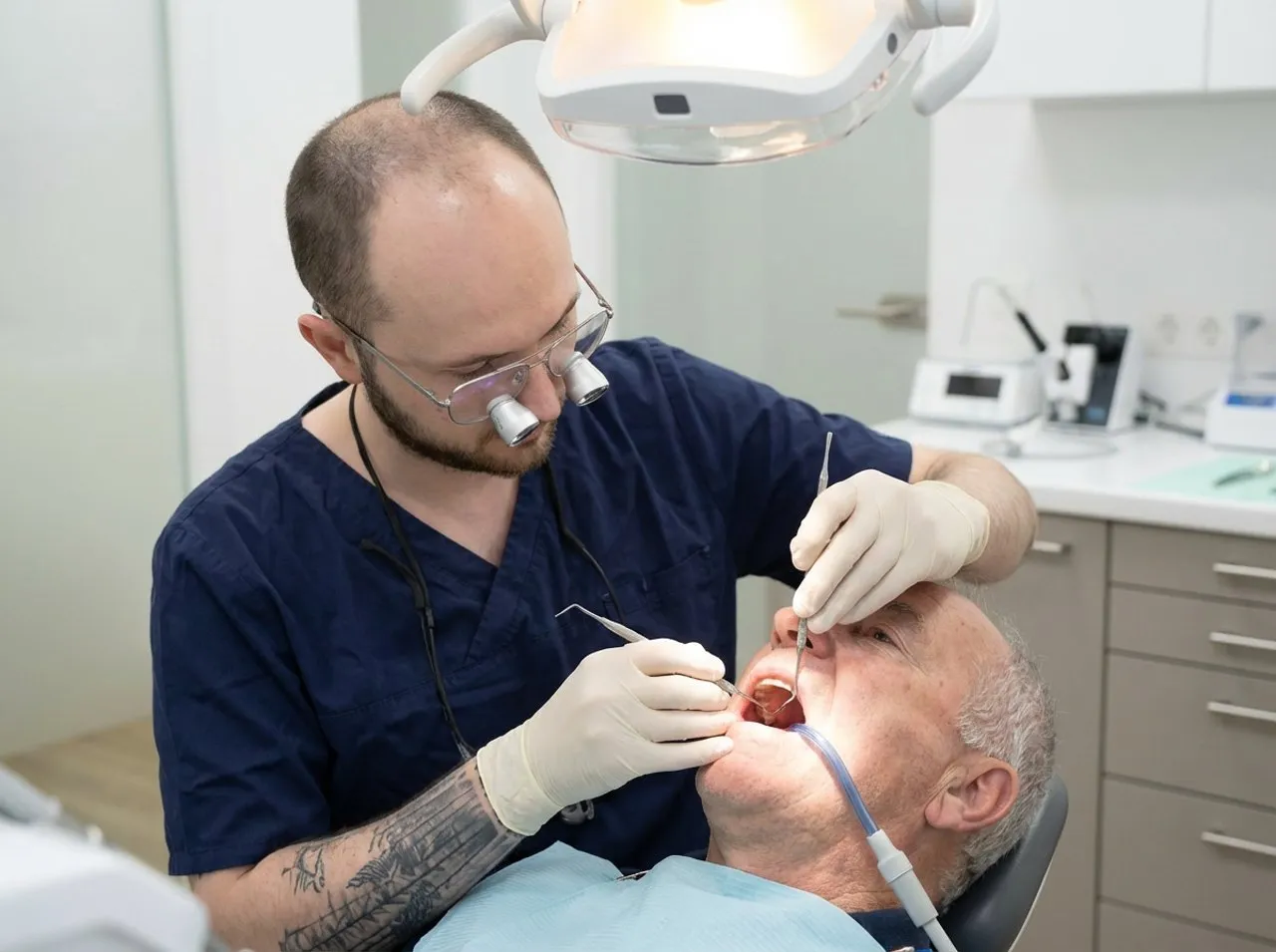
Removable dental prostheses require care and check-ups. Relines become necessary over time. The alveolar ridge often resorbs. Combination dentures have wearing parts. Retaining elements can wear out. Regular maintenance is important. Implant-supported restorations require good hygiene. Professional cleaning protects against peri-implantitis. Splints can also be useful. Their lifespan depends heavily on habits. Teeth grinding places strain on teeth and dentures. Stopping smoking often improves the prognosis.

The process at Wunschlachen in Berlin
First comes the examination and consultation. We assess the mucous membrane, bone and bite. We then discuss your goals. Next, we prepare the HKP with different options. We explain the subsidy and your own contribution clearly. You decide without time pressure. With dentures, impressions and bite registration follow. Then comes the try-in. Finally, the denture is fitted. With implants, we plan the position digitally. The procedure and healing period follow. The final restoration is then produced.
Which solution is suitable for whom?
A full denture is suitable for an edentulous jaw. It is economical and well established. However, it requires precise adjustment. Combination dentures are suitable when some teeth remain. They preserve the existing abutment teeth. However, they require stable oral health. Implant-supported dentures help when retention is poor. They are often more comfortable for eating. However, they require sufficient bone. Fixed dental prostheses are designed to meet high expectations. They feel very natural. They are usually the most expensive option.
FAQ: complete denture costs
This means treatment, dental laboratory work and materials for an entire jaw. Diagnostics and pre-treatments are often added. The HKP shows all items.
This depends on the fixed subsidy and your bonus booklet. Often, a manageable share remains. The exact amount is stated in the HKP.
A temporary denture is a transitional solution. It is often used after tooth extractions. A full denture is the definitive restoration.
They require precise anchoring to teeth. The dental laboratory work is more complex. In return, stability is often better.
The GKV usually pays the fixed subsidy for standard care. Implants are often a private service. The subsidy is nevertheless credited.
There are wide ranges depending on the system. Implants and the denture are combined. A four-figure amount per jaw is often possible.
It can be an option for an edentulous jaw. It is often suitable when fixed teeth are desired. Suitability depends on bone and bite.
It is a provision for people on very low incomes. The subsidy can then rise substantially. This makes standard care considerably cheaper.
A denture is often produced within a few weeks. Implant restorations take longer. The healing period and planning require patience.
Good oral hygiene is the most important factor. Regular check-ups prevent pressure points and inflammation. Professional cleaning protects implants.