Materials for dental crowns: overview and options
• The right material protects the tooth and determines its appearance and durability. • The choice depends on position, bite pressure, allergies and budget. • At the Wunschlachen practice, we provide personalised advice that is easy to understand.
Über 350 Google-Bewertungen
Why the material is crucial for dental crowns
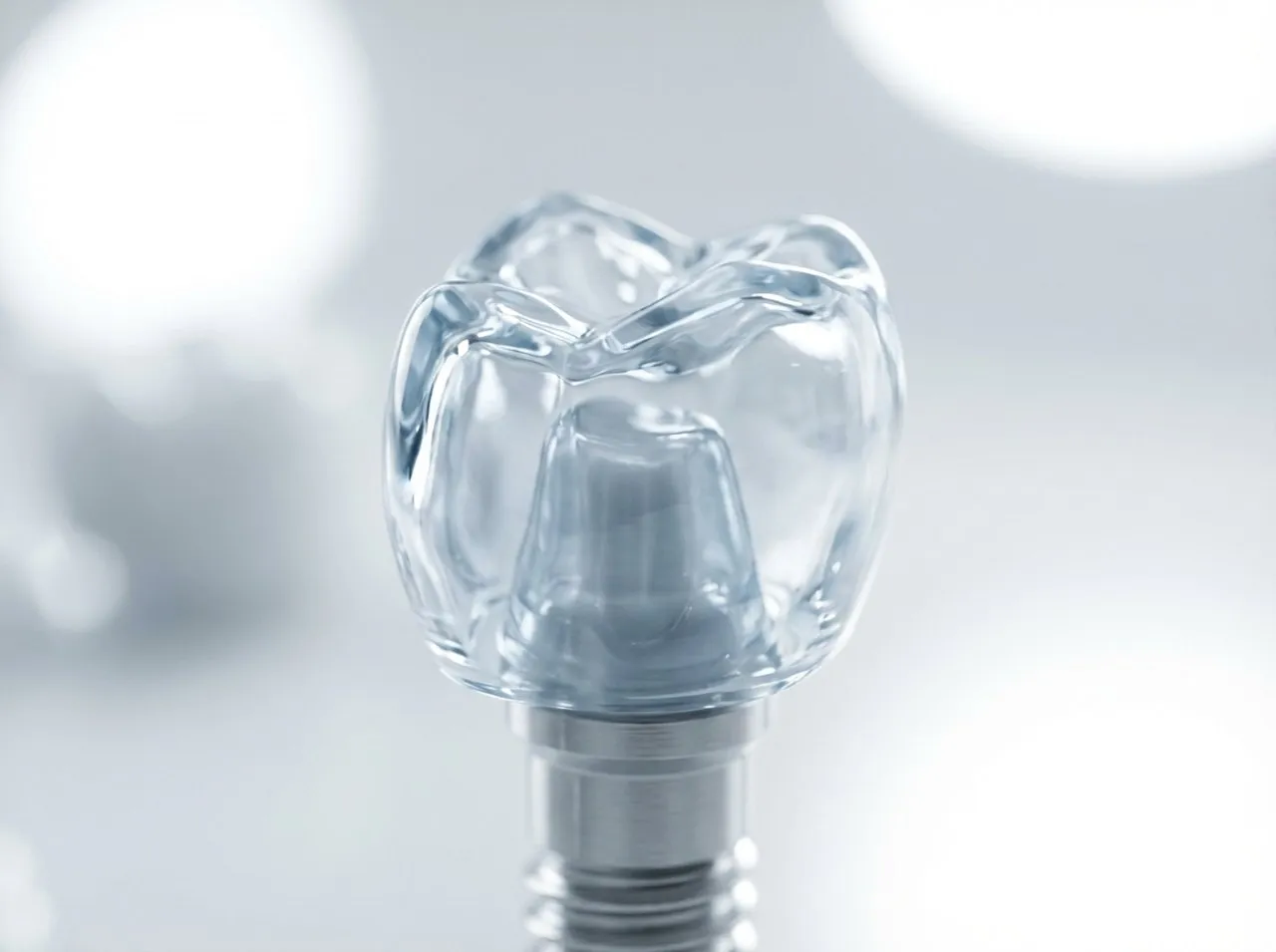
A dental crown reliably replaces lost tooth structure. It must be able to withstand high chewing forces. At the same time, it should look natural and be well tolerated. The right material also affects how well the crown fits at the tooth margin. A precise marginal seal reduces the risk of tooth decay at the transition. This makes it worth choosing the material carefully.
Materials for dental crowns at a glance
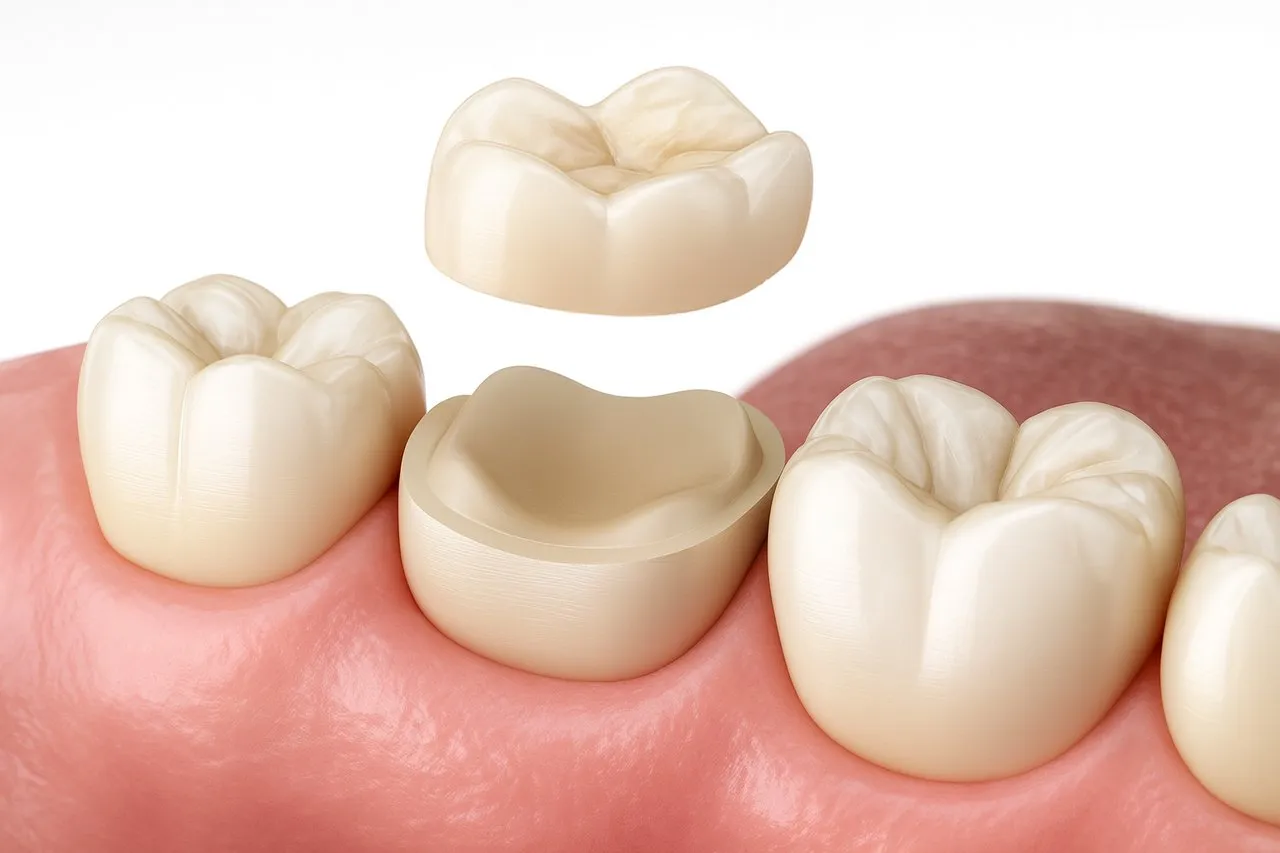
Many patients want to be able to compare the options. Broadly speaking, there are metal-based restorations and ceramic solutions, as well as temporary plastic alternatives. A temporary crown protects the tooth during the transition period and shapes the gum at the margin. Metal solutions are very robust. Ceramic offers a natural appearance in the light. Which option is suitable depends on the clinical findings.
Metal crowns: durable and resilient
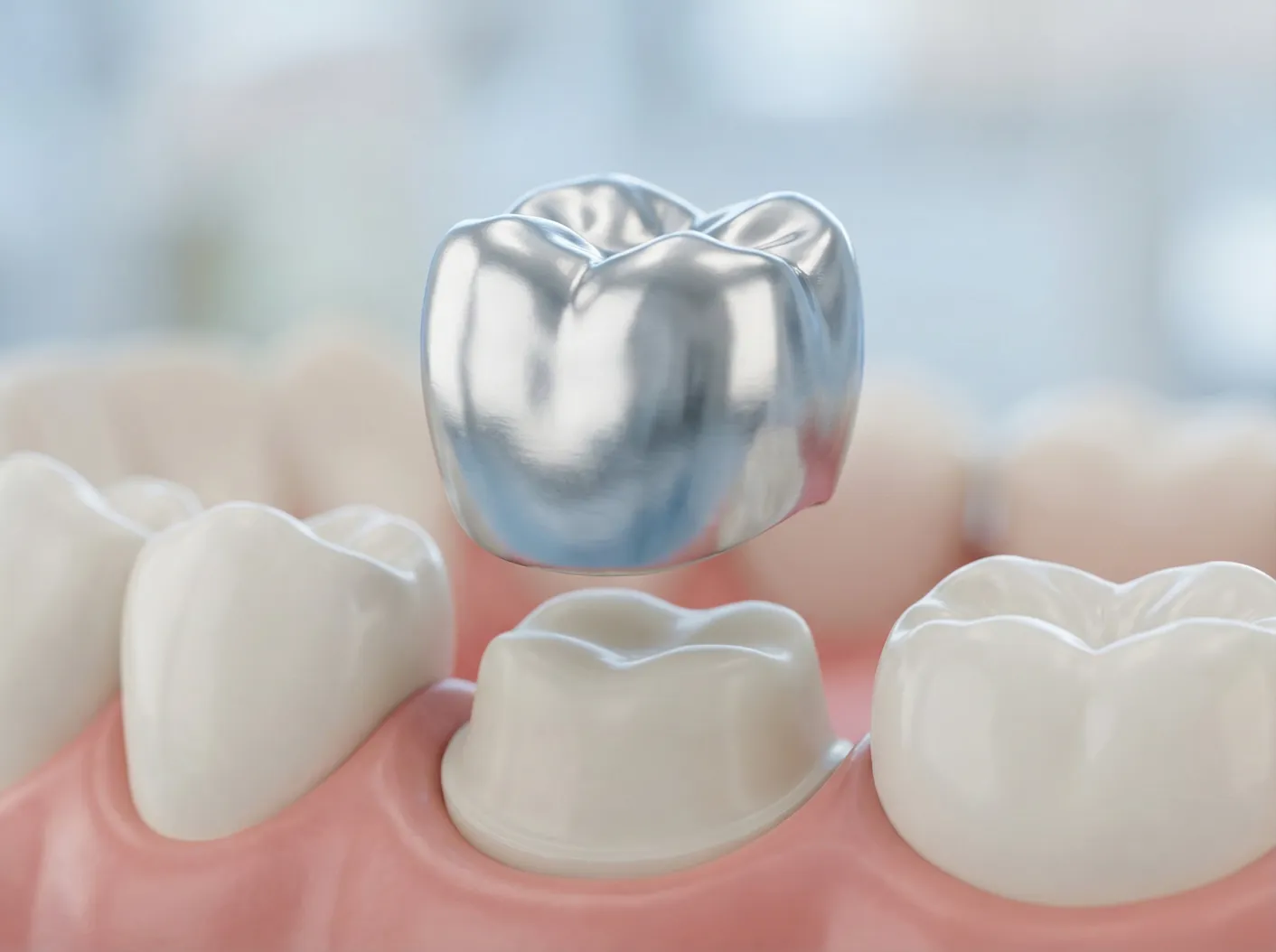
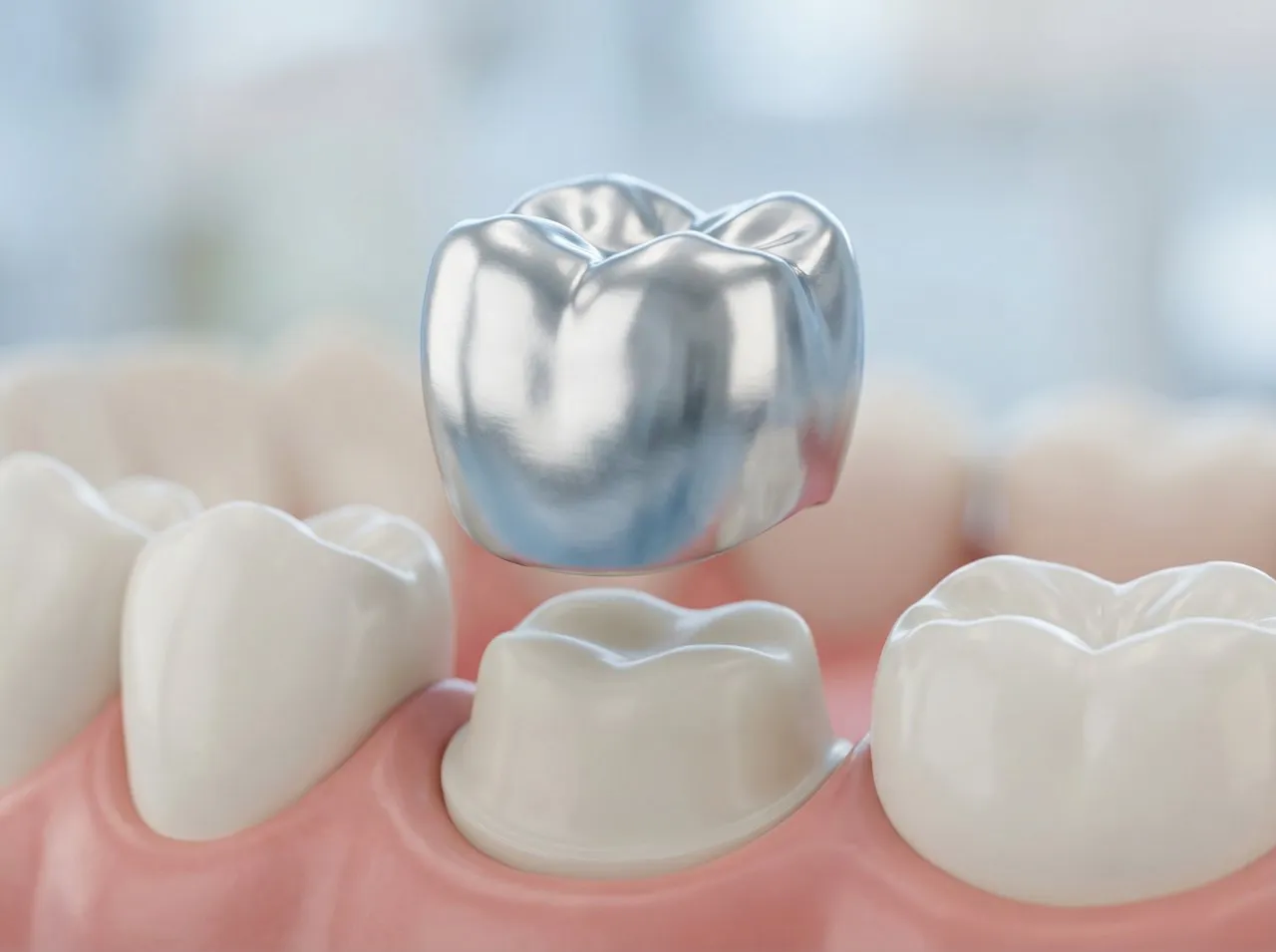
A conventional metal crown is often made from non-precious metal. A gold crown is also possible. Both types are considered very stable. Metal conducts heat more strongly than ceramic, and some patients notice this when eating hot or cold foods. Metal is often a sensible functional choice for the back teeth.
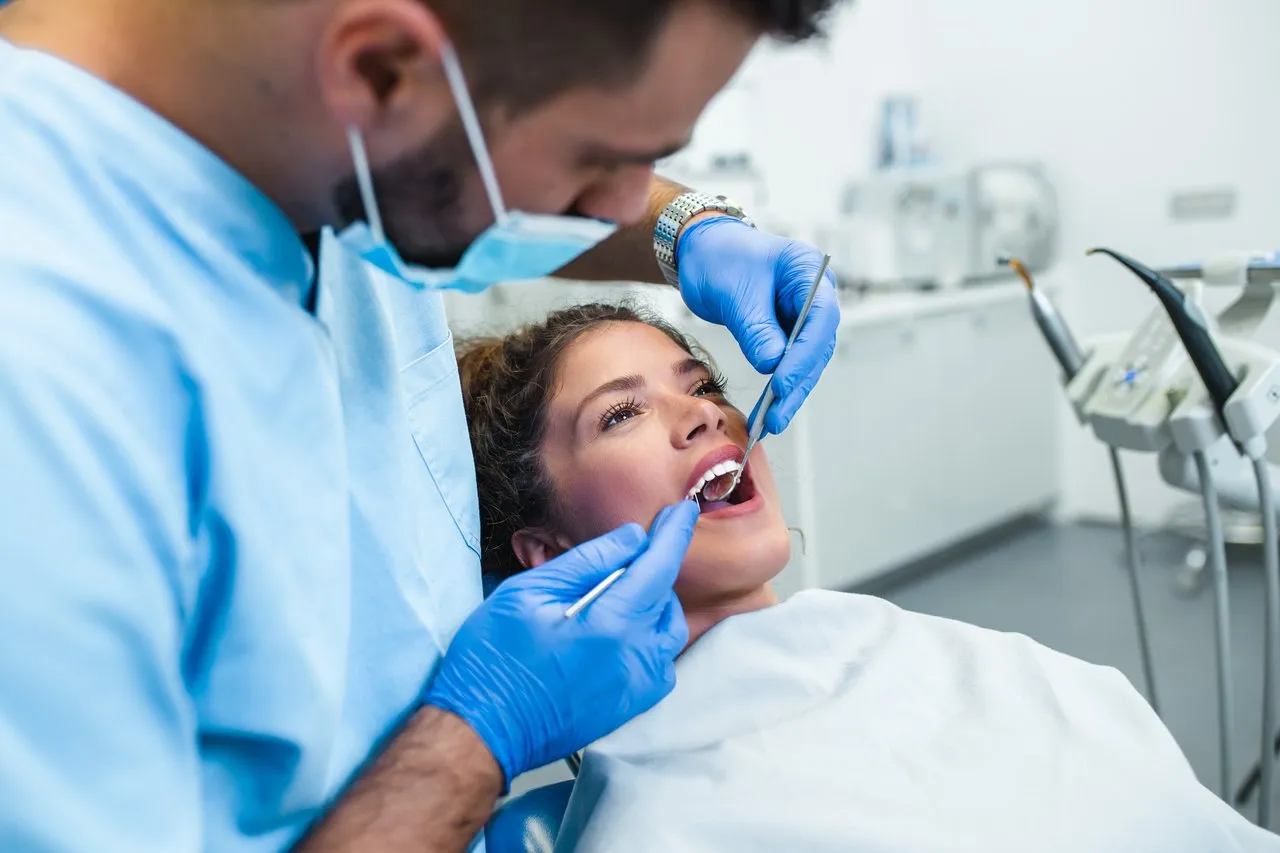
Veneered crowns: metal core with a tooth-coloured surface
With a veneered crown, a metal framework bears the chewing load, while a tooth-coloured layer of ceramic covers the outside. This provides a good combination of stability and appearance. This solution is frequently tried and tested for molars and can also look good on front teeth. Careful colour matching and margin design are essential.
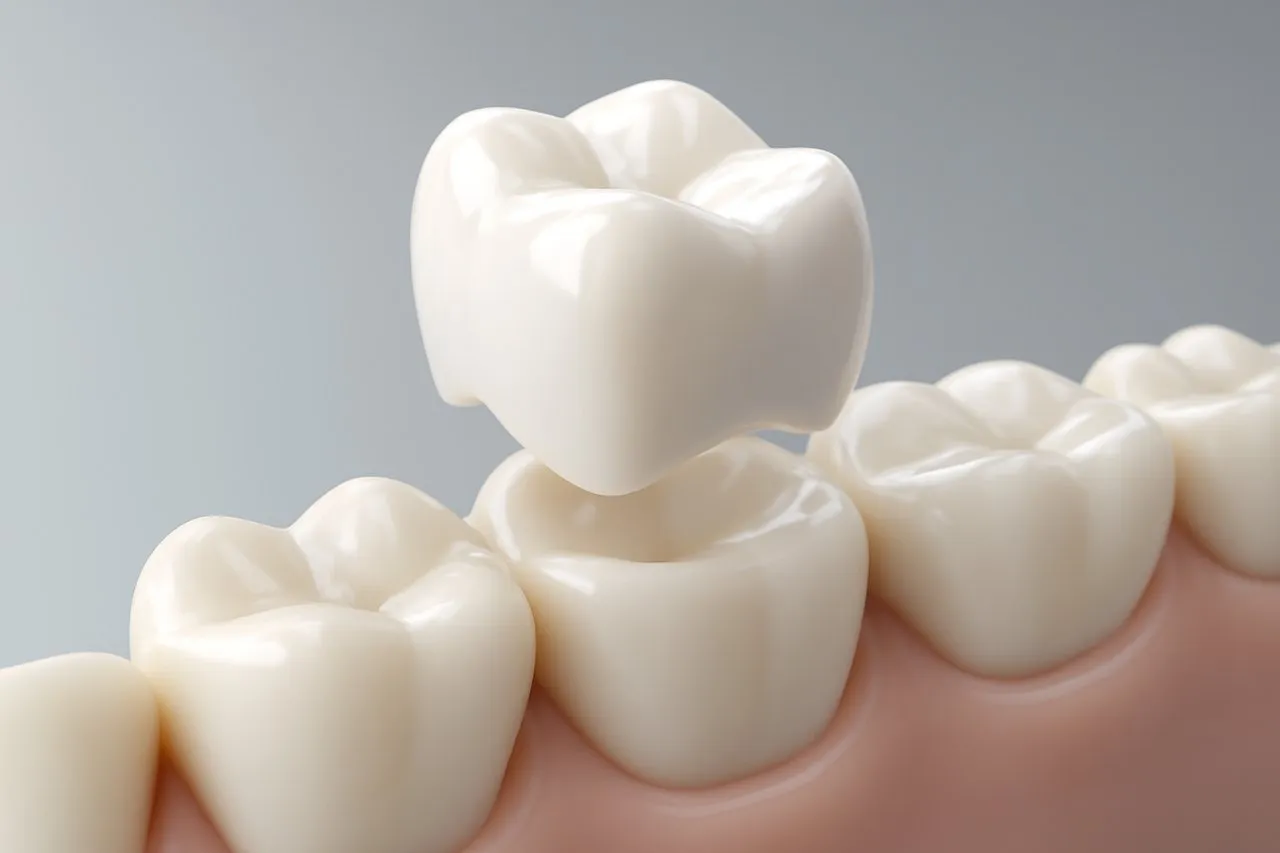
All-ceramic: aesthetics and biocompatibility
All-ceramic crowns usually look particularly natural. They contain no metal, which is an advantage for people with intolerances. Zirconium oxide is very strong and resistant to fracture. Lithium disilicate often looks even more translucent. The clinical situation determines which ceramic is suitable.
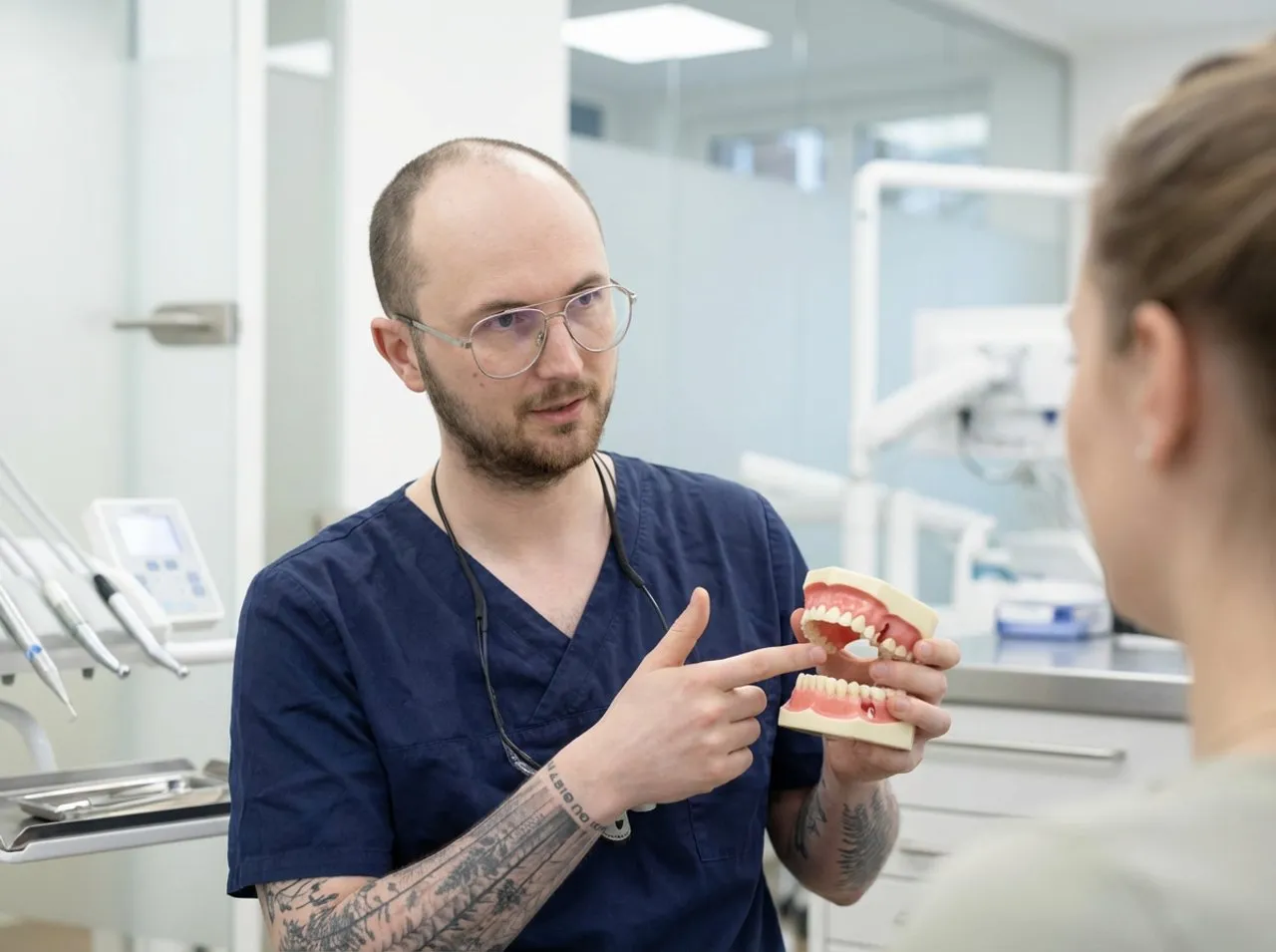
Dental crown materials: zirconia, ceramic or metal?
Several classes of material are used for dental crowns. Zirconia is often suitable for molars subject to heavy loads. Ceramic is often the first choice where the appearance of the front teeth is the highest priority. Metal can be useful when there is little space in the tooth. Ceramic usually requires slightly more room. We plan this using precise measurements.
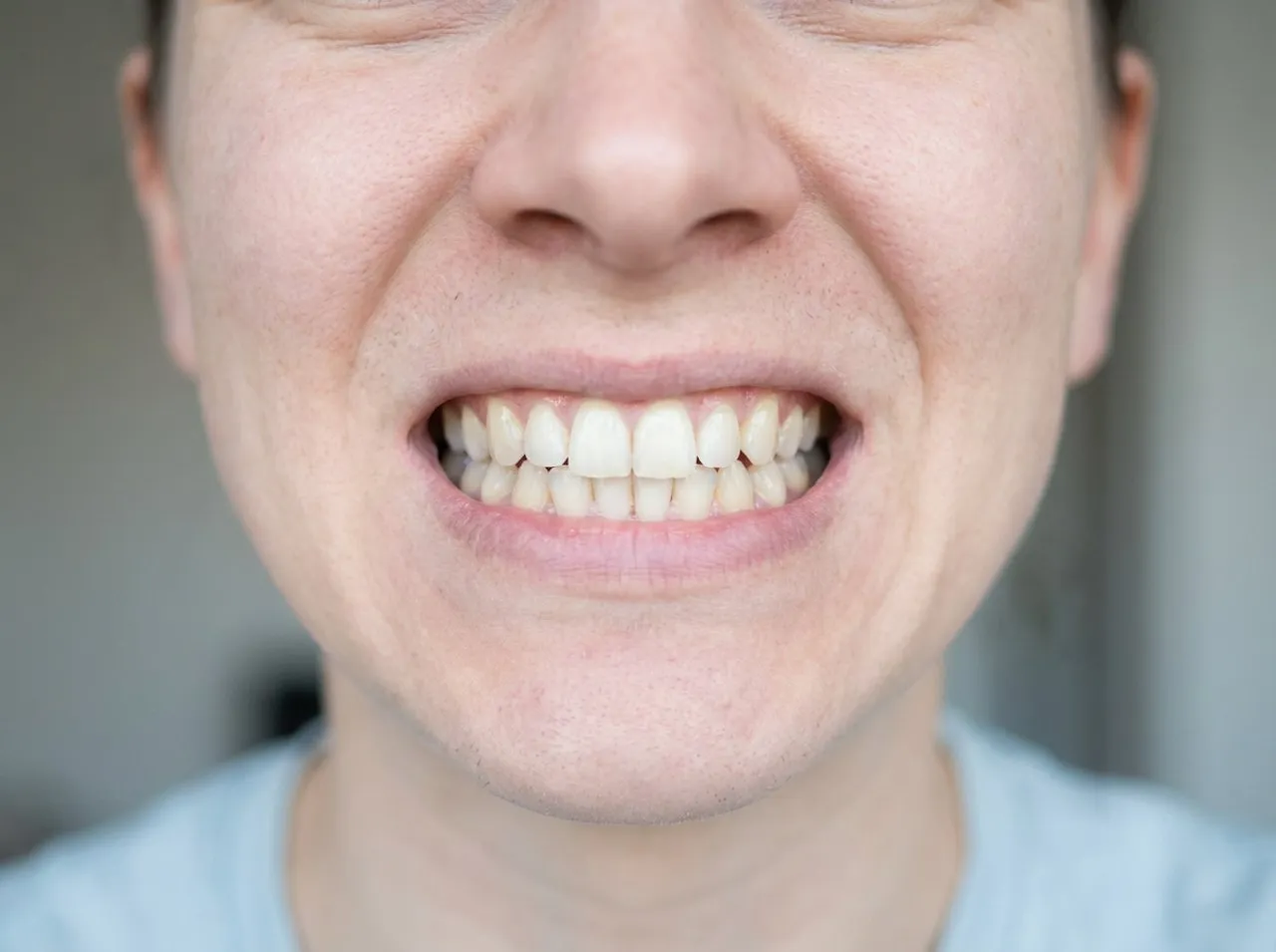
Which dental crown material is best for teeth grinding and heavy loads?
Bruxism increases the risk of chipping, making robust materials particularly important. We often recommend zirconia or metal. An occlusal splint may also be useful. It protects the restoration and the opposing teeth and can significantly extend their lifespan.
Allergies, compatibility and metallic taste
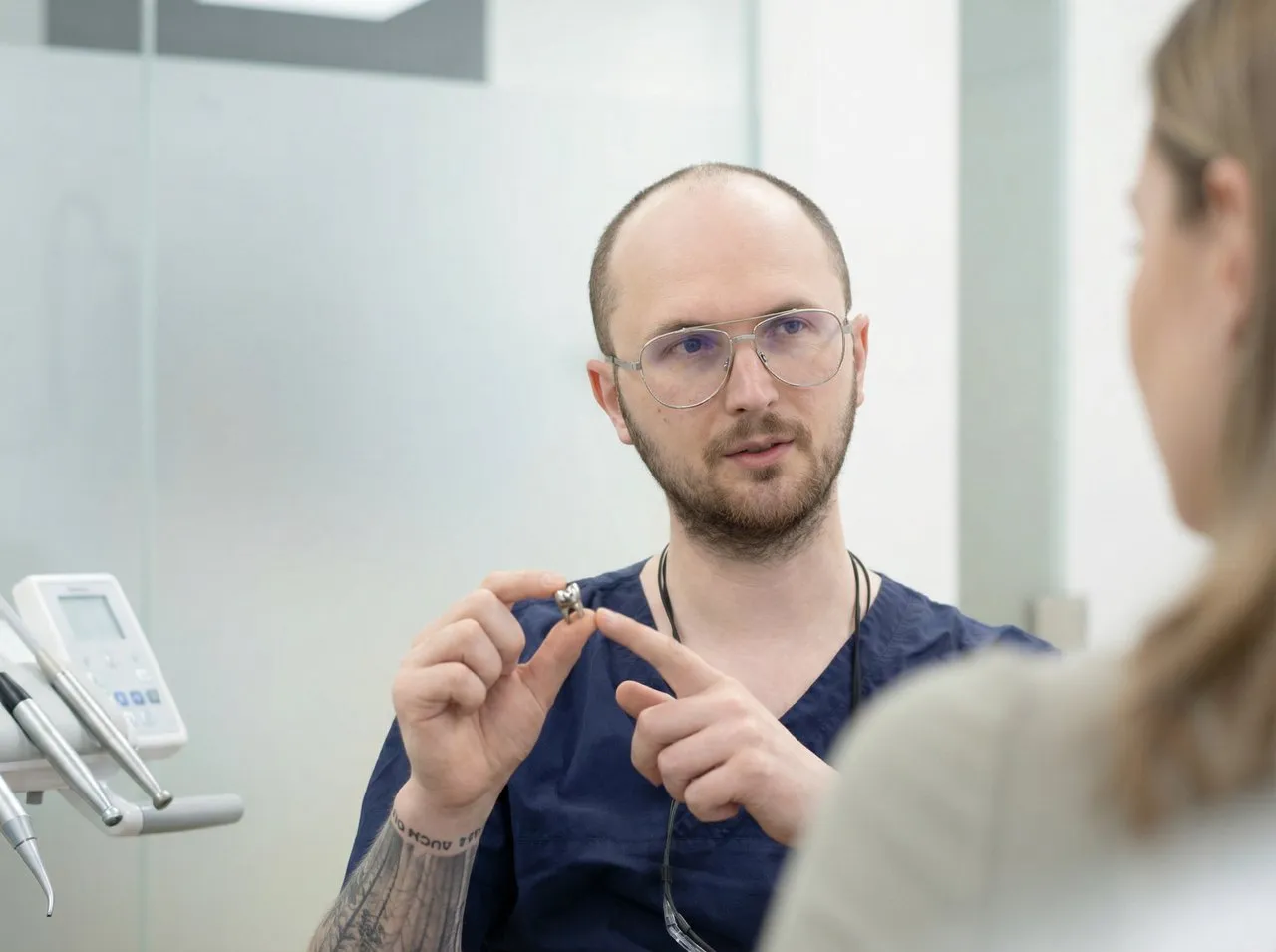
True allergies to dental metals are rare. Nevertheless, intolerances can occur. In such cases, we assess alternatives without nickel or cobalt. All-ceramic materials are very well tolerated in many cases. Metal restorations can cause a metallic taste, although this varies from person to person.
Manufacturing methods: laboratory, CAD/CAM and precision
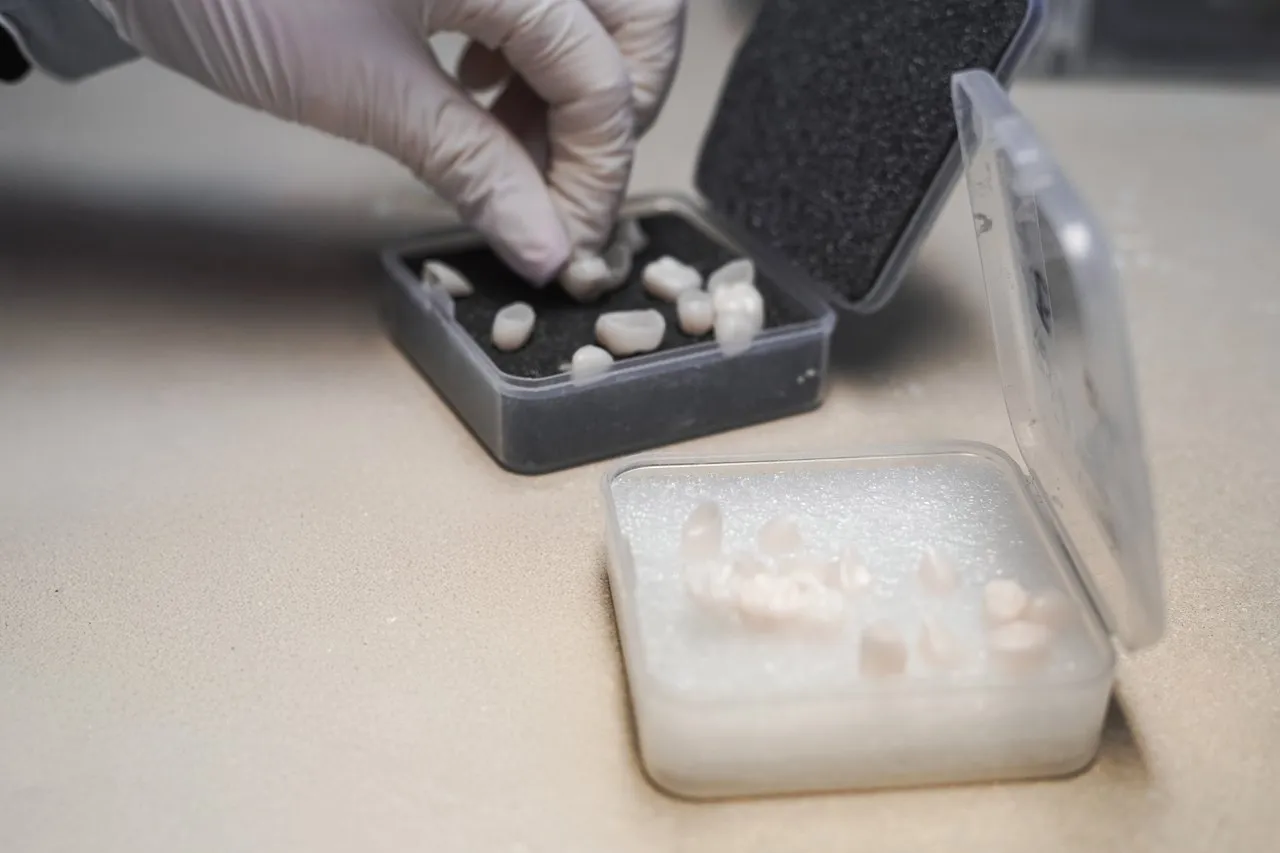
Crowns are made in a dental laboratory or using CAD/CAM milling technology. Both methods can be highly precise, but careful planning is crucial. The surface of an all-ceramic crown is polished thoroughly to protect the opposing tooth. An occlusion check is essential. Digital impressions often improve comfort and can reduce the gag reflex, while the result remains highly accurate.
Which crowns are the best?
There is no single answer to this question. For some people, the best possible appearance is what matters most; for others, resilience is the priority. The gums also play a role. A harmonious crown margin looks more natural, which is why we always assess the overall picture.
Durability and everyday care
A high-quality restoration often lasts for many years. Oral hygiene is crucial, and regular check-ups are also important. Clean the transitions thoroughly; interdental brushes help at the margins. If necessary, we will show you the right technique.
Advice at Wunschlachen in Berlin
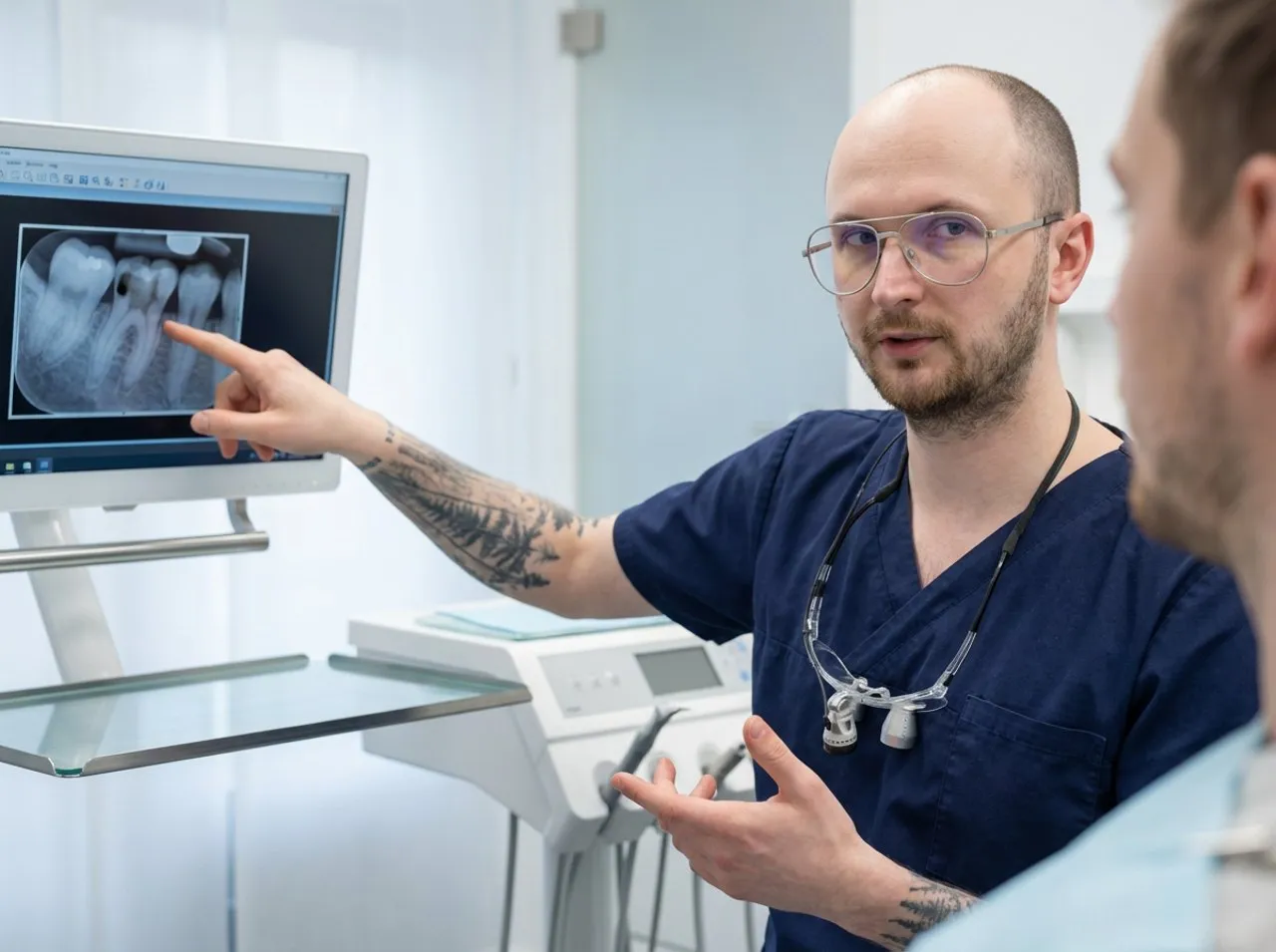
At Wunschlachen, we carefully assess your dental health and bite. We clearly explain the advantages and disadvantages of each material before choosing the right solution together. You receive a transparent treatment plan in advance, including coordination with your health insurance provider. This ensures that the decision remains easy to understand.
FAQs about materials for dental crowns
Metal, veneering ceramics and all-ceramic materials are commonly used. The choice depends on the position of the tooth and your requirements. Temporary plastic crowns are also possible.
Zirconium oxide is very strong and suitable for heavy loads. Other ceramics often look slightly more translucent. Both options can look very good aesthetically.
Appearance in the light is particularly important for front teeth. All-ceramic crowns often provide the most natural result here. The exact choice depends on colour and bite.
When the alloys are selected correctly, metal is usually well tolerated. If you have known intolerances, we choose alternatives. A detailed medical history is crucial.
When little tooth structure remains, metal can offer functional advantages. Zirconia can also be made with a slim profile in some situations. Planning is tailored to the individual based on measurements.
Many people use this term to refer to the basic material of the restoration, usually ceramic, metal or metal-ceramic. We explain these terms clearly during the consultation.
Ceramic is very resilient, but not indestructible. Teeth grinding increases the risk of damage. A splint can provide effective protection.
Ceramic is colour-stable and rarely becomes discoloured. Crown facings also usually retain their colour well. Deposits at the margin can be prevented with good care.
We ask about reactions to jewellery and previous restorations. Material tests are available if needed. Planning a metal-free restoration is often sufficient.
Replacement is necessary if the margins leak or tooth decay develops. Cracks, loosening or aesthetic reasons may also be factors. Check-ups detect problems early.