The dental implant procedure – a safe route to fixed teeth
A dental implant is a modern and long-lasting solution for replacing missing teeth. Before treatment, many patients want to know exactly what the dental implant procedure involves. On this page, you will find a comprehensive overview of the dental implant procedure. From planning to...
Über 350 Google-Bewertungen

What does the dental implant procedure involve?
The implantation procedure always begins with a thorough examination. Your general dental condition is checked, and it is ensured that no conditions such as periodontitis are present.
X-rays or a 3D scan provide important information about the condition of the bone. On this basis, it can be decided whether bone augmentation is necessary. Even at this stage, patients receive answers to the question: ‘How is an implant placed?’ We explain the exact procedure to you beforehand so that you can begin treatment feeling confident and relaxed. Your needs are always our top priority.
Planning and preparation
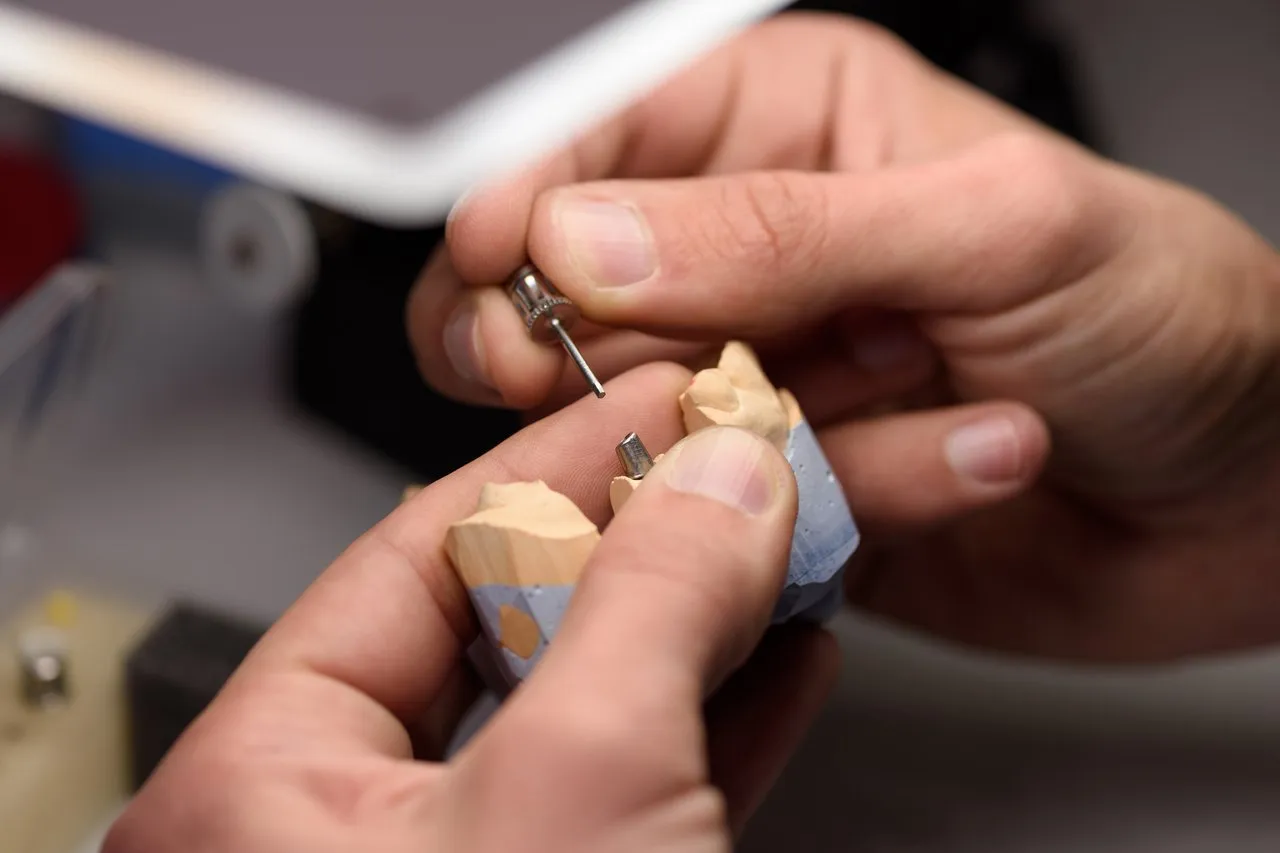
Before the implant is placed, the treatment is planned precisely. Its position in the jaw is determined, and the implant size and material are selected. A check is also made to see whether a tooth that cannot be preserved needs to be removed.
This procedure is particularly relevant when a tooth must first be extracted. Bone density is especially important in the upper jaw. Bone augmentation is often required there to create stable conditions for the implant.
Tooth removal
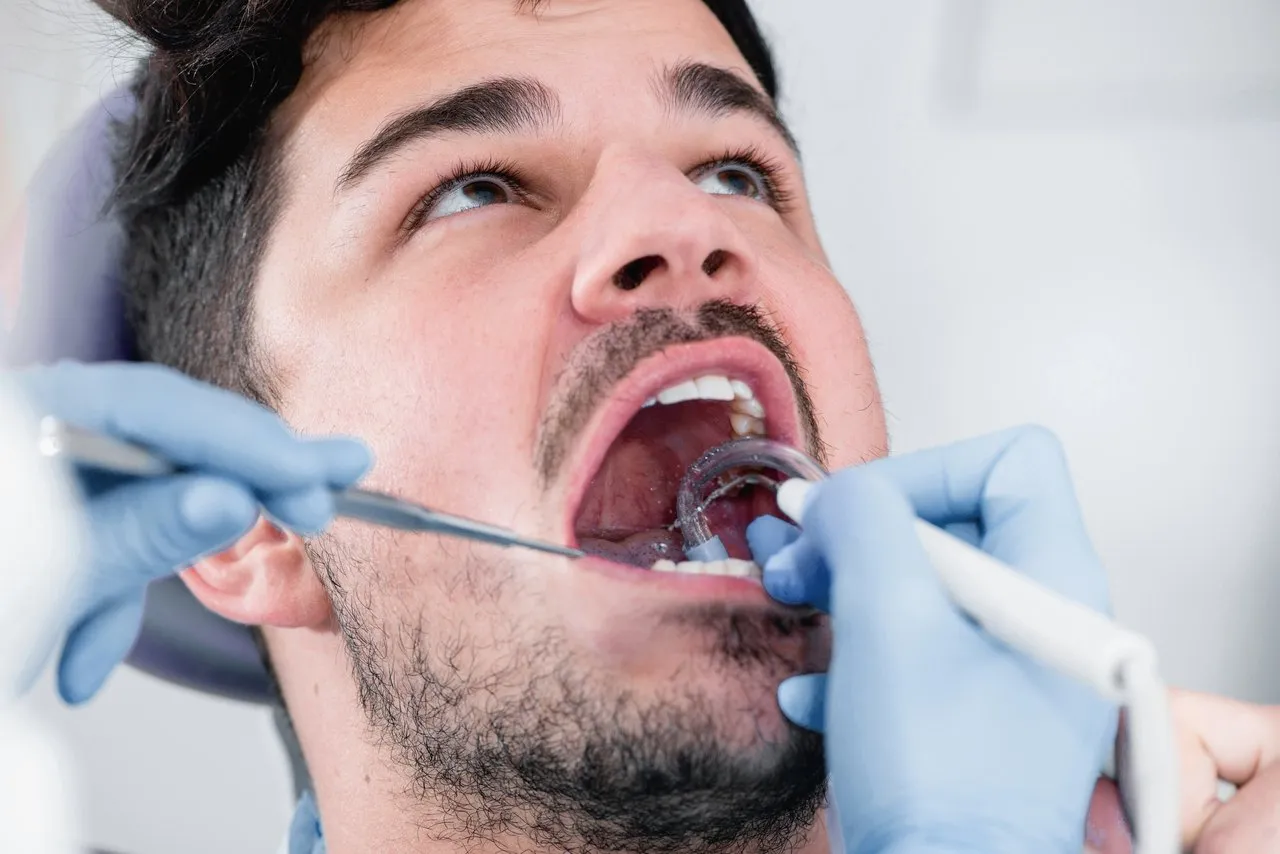
If a tooth is severely damaged and can no longer be saved, it is extracted first. In some cases, an implant can be placed immediately afterwards. This is then known as an immediate implant.

How long does it take from tooth extraction to implant placement?
Whether this is possible depends on the condition of the bone and the individual healing conditions. Many patients wonder when implantation can begin. The answer is: either immediately after extraction or only after a healing period of several weeks to months.
Placing the implant
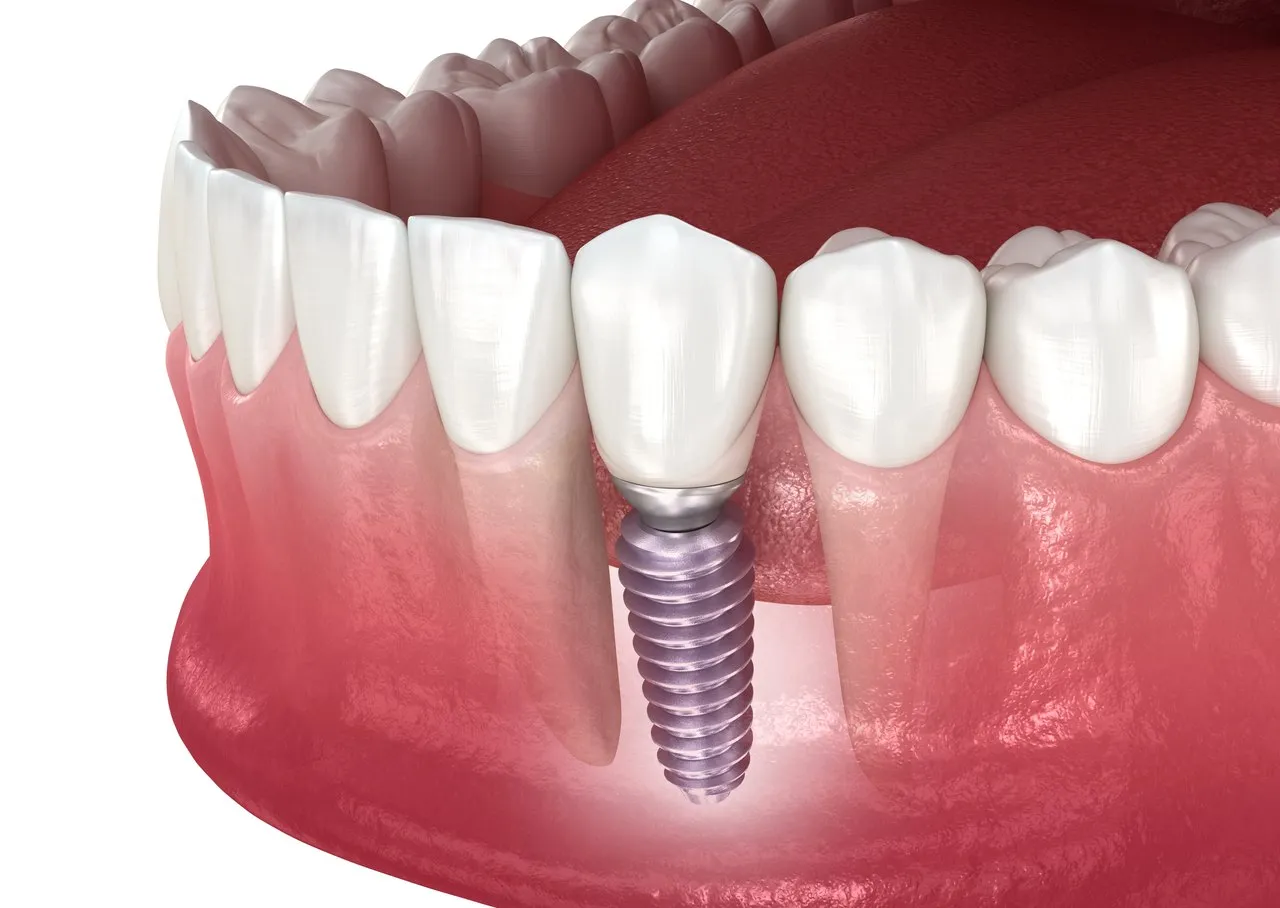
The actual procedure is the central part of the process. The gum is opened under local anaesthetic. Special drills are used to prepare a precisely fitting site in the jaw, and the implant is then inserted. The wound is then carefully closed.
This explains how an implant is placed. Many people also want to know how implants are placed when several teeth are missing. In this case, several implants are anchored in the jaw and can subsequently support a bridge or denture.

Healing phase and integration
After the dental implant has been placed, the healing phase follows, during which the implant fuses firmly with the jawbone. This process is called osseointegration and takes several weeks to months, depending on the situation.
The duration depends, among other things, on bone quality and general health. Whether bone augmentation was necessary is also important. The healing period is generally between three and six months.
If bone augmentation is required, treatment takes longer. In this case, it can take a total of six to twelve months before the final dental restoration is fitted.
Uncovering the implant
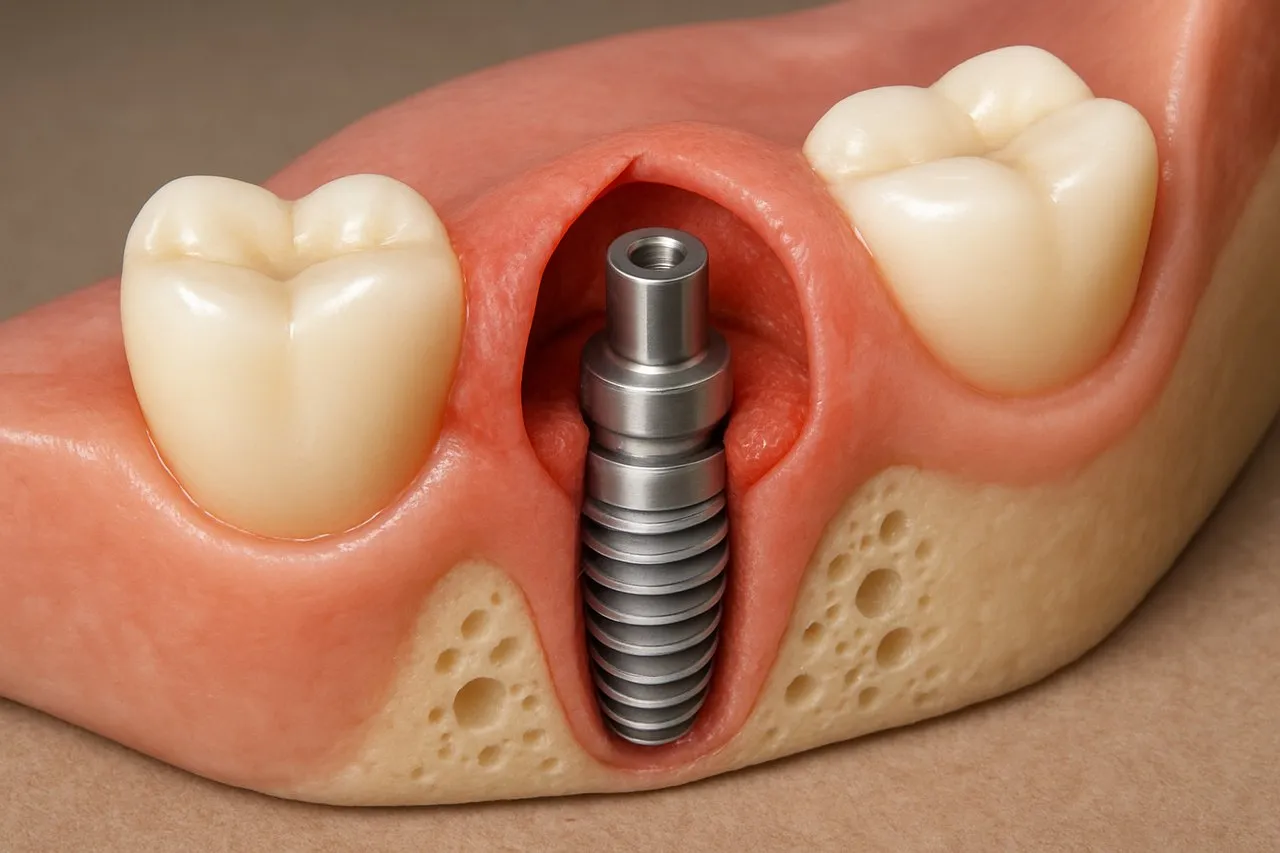
Once healing is complete, the implant is uncovered. To do this, the gum is opened slightly and a small attachment, known as a gingiva former, is fitted. This shapes the gum for the subsequent dental restoration and is a crucial step in building up the dental implant. This allows the crown to be integrated harmoniously into the row of teeth.
Building up the implant and taking an impression
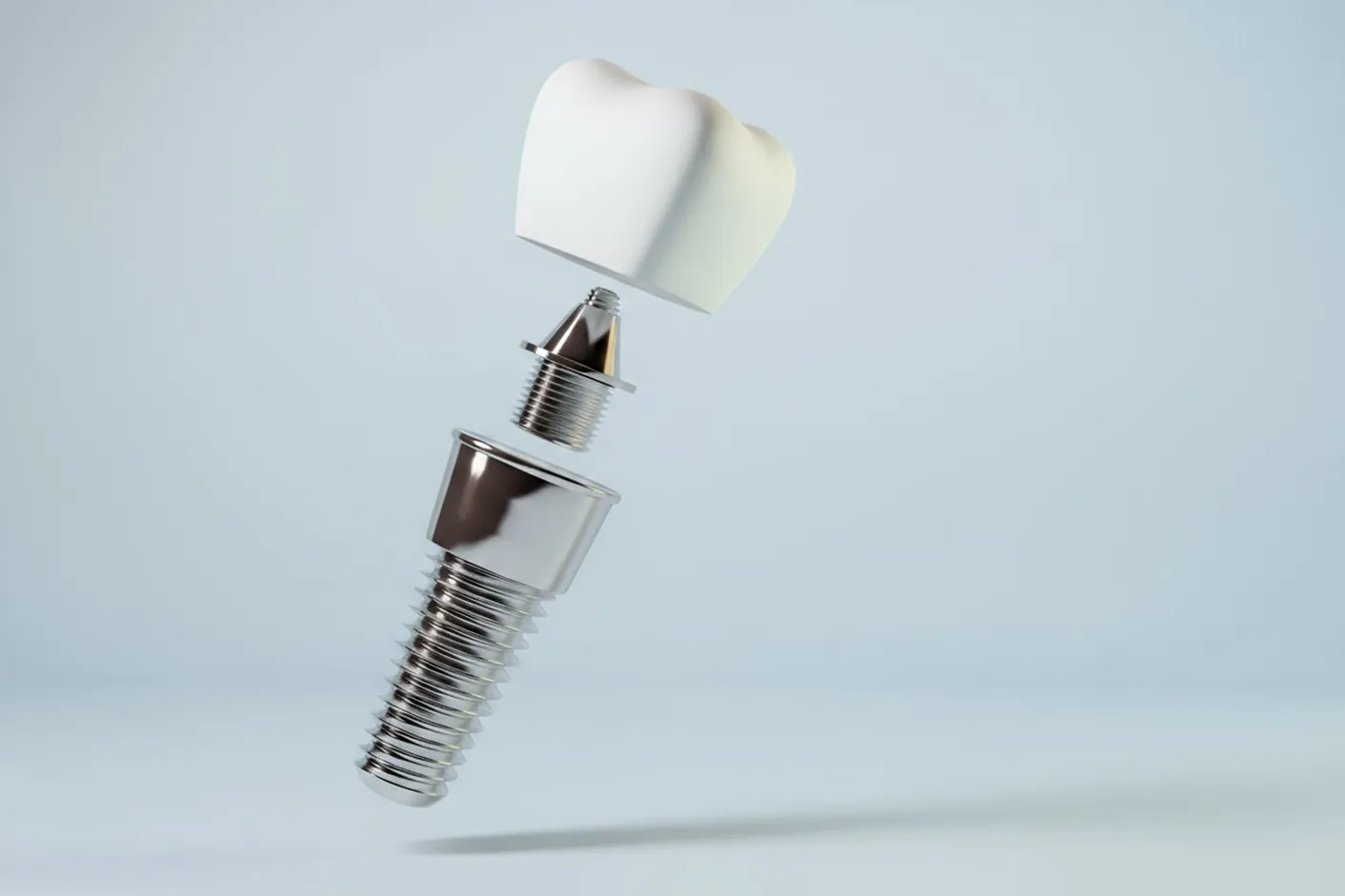
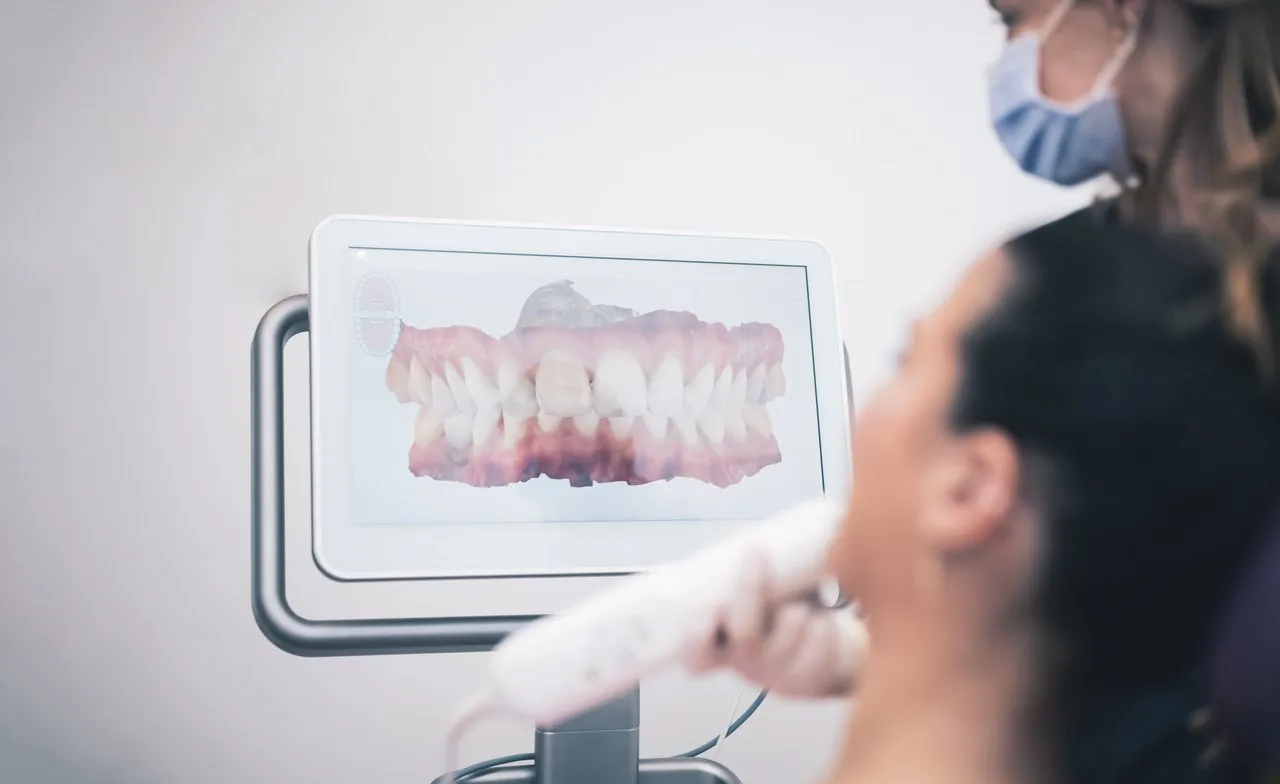
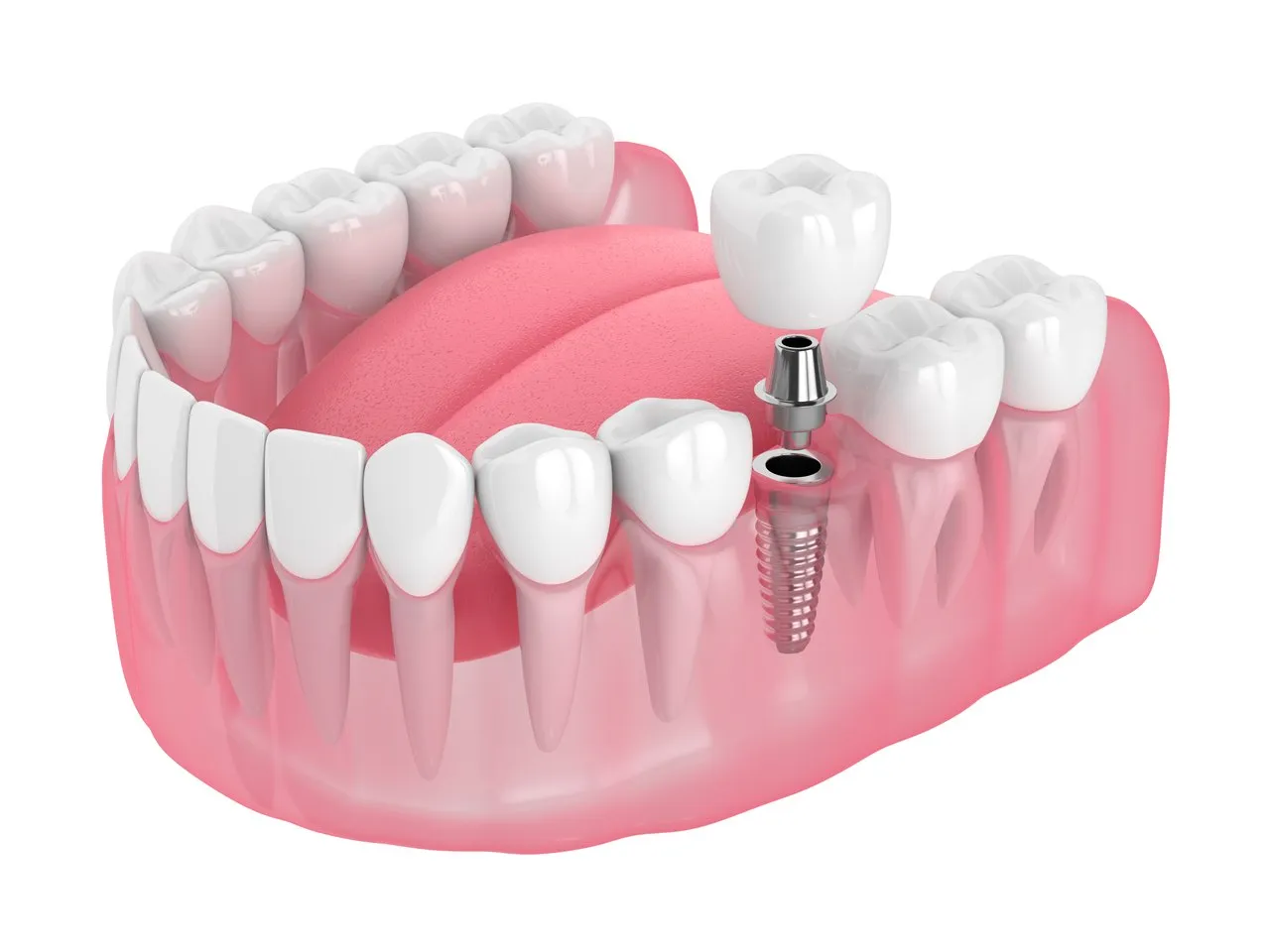
The next step is the actual restoration on the implant. An abutment, i.e. a connecting piece, is screwed onto the implant. An impression is then taken or a digital scan is created. This serves as the basis for producing the customised dental restoration.
The dental laboratory uses this to make the crown, bridge or denture. It is later attached to the implant. This almost completes the dental implant timeline.
Fitting the dental restoration
Once the dental restoration is complete, it is attached to the implant structure, either by screwing or cementing it in place. From this point onwards, patients can bite firmly again and smile without worry.
Aftercare and check-ups
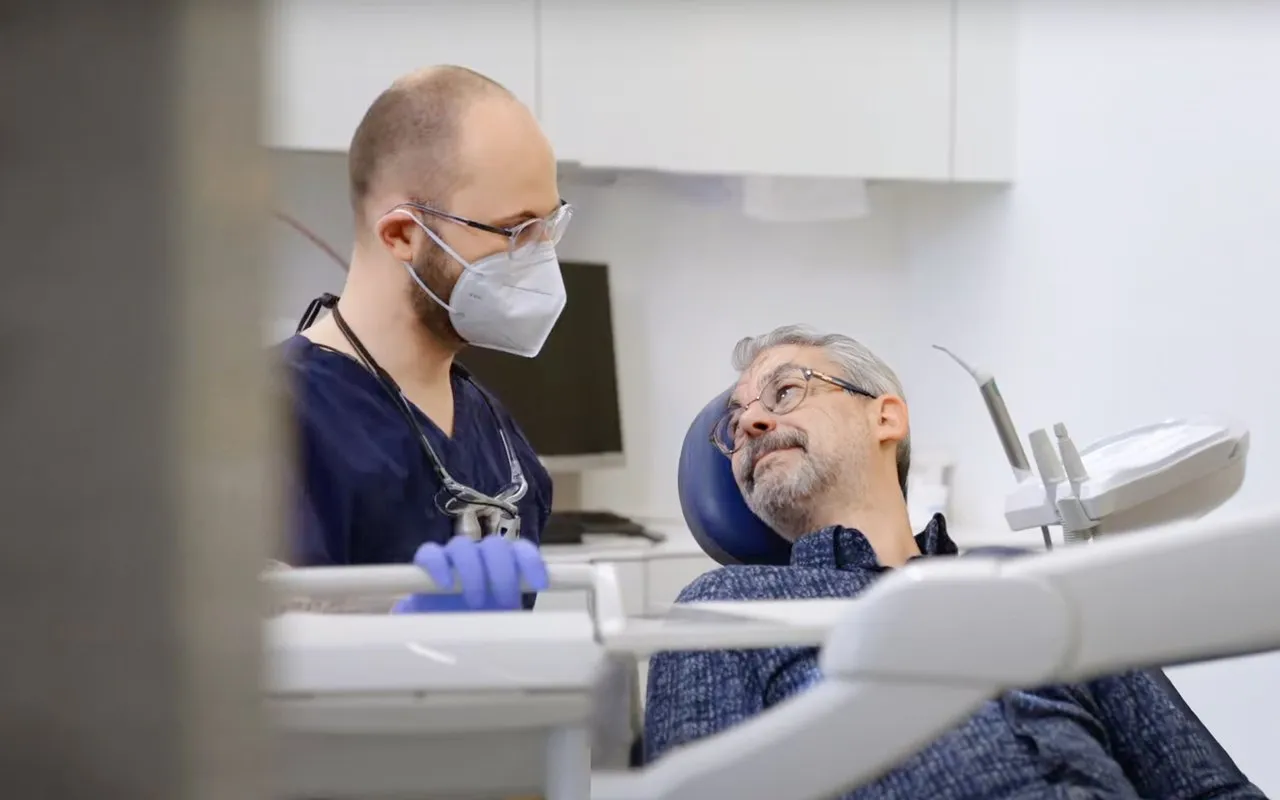
The dental implant process does not end with the placement of the crown. Regular follow-up appointments are necessary to ensure long-term success. During these appointments, the gums and bone are examined, professional teeth cleaning is carried out and the load on the implant is checked. This is the only way to ensure that the implant remains stable for many years.

Conclusion on the dental implant procedure
A dental implant is a proven and safe form of tooth replacement. The dental implant procedure consists of several carefully planned steps, from diagnosis and implant placement to the final restoration.
Depending on the initial situation, the entire process can take several months. The result, however, is impressive in terms of durability, stability and natural aesthetics.
FAQs – frequently asked questions about the dental implant procedure
An implant is inserted into the jawbone after the bone has been prepared with special instruments.
Under local anaesthetic, a minor surgical procedure is performed in which the implant is firmly anchored in the bone.
The healing time is normally three to six months.
With additional bone augmentation, treatment can be extended to six to twelve months.
An implant can be placed either immediately after a tooth extraction or after a healing period. This is generally several weeks to months.
There is often less bone in the upper jaw, so bone augmentation or a sinus lift may be necessary.
In such cases, several implants are placed, which then support a bridge or denture.
The structure consists of the abutment and the dental restoration attached to it.
This describes the process in which a damaged tooth is removed and then replaced with an implant. This happens either immediately or after a healing period.
Thanks to modern anaesthetic methods, the procedure causes minimal pain. Only mild discomfort after the operation is possible. We do our best to make the process as pleasant as possible for you.