
Why making a complaint is important
Dental prosthetics should fit securely and function well. Sometimes, however, the result is not right. Many people wonder when they can complain about dental prosthetics. The key factors are fit, bite and material quality.
Über 350 Google-Bewertungen
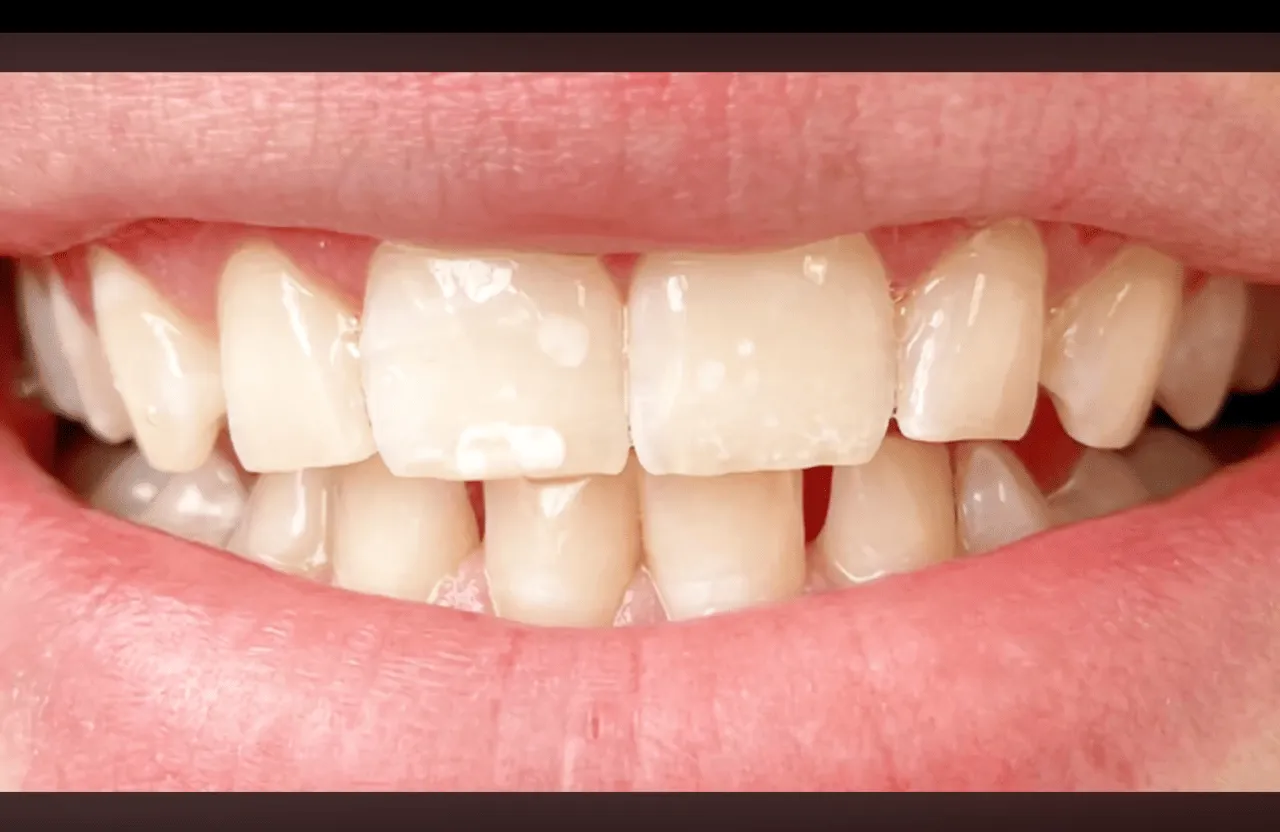
What counts as a defect in dental prosthetics?
A defect is present when the dental prosthetics do not serve their intended purpose. You may notice this when chewing or speaking. Typical signs include pressure points, looseness or open margins. A contact point that is too high also counts. Pain is a warning sign. This also applies to recurring inflammation around the margins. Appearance can also be relevant, particularly if the colour or shape is clearly wrong.
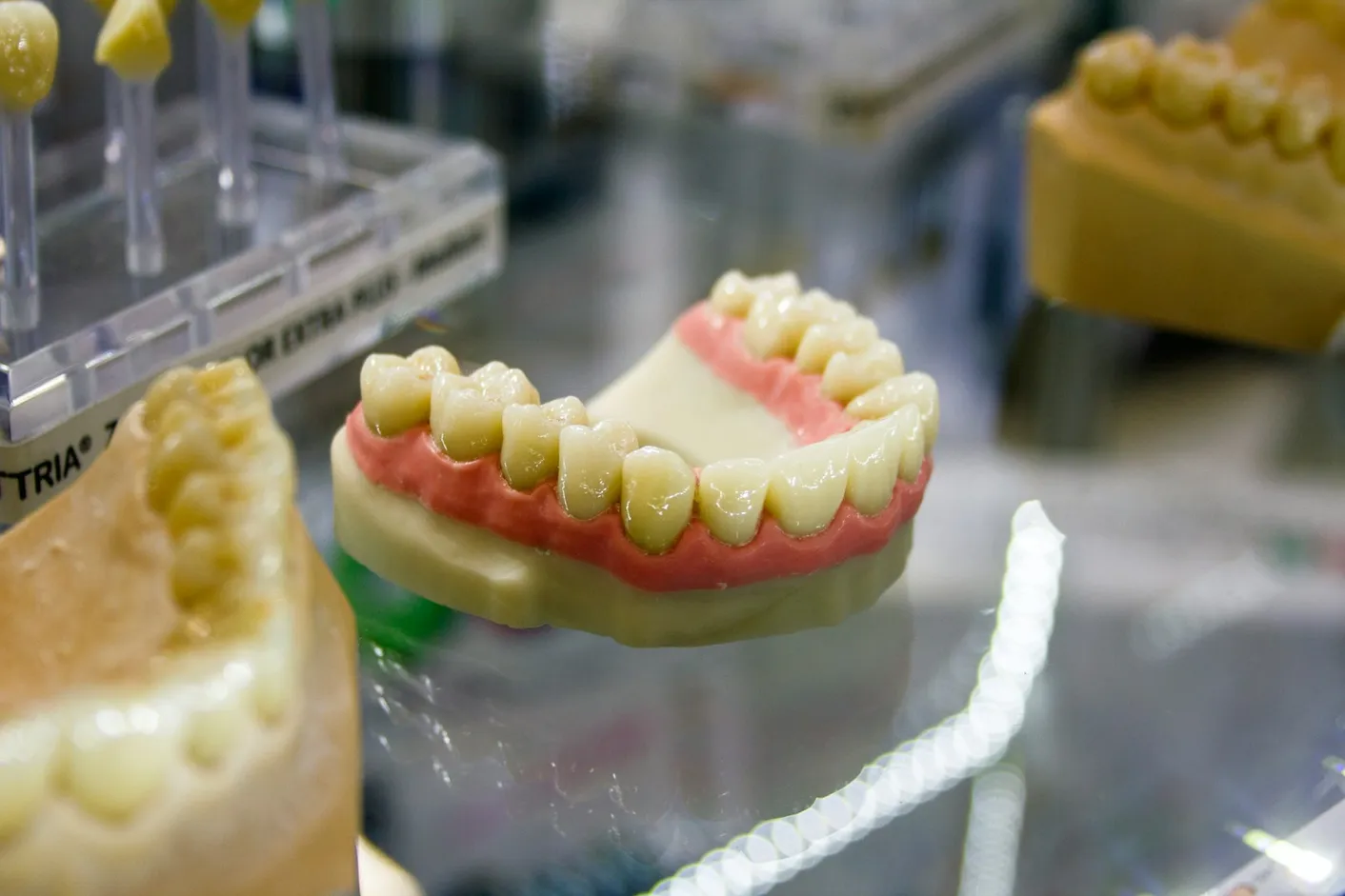
Statutory liability for defects in dental prosthetics: what time limit applies?
For services covered by statutory health insurance, statutory liability for defects usually applies for two years. The period starts when the dental prosthetics are fitted. Remedial work within this period is generally free of charge. Many people refer to this as 'statutory liability for defects in dental prosthetics'. Two years is the usual statutory liability period for defects.
Statutory liability for defects in dental prosthetics: what repairs are covered?
The practice must remedy the defect. This may involve an adjustment, repair or remaking. Grinding or relining is often sufficient. Sometimes new dental prosthetics are required. An objective defect must be present.
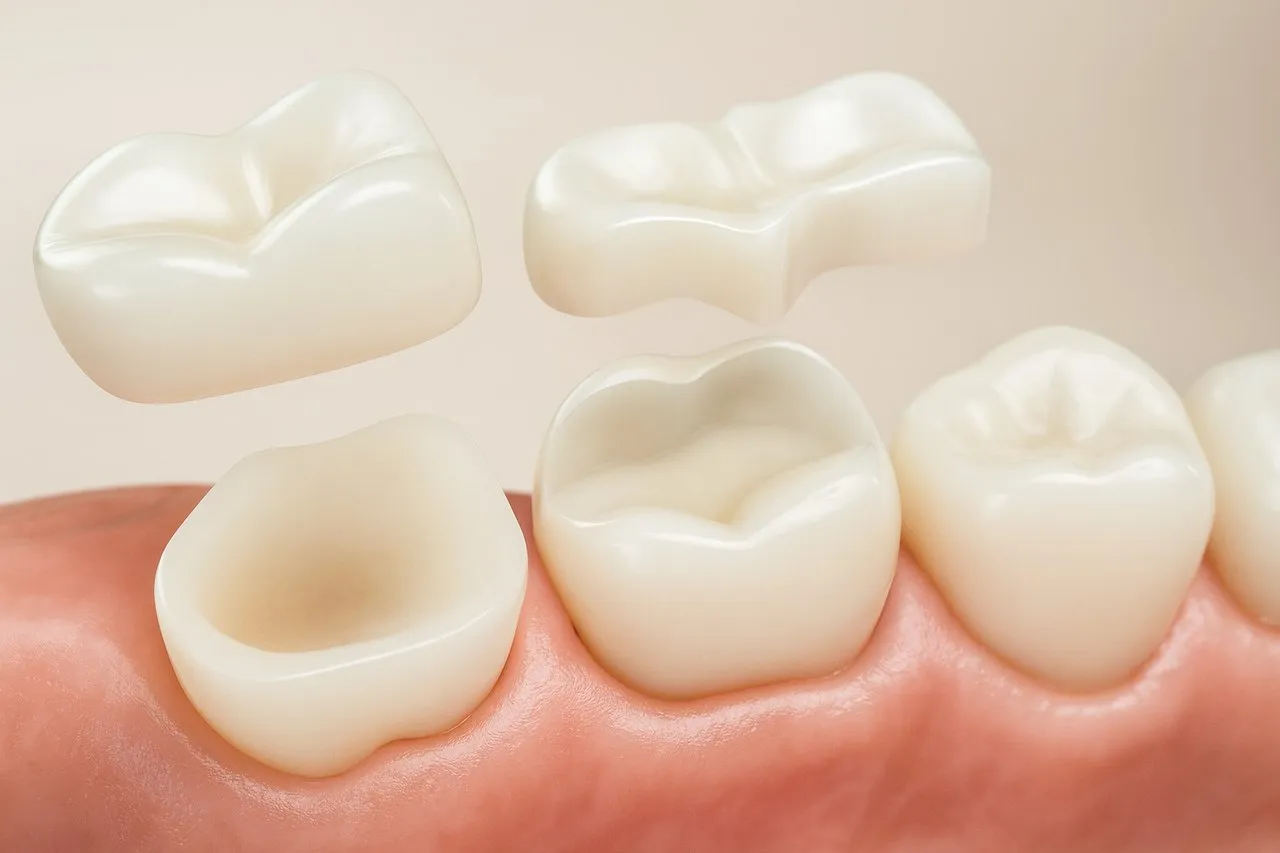
Guarantee for dental crowns: what does it mean?
Statutory liability for defects is regulated by law. A guarantee is voluntary and contractual. Some providers advertise a ‘guarantee for dental crowns’. ‘Guarantee on dental crowns’ is also common. The conditions vary considerably. Read the duration and exclusions carefully. Wear and tear is not a defect. Teeth grinding can also contribute to damage.
Common reasons for complaints in everyday life
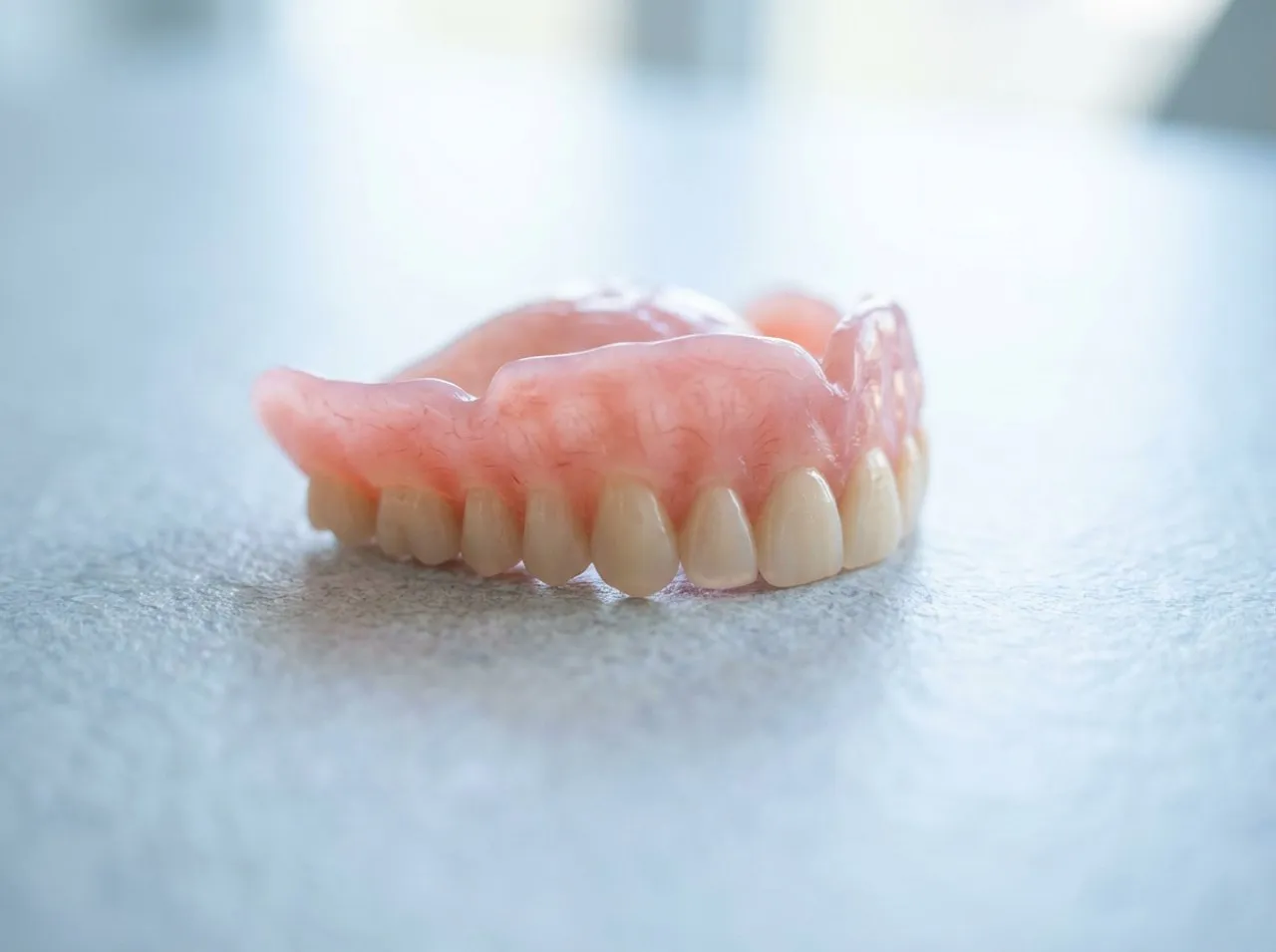
• Denture presses or is loose Minor pressure points are possible at first. A short adjustment usually helps. If the fit remains poor, you should report it. This is particularly important if you have sores. • Broken dental bridge: who pays? If it breaks early without an accident, there is strong evidence of a defect. It will then usually be repaired or remade. The cause will be investigated. • Broken crown: who pays? Remedial work is standard within the liability period. Heavy teeth grinding increases the risk. A splint can provide protection. • Bite is not right An incorrect bite often becomes noticeable when chewing. It can cause jaw pain. Headaches are also possible. The bite should then be checked.
How to make a complaint properly: step by step
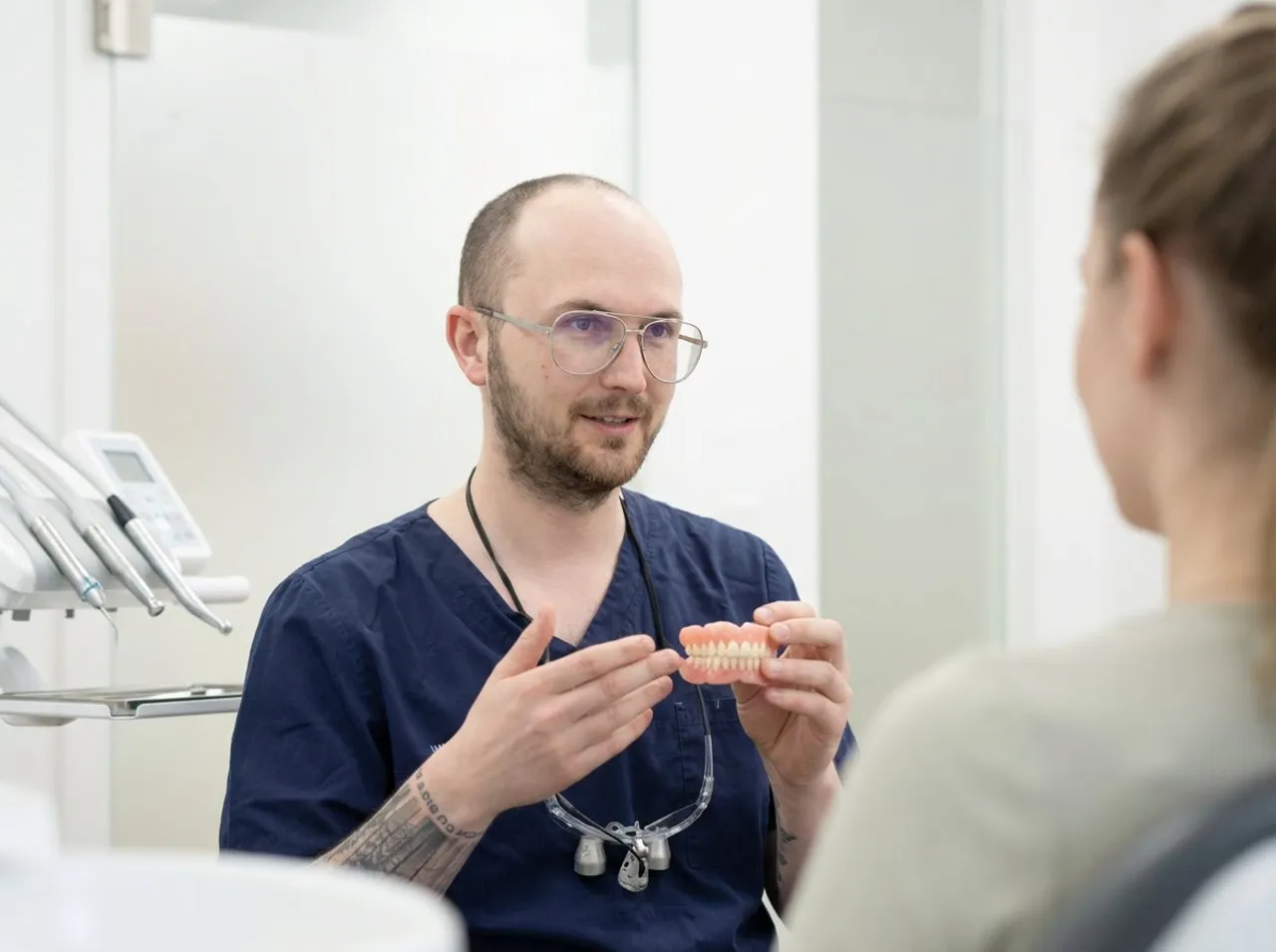
Contact the practice promptly. Describe the problem specifically. Mention situations such as chewing or speaking. Make a note of when the pain occurs and what triggers it. Bring your splint or denture with you. Photos of pressure points can also help. The practice will check the fit, bite and margins. A targeted adjustment will then follow. Sometimes several appointments are needed. This is normal for complex work.
Expert assessments and second opinions: when problems arise
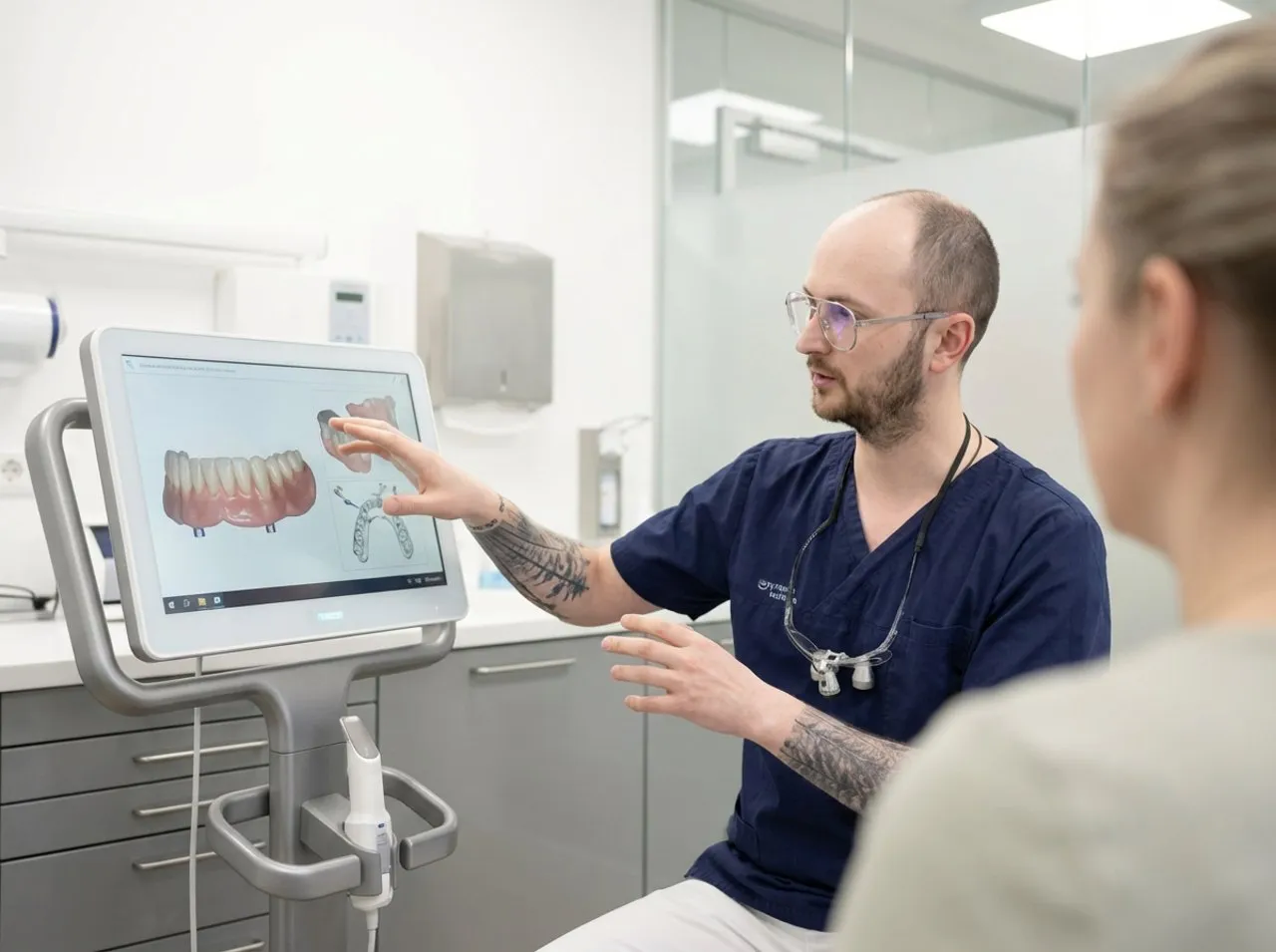
If no solution can be found, a second opinion is advisable. This provides clarity and peace of mind. For work covered by statutory health insurance, an expert assessment procedure can help. The health insurance fund will explain the process. Findings and appointments are important. Document your symptoms briefly and objectively.
Which documents help with the assessment?
Keep your treatment and cost plan and your invoices. Make a note of the fitting date. Ask for material specifications from the laboratory. These details make the assessment easier. Tell the practice about any pre-existing conditions and medication. These can affect the mucous membrane. Take particular care when cleaning margins and gaps. Use suitable brushes and mouth rinses. Attend an early check-up. This allows small faults to be corrected quickly.
When is urgent help needed?
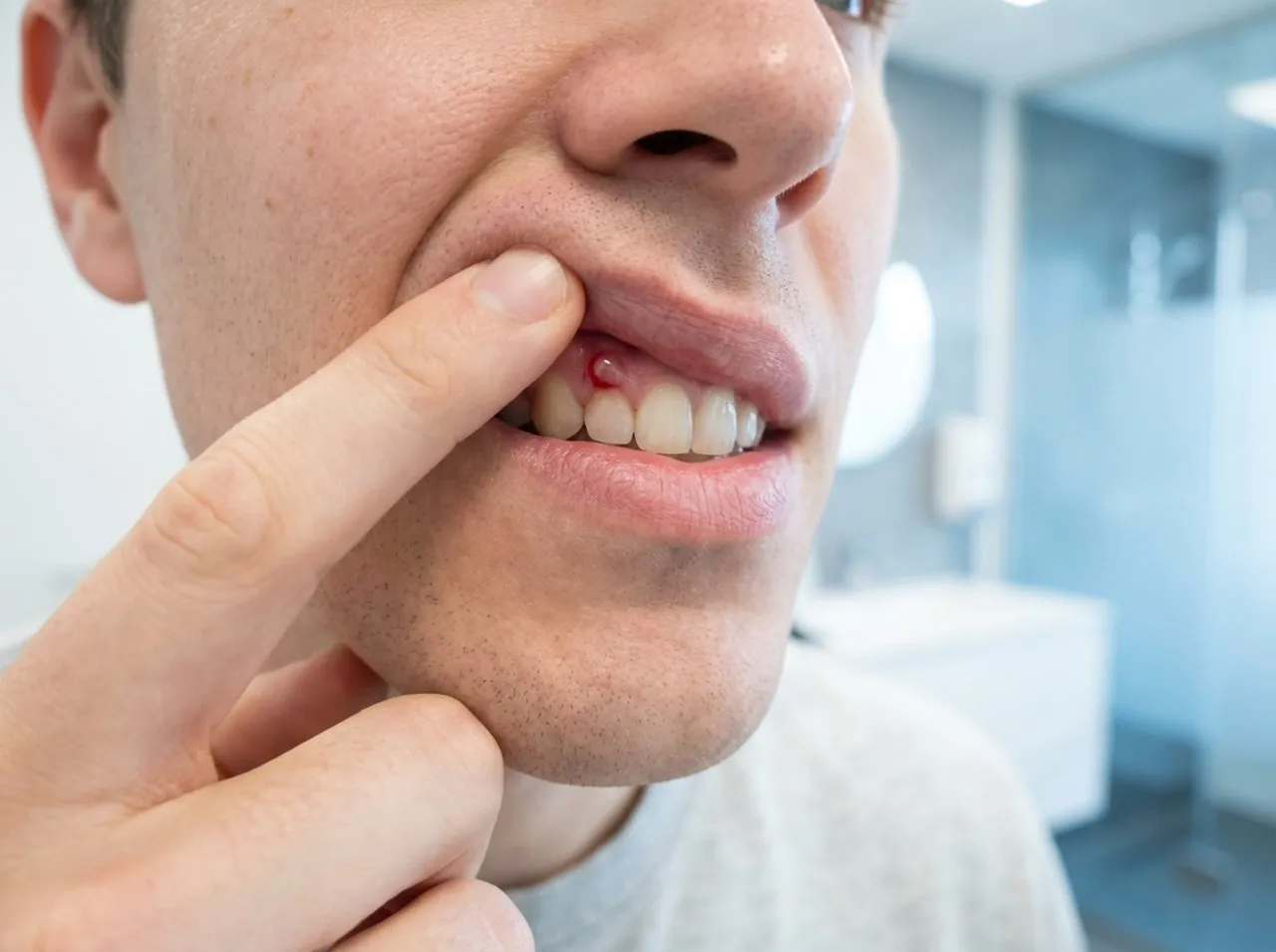
Do not wait if you have severe swelling or a fever. Pus is also a warning sign. Fixed dental prosthetics that suddenly become loose also require urgent attention. The same applies to bite obstructions.

Unhappy with your dentist: what can you do?
A calm conversation is the best place to start. Ask for an analysis of the problem. Ask for a remedial plan with appointments. If trust is lacking, a second opinion can help. Arbitration bodies can also provide support.
Unhappy with dental prosthetics: when are feelings enough?
The decisive factor is whether a defect is present. Sometimes the shape simply does not feel right to you. We will then assess adjustments to the shape and colour. Aesthetics matter more at the front of the mouth. Even so, realistic goals are needed.
You do not like your new denture: what should you do?
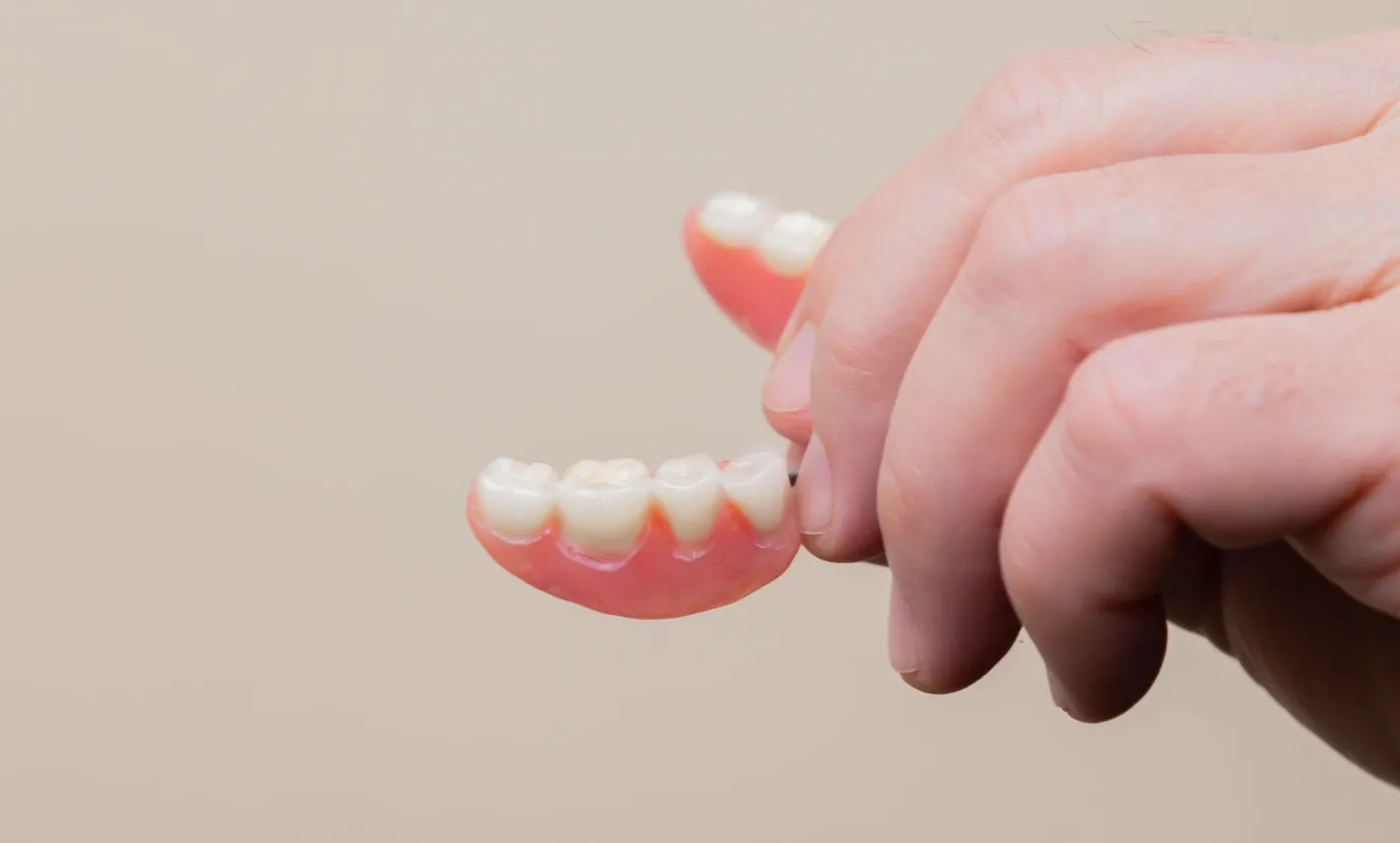
Acting early is important. Small changes are easier at the beginning. We check the margins, bite and position of the teeth. Speech can also be improved. Once you have adjusted, the options are more limited. Early check-ups are therefore advisable.
New denture after several years: complaint or replacement?
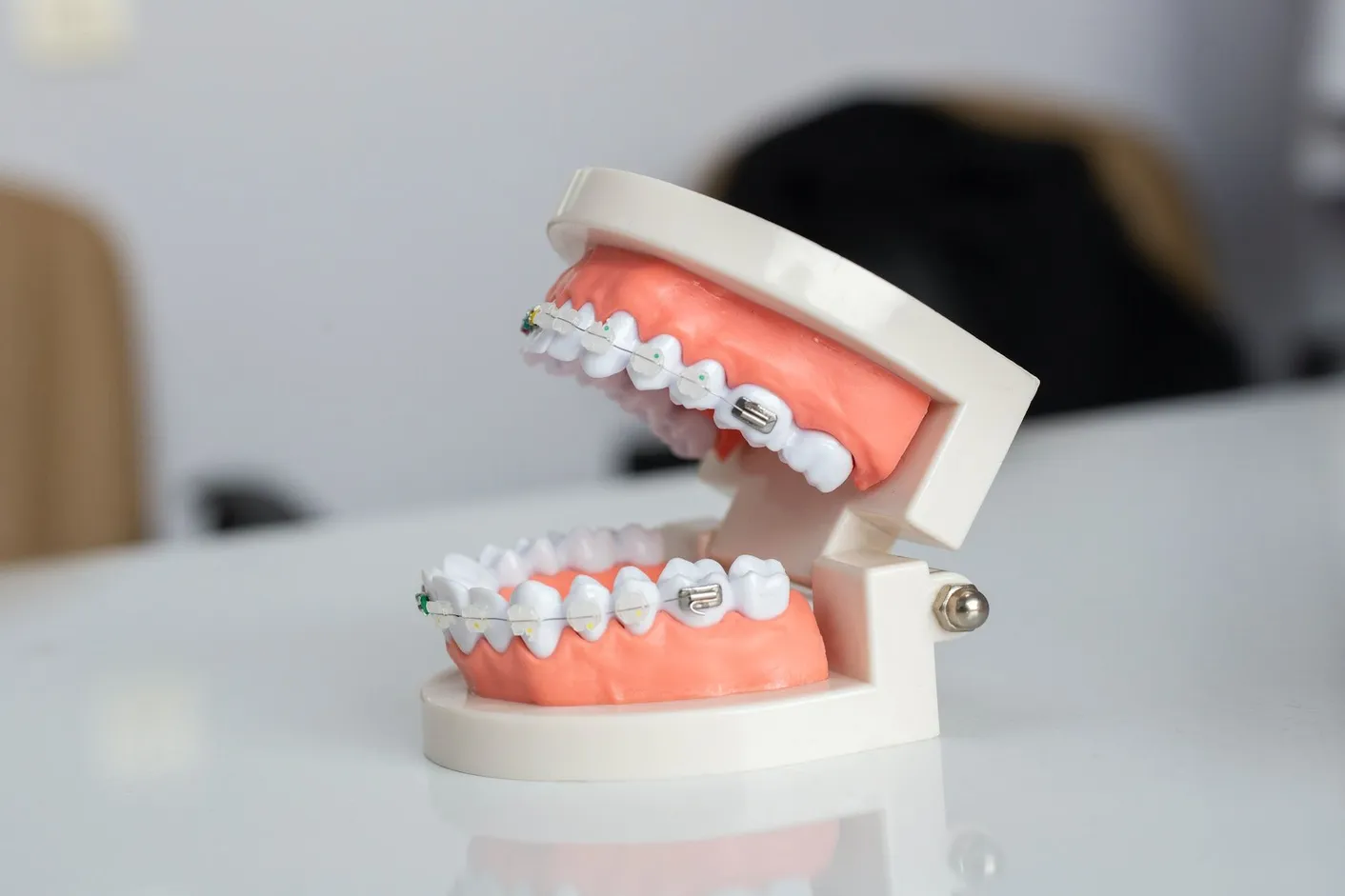
Wear and tear is often the issue. The jaw and mucous membrane change over time. New planning is then usual. This is not automatically a complaint. It is more likely to be a routine replacement.

Costs, health insurance and financing at Wunschlachen
If a defect arises within the liability period, there are usually no additional costs. Exceptions include accidents and damage for which you are at fault. A plan is drawn up for new dental prosthetics. The health insurance fund pays a fixed subsidy. At Wunschlachen, we explain your own contribution transparently. Payment in instalments is available on request.
Conclusion: complain clearly and keep good records
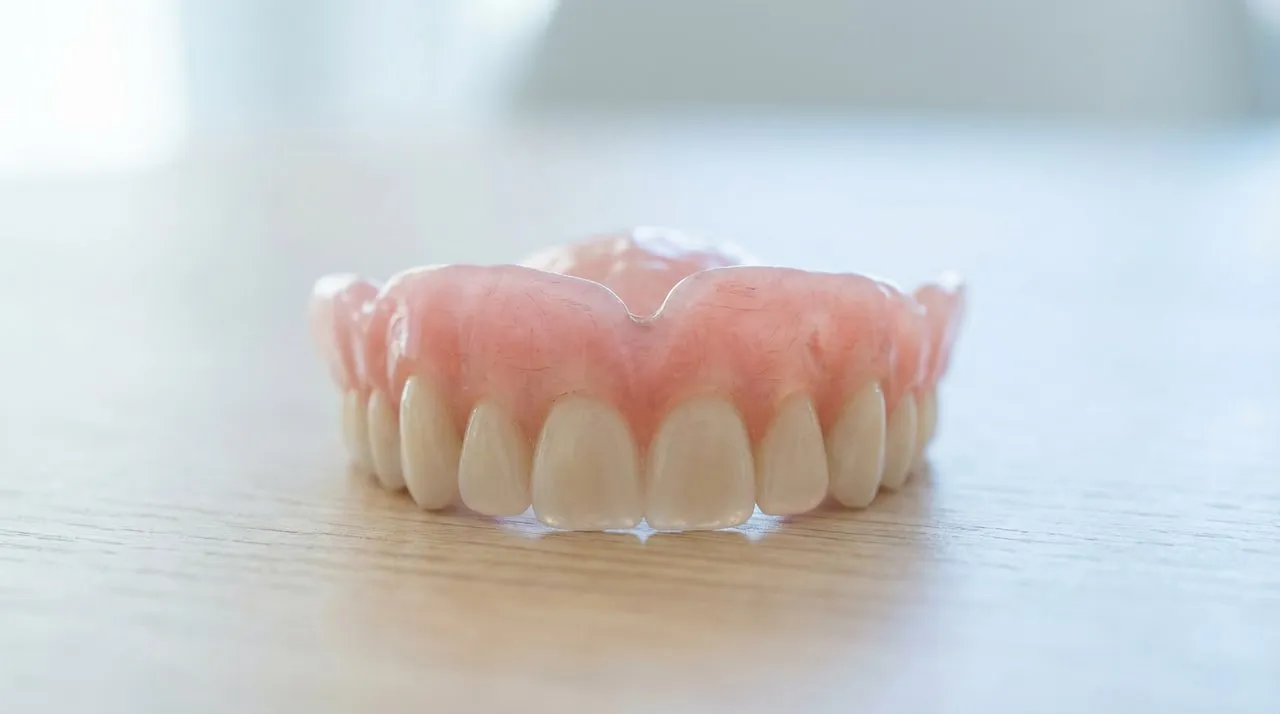
Make a complaint if the fit, function or quality is not right. Act early and document your symptoms. This usually enables prompt remedial work. The goal remains stable, attractive dental prosthetics.
FAQ: complaining about dental prosthetics
For defects such as a poor fit, pain or breakage.
Usually two years from the date the dental prosthetics are fitted.
It means remedying a defect free of charge within the liability period.
This is often searched for, but two years is the usual period.
A voluntary commitment that may go beyond statutory liability for defects.
Have it assessed to determine whether there is a defect and who will pay.
Contact the practice immediately so that the cause and costs can be clarified.
Have the function and aesthetics objectively assessed and adjusted.
Attend an early check-up, when changes are easiest to make.
Arrange a discussion, request a plan and seek a second opinion if necessary.