Home remedies for gum inflammation: tips and tricks
Gum inflammation can be extremely unpleasant and affects many people at some point in their lives. It is not only painful, but can also lead to more serious dental problems if left untreated. Fortunately, there are a number of...
Über 350 Google-Bewertungen
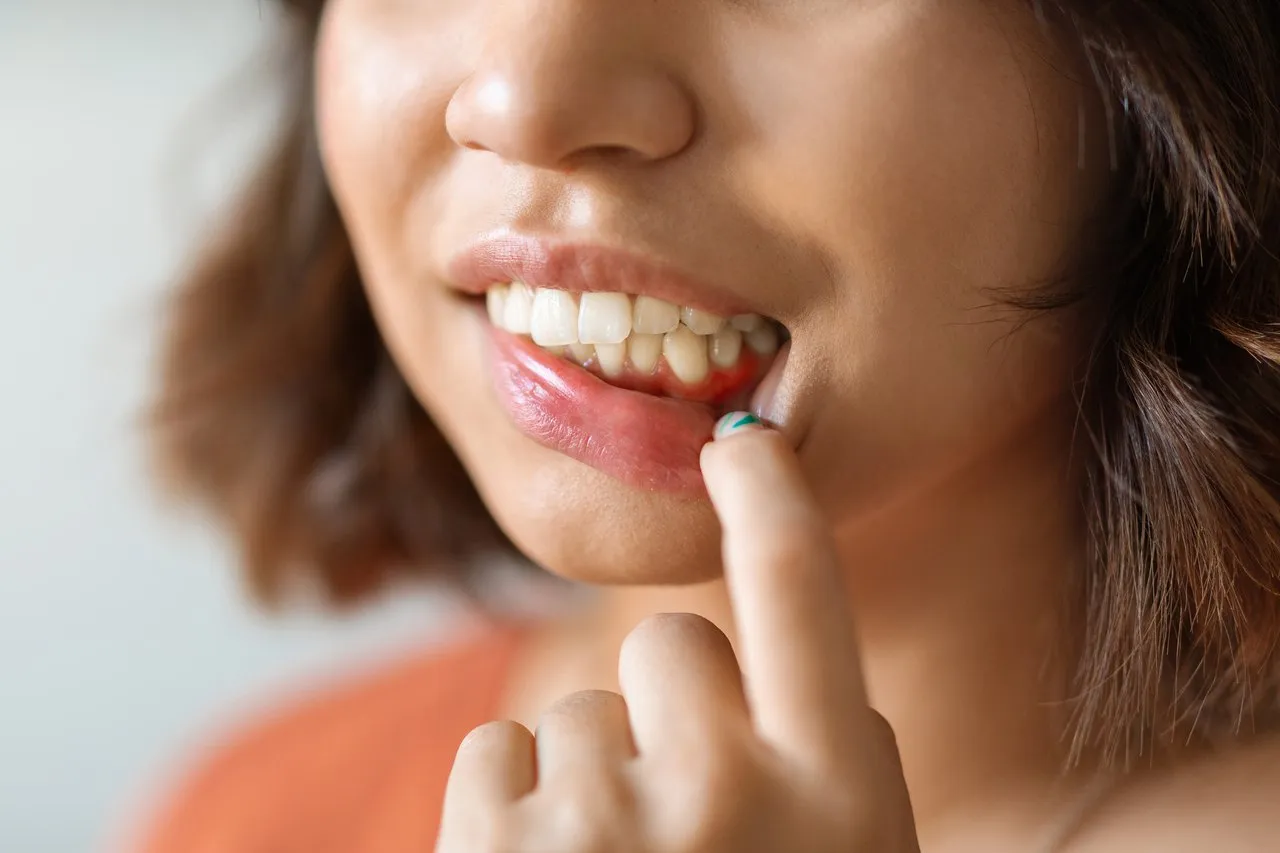
What is gum inflammation?
Gum inflammation, also known as gingivitis, is a common condition in which the gums become red, swollen and sensitive. This inflammation is often caused by plaque, an accumulation of bacteria on the teeth and gums. If left untreated, it can lead to periodontitis, a more severe form of gum disease that can damage the jawbone.
Symptoms of gum inflammation
The most common symptoms of gum inflammation include:
Redness and swelling of the gums
The gums are red and swollen.
Bleeding
Bleeding when brushing or using dental floss.
Sensitivity or pain
Sensitivity or pain in the mouth.
Bad breath
Bad breath.

Home remedies for relieving gum inflammation
Various remedies have long been used at home for gum inflammation. It is important to understand their role: none of the following remedies appears in the two S3 guidelines on home biofilm management, either as a tested or recommended measure. They are therefore no substitute for daily cleaning of the teeth and interdental spaces, and they are not a treatment. If you use them, you should tell your dentist at your next appointment — especially in the case of essential oils and anything acidic. 1. Salt water rinses Salt water is a simple and effective home remedy for treating gum inflammation. It can help reduce bacteria and relieve inflammation. How to use: Mix one teaspoon of salt into a glass of warm water and rinse your mouth with it. Repeat two to three times a day. 2. Tea tree oil Tea tree oil has natural antibacterial properties that can help reduce bacteria in the mouth. How to use: Add a few drops of tea tree oil to your toothpaste or mix it with water to make a mouthwash. Take care not to swallow the oil.
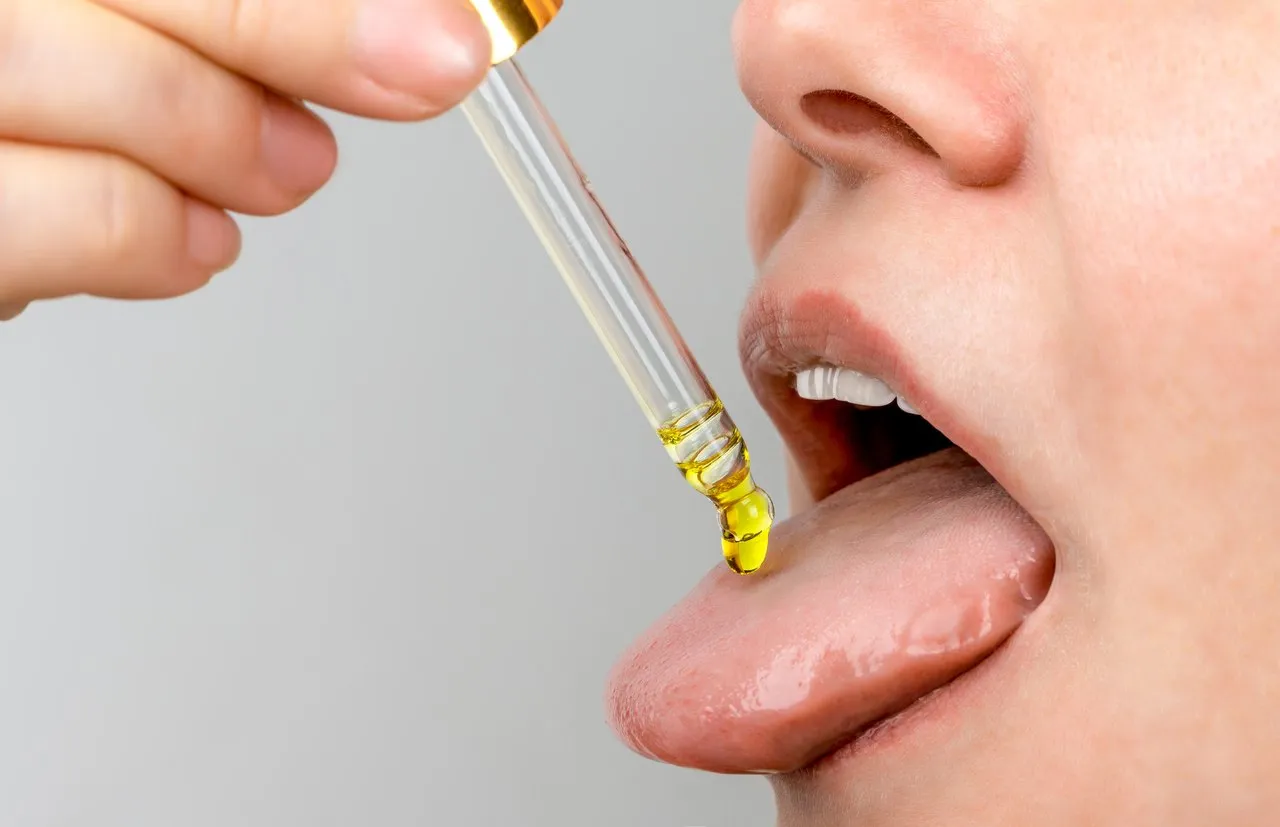
Other methods
3. Chamomile tea Chamomile tea is known for its soothing properties and can help reduce inflammation in the mouth. How to use: Make a cup of chamomile tea, leave it to cool and use it as a mouthwash or drink it to relieve the inflammation from within. 4. Turmeric Turmeric contains curcumin, which has anti-inflammatory and antioxidant properties. How to use: Mix turmeric powder with water to make a paste and apply it to the inflamed gums. Leave it to work for a few minutes and then rinse your mouth. 5. Aloe vera Aloe vera can help soothe and heal gum inflammation. How to use: Apply aloe vera gel directly to the inflamed gums and leave it to work. Rinse your mouth after a few minutes.
Further tips for preventing gum inflammation
In addition to using home remedies, there are other steps you can take to prevent gum inflammation:
Brush your teeth regularly
Brush your teeth at least twice a day to remove plaque.
Use dental floss
Use dental floss every day to remove food debris and plaque from between your teeth.
Healthy diet
A balanced diet with plenty of fruit and vegetables can promote gum health.
Regular dental visits
See your dentist regularly to have your oral health monitored.

Periodontitis: where home remedies reach their limits
Anyone looking for home remedies for periodontitis is usually one step beyond simple gum inflammation — and that step changes everything. With gingivitis, the bacterial film is on the tooth surface and along the gum line, where a toothbrush, interdental brush and mouthwash can reach it. The S3 guideline on chemical biofilm management at home explicitly describes this as the first, reversible phase. With periodontitis, colloquially known as Parodontose in German, things are different. The PAR directive issued by the German Federal Joint Committee describes the progression as follows: inflammation-induced changes to the junctional epithelium cause the biofilm to spread into the subgingival area, periodontal pockets form, and the body's immune response leads to loss of attachment and alveolar bone. The film is then beneath the gums, on the root surface. No mouthwash can reach it, regardless of what it contains. The same S3 guideline describes periodontitis as an irreversible inflammation of the supporting structures of the teeth, which consist of cementum, the periodontal ligament and alveolar bone. Lost bone does not grow back through rinsing, applying remedies or drinking them. Treatment can achieve something different, and the PAR directive states this clearly: resolve inflammatory changes in the periodontium, prevent further loss of attachment and teeth, and secure the success of treatment in the long term. This page therefore makes a clear distinction. Everything above about salt water, chamomile tea, tea tree oil, turmeric and aloe vera relates to gum inflammation. None of these remedies is a treatment for periodontitis. You cannot determine at home whether you have gingivitis or already have periodontitis: this requires probing depths to be measured at at least two sites on each tooth, along with assessment of tooth mobility and furcation involvement and, as a rule, an X-ray that is no more than twelve months old. Under Section 4 of the PAR directive, periodontitis requires treatment when a corresponding diagnosis is made and a probing depth of 4 mm or more is present. The difference between the two terms is explained under Periodontitis and Parodontose; how far periodontitis can be reversed is covered under Can periodontitis go away?
What helps at home — and what the guidelines have assessed
Mechanical cleaning is the foundation
The S3 guideline on chemical biofilm management at home states that careful mechanical oral hygiene is the basis for preventing and treating gingivitis, and that brushing must be supplemented by a form of interdental cleaning. The periodontitis guideline sets out the same requirement for periodontitis: continuous instruction in home oral hygiene should be provided throughout all stages of therapy, including aftercare — with the strongest recommendation grade used in the guideline.
Which active ingredients in mouthwashes have been assessed
For the treatment of gingivitis, the S3 guideline recommends mouthwashes containing essential oils, chlorhexidine or triclosan/copolymer as an adjunct to mechanical cleaning, supported by a high level of evidence. One grade lower are amine fluoride/stannous fluoride and cetylpyridinium chloride. The guideline itself qualifies both points: it states that the included studies do not allow conclusions to be drawn about specific formulations or concentrations. What this means when choosing a product is explained in detail on our page about mouthwash for gum inflammation.
Why this cannot be applied to homemade mixtures
The recommendation on essential oils relates to ready-made mouthwash products in which the oils are present in very low concentrations and in stable solution. Tea tree oil is mentioned in the guideline only as a possible ingredient in such mixtures, not as an independently tested remedy. The recommendation for a ready-made product therefore says nothing about a homemade solution. If you use essential oils in your mouth, please mention this at your appointment.
Chlorhexidine is a time-limited measure
Chlorhexidine is one of the active ingredients with the strongest recommendation — and at the same time has a narrow limit. As a sole measure, mouthwashes containing 0.1 per cent or more should only be used for a short period, approximately two to four weeks, and only when mechanical biofilm management is not possible or not indicated. Even as an adjunct to periodontitis treatment, chlorhexidine is only an open recommendation for a limited period, namely until full mechanical cleaning is possible again. Details can be found on our page about mouthwash containing chlorhexidine.
Risk factors are the biggest step you can take yourself
Smoking and diabetes mellitus are two proven risk factors for periodontitis; according to the S3 guideline, controlling them should be part of the first stage of therapy, again with the strongest recommendation grade. The PAR directive requires both to be recorded in the medical history: the HbA1c value for diabetes and, for tobacco use, whether fewer than ten or ten or more cigarettes are smoked per day. This is the part that is genuinely in your hands.
Aftercare appointments are part of the treatment
Active therapy is followed by supportive periodontal therapy. Under Section 13(3) of the PAR directive, the SPT period is two years and begins on the day of the first SPT service. Section 13(2) of the directive lists six services, each intended to be provided a different number of times — not every appointment includes the same services. Services provided regularly are oral hygiene checks, further oral hygiene instruction where necessary, complete supragingival and gingival cleaning of all teeth and — only at probing depths of 4 mm or more with bleeding on probing and at all sites of 5 mm or more — subgingival instrumentation. Frequency depends on the grade of the disease, that is, the rate of progression: up to twice for grade A, up to four times for grade B and up to six times for grade C. Measuring probing depths and bleeding on probing is expressly not included; it is intended to be carried out less often, twice for grade B and four times for grade C. A full examination of periodontal status with documentation of findings can be provided once during the period.
What treatment achieves that cannot be achieved at home
Periodontal therapy has its own term for the crucial step: subgingival instrumentation. This means removing biofilm and hard deposits below the gum line, using hand instruments or sonic and ultrasonic devices designed specifically to gain access to the root surface within the pocket. The S3 guideline issues its strongest recommendation on this: subgingival instrumentation should be used to treat periodontitis. The guideline quantifies how much this achieves. Across the studies evaluated, the mean probing depth fell by 1.7 millimetres after six to eight months, an average of 74 per cent of pockets were closed afterwards, and bleeding on probing fell by 63 per cent. This is the standard against which home measures would have to be measured — and it is precisely the area they cannot reach. The route through statutory health insurance is regulated for this purpose. The PAR directive describes a fixed sequence: a periodontal information and therapy discussion, patient-specific oral hygiene instruction with disclosure of deposits and practical guidance, anti-infective therapy using a closed approach, which should where possible be completed within four weeks, an evaluation of findings three to six months later, an open approach if necessary, and then supportive periodontal therapy. Treatment requires prior approval from the health insurance fund. You can find the full process under Periodontitis treatment – process. Home remedies do not contradict this; they operate on a different level. They can be part of what you do between appointments; they replace neither the examination nor the treatment. If your gums bleed or recede, or a tooth feels loose, the next step is not another home remedy but an appointment. What else may be possible with advanced breakdown is covered under Bone loss around a tooth.
When should you see a dentist?
While home remedies can be effective in relieving mild gum inflammation, there are cases in which a visit to the dentist is necessary. A dentist can offer professional treatments to combat the inflammation and restore oral health.
If symptoms do not subside despite careful cleaning
Gums that remain red and swollen despite thorough brushing and daily interdental cleaning are a reason to make an appointment. There is no fixed time limit for this — the earlier measurements are taken, the more precisely it can be determined whether the condition is still gingivitis.
If your gums bleed heavily
Heavy or recurrent bleeding should be examined by a dentist.
If your gums recede or your teeth become loose
Receding gums and loose teeth are signs that must be measured and assessed at the practice.
Conclusion
Gum inflammation is unpleasant, but reversible in its early form. The part that is proven to help is unremarkable: brush thoroughly twice a day, clean between your teeth every day, and keep an eye on smoking and diabetes. Home remedies can complement this daily routine, but they do not replace it. And as soon as periodontitis is suspected — receding gums, loosening teeth or bleeding that does not stop — an examination is the next step, not the next remedy. The earlier measurements are taken, the more of the supporting structures of the teeth can be preserved.
FAQs about home remedies for gum inflammation
Gum inflammation is an irritation of the gums, usually caused by plaque bacteria along the gum line. If left untreated, it can develop into periodontitis and also damage the jawbone.
Typical signs are red, swollen gums, bleeding when brushing or flossing and possibly bad breath. If these symptoms persist for several days, this suggests gum inflammation.
Plaque is a bacterial film that irritates the gums and triggers inflammation if it is not removed regularly. If it remains in place for a long time, it can turn into hard tartar and worsen the inflammation.
Remedies mentioned include salt water rinses, highly diluted tea tree oil, chamomile tea, turmeric and aloe vera. None of these remedies appears in the S3 guidelines on home biofilm management. What they recommend are mouthwashes containing essential oils, chlorhexidine or triclosan/copolymer and, one grade lower, amine fluoride/stannous fluoride or cetylpyridinium chloride — always as an adjunct to mechanical cleaning, never in its place.
Dissolve one teaspoon of salt in a glass of warm water, rinse your mouth thoroughly and spit out the solution. This can generally be done two to three times a day.
Tea tree oil must only be used highly diluted and must not be swallowed. If you experience burning, intolerance or allergic reactions, stop using it immediately and contact a doctor or dentist.
Chamomile tea has a soothing effect, turmeric an anti-inflammatory effect, and aloe vera a cooling and healing effect on the gums. They can be applied locally or used as a rinse or drink.
Home remedies relieve the symptoms, but are no substitute for consistent oral hygiene. Daily brushing, interdental cleaning and a tooth-friendly diet are important.
If the symptoms do not subside despite thorough cleaning, if your gums bleed heavily or recede, or if your teeth become loose. There is no fixed time after which you should go; earlier is better. Only at the practice can measurements determine whether the condition is still gum inflammation or whether probing depths of 4 mm or more are already present — and this determines what needs to be done.
Thorough daily oral hygiene, regular dental check-ups and professional teeth cleaning are crucial. A balanced diet and not smoking also support healthy gums.
No. With periodontitis, the bacterial biofilm has spread into the area below the gum line and periodontal pockets have formed; this is how the PAR directive issued by the German Federal Joint Committee describes it. Neither a mouthwash nor a paste you apply can reach this area. The S3 guideline on gingivitis also describes periodontitis as an irreversible inflammation of the supporting structures of the teeth. Home remedies can complement your daily routine, but they are not a treatment and do not replace an examination.
No. Loss of attachment and alveolar bone is a consequence of the inflammatory response and is not reversed by home measures. What treatment can achieve is described in the PAR directive: resolve the inflammation, prevent further loss of attachment and teeth, and secure the result in the long term. In certain cases, regenerative procedures at the practice may be an option; this depends on the findings and will be clarified during the examination.
Three things, all three of which are in the guidelines. Firstly, mechanical cleaning: brushing plus a form of interdental cleaning, with suitable aids determined individually and their use practised during oral hygiene instruction. Secondly, risk factors: smoking and diabetes are two proven risk factors, and controlling them should be part of the first stage of therapy. Thirdly, aftercare appointments as part of supportive periodontal therapy over two years. This is less spectacular than a home remedy and incomparably more important for the course of the disease.
Under Section 4 of the PAR directive, systematic treatment is indicated when one of the diagnoses specified there is made and a probing depth of 4 mm or more is present. Measurements are taken at at least two sites on each tooth, alongside assessment of tooth mobility, furcation involvement and radiographic bone loss. Systematic periodontal therapy requires prior approval from the health insurance fund.
These remedies are not assessed in the documents used here: neither the S3 guideline on chemical biofilm management at home, nor the S3 guideline on the treatment of periodontitis, nor the PAR directive mentions them. The gingivitis guideline expressly excluded one review of herbal mouthwashes because it only compared chlorhexidine with herbal rinses, and another because its data combined a wide range of natural ingredients and did not allow the individual substances to be assessed. There is therefore no guideline statement on these remedies that could be relied upon — and they do not treat periodontitis.
Book your appointment now
We would be happy to advise you in person at our practice.