Lower denture will not stay in place – causes and solutions
A loose lower denture is common and can usually be treated effectively. It is often caused by bone loss, incorrect borders or a poor bite. A targeted examination, reline or implants can significantly improve denture retention.
Über 350 Google-Bewertungen
Why does a lower denture often fit less securely?
The bearing surface is smaller in the lower jaw than in the upper jaw. The tongue moves constantly and lifts the denture more easily. In addition, the jaw ridge often shrinks rapidly after tooth loss.
Common causes of a loose denture
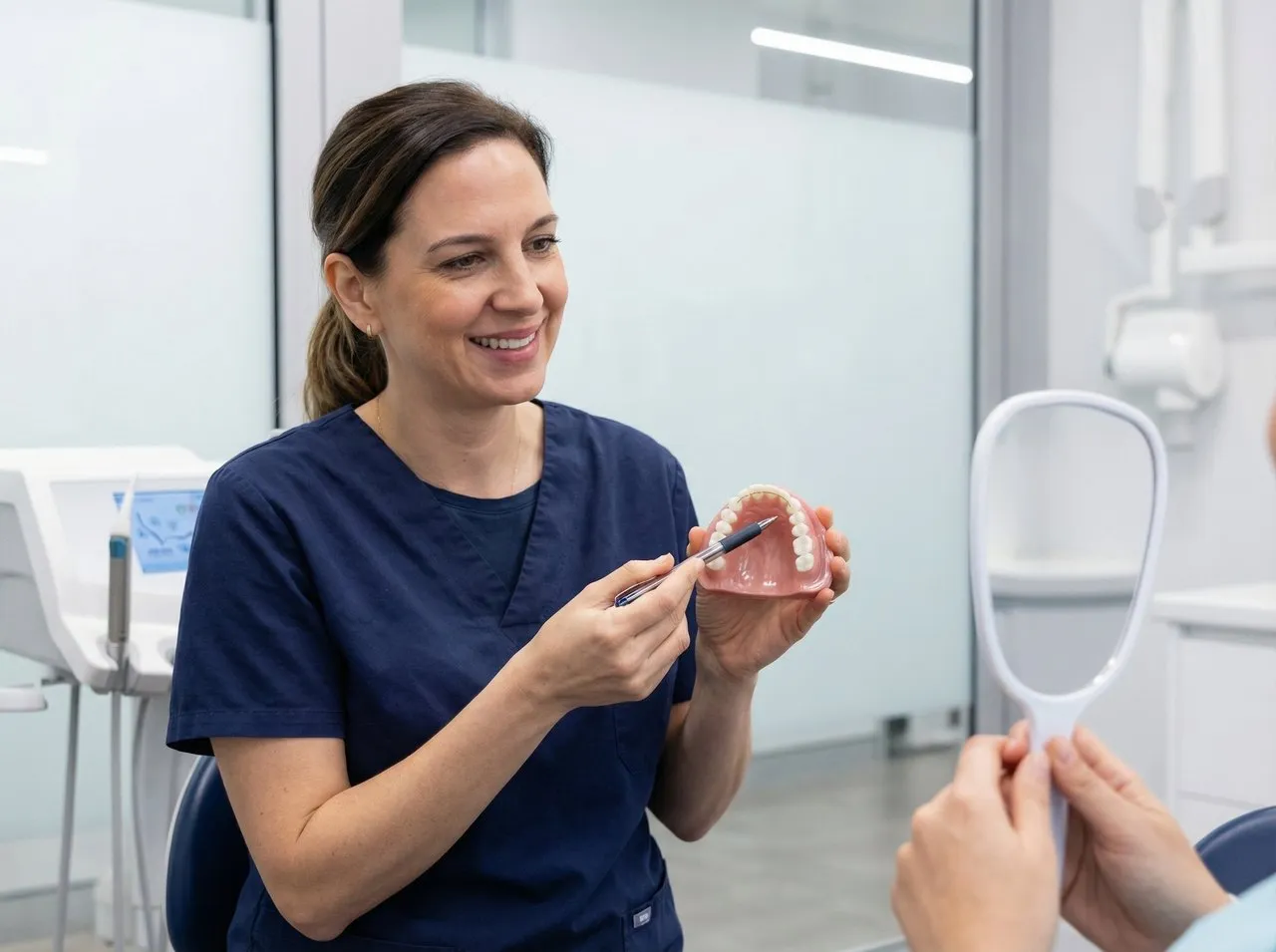
The most common reason is bone loss in the lower jaw. The denture base then no longer fits the denture-bearing area exactly. An air gap forms, and the denture loses stability. The denture border may also be poorly designed. If it is too short, there is insufficient sealing and guidance. If it is too long, it presses on the tissue and is displaced when speaking. Altered occlusion is also typical. Worn denture teeth change the bite and the load during chewing. The denture then tips when chewing or becomes stuck when swallowing. A lack of saliva noticeably reduces adhesion. Saliva acts as a thin lubricating film and supports the suction effect. With a dry mouth, this film is often completely absent. Inflamed mucosa reduces tolerance of movement. Pressure sores cause pain and reflexive avoidance when chewing. This makes the lower denture even less stable.
First steps before you come to the practice
Clean your denture and mouth very thoroughly. Deposits affect the fit and increase friction. Use denture adhesive only as a short-term aid. Initially choose soft foods and small bites. Chew on both sides so that the denture does not tip to one side. Practise speaking slowly to coordinate your muscles. Allow a short adjustment period after a correction. Your cheek and tongue muscles first need to learn the new contact. Targeted practice improves stability and confidence in everyday life.
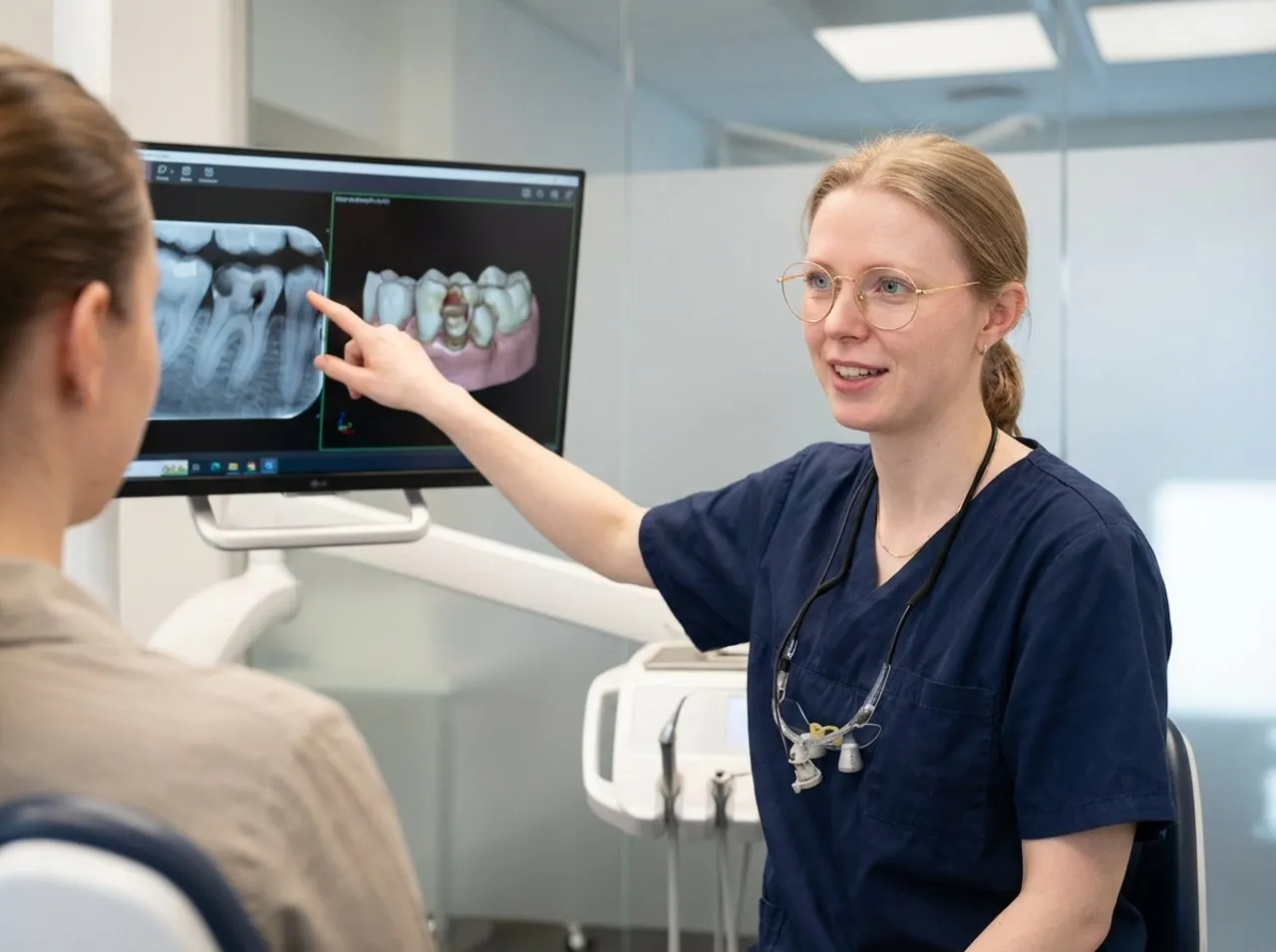
What we specifically check at Wunschlachen
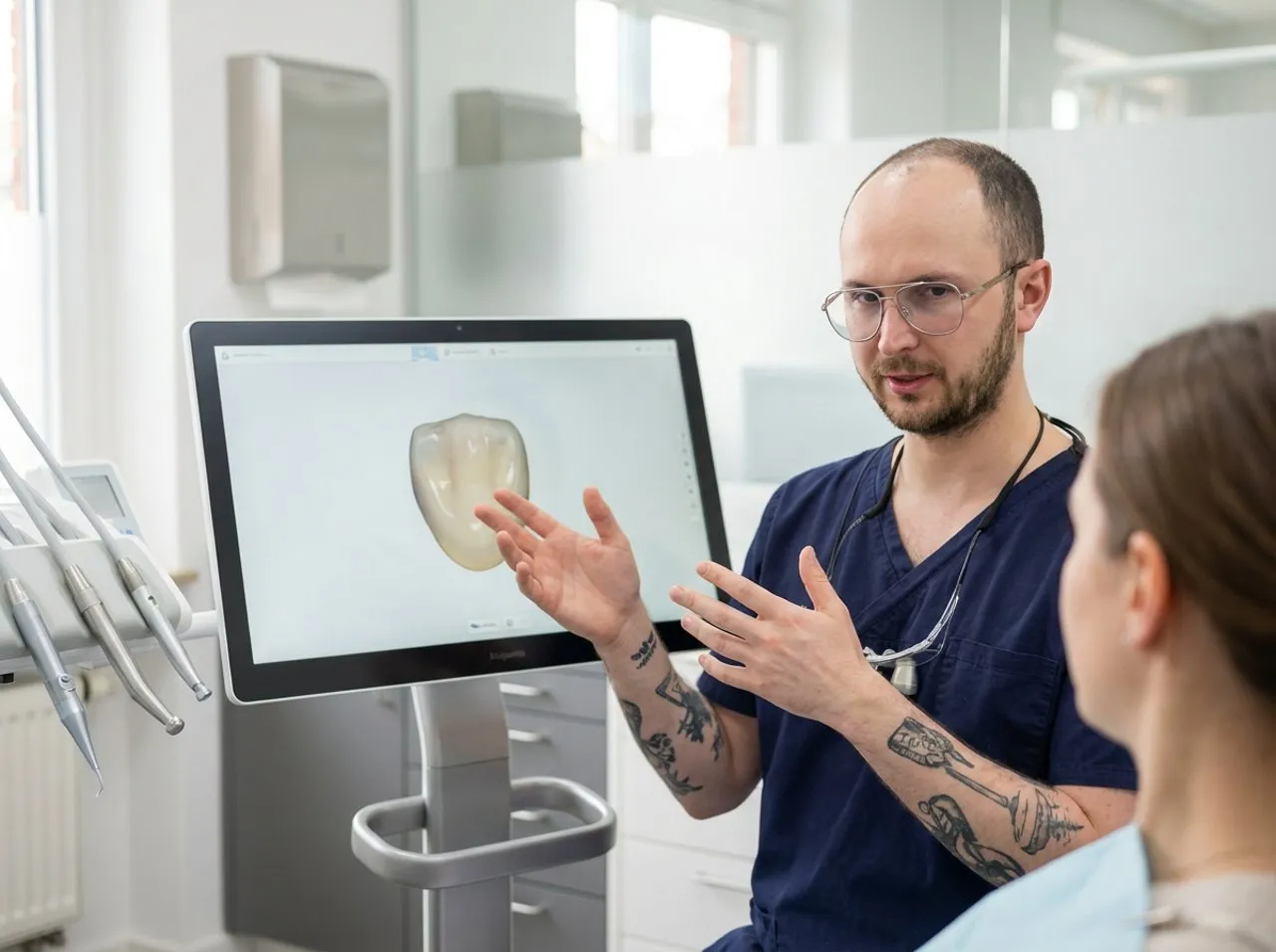
We assess the jaw ridge and the mobility of the mucosa. We check the border design using functional movements. This shows us where air enters or pressure occurs. We then check the bite and bite height. Even small incorrect contacts can make the denture tip. We correct the contact points very precisely. We also check whether there are cracks in the denture base. Bent clasps on partial dentures are also possible. Both can gradually worsen retention.
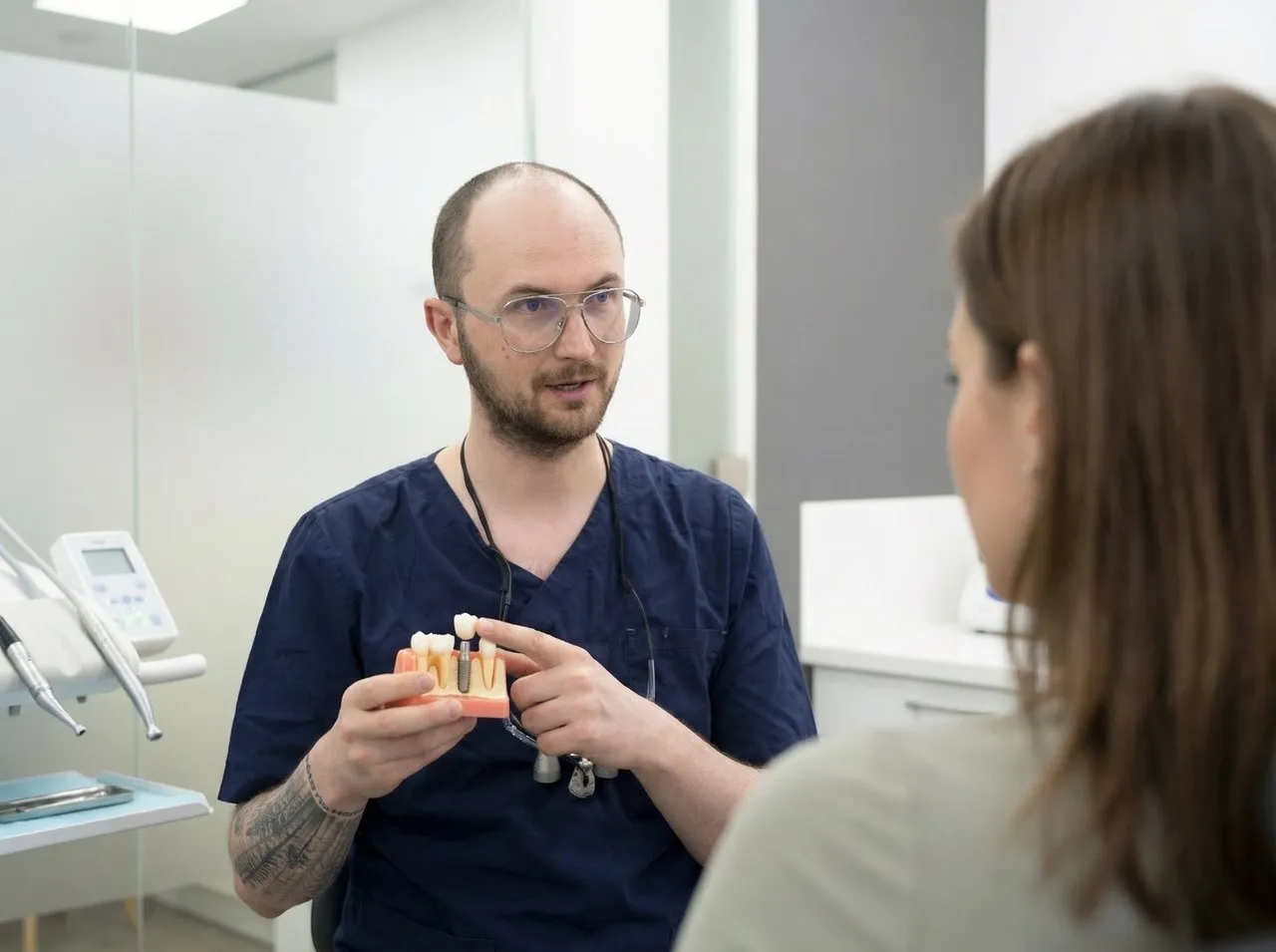
Reline, adjustment or new denture?
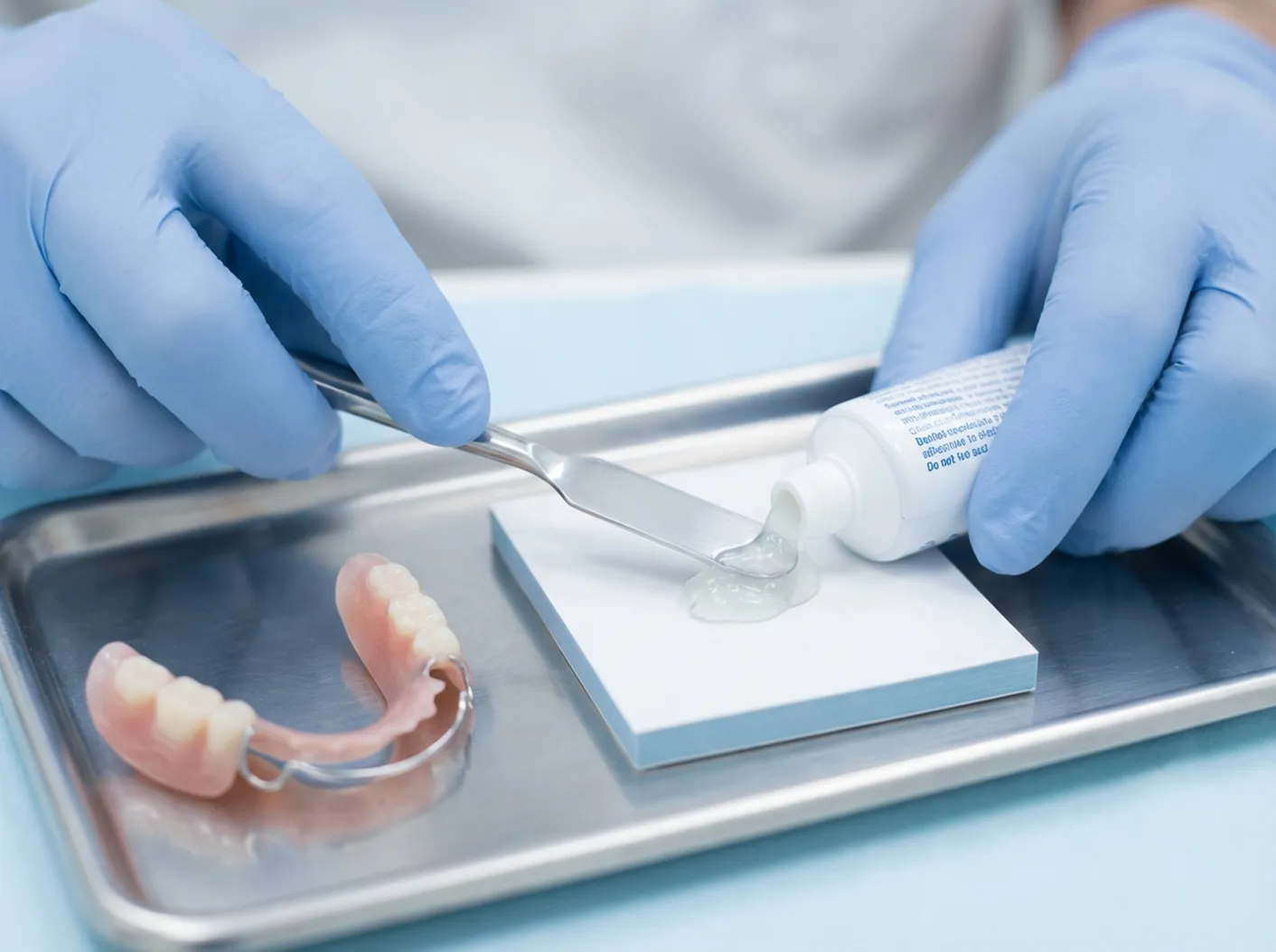
If the basic structure is sound, a reline often helps. The inner surface of the denture is adapted to the supporting tissue again. This usually significantly improves denture retention. If the denture is very old, making a new one is advisable. The bite, tooth position and borders are then properly coordinated again. A precise impression is essential for this. Sometimes a small correction to the denture borders is sufficient. This applies particularly to recent pressure sores or overextended borders. We smooth and polish the denture so that the mucosa can recover.
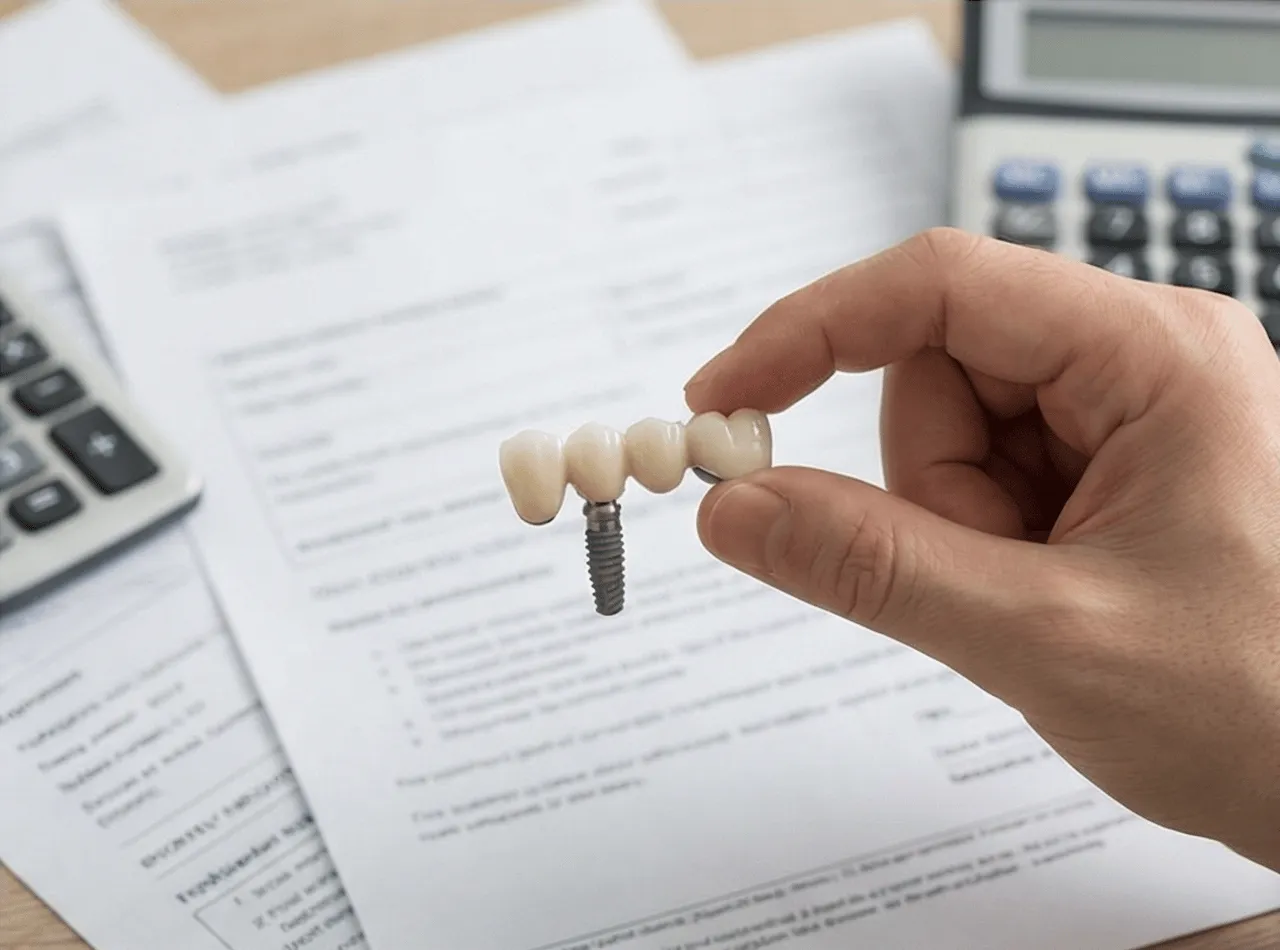
Greater stability with implants in the lower jaw
Many patients benefit from an implant-supported denture. Just two implants can stabilise the denture. We often use Locator components for secure anchorage. Mini implants are an option in cases of difficult anatomy. They are narrower and can often be placed without extensive bone grafting. This allows a lower denture to be secured reliably. In some cases, a bar-retained denture is advisable. A bar connects the implants and distributes the forces evenly. This increases comfort and reduces tilting movements. Which solution is suitable depends on the bone, mucosa and expectations. We explain the advantages and disadvantages clearly and transparently. We then plan the procedure in clear treatment stages.
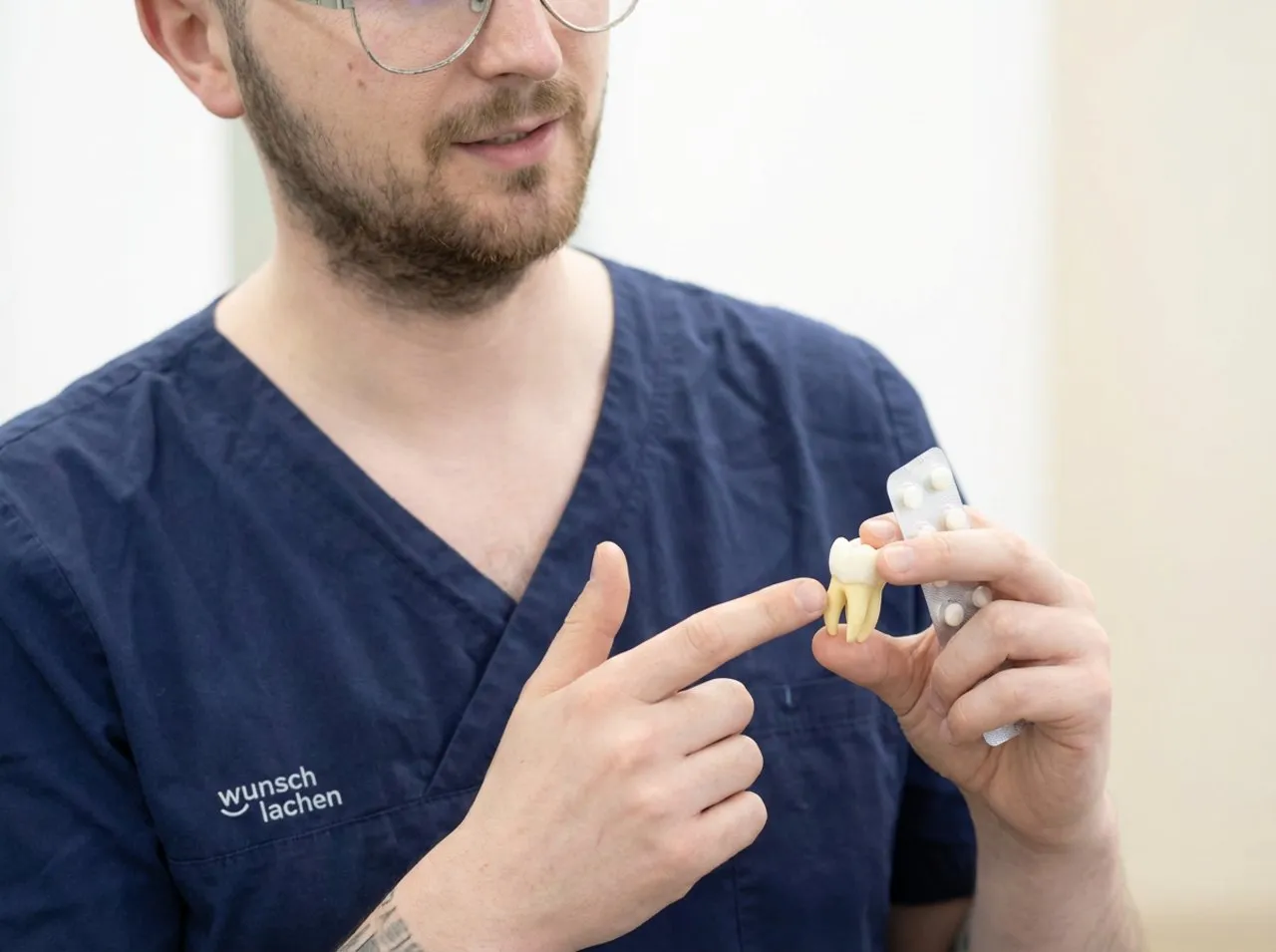
Care that supports long-term retention
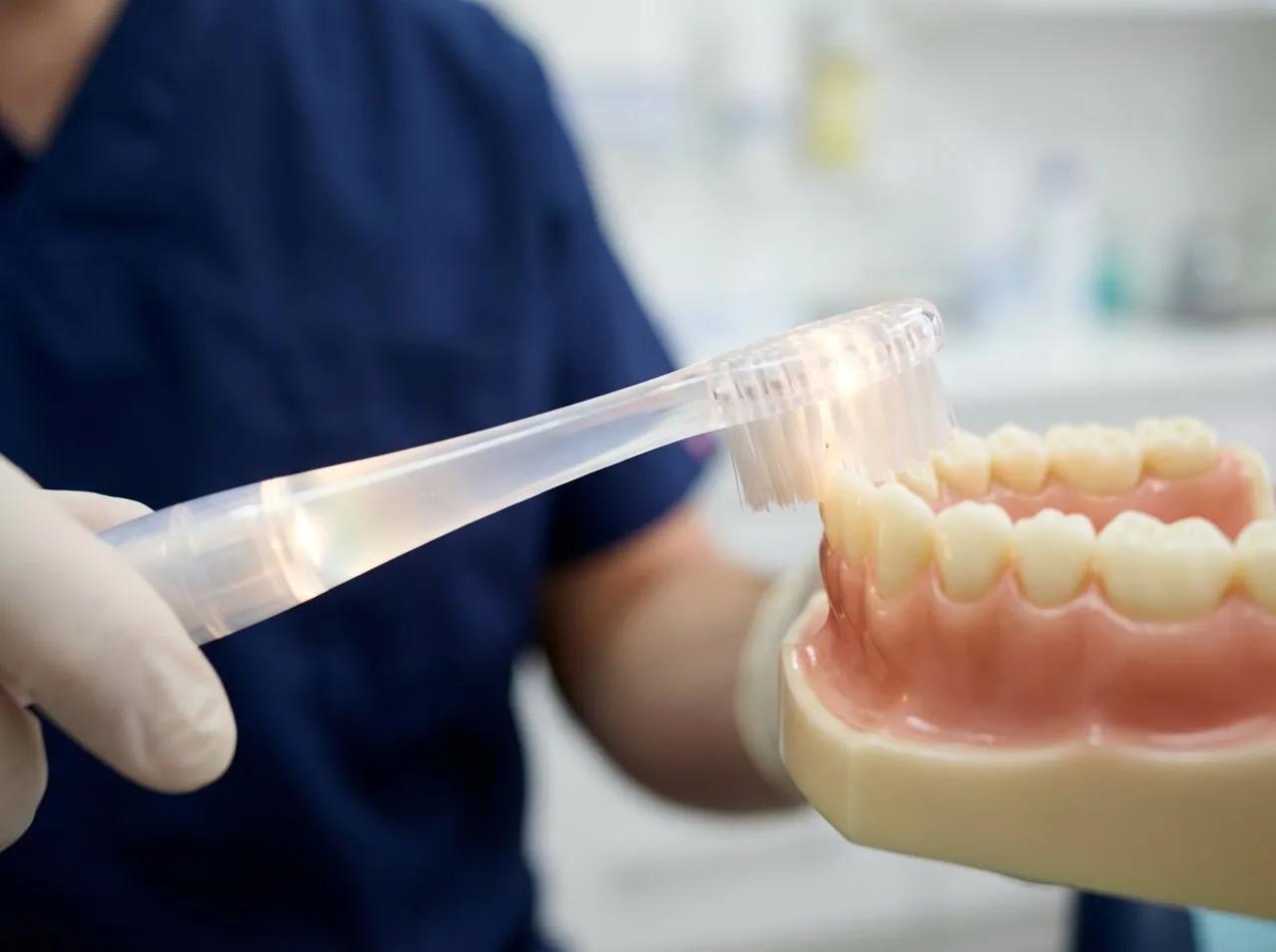
Clean the denture daily with a denture brush and mild cleanser. Abrasive toothpaste can roughen the surface and encourage deposits. Have your denture cleaning checked professionally on a regular basis. Check-ups are important even without pain. The jaw ridge often continues to change unnoticed. Early adjustments prevent a major loss of retention later on.
When you should come immediately
Come promptly if you have severe pain or swelling. Recurring pressure sores are also a warning sign. A suddenly broken denture should also be checked immediately.

Conclusion: Stable dentures can be planned
If your lower denture does not stay in place, there are clear causes. Relining, occlusal adjustment or implants can solve the problem. We support you in Berlin with modern diagnostics and a calm consultation.
FAQ: Lower denture will not stay in place
Border guidance is often lacking, or the tongue lifts the denture. A functional examination shows which movement is causing the problem.
Denture adhesive can provide short-term stability, but is no substitute for a proper fit. A lasting solution requires adjustment, relining or a new denture.
With relining, the denture is retained and only the inner surface is adjusted. With a new denture, the bite, tooth position and base are completely recreated.
A gradual loss of retention without a visible defect is typical. We assess the jaw ridge clinically and with X-rays.
Yes, pain leads to a protective posture and uneven chewing loads. The denture then tips more easily and continues to rub.
With dry mouth, the adhesive fluid film is absent. The denture then slips more quickly and feels unstable.
Two implants with a Locator system are often sufficient. For higher demands, four implants or a bar may be advisable.
They are proven and stable when used for suitable indications. Planning, hygiene and regular check-ups are important.
Not always, if the base and bite are still good. Relining and bite adjustment are often sufficient.
Small corrections often have an immediate effect. Relining or implants require planning and aftercare.