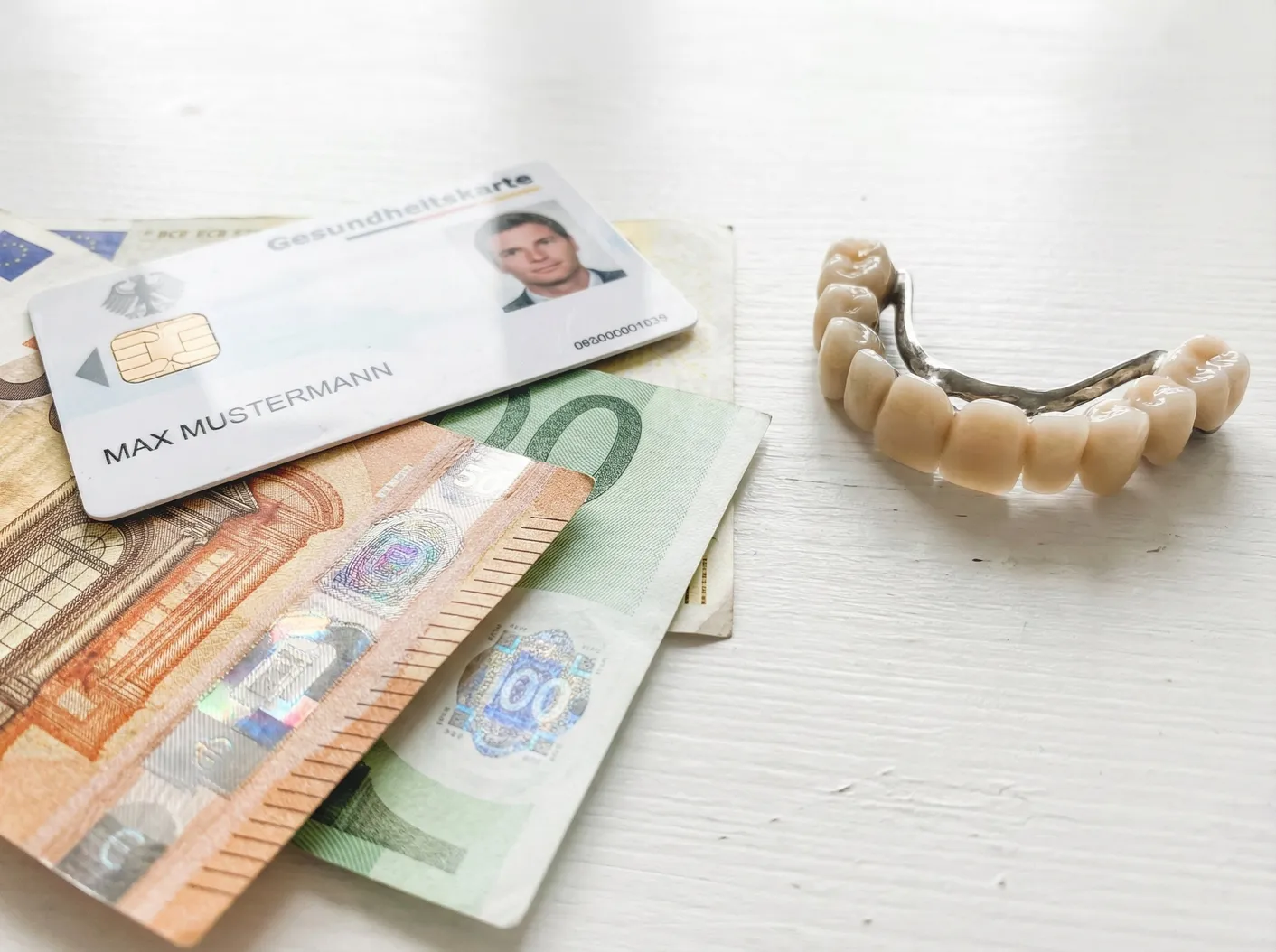
How expensive is a new tooth?
• The cost of a new tooth depends heavily on the solution. The decisive factors are the diagnosis, material and treatment involved. • Possible options include an implant, bridge, denture or, in some cases, a crown. Each treatment has different advantages and disadvantages. • Statutory health insurance providers usually only pay...
Über 350 Google-Bewertungen

What does a new tooth cost?
Many patients ask themselves this question very early on. This is understandable and sensible. A new tooth is not a standardised service. The costs always depend on the treatment. The initial situation also plays an important role. There is therefore no fixed standard price. If a tooth is missing, several solutions may be considered. These are often an implant, bridge or denture. If part of the tooth is still intact, a dental crown may also be sufficient.
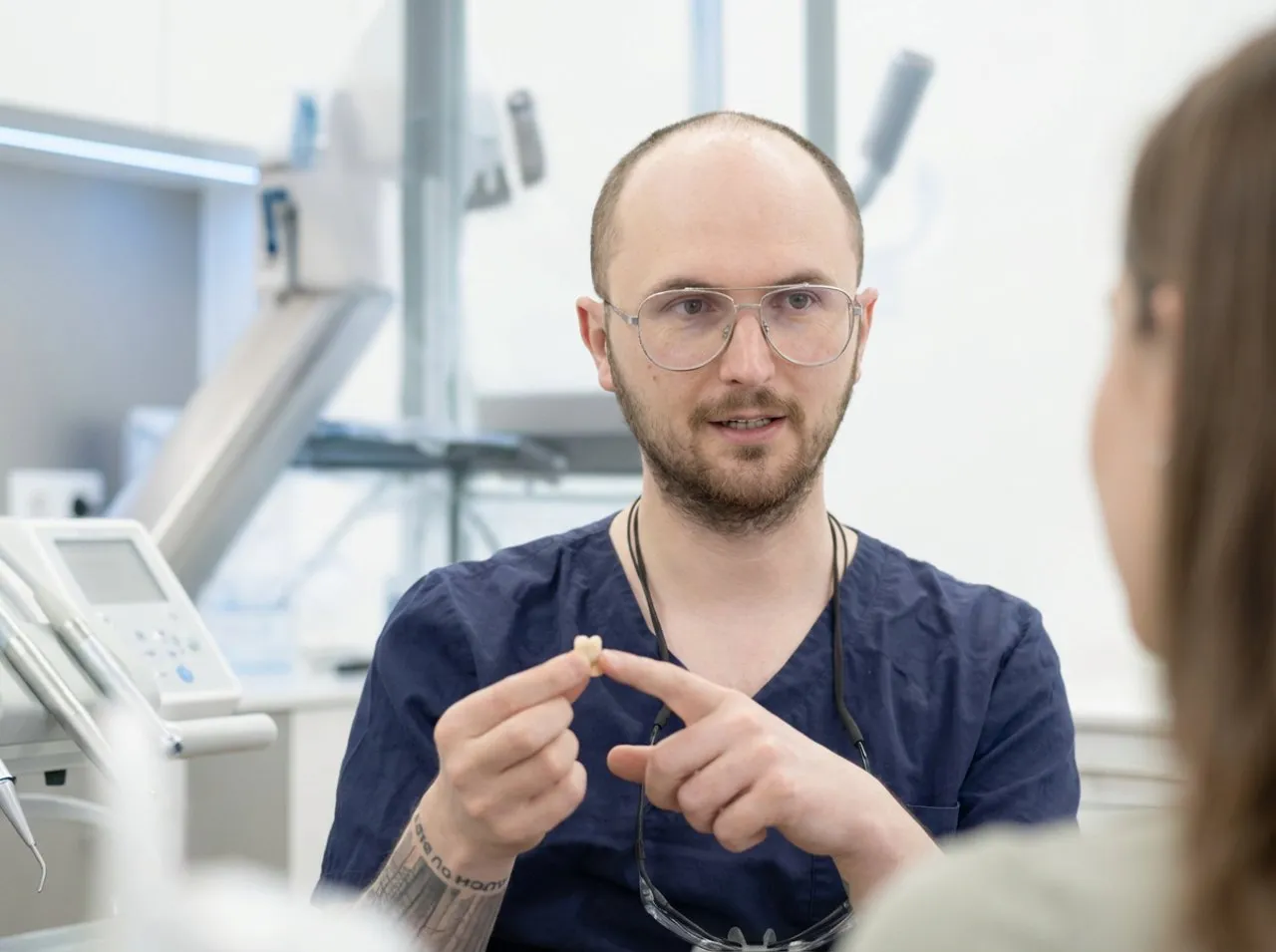
What options are there for a new tooth?
A missing tooth can be replaced in various ways. The choice depends on the clinical findings and your preferences. Aesthetics and durability are also important. A dental implant replaces the tooth root in the jaw. A crown is attached to it at a later stage. This solution usually looks particularly natural. A dental bridge closes the gap using the neighbouring teeth. The neighbouring teeth have to be prepared for this. This is not ideal in every case. A denture is often an option when several teeth are missing. It can be removable or a combined restoration. Here, too, costs vary considerably.
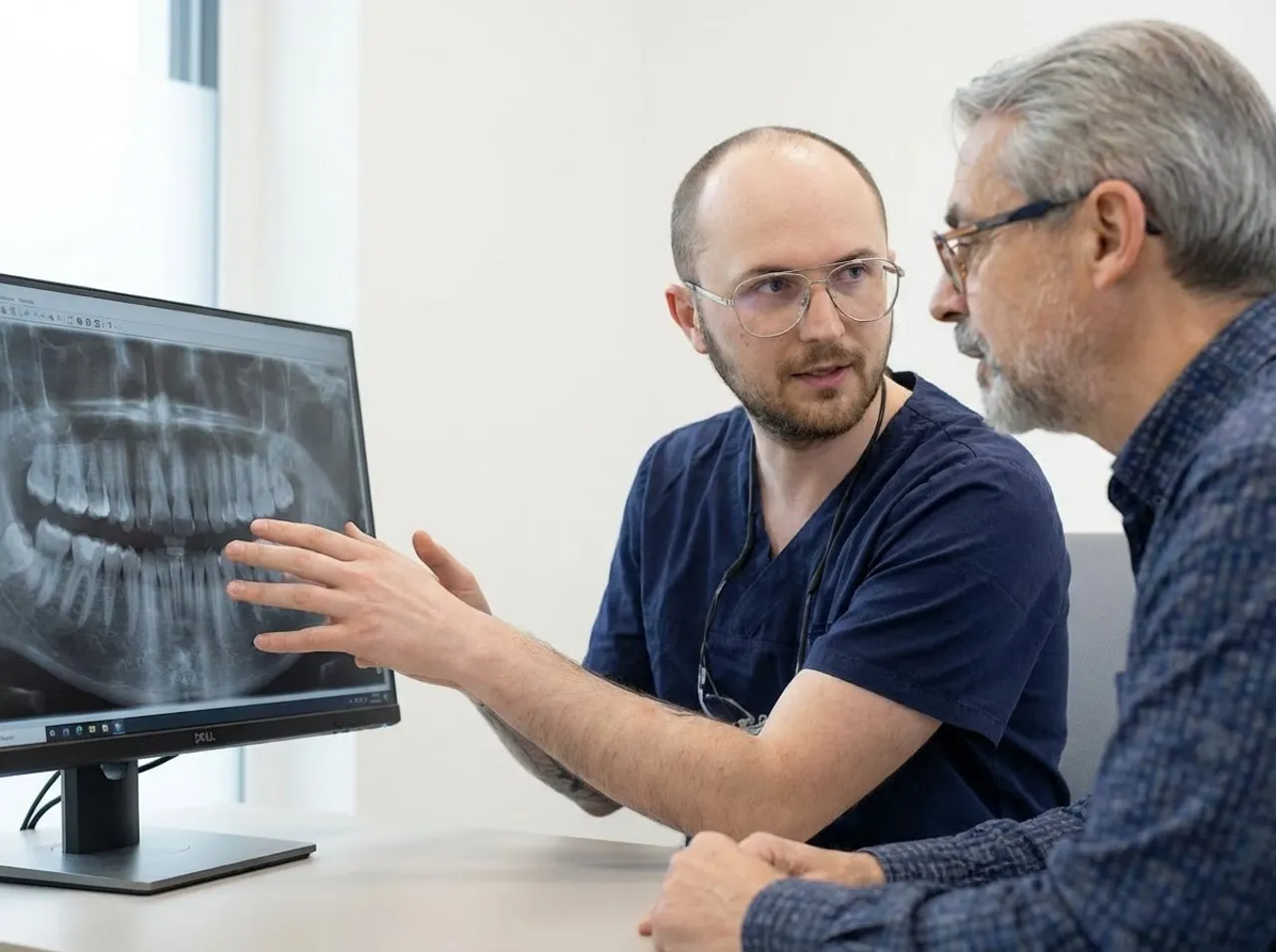
Costs of an implant, bridge and denture
The question ‘How much does a new tooth cost?’ can only be answered with price ranges. However, these ranges provide a useful guide. The exact treatment is always planned individually. A single dental implant with a crown often costs from 2,000 euros. The exact price depends on the material and the work involved. The bone also plays a role. A dental bridge is often cheaper than an implant. Depending on the type, costs start at 1,000 euros. The number of teeth to be replaced affects the price. A partial denture may also be an option. Here, costs start at 800 euros. The extent of the restoration and the material are decisive. If only the visible tooth structure needs protecting, a dental crown may be an option. The costs are then often lower. However, it is not a replacement for a completely missing tooth.
Why do the costs vary so much?
The cost of replacing teeth is made up of several components. These include diagnosis, planning and treatment. Laboratory work and materials are added to this. The position of the tooth is also important. A front tooth places high demands on aesthetics. A back tooth must be particularly resilient. An implant may require additional work. This includes procedures such as 3D diagnostics or bone augmentation. This noticeably increases the total price. The dental laboratory also affects the amount. High-quality work is more precise and longer-lasting. This is relevant to function and appearance.

What does the health insurance provider pay for a new tooth?
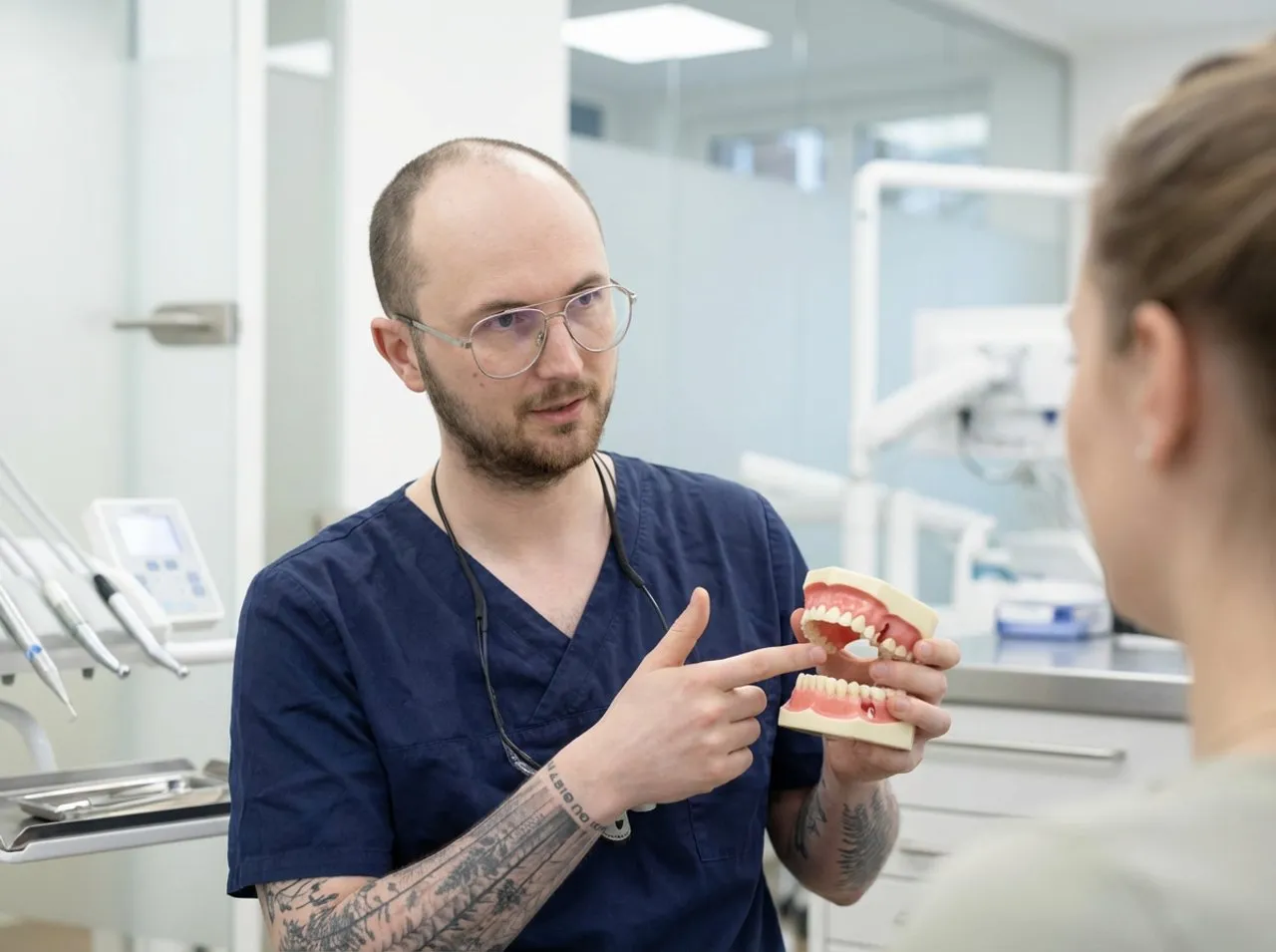
Statutory health insurance usually does not cover the total cost. It pays a diagnosis-related fixed subsidy. This is based on standard care. The subsidy is often higher for a dental bridge or denture. For an implant, usually only the portion corresponding to a standard solution is covered. Patients pay the rest themselves. A properly maintained bonus booklet can increase the subsidy. This reduces the out-of-pocket contribution. A detailed check before treatment begins is therefore advisable. Private insurance or supplementary insurance may cover more. This always depends on the policy. It is worth looking at the terms and conditions before treatment.
When is an implant worthwhile despite the higher cost?
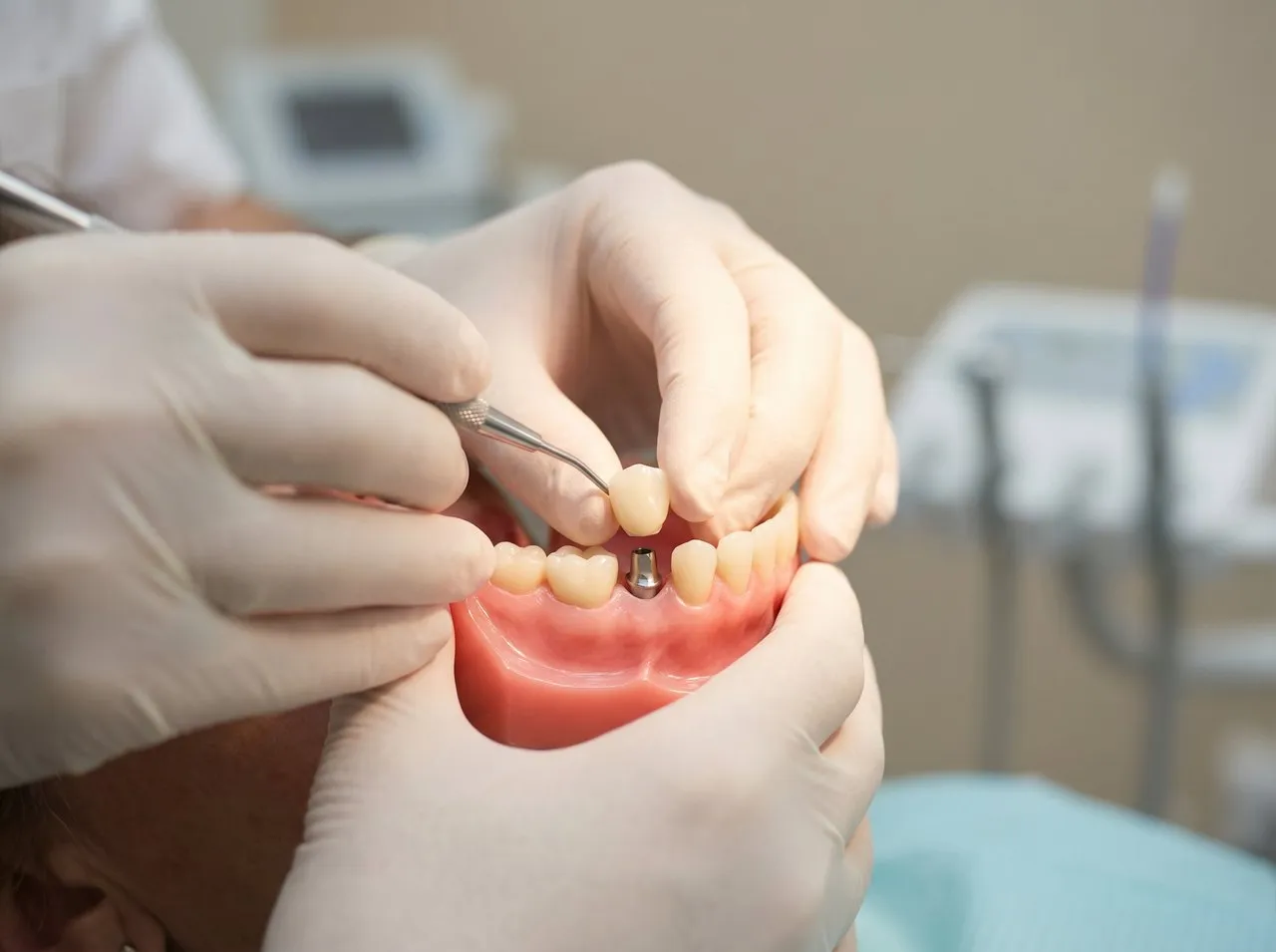
An implant is often the most complex solution. Nevertheless, it can be worthwhile in the long term, especially if the neighbouring teeth are healthy. With a bridge, the adjacent teeth often have to be ground down. An implant avoids this. In addition, the gap in the jaw remains better supplied functionally. The jawbone also often benefits from an implant. The area continues to be subjected to pressure. This can reduce bone loss. People looking for a fixed and long-lasting solution often think of an implant first. However, not every diagnosis is the same. Good advice remains essential.
A new front tooth or back tooth
A new tooth in the visible area usually requires great precision. The shape and colour must match well. Front teeth are therefore often more demanding. In the side-tooth area, resilience is particularly important. This area is subjected to high chewing forces. This influences the choice of material and the design. As a result, the same type of tooth replacement can cost different amounts. Even small differences in the diagnosis have an effect. A flat-rate price is therefore rarely helpful.
How a realistic cost plan is drawn up
Treatment should always be preceded by a thorough examination. This includes X-rays and a clinical examination. Only then is a reliable assessment possible. A treatment and cost plan is then drawn up. This sets out the planned treatment transparently. Patients can therefore see the expected out-of-pocket contribution at an early stage. This step is particularly important in complex cases, especially with an implant or more extensive tooth replacement. Clear planning provides certainty.

How much does a new tooth cost at Wunschlachen?
At Wunschlachen, we advise on all common solutions. These include implants, bridges, dentures and dental crowns. The aim is always to provide suitable and understandable treatment. We explain the differences clearly and transparently. We discuss function, aesthetics and durability. The expected costs are also clearly presented. This enables patients to make well-informed decisions. Not every solution is suitable for every diagnosis. The decisive factor is medically appropriate treatment.
Conclusion: the cost of a new tooth varies depending on the solution
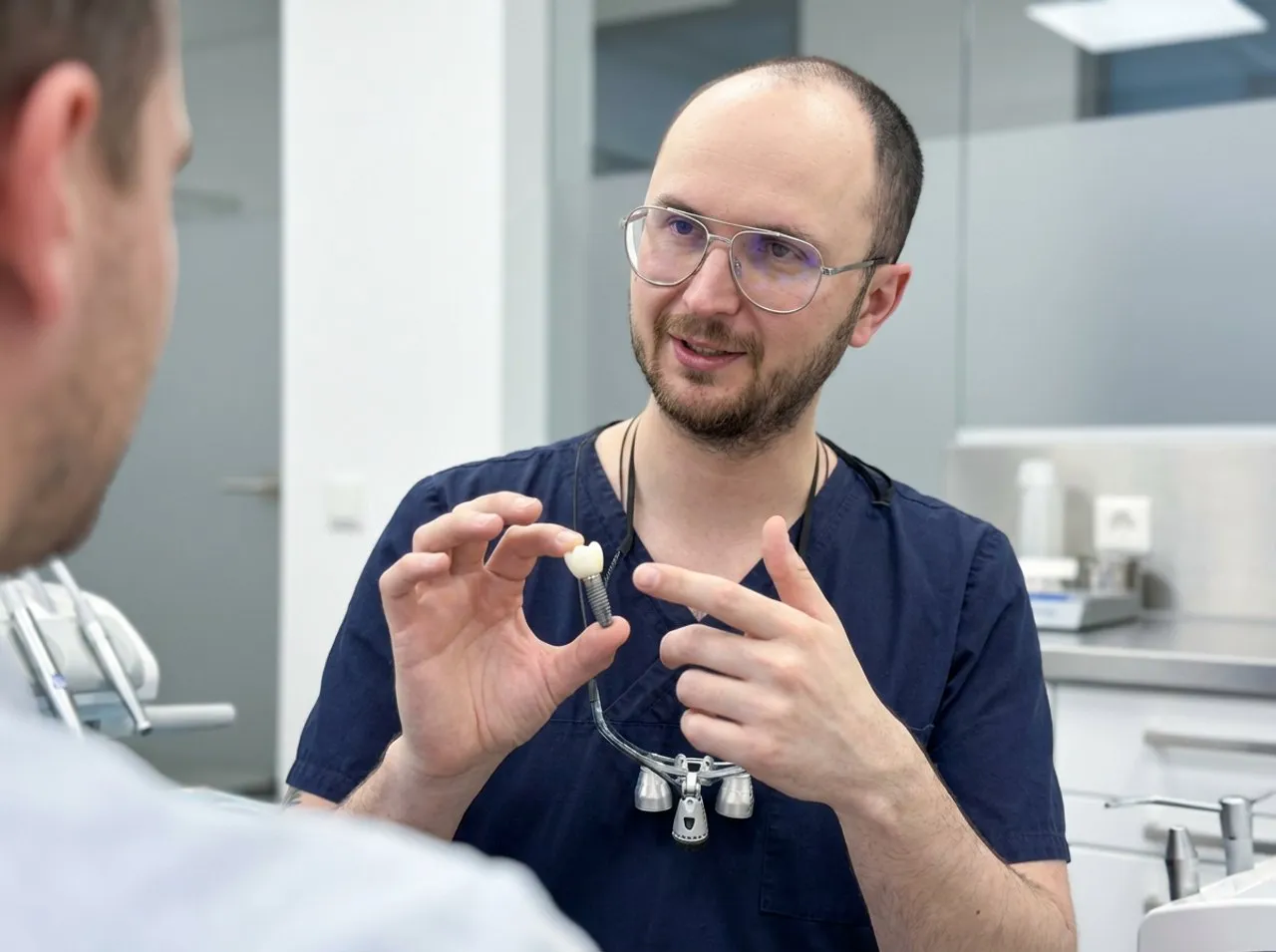
A new tooth can cost a few hundred or several thousand euros. The range is wide, but can be explained well in medical terms. The decisive factors are the treatment, material and work involved. Implants, bridges, dentures and dental crowns each have their own strengths. Only an examination will show which solution is suitable. Individual planning is therefore essential. If you want clarity, you should have the diagnosis examined carefully. This allows the actual price to be estimated realistically. At the same time, the appropriate treatment is determined.
FAQ: frequently asked questions about the cost of a new tooth
This depends on the treatment. A simple solution costs considerably less than an implant.
A dental implant with a crown often costs from 2,000 Euro. Additional procedures can increase the price. These include bone augmentation, for example.
Yes, in many cases a bridge is cheaper. However, it can put strain on healthy neighbouring teeth. It is therefore not always the best solution.
Without an implant, a bridge or denture is often an option. The costs are usually lower. They depend on the extent of the restoration and the material.
Statutory health insurance usually only pays a fixed subsidy. This covers only part of the costs. The rest often remains as an out-of-pocket contribution.
The amount includes more than just the visible result. Planning, laboratory work, materials and treatment time all contribute. The work involved increases considerably in complex cases.
A front tooth can be more expensive because of the aesthetics. The colour and shape must match very precisely. This applies particularly to implants and dental crowns.
A back tooth must withstand high forces. Stability is therefore particularly important here. Here, too, the costs depend on the treatment chosen.
Not quite. A dental crown does not replace the whole tooth. It stabilises a tooth that is still present.
A reliable assessment is only possible after an examination. A treatment and cost plan can then be drawn up. This shows the expected total costs transparently.