The correct order for dental care
The correct dental care sequence improves oral hygiene and protects teeth, gums and the oral mucosa. A consistent routine, suitable tools and a gentle technique are important. Knowing the sequence helps you remove plaque more thoroughly and reduces the risk of tooth decay, gingivitis and bad breath.
Über 350 Google-Bewertungen
Why the right sequence matters
Many people brush their teeth regularly. Even so, plaque often remains between the teeth. The reason is usually not how often they brush, but the order in which they do it.
The correct order for dental care provides more structure. It helps you to clean all areas systematically. This makes daily oral care more effective and consistent.
The gums also benefit from a clear routine. Irritation caused by hurried brushing can be avoided more easily. This is very important for long-term dental health.

The correct dental care sequence in the morning
In the morning, it is ideal to begin your routine with water. A sip of water moistens the mouth. This can relieve dry mucous membranes after the night.
Next, clean between the teeth. Dental floss or interdental brushes are used here. This loosens plaque before the toothbrush does its work.
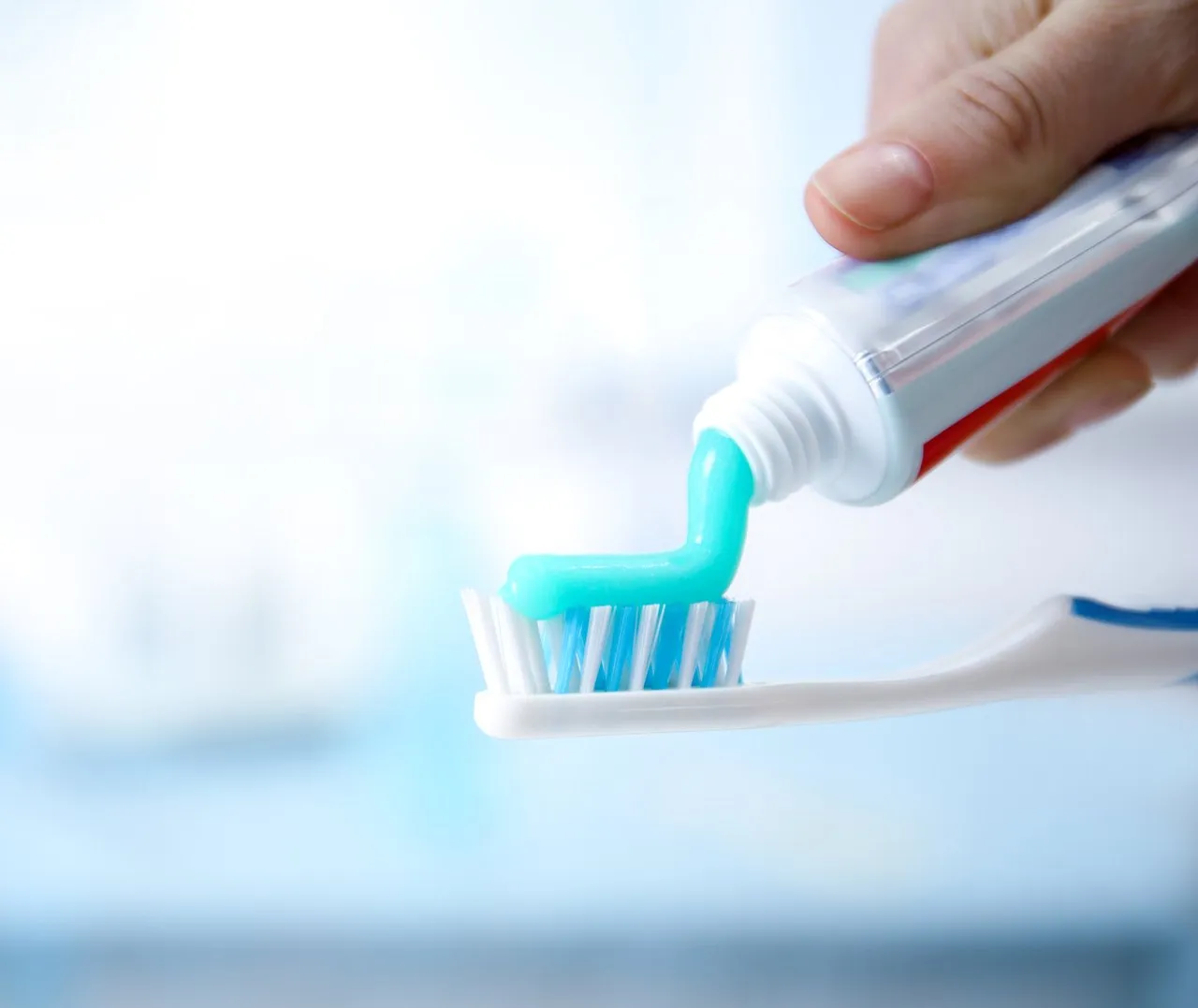
Then brush your teeth. Use a soft brush and fluoride toothpaste. Brush with gentle, small movements.
Finally, the tongue can be cleaned. A tongue cleaner removes bacterial plaque from the surface. This supports fresher breath.
Mouthwash is only the final step. It complements your oral care, but does not replace it. Not everyone needs to use it every day.

Dental floss first or brush your teeth first?
Many patients ask precisely this question. From a dental perspective, using dental floss before brushing is often advisable. This loosens food debris and plaque first.
The toothpaste can then reach the spaces between the teeth more effectively. Fluoride can spread there more easily. This usually makes cleaning more effective.
Interdental brushes are often more suitable for larger gaps. Which solution is best depends on the individual condition of the mouth. A practice such as Wunschlachen can advise on this.

The correct sequence in the evening
Oral care is particularly important in the evening. Plaque, food debris and bacteria accumulate throughout the day. These should be thoroughly removed before bedtime.
The order remains essentially the same. First clean between the teeth, then brush the teeth, and then clean the tongue. If recommended, finish with a mouthwash.
After brushing in the evening, you should not eat anything sugary. Sweet drinks are also inadvisable at this point. Water is the best choice.

How to brush your teeth properly
The order alone is not enough. Technique also determines how successful your oral care is. Too much pressure can place strain on the necks of the teeth and the gingiva.
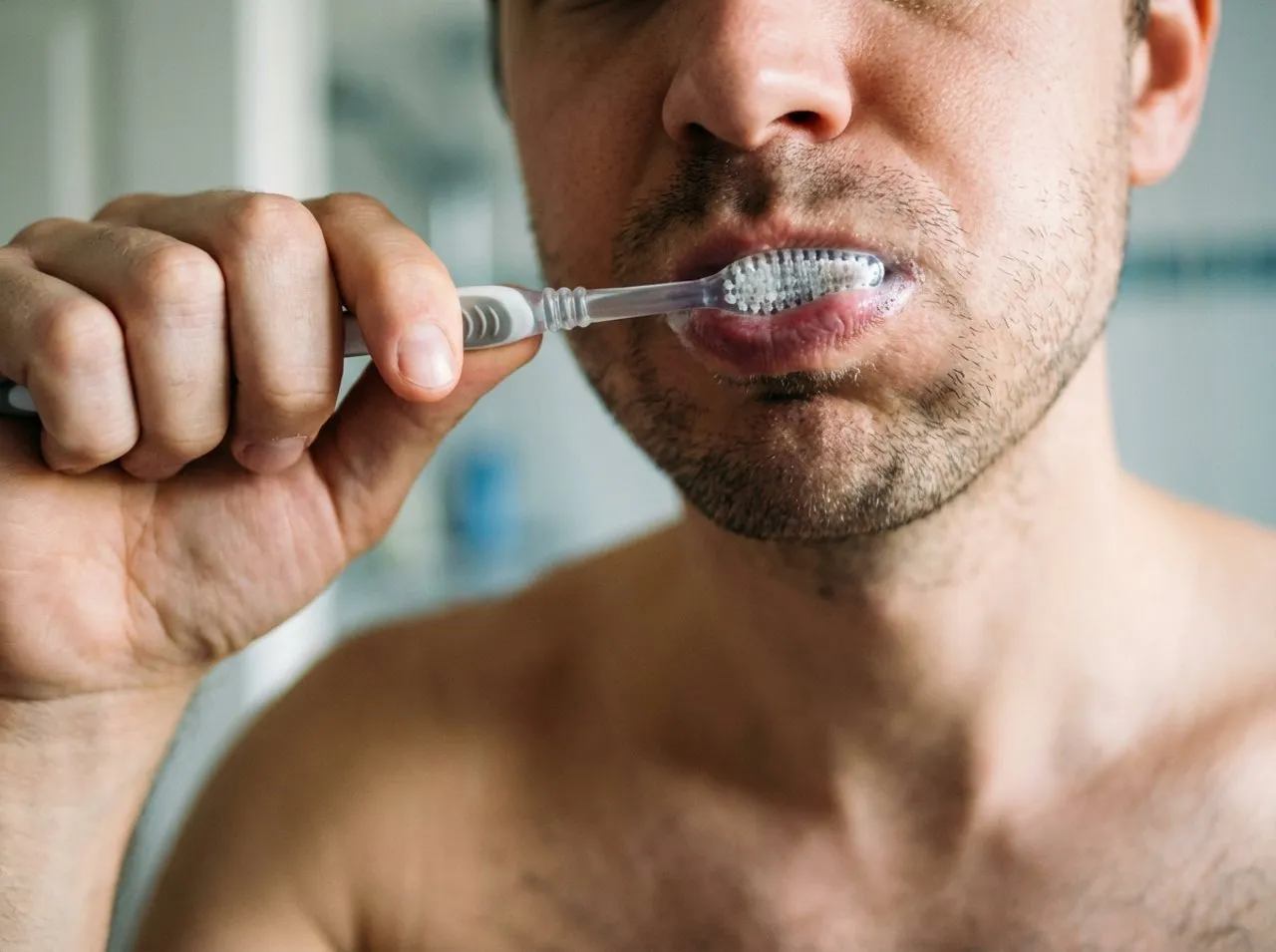
Hold the toothbrush at an angle along the gumline. Clean the outer surfaces, inner surfaces and chewing surfaces systematically. Do not miss any area.
A fixed sequence within the mouth also helps. For example, start at the top right. Then work your way along section by section.
Two minutes is considered a good guideline. Orthodontic appliances or dentures may require more time. Thoroughness is more important than speed.

Which dental care tools do you need?
Basic care includes a toothbrush, toothpaste and aids for cleaning between the teeth. Depending on your needs, a tongue cleaner and mouthwash may also be used. Not every product is equally useful for everyone.
Electric toothbrushes often clean very evenly. Manual toothbrushes can also work well. The decisive factors are technique, regularity and the brush head.
With interdental brushes, the right size is important. Models that are too small clean poorly. Models that are too large can irritate the tissue.
Fluoride toothpaste remains a central component. It supports the tooth enamel in everyday life. It should therefore not be left out of your daily routine.
Dental care for children and sensitive gums
Children should learn the order early on. This builds confidence and establishes a routine. Parents should support their oral care in an age-appropriate way.
Sensitive gums require a particularly gentle technique. Soft bristles and little pressure are important here. The choice of interdental aids should also be adapted accordingly.
If bleeding occurs, you should not immediately brush harder. Inflammation is often the underlying cause. A dental check-up is then advisable.