Root canal treatment: the interval between appointments
• The interval between appointments depends on inflammation, pain and canal anatomy. • Two appointments are often around 1 to 2 weeks apart. • A temporary seal protects the tooth until the final root canal filling.
Über 350 Google-Bewertungen
Why does root canal treatment involve several appointments?
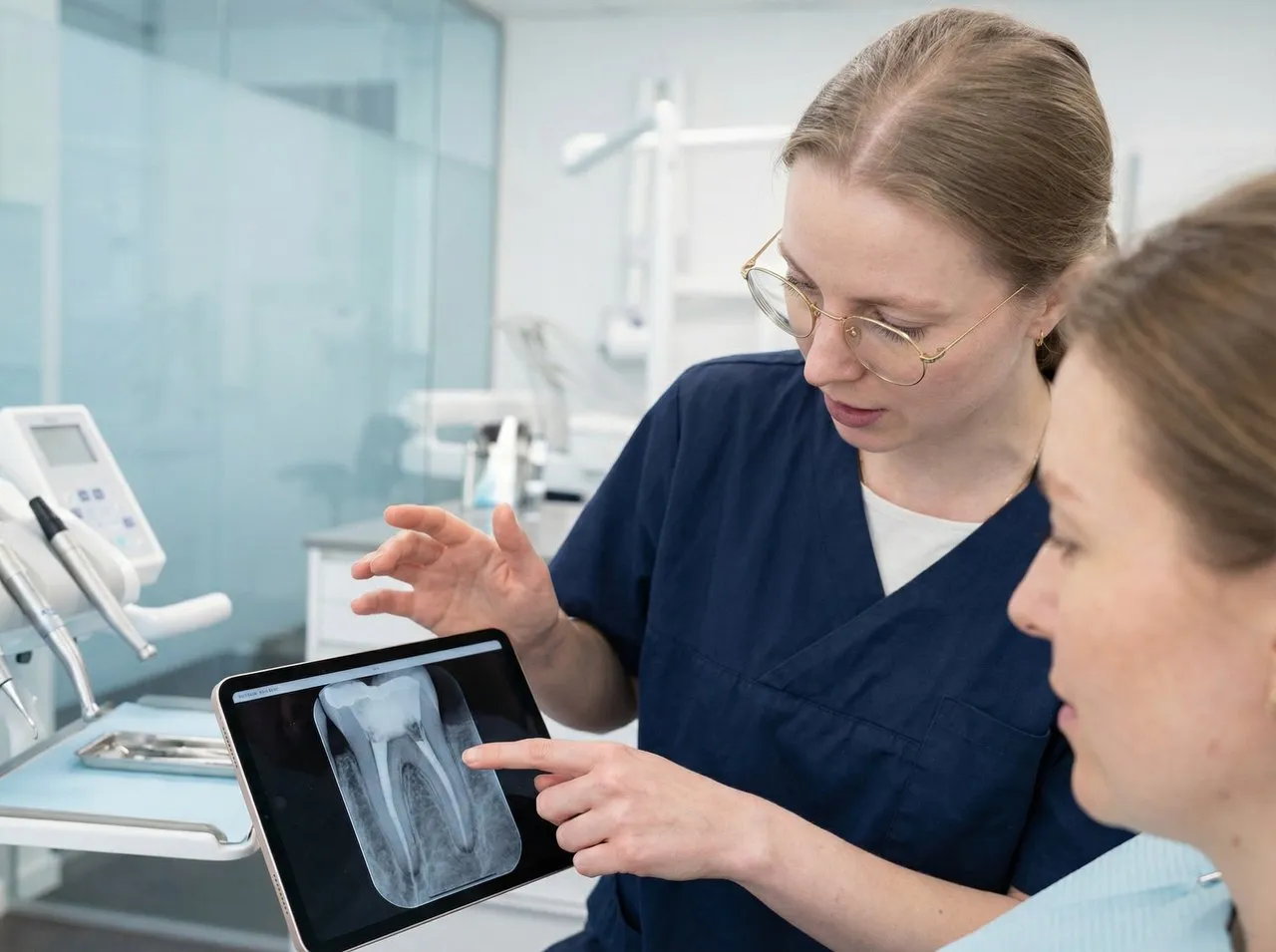
Root canal treatment aims to remove bacteria from inside the tooth. This can only be achieved through cleaning, irrigation and controlled drying. Two or more appointments are advisable in complex cases. Some teeth are already severely infected. In these cases, some bacteria often remain after the first appointment. A medicated dressing supports the interim period.
Root canal treatment: what is the usual interval between appointments?
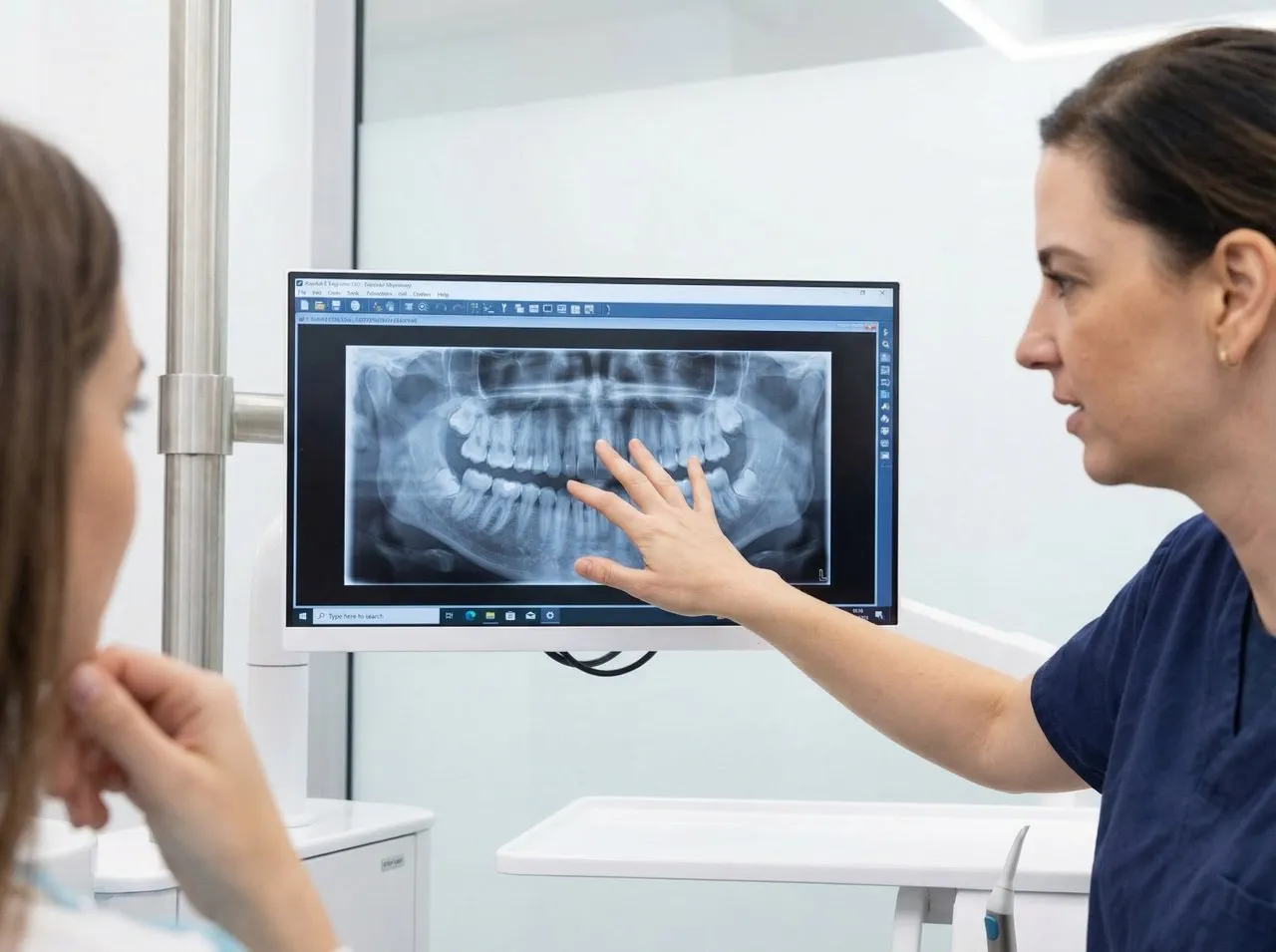
The question of how long the interval between appointments should be is very common. Two appointments 1 to 2 weeks apart are often standard. Other approaches allow 1 to 4 weeks. The key factor is your clinical symptoms.
Diagnosis and planning before the first appointment
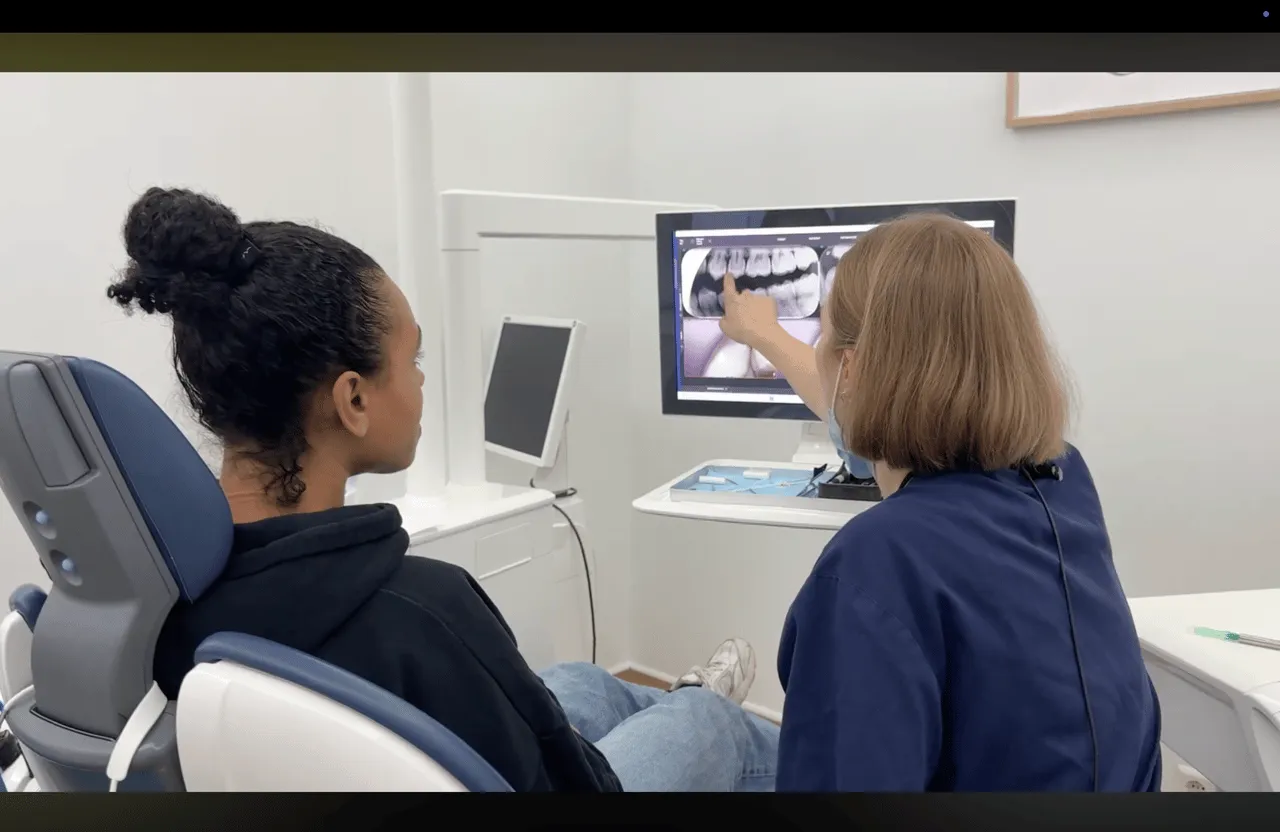
Before treatment, a thorough assessment is carried out. This includes your medical history, sensitivity testing and an X-ray. The root anatomy is investigated further if necessary. Deep pockets and sinus tracts are also assessed. This allows the prognosis to be assessed realistically.
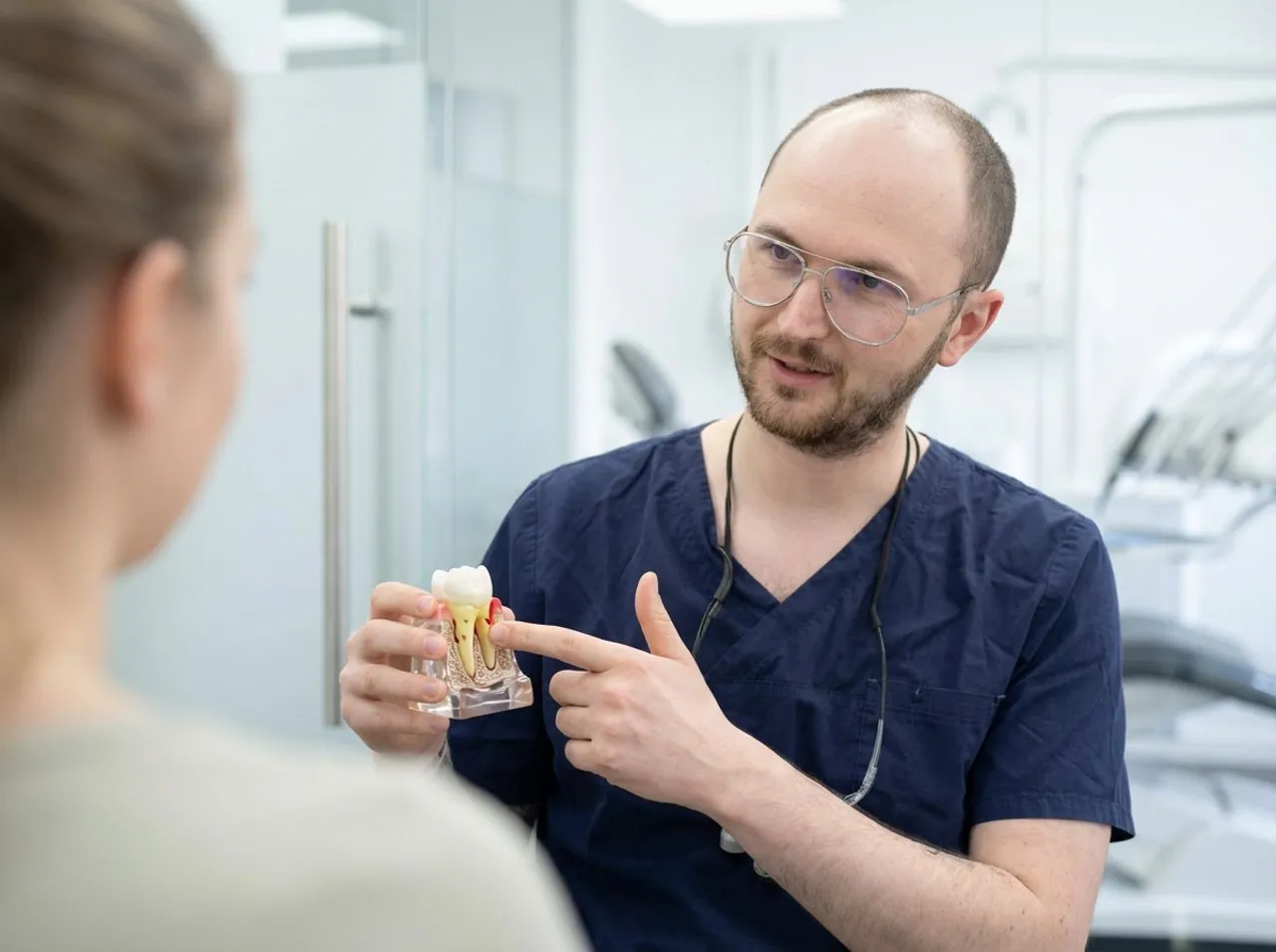
What happens during the first endodontic appointment
First, a local anaesthetic is administered. The tooth is then usually isolated with a rubber dam. This keeps the working area dry and clean. Access to the root canal system is then created. The canals are measured and mechanically prepared. At the same time, they are thoroughly irrigated to reduce bacteria. If the tissue is still reacting strongly, a dressing is often placed. Calcium hydroxide is frequently used for this. The tooth is then sealed with a temporary filling.

Why the interval between appointments is medically important
The interval allows healing progress to be monitored. Pain and pressure should decrease significantly. This indicates stable conditions within the canal. The temporary seal must remain intact. Even small leaks can allow new bacteria to enter. This increases the risk of further symptoms.

Which factors shorten or lengthen the interval?
A shorter interval is advisable for severe symptoms. Loss of the temporary filling also requires prompt action. The same applies to swelling or fever. A longer interval may be acceptable if you remain consistently symptom-free. Some practitioners deliberately allow up to several weeks. The tooth must be reliably sealed against bacteria for this to be appropriate.

What happens between appointments?
You will usually have a temporary filling during this time. A medication may also remain in the canal. Both are intended to prevent reinfection. Take care not to put too much strain on the tooth. Very hard food can loosen the seal. If you notice unusual pressure, your bite should be checked.
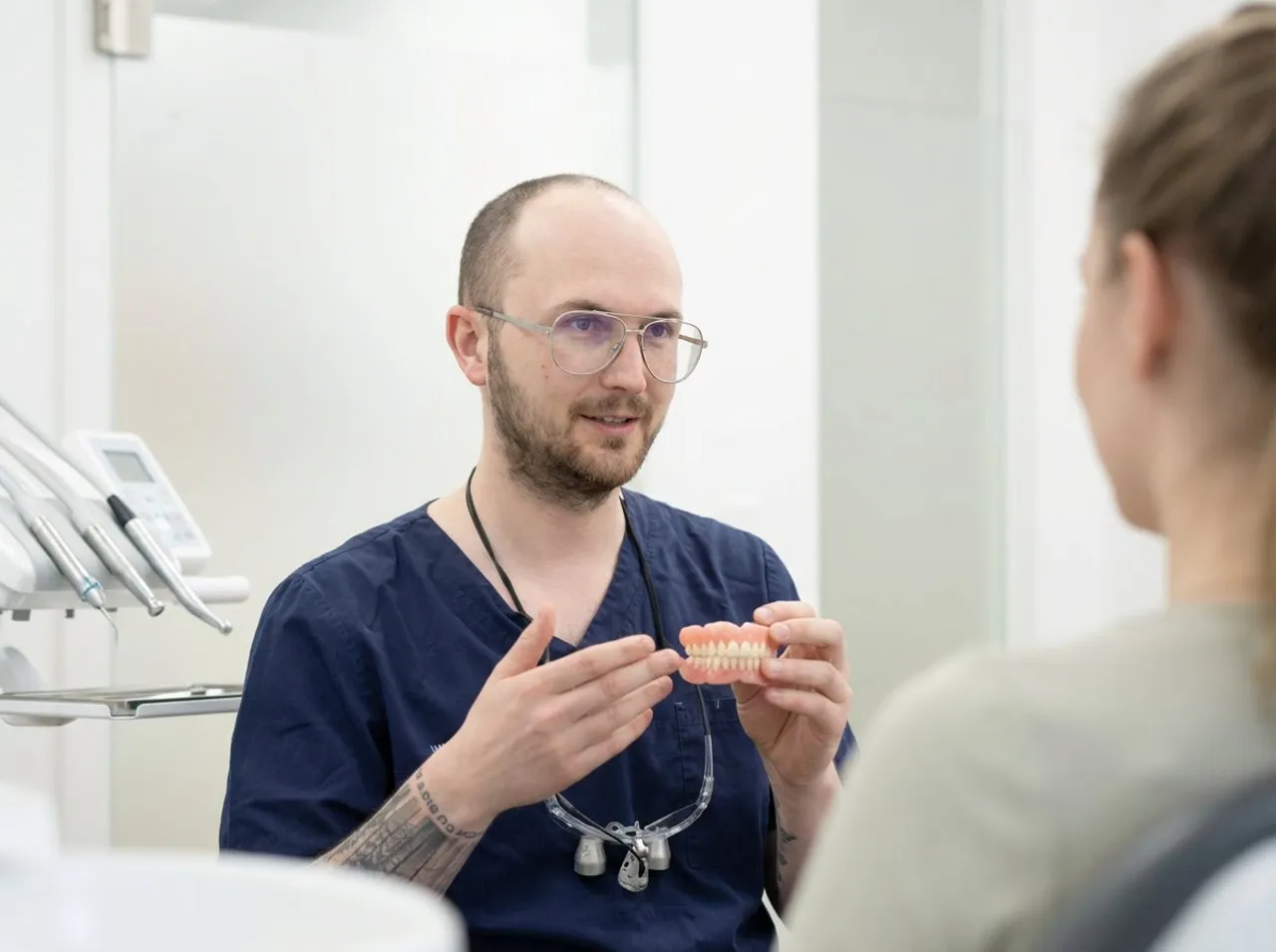
Root canal treatment: what to expect at your second appointment
At the second appointment, the temporary filling is removed. The canals are irrigated again and further prepared. This ensures that they are thoroughly cleaned before the root canal filling. The working length is checked again if necessary. The final root canal filling is then usually placed. Finally, the tooth is permanently restored.
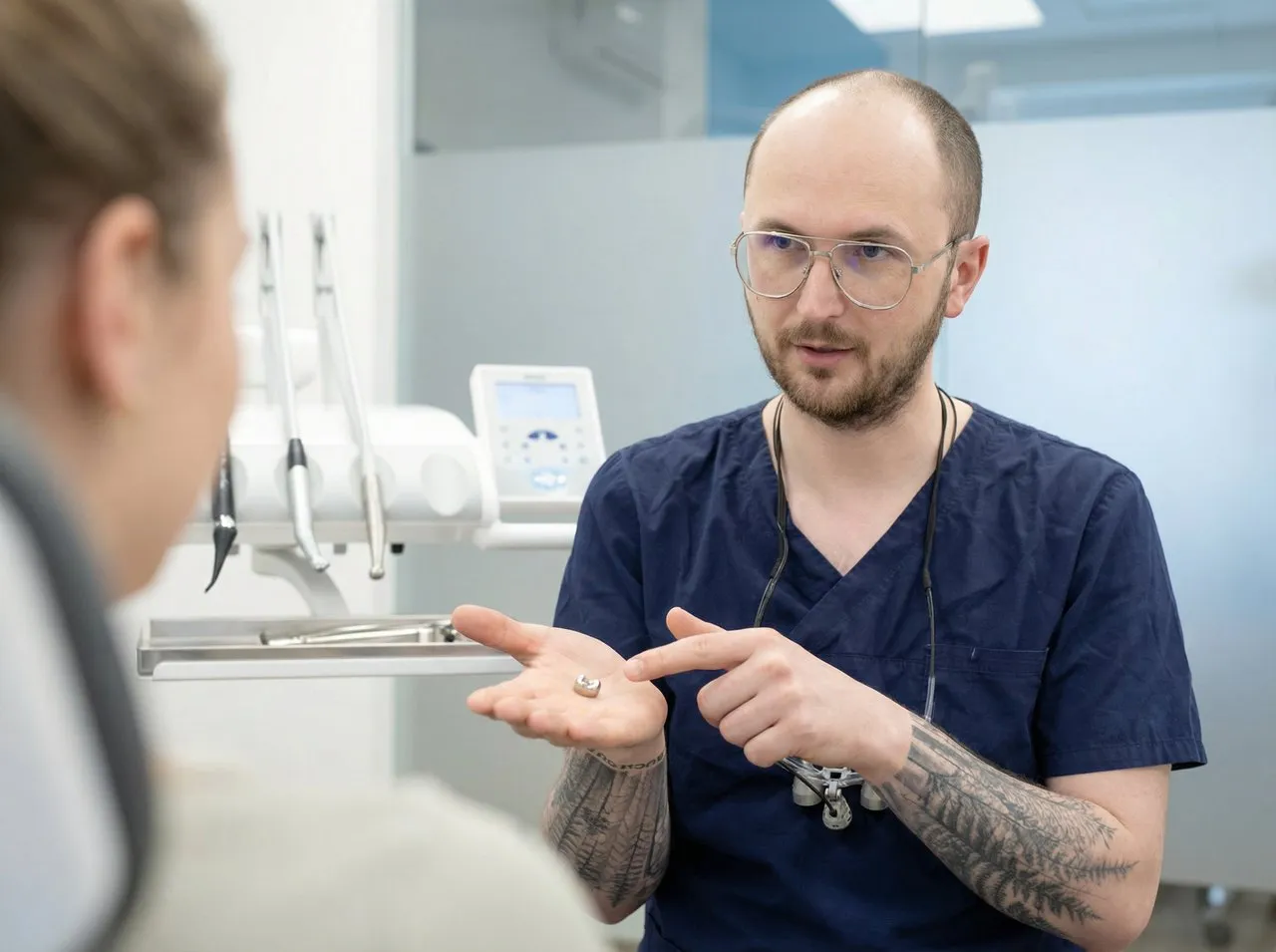
Why the permanent restoration is so important
A tooth that has undergone endodontic treatment is often weakened. It requires a stable coronal seal. Otherwise, saliva can enter the canal again. Depending on the size of the defect, a high-quality composite filling may suffice. If a substantial amount of tooth substance has been lost, a crown is often advisable. This significantly reduces the risk of fracture.

Special cases: one appointment or several sessions
Some teeth can be treated in a single appointment. This is more often possible with a vital pulp and a low bacterial load. Good accessibility also favours the single-appointment approach. Retreatment is often more complex. Severe curvature or additional canals also prolong treatment. Several appointments are realistic in these cases.
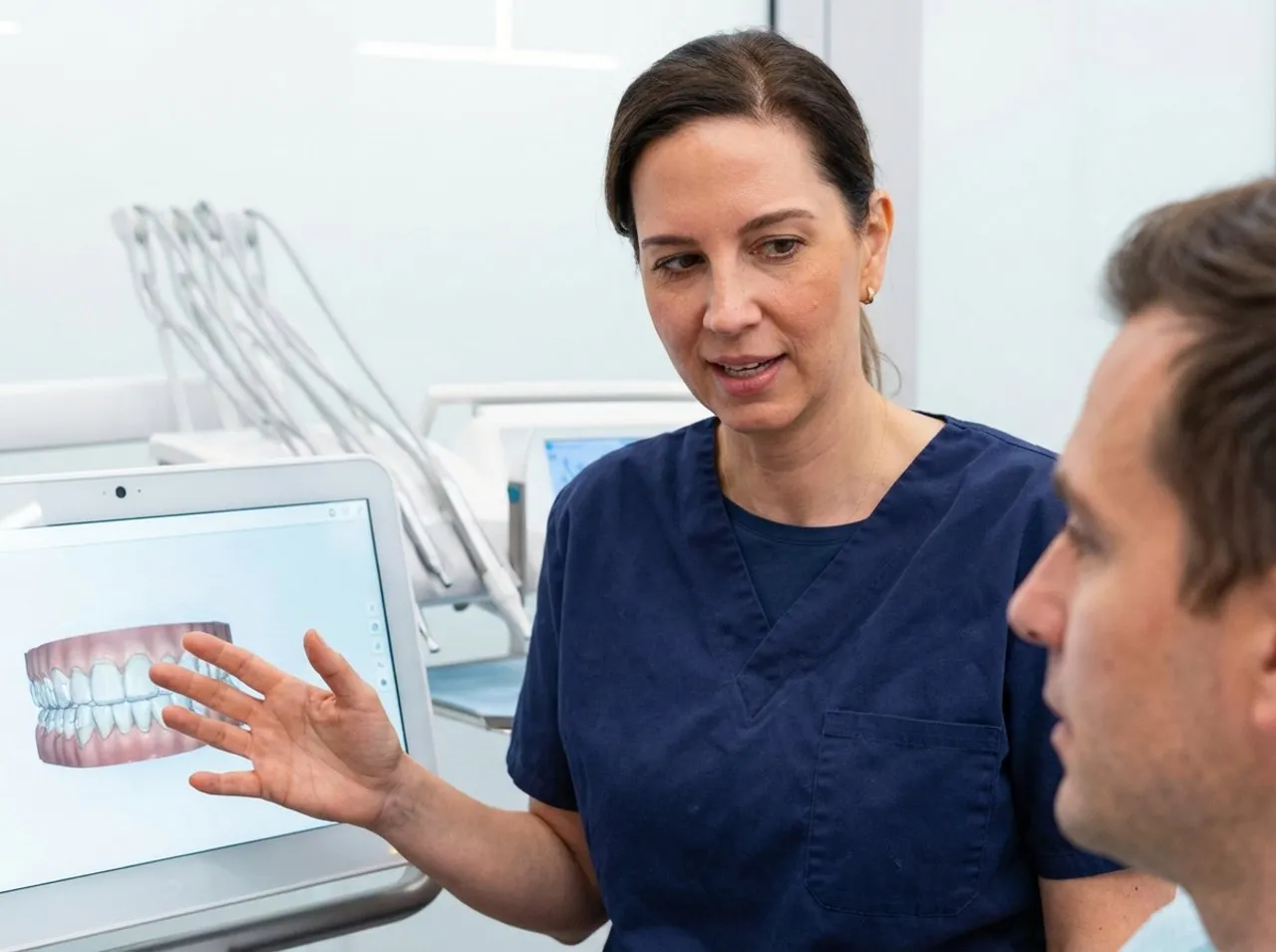
When should you contact us earlier?
Severe pain after the appointment is a warning sign. Swelling, fever and difficulty swallowing are also relevant. A prompt examination is then required. Also call if the temporary filling crumbles. An open cavity can quickly become contaminated. Promptly resealing the tooth helps prevent complications.

Wunschlachen Berlin: planning appointment intervals safely
At our Wunschlachen practice, we plan your treatment individually. We are guided by your clinical findings, symptoms and risks. This produces a robust treatment plan. We explain each step clearly. You therefore know why a particular interval has been chosen. This provides reassurance throughout your treatment.
FAQ – frequently asked questions about appointment intervals
In many cases, postoperative oedema occurs without complications. The key factor is whether it improves each day.
Sometimes it is not possible to completely reduce bacteria immediately. In such cases, a dressing is used and the final filling is placed later. This improves the prognosis.
It can increase the risk of leakage. Bacteria can then enter the canal again. The seal therefore needs to be highly reliable.
Contact the practice as soon as possible. The tooth should be sealed against bacteria again. This reduces the risk of pain and reinfection.
Eating is usually possible, but care is needed. Avoid very hard foods on the treated side. This helps the seal remain stable.
Many practitioners wait until symptoms have settled before placing the filling. This reduces postoperative symptoms. The dressing can also take effect in the meantime.
No, one appointment may be enough. This depends on the clinical findings and canal anatomy. Your dentist will decide after a diagnostic assessment.
The temporary filling and dressing are removed. The canals are then irrigated again and further prepared. The permanent filling is usually placed afterwards.
Mild sensitivity to pressure can occur. It should subside within a few days. Increasing pain should be checked.
After the root canal filling, the tooth needs a permanent restoration. A well-sealed filling or crown is essential. Only then is the tooth's long-term preservation secured.