Space maintainers for children: when space is preserved for new teeth
A baby tooth has had to be removed or was lost in an accident. Parents often then ask whether the gap can simply be left open until the new tooth arrives. In certain situations, a space maintainer is considered. It is intended to preserve the existing space; however, not every gap left by a baby tooth needs an appliance. The decisive factors are the tooth that was lost, the development of the permanent teeth and the overall space situation. The decision should therefore be accompanied by an examination and a clear aftercare plan.
The short answer
A space maintainer can preserve space for a permanent tooth following the early loss of a baby tooth. The decision depends on how the teeth are developing.
- What a space maintainer is intended for
- Following the premature loss of a baby tooth, adjacent teeth can change position. As a result, space for a tooth that will erupt later can be lost. A space maintainer is intended to maintain the position of the existing teeth and the space required. It should be distinguished from an appliance intended to regain space that has already been lost or actively align teeth.
- Not every gap is assessed in the same way
- Age alone is not the only factor in planning. Important factors include the tooth affected, the time that has elapsed since it was lost, the available space and the stage of development of the successor tooth. Oral health and the ability to care for the appliance reliably and have it checked are also taken into account. An image of a similar gap in another child is not sufficient for making a decision.
- Fixed and removable designs
- Space maintainers can be constructed in different ways. Some are attached to existing teeth; others can be removed. The design depends on the gap and the treatment objective. A fixed appliance is not automatically easy to care for, and a removable one only works when used as intended. The name of the design alone says little about its suitability for your child.
- Check-ups until the right time
- A space maintainer requires checks of its fit, the tooth surfaces and further dental development. It must not impede the eruption of the permanent tooth. Growth and changes in the dentition may make adjustment or removal necessary. There is therefore no single suitable wearing time for every child. Based on progress, the practice decides when the appliance has served its purpose.

What a space maintainer is for
Following the premature loss of a baby tooth, adjacent teeth can change position. As a result, space for a tooth that will erupt later can be lost. A space maintainer is intended to maintain the position of the existing teeth and the space required. It should be distinguished from an appliance intended to regain space that has already been lost or actively align teeth.
The American Academy of Pediatric Dentistry describes space maintenance as a possible measure following early tooth loss. At the same time, it points out that there is limited evidence on preventing later malocclusion. An appliance therefore does not guarantee that your child will not need braces later. Ask about the specific objective for this particular gap and how that objective will be assessed.
Not every gap is assessed in the same way
Age is not the only factor in planning. Important considerations include the tooth affected, the time that has passed since it was lost, the space available and the stage of development of the permanent successor. Oral health and the ability to care for the appliance reliably and have it checked are also taken into account. A picture of a similar gap in another child is not enough to make a decision.
Ask to be shown the gap in the dentition and to have the expected further course explained. Is there a permanent successor, and when might it come through? Has a change in the available space already been identified? What would happen if the gap were simply monitored? Not every question can be answered with an exact date. A planned checkpoint nevertheless provides guidance.
Treat the cause before space maintenance
A space maintainer treats neither tooth decay nor inflammation. The cause of the tooth loss and the condition of the other teeth are part of the plan. Following an accident, separate aftercare may be required; with tooth decay, the aim is also to prevent further damage. The appliance complements appropriate oral healthcare.
Have the steps involved explained to you, including which need to take place first and which can be done in parallel. A space maintainer should not be used as a reason to postpone the treatment of other diseased teeth. The guide to baby teeth after a fall covers the injury as a separate topic. For routine care, paediatric dentistry provides further background information.
Fixed and removable designs
Space maintainers can be constructed in different ways. Some are attached to existing teeth; others can be removed. The design depends on the gap and the treatment goal. A fixed appliance is not automatically easy to care for, and a removable one only works when used as intended. The name of the design alone says little about whether it is suitable for your child.
Ask to be shown how the appliance fits and which areas need to be cleaned. With a removable design, parents and child need a clear plan for wearing and storing it. With a fixed one, you should know which parts are meant to remain unchanged. Do not bend or alter the appliance, even if you newly notice an edge.
Care without putting pressure on the appliance
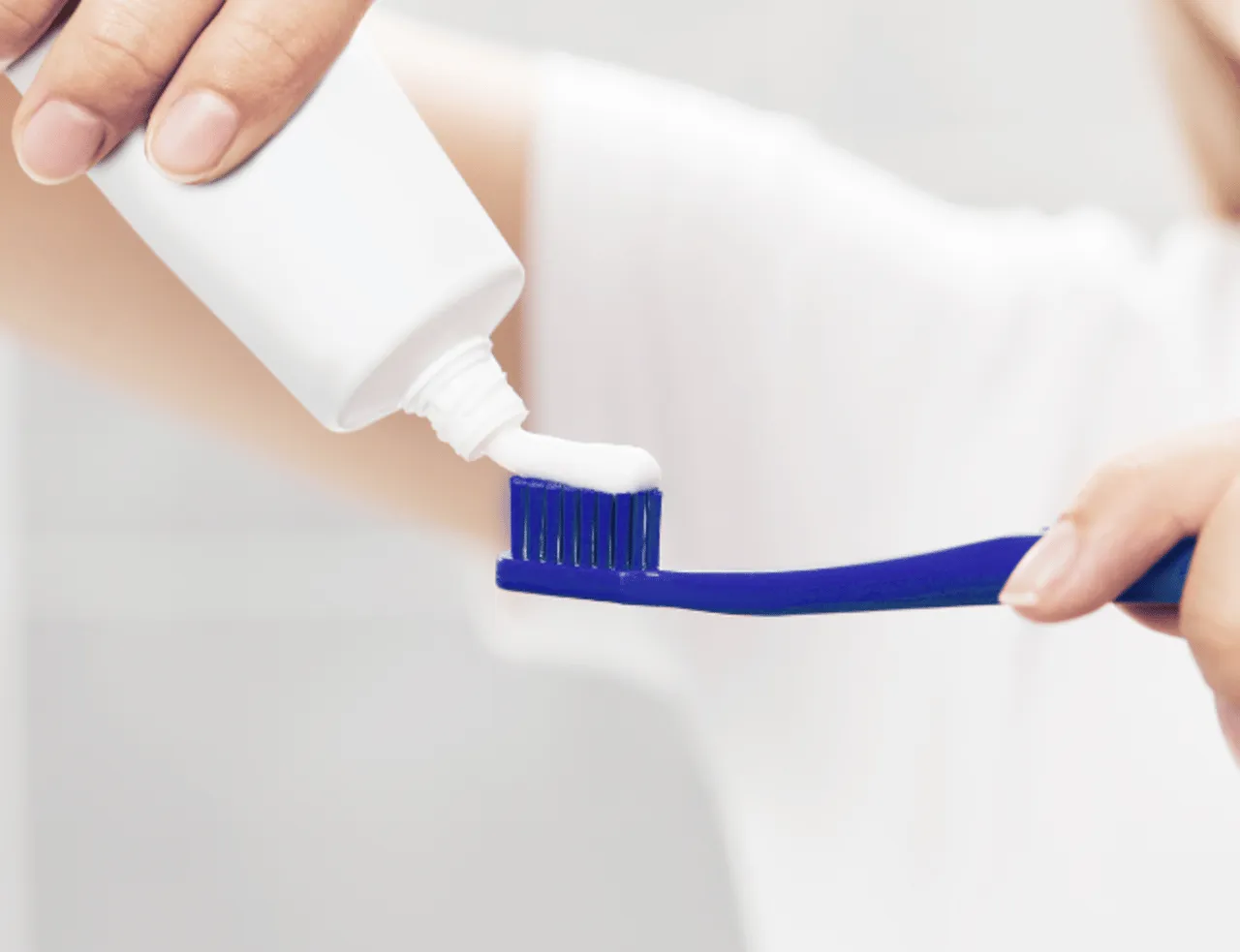
The teeth and the areas around a fixed appliance require regular cleaning as instructed. Have the technique demonstrated and, if necessary, try it yourself under supervision. An appliance can create additional places where deposits can remain. Simply looking at a clean metal surface does not tell you whether the adjacent tooth surfaces have also been cleaned properly.
With removable appliances, the mouth and the appliance are cleaned separately. Use suitable aids and follow the instructions for the materials. Parents help and supervise children with their care according to the child's abilities. Ask about an alternative if a recommended aid does not work in everyday life. Hard deposits should not be removed with needles or household tools.
Organising eating and everyday life together
Sticky or chewy foods can loosen or deform certain designs. The practice should explain which restrictions apply to the appliance being used. Pressing it with a finger or the tongue and repeatedly playing with the appliance should be avoided. However, general advice does not produce a list that applies equally to every model.
For a removable appliance, decide where it will be kept when it is outside the mouth. A sturdy, labelled case is more practical in everyday school or family life than a tissue. Parents can practise inserting and removing the appliance with their child using the technique shown. The routine should be easy to understand; pain or an appliance that sticks must not be dismissed as a lack of practice.

Check-ups until the right time
A space maintainer requires checks of its fit, the tooth surfaces and further dental development. It must not impede the eruption of the permanent tooth. Growth and changes in the dentition may make adjustment or removal necessary. There is therefore no single suitable wearing time for every child. Based on progress, the practice decides when the appliance has served its purpose.
Arrange your next appointment and ask about signs that warrant contacting the practice earlier. These include a loose or broken part, pain, sore spots and new problems when eating. Do not try to reattach a loose appliance yourself with adhesive. Keep any part that has fallen out and contact the practice. If breathing difficulties or a life-threatening condition occur following the possible inhalation or swallowing of a foreign body, call 112.
Making an informed decision
Before treatment, the purpose, alternatives, effort involved and costs should be clarified. Ask for an individual treatment plan and, where appropriate, clarification of costs with your Krankenkasse (statutory health insurance provider). A general price found on the internet is not a reliable basis for this. The discussion should also cover who will cover check-ups and any repairs.
Then make a note of three things: why space maintenance is being considered for your child, how care and everyday life will be organised, and when the decision will be reviewed. A space maintainer is part of supporting dental development. A clear schedule of check-ups allows parents to play their part without having to predict tooth eruption or adjust the appliance themselves.
Frequently asked questions
No. The tooth affected, the available space, the stage of development and other findings determine this. An examination establishes whether space maintenance or observation for the time being is advisable.
That cannot be guaranteed. It can preserve existing space; further development of the dentition and possible malocclusion are influenced by additional factors.
There are fixed and removable designs. The appropriate type is planned according to the gap, the treatment objective and how practical it is for everyday life.
This depends on progress and the eruption of the permanent tooth. Check-ups help determine when adjustment or removal should take place.
Contact the practice and do not glue or bend the appliance yourself. Keep any part that has fallen out and ask what to do next.
The practice providing treatment explains individual care and the treatment plan. Costs and possible reimbursement are clarified in advance based on the specific treatment.
Sources and further information
- AAPD: Developing Dentition, Revision 2024 – Space maintenance and limitations of the evidence
- International Association of Paediatric Dentistry: Management of the Developing Dentition
- Kids Dental Sydney: Space maintainers and practical care
- Kiddies Dental Care: Patient information on space maintainers and follow-up