
Strengthening tooth enamel – how to protect your teeth
Tooth enamel is the hardest substance in the human body and protects the teeth against abrasion and harmful external influences. Unfortunately, this protective layer can be worn away or damaged by various factors. It is therefore important to know how to strengthen tooth enamel and...
Über 350 Google-Bewertungen
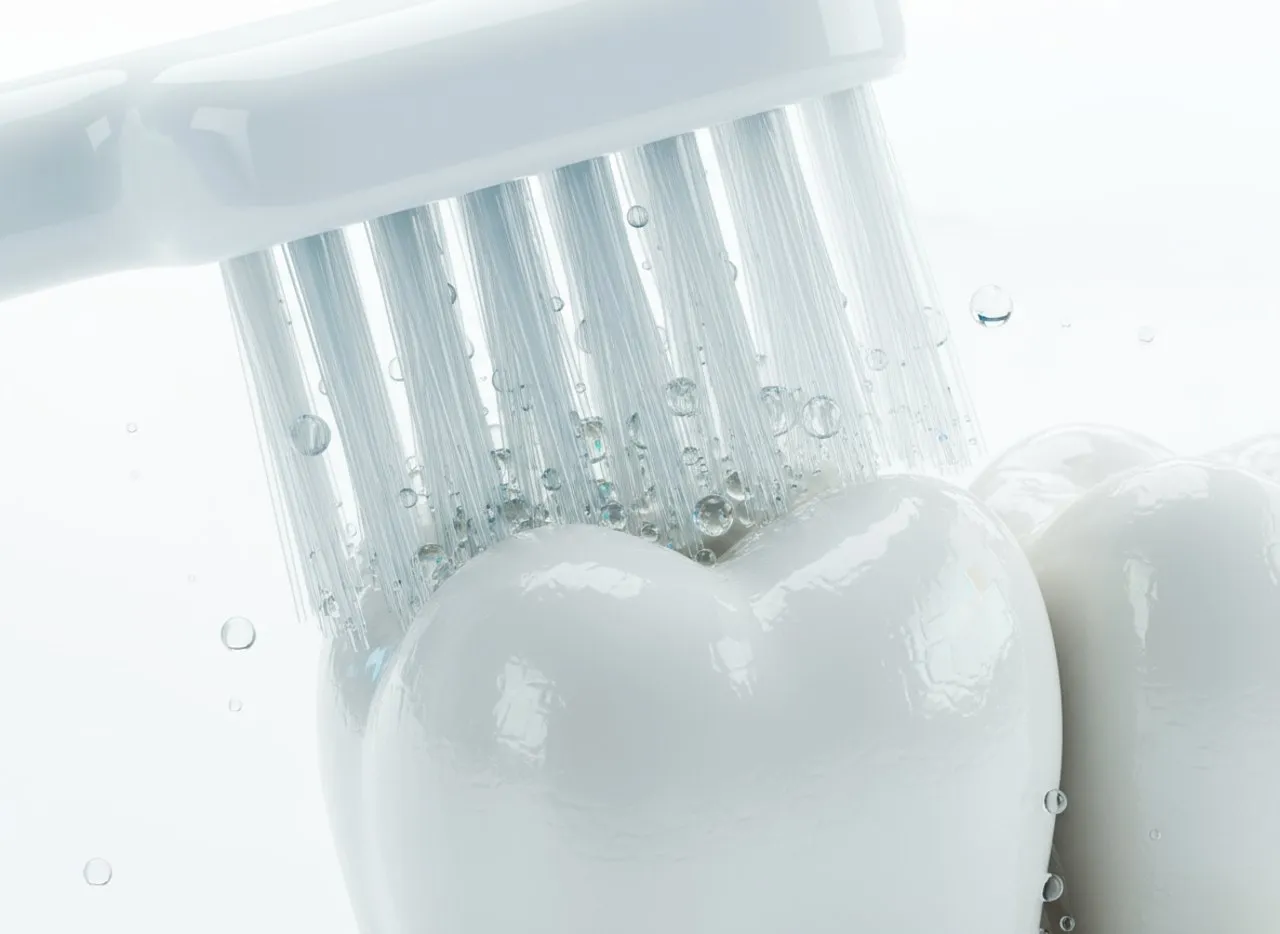
What is tooth enamel?
Tooth enamel is the outer layer of the teeth, which protects them against damage. This hard, mineralised substance makes our teeth resistant to abrasion and acids from food. However, it can be damaged over time by incorrect care, poor dietary habits or certain health conditions. Tooth enamel also cannot regenerate, which makes prevention particularly important.

How does loss of tooth enamel occur?
There are various causes of tooth enamel loss: 1. Acid attacks: Certain foods and drinks, such as cola, citrus fruits or even healthy fruit juices, can attack tooth enamel with their acid. Frequently consuming such products without brushing your teeth afterwards significantly increases the risk. 2. Inadequate oral hygiene: Brushing too little or incorrectly can mean that plaque is not removed, which damages the tooth enamel. Brushing with too much pressure or a hard toothbrush can also damage tooth enamel. 3. Illnesses: Certain illnesses, such as reflux disease, can also destroy tooth enamel through contact with stomach acid. 4. Genetics: Some people naturally have thinner or more vulnerable tooth enamel.
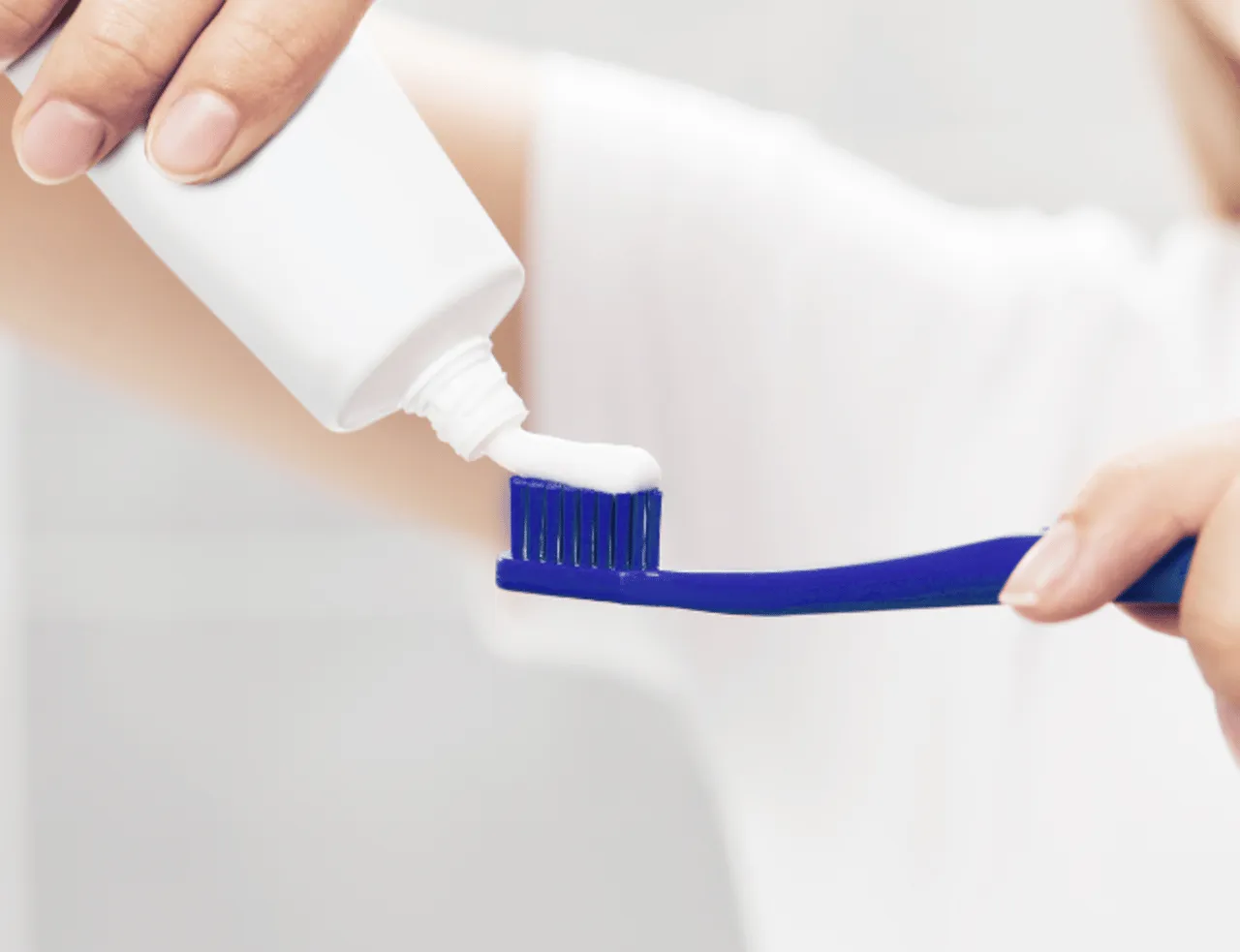
How can tooth enamel be strengthened?
There are several measures you can take to protect and strengthen your tooth enamel: 1. Brush regularly: Use a fluoride toothpaste, as fluoride can remineralise tooth enamel. Brushing twice a day is ideal, and brushing in the morning before breakfast can also be beneficial to remove bacteria and plaque. 2. Avoid acidic foods: If you consume acidic foods, wait about 30 minutes before brushing your teeth. This prevents the acids from further wearing away the tooth enamel while brushing. 3. Fluoride treatments: Visit your dentist regularly for a professional fluoride treatment that strengthens and remineralises tooth enamel. Fluoride can directly rebuild tooth enamel and protects it from further acid damage. 4. Avoid mouthwashes with a high alcohol content: Many mouthwashes contain large amounts of alcohol, which can attack tooth enamel. Look for products that are mild and contain fluoride. 5. Drink water: Drink plenty of water to rinse your mouth and dilute acids. This helps to neutralise the pH level in the mouth. Drinking water after a meal, in particular, supports the remineralisation of tooth enamel. 6. Dental visits: Regular dental check-ups make it possible to detect and treat early damage to tooth enamel. This helps to prevent more serious tooth damage.
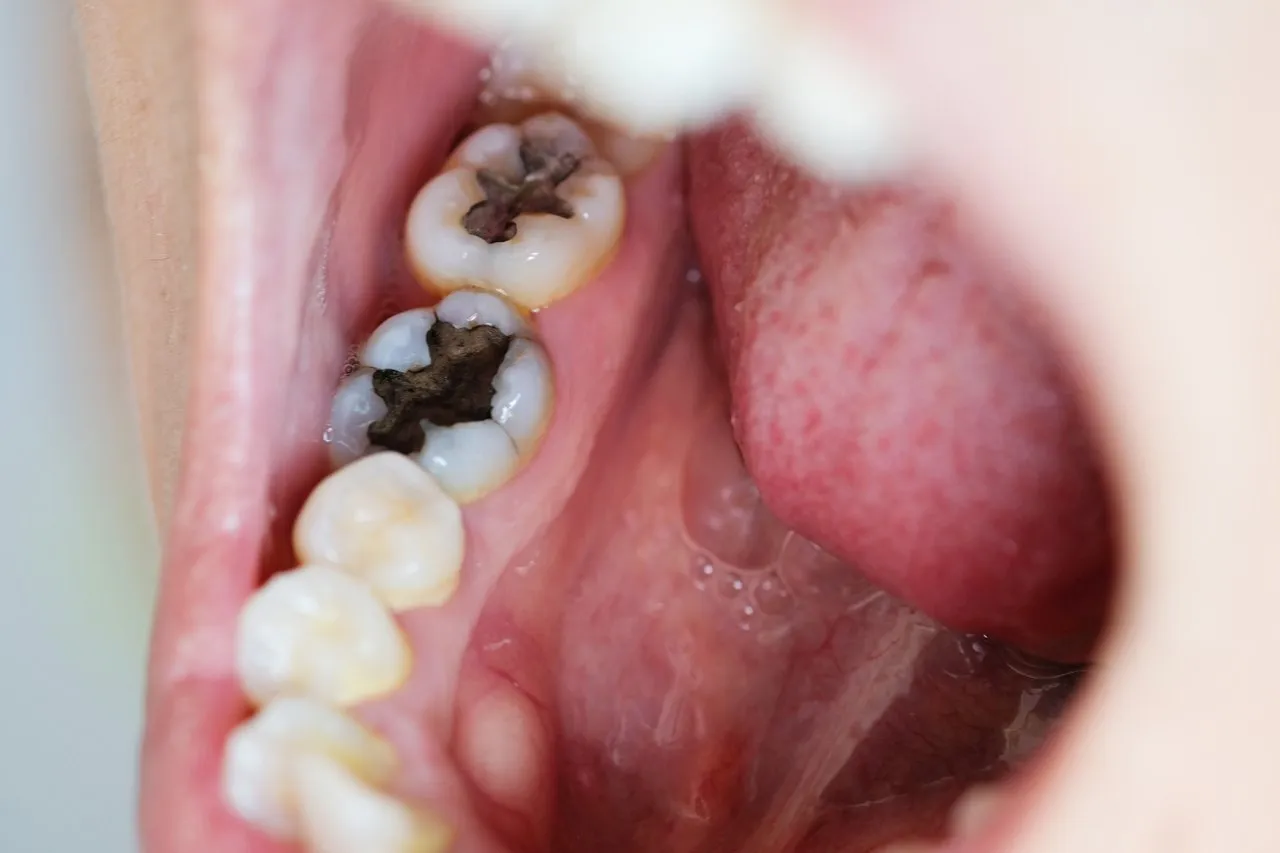
Tooth enamel and tooth decay
Tooth decay is caused by the loss of minerals in tooth enamel, which can lead to the formation of holes. It is important to strengthen tooth enamel to prevent tooth decay from developing. A healthy diet, regular dental care and visiting the dentist are crucial for maintaining tooth enamel. Tooth decay is caused not only by sugar, but also by inadequate dental care and avoiding fluoride.
FAQ: Frequently asked questions about strengthening tooth enamel
Tooth enamel protects the teeth against external damage, tooth decay and abrasion.
Regular brushing with fluoride toothpaste and avoiding acidic foods are important.
Damaged tooth enamel can lead to toothache, sensitivity and tooth decay.
Tooth enamel cannot grow back, but it can be remineralised and strengthened through fluoride and good oral care.
Acidic foods such as citrus fruits, cola and fruit juices can attack tooth enamel.
Fluoride helps to remineralise tooth enamel and make it more resistant to acids.
Through good oral hygiene, using fluoride toothpaste and avoiding acidic foods.
It is better to wait 30 minutes to avoid causing further damage to the tooth enamel.
A fluoride treatment strengthens tooth enamel by restoring minerals, thereby protecting it against further damage.
Yes, regular contact with acids can wear away tooth enamel, which can lead to long-term damage.