
Toothpaste for sensitive teeth – making the right choice
Sensitive teeth can severely affect everyday life. Cold air, sweet foods or hot coffee are all it takes. Suddenly, a short, sharp pain shoots through the tooth. A suitable toothpaste can significantly relieve these symptoms. At the Wunschlachen dental practice in Berlin, we can advise you...
Über 350 Google-Bewertungen

Understanding the causes of sensitive teeth
Before choosing a toothpaste for sensitive teeth, you should know the cause. Exposed tooth necks are often responsible. Thinned tooth enamel can also be the trigger. Incorrect brushing, teeth grinding or receding gums can exacerbate the problem. Acidic drinks and frequent snacks also attack tooth enamel. This results in pronounced tooth sensitivity, which becomes noticeable with every stimulus. A thorough examination allows us to determine which factors predominate in your case. Only then do we recommend a suitable toothpaste for sensitive teeth.
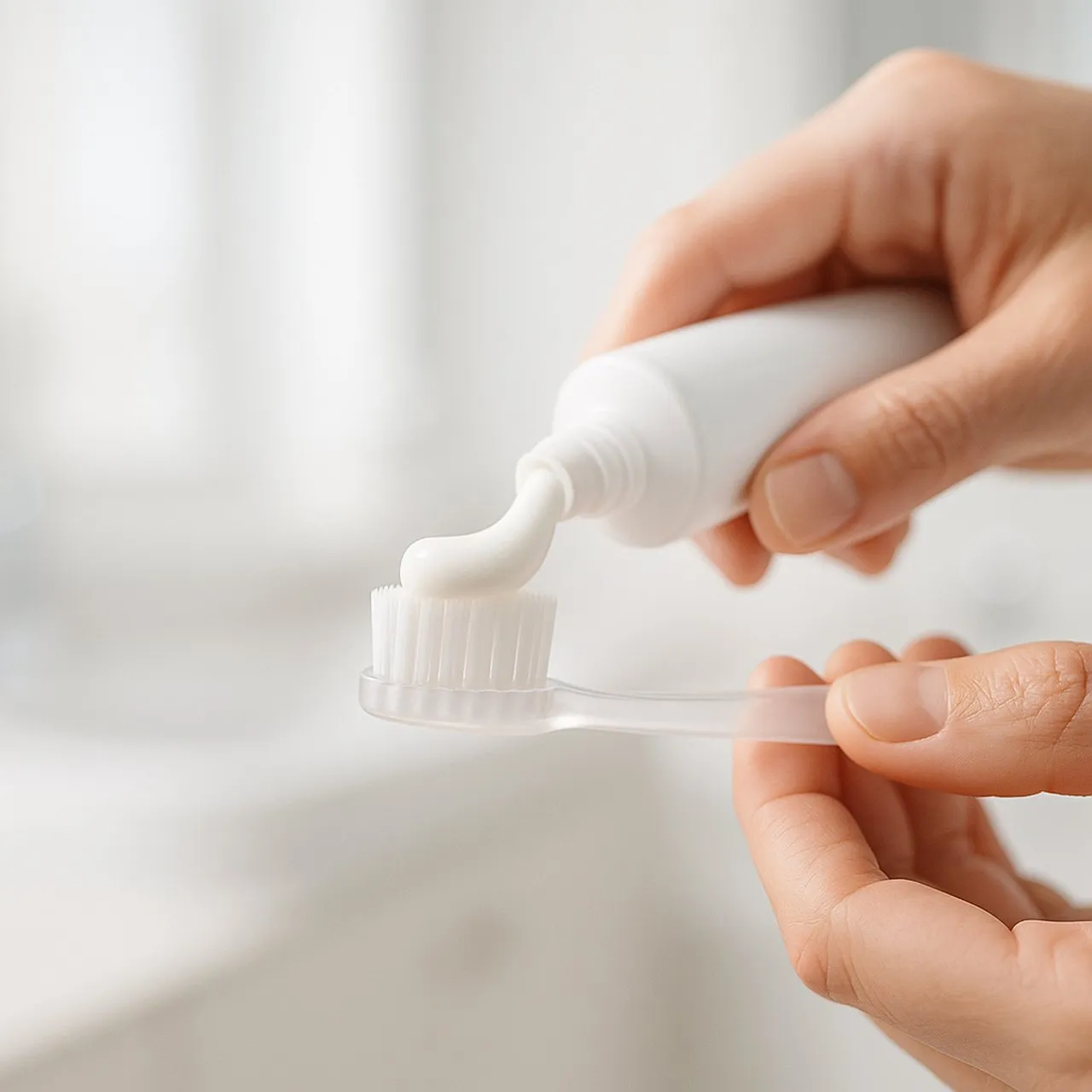
How toothpaste for sensitive teeth works
Special toothpaste for sensitive teeth protects the sensitive areas. It forms a kind of protective layer over exposed tooth necks. This reduces the effects of stimuli such as cold or sweetness. Some toothpastes seal tiny tubules in the dentine. Others soothe the dental nerve with specific minerals. The aim is always to block pain signals and strengthen the tooth.
Key ingredients in toothpaste for sensitive teeth
Certain ingredients play an important role in toothpaste for sensitive teeth. Fluoride protects tooth enamel and promotes remineralisation. Potassium salts can reduce sensitivity to pain. Strontium or stannous fluoride seal exposed dentinal tubules. Hydroxyapatite resembles natural tooth substance. It can form a protective layer on the surface. Gentle abrasives are also important. Abrasive particles that are too coarse would wear away more tooth enamel. You should therefore look for a toothpaste with low abrasivity.

Which toothpaste is right for you?
Not every toothpaste for sensitive teeth is suitable for every patient. If you have many exposed tooth necks, products with ingredients that seal the tubules are advisable. Particularly mild formulations are suitable after professional teeth whitening. If you have an increased risk of tooth decay, the fluoride content should be sufficiently high. At the same time, the toothpaste must not irritate the tooth enamel. At our practice, we carefully assess your initial situation. We also take allergies and intolerances into account when making our selection. On request, we can provide specific product recommendations for your situation. Feel free to ask us about the latest toothpaste for sensitive teeth available from pharmacies.
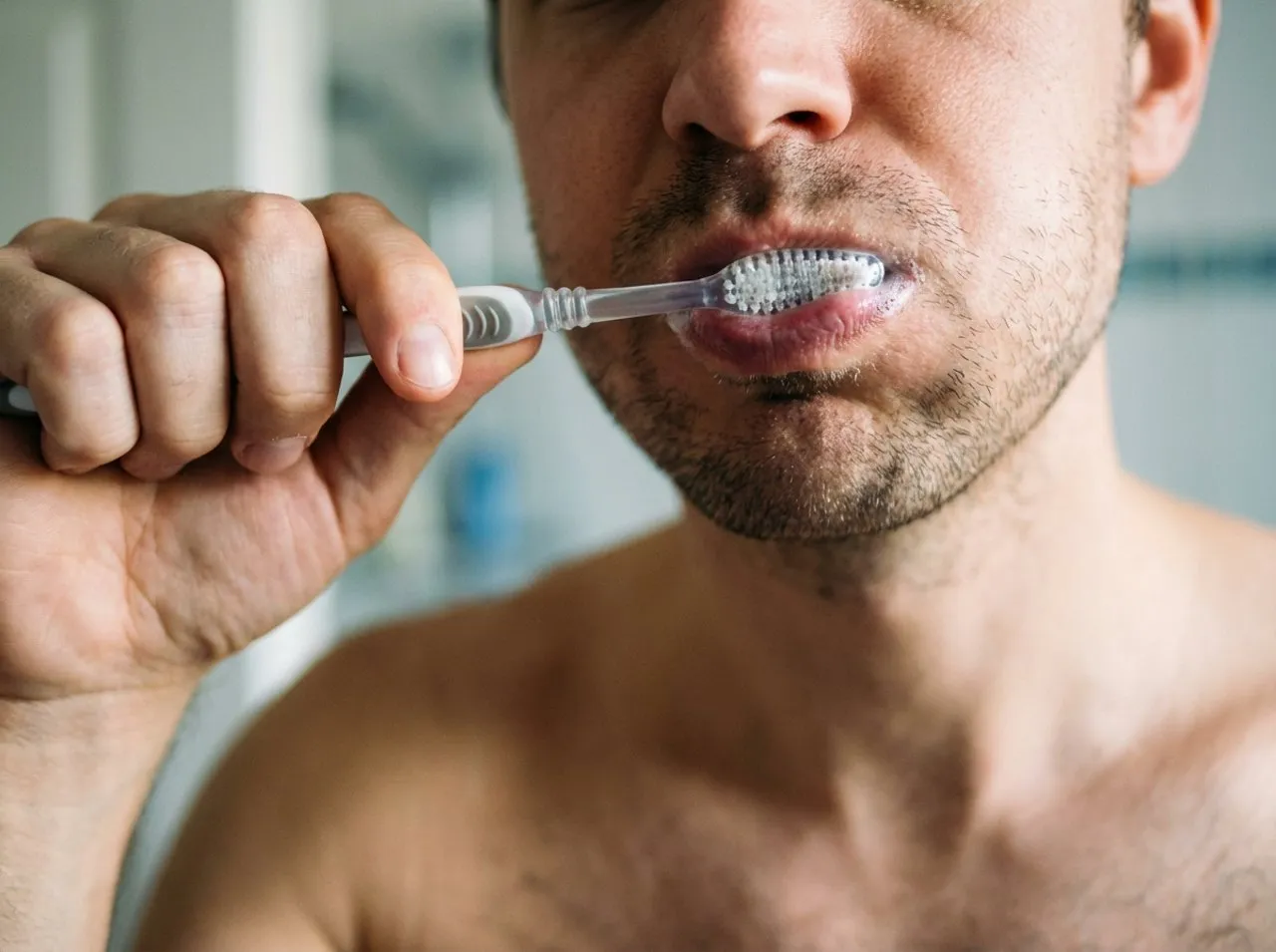
How to use toothpaste for sensitive teeth correctly
Correct application is crucial for success. Brush twice a day for at least two minutes. Use a soft toothbrush with rounded bristles. Apply only light pressure. Vigorous scrubbing can cause the gums to recede. This would create new sensitive areas. After brushing, spit out gently. Do not rinse vigorously with water. This allows the active ingredients to remain on the teeth for longer.
Common mistakes with sensitive teeth
Many patients constantly change their toothpaste. This prevents a protective layer from building up. Choose a suitable product and use it consistently. Whitening toothpaste is also often used. It frequently contains coarser abrasive particles. This is usually unsuitable for sensitive teeth. Another mistake is consuming acidic drinks too frequently. Fizzy drinks, energy drinks and fruit juices soften tooth enamel. It is particularly vulnerable during this phase.
Further measures for sensitive teeth
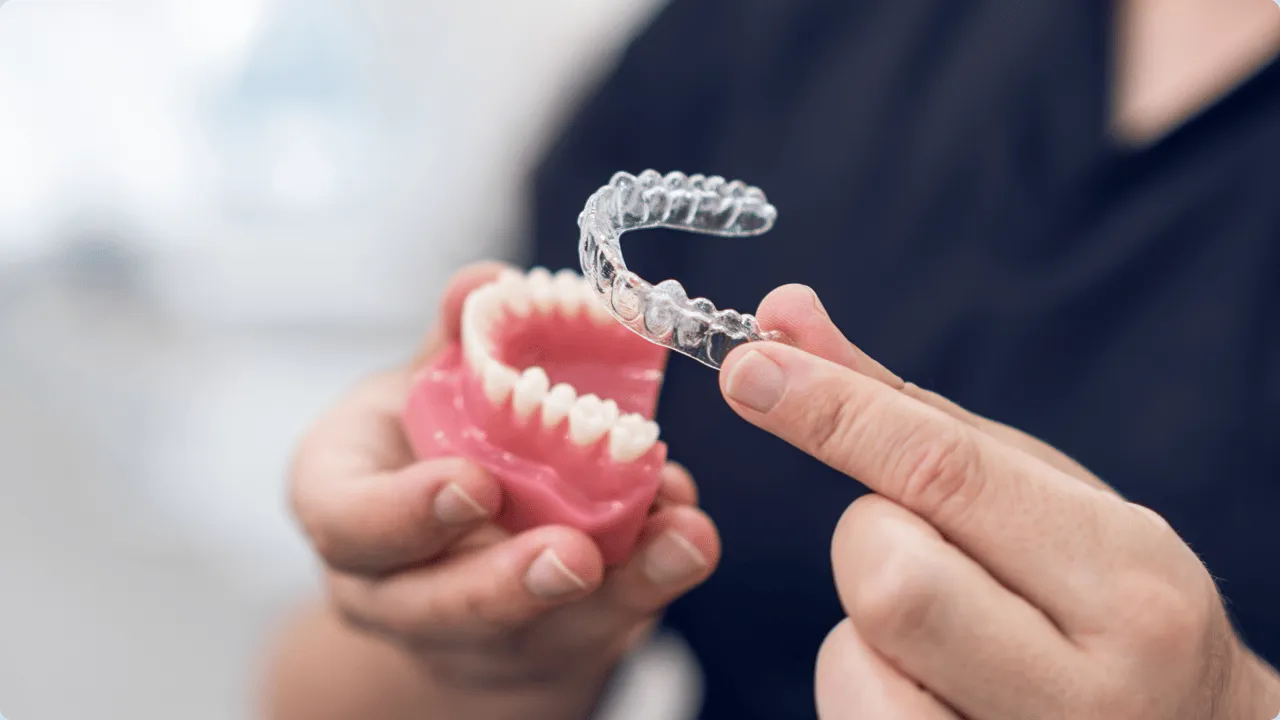
Toothpaste alone is often not enough for severe symptoms. In addition, the dentist can seal exposed tooth necks with varnishes. Fluoride treatments at the practice are also possible. If you grind your teeth, a custom-fitted splint often helps. It relieves pressure on your teeth at night. This reduces new damage. Sometimes an untreated dental condition is also the cause of the sensitivity. Tooth decay, cracks or defective fillings must then be treated specifically. Nutritional counselling can also be helpful. Together, we analyse everyday habits involving acidic foods and drinks. This provides additional protection for your teeth.
When toothpaste is no longer enough
If the pain persists despite using toothpaste for sensitive teeth, a check-up is needed. Sudden, severe symptoms are also a warning sign. This may indicate inflammation of the dental nerve. In such cases, toothpaste for sensitive teeth is no longer sufficient. We check whether root canal treatment or another therapy is needed. The aim is to permanently eliminate the cause of the pain.
Advice at Wunschlachen in Berlin
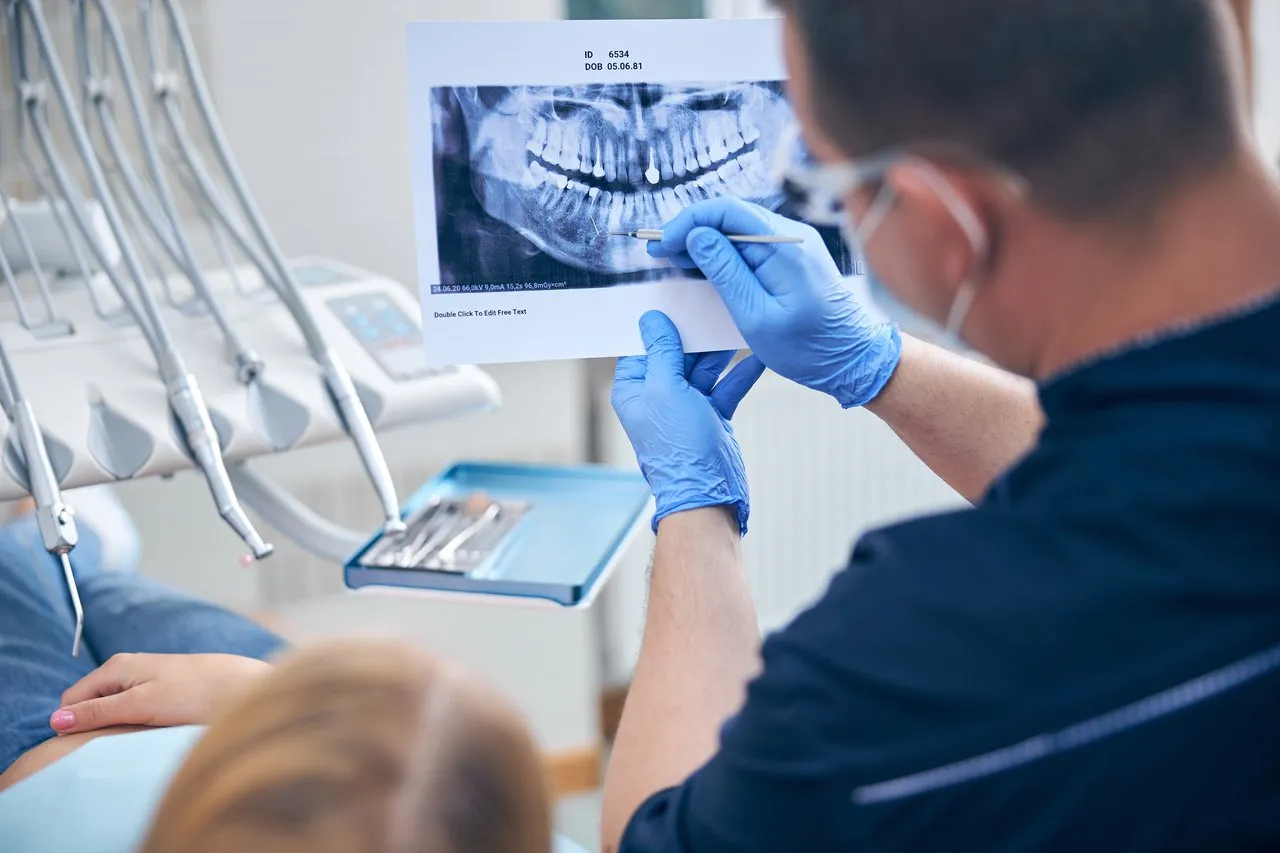
At the Wunschlachen dental practice, we first analyse the condition of your teeth. We then recommend a toothpaste for sensitive teeth that suits you. On request, we combine this with other protective measures. We explain the correct brushing technique step by step. This helps you protect your tooth enamel and gums as effectively as possible. Together, we create a personalised preventive care plan.
FAQs – Toothpaste for sensitive teeth
A toothpaste for sensitive teeth with fluoride and pain-reducing ingredients is advisable. It strengthens tooth enamel and blocks stimuli.
Use the special toothpaste every morning and evening. Only regular use builds up lasting protection.
Many patients notice an improvement after a few days. The full effect often becomes apparent after several weeks of consistent use.
Yes, these toothpastes are suitable for long-term use. It is important that the formulation suits your situation.
Usually not, as they often contain coarser abrasive particles. These can cause additional damage to tooth enamel.
Special toothpaste can protect exposed tooth necks. However, it does not replace necessary dental treatment.
Yes, choose a gentle programme with minimal pressure. Soft brush heads are important.
Fluoride strengthens tooth enamel and makes it more resistant. It reduces the risk of tooth decay and hypersensitivity.
Avoid very acidic foods and drinks. Regular dental check-ups are also important.
If the pain gets worse or persists for a long time. An appointment is also necessary if severe symptoms occur suddenly.