Which toothpaste makes teeth white?
Many people would like white teeth. However, not every toothpaste delivers what it promises. The key factors are abrasives, chemical active ingredients and the cause of the discolouration.
By choosing suitable products and caring for their teeth properly, people can often visibly reduce deposits. Toothpaste alone usually cannot significantly alter the underlying tooth colour.
Über 350 Google-Bewertungen
What toothpaste can do for white teeth
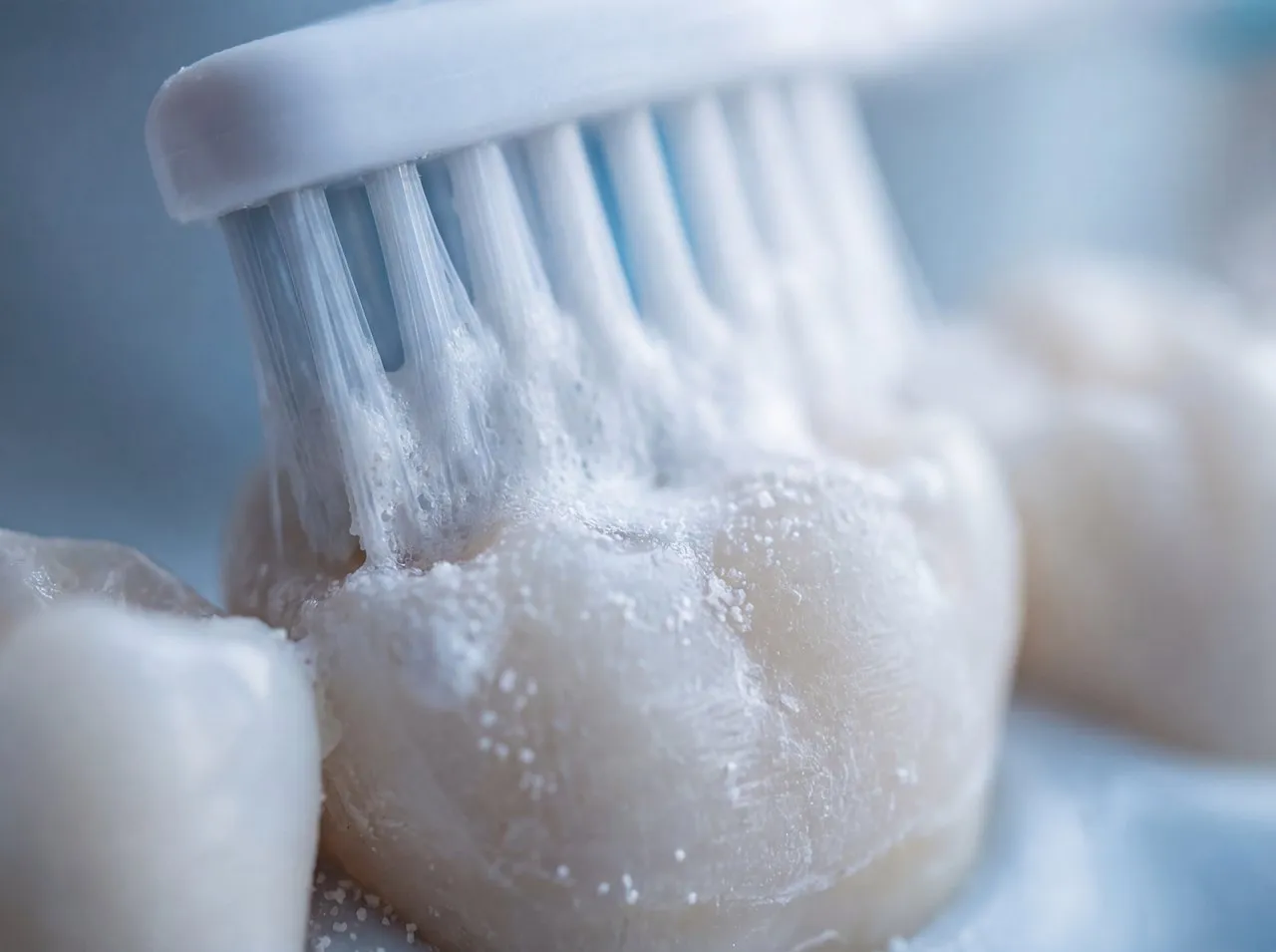
Many products promise a brighter smile. In practice, a whitening toothpaste mainly works against extrinsic discolouration. This includes deposits caused by coffee, tea, red wine or nicotine. Colourants from foods also play a role.
Such deposits sit on the tooth surface. This is where a whitening toothpaste can take effect. It cleans more intensively than regular products. This can make the natural whiteness of the teeth more visible again.
However, the actual tooth colour changes only to a limited extent. It is partly determined by genetics. Age, tooth enamel and dentine also influence the shade.

Which toothpaste really makes teeth white?
A good toothpaste for white teeth removes discolouration as thoroughly as possible. At the same time, it should be gentle on tooth enamel. This is precisely the difference between effective and unsuitable products.
Toothpastes with carefully matched abrasives are genuinely useful. These mechanically remove surface deposits. Some products also contain substances such as sodium hexametaphosphate or blue pigments. They can reduce new deposits or make teeth appear optically brighter.
Not every toothpaste with a whitening effect is automatically recommended. Very abrasive products can roughen the tooth surface. New discolouration then often builds up more quickly.

Ingredients that affect tooth whiteness
Anyone looking for a toothpaste for white teeth should pay attention to its composition. Some ingredients are particularly common.
Silica abrasives remove superficial discolouration. They are found in many whitening products. The correct dosage is crucial.
Phosphates can help to loosen new deposits. This keeps the tooth surface smoother. Optical brighteners are also used. They can sometimes create a temporarily brighter appearance.
Fluoride nevertheless remains essential. It strengthens tooth enamel and supports caries prevention. A good toothpaste should therefore not only whiten, but also protect.

How abrasive can toothpaste be?
Abrasion plays an important role in whitening toothpaste. It is often described using the so-called RDA value. Excessively high abrasion can be problematic over time.
Products with moderate abrasion are often the better choice. They remove deposits without putting unnecessary strain on the tooth substance. This is particularly important for sensitive teeth.
Anyone with exposed tooth necks or sensitive areas should be careful. A dental assessment is advisable here. This is because intensive whitening and sensitive teeth do not always go well together.

Why teeth do not become whiter despite toothpaste
Not all discolouration is on the surface. Intrinsic discolouration can be caused by medication, accidents or natural ageing, for example. In such cases, toothpaste offers little help.
Tartar cannot be brushed away either. It must be removed professionally. The same applies to stubborn deposits in hard-to-reach areas.
Some people expect toothpaste to have the same effect as bleaching. This is not realistic. A toothpaste can clean and freshen the teeth. It usually cannot achieve a marked colour change on its own.
White teeth through correct use
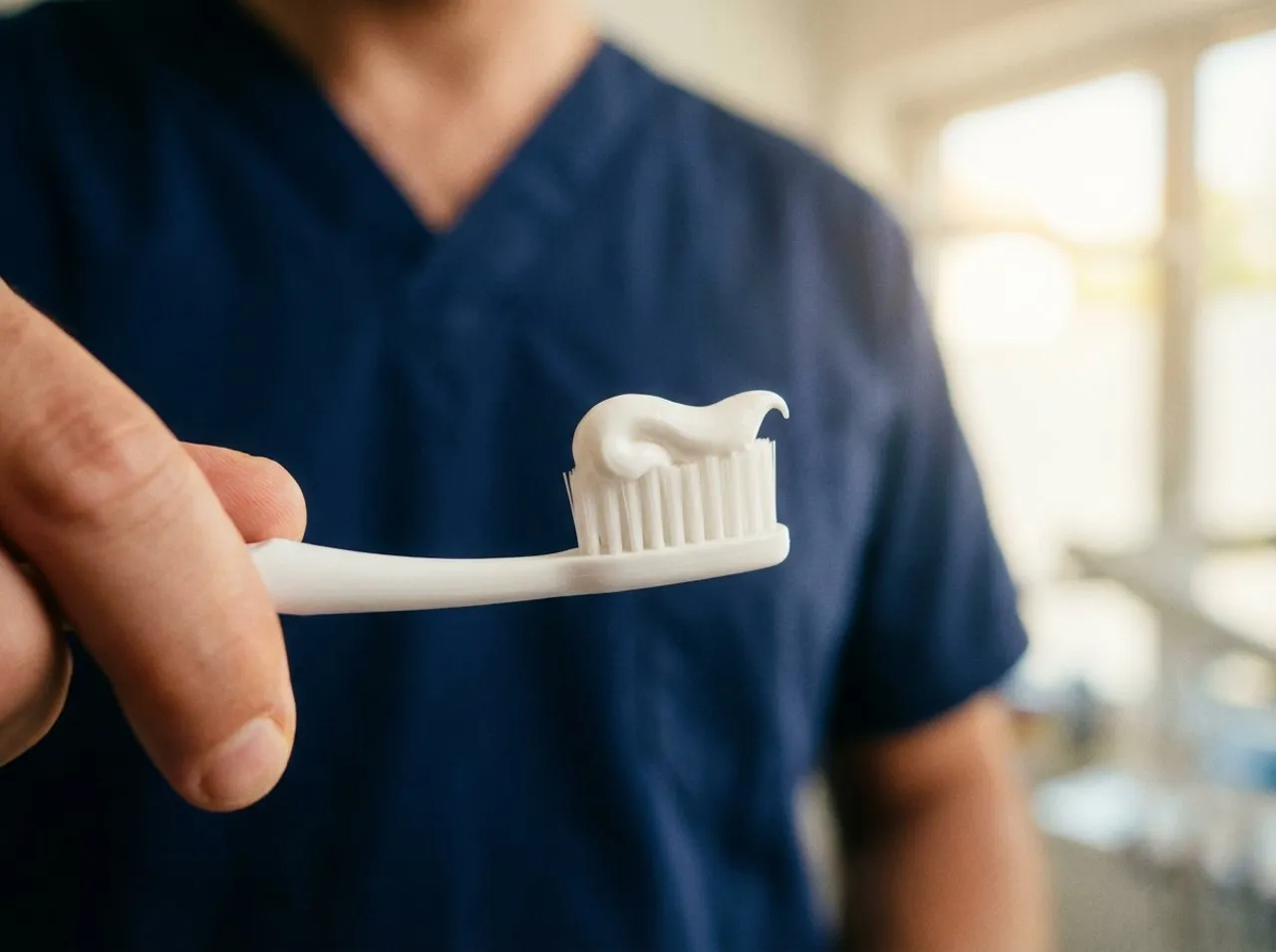
Even the best toothpaste only works when used correctly. A careful brushing technique is important. A brushing time of two minutes is considered advisable.
Electric toothbrushes can often remove deposits more evenly. Interdental brushes and dental floss complement this care. The spaces between the teeth affect the overall appearance.
Brushing too often or too vigorously is not a good solution. It can put strain on the tooth enamel. A consistent and gentle routine is better.
When professional dental cleaning is advisable
Toothpaste is often not enough for more severe discolouration. A professional dental cleaning can then help. It removes hard and soft deposits much more thoroughly.
Teeth often appear brighter after cleaning. A whitening toothpaste can then also help to maintain the result more effectively. This combination is beneficial for many patients.
At the Wunschlachen dental practice, we provide individual advice on this. This is because not every discolouration has the same cause. A precise assessment protects against unrealistic expectations.

Toothpaste, whitening and natural tooth colour
Toothpaste and bleaching are not the same. Bleaching specifically alters the tooth colour. Toothpaste mainly removes deposits on the surface.
A whitening toothpaste can therefore reveal the natural whiteness of the teeth. However, it does not replace professional whitening. Anyone who wants significantly lighter teeth should seek dental advice.
Healthy tooth enamel is also important. Before any whitening treatment, caries, leaking fillings or irritation should be ruled out. This keeps the treatment predictable and safe.