White teeth: ways to a brighter smile
White teeth are seen as a sign of good care, freshness and attractiveness. Many stains are caused by coffee, tea, nicotine or age. If you want to make your teeth whiter, you should understand the causes and choose safe methods.
Über 350 Google-Bewertungen
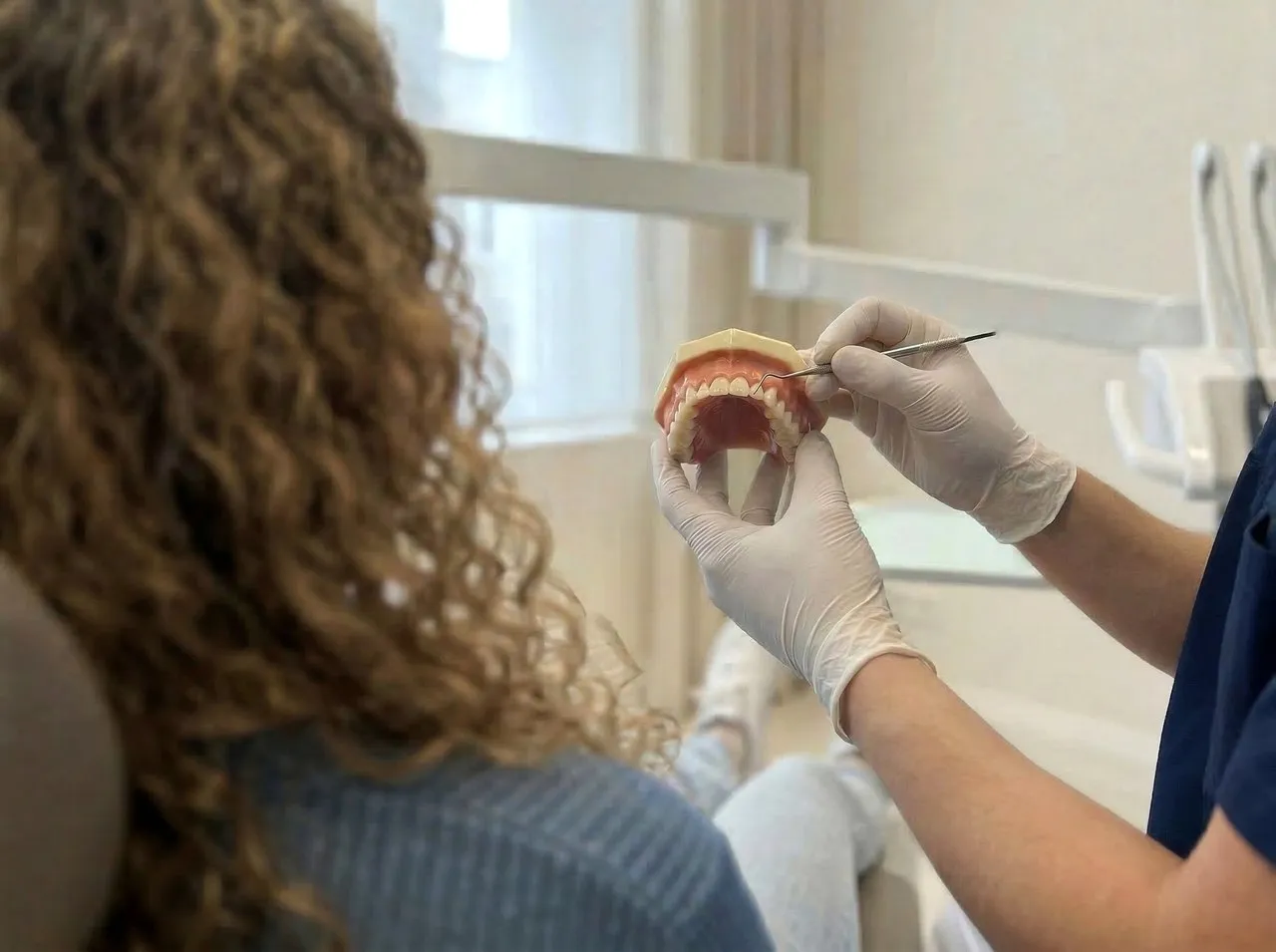
Why white teeth are so popular
A bright smile often looks healthy and well cared for. This is why many people want visibly whiter teeth. It is not just about aesthetics, but also about self-confidence. However, natural tooth colour varies. Not every tooth is naturally dazzlingly white. Even healthy teeth can look yellowish or slightly grey.

What makes teeth darker?
Discolouration often occurs in everyday life. Coffee, red wine, black tea and tobacco encourage dark deposits. Highly pigmented foods also play a role. In addition, tooth colour changes over the years. The tooth enamel becomes thinner, allowing the darker dentine to show through more strongly. Some discolouration is only on the surface, while other discolouration lies deeper within the tooth. The appropriate treatment depends on this.

How do you get white teeth?
Many people ask themselves: How can you get white teeth? The answer depends on the clinical findings. Not every method is suitable for every tooth colour. Surface deposits can often be removed effectively. A professional dental clean can already produce a visibly brighter appearance. Deeper discolouration usually requires bleaching. Anyone wondering how to make their teeth white again should first have them examined. A dental check-up is advisable. This makes it possible to detect tooth decay, leaking fillings or sensitive areas.
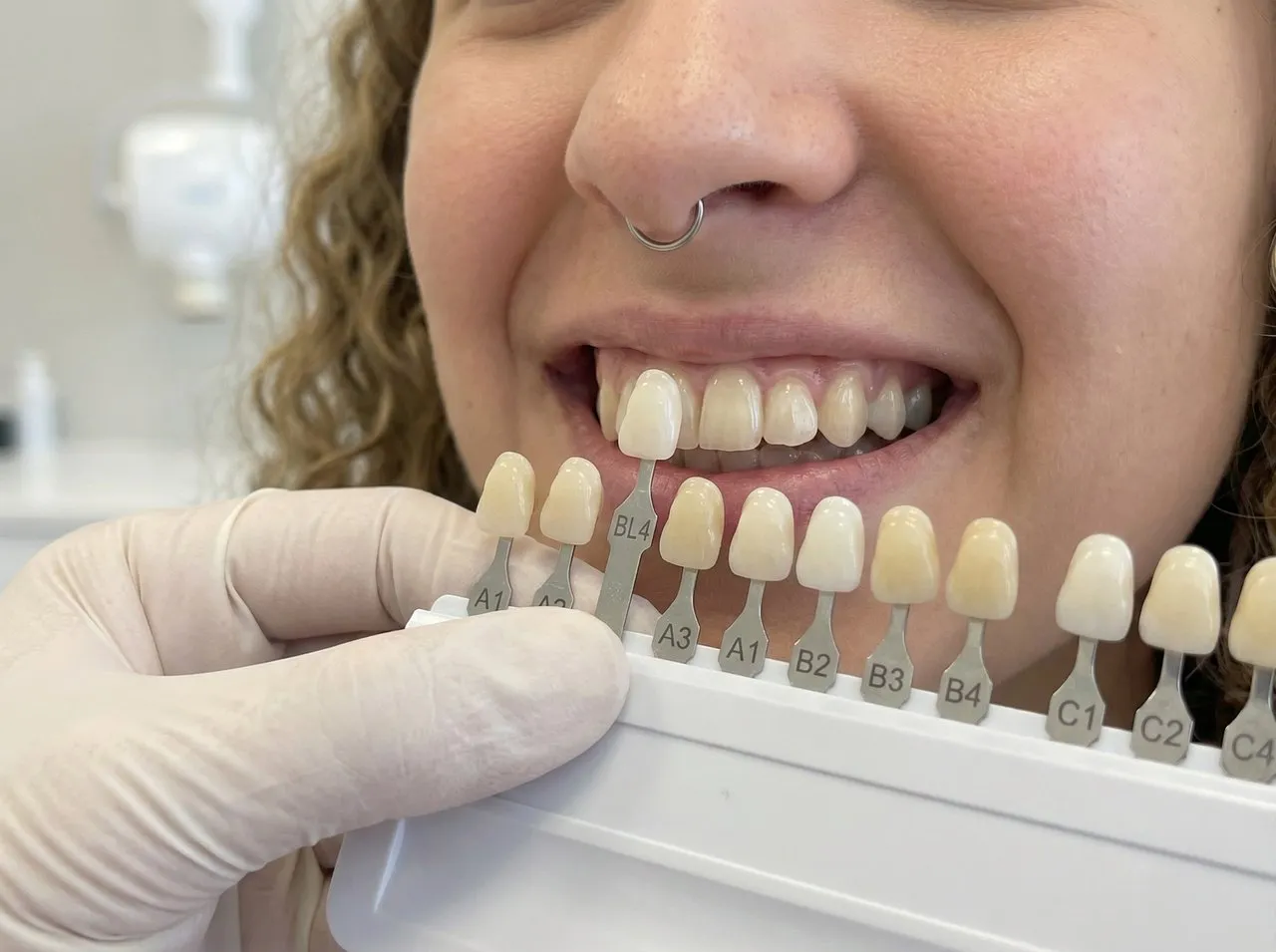
Teeth whitening at the dentist
Teeth whitening at the dentist is usually the most carefully controlled approach. Before whitening, the teeth and gums are examined. The appropriate whitening method is then used. Effective gels are used for whitening at the dentist. The procedure is monitored and adapted to the clinical findings. This allows the result to be planned in a targeted way. Many patients want to have their teeth whitened at the dentist. This is particularly advisable for pronounced discolouration. Uneven tooth colours can also often be evened out more effectively.
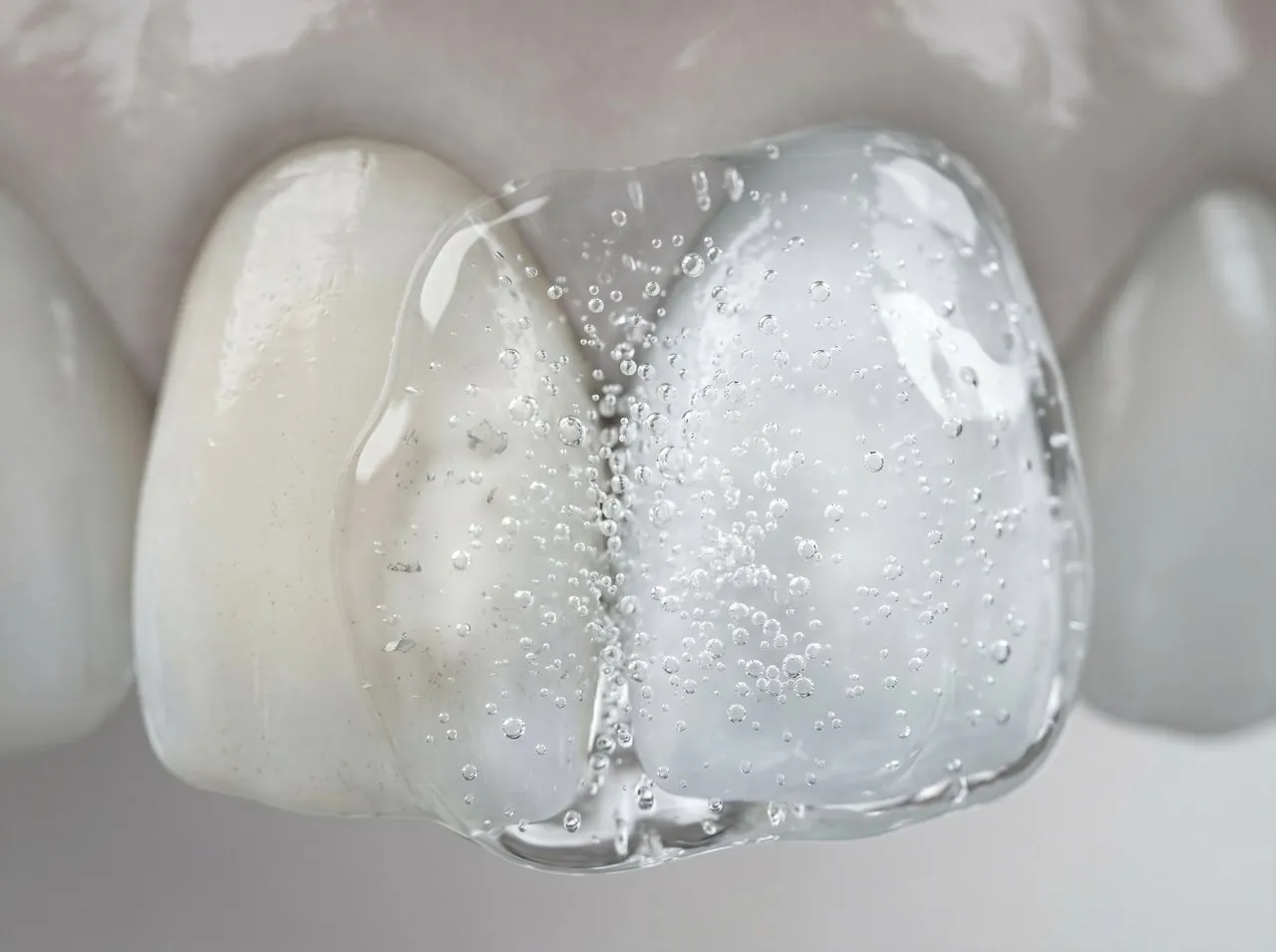
Teeth whitening: what is possible?
Teeth whitening means chemically lightening the tooth substance. This reduces pigments within the tooth, which can make the shade visibly lighter. Not every whitening treatment produces a pure white result. The key factors are the initial colour, tooth structure and lifestyle habits. A natural result usually looks more harmonious. Expectations about the outcome are also important. Crowns, bridges and fillings are not whitened along with the teeth. This must be discussed before treatment.
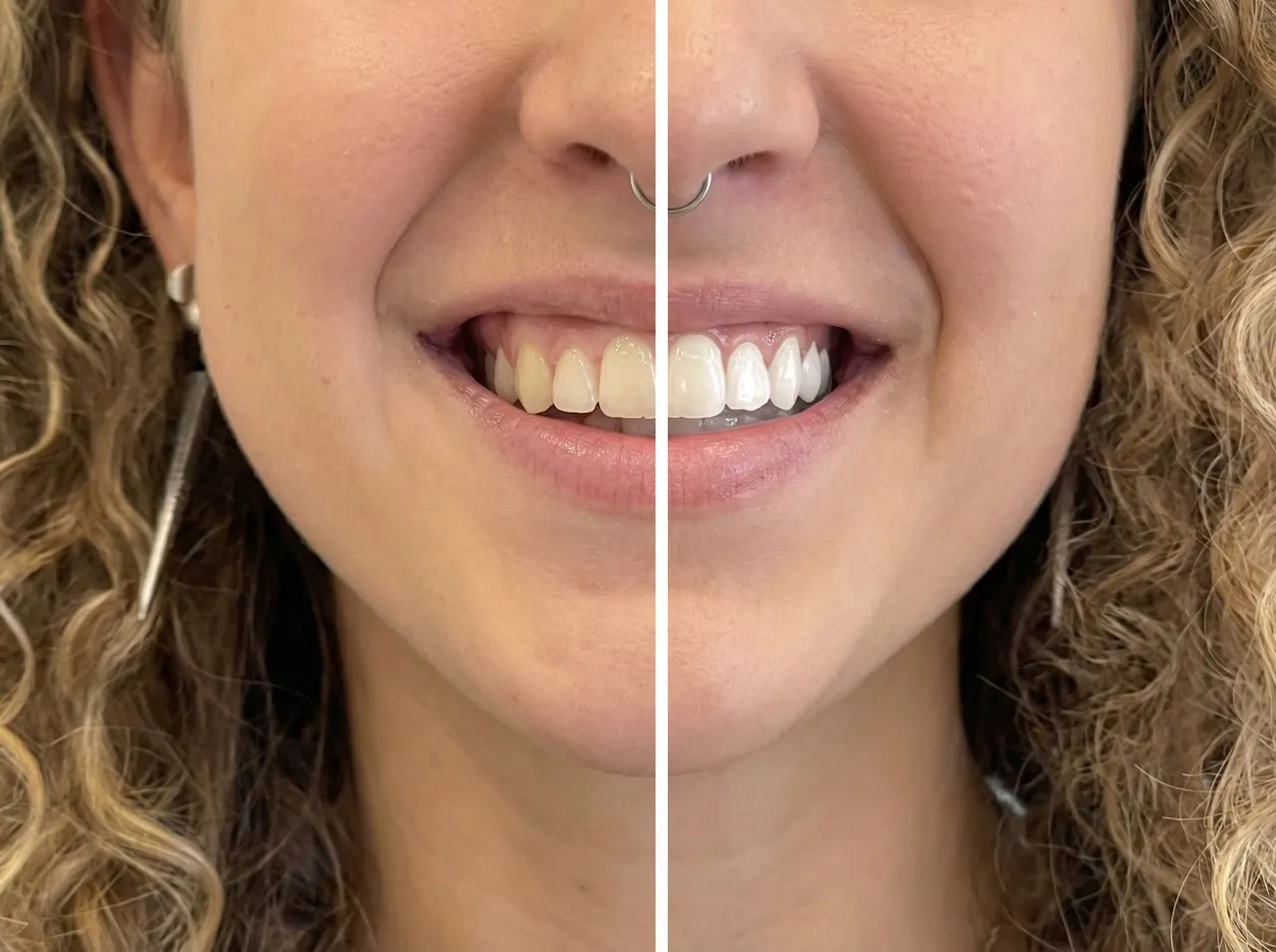
Naturally whiter teeth without damage?
Many people look for gentle methods. They want naturally whiter teeth without damage. This is understandable, but not every recommendation is advisable. Home remedies for white teeth often sound simple. Bicarbonate of soda, lemon and activated charcoal are suggested online. However, such substances can put unnecessary strain on tooth enamel. Achieving white teeth with home remedies is therefore only realistic to a limited extent. Deposits can sometimes be reduced slightly. Home remedies usually cannot achieve genuine teeth whitening.

Home remedies for white teeth: what really works?
Anyone searching for home remedies for white teeth wants quick solutions. But quick tricks are often disappointing. Some methods do more harm than good. Gentle care is the better approach. This includes thorough brushing, dental floss and regular preventive care. This keeps teeth clean for longer and makes them look brighter. An adapted diet also helps. Fewer staining drinks reduce the burden on the tooth surface. Drinking water after coffee or tea can be beneficial.
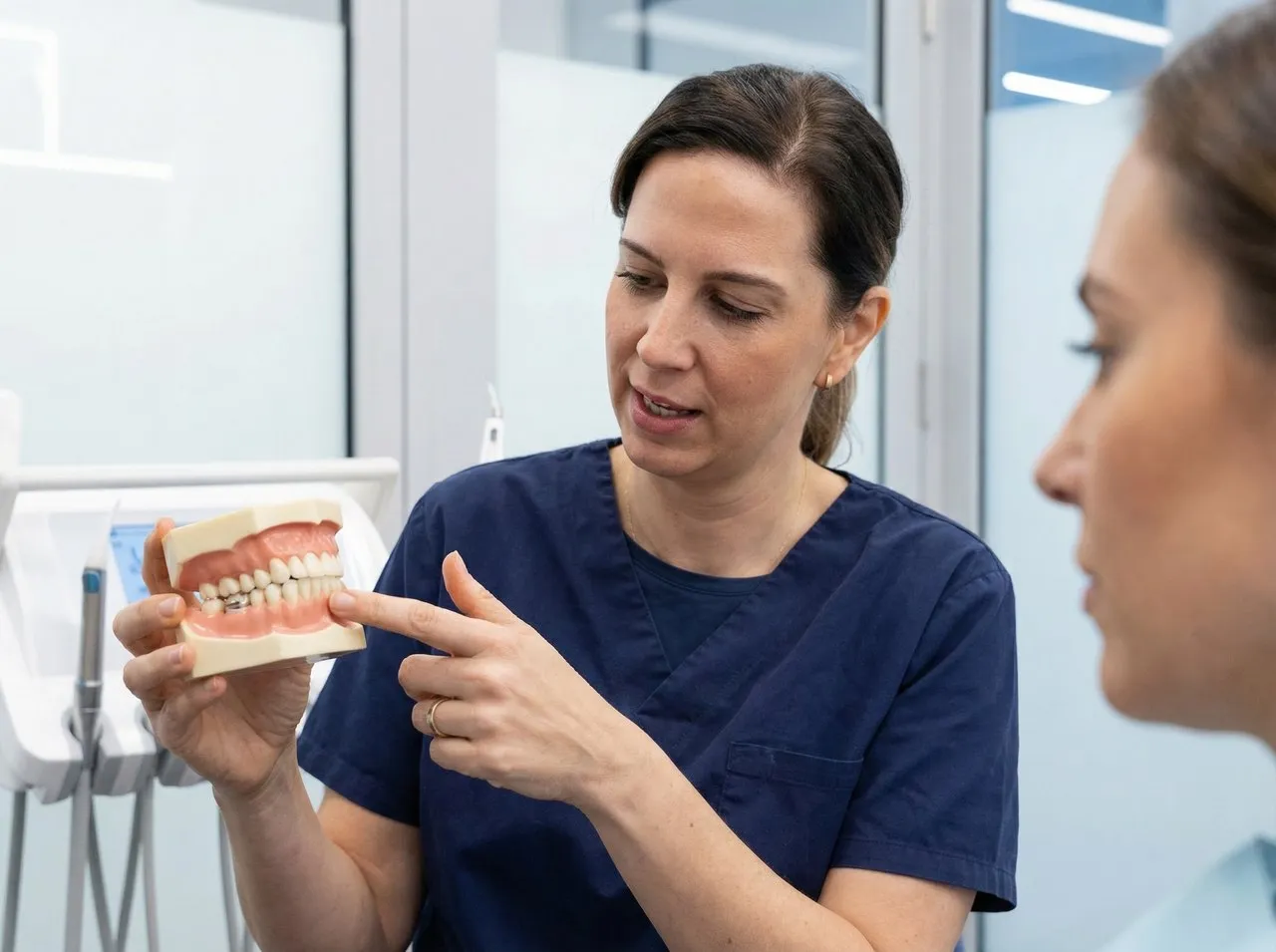
What can you do for white teeth in everyday life?
Anyone wondering what they can sensibly do for white teeth in everyday life should be consistent. Good oral hygiene remains the foundation, together with regular check-ups at the practice. Electric toothbrushes can remove deposits effectively. Fluoride toothpaste strengthens the enamel. An overly abrasive toothpaste, on the other hand, is not ideal. Professional preventive care is also important. It thoroughly removes hard and soft deposits. This often improves the visible tooth colour in itself.

Who is teeth whitening suitable for?
Not everyone is immediately suitable for bleaching. The teeth and gums should be healthy beforehand. Inflammation must be treated first. Particular caution is advisable for adolescents. Treatment is also usually postponed during pregnancy. Sensitive teeth require an individual assessment. At the Wunschlachen practice, we therefore assess the clinical findings first. We then discuss suitable options. This results in a safe and aesthetically pleasing treatment plan.
White teeth at Wunschlachen
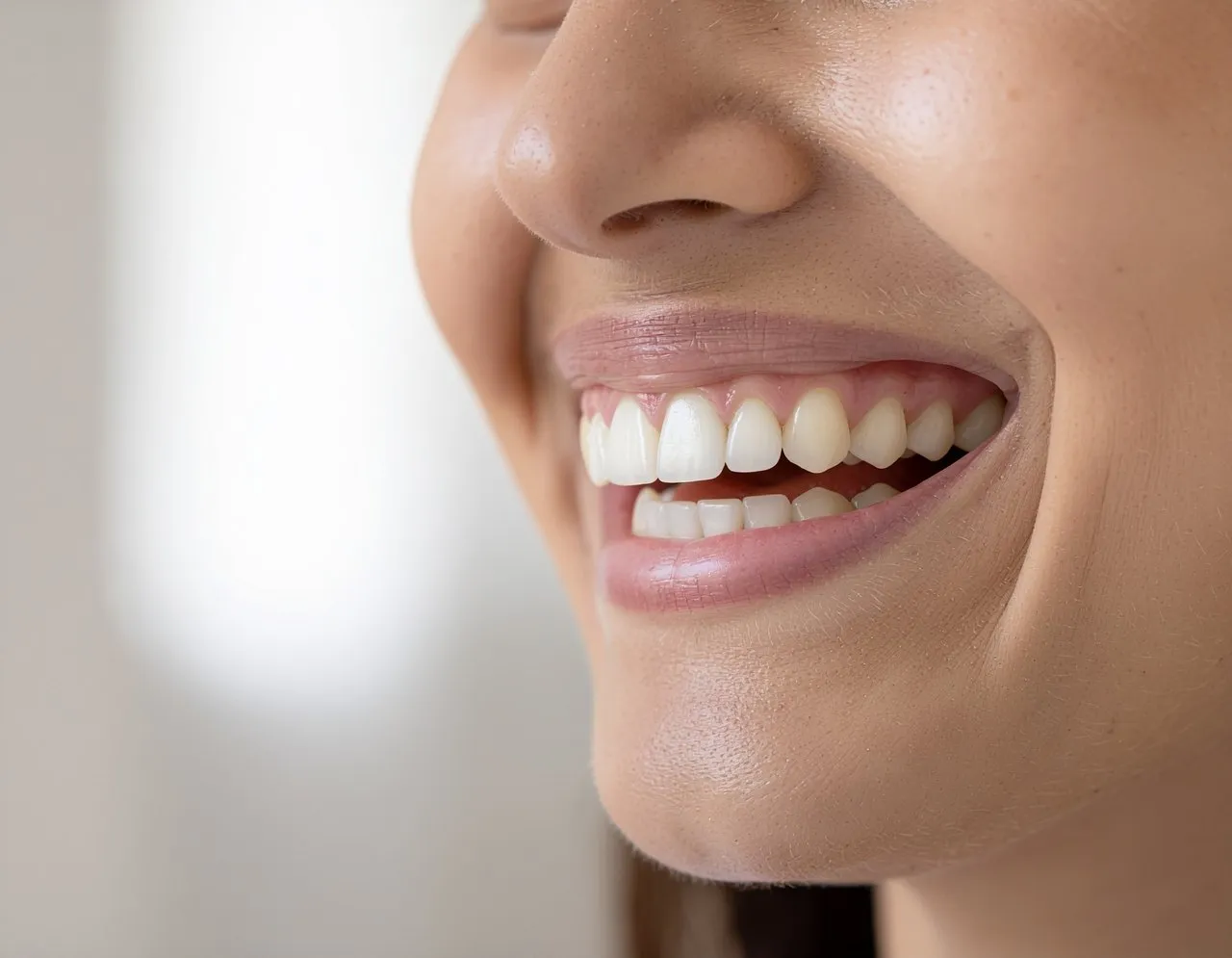
Wunschlachen combines aesthetics with dental care. Our goal is bright, natural and harmonious results, with the preservation of your dental health at the centre of everything we do. We explain which method is right for you. We show you what teeth whitening can achieve. And we are honest about its limitations. Anyone who wants to know what really makes teeth white needs clear answers. A personal consultation is ideal for this. It turns the desire for white teeth into a predictable result.
FAQs about white teeth
The best approach is good dental care, preventive care and, if necessary, teeth whitening. The appropriate method depends on the clinical findings.
Clean tooth surfaces, fewer staining substances and professional whitening can make teeth whiter.
Light deposits can be reduced. Noticeable whitening can usually only be achieved professionally.
Many home remedies are problematic. Lemon, bicarbonate of soda and activated charcoal are particularly concerning.
Teeth whitening at the dentist can visibly lighten teeth. The treatment is carried out under controlled conditions.
The result usually lasts from several months to years. Diet and dental care affect how long it lasts.
No, this is not always possible. Tooth structure and existing dental restorations impose limitations.
Brush regularly, use dental floss, attend preventive care appointments and reduce staining habits.
Superficial deposits can be cleaned away. Deeper discolouration responds better to teeth whitening.
A combination of dental care, preventive care and dental advice is the most reliable approach.