
Brushing your teeth properly – how to keep your smile healthy
A healthy, radiant smile starts with the right dental care. Yet although most people pick up a toothbrush every day, the crucial question is: how do I brush my teeth properly? At our Wunschlachen dental practice in Berlin, we explain what matters when brushing your teeth...
Über 350 Google-Bewertungen
Why is brushing your teeth properly so important?
Brushing your teeth properly is not just a matter of habit; it is crucial for preventing tooth decay, gum inflammation and periodontitis. Anyone who understands how to brush their teeth properly and does so regularly protects not only their teeth but also their entire body. This is because inflammation in the mouth can have adverse effects on the heart, joints and metabolism.
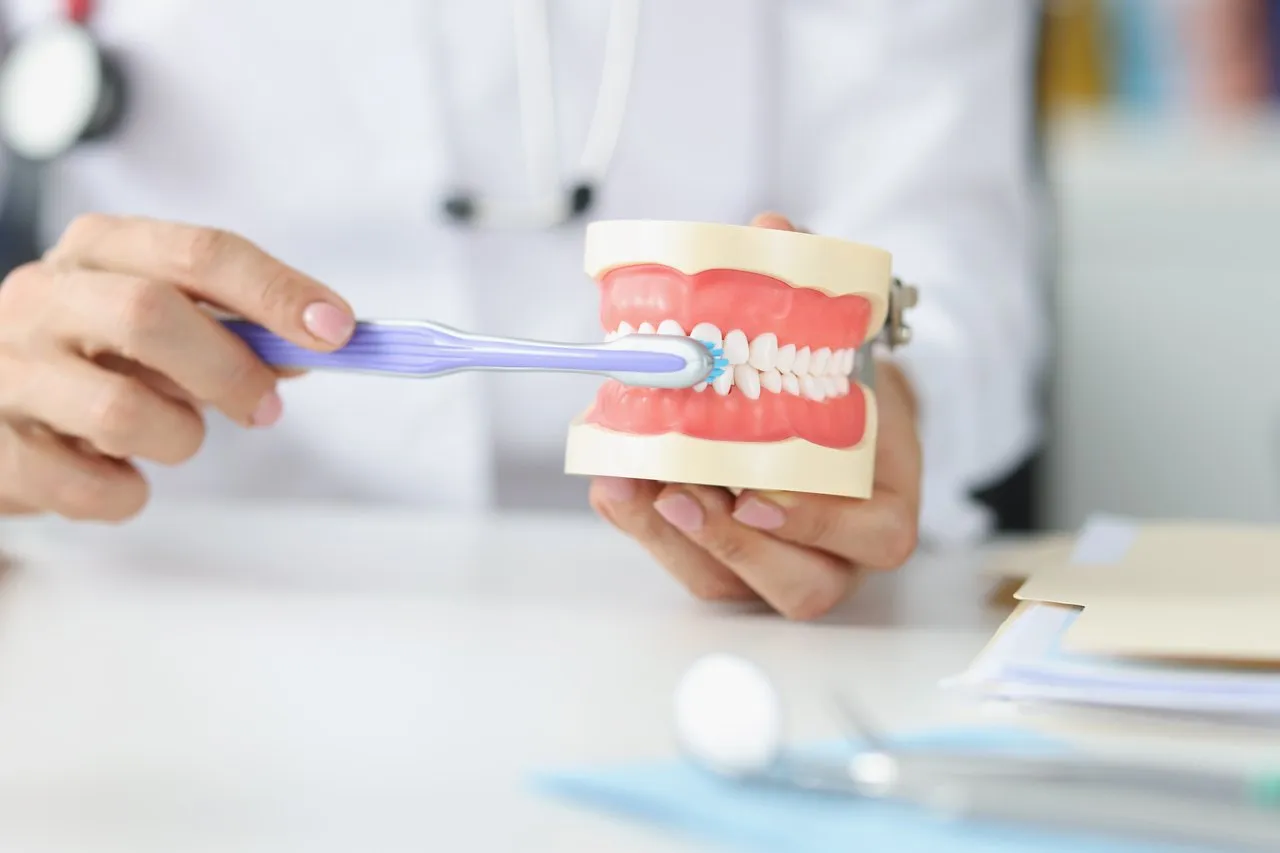
How often should you brush your teeth? At least twice a day
The answer is short and well supported: at least twice a day, each time with fluoride toothpaste. This is the strongest recommendation in the S3 guideline ‘Caries prevention in permanent teeth’, which was adopted in January 2025 and is valid until January 2030. Its first recommendation carries the highest recommendation grade, A, and the highest level of evidence, and it was unanimously adopted by the thirteen specialist societies involved. The German Society for Conservative Dentistry and the German Society of Dental, Oral and Craniomandibular Sciences led the work; the German Dental Association and the National Association of Statutory Health Insurance Dentists also had a seat at the table.
The word ‘at least’ is important here. Twice a day is not an ideal to aspire to, but the minimum below which you should not go. And brushing twice is not an end in itself: the guideline bases the recommendation on two systematic reviews that calculated the difference between brushing once and twice a day. One shows that brushing twice or more often reduces both the proportion of people who develop new caries lesions and the number of new lesions per person. The other, a Cochrane review of fluoride toothpaste, shows that the effect of fluoride increases with the number of applications and that brushing twice slows the progression of caries more effectively than brushing once.
The toothpaste is not an incidental detail, but the reason why the number two matters at all. The benefit comes not only from mechanically brushing away plaque, but also from bringing fluoride into contact with the teeth twice a day. For permanent teeth, the guideline therefore recommends a toothpaste containing at least 1,000 ppm fluoride, and explicitly states that the preventive effect continues to increase with the fluoride concentration. Standard adult toothpastes in Germany usually contain 1,450 ppm; this information is printed on the tube.
How long an individual brushing session should take is a separate question with its own answer — the guideline gives two minutes as the minimum. What should happen during each minute and why time alone is not enough are explained in detail on our page about brushing duration.
Is brushing once a day enough?
Once a day is significantly better than not at all — and yet it is not enough. The review on which the guideline is based examined both comparisons separately. It found, firstly, that brushing once a day reduces caries more than brushing less frequently and, secondly, that brushing twice or more often performs better still than brushing once a day. The recommendation therefore explicitly says ‘at least twice’, not ‘preferably twice’.
The reason lies in the daily cycle of dental plaque. The biofilm on the teeth rebuilds after every cleaning; if you brush only once a day, you leave it to grow undisturbed for around twenty-four hours, and by then the fluoride from the last toothpaste is no longer present in an effective amount. Brushing twice halves this interval and brings fluoride into contact with the teeth a second time.
In Germany, most people reach this minimum. The Sixth German Oral Health Study, for which around four thousand people were surveyed and examined between 2021 and 2023, found that 82.2 per cent of 35- to 44-year-olds brush twice a day; the figure is 84.6 per cent among twelve-year-olds and 84.0 per cent among 65- to 74-year-olds. So if you brush once a day, you are in the minority — and adding a second brushing session will benefit you more than anything else on this page.
Before or after breakfast? And do you need to wait after acidic food?
When it comes to timing, there is a clear answer and a surprising one. The clear one first: from the perspective of caries prevention, it makes sense to brush after meals because this removes food debris as well as plaque, depriving caries-causing bacteria of their source of sustenance. This is exactly how it appears in the guideline as an expert consensus. For breakfast, this means afterwards, not before.
The surprising answer concerns the waiting time. For years, the rule was to wait twenty to thirty minutes after eating or drinking anything acidic so that the brush would not wear away the temporarily softened enamel. This rule no longer applies. The guideline states it unequivocally: the long-standing recommendation to postpone brushing after a meal, especially an acidic one, can no longer be maintained on the basis of the available studies. It bases this on three studies, including a systematic review with meta-analysis from 2020 that investigated this precise question.
The guideline also gives the practical reason why it considers the old rule not merely unsupported but harmful: people who are told to wait after eating often end up not brushing at all. The plaque remains, and the risk of caries increases — a certain harm instead of an unproven one. So if you want to brush after drinking orange juice or eating a salad with vinegar, do so.
The guideline does not specify whether the morning or evening brushing session is more important; it regulates frequency, not the time of day. Two brushing sessions as far apart as possible — usually in the morning and before going to bed — are the common and practical approach.
Can you brush too often?
This question is often asked, and the answer is more precise than the one usually given: frequency is not the problem; pressure and the condition of the tooth necks are.
The guideline makes three points on this subject, based on a review of oral hygiene products. Firstly, brushing with a toothbrush alone, without toothpaste, causes no mechanically induced damage to the hard dental tissue of either the enamel or the dentine when used as intended. The bristles themselves are therefore not the problem. Secondly, the combination of toothpaste and toothbrush can indeed cause such damage, especially where the dentine is exposed — that is, where the gums have receded, leaving the softer tooth neck unprotected. Thirdly, gum injuries occur when too much pressure is applied while brushing.
This leads to the guideline’s consensus-based recommendation that, when providing oral hygiene instruction, practitioners should regularly check that the chosen technique is not being used in a way that causes injury. So brushing three times a day does not harm your teeth, provided you do it gently and your tooth necks are healthy. By contrast, scrubbing exposed tooth necks forcefully twice a day causes harm — regardless of how often you do it.
The guideline gives no separate recommendation for brushing a third or fourth time a day. It sets a minimum and supports the increase from once to twice a day with figures; there is no comparable evidence for anything beyond that. There is nothing wrong with brushing after lunch. However, it does not replace the evening brushing session.
How often to brush your teeth — by age and situation
From the first milk tooth to the first birthday
There are two options here, and parents choose exactly one of them. Either the child continues to receive the fluoride tablet, in which case brushing is done without toothpaste or with a small amount of fluoride-free toothpaste. Or the teeth are brushed up to twice a day with a grain-of-rice-sized amount of toothpaste containing 1,000 ppm fluoride, in which case the fluoride tablet is not needed. The Healthy Start Network (Netzwerk Gesund ins Leben) is explicit on this point: ‘Under no circumstances should both be used.’ Parents should discuss which option is appropriate with their paediatric practice, because the tablet is also linked to vitamin D supplementation.
From the first to the sixth birthday
Two to three times a day with toothpaste containing 1,000 ppm fluoride — the infographic accompanying the recommendations explicitly says ‘brush teeth 2 to 3 times a day’ for two- to six-year-old children because brushing at nursery is added to this; the fluoride tablet is now omitted in every case. From 12 to 24 months, a grain-of-rice-sized amount is applied, and from the second birthday, a pea-sized amount. It should be no more than this: young children cannot yet spit out the paste reliably, so the two pictures show an upper limit, not a target amount. Paediatricians, paediatric dentists, midwives and the dental organisations first reached this agreement together in 2021 through the Healthy Start Network (Netzwerk Gesund ins Leben).
Once the permanent teeth erupt
Twice a day with toothpaste containing at least 1,000 ppm fluoride. This is the grade A recommendation in the S3 guideline; standard adult toothpastes usually contain 1,450 ppm. The preventive effect increases both with the step up from once to twice a day and with a higher fluoride concentration.
Additional dental care for children and adolescents
Regardless of brushing at home, children and adolescents should have fluoride varnish applied at least twice a year. Where the risk of tooth decay is greatly increased, this should be done more often, generally four times a year, because a better effect can then be expected. Both are grade A recommendations in the guideline.
With fixed braces
This calls for a third measure, not a third brushing session: from the age of six, children and adolescents with an increased risk of tooth decay — fixed braces are explicitly given as an example in the guideline — should additionally be advised to use a fluoride mouthwash. Its effect is independent of the fact that fluoride toothpaste is already being used.
With exposed tooth necks
Where root surfaces are exposed, the frequency remains unchanged, but the toothpaste does not: to prevent tooth decay on the root surface, a higher-concentration toothpaste containing 5,000 ppm fluoride should be used permanently. This is available only on prescription and is licensed only from the age of sixteen. Adults should additionally be advised to use fluoride mouthwashes.
Between the teeth, several times a week
Around 30 to 40 per cent of all tooth surfaces are between the teeth, and a toothbrush cannot reach them completely. The guideline therefore recommends cleaning between the teeth regularly, several times a week. In Germany, only 24.4 per cent of younger adults and 38.7 per cent of younger older people do this daily.
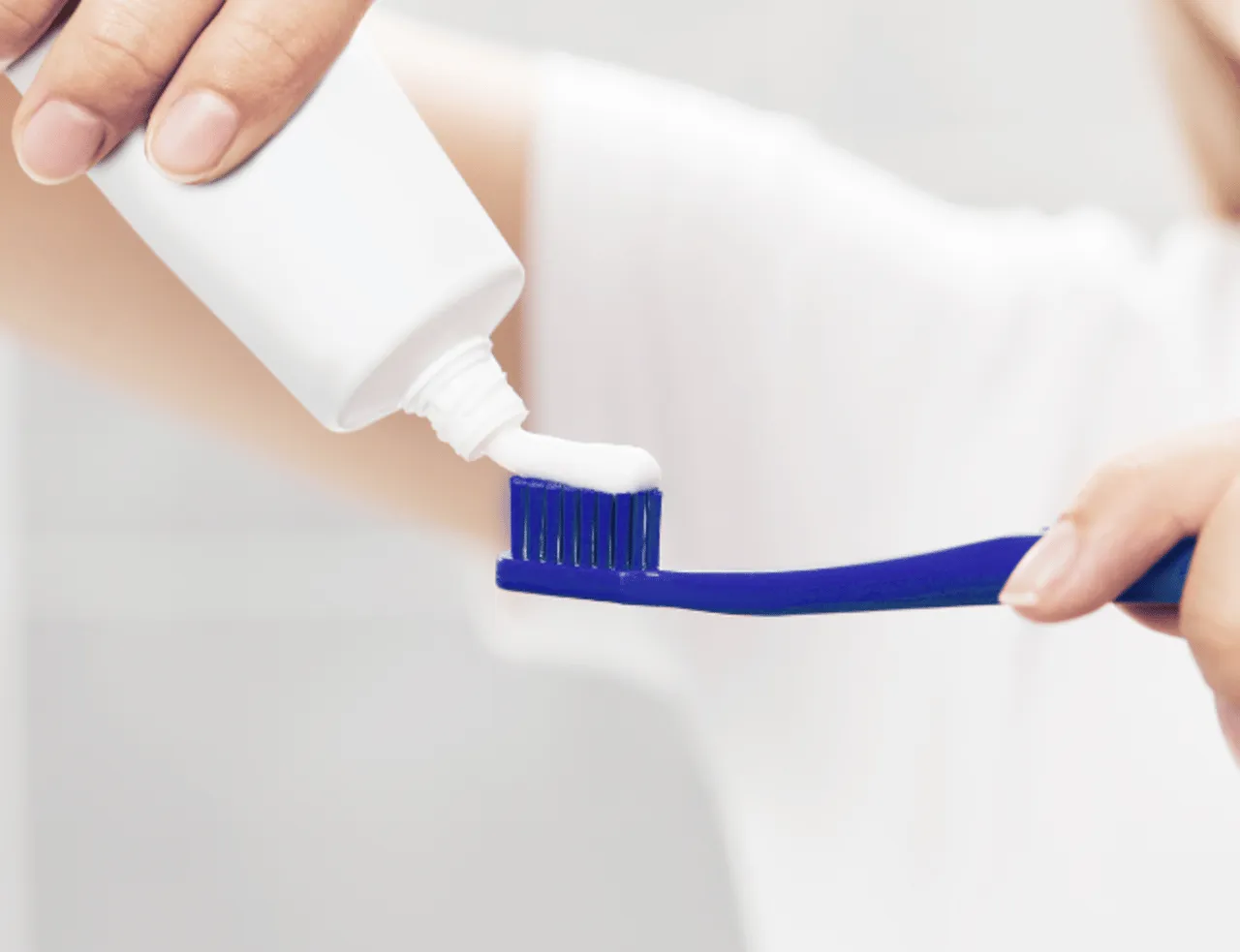
How do I brush my teeth properly? The right technique
Many patients ask us: ‘How do I brush my teeth properly?’ Here is a simple step-by-step guide that you can follow every day:
1. Get the angle right: Hold the toothbrush at a 45° angle to the gums.
2. Movement: Start with small, vibrating movements and then guide the brush towards the crown of the tooth.
3. Work systematically: Brush the outer surfaces first, then the inner surfaces and finally the chewing surfaces.
4. Maintain the order: Always work your way along row by row — that way, you will not miss any area.
5. Avoid pressure: Do not apply too much pressure, in order to protect your gums and tooth enamel.
Tip: Be particularly thorough around the molars, the gumline, fillings, crowns and dentures.
Which toothbrush is best?
There is a huge selection of toothbrushes — but which one is best? As a general rule:
Use a toothbrush with soft or medium-hard synthetic bristles.
A small brush head helps you reach areas that are difficult to access.
Replace your toothbrush after three months at the latest, or when the bristles become worn.
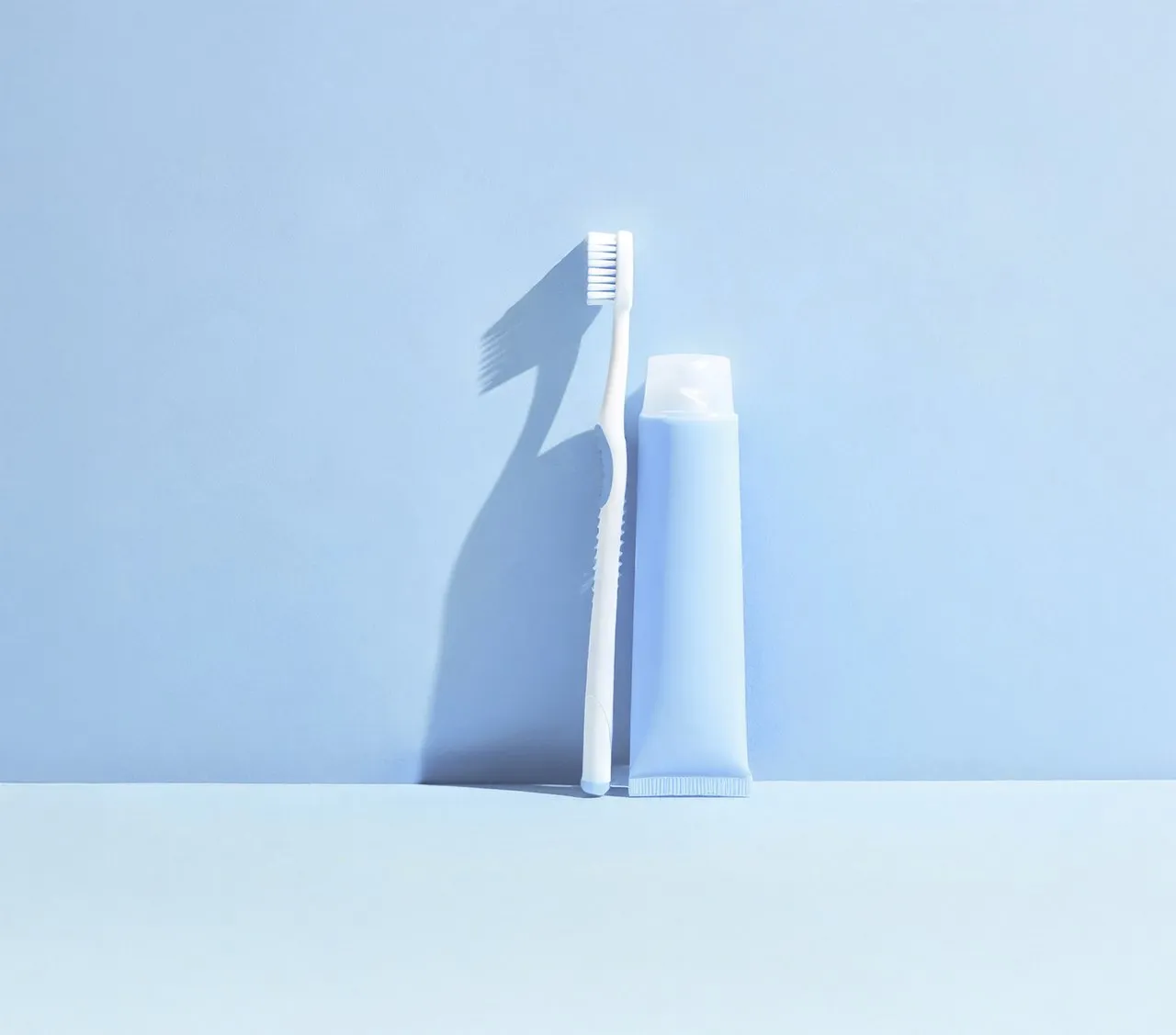
Toothbrush and toothpaste – the perfect duo
It is not just the toothbrush: choosing the right toothpaste also plays a crucial role. Make sure that the toothpaste:
• contains fluoride — to protect against caries
• has low abrasivity (RDA value) — to protect the tooth enamel
• is tailored to your needs (e.g. sensitive toothpaste for sensitive teeth)
For children, we recommend age-appropriate toothbrushes and mild toothpaste, as their tooth enamel is still particularly sensitive.
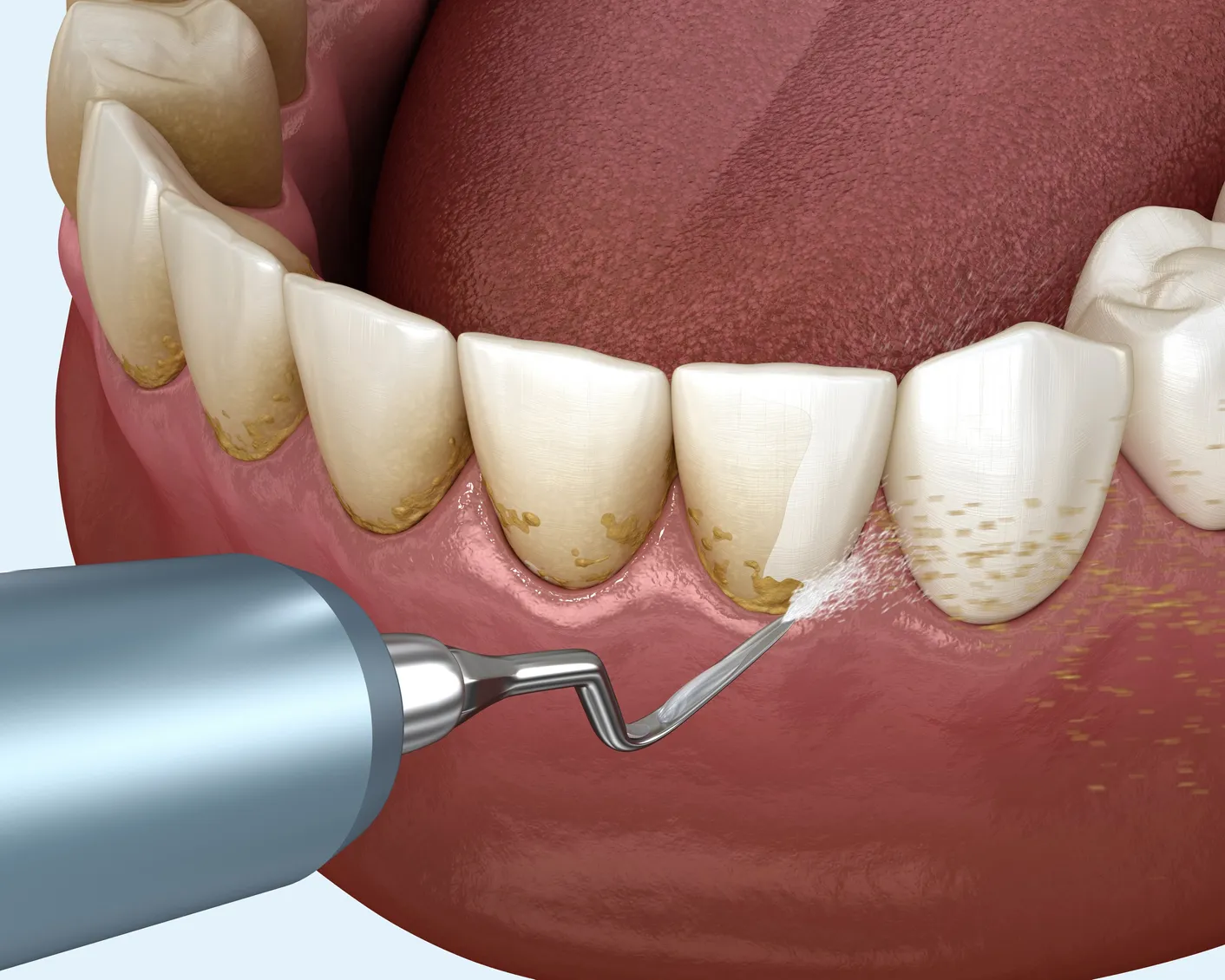
Don’t forget to clean between your teeth
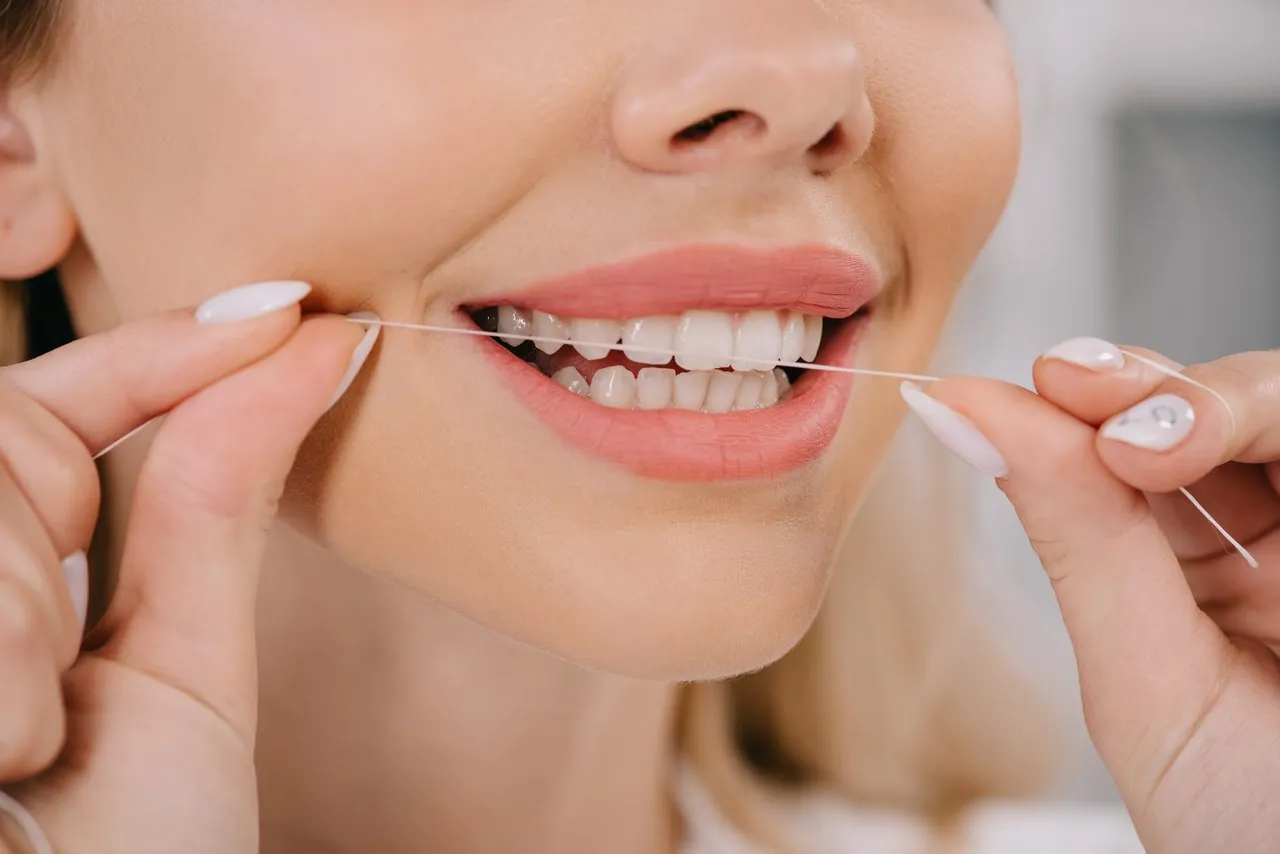
Around 30 to 40 per cent of all tooth surfaces are in the interdental spaces, and a toothbrush cannot fully reach them — this is why these surfaces need a separate cleaning aid. The S3 guideline recommends cleaning the interdental spaces regularly, several times a week, with dental floss or interdental brushes. It does not matter whether you do this before or after brushing the other surfaces.
The interdental spaces are an area that is often neglected when brushing. Food debris and plaque accumulate here particularly easily. Use the following every day:
• Dental floss
• Interdental brushes
• Or oral irrigators
Only then can you ensure a complete clean — a toothbrush alone is not enough.
Brushing your teeth properly – our conclusion
‘How do I brush my teeth properly?’ – few questions could be more important. With the right technique, the right aids and a little time, you are making a lasting investment in your dental health. At our Wunschlachen dental practice, we would be happy to advise you in person. We will show you the ideal brushing technique and help you get the most out of your dental care.
Sources and date of information
The recommendations on this page come from the S3 guideline ‘Caries prevention in permanent teeth – basic recommendations’, AWMF register number 083-021. The German Society for Conservative Dentistry and the German Society of Dental, Oral and Craniomandibular Sciences led the work; the German Dental Association and the National Association of Statutory Health Insurance Dentists were involved in reaching the consensus. The guideline is dated 28 January 2025 and is valid until 27 January 2030.
The information on how often people in Germany actually brush comes from the Sixth German Oral Health Study, which the Institute of German Dentists conducted on behalf of the German Dental Association and the National Association of Statutory Health Insurance Dentists between 2021 and 2023 and published on 17 March 2025. The fluoride recommendations for children up to their sixth birthday follow the recommendations for action issued by the nationwide Healthy Start in Life network in 2021. This information was last updated in August 2026.
FAQ – frequently asked questions
By thoroughly cleaning all tooth surfaces with systematic movements and at the correct angle. Do this at least twice a day for two minutes.
A soft to medium brush with a small brush head, or an electric toothbrush.
Every 3 months or when the bristles are visibly worn.
An electric toothbrush generally cleans more thoroughly and is easier to use.
Move the brush slowly along each tooth. The device performs the brushing motion.
With dental floss, interdental brushes or a water flosser. Ideally every day.
A fluoride toothpaste with low abrasivity, suited to your needs.
Yes, you can brush straight after eating. The previously common recommendation to wait twenty to thirty minutes after acidic foods or drinks can no longer be upheld on the basis of the available studies, according to the current S3 guideline. The guideline also points out that the waiting time creates its own risk: people who are told to wait often end up not brushing at all, and the plaque left behind increases the risk of tooth decay. From the perspective of preventing tooth decay, it makes sense to brush after meals.
With age-appropriate toothbrushes, playful methods and a shared routine.
Too hard, yes; too often, probably not. When used as intended, a toothbrush alone causes no mechanical damage to either the enamel or the dentine. Damage is caused by the combination of brush and toothpaste, particularly where the dentine is exposed, and by excessive pressure that injures the gums. The guideline therefore recommends regularly checking that the brushing technique is not being used in a way that causes injury — not brushing less often.
No. The S3 guideline ‘Caries prevention in permanent teeth’ gives its highest recommendation grade, A, to cleaning the teeth at least twice a day with fluoride toothpaste. The underlying review examined both comparisons separately: brushing once a day reduces tooth decay more than brushing less often, and brushing twice or more often reduces it even more than brushing once. In Germany, 82.2 per cent of 35- to 44-year-olds meet this minimum.
There is no separate recommendation for this. The guideline uses figures to explain the step from once to twice; there is no comparable evidence for an additional brushing session. A third session is not harmful, provided you brush without pressure and your tooth necks are not exposed. More important than a third session is making sure the two existing sessions are thorough: in the Sixth German Oral Health Study, 44 to 52 per cent of the tooth segments examined still had plaque after participants had brushed their own teeth.
Afterwards. The guideline states as an expert consensus that, from the perspective of preventing tooth decay, it makes sense to brush after meals because this removes food debris as well as plaque. There is no need to wait, even after orange juice or other acidic drinks.
Twice a day from the first birthday — and fluoride supplementation depends on age. In the first year of life, from the first milk tooth, the recommendations set out two options, exactly one of which should be chosen: either a fluoride tablet together with brushing without toothpaste or with a small amount of fluoride-free toothpaste, or brushing up to twice a day with a grain-of-rice-sized amount of toothpaste containing 1,000 ppm fluoride and no more fluoride tablets. The daily vitamin D tablet remains in both cases — with this approach, it is simply given without added fluoride. The Healthy Start Network (Netzwerk Gesund ins Leben) states: ‘Under no circumstances should both be used.’ From the first birthday, brush twice a day with 1,000 ppm fluoride, using a grain-of-rice-sized amount until the second birthday and a pea-sized amount thereafter. Which option is right in the first year should be discussed with the paediatric practice, because the tablet is also linked to vitamin D supplementation. Children and adolescents should additionally have fluoride varnish applied at the practice at least twice a year, and generally four times a year where the risk of tooth decay is greatly increased.
Regularly, several times a week — that is the recommendation in the S3 guideline. The reason is the surface area: around 30 to 40 per cent of all tooth surfaces are between the teeth, and a toothbrush cannot reach them completely. It makes no difference whether you use dental floss before or after brushing.