
Sport with braces: planning mouthguard use and training
Many children, teenagers and adults want to continue training while wearing braces. The question is not only whether football, basketball or martial arts are allowed. The type of appliance, possible collisions and the fit of a mouthguard also need to be considered when planning. Discuss your sport with the orthodontic practice before buying protection or independently changing how you wear a removable brace. The following advice will help you prepare for this decision and your next training session.
The short answer
Braces do not automatically rule out sport. The key factors are the risk of injury, the type of brace and suitable protection for your treatment.
- The risks associated with your sport
- In contact and collision sports, blows, falls or collisions can strike the mouth. A ball, racket or piece of sports equipment can also cause a dental injury. A suitable sports mouthguard can reduce the risk of certain mouth and tooth injuries. However, it does not prevent every injury and replaces neither the other protective equipment nor the rules of the sport. Braces are used for treatment; they do not perform the function of a sports mouthguard.
- What is different with fixed braces
- Brackets and archwires change the surface of the teeth. An impact can also injure the mucosa or damage parts of the appliance. In addition, the teeth move during treatment. A mouthguard must suit this situation without impeding the intended tooth movement or putting pressure on the brace. A previously purchased guard will therefore not automatically fit throughout the entire treatment.
- Choosing and trying out a mouthguard
- There are ready-made, mouldable and custom-made mouthguards. Their suitability depends on factors including the fit and the treatment. Do not choose solely on the basis of colour, price or the label ‘for sport’. State explicitly that you wear braces, and have it explained how the intended model works with brackets and tooth movement. Heat-fitting methods should not be used on fixed braces without appropriate instructions.
- What matters after an impact
- Stop training if an impact causes pain, bleeding, loose teeth or damage to the appliance. A loose bracket requires different treatment from a dental injury; after an accident, both problems may occur at the same time. Inform the dental or orthodontic practice and describe what happened. Do not attempt to adjust a displaced tooth or a damaged archwire yourself.
What risks your sport involves
Contact and collision sports can involve blows, falls or collisions affecting the mouth. A ball, racquet or piece of sports equipment can also cause a dental injury. A suitable sports mouthguard can reduce the risk of certain mouth and dental injuries. However, it does not prevent every injury and is no substitute for other protective equipment or the rules of the sport. Braces are used for treatment; they do not perform the function of a sports mouthguard.
When discussing this, describe how you train as specifically as possible: team or individual training, competition or leisure, physical contact and existing protective equipment. The name of the sport alone does not explain every situation. Planning for a training session without contact may differ from that for a competition involving direct collisions. Also ask your club what rules apply to braces and mouthguards.
What is different with fixed braces
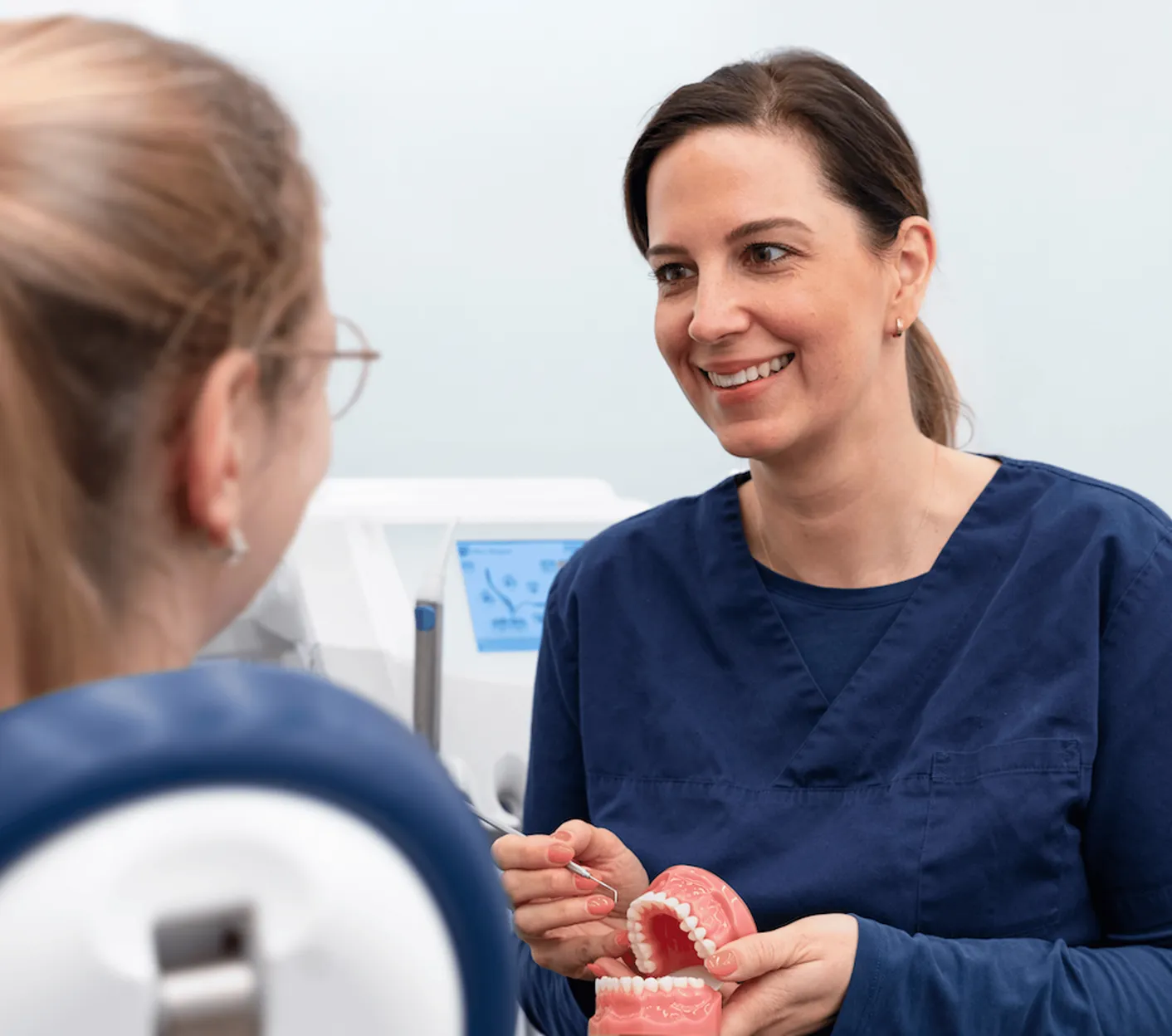
Brackets and archwires change the surface of the teeth. An impact can also injure the mucosa or damage parts of the appliance. In addition, the teeth move during treatment. A mouthguard must suit this situation without impeding the intended tooth movement or putting pressure on the brace. A previously purchased guard will therefore not automatically fit throughout the entire treatment.
Have the fit and handling assessed professionally. A guard suitable for braces may be designed differently from a model for teeth without an appliance. For more complex appliances, it must be specifically determined whether a suitable guard can be used or whether certain activities should be temporarily avoided. The guide to fixed braces provides background information on the appliance.
Removable braces and retainers
For contact sports, removable appliances are taken out as instructed by the orthodontist and replaced with a suitable mouthguard. A retainer or aligner is no substitute for this protection. Agree when the appliance should be put back in and how training time fits into your individual wearing schedule. Do not apply a general sports recommendation to a special appliance without asking.
Take a sturdy, labelled storage case with you. A tissue, trouser pocket or the edge of the washbasin is an unsuitable place to put it. After training, check that the appliance is there and undamaged. If it is lost or no longer fits, contact the practice. Do not force it into place by biting down hard.

Choosing and trying a mouthguard
There are ready-made, mouldable and custom-made mouthguards. Their suitability depends on factors including the fit and the treatment. Do not choose solely on the basis of colour, price or the label ‘for sport’. State explicitly that you wear braces, and have it explained how the intended model works with brackets and tooth movement. Heat-fitting methods should not be used on fixed braces without appropriate instructions.
Try out the agreed handling at your leisure before the first competition. It should be possible to insert and remove the guard as intended; breathing and communication must remain possible. If it feels tight, creates noticeable pressure or moves the brace with it, have the fit checked. An uncomfortable guard that is constantly taken out does not serve its purpose during these breaks.
Care and checks are essential
Clean and store your sports mouthguard according to the material and manufacturer’s instructions. Do not leave it in a hot car or next to a heat source. Damage, sharp edges and changes in fit should be assessed before the next use. Another person’s mouthguard is not a suitable short-term replacement.
Bring the mouthguard to orthodontic check-ups and ask when the fit should be checked again. After major changes to the appliance or significant tooth movement, an adjustment or a different model may be required. Keep the care instructions and the practice’s contact details together with your brace case. This way, important information will not get lost while you are out and about.
What to do after a blow
Stop training if a blow causes pain, bleeding, loose teeth or damage to the appliance. A loose bracket requires different care from a dental injury; after an accident, both problems may occur at the same time. Inform your dental or orthodontic practice and describe what happened. Do not attempt to manipulate either a displaced tooth or a damaged archwire yourself.
If consciousness is impaired, there are breathing problems, severe bleeding that cannot be controlled or a life-threatening condition, call 112. Head injuries may also require medical assessment. Even subsiding pain does not prove that a tooth is uninjured. The guide to dental accidents explains further steps; information on problems with the appliance can be found under brace help.
A short agreement for training
Before the next session, make a note of which mouthguard will be used, where the removable appliance will be kept and who should be called in the event of an accident. For children, parents and carers should be aware of these arrangements. Brief information about the braces is sufficient; personal medical records do not need to be distributed within the team for this purpose.
Ask again if your sport, level of competition or appliance changes. There is no general approval for every sport during every phase of treatment. A coordinated plan, on the other hand, enables a specific decision: which activity is suitable now, what equipment is needed and when another check is due. Regular treatment and training can thus be organised together.
Frequently asked questions
This is assessed according to the sport and the appliance. For sports with a risk of injury, a suitable mouthguard should be included in the planning. Discuss special appliances and competition rules in advance.
They do not perform the function of a sports mouthguard. Brackets and archwires can also be damaged in an impact or injure the mucosa.
Only if the fit and suitability for the current treatment have been checked. Tooth movement and changes to the appliance may make an adjustment or a different guard necessary.
Discuss removing it and the suitable mouthguard with the orthodontic practice. Store the appliance in a sturdy case and adhere to the agreed wearing schedule.
No. A retainer maintains the position of the teeth after treatment and does not thereby become protection against sports injuries. The appropriate equipment for contact sport must be discussed separately.
Stop training and get any pain, bleeding, loose teeth or damage checked. If consciousness is impaired, there are breathing problems or the condition is life-threatening, call 112.