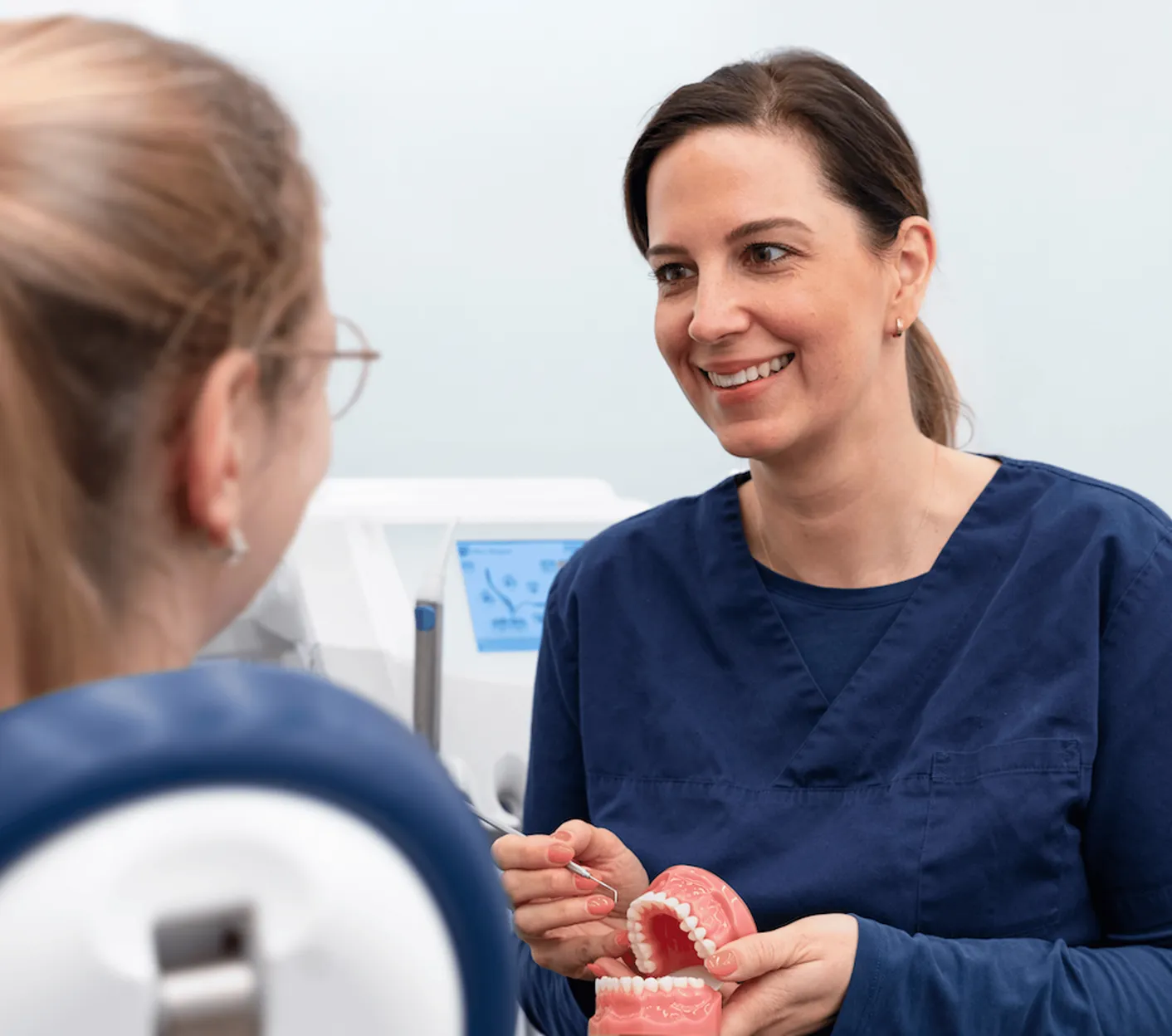
Bionator: removable brace for children during growth
A Bionator is a removable functional orthodontic appliance. It is often discussed in connection with growth and the relationship between the upper and lower jaws. Parents often ask what the appliance is intended to do, how long it is worn and whether a fixed brace will still be needed later. The answers depend on the clinical findings. The name of the appliance alone says neither whether it is suitable for a child nor how the treatment as a whole will proceed.
The short answer
The Bionator is one of the functional orthodontic appliances. Whether it is suitable depends on the malocclusion, growth and the overall treatment plan.
- What functional orthodontics means
- Functional orthodontic appliances influence the position of the lower jaw and the interaction within the mouth during treatment. There are different designs, including the Bionator. They are not bonded to the teeth like a fixed brace, but are inserted and removed according to instructions. Their effect depends, among other things, on selecting the right appliance and on how it is actually used.
- Situations in which a Bionator may be considered
- Functional appliances are used for selected malocclusions, often when the upper front teeth protrude markedly and the jaw relationship is to be influenced during growth. Whether a Bionator or another appliance is suitable is determined by the diagnostic assessment. Age alone is not sufficient to decide this. Dental development, growth, the bite and the ability to wear the appliance as intended are also considered.
- Wearing time is part of the individual instructions
- The prescribed daily wearing time is determined by the treatment team. Do not adopt a general number of hours from another treatment plan. The rules for eating, sport and sleep may also differ. Have the handling demonstrated and ask questions if a phrase such as “wear it regularly” remains too vague for everyday life.
- Cleaning, storage and damage
- Clean the appliance according to the instructions for its material and also take care of the natural teeth. Very hot water and aggressive cleaning products chosen yourself may be unsuitable. Ask which brush and cleaning product are intended to be used. The case provides a dedicated storage place outside the mouth; a tissue can easily be mistaken for rubbish.
What functional orthodontics means
Functional orthodontic appliances influence the position of the lower jaw and the way the mouth works together during treatment. There are different designs, including the bionator. Unlike fixed braces, they are not bonded to the teeth; instead, they are inserted and removed as instructed. Their effectiveness depends, among other things, on selecting the right appliance and actually using it as directed.
During the consultation, ask which specific problem is to be treated. An explanation based on your child's clinical findings is more important than a general statement about ‘harmonious growth’. Is the aim to change the spacing between the front teeth or influence how the teeth meet? Which parts of the plan concern the teeth and which concern the relationship between the jaws? Questions like these help make the purpose of the appliance clear.
When a bionator may be considered
Functional appliances are used for selected malocclusions, often when the upper front teeth protrude markedly and the aim is to influence the relationship between the jaws during growth. Diagnostic assessment determines whether a bionator or another appliance is suitable. Age alone is not enough to decide this. Tooth development, growth, the bite and whether the appliance can be worn as intended are also taken into account.
A visible overjet can have various causes. The clinical findings should therefore not be assessed solely on the basis of the front teeth or a profile photograph. Have it explained why the chosen timing is appropriate and what alternative is available for your child. Starting treatment early is not automatically the more suitable approach for every malocclusion.

What assessment takes place before the decision
Orthodontic planning records the position of the teeth, the jaw relationship and other findings. Depending on the situation, images or models form part of the diagnostic assessment. A treatment goal is developed from these. The appliance should be selected according to how well it suits this goal, not based on a preference for a particular well-known design. Other functional appliances may also be an option.
Prepare information about previous treatments, difficulties with chewing, relevant illnesses and the child's expectations. Ask about the limitations of the proposed therapy. The guide to jaw misalignment provides additional background. A clear plan describes not only the desired outcome, but also the proposed course of treatment and check-ups.
Wearing time is part of the individual instructions
The prescribed daily wearing time is determined by the treatment team. Do not adopt a general number of hours from another treatment plan. The rules for eating, sport and sleep may also differ. Have the handling demonstrated and ask questions if a phrase such as “wear it regularly” remains too vague for everyday life.
A clear routine helps children: when is the brace inserted, when is it cleaned and where is the case kept? Work out together how school, hobbies and overnight stays will be accommodated. The plan should be specific enough for the child to understand it. If they repeatedly cannot follow it, talk about this; making additional adjustments to the appliance yourself or secretly changing the wearing time will not help.
Adjusting to speaking and wearing it in the mouth
A new removable appliance may feel unfamiliar at first. Speech and saliva flow may change temporarily. These observations should be raised at the follow-up appointment. The adjustment process varies from person to person. Someone else's experience with a different design is therefore not a benchmark your child has to meet.
Practise inserting and removing the appliance according to the instructions you have been shown. Contact the practice if there is severe pain, marked pressure points or a poor fit. An appliance that can no longer be inserted as demonstrated must not be forced into position. Whether to stop wearing it temporarily or wear it differently is a decision for the team. Read more about this type of appliance under Removable brace.
Cleaning, storage and damage
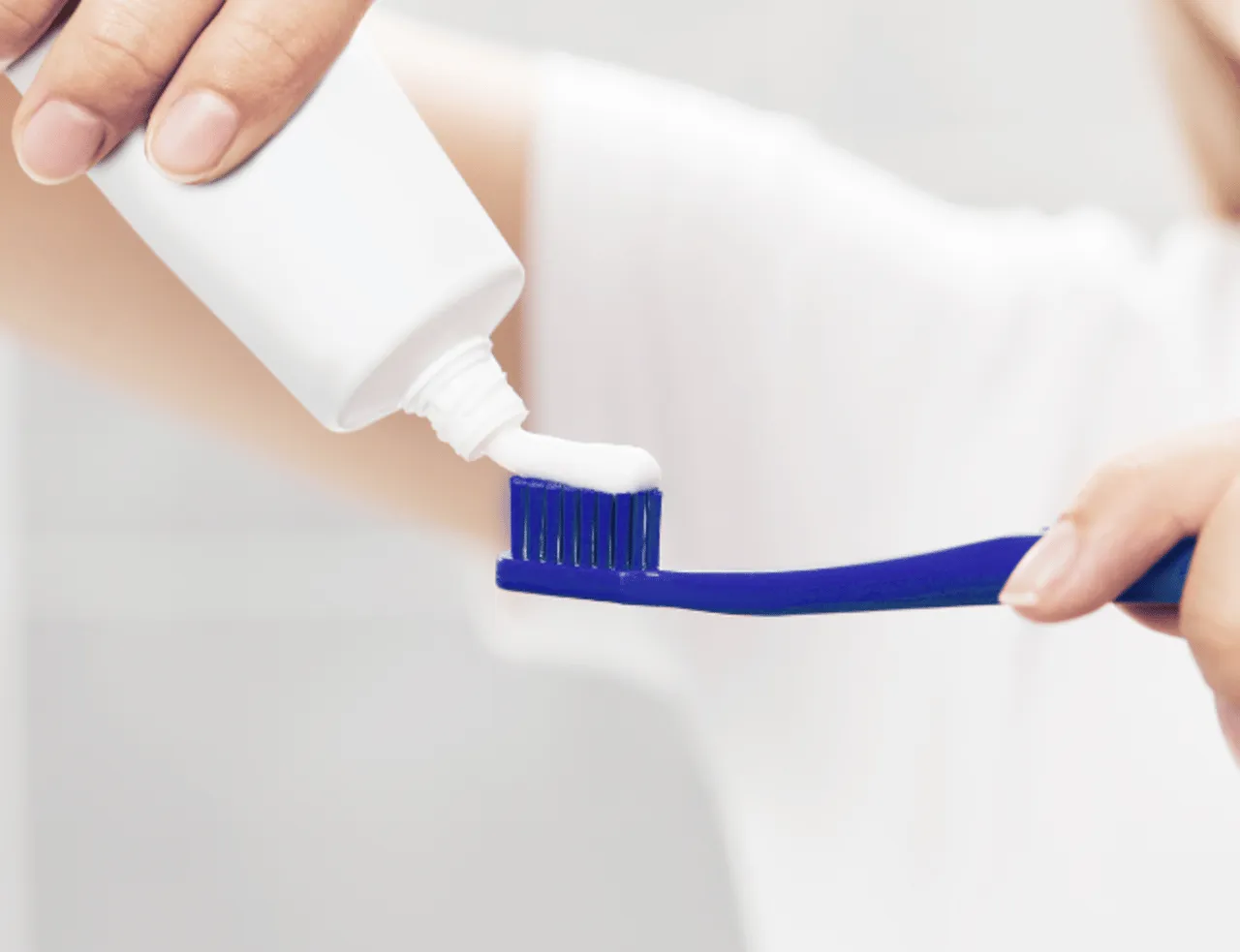
Clean the appliance according to the instructions for its material and also take care of the natural teeth. Very hot water and aggressive cleaning products chosen yourself may be unsuitable. Ask which brush and cleaning product are intended to be used. The case provides a dedicated storage place outside the mouth; a tissue can easily be mistaken for rubbish.
Contact the practice if there is a crack, a bent wire, a loss or any other damage. Gluing, bending or grinding it at home can alter its fit and function. Explain what is damaged and ask what to do until your appointment. If several appliances or spare parts are available, do not use an earlier appliance with a different fit on your own initiative.
Why further treatment may follow later
Functional orthodontic treatment and the precise alignment of individual teeth are not always the same stage of treatment. Fixed braces or another further phase may be needed after a functional appliance. Whether this is planned should be explained during the initial consultation. A bionator therefore does not automatically mean that no further appliances will be needed later.
Ask about the overall plan: what is the purpose of this phase, when will it be reviewed and what further steps might follow? Planning should also include retention after treatment has been completed. Claims about posture, general health or reliably avoiding later surgery cannot be inferred from the name bionator alone. The specific orthodontic findings are what matter.
Follow-up appointments, costs and clear goals
Regular follow-up appointments check the fit, development and subsequent progress. Depending on the findings, the team may adjust the appliance or the plan. Before an appointment, make brief notes on how well your child is managing to use the appliance and whether there are any problems. Honest feedback also helps if the appliance has been worn less than intended. An unrealistic record of wearing time makes it harder to assess the situation appropriately.
For orthodontic treatment covered by German statutory health insurance, reimbursement depends on the applicable eligibility requirements and the individual clinical findings. Optional extras and privately agreed services must be explained separately. Ask for the treatment and cost plan to be explained and find out what role the bionator plays in it. This turns the name of an appliance into an understandable decision about a particular phase of treatment.
Frequently asked questions
It is removable and belongs to the functional orthodontic appliances. This group includes various devices; the exact design and purpose depend on the treatment plan.
No. The causes of the malocclusion, growth, dental development and possible ways of using an appliance are examined. The clinical findings determine which appliance and which timing are suitable.
Your orthodontic team will determine this individually. Have the daily routine, breaks and rules for sleep or sport explained specifically. A number of hours prescribed for someone else is no substitute for these instructions.
That may be necessary, for example for further tooth movements or precise alignment. Whether an additional phase is planned should be explained in the overall treatment plan.
Contact the practice. Do not force it in and do not bend, grind or glue it yourself. Ask how it should be worn until your check-up.
No. Its effect and the course of treatment depend on the clinical findings, growth and use. The team will explain achievable goals, limitations and possible further treatment steps.