
Implantology in Berlin: Modern dental implants
Implantology replaces missing teeth with artificial tooth roots. This restores function, aesthetics and stability in the jaw. At Wunschlachen, precise planning is at the heart of what we do.
Über 350 Google-Bewertungen
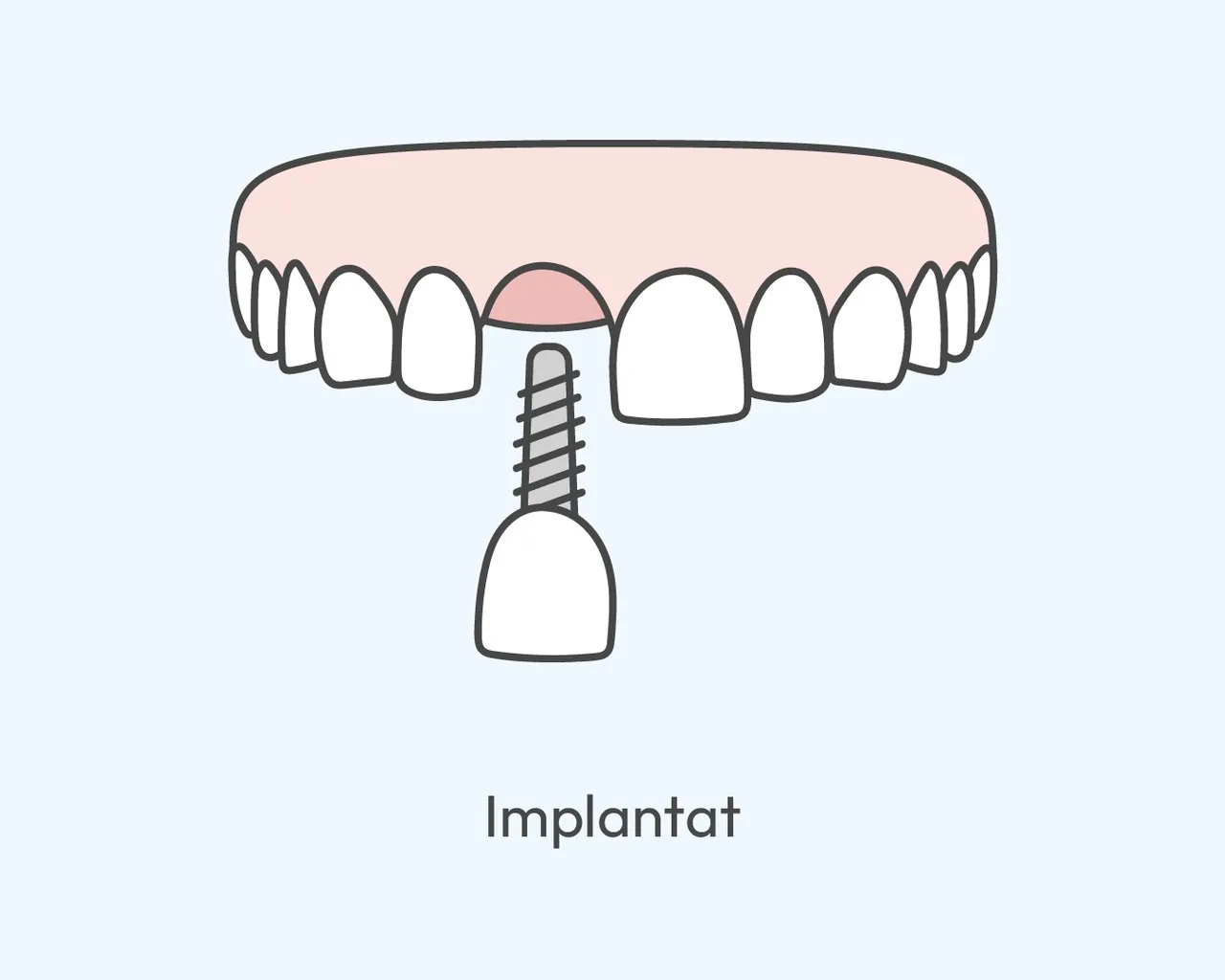
What does implantology mean in dentistry?
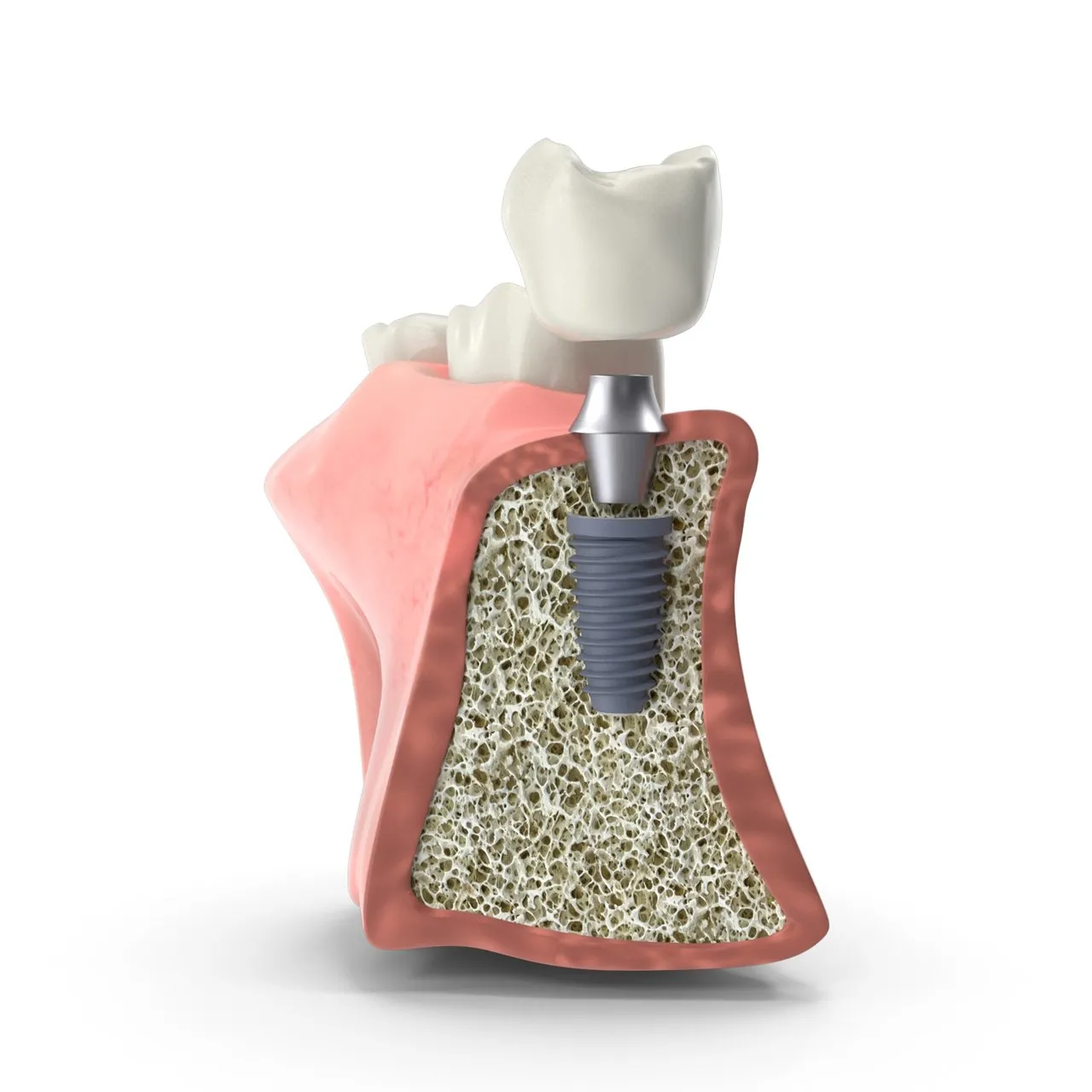
Dental implantology in Berlin involves placing implants in the jawbone. An implant is usually made of titanium or ceramic. A crown, bridge or denture is subsequently attached to it. Implants transfer chewing pressure back into the bone. This can slow down bone loss following tooth loss. Many patients regain confidence when eating and speaking as a result.
When is a dental implant advisable?
An implant is advisable when a tooth is missing or cannot be preserved. Implant treatment can also provide stability for larger gaps. Sufficient bone quality is a prerequisite. Common causes include tooth loss due to caries or periodontitis. Accidents and long-standing root problems can also play a role. We always assess whether the tooth can still be preserved.
Diagnosis and digital planning
At the outset, we carry out a thorough assessment. This includes X-rays and often a 3D scan. This enables us to identify the bone height, the course of the nerves and the maxillary sinuses. Digital planning determines the position and axis of the implant. This allows the subsequent dental restoration to be functional and aesthetically pleasing. Template-guided implantation may be possible on request.
The implant treatment process
• First, there is a consultation with a cost and time plan. This is followed by the surgical phase under local anaesthetic. The implant is placed in the bone.
• The healing phase, also known as osseointegration, then begins. It usually takes several weeks to months. The implant is then uncovered and fitted with a prosthetic restoration.
• The colour of the crown is matched to the neighbouring teeth. Bridges are also possible with multiple implants. In edentulous jaws, implants often stabilise a denture.
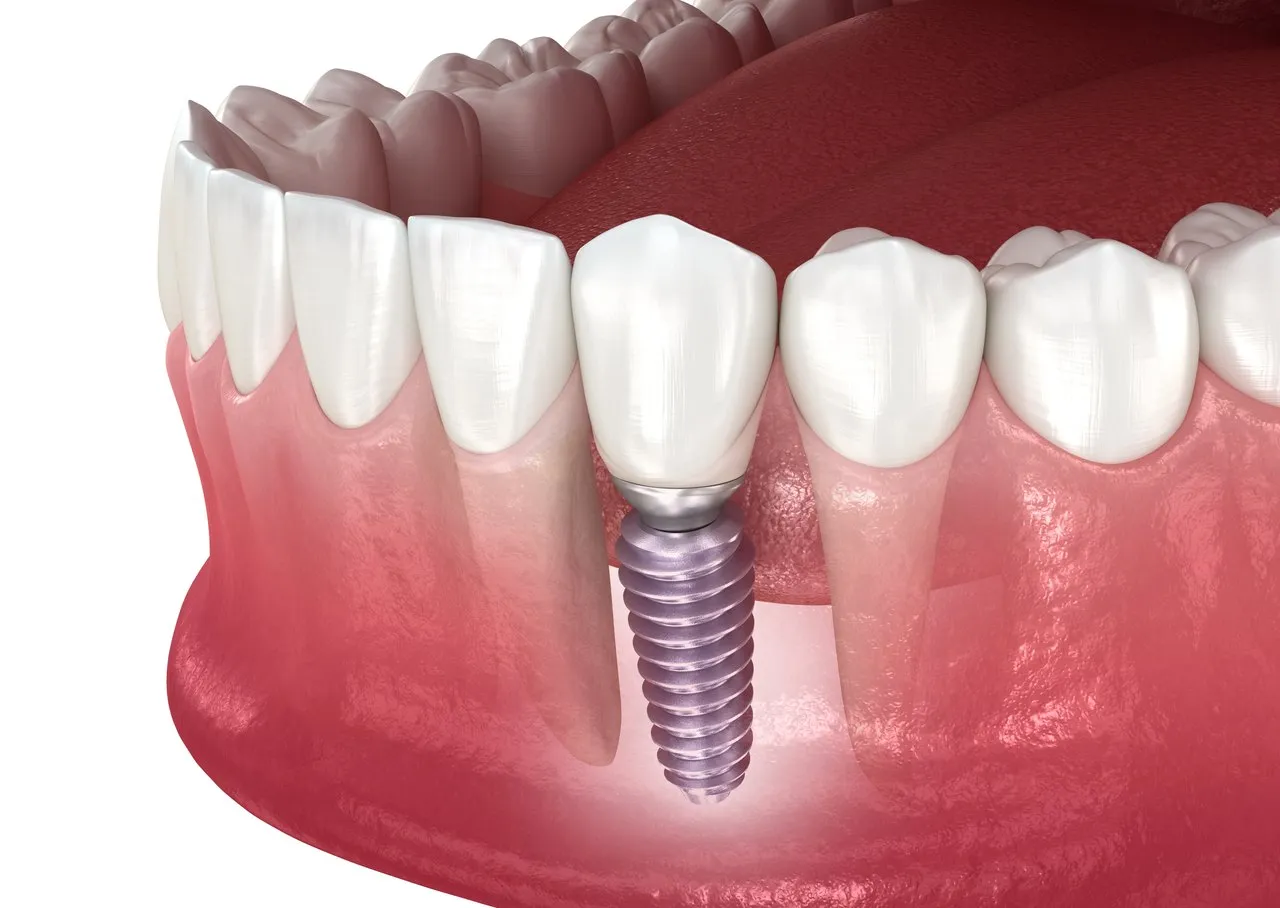
Bone augmentation and sinus lift: When bone is lacking
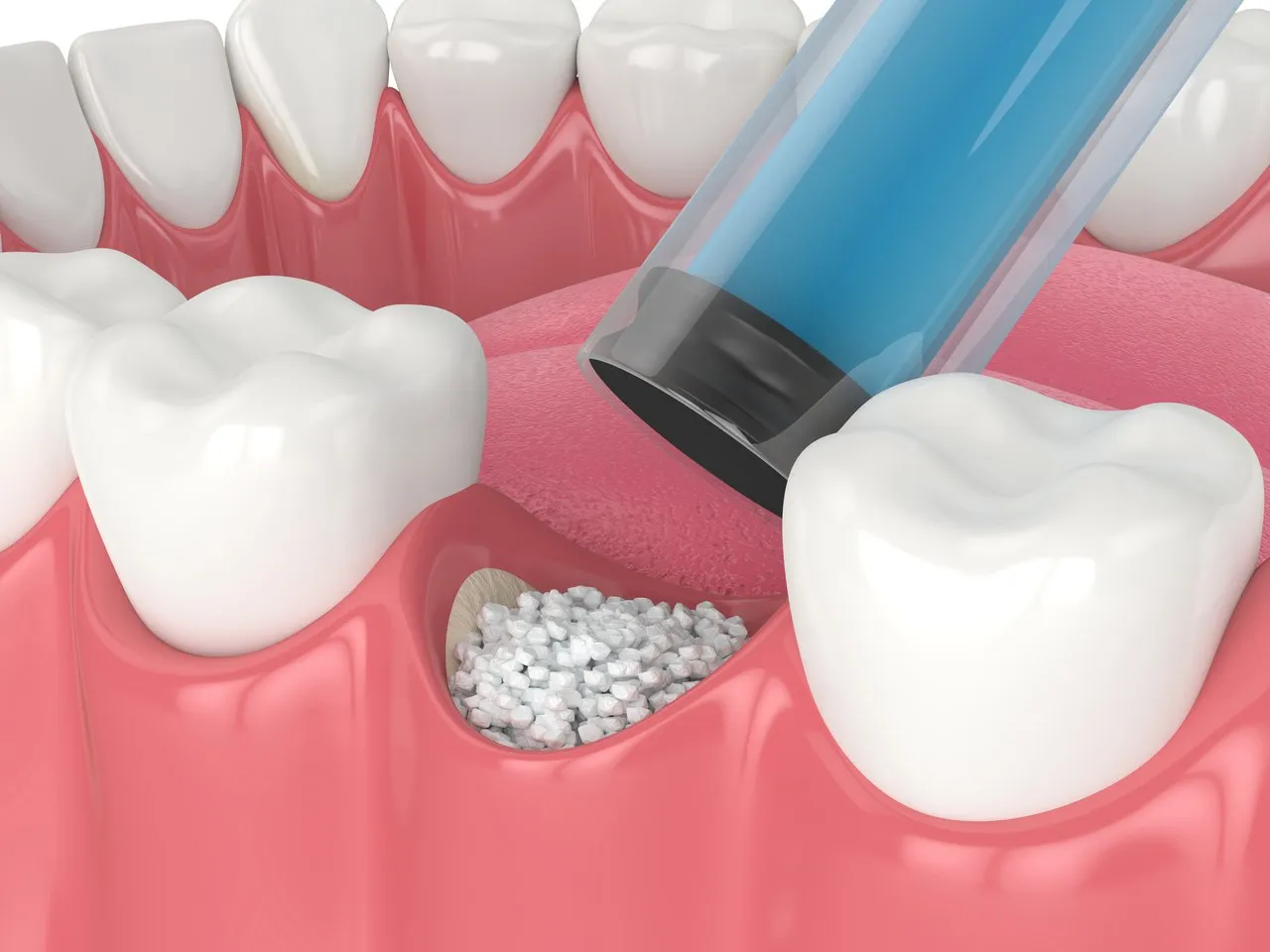
Bone often deteriorates after prolonged tooth loss. Bone augmentation may then be necessary. A sinus lift is sometimes also required in the upper jaw. This involves raising and filling the floor of the maxillary sinus. The patient's own bone or bone substitute material is used. We explain the benefits, risks and healing time in detail.

Risks, complications and inflammation
Implant therapy is a well-established procedure with high success rates. Nevertheless, complications are possible. These include swelling, bruising or a wound infection. Peri-implant inflammation can develop later. Early forms are called mucositis, while later forms are called peri-implantitis. Regular check-ups and professional cleaning are therefore important. Smoking, diabetes and untreated periodontitis increase the risk. Teeth grinding also places greater strain on implants. We take such factors into account before the procedure.

Sedation for anxiety: Relaxed treatment is possible
Many patients would like relaxed treatment. Sedation is possible in addition to local anaesthetic. This can be particularly helpful for extensive procedures. We discuss any pre-existing conditions and medication beforehand. Driving is not permitted after sedation. It is therefore advisable to bring someone with you.

Costs, subsidies and financing
The costs depend on the number of implants, the material and the work involved. Bone augmentation and the dental prosthesis also affect the price. Before treatment begins, you will receive a transparent treatment and cost plan. Statutory health insurance funds usually pay a fixed subsidy for standard care. Private insurance plans or supplementary insurance often reimburse more. Payment in instalments is also possible in many cases.
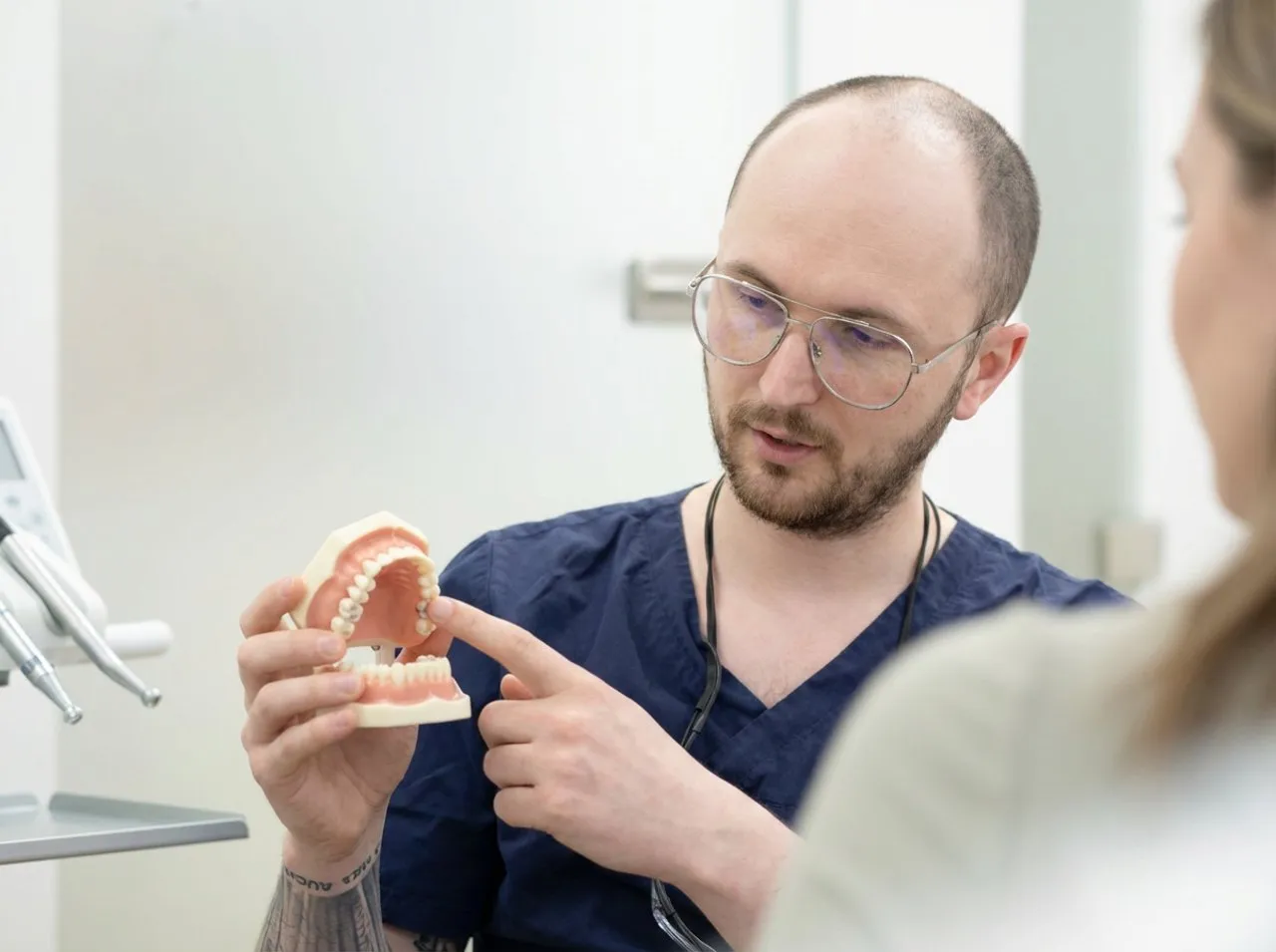
Wunschlachen in Berlin: Our approach
As a dental practice offering implantology, we rely on clear procedures. These include diagnostics, planning and controlled aftercare. This produces a predictable outcome with a high level of safety. Our implantology team in Berlin works on an interdisciplinary basis. Surgery and prosthetics are closely coordinated. This saves time and avoids unnecessary steps. Many patients search specifically for ‘implantology Berlin’. We combine modern technology with clear, understandable advice. Aesthetics and function are given equal priority. When comparing ‘implantology dentist’ options, look for experience. The equipment and hygiene concept also matter. We would be happy to advise you personally at the practice. We are a practice for dentistry and implantology. This means you receive diagnostics and treatment under one roof. This allows for short communication channels and clear lines of responsibility.

Care and aftercare for long-lasting implants
Implants require consistent oral hygiene. This includes brushing your teeth, using interdental brushes and attending regular check-ups. Professional implant cleaning complements your home care routine. The dental prosthesis should also be checked regularly. This allows loose screws or pressure points to be detected early. With good care, implants often last for many years.
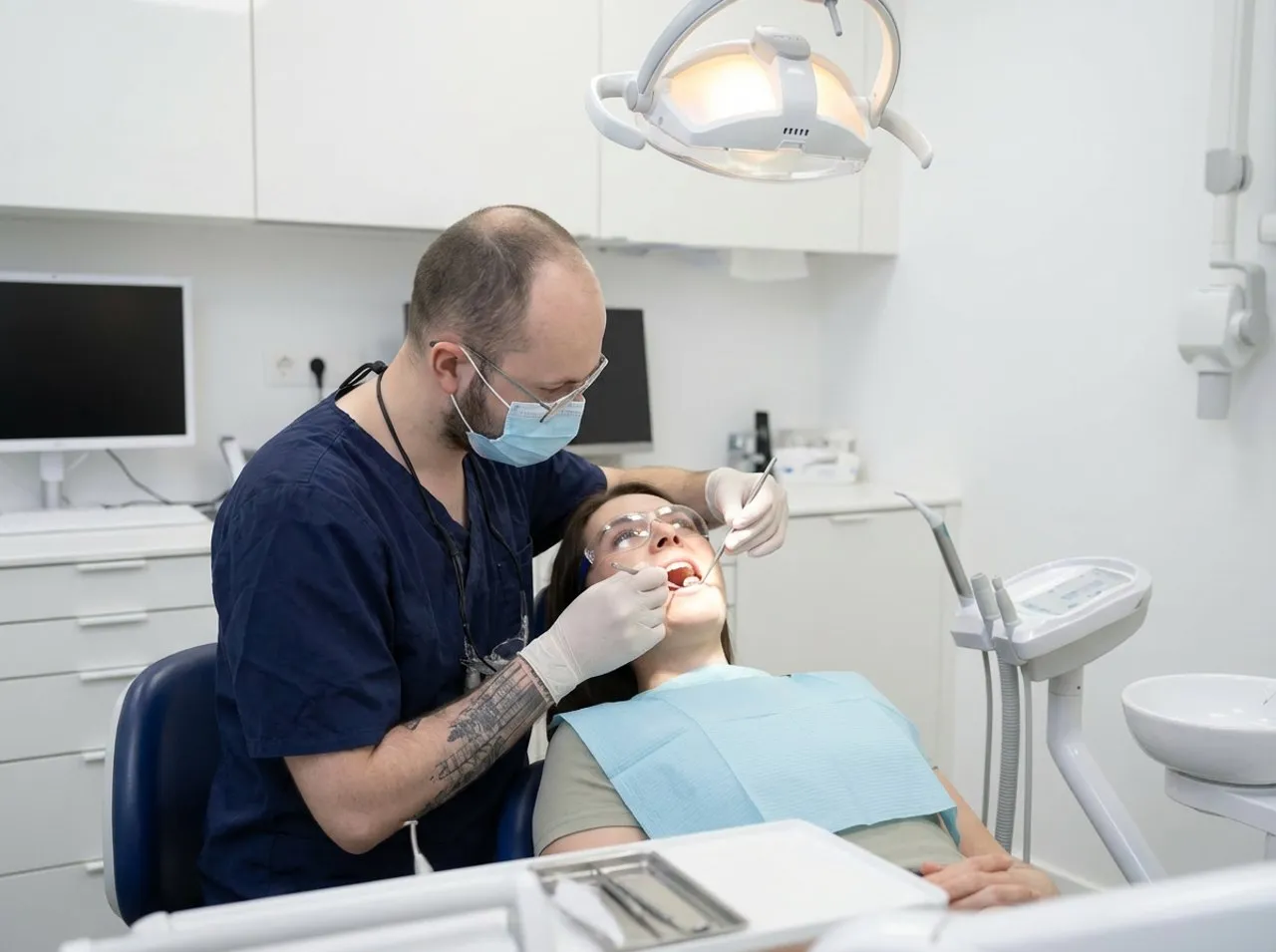
Conclusion: Fixed dental prostheses on implants
Implants can replace missing teeth very naturally. They improve chewing function, speech and self-confidence. Diagnostics, experience and consistent aftercare are crucial. If you would like a consultation, we are here to help. Book an appointment with Wunschlachen in Berlin. Together, we will plan your individual implant treatment.
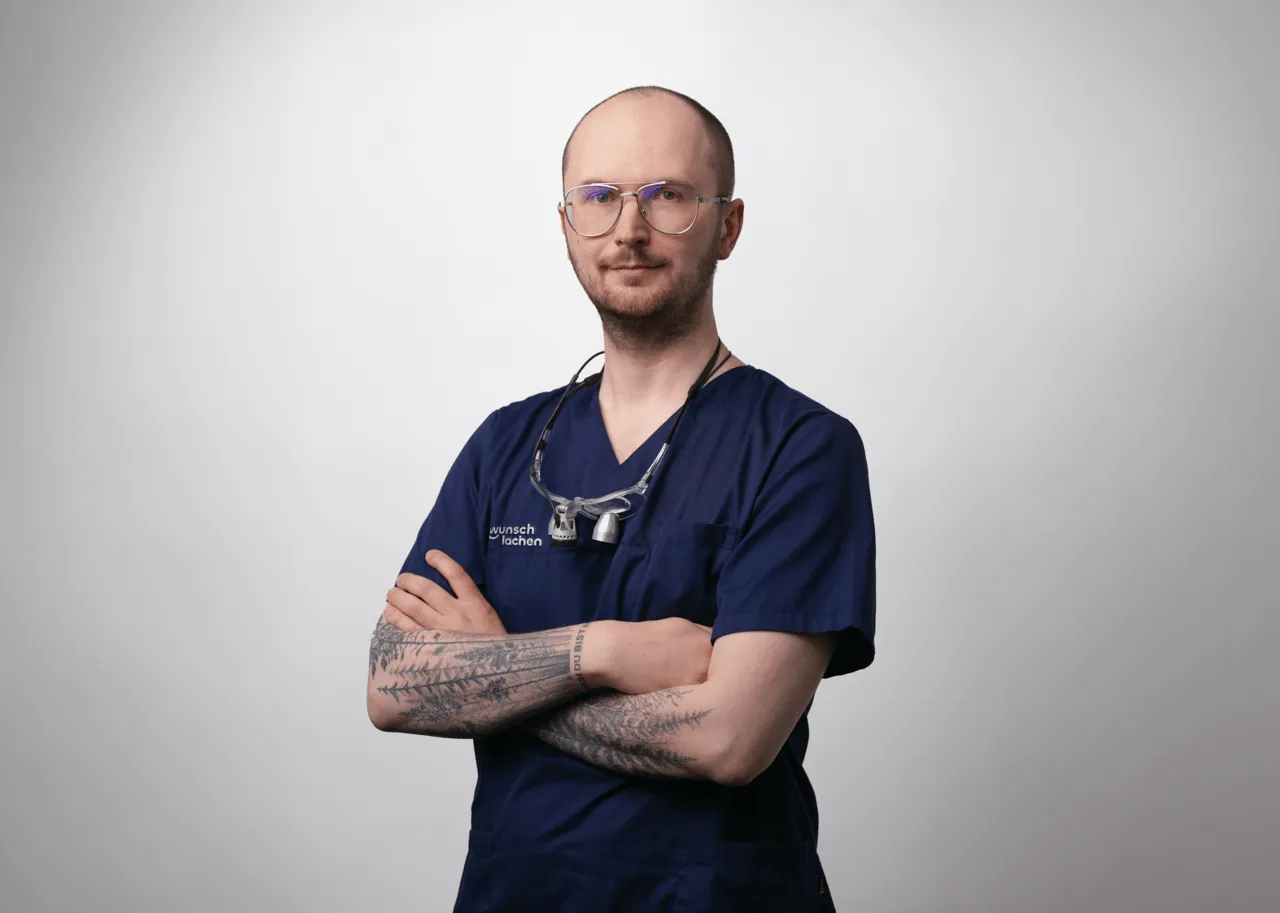
Head of Implantology
Lead dentist with a focus on surgery & founder of Wunschlachen
FAQ – Frequently asked questions about implantology
Implantology involves placing artificial tooth roots in the jaw. Fixed dental prostheses are later attached to them.
The operation is usually completed quickly. Healing takes several weeks to months, depending on the findings.
The procedure is carried out under local anaesthetic. A feeling of pressure and swelling are possible after the operation.
When the jawbone is too narrow or too low. The implant site is then surgically prepared.
This involves raising the maxillary sinus in the upper jaw. This creates space for bone and a stable implant.
Bruising or infection is possible in the short term. Peri-implantitis is the main long-term risk.
Brush thoroughly and clean between your teeth daily. Regular check-ups and professional cleaning are important.
Untreated periodontitis or heavy smoking increases the risk. Serious general medical conditions must also be assessed.
Statutory health insurance funds usually pay a fixed subsidy. The additional costs depend on the dental prosthesis and material.
We start with diagnostics, a consultation and a cost plan. This is followed by individual treatment planning.
Book your appointment now
We would be happy to advise you in person at our practice.