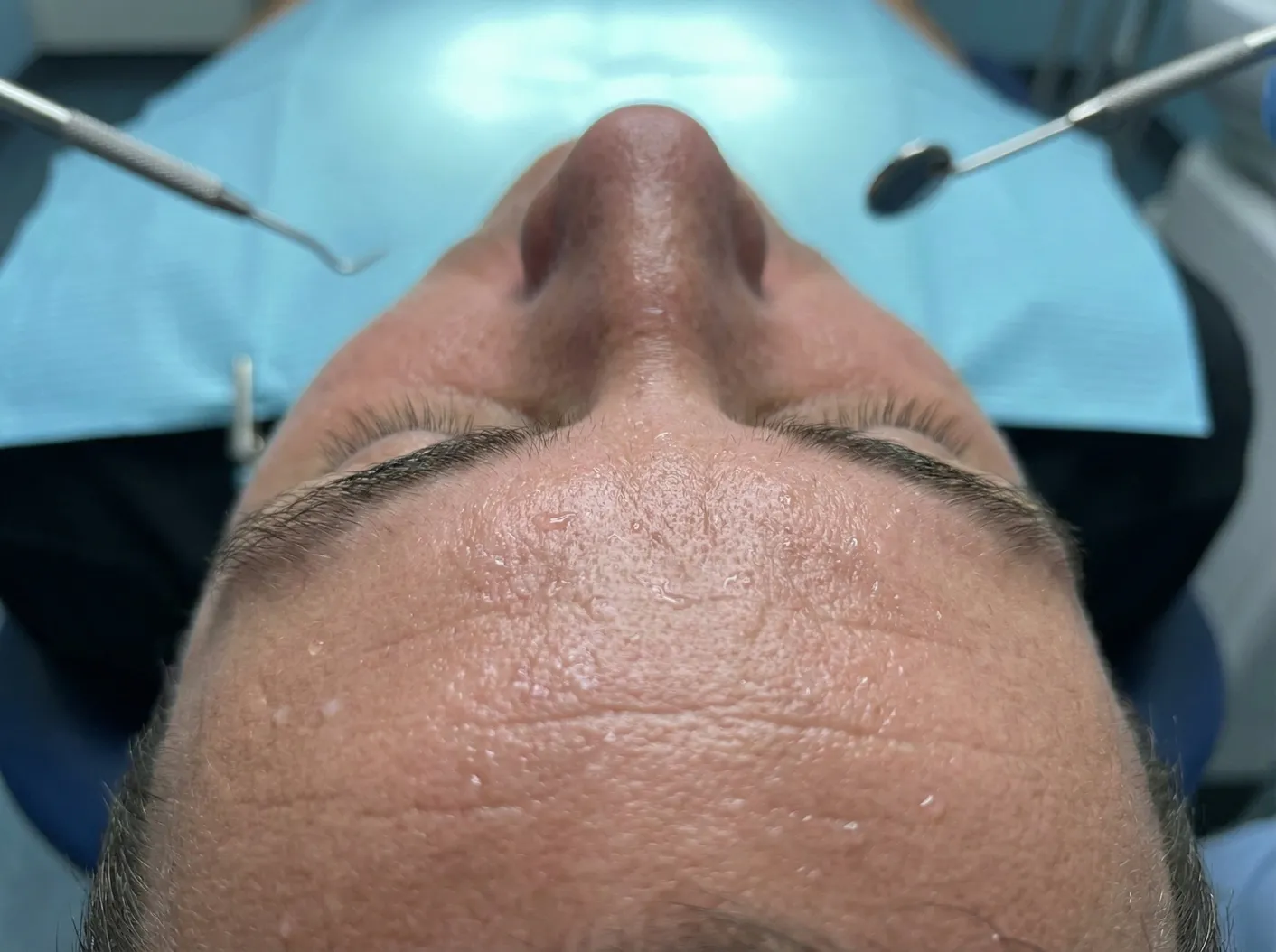
Dentist for adults with dental anxiety
A dentist for adults with dental anxiety offers more than just treatment. They provide reassurance, explain every step and take targeted measures to reduce stress. This often turns intense anxiety back into a manageable dental visit.
Über 350 Google-Bewertungen

Why many adults avoid the dentist
Dental anxiety is widespread among adults. The tension often begins days beforehand. Some people therefore avoid appointments for years. Bad experiences, embarrassment or fear of pain are often behind this. Loss of control also places a heavy burden on many patients. As a result, small problems often become unnecessarily major.
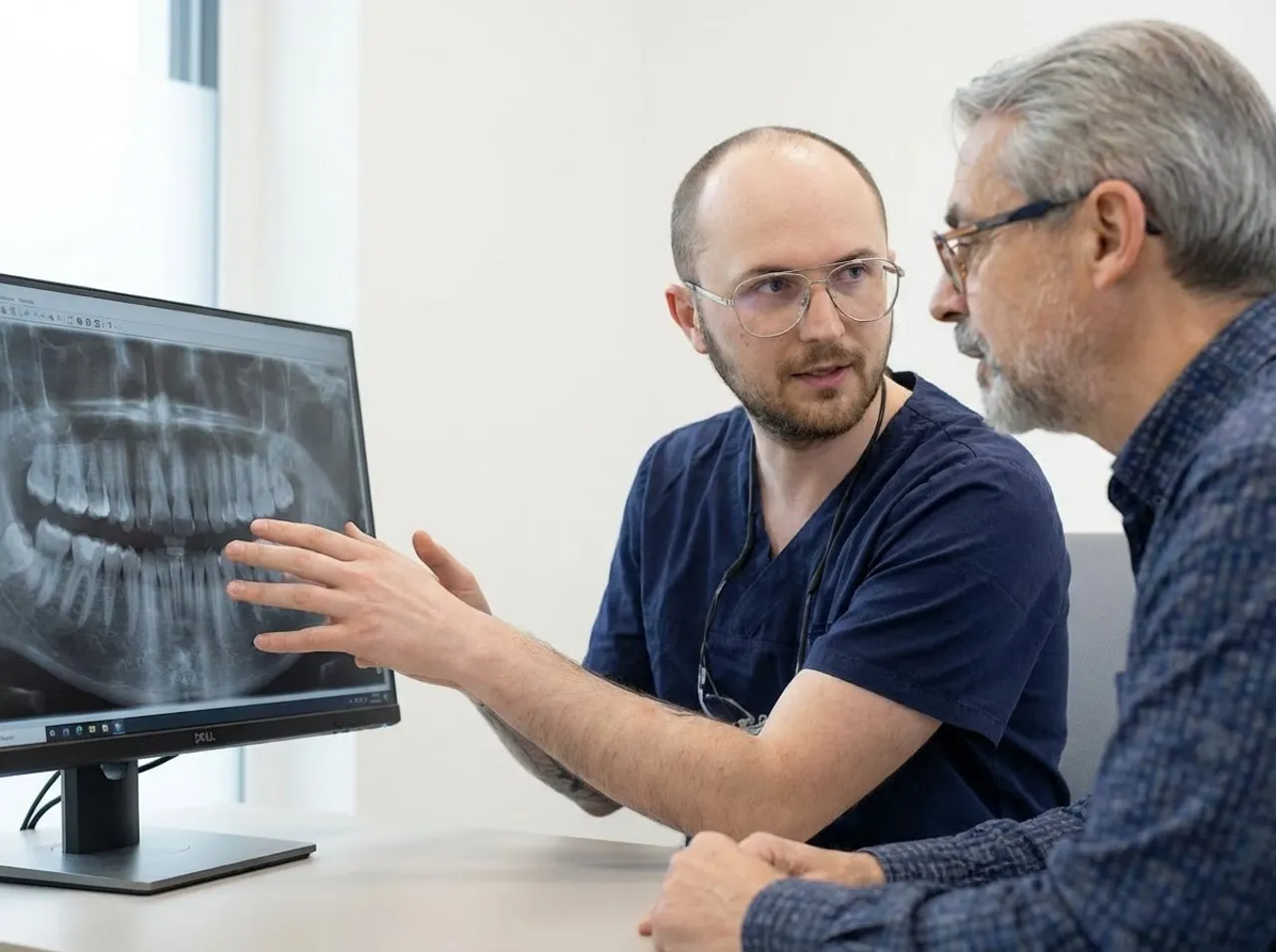
Why a dentist for adults with dental anxiety is a good choice
A dentist for adults with dental anxiety understands this strain well. They do not judge anxiety as a weakness. They treat it as a serious aspect of care. This significantly changes the process at the practice. Conversations are conducted more calmly. Examinations are carried out gently and with clear breaks. The first appointment focuses solely on getting to know each other. This builds trust. At the same time, inner tension noticeably decreases.
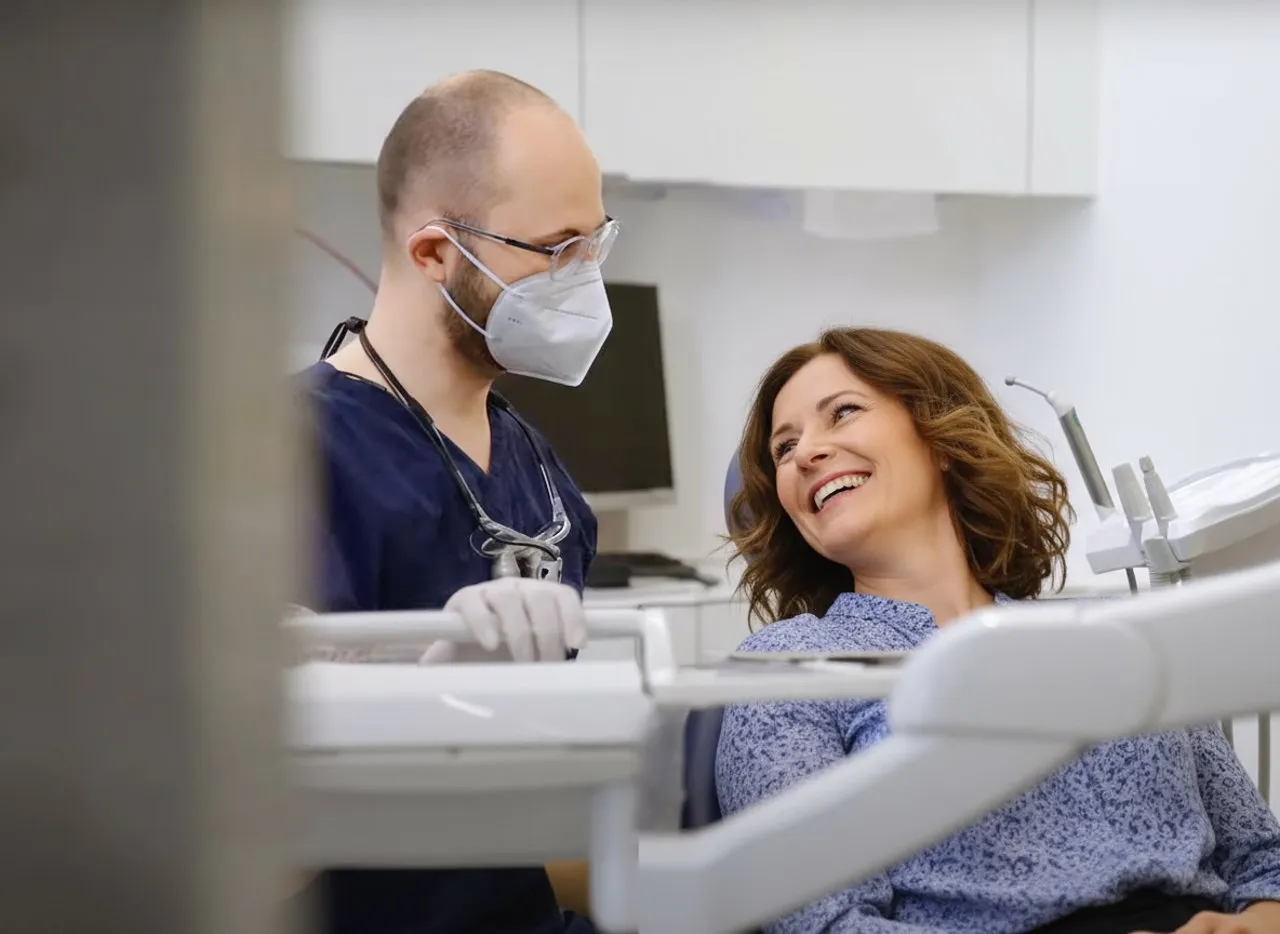
How to recognise an anxiety-friendly practice
At Wunschlachen, we take our time. Rushing increases uncertainty. A calm approach, by contrast, creates stability. Clear explanations before each step are important. Many patients want to know exactly what is happening. This transparency restores a sense of control. Agreed stop signals are also helpful. Anyone who can call for a break at any time feels safer. This often improves the entire treatment. Non-judgemental communication is equally important. No one should feel ashamed of their condition. Adults with dental anxiety benefit particularly from this.
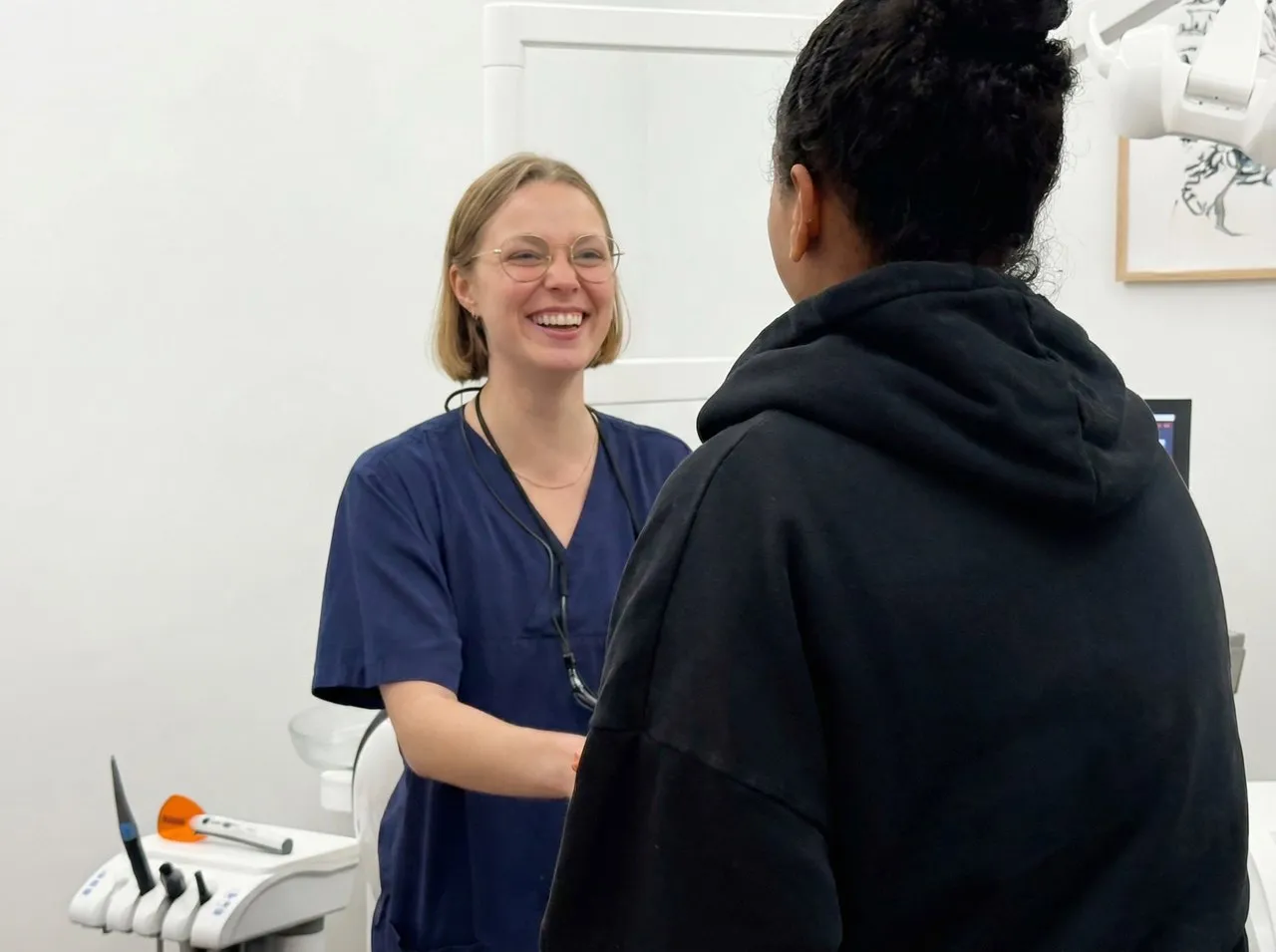
Dentist specialising in anxious patients: what is different?
A dentist specialising in anxious patients treats not just the tooth. They also take the emotional strain into account. This is the key difference. This includes a slow start. Consultation, X-rays and planning often come first. The actual therapy follows later. Pain prevention is also planned with particular care. Modern anaesthesia and gentle techniques help. Short sessions keep the strain manageable. Additional options may be considered for severe anxiety. These include nitrous oxide or sedation. Which method is appropriate depends on the individual case. We discuss everything with you in detail.
How the first appointment may proceed
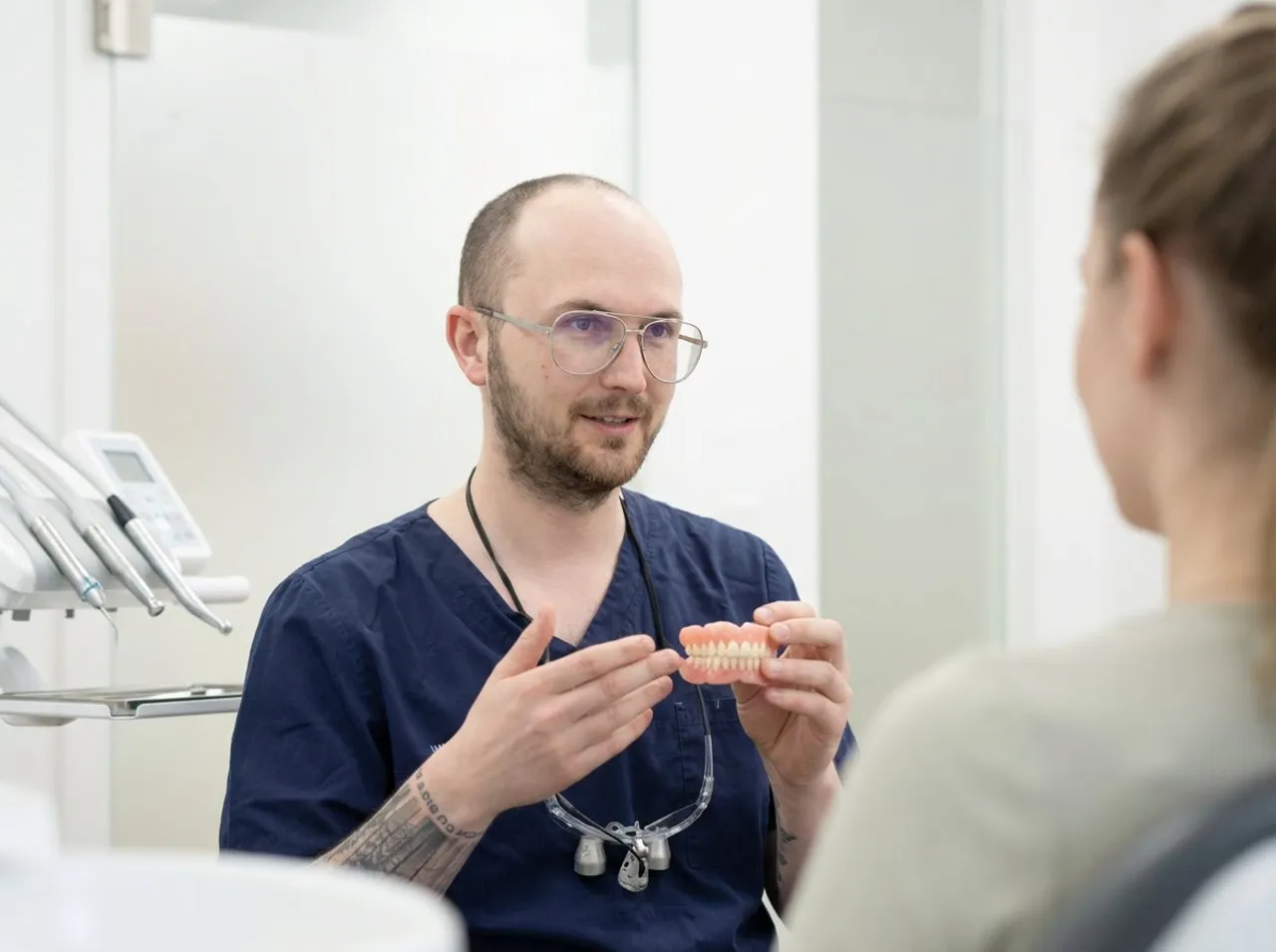
The first visit does not have to involve major treatment. A conversation with a brief examination is often enough. This takes much of the pressure off. We then draw up a treatment plan together. Any pain is treated first. Everything else follows in sensible stages. Many people want small, easily planned steps. This is often a good approach. Every successful appointment builds trust.

What help is available for anxiety
Not every patient needs medication. Preparation and a calm process often help on their own. This should be assessed first. Short appointments at the start of the day can be helpful. A companion can also provide additional support. Some patients use music or breathing techniques. Sedation may be appropriate for more severe anxiety. It significantly reduces tension. The decision is made on an individual basis.

When embarrassment makes treatment difficult
Many people feel embarrassed about their teeth. They fear criticism or awkward comments. This often continues to deter them from making an appointment. An experienced dentist specialising in anxious patients handles this issue sensitively. They focus on solutions. Blame does not help. One thought remains important: every appointment is progress. A fresh start is possible even after a long break. All that matters is taking the first step.
Planning treatment in clear stages
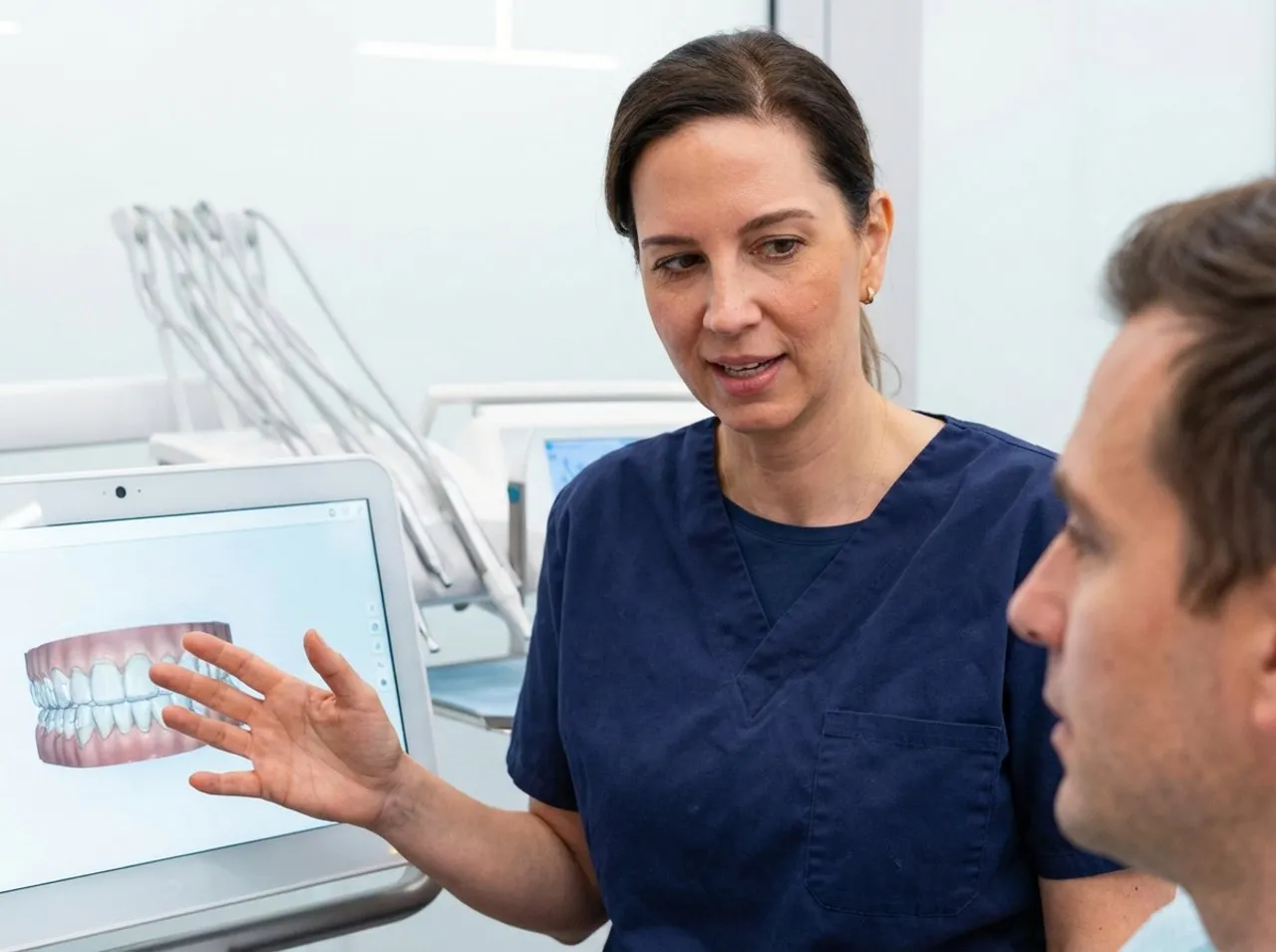
The therapy needed depends on the clinical findings. Some teeth require minor corrections. Other situations require several appointments. Typical procedures include dental cleaning, fillings or root canal treatment. Prosthetic dental treatment may also be necessary. Clear prioritisation is important. A clear stage-by-stage plan relieves many patients. It also makes more extensive restorative work manageable and easier to understand. This keeps the process controllable and emotionally easier to bear.
Wunschlachen for adults with dental anxiety
At Wunschlachen, we know how distressing dental anxiety can be. That is why we focus on clear communication and a calm process. Adults with dental anxiety should feel that they are being taken seriously. Our goal is not a perfect first appointment. Our goal is a manageable first appointment. Everything else can then build on this calmly, safely and predictably. Anyone who has not been to the dentist for a long time does not need to justify themselves. All that matters is getting started. Together, we will find a suitable way forward.
Conclusion
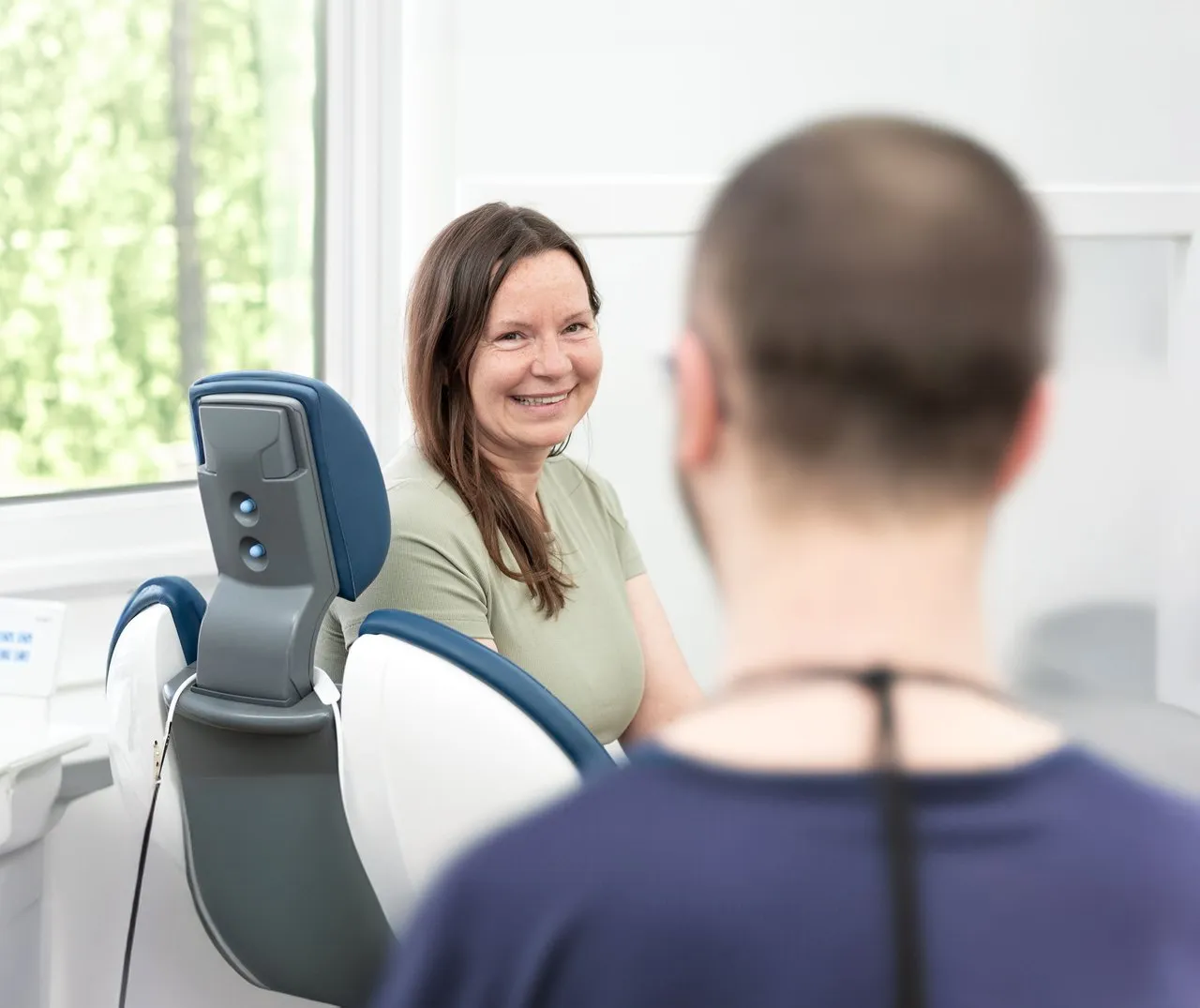
A dentist for adults with dental anxiety combines expertise with empathy. This helps reduce anxiety and makes treatment possible again. Time, transparency and respect are particularly important. A dentist specialising in anxious patients plans every step in a way that is easy to follow. This helps patients regain control. This is precisely how new trust develops.
FAQ: Dentist for adults with dental anxiety
They take a gentler approach to planning and explain every step clearly. They also pay greater attention to control and breaks.
No, many adults suffer from it. You are not alone with this problem.
No, a conversation is often enough to begin with. This allows trust to develop without pressure.
A calm environment, clear information and small steps are helpful. Breathing techniques or music can also provide relief.
When appointments keep being postponed. Panic, embarrassment or loss of control are also clear signs.
Yes, this is possible in many cases. The practice decides individually which form is suitable.
Your current dental condition is assessed first. This is followed by stage-by-stage planning.
No, a good practice does not judge. It focuses on help and solutions.
Often yes, because they remain manageable. This significantly reduces the psychological strain.
Start by booking a consultation. This first step is often the most important and at the same time the most difficult.