
Dental fillings: types, procedure and materials
Dental fillings close defects in the tooth and stop tooth decay. They stabilise the tooth structure, allowing the tooth to be preserved. Many patients search for a ‘filling for teeth’. This usually refers to closing an existing cavity caused by tooth decay. We first establish the cause.
Über 350 Google-Bewertungen
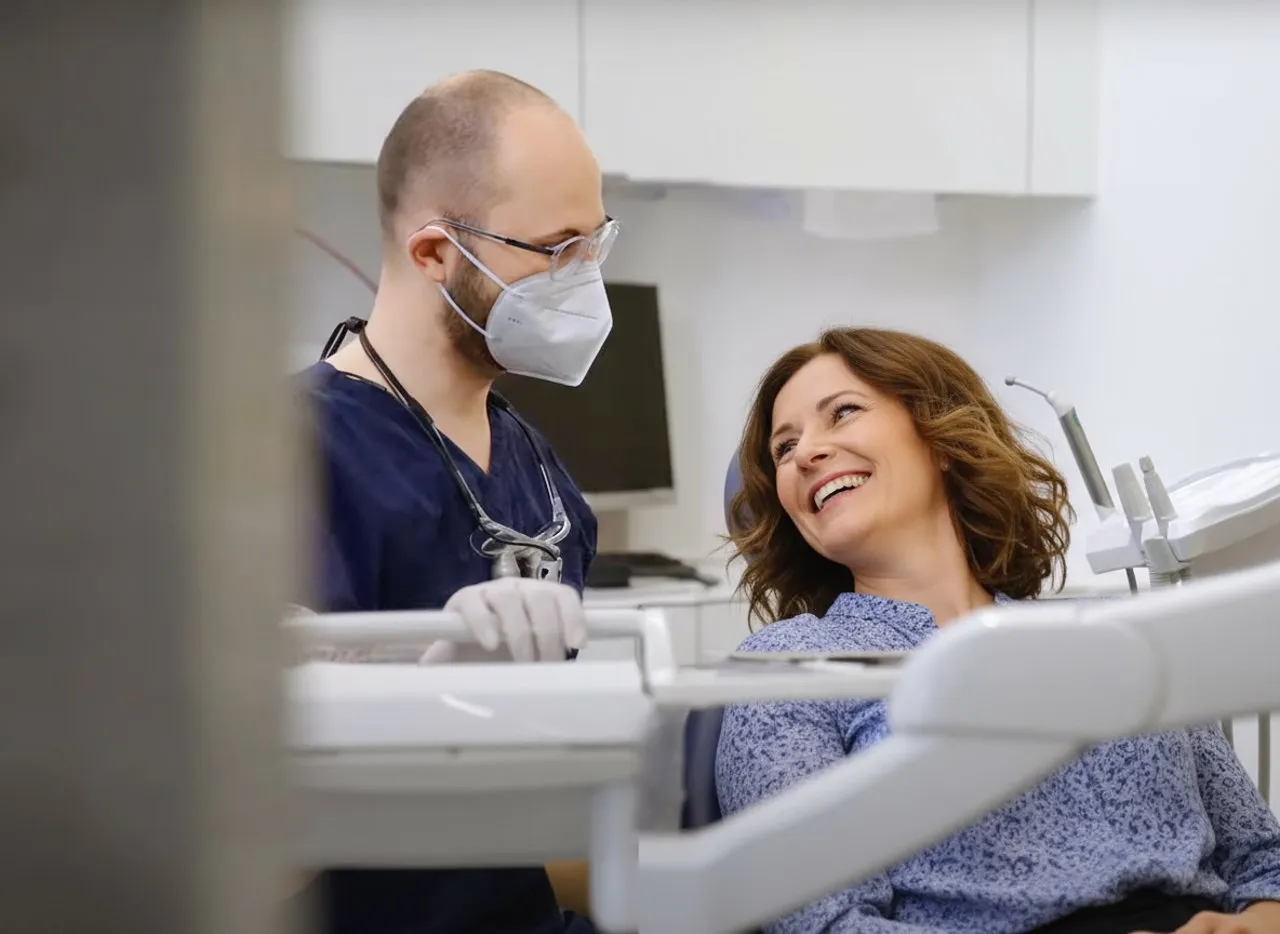
When is a filling necessary?
A filling is necessary when tooth decay destroys the tooth structure. Cracks and gaps at the margins must also be closed. The aim is to provide a secure seal. A typical sign is a cavity with sensitivity to cold. Tooth decay can sometimes go unnoticed for a long time, which is why check-ups are important.

What types of dental fillings are there?
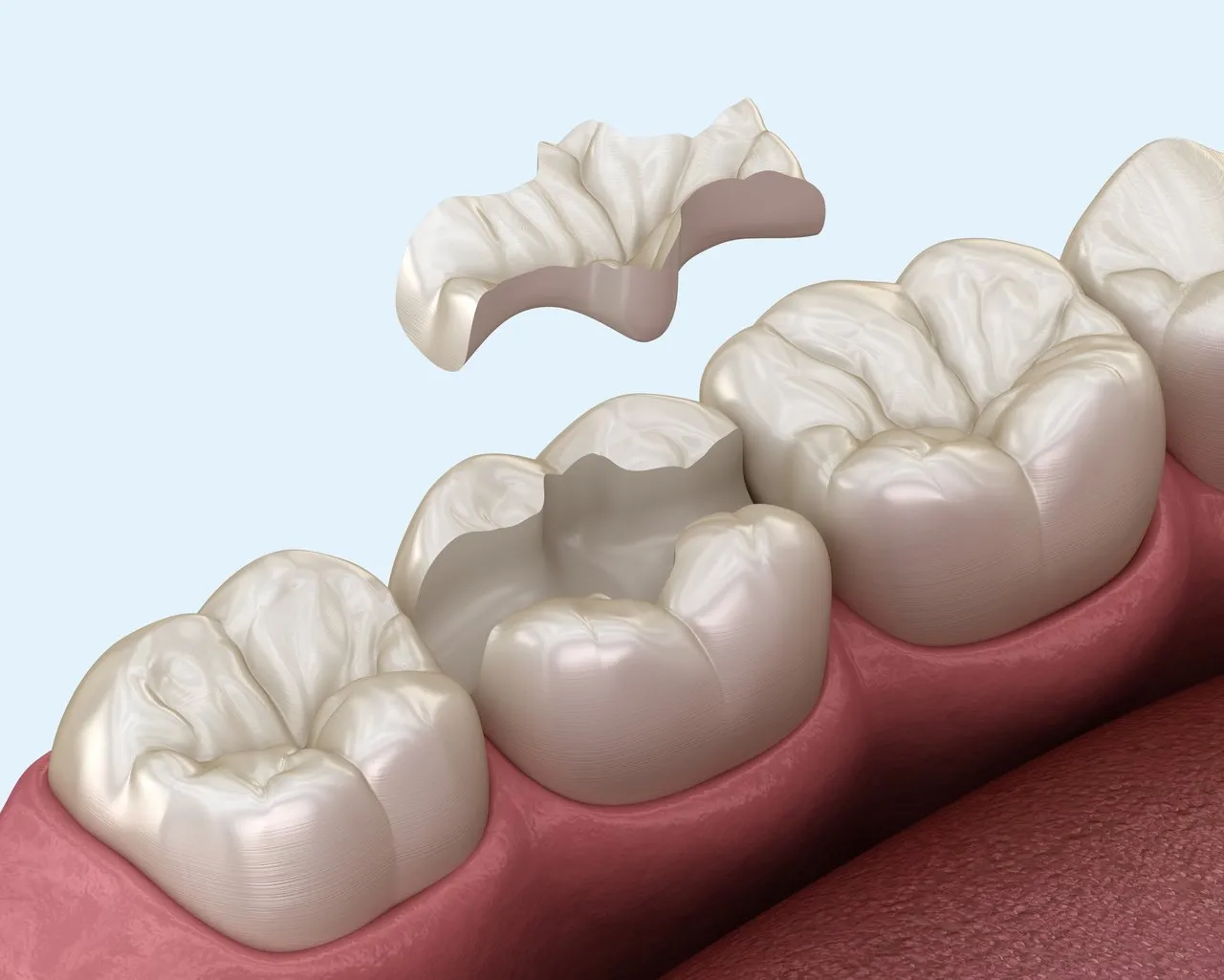
There are direct fillings and inlay restorations. Both types can be tooth-coloured. Direct restorations are placed in the mouth. These include composite and glass ionomer cement. Amalgam is no longer used. Inlay fillings are made in a laboratory. Typical examples are ceramic inlays or gold inlays. They are suitable for larger defects. Anyone researching ‘types of dental fillings’ is looking for advantages and disadvantages. Composite looks natural. Ceramic is very colour-stable.
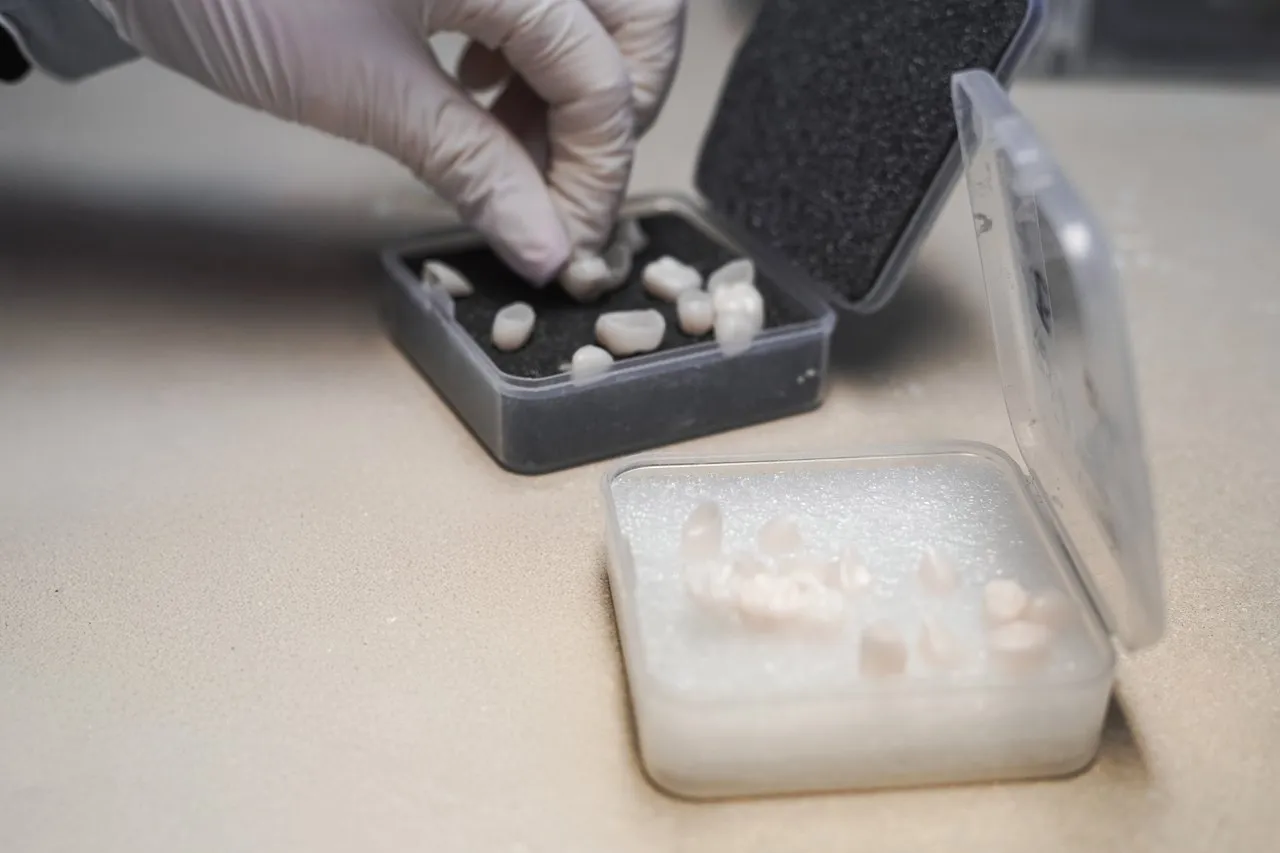
Dental filling materials: which options are suitable?
The choice of dental filling material depends on its location and the size of the defect. Aesthetics are important for the front teeth. For the back teeth, the load placed on the filling also matters. Composite is a commonly used material. It is bonded adhesively, creating a good marginal seal. Glass ionomer cement is suitable for smaller defects. It releases fluoride, but is less resistant to wear. Ceramic is a popular choice for inlays. It is biocompatible and can also be made very precisely.
Which dental filling is best?
There is no one-size-fits-all answer to this question. The best dental filling suits the clinical findings. Teeth grinding is also an important factor. Composite is often suitable for small defects. An inlay is often more stable for large defects. We will discuss this with you in detail.
Filling a cavity: what happens at the practice?
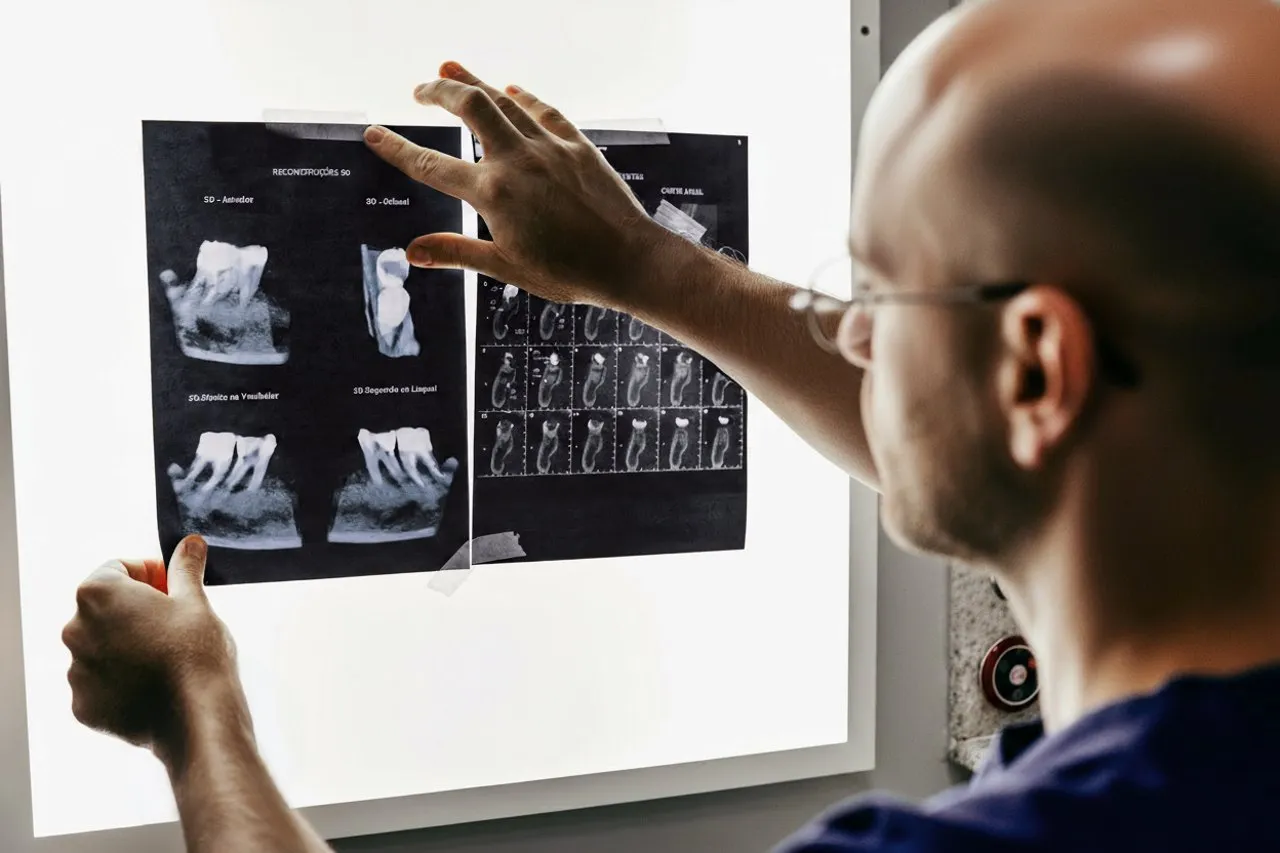
‘Filling a cavity’ may sound daunting, but the procedure is usually straightforward to plan. Thorough removal of the decay is important. We examine the tooth and ask about your symptoms. An X-ray may be taken if necessary. This is usually followed by a local anaesthetic.

Dental filling procedure: step by step
Many people want to understand how the procedure works. The typical steps are: 1. Diagnosis and consultation. 2. Anaesthesia and keeping the tooth dry. 3. Removal of decay and shaping. 4. Bonding agent and layer-by-layer build-up. 5. Polishing and checking the bite.
This dental filling procedure often takes 20 to 60 minutes. With inlays, a scan follows. There is then a second appointment.
Molar fillings: special considerations for back teeth
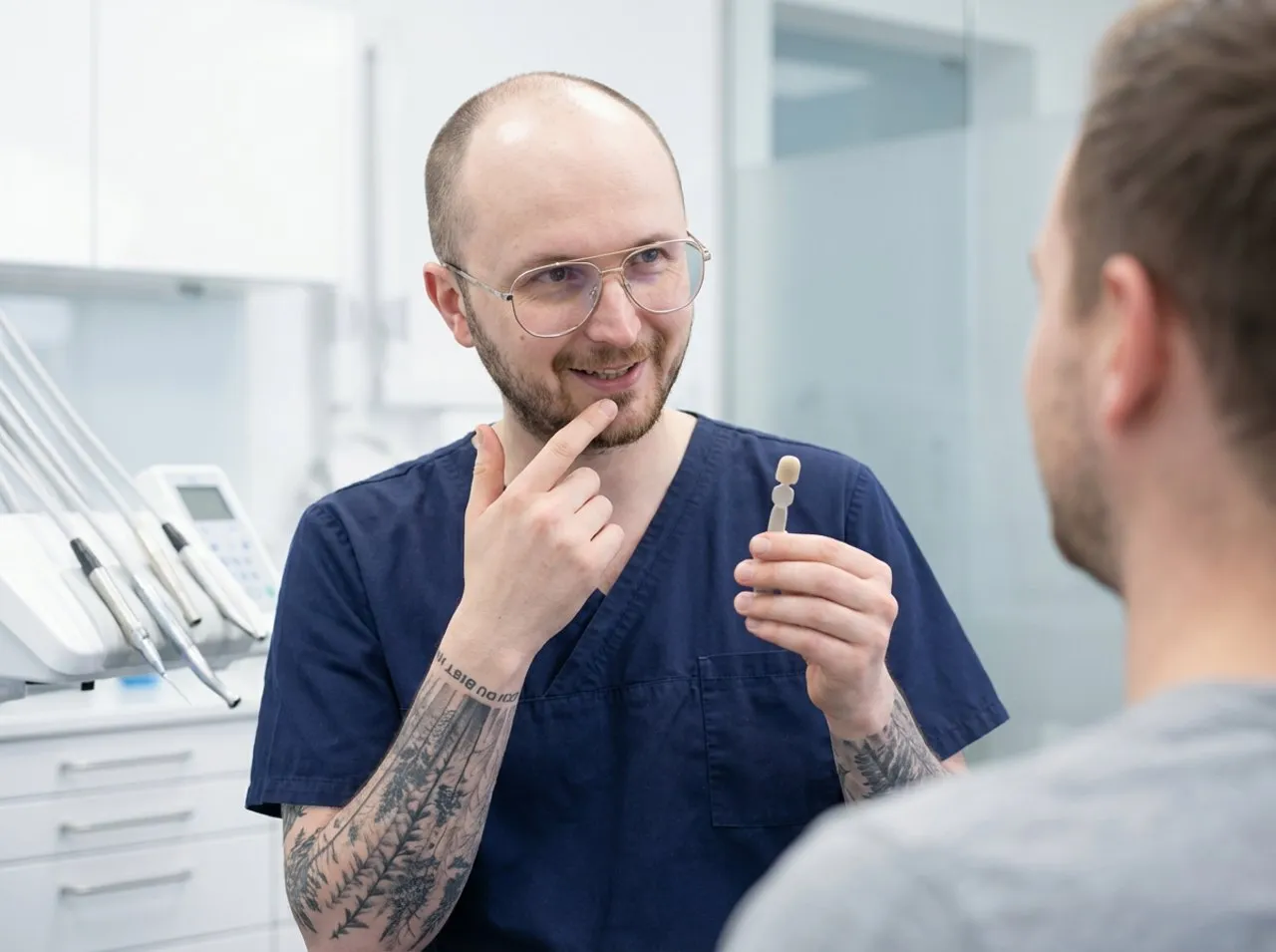
A molar filling must withstand considerable force. The surfaces are difficult to reach, so keeping the area dry is crucial. For large defects, we consider alternatives. A partial crown may be more stable, reducing the risk of fracture.
Isolation and marginal sealing: why they are so important
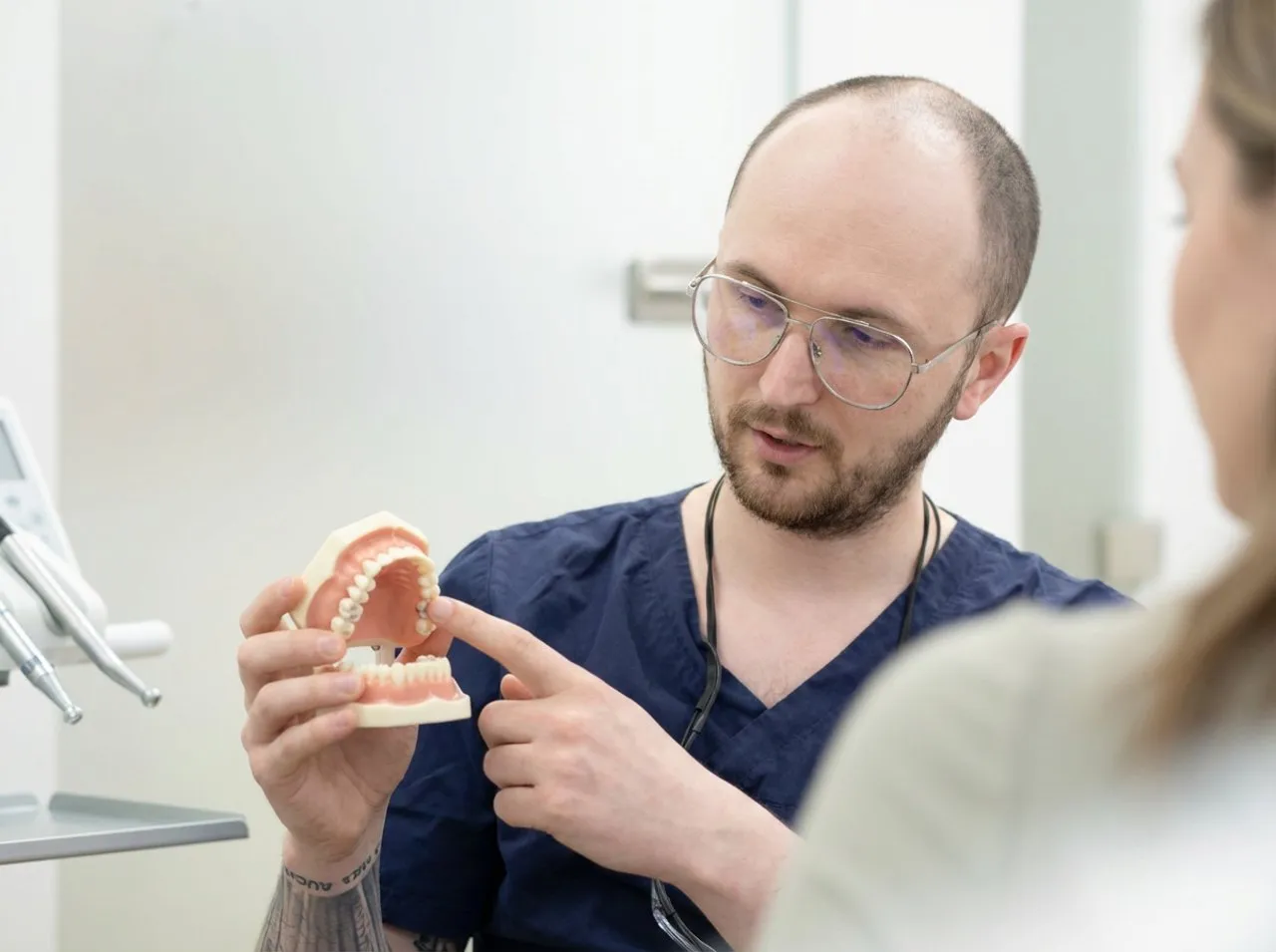
Saliva interferes with the adhesion of many materials. We therefore use cotton rolls or a rubber dam. This improves the bond. A well-sealed filling protects against secondary tooth decay. Small gaps at the margins can cause discomfort, so we check the margins carefully.
Dental fillings: durability and care
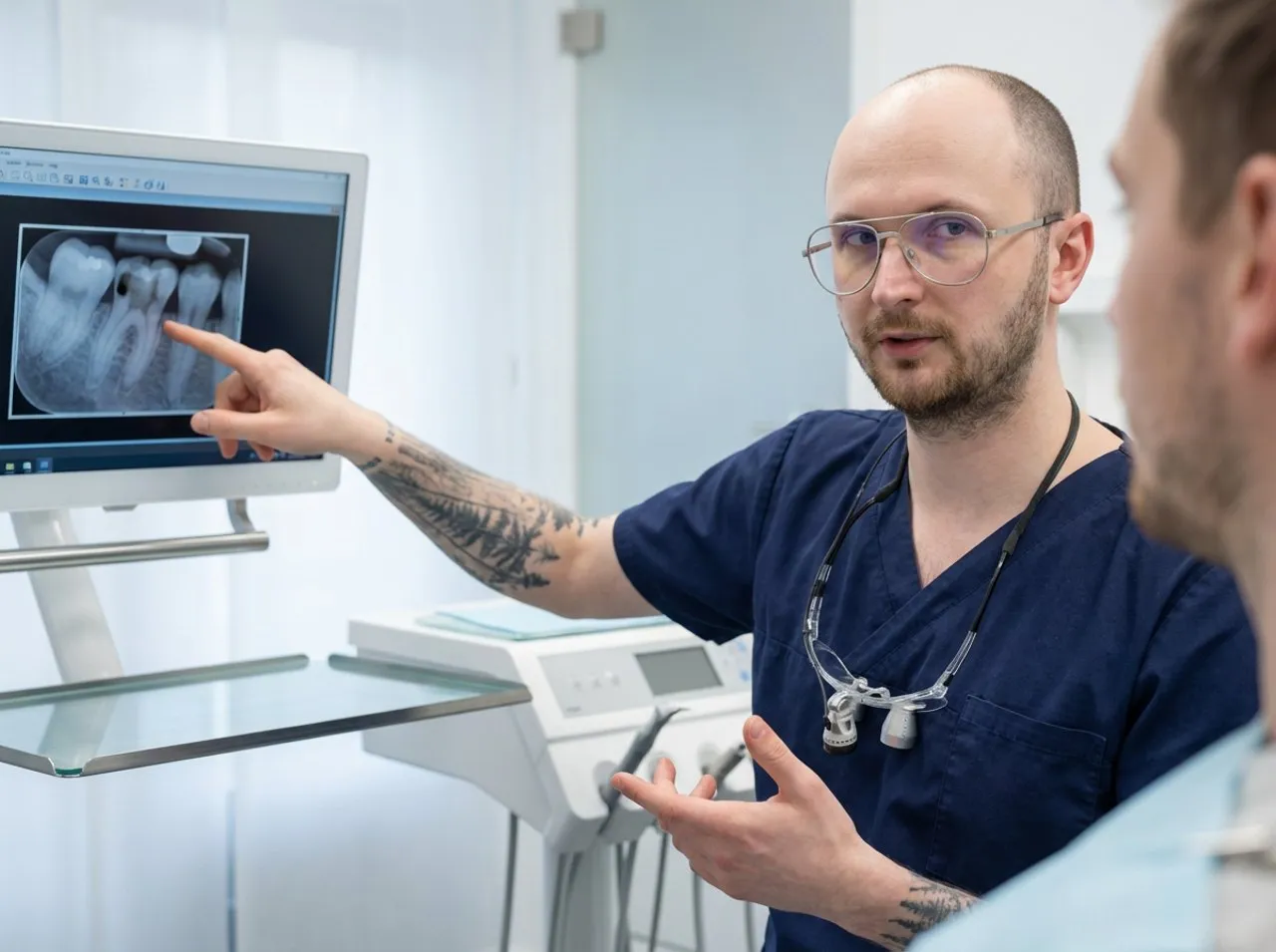
A filling does not last indefinitely. Its lifespan depends on the material and its size. Oral hygiene also plays a role. Clean carefully around the margins. Use dental floss or interdental brushes. Regular check-ups remain important.

Replacing a dental filling: when is it necessary?
Common reasons include gaps at the margins or secondary tooth decay. Fractures are also possible. Replacement is similar to the initial appointment. We remove the old filling carefully and then place the new one. If you are wondering which dental filling is right for you, we will explain your options. We take your budget and expectations into account, as well as any pre-existing medical conditions.

Biocompatibility, allergies and metal-free options
Many people want metal-free solutions. Composite and ceramic often meet this preference. This can be relevant for people with allergies. Adverse reactions are rare, but possible. We document any known allergies before treatment and choose alternatives where necessary.
Deep tooth decay and proximity to the nerve
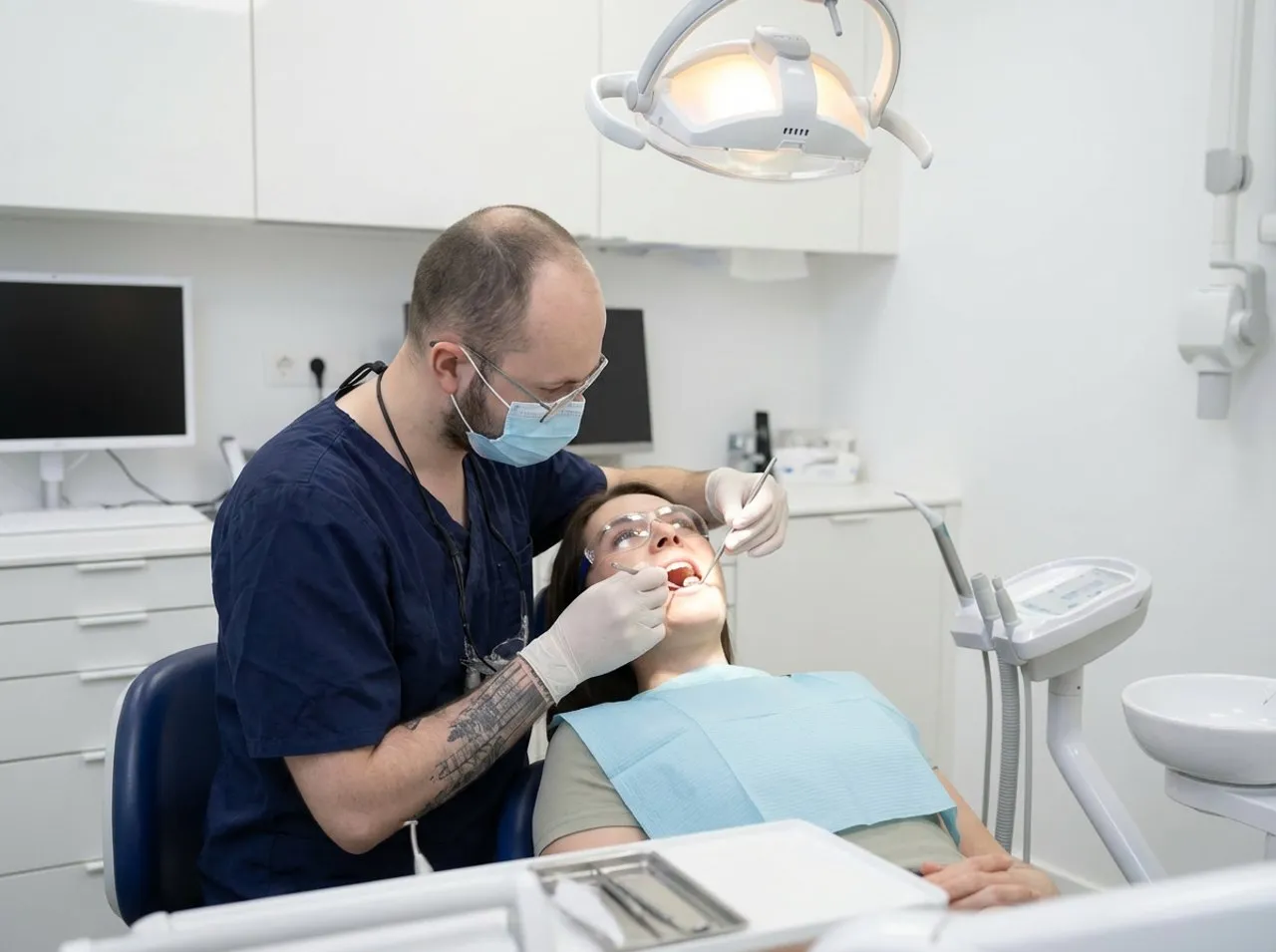
If the lesion is close to the pulp, the tooth reacts more sensitively. We then check its vitality and the progression of pain. We often apply a cavity liner as a protective layer. It insulates and reduces irritation. Root canal treatment may be necessary for very deep defects.

Temporary restorations for inlays
We usually fit a temporary restoration for ceramic inlays. It protects the tooth until the second appointment. During this time, you should avoid sticky foods and tell us immediately if you experience any unusual pressure. The temporary restoration is later removed and the tooth is cleaned. We then bond the inlay in place. Finally, we check your bite again.

After treatment: what is normal?
After having a cavity filled, the tooth may be temporarily sensitive, especially to cold. This usually subsides within a few days. Avoid hard foods until the anaesthetic wears off. Check your bite on the same day and report any pain on biting immediately. A new filling needs good care. Use fluoride toothpaste and clean between your teeth every day.

Costs and reimbursement
The costs depend on the material and the work involved. Statutory health insurance funds usually cover basic care. Aesthetic options often require an additional payment from the patient. You will receive a cost plan before treatment so that you can plan with confidence. We are happy to answer any questions about financing openly.

Having a tooth filled at Wunschlachen in Berlin
If you want to have a tooth filled, precision matters. We use gentle techniques with the aim of creating a well-sealed restoration. We plan every restoration with function and aesthetics in mind, helping your bite to remain comfortable in the long term. This reduces the risk of problems at the margins.
FAQs about dental fillings
Options include composite, glass ionomer cement and inlays such as ceramic inlays.
A distinction is made between direct fillings and laboratory-made inlays.
Diagnosis, anaesthetic, removal of decay, application of the filling and checking the bite.
Everything is usually done in one appointment. Two appointments are usual for inlays.
Composite and ceramic are tooth-coloured and look very natural.
This depends on the defect, its location and the load from chewing. A consultation is advisable.
This is a colloquial term that usually refers to a dental filling.
The cavity is cleaned and then securely sealed.
Replacement is advisable if there are gaps at the margins, a fracture or secondary tooth decay.
With an anaesthetic, treatment is usually almost painless.