
Braces for adults: options and treatment process
Braces for adults have long been commonplace. Many people want straighter teeth when they smile and to chew with confidence. Crowding or rotated teeth are often a concern. Function also plays a role. A misaligned bite can overload teeth. This increases the risk of wear.
Über 350 Google-Bewertungen
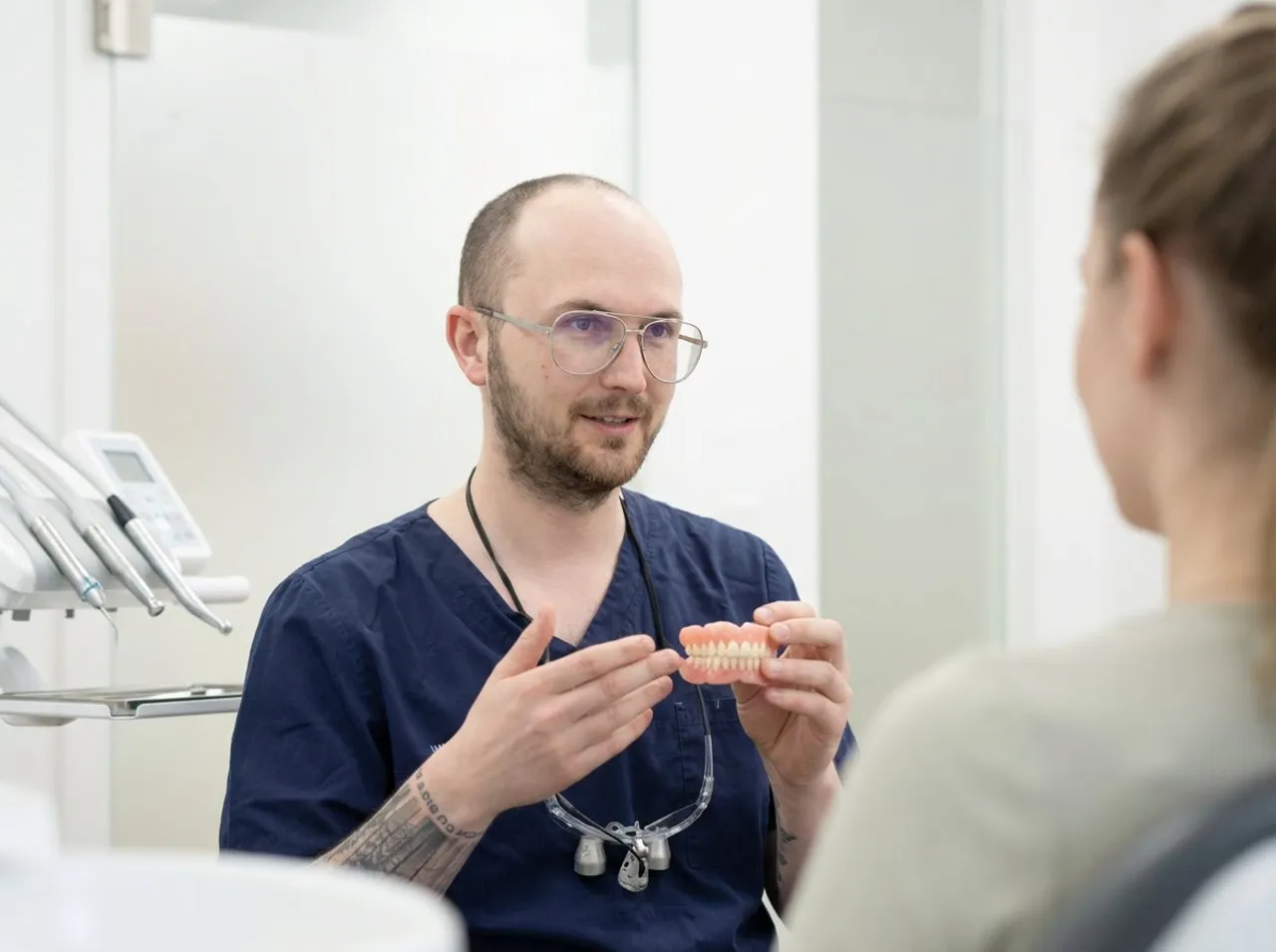
Common reasons for orthodontic treatment in adulthood
Aesthetics are often the main concern. Straight front teeth are immediately noticeable. Small gaps can also be distressing. Some patients experience temporomandibular joint discomfort. An incorrect bite can contribute to muscle tension. Teeth grinding may then also be more common. Before treatment, we assess periodontal health. Inflamed gums must first be stabilised. Orthodontic treatment can then proceed more safely.
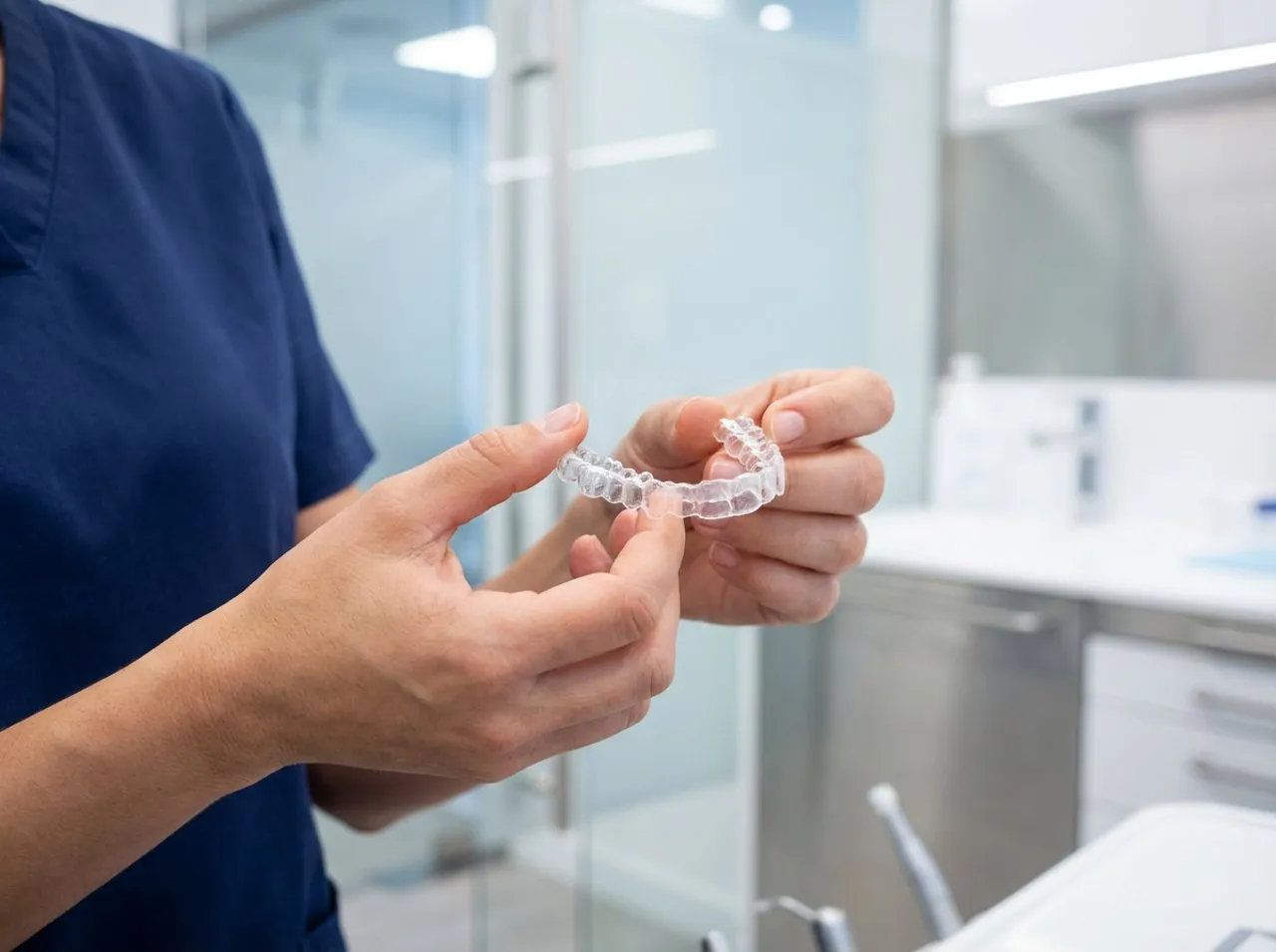
What systems are available for adults?
Many people want a discreet solution. Clear trays, also known as aligners, are suitable for this. They can be taken out for meals. Nevertheless, fixed braces are often a sensible option for adults. Brackets move teeth in a very controlled way. This helps with complex misalignments. Lingual orthodontics is also available. With this technique, the brackets sit on the inside. Almost nothing is visible from the outside.
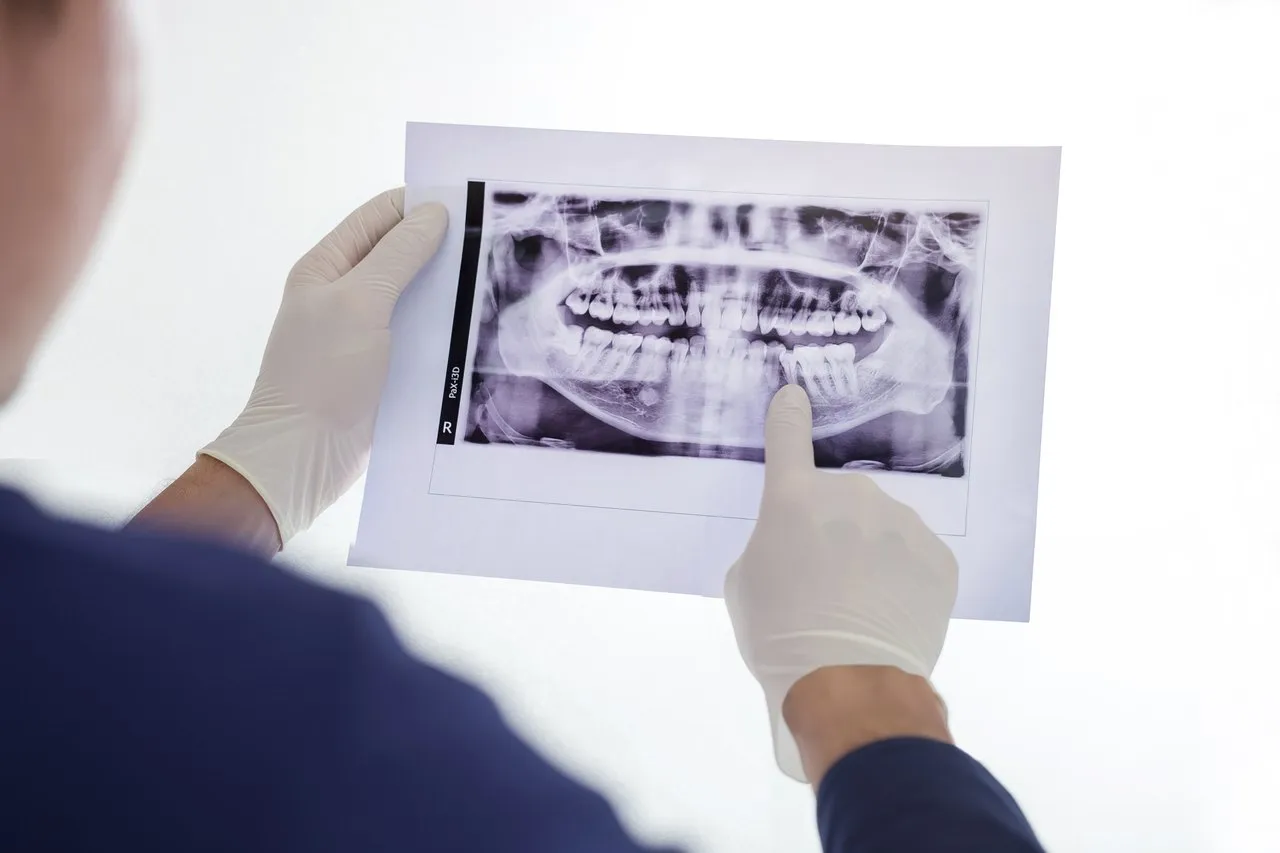
Braces as an adult: how planning works
Treatment begins with diagnostics. We take photographs, intraoral scans and X-rays. These are used to create a treatment plan. Bite analysis is important. We assess Angle's classes and contact points. This allows us to identify interfering contacts early. We then discuss the goals and duration. Minor corrections often take months. More extensive changes take longer.
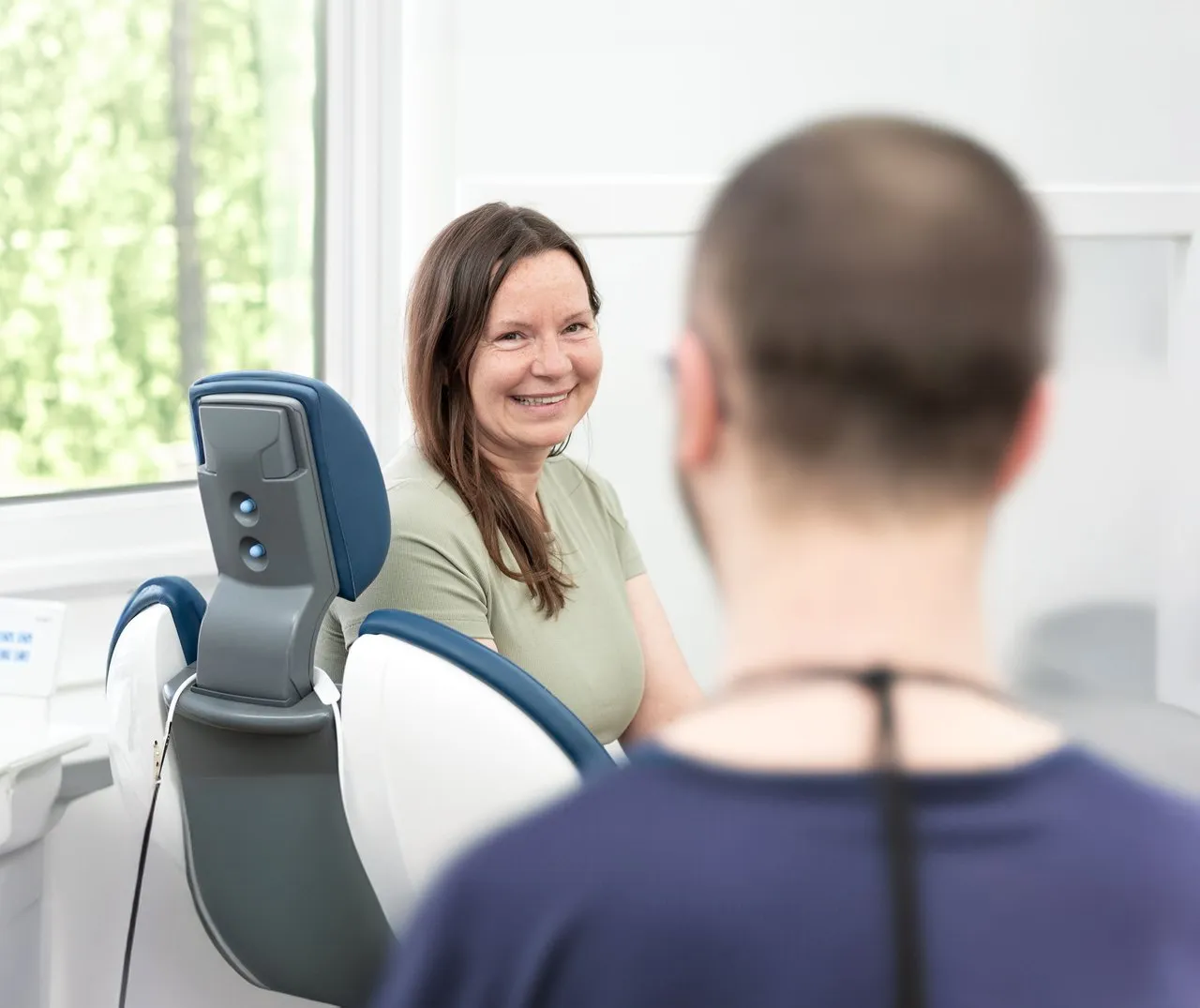
Treatment at the Wunschlachen practice in Berlin
At Wunschlachen, you receive structured care. We use modern 3D planning. This allows you to see the planned course of treatment. Regular check-ups are necessary. With aligners, you change trays according to the plan. With brackets, we adjust the archwires and forces. Additional measures are sometimes useful. These include elastics and attachments. Interproximal enamel reduction can also help.

Everyday life with braces in adulthood
A feeling of pressure is normal during the first few days. Teeth respond to the new forces. This usually subsides quickly. Eating is manageable with a few small adjustments. Soft foods help at first. You should avoid hard crusts. Speech may change temporarily, especially with aligners. The tongue has to adjust. Afterwards, it is usually barely noticeable.
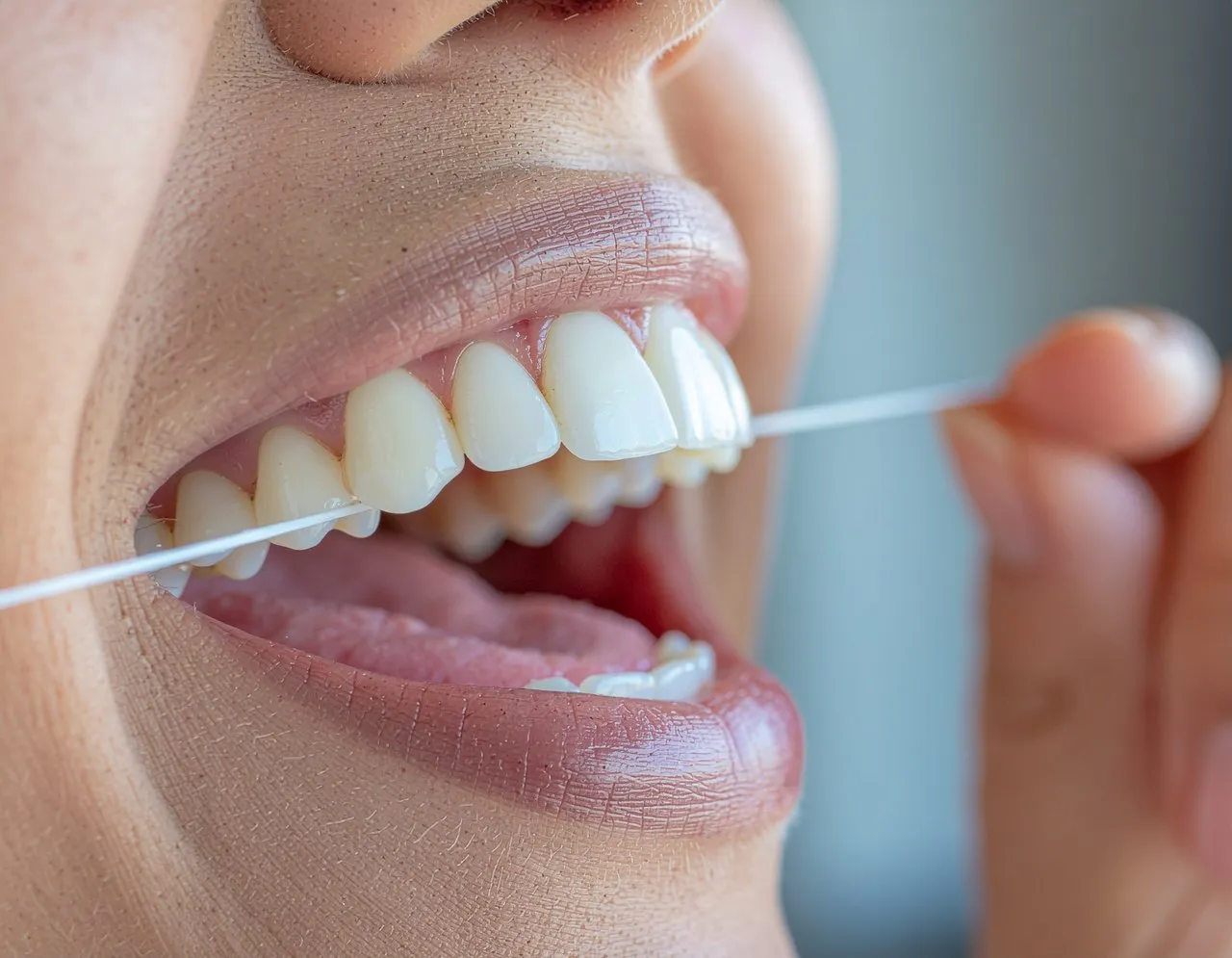
Oral hygiene and preventive care are crucial
Brackets increase the risk of tooth decay. Plaque accumulates more easily around edges. Thorough brushing is therefore essential. Use interdental brushes and fluoride gel. Professional dental cleaning provides additional support. We will show you suitable techniques. With aligners, clean the trays daily. Lukewarm water is usually sufficient. Hot water deforms the material.
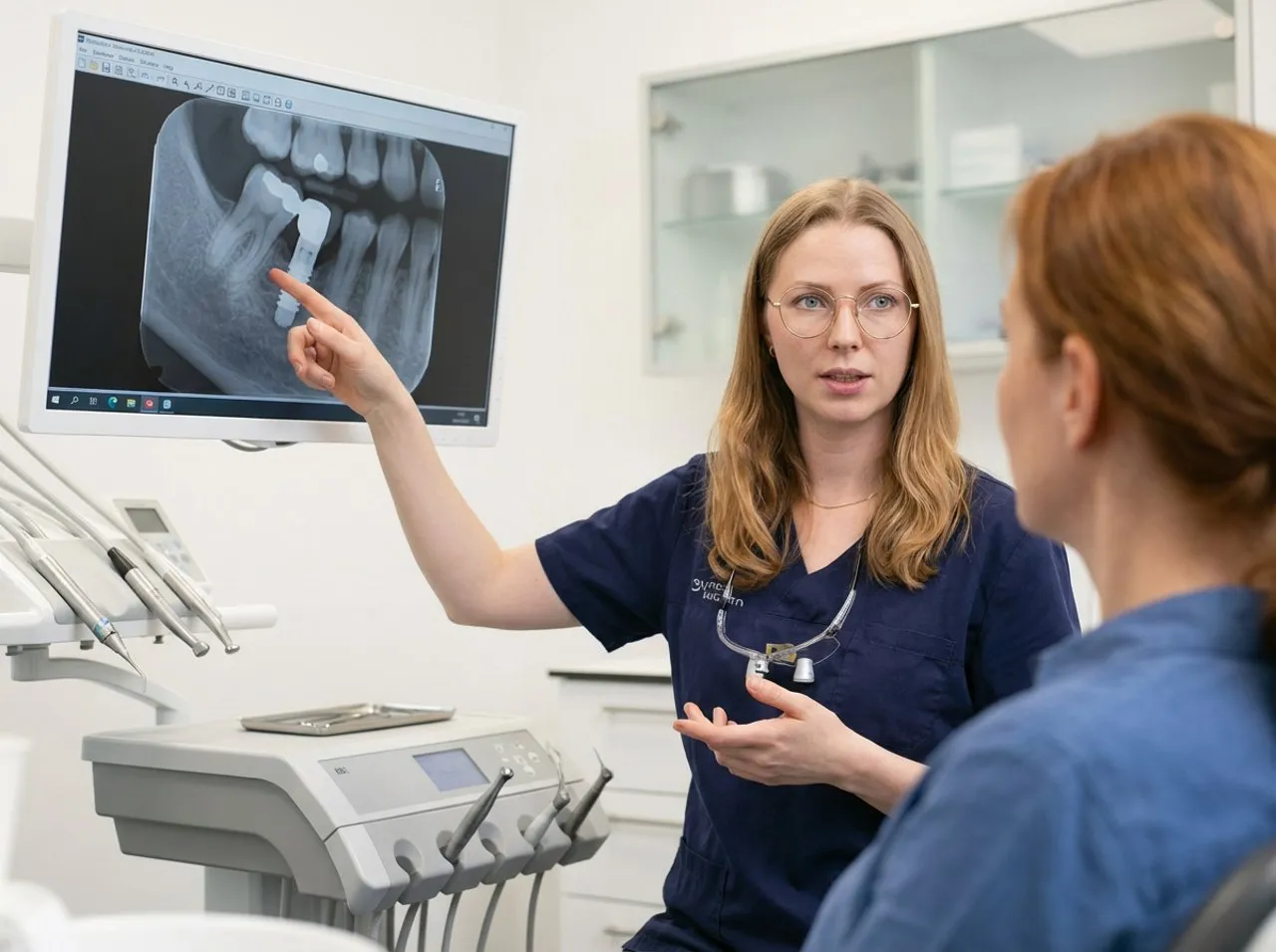
Limitations, risks and what we assess beforehand
Bone is more mature in adults. Teeth therefore sometimes move more slowly. This is normal and can be planned for effectively. Risks usually arise from poor hygiene. This can lead to decalcification or gum inflammation. Regular check-ups reduce this risk. We also assess wisdom teeth and tooth decay. Some teeth need a filling beforehand. Only then do we safely begin treatment.

What is realistic and when is further treatment needed?
Many misalignments can be corrected with orthodontics alone. This is sometimes not enough for severe jaw discrepancies. In such cases, we consider interdisciplinary planning. A combination with jaw surgery may be necessary. This applies, for example, to severe dysgnathia. We determine whether this is appropriate after diagnostic assessment.
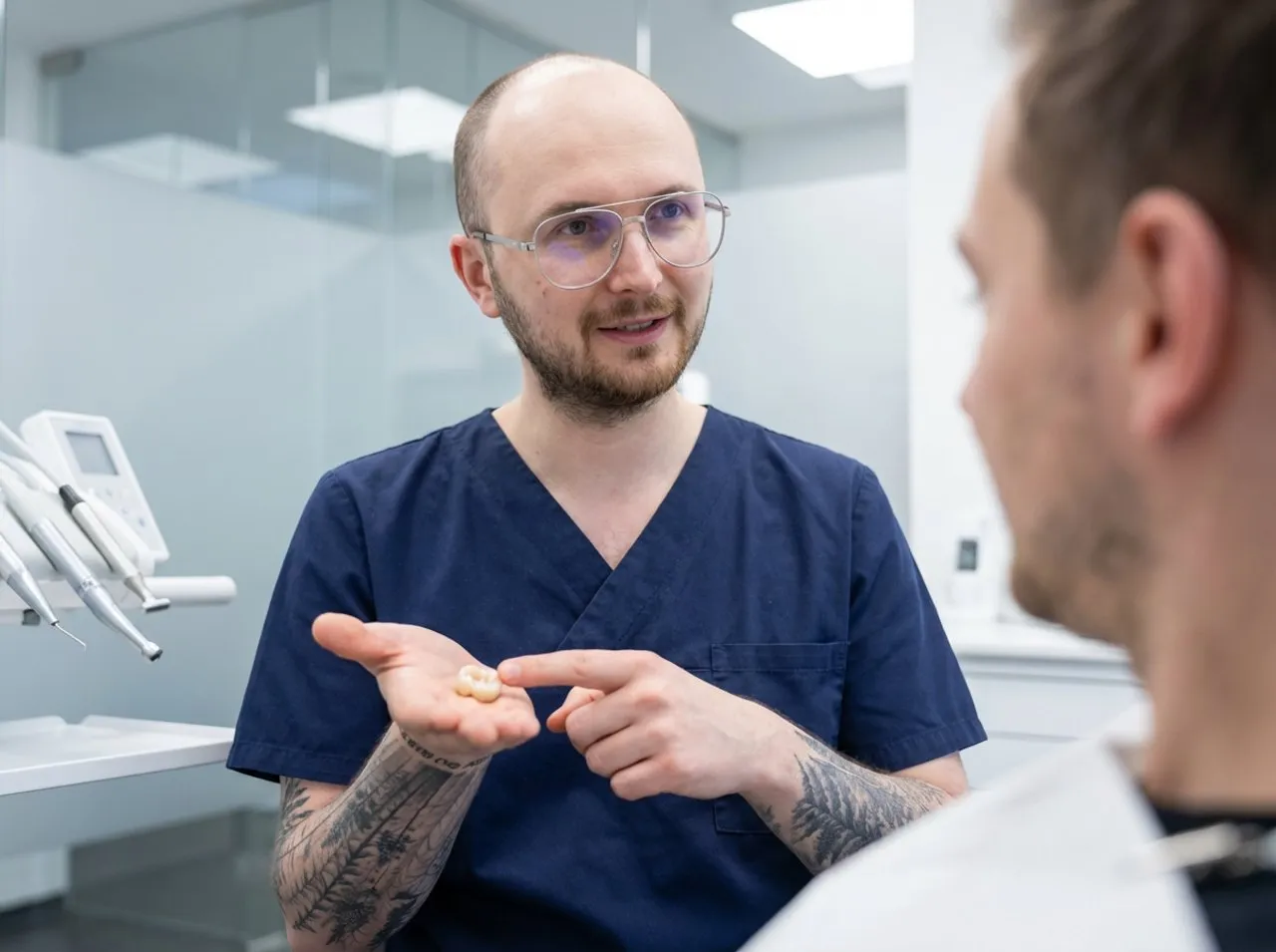
Combining braces and dental restorations effectively
Many patients are planning crowns or implants. Correcting the tooth position can create space for these. This allows subsequent dental restorations to fit more harmoniously. Tooth position can also be important before veneers. Small movements preserve tooth substance. This protects healthy parts of the teeth. Orthodontic treatment for adults is therefore often part of an overall treatment plan. We closely coordinate orthodontics and restorative dental care. This avoids unnecessary compromises.

Costs, contributions and financing
Costs depend on the system and the amount of work involved. Aligners and lingual appliances are usually more expensive. Brackets can be cheaper. Statutory health insurance providers rarely pay for adults. There are exceptions for severe jaw anomalies. Private insurance plans reimburse costs depending on the policy. We prepare a transparent cost plan. Instalment payments are available on request. This makes it easier to plan your decision.
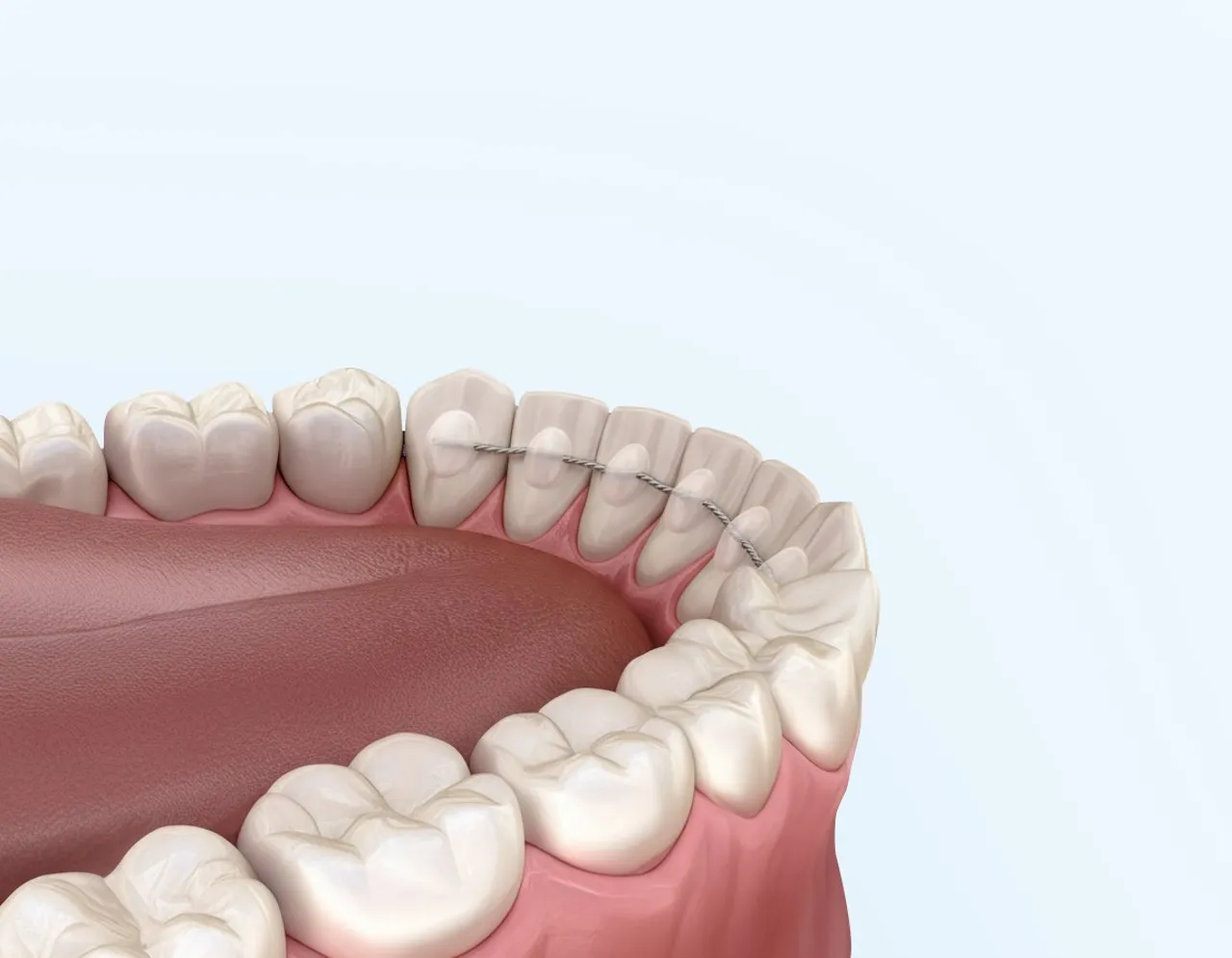
Securing the result: retainers and stability
The active phase is followed by retention. Otherwise, teeth move back. This is a natural process. A fixed retainer keeps the front teeth stable. A night-time retainer may also be useful. We discuss the duration individually. Regular check-ups remain important. This allows us to detect loosening early. Adjustments can then be made quickly.

Conclusion: braces for adults are often worthwhile
Misaligned teeth can also be corrected later in life. Modern techniques make treatment discreet. Both function and aesthetics benefit. An accurate diagnosis is crucial. We then select the appropriate system. Please feel free to book a consultation.
FAQs: frequently asked questions about braces for adults
They are suitable for crowding, gaps and a misaligned bite. Healthy gums are essential.
Aligners are removable and transparent. Fixed systems work continuously and precisely.
Not necessarily. Ceramic brackets are less noticeable, while lingual brackets sit on the inside.
It depends on the clinical findings. Mild cases often take six to twelve months.
You usually feel pressure. The discomfort is greatest at the beginning.
Yes, because you take them out. You should then brush your teeth.
Usually every four to eight weeks. The exact interval depends on the system.
Rarely for adults. Exceptions are possible for severe anomalies.
A retention phase follows. Retainers and splints stabilise the result.
When you notice misaligned teeth or experience symptoms. It is also advisable before dental restorations.