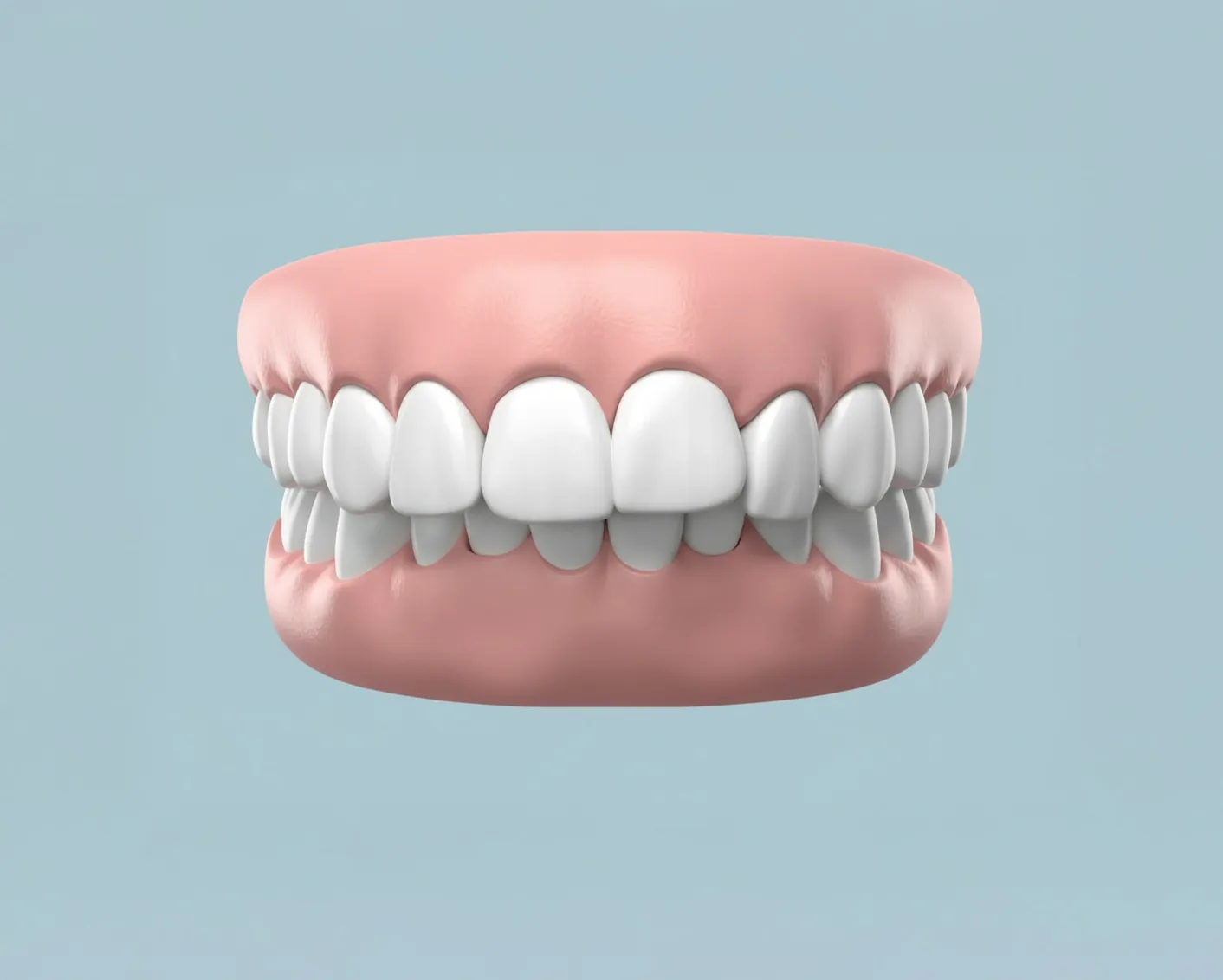
Deep bite: causes, effects and treatment
With a deep bite, the upper teeth overlap the lower teeth excessively when the mouth is closed. This misalignment is an occlusal disorder and affects both adults and children. If left untreated, various health...
Über 350 Google-Bewertungen
The short answer
With a deep bite, the upper incisors overlap the lower incisors excessively when biting down; in pronounced cases, they cover them completely. The causes are usually genetic predisposition, lack of space in the jaw or habits such as thumb sucking. A deep bite does not disappear on its own: treatment usually involves braces or orthodontic appliances, with surgery in severe cases; a retainer then stabilises the result.
- Warning signs
- Severely overlapping front teeth, jaw pain or tension, teeth grinding, difficulty chewing, accelerated tooth wear.
- Treatment
- Braces and orthodontic appliances; in severe cases, particularly in adults, combined with jaw surgery; followed by a retainer for stabilisation.
- Duration
- Usually around one to two years, depending on severity and age; the prospects of success are best in childhood, as the jaw is still growing.
This does not replace individual dental advice.
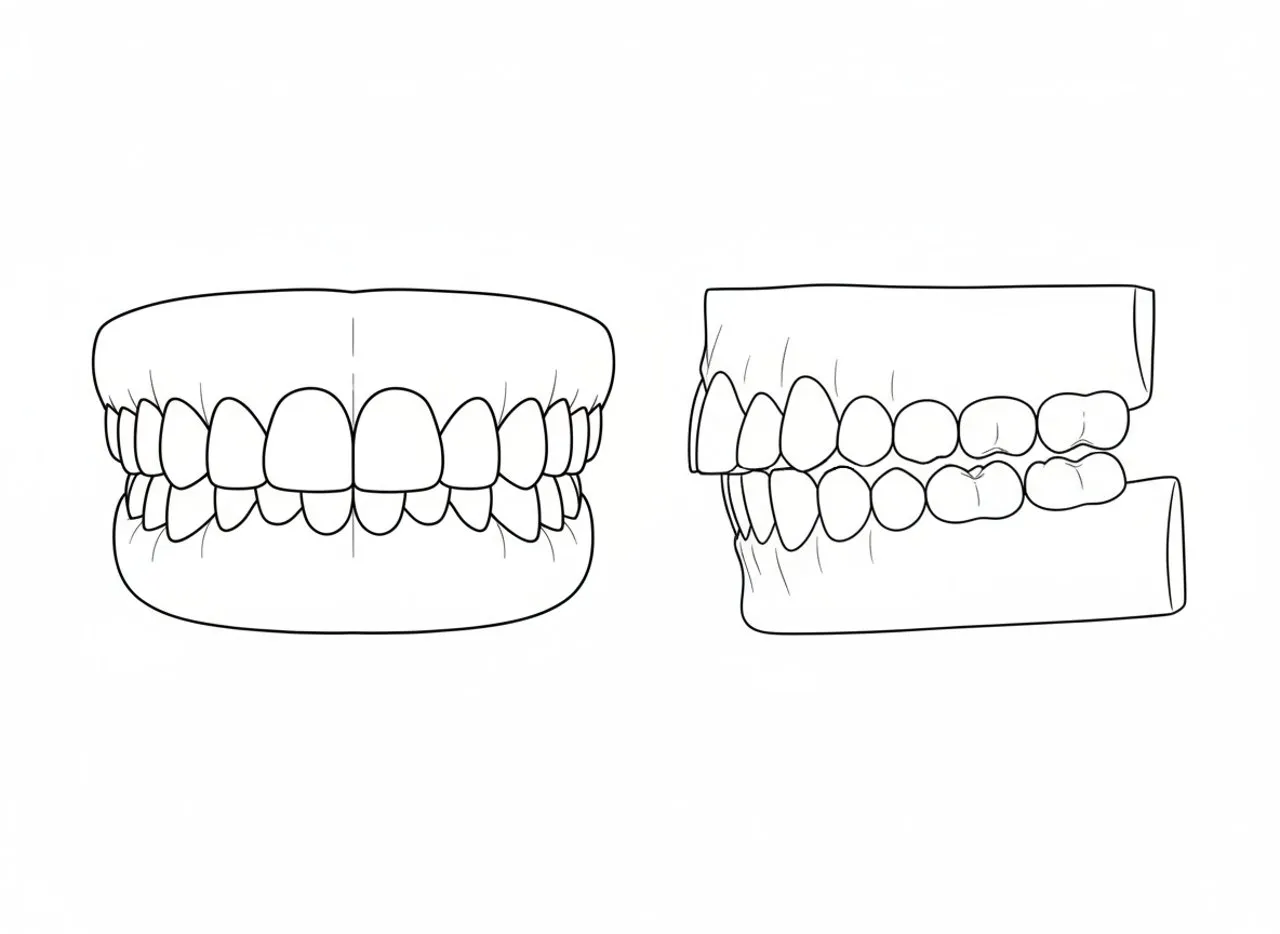
What is a deep bite?
A deep bite occurs when the upper incisors overlap the lower incisors excessively. The teeth cannot bite together properly. Normally, the upper teeth should slightly overlap the lower teeth.
With a deep bite, however, the vertical overlap is much more pronounced. In some cases, this can cause the upper teeth to completely cover the lower teeth. This impairs the normal functions of chewing and speaking. The causes of this vary. A genetic predisposition often plays a role. A hereditary misalignment can cause the teeth to develop in an unnatural position. External factors such as thumb sucking or habits such as teeth grinding can also lead to a deep bite.
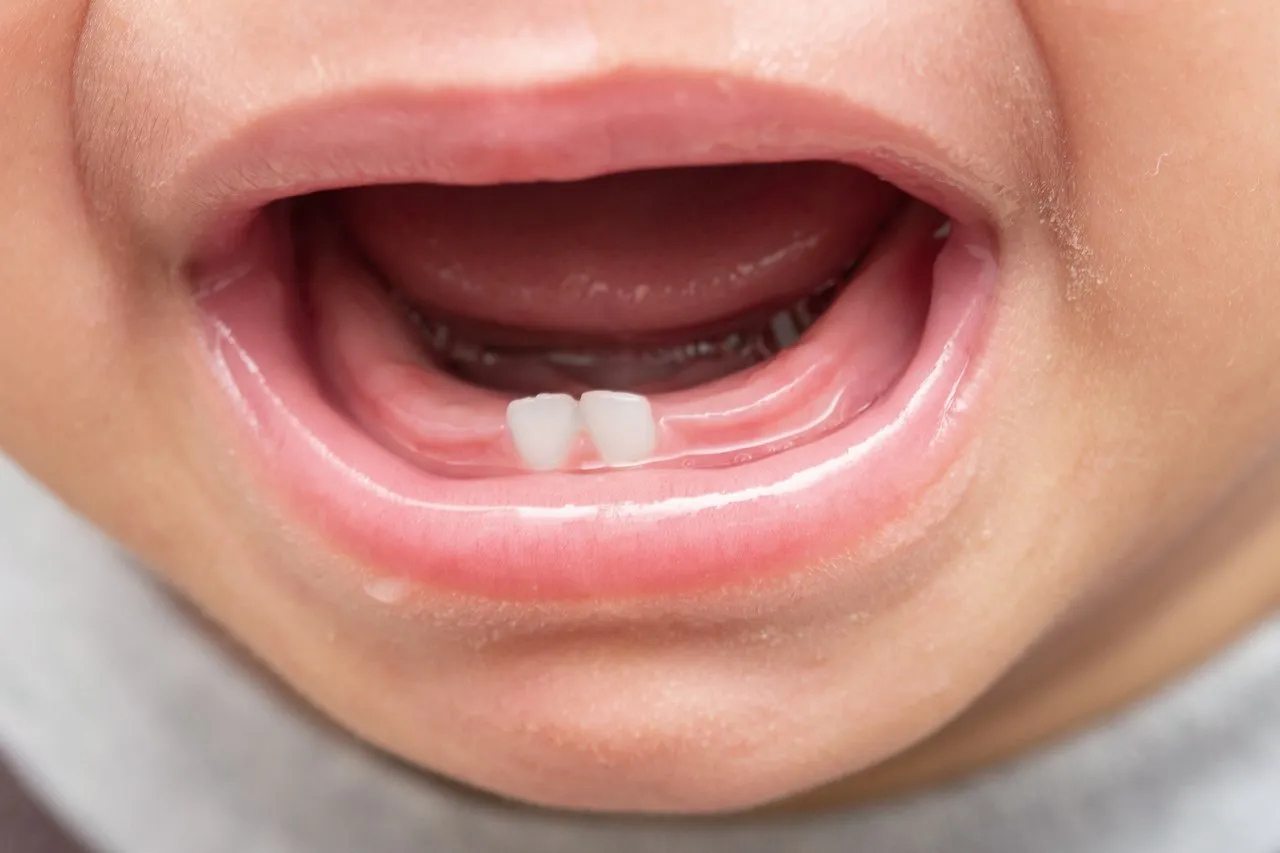
Causes and symptoms of a deep bite
The most common causes are abnormal jaw development and insufficient space in the jaw to align the teeth properly. This can cause the teeth to shift, resulting in this misalignment. In many cases, the condition goes unnoticed for years, particularly if it is mild. Typical symptoms include: Excessive overbite: The upper teeth overlap the lower teeth too much, preventing the teeth from meeting normally. Jaw problems: People with a deep bite may suffer from jaw joint problems, such as jaw pain or tension.
Teeth grinding and clenching: People with a deep bite often tend to grind or clench their teeth. This increases the risk of
damage to the teeth and tooth enamel. Difficulty chewing: An incorrect bite can make chewing food difficult, which affects food intake.
Tooth damage: The pressure on the teeth can cause them to wear down more quickly or damage their structure.
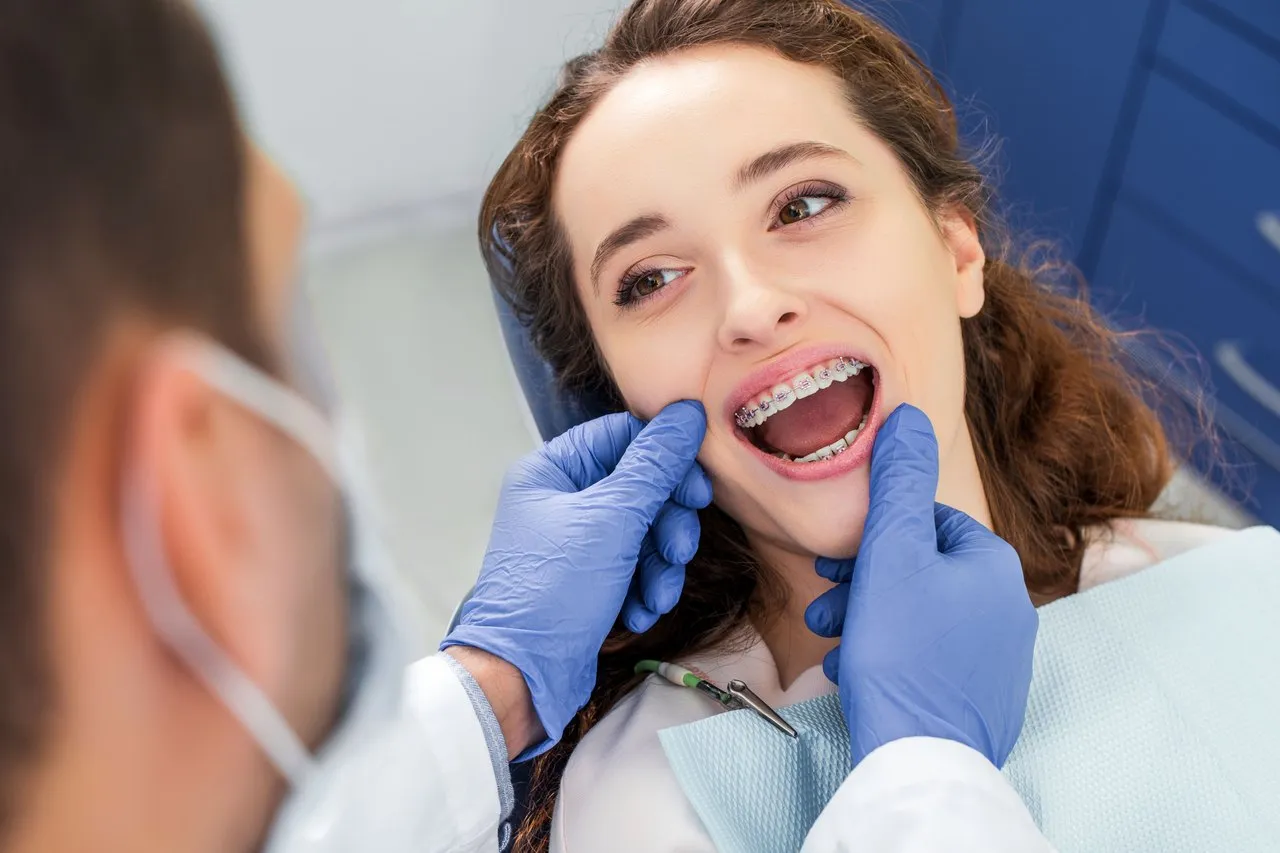
Deep bite before and after: treatment and correction
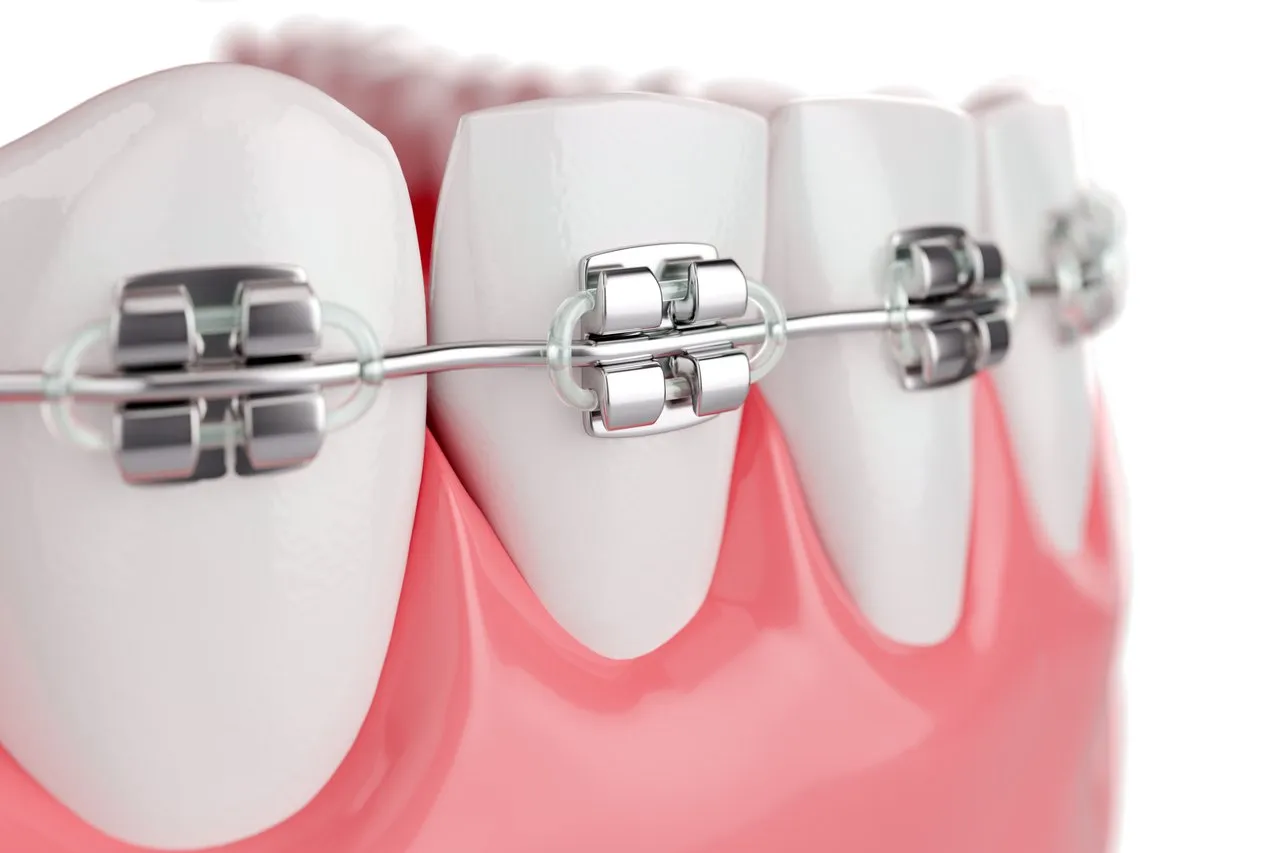
Treatment varies depending on the severity of the misalignment and the patient's age. Early assessment can help determine appropriate timing; if correction is needed, treatment during childhood may offer favourable prospects, depending on the individual case. Treatment for a deep bite can be child-friendly as well as suitable for adults. In general, there are several treatment options that may be used depending on the individual situation. These include: 1. Braces and orthodontic appliances: The most common method of treating a deep bite is the use of braces. Other orthodontic appliances are also used. These appliances help move the teeth into the correct position and correct the deep bite.
This is a particularly effective method in children, as the jaw is still growing. Alignment is therefore easier. 2. Surgical procedures: In more severe cases of deep bite, particularly in adults, surgical treatment may be required. This may involve jaw surgery, in which the jaw is surgically repositioned. Such procedures are generally only considered when orthodontic treatment alone is not sufficient. 3. Retainers: After orthodontic treatment, a retainer is often used to stabilise the result achieved. A retainer is a dental appliance that holds the teeth in their new position, thereby preventing the misalignment from recurring.
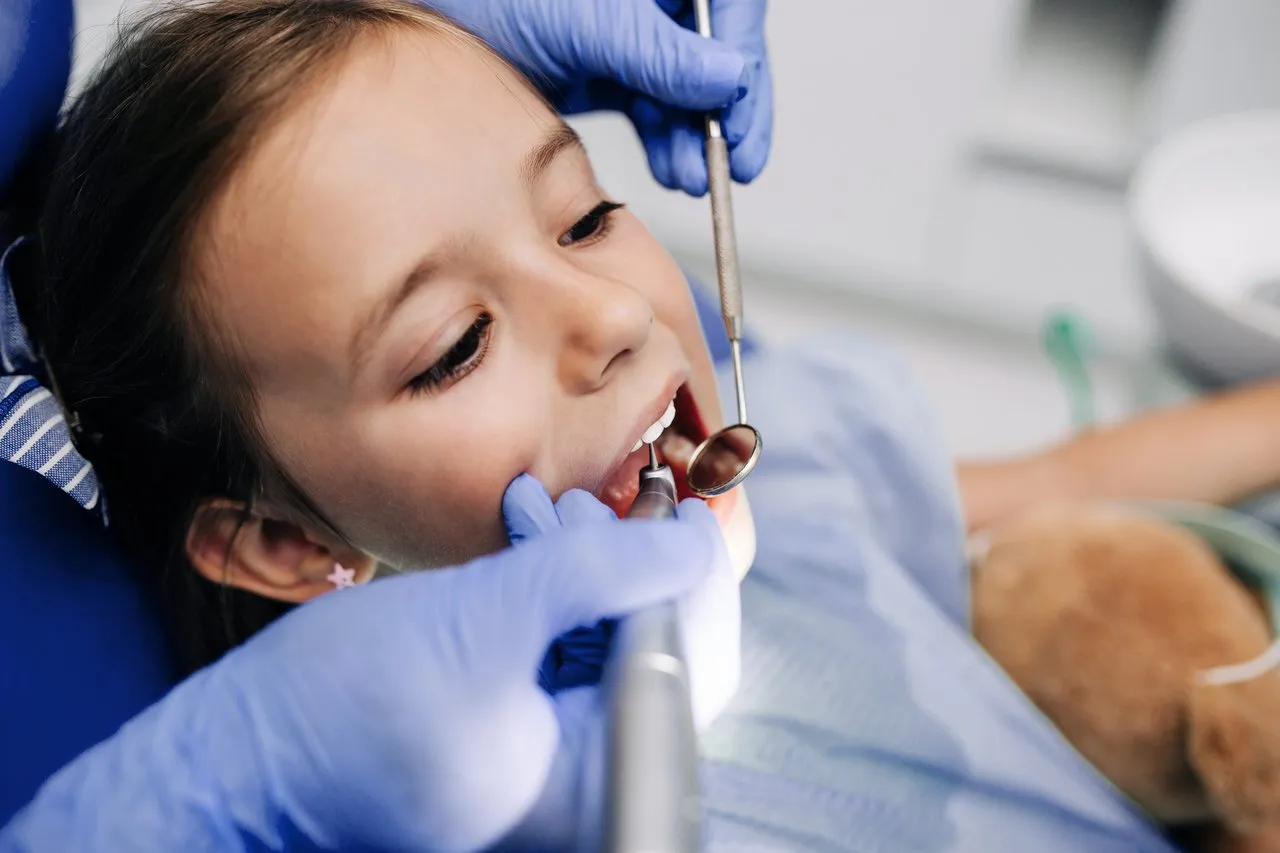
Deep bite treatment in children and adults
Treating a deep bite in children is generally more straightforward. The jaw is still growing and can be moved more easily. Orthodontic appliances such as braces or functional appliances help bring the teeth into the correct alignment. If the child continues habits such as thumb sucking, treatment can also help them stop this behaviour.
In adults, however, treating a deep bite is often more complex. If the deep bite is more severe, surgical measures may need to be considered in addition to orthodontic treatment with braces. These procedures aim to realign the jaw and stabilise the teeth. The exact approach is agreed individually with the patient and the dentist. In any case, treatment is a lengthy process that requires patience. However, successful treatment leads to a significant improvement in general well-being in most cases.
Conclusion
A deep bite can have a considerable impact on dental health. Early assessment may help determine the appropriate timing of any treatment. Where clinically indicated, appropriate treatment may help reduce longer-term dental risks. It is important to emphasise that treatment options suitable for both children and adults are available. With the right combination of braces, functional appliances, surgical procedures and retainers, effective correction is usually possible.
FAQ
When the upper teeth overlap the lower teeth excessively, making normal biting and chewing difficult.
Causes can include genetic predisposition, insufficient space in the jaw or bad habits such as thumb sucking.
Treatment can include braces, orthodontic appliances and, in severe cases, surgical procedures.
Treatment can take between one and two years, depending on the severity of the malocclusion and the patient's age.
No, it does not usually disappear on its own and requires targeted treatment.
Yes, adults can also have the malocclusion treated successfully. This often involves orthodontic appliances and possibly surgery.
If left untreated, a deep bite can lead to temporomandibular joint problems, tooth damage and speech problems.
Treatment with braces can cause mild discomfort, which usually disappears after a short time. The experience varies from person to person, so individual guidance from the orthodontist is important.
A deep bite should be assessed as early as possible so that the appropriate timing of treatment can be determined individually. Treatment during childhood growth may be beneficial, but earlier treatment does not guarantee a better result.
After treatment, a retainer must be used to stabilise the result.