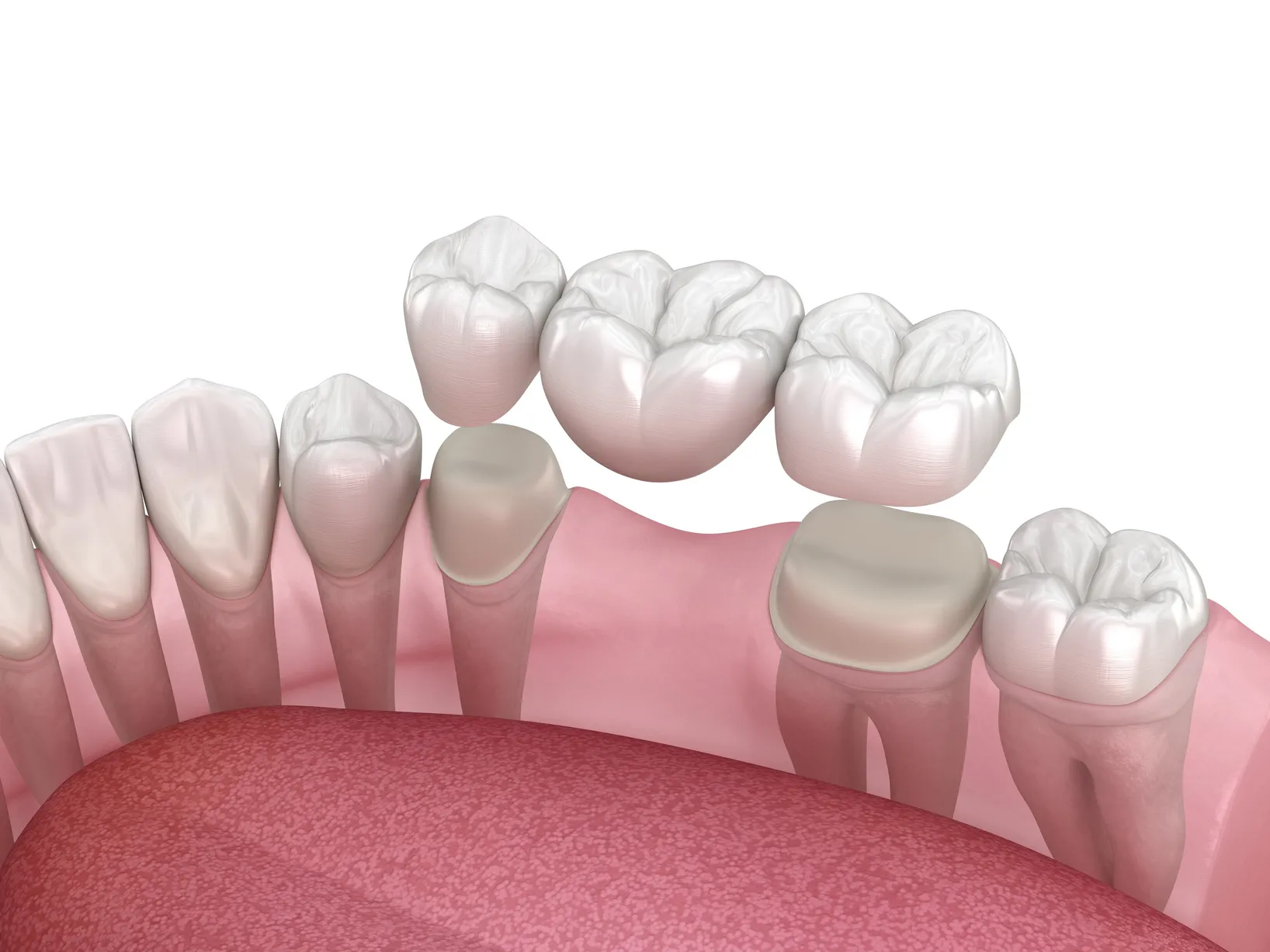
How is a dental bridge secured?
A dental bridge is a fixed dental prosthesis replacing one or more missing teeth. With a conventional bridge, suitable natural abutment teeth are usually prepared and the bridge is cemented onto them. Depending on its design, an implant-supported bridge can be screwed or cemented onto implants. The process includes examination and planning, impressions, a temporary restoration if necessary, and fitting and placement with checks of the fit and bite. How many appointments are needed and which type of bridge is suitable depend on the individual clinical findings.
- Securing the bridge
- A conventional bridge is usually cemented onto your own abutment teeth. On implants, it can be screwed or cemented in place depending on its design.
- Procedure
- Examination and planning, preparation of the abutments, impressions, a temporary restoration if necessary, fabrication, fitting and placement with a bite check. The number of appointments depends on the individual case.
- Options
- Single-span, multi-span and cantilever bridges, as well as implant-supported bridges. An adhesive bridge may also be an option for suitable gaps between front teeth.
The examination shows which abutments are suitable and which treatment steps are needed.
In this article
What is a dental bridge and how does it work?
A dental bridge is a fixed dental prosthesis replacing one or more missing teeth. The replacement teeth are called pontics. A conventional tooth-supported bridge rests on suitable natural teeth, while an implant-supported bridge rests on implants. Which type is suitable depends, among other things, on the position and size of the gap and the position, load-bearing capacity and condition of the abutments.
- Single-span bridge
It bridges a gap between teeth, which may involve several missing teeth.
- Multi-span bridge
It closes several gaps between teeth with a single structure.
- Cantilever bridge
With this design, the abutments are on one side of the unsupported pontic. Whether it is suitable depends particularly on the load and the condition of the abutments.
Our Berlin locations for advice on dental prosthetics
At our four Berlin locations, you can receive advice on gaps between your teeth or replacing dental prostheses. At your first appointment, we discuss your concerns, examine your teeth and plan the next steps.
Bridges are made in our in-house laboratory at our Friedrichstraße and Savignyplatz locations. If your bite feels uncomfortable after fitting, contact the practice providing your treatment. At the two locations with laboratories, we can check whether adjustments are possible without sending the bridge away.
- Reinickendorf. Gotthardstraße 27, 13407 Berlin. Advice and planning for tooth loss or replacing dental prostheses.
- Schöneberg. Bayerischer Platz 7, 10779 Berlin. Advice and planning for tooth loss or replacing dental prostheses.
- Mitte. Friedrichstraße 147, 10117 Berlin. Advice on dental prostheses and an in-house dental laboratory.
- Charlottenburg. Savignyplatz 5, 10623 Berlin. Advice and planning for bridges, as well as an in-house laboratory on site.
How is a bridge secured?

With a conventional tooth-supported bridge, the adjacent abutment teeth are usually ground down for the anchor crowns. These dental crowns are connected to the pontics. The finished bridge is securely cemented onto the prepared abutment teeth.
With a purely implant-supported bridge, implants take on the role of the abutments. In this case, depending on its design, the bridge can be screwed in place or cemented.
How is a bridge attached to a tooth? The procedure
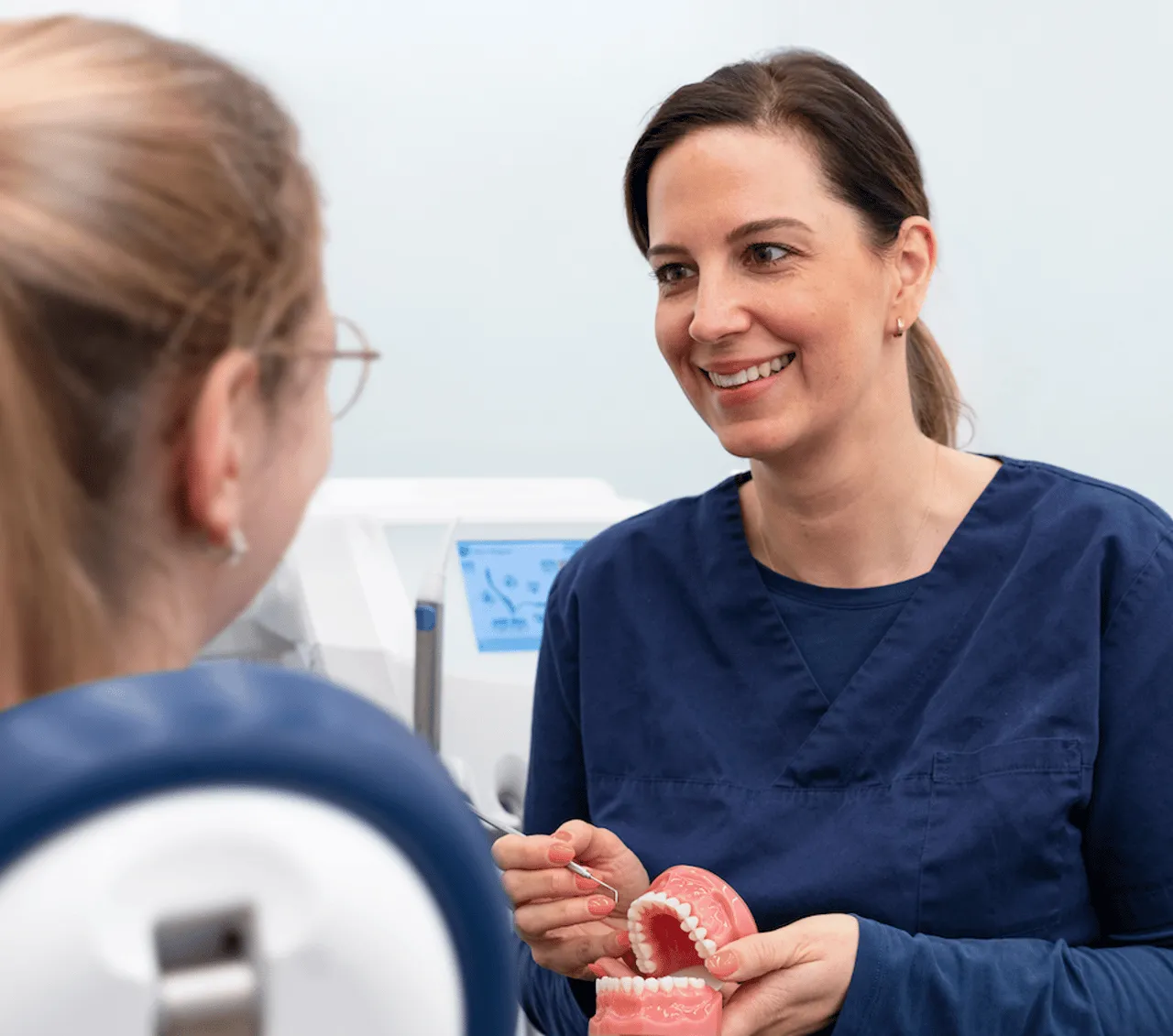
The following steps are usual for a conventional tooth-supported bridge. How many appointments you need depends on your clinical findings, the type of bridge and any pre-treatment that may be required.
- Examination and planning
The team assesses the gap, potential abutments and bite, and discusses suitable treatment options and any necessary pre-treatment.
- Preparation and impression taking
The abutment teeth are prepared for the retaining crowns. An impression or digital scan provides the laboratory with a template for the bridge.
- Temporary restoration
A temporary restoration can protect the prepared teeth until the final bridge is ready.
- Fabrication and try-in
Once it has been made, the fit, shape and colour, as well as the bite, are checked and the bridge is adjusted if necessary.
- Fitting and follow-up check
The bridge is secured. The practice providing your treatment checks the fit and bite and is also your point of contact for follow-up checks.
Dental bridge materials – ceramic, metal or both?
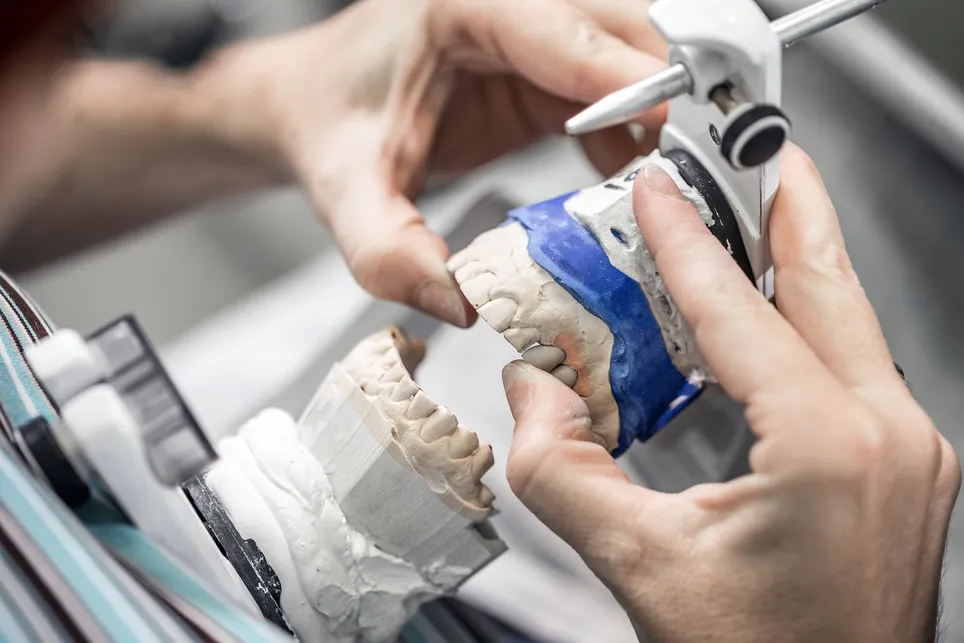
The material affects the appearance and stability of a dental bridge. All-ceramic bridges are tooth-coloured. Zirconium oxide is a ceramic material.
Metal-ceramic bridges combine a metal framework with a ceramic facing and are also an option for back teeth. All-metal bridges are also possible. Which material is suitable depends on the position and extent of the bridge, the biting load and your preferences regarding appearance.
How long does a dental bridge last, and how do you care for it?
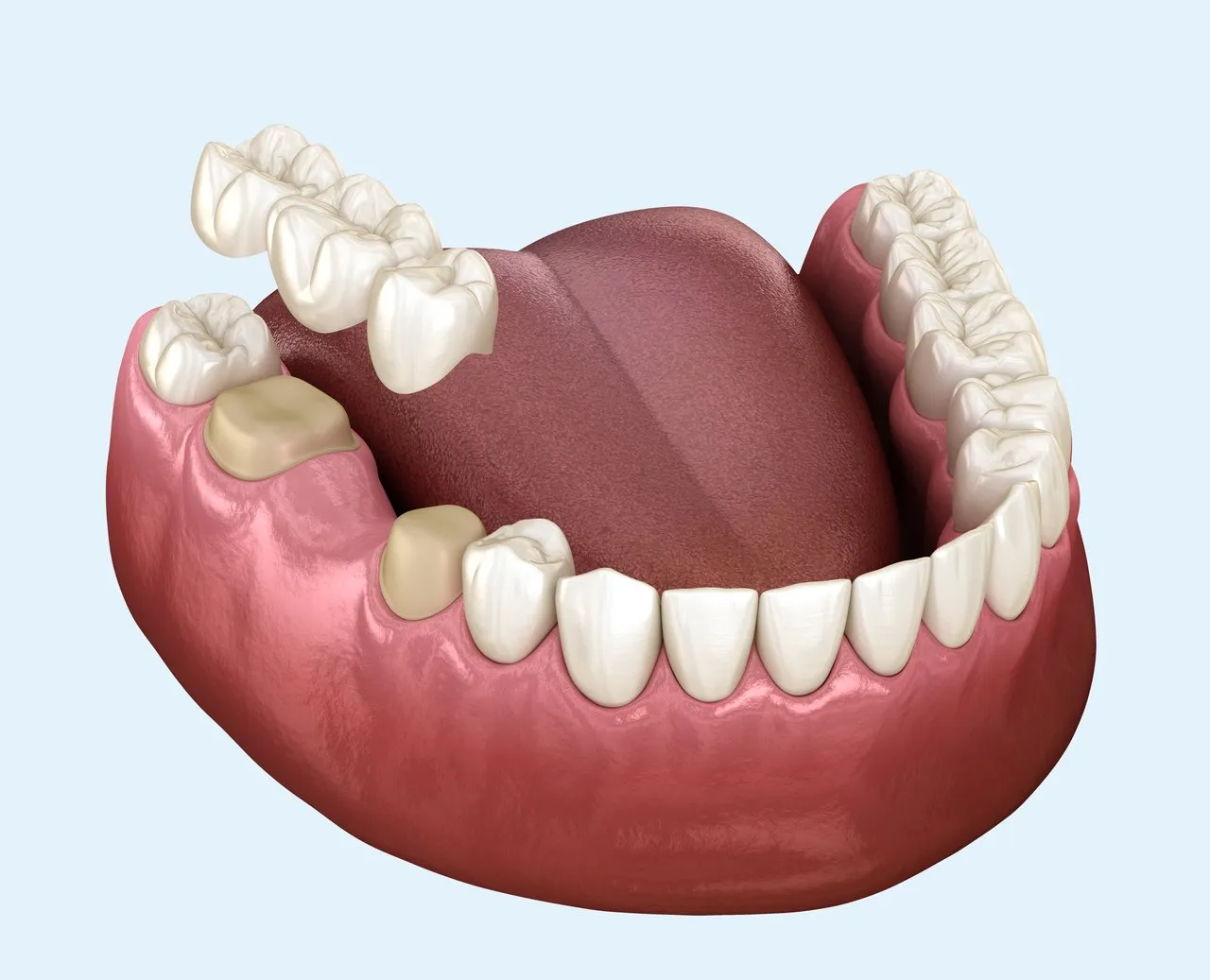
Durability and function depend, among other things, on the condition of the abutments, the design, the load, the material and oral hygiene.
Clean your bridge thoroughly and have it checked regularly. Depending on its shape, suitable dental floss or an interdental brush can help underneath the pontic. The practice can show you how to clean it properly and recommend professional dental cleaning if necessary.
Is having a bridge fitted painful?

The abutment teeth can be ground down under local anaesthetic. After fitting, your bite may feel unfamiliar and the treated teeth may be temporarily sensitive. Sensations of pressure or a reaction to cold are also possible.
If you experience persistent or increasing discomfort, an uncomfortable bite or a loose fit, contact the practice providing your treatment. They can investigate the cause and check the fit and bite.
A dental bridge for front teeth – aesthetics and options
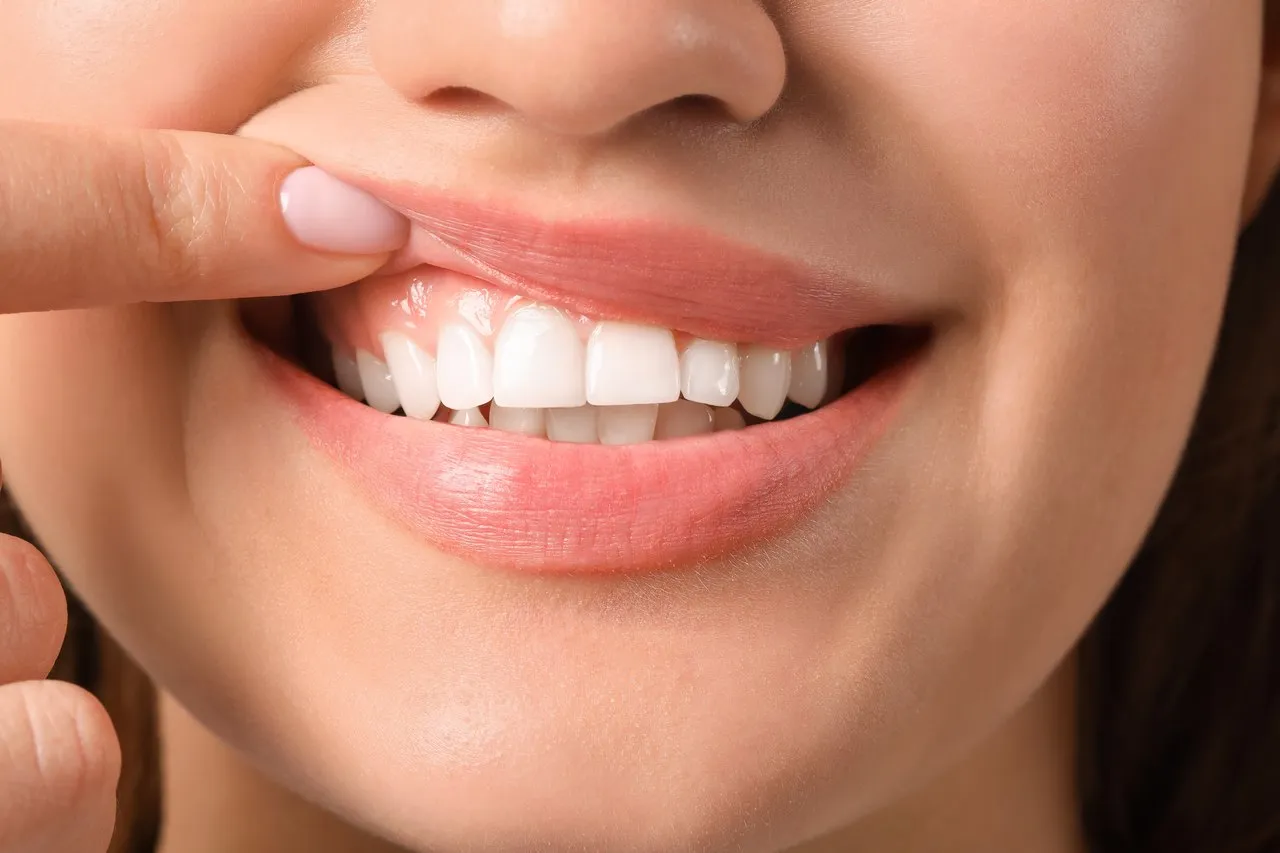
In the visible anterior region, colour and shape are important. An all-ceramic bridge can be made tooth-coloured. The shape of the gap and the bite also play a role in the choice of design.
For a suitable gap involving an incisor, an adhesive or bonded bridge may be an option. In this procedure, an adhesive wing is anchored to the tooth enamel. This option requires sufficient intact tooth enamel and generally involves significantly less preparation than a conventional bridge.
Dental bridge or implant? Making the decision with professional advice
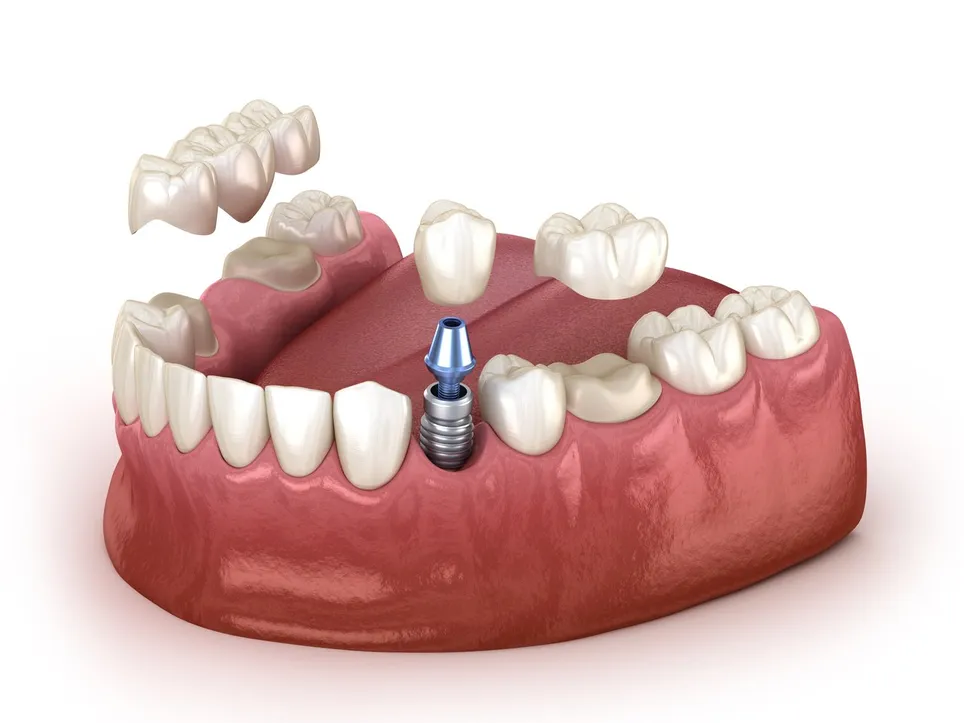
If a single tooth is missing, an implant with a crown may be an alternative. Implants can also support a bridge when several teeth are missing. A single-tooth implant crown can avoid the need to prepare healthy neighbouring teeth, but requires a surgical procedure and suitable conditions, such as sufficient jawbone.
A conventional tooth-supported bridge is particularly worth considering if the intended abutment teeth are already heavily filled or need a crown anyway. No implantation is required for the bridge itself. In the anterior region, a bonded bridge may also be an option if the enamel is suitable. For larger gaps or inadequate abutments, a removable partial denture may be an option.
Which solution is medically and functionally suitable can only be decided after an examination and consultation. You can also read about other tooth replacement options.
Conclusion: bridges are a well-established fixed solution
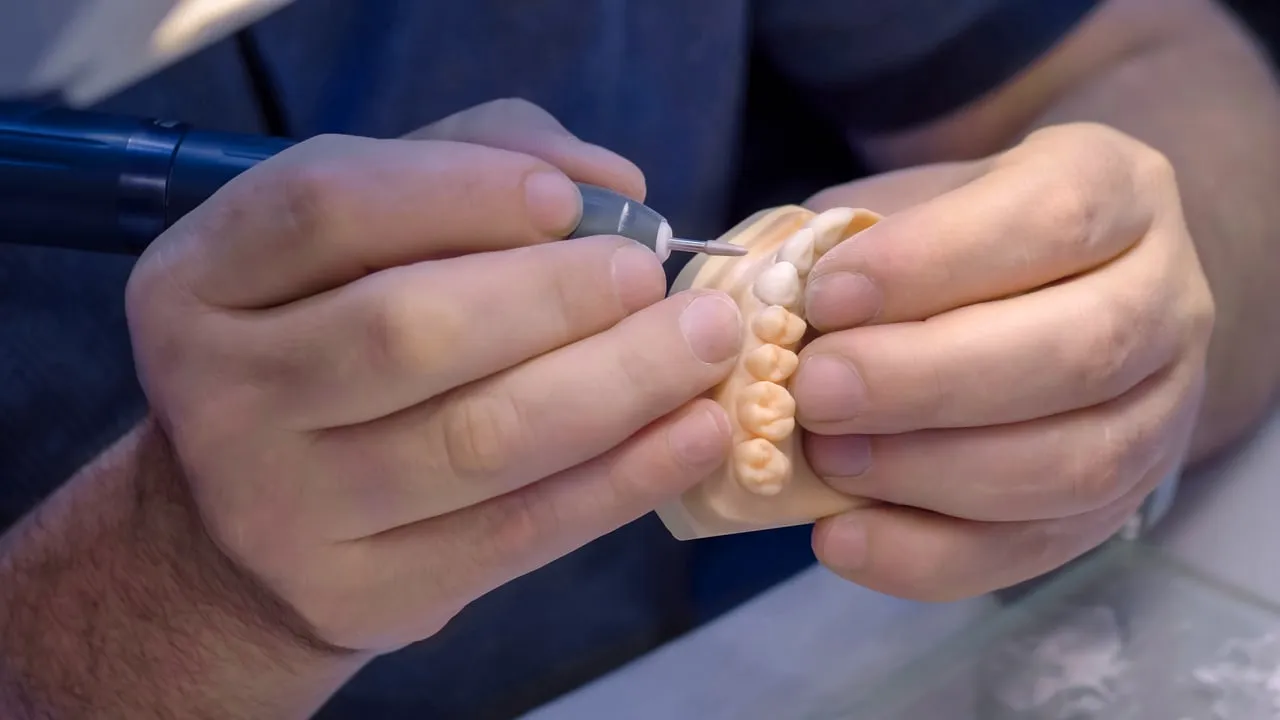
Bridges are a well-established form of tooth replacement. Good abutments, a suitable design and careful maintenance contribute to a restoration that remains functional in the long term. We will discuss which type of bridge or alternative is suitable for you after the examination. Book an appointment
Frequently asked questions
How long does a dental bridge last?
There is no generally applicable number of years. The condition of the abutments, the design, the load, the material and oral hygiene all affect durability. Thorough cleaning and regular check-ups are therefore important.
What types of dental bridge are there?
These include single-span, multi-span and cantilever bridges. Depending on what supports them, they are classed as tooth-supported or implant-supported bridges. An adhesive bridge may also be an option for suitable gaps between front teeth.
Does a dental bridge cause pain?
The abutment teeth can be prepared under local anaesthetic. Temporary sensitivity or pressure is possible after fitting. If pain persists or gets worse, your bite feels uncomfortable or the bridge feels loose, contact the practice treating you.
How is a dental bridge secured?
A conventional bridge is cemented onto the prepared natural abutment teeth. Depending on its design, an implant-supported bridge can be screwed or cemented onto implants.
What experiences have patients had with dental bridges?
The adjustment period varies from person to person. At your follow-up appointment, you can discuss how the bridge feels when chewing and speaking, how it fits and how well you can clean beneath it.
What is the procedure for a dental bridge?
For a conventional dental bridge, examination and planning are followed by preparation of the abutment teeth, impressions and, if necessary, a temporary restoration. Once the bridge has been made, the fit and bite are checked at the fitting appointment. How many appointments are needed before final placement depends on the clinical findings and the type of bridge.
What should you do about pain caused by cold after having a dental bridge fitted?
Sensitivity in treated teeth can occur, but its cause cannot be determined from the response to cold alone. If the discomfort persists or gets worse, you should have it examined by a dentist.
What materials are available for dental bridges?
All-ceramic, metal-ceramic and metal are available. Zirconia is one of the ceramic materials. The choice depends, among other things, on the position and span of the bridge, the load from your bite and your aesthetic preferences.
At which Wunschlachen locations can I get advice about a dental bridge?
You can get advice about dental prosthetics in Reinickendorf, Schöneberg, Mitte on Friedrichstraße and Charlottenburg at Savignyplatz. Your concerns and the clinical findings are discussed at the first appointment.
Sources
- KZBV: Bridges
Basic information on types of bridges, abutments, materials, treatment and care.
- Charité: Implant-supported dental restorations
Information on implant-supported dental prosthetics and options for comparison.
- KZBV: Preliminary examination
The importance of examination and planning before dental prosthetic treatment.
- Freiburg University Medical Centre · Crowning of teeth
Standard patient information on preparation, digital or conventional impressions, temporary restorations and the placement of crowns and bridges.
- Freiburg University Medical Centre: Range of prosthodontic treatments
Specialist information on prosthetic restorations, including adhesive bridges.
- DGPro/DGZMK: Aftercare for dental restorations
Recommendations for the care and aftercare of dental prosthetics.
- KZBV: Professional dental cleaning
Information on professional teeth cleaning as additional preventive care.
- Columbia University College of Dental Medicine: Sensitive Teeth
Information on sensitive teeth and possible causes.
- KZBV: Dental restorations
An overview of fixed and removable dental prosthetics.
- G-BA: Dental prosthetics directive, Section C II
Reference to guidelines on bridge restorations and abutment requirements.
- Wunschlachen: Reinickendorf practice
Confirmed details of general advice and planning for dental prosthetics at Gotthardstraße.
- Wunschlachen: Schöneberg practice
Confirmed details of general advice and planning for dental prosthetics at Bayerischer Platz.
- Wunschlachen: Friedrichstraße practice
Confirmed details of examinations, advice on dental prosthetics and the in-house dental laboratory.
- Wunschlachen: Charlottenburg practice
Confirmed details of advice and planning for bridges and the in-house laboratory at the location.
- Wunschlachen: Dental restorations
Practice information on dental prosthetics and follow-up checks.