Curettage at the dentist: procedure and healing
Healthy gums are the foundation for stable teeth. Inflammation attacks this support. A pocket clean may then be necessary. This special gum treatment thoroughly cleans the periodontal pockets. This removes the bacteria that cause periodontitis. The aim is always...
Über 350 Google-Bewertungen
The short answer
Curettage is a deep cleaning of the gum pockets as part of periodontal treatment. Under local anaesthetic, deposits and bacteria below the gum line are removed to preserve the supporting structures of the teeth. The gums regenerate over several weeks; good oral hygiene, not smoking and regular aftercare are crucial for long-term success. Statutory health insurance providers often contribute towards the therapy where there is a recognised diagnosis.
- Duration
- Usually several sessions, each lasting less than an hour, depending on the findings and pocket depth
- Statutory health insurance cover
- Statutory health insurance providers often contribute where periodontal disease is recognised; a treatment and cost plan is required
- Healing
- Regeneration over several weeks; initial improvements are often noticeable sooner
The need for treatment and its course vary from person to person; the dentist will make the decision following a thorough examination.

What exactly does curettage mean?
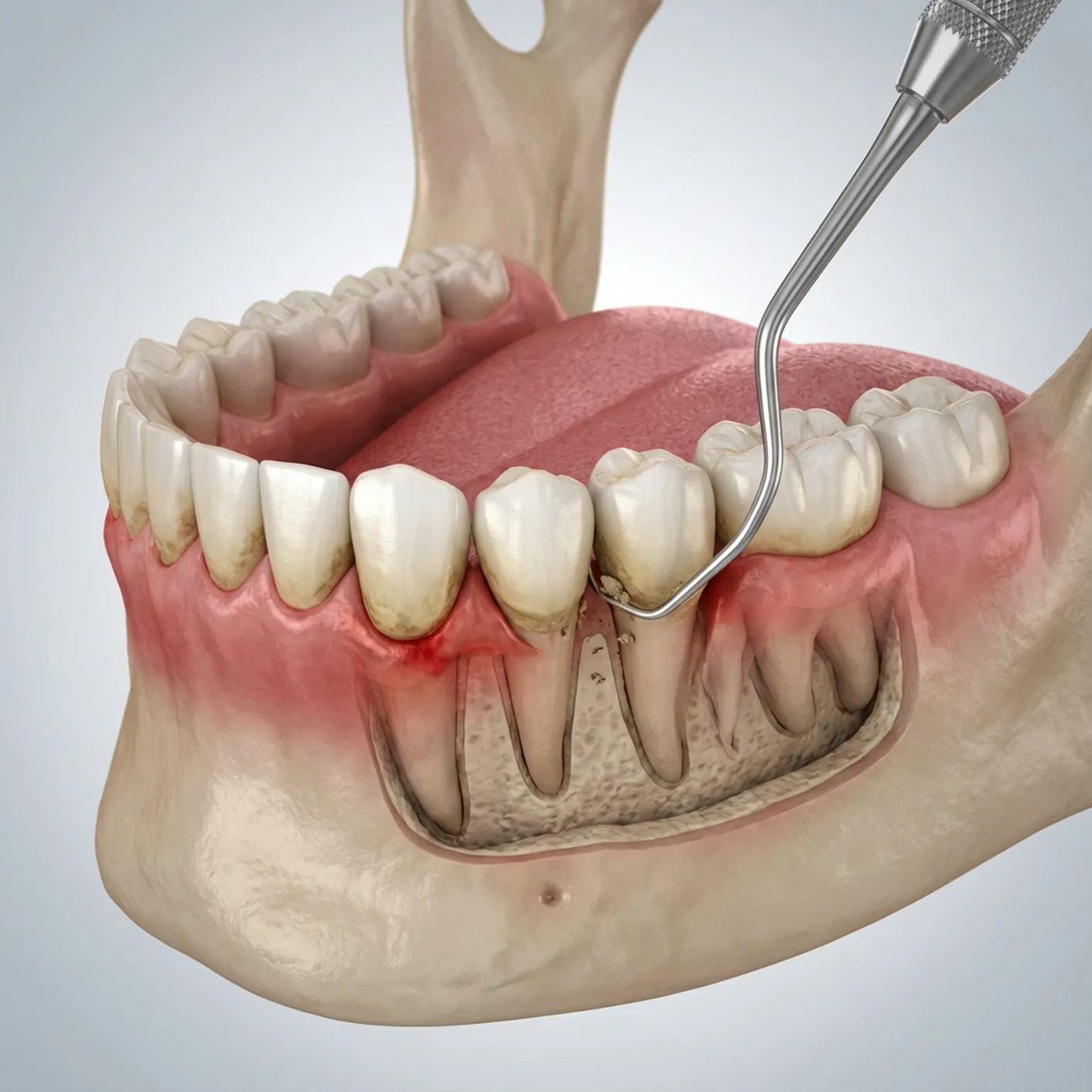
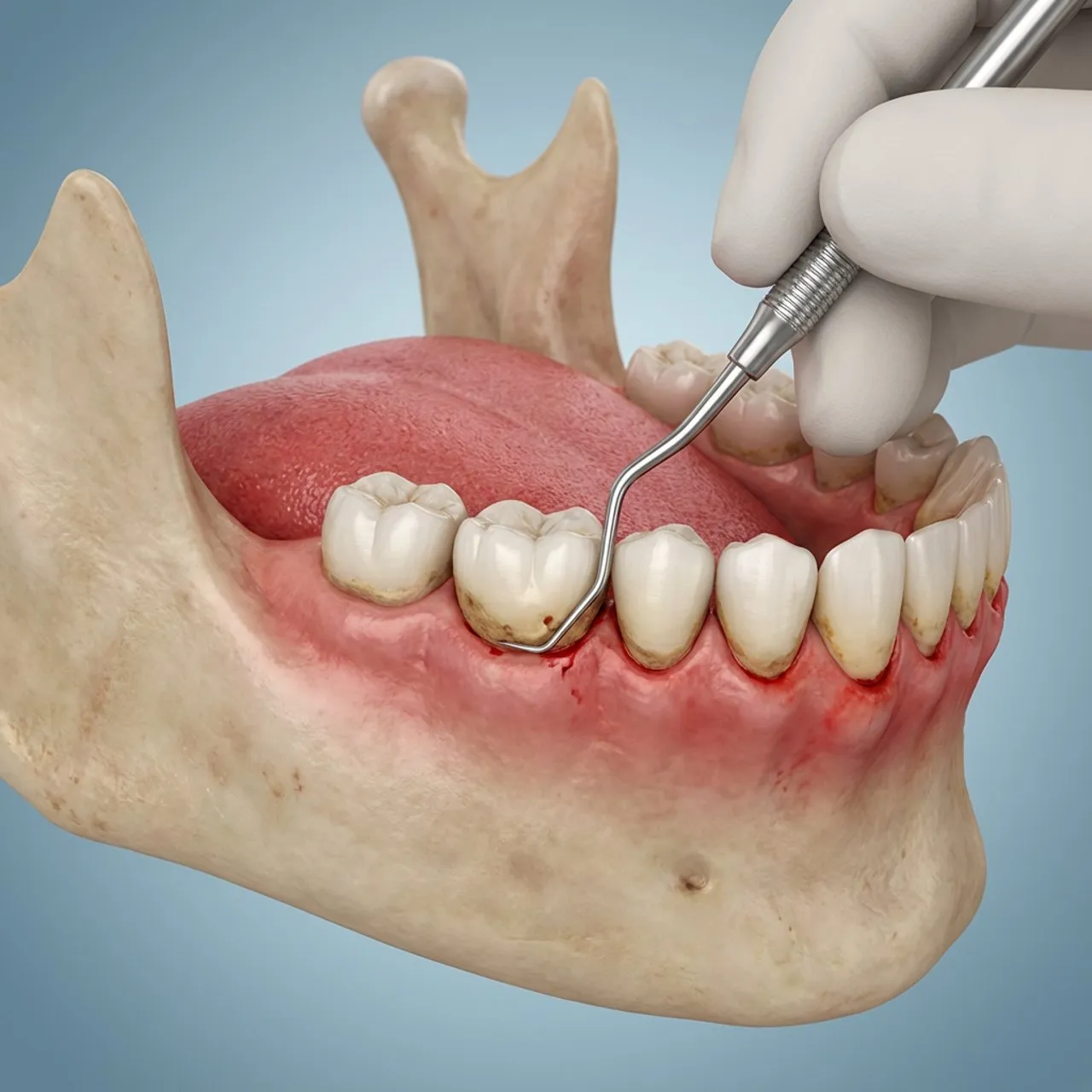
Curettage means thoroughly cleaning the periodontal pockets. Fine instruments are used to remove deposits and bacteria. This allows the inflamed tissue to settle down. The treatment forms part of modern periodontal therapy. It is used when a simple dental clean is no longer sufficient. This is particularly important for recurring gum inflammation.

When is periodontal pocket cleaning advisable?
The most common reason is chronic periodontitis. This causes the supporting structures of the teeth to gradually break down. The gum pockets become increasingly deep. Typical warning signs are bleeding gums, bad breath and loose teeth. Sensitive tooth necks can also be a sign. A dentist should take action by this point at the latest. The aim of treatment is to stop the inflammation. Bone loss should be halted. This allows teeth to be preserved in the long term.
Closed and open curettage
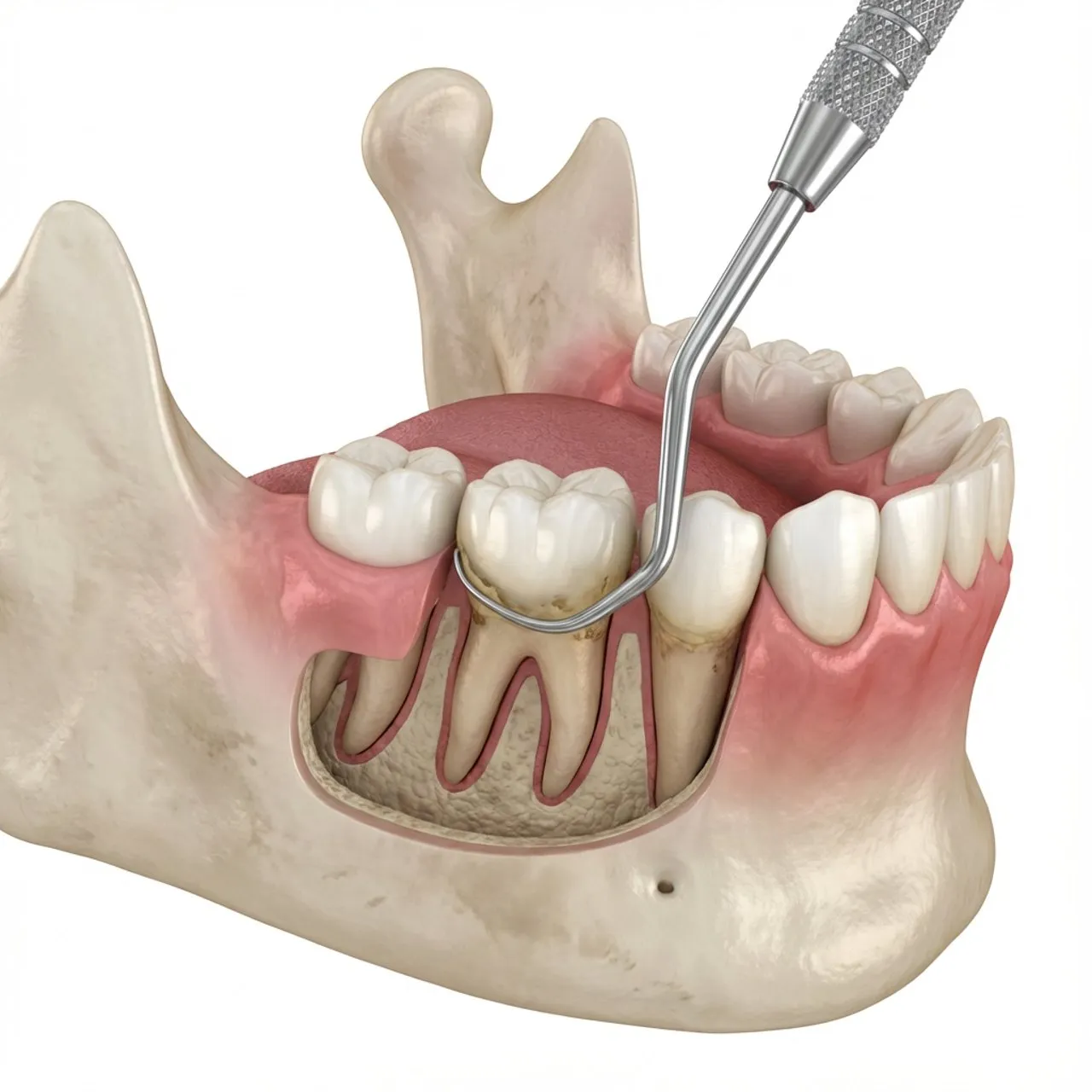
Dentists distinguish between closed and open curettage. Which method is advisable depends on the depth of the pockets. The overall diagnosis also plays a role. With the closed method, the gum margins are left untouched. The instruments enter the pockets without an incision. This form is used for mild to moderate periodontitis. An open method may be necessary for very deep pockets. The gum is carefully lifted. This allows the doctor to clean while looking directly at the area.
The treatment process step by step
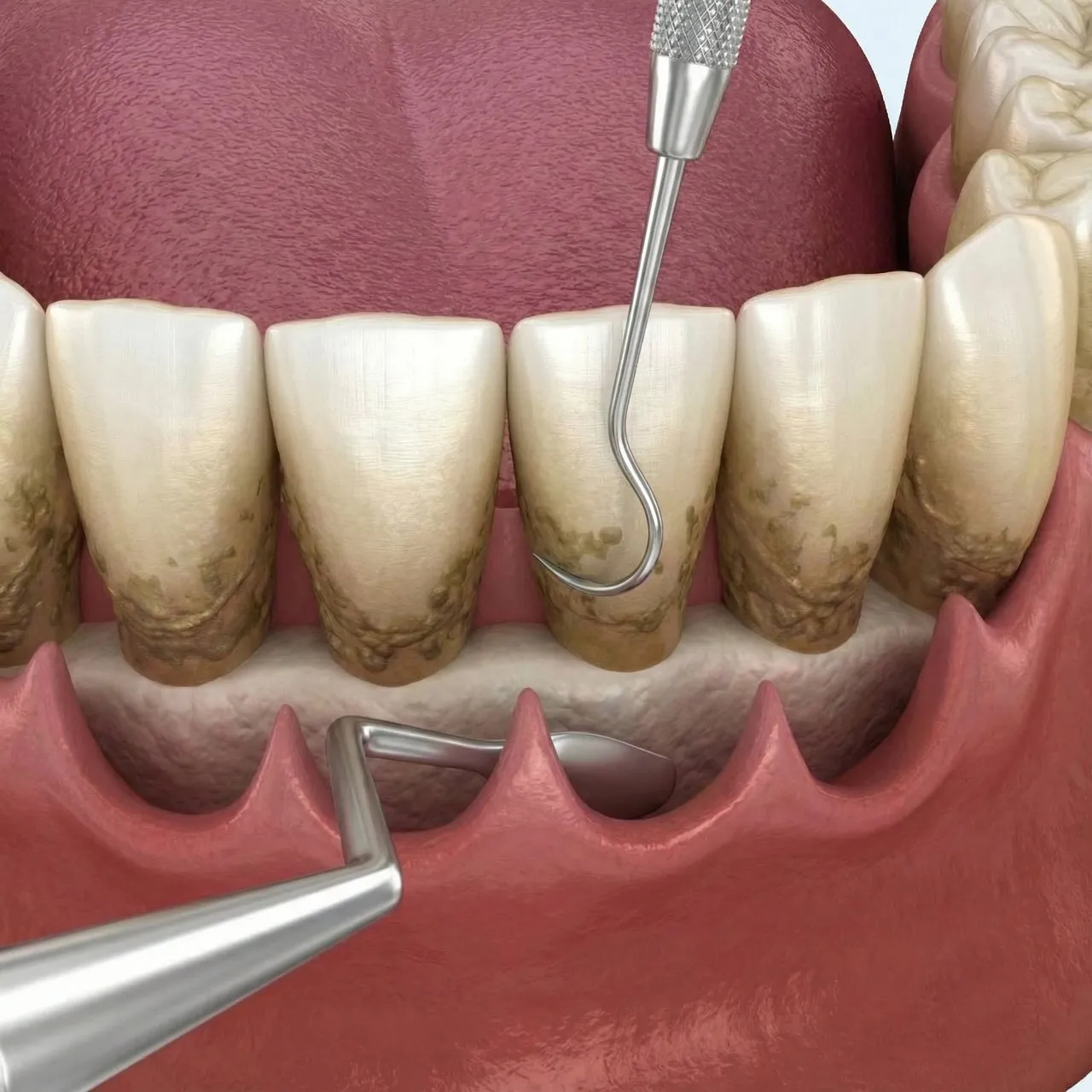
Every treatment begins with a thorough diagnosis. Pocket depth and the degree of inflammation are measured precisely. X-rays are often taken as well. The gum pockets are cleaned under local anaesthetic, so you will feel no pain during the procedure. Many patients feel only slight pressure. First, hard deposits and tartar are removed. The dentist then thoroughly cleans the root surfaces. Bacterial deposits are carefully removed and the root surfaces are smoothed. Depending on the findings, treatment may be spread over several appointments. Individual sections of the jaw are often treated one after another. This keeps the strain on you easy to tolerate. After treatment, the treated areas are disinfected. Special rinsing solutions or gels are sometimes used as well. These further reduce the bacterial count.
Pain after treatment
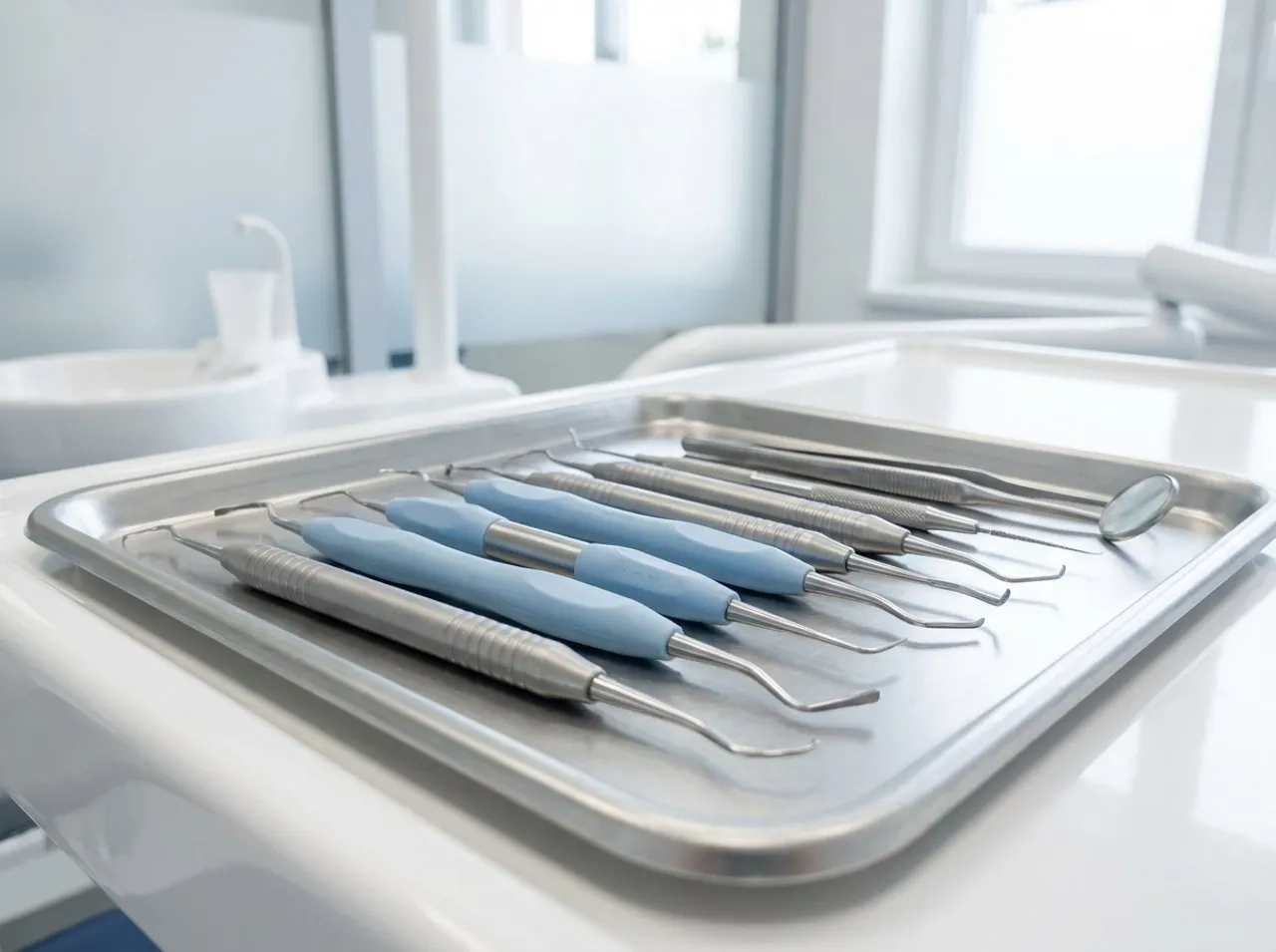
Many patients are afraid of severe pain. These worries are usually unfounded. The anaesthetic protects you from pain during treatment.
After the appointment, the areas may be slightly sensitive. Mild tenderness to pressure is possible. These symptoms usually subside after a few days. Keeping the area cool and maintaining gentle oral hygiene support healing. You should avoid hard or very hot foods at first. Your dentist will discuss suitable painkillers with you.
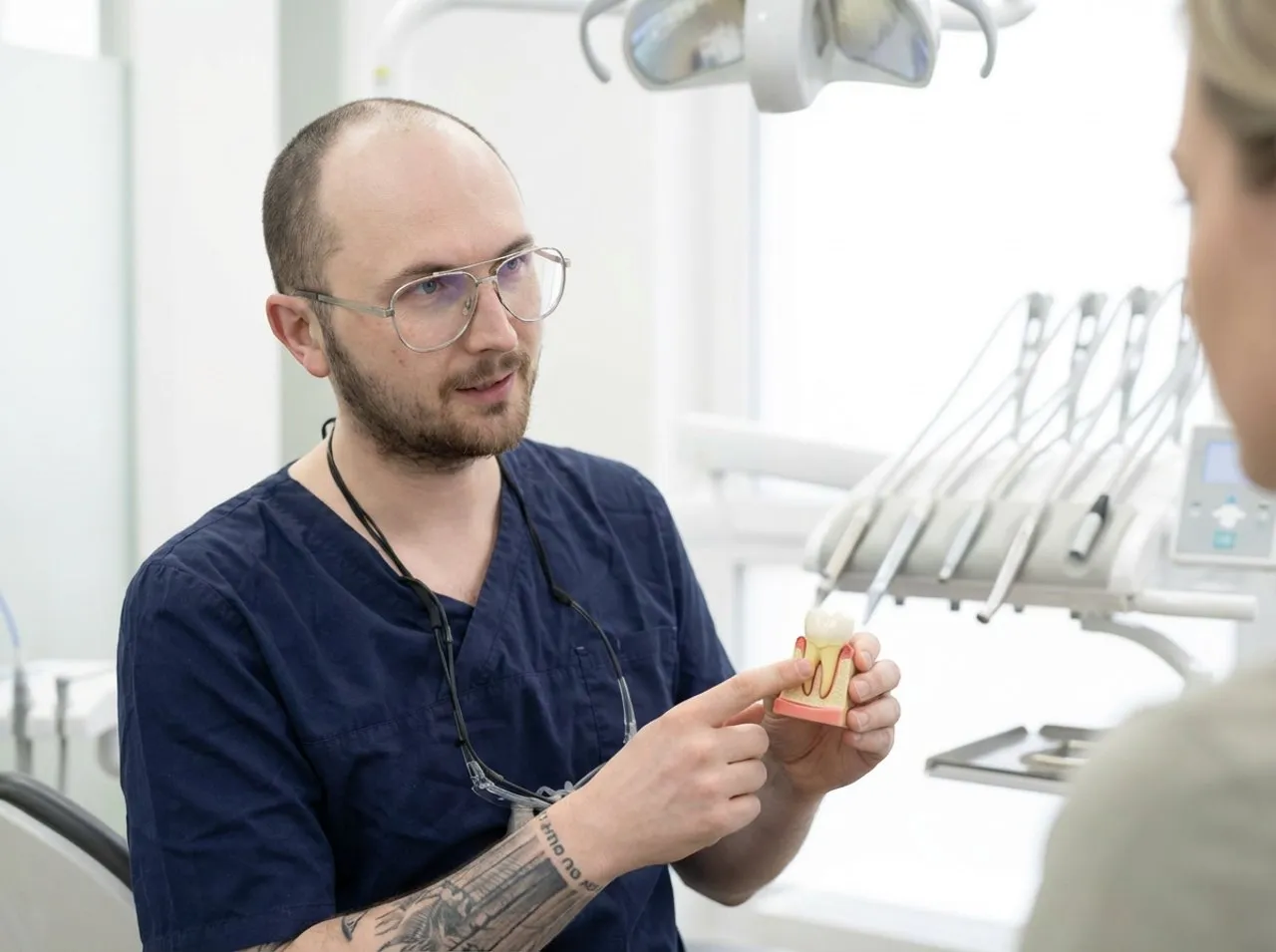
Healing and aftercare
After this type of cleaning, the gums need time to regenerate. Particularly careful hygiene is important during the first few days. Soft brushes and a gentle technique are ideal here. Antibacterial mouthwashes may also be helpful. However, these should only be used for a limited period. Your dentist will give you clear recommendations on this. Check-up appointments at the practice are important. The healing process is checked here. Individual areas are cleaned again if necessary.
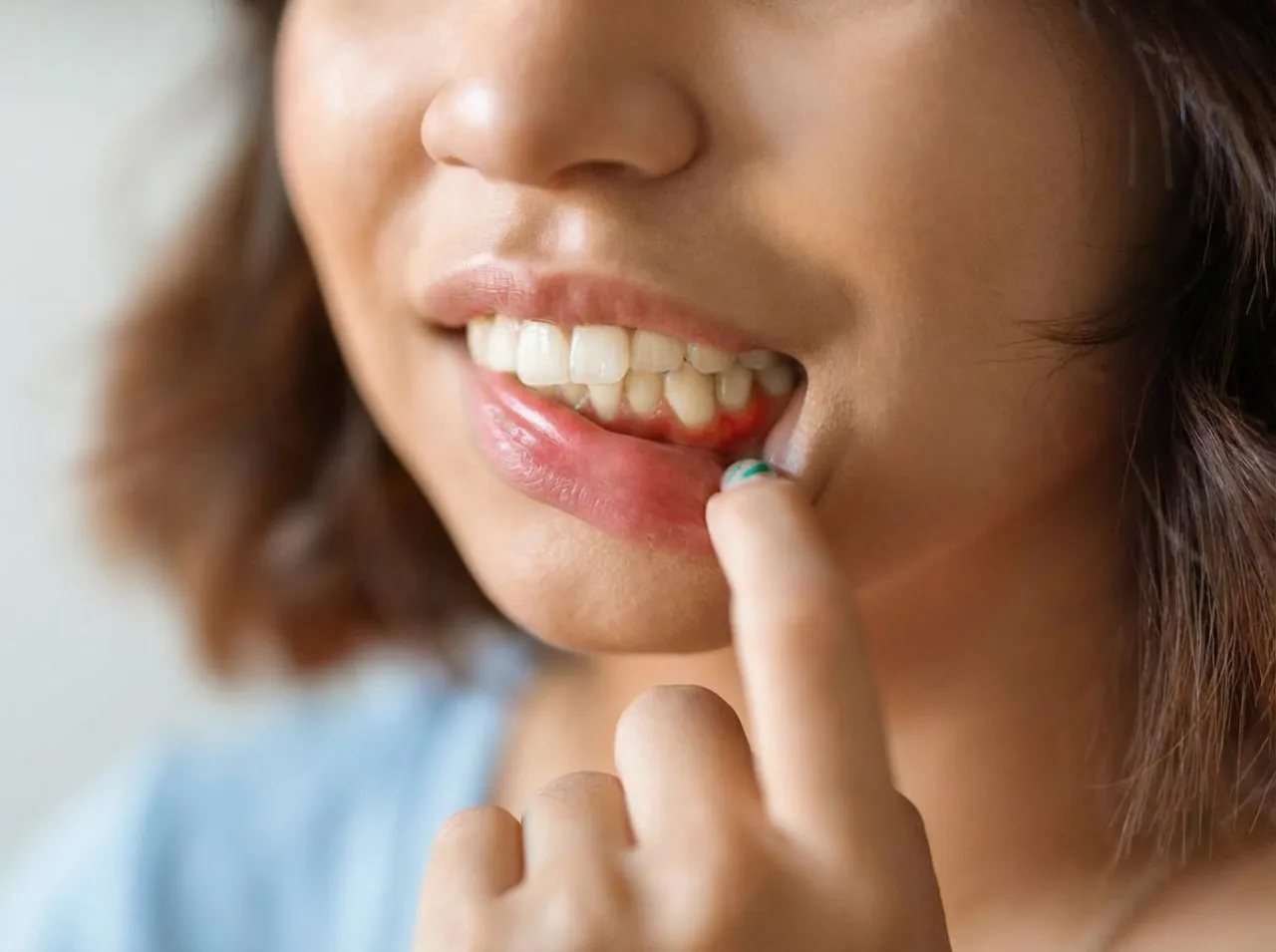
Risks and possible side effects
Like any procedure, this treatment has potential risks. The gums may temporarily recede further. This makes tooth necks more sensitive. In rare cases, swelling or slight subsequent bleeding occurs. These can usually be controlled well. Report any unusual symptoms directly to the practice. In the long term, the benefits clearly outweigh the risks. This therapy reduces inflammation. The risk of tooth loss falls noticeably.
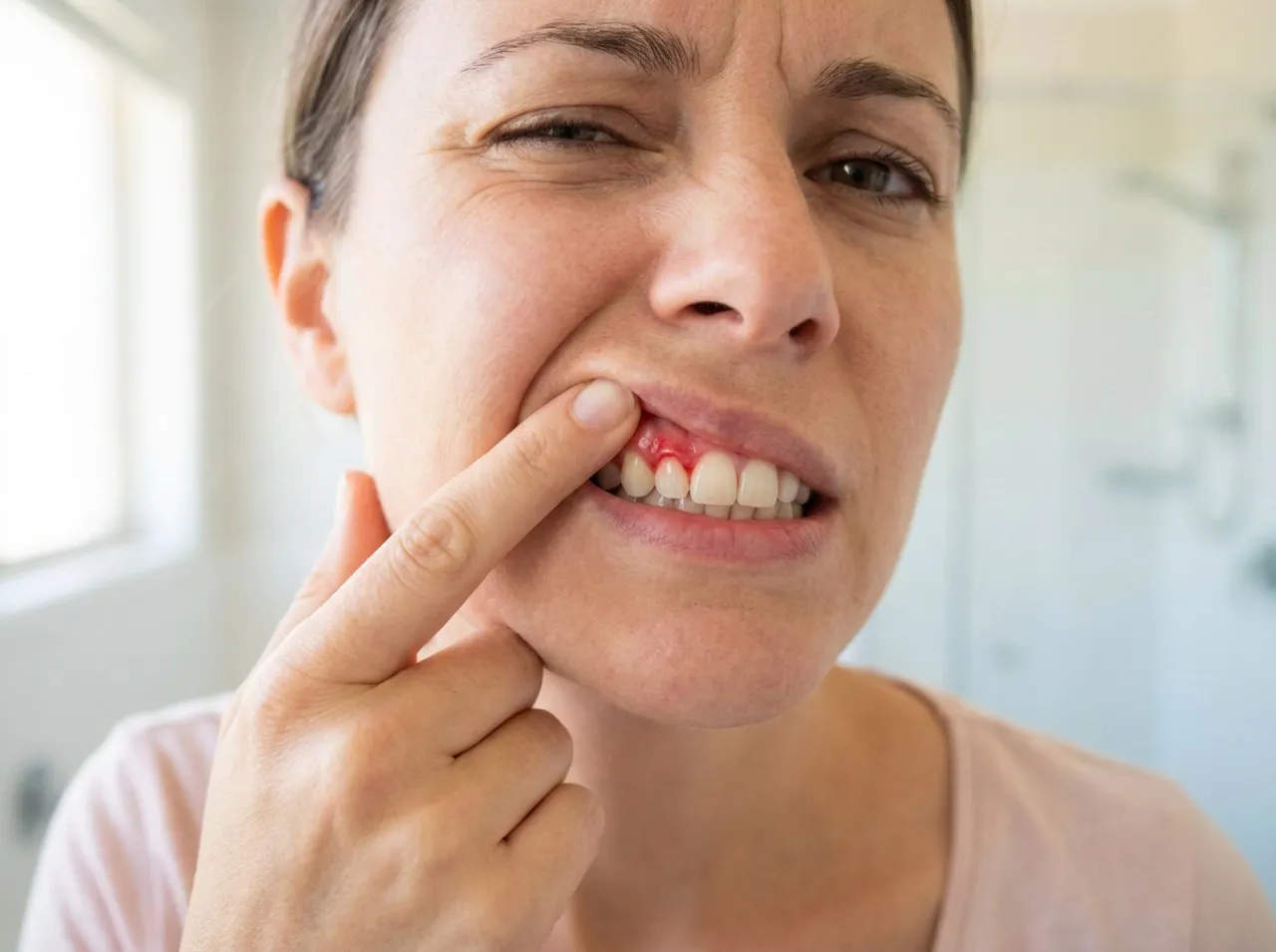
Periodontal pocket treatment at Wunschlachen in Berlin
At our Wunschlachen practice, we attach great importance to gentle periodontal treatment. A thorough diagnostic assessment is carried out before every course of treatment. Together, we discuss your individual situation. We use modern instruments and tried-and-tested treatment methods. We aim to make procedures as pain-free as possible. Our goal is stable tooth-supporting tissues and healthy gums. This also includes long-term care. Regular preventive care helps to maintain the results of treatment.
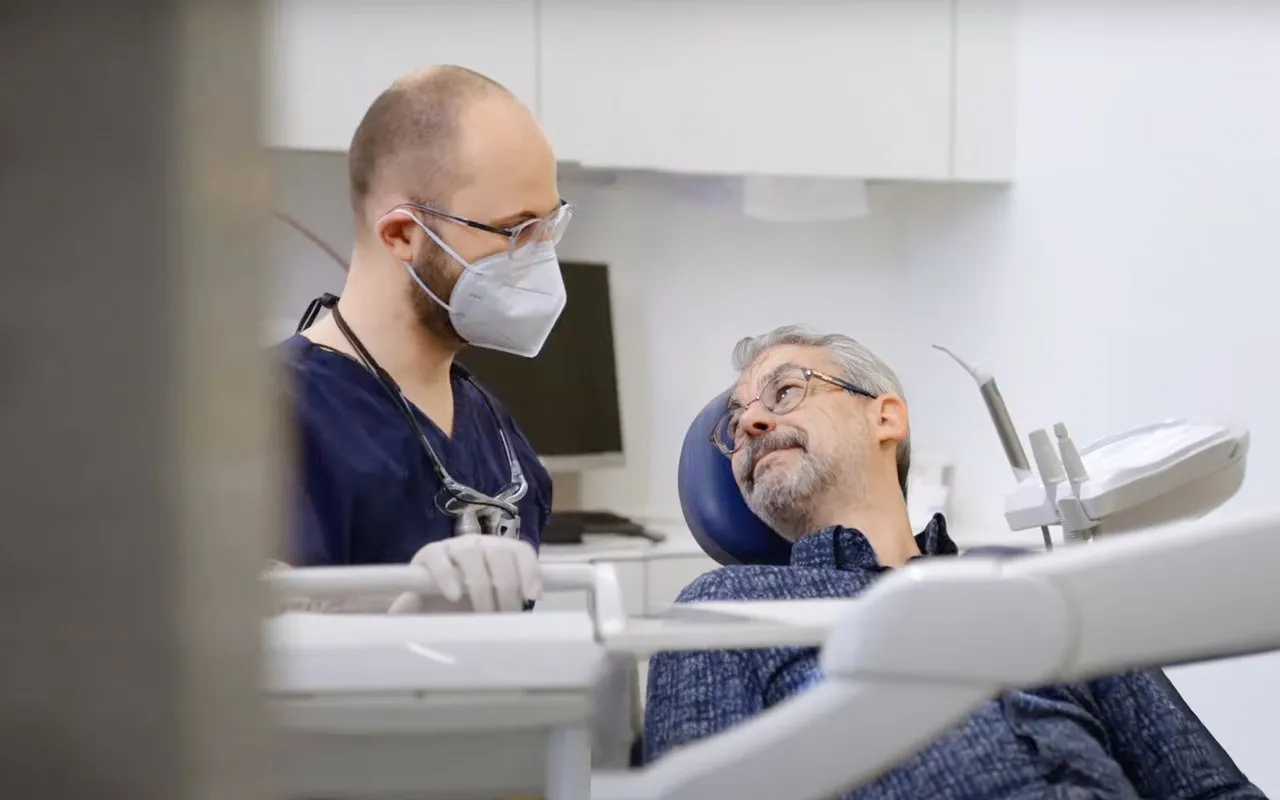
What can you do yourself?
Your cooperation is crucial to success. Thorough daily oral hygiene is essential. This includes brushing your teeth and cleaning between them. Diet and lifestyle also play a role. Smoking significantly impairs blood circulation in the gums. This delays healing after treatment. Regular check-up appointments help to detect new inflammation early. This can often prevent pockets from forming again. Your dentist will draw up an individual preventive care plan with you.
Conclusion: curettage as an opportunity for healthy gums
Curettage is an important component of periodontitis therapy. It removes harmful deposits from the periodontal pockets. This allows the tissue to stabilise again. Acting early protects your teeth in the long term. Together with good oral hygiene, this keeps the gums healthy.
FAQs about curettage
This is a deep clean of the periodontal pockets. Deposits and bacteria are removed. The aim is to treat existing gum inflammation.
When there is bleeding from the gums, bad breath or deep pockets. Loose teeth are also a warning sign. Your dentist will decide after a thorough examination.
Periodontal pocket cleaning is carried out under local anaesthetic. You will feel no pain during the session. Only mild discomfort is usual afterwards.
This depends on the diagnosis and the depth of the pockets. Several sections are usually treated one after another. Each session generally lasts less than an hour.
The gums may recede temporarily. This can make tooth necks more sensitive. Swelling and slight subsequent bleeding are possible in rare cases.
The gums need several weeks to regenerate. However, you will notice initial improvements sooner. Good oral hygiene and check-ups are important.
Statutory health insurance funds often contribute towards periodontal therapy. The prerequisite is a recognised diagnosis. Your practice will draw up a treatment and cost plan.
Yes, if oral hygiene is neglected. Smoking also significantly increases the risk. Regular preventive care helps to avoid relapses.
Professional teeth cleaning mainly cleans above the gum line. Curettage takes place inside the periodontal pockets. It forms part of extensive periodontal treatment.
You should be careful immediately afterwards. Soft foods that are not too hot are more suitable. Normal chewing is usually possible again after a few days.