Relaxing the jaw: causes, exercises, treatment
A tense jaw can be very distressing. It causes pain, headaches and even ear problems. However, targeted measures can often help to relax the jaw muscles effectively.
At the Wunschlachen dental practice in Berlin, we always take a holistic approach to the jaw. We examine the teeth, temporomandibular joint and muscles. This allows us to identify the cause and determine suitable treatments.
Über 350 Google-Bewertungen
How can I relax my jaw?
A tense jaw often develops due to stress, teeth grinding, a misaligned bite or craniomandibular dysfunction (CMD). Conscious relaxation following the rule ‘lips closed, teeth apart’, warmth, gentle exercises and massage of the chewing muscles can relax the muscles. Persistent symptoms should be assessed by a dentist. Functional diagnostics may form part of the assessment, while an occlusal splint may be considered as a management option where appropriate.
- Typical causes
- Stress, teeth grinding or clenching, a misaligned bite, prolonged sitting and postural problems — often as part of CMD
- What can help
- The resting position ‘lips closed, teeth apart’, warmth, gentle relaxation exercises and massage of the chewing muscles
- When to see a dentist
- If you have persistent pain, a feeling of muscle soreness in your jaw in the morning, or difficulty opening your mouth fully
General information only, not individual dental advice. Persistent jaw problems should be examined in person and assessed by a doctor.
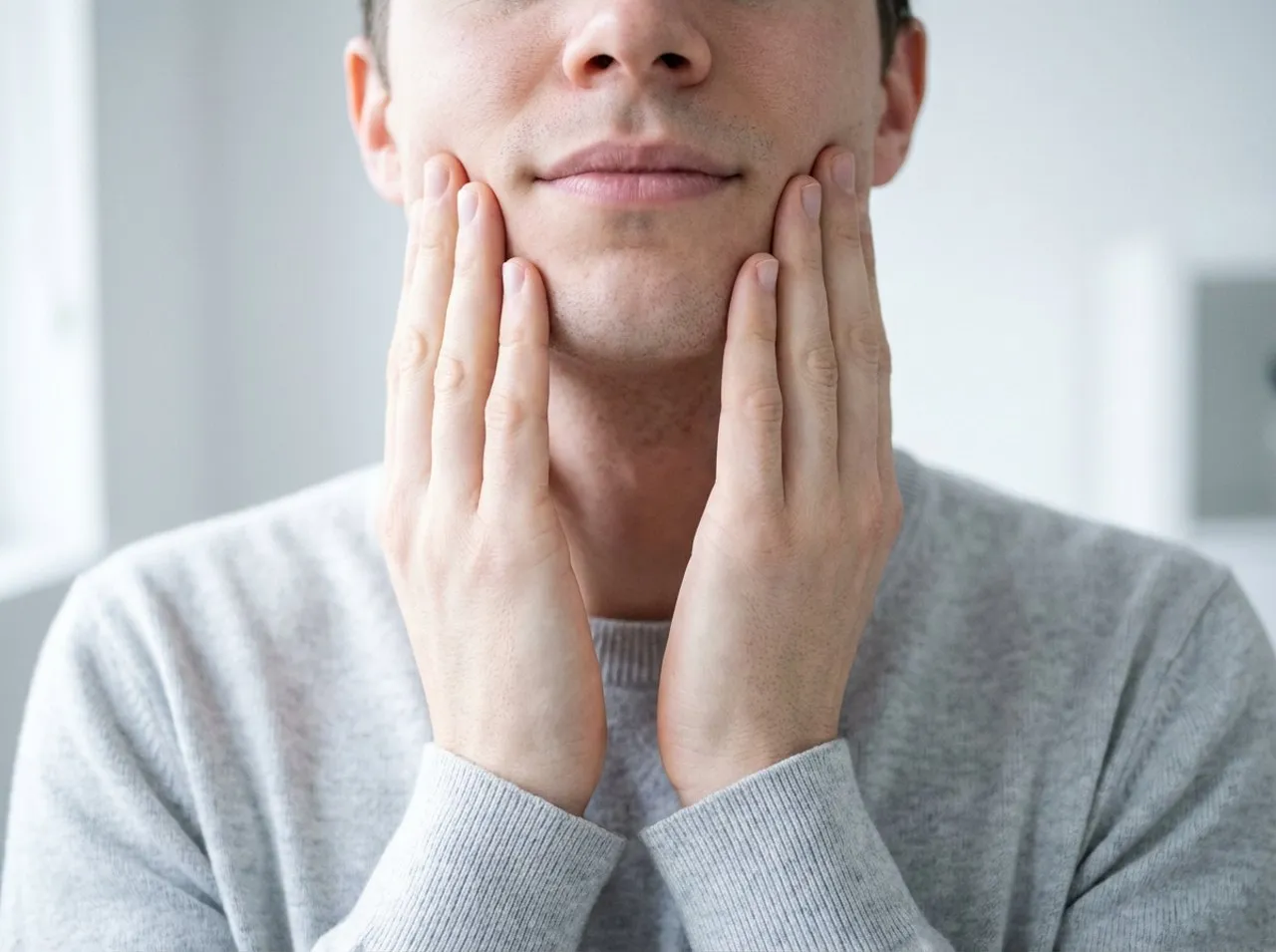
Why the jaw so often becomes tense
The jaw is one of the strongest muscle systems in the body. It reacts very sensitively to stress and excessive or incorrect strain. Even minor problems can lead to persistent tension.
Common triggers include psychological stress, sitting for long periods and poor posture. Teeth grinding, clenching or a misaligned bite can also play a role. Many patients have a functional disorder such as CMD.
The constant tension causes the muscles to harden. The jaw becomes more difficult to open. Pain can radiate to the head, neck and shoulders.

Typical symptoms of jaw tension
Many people first notice pressure in the jaw. A pulling sensation in the cheeks is also common. Chewing can feel strenuous or difficult.
Other signs include tension headaches and facial pain. Some patients report tinnitus or pressure in the ears. Dizziness or neck pain may also occur.
A pulling sensation in the morning after waking is typical. Teeth grinding or clenching during the night is then very likely. This indicates overloading of the jaw muscles.

Relaxing the jaw in everyday life: simple tips
The first step is to become more aware of your jaw. Ask yourself several times a day: am I clenching my teeth right now? Your teeth should be slightly apart when at rest.
A simple rule helps: lips closed, teeth apart. Your tongue should rest gently against the palate behind your incisors. All the muscles in your face should remain relaxed.
Avoid constantly chewing gum and eating very hard foods. Nail biting or holding pens between your teeth is also harmful. Such habits keep the jaw constantly active.
Heat can also relax the muscles. A warm flannel on your cheek and jaw is often soothing. A warm bath can also reduce tension.

Exercises to loosen the jaw
Regular exercises can relax the muscles in the long term. It is important to perform them gently and without pain. If in doubt, ask your dentist or physiotherapist.
1. Relaxation exercise in front of a mirror
Stand in front of a mirror. Open your mouth slowly without shifting your lower jaw. Close it again without clenching. Repeat this ten times at a steady pace.
2. Massage of the masticatory muscles
Feel the area in front of your ear and on your cheek. This is where the large masseter muscle is located. Massage these areas using circular movements. The pressure should be comfortable, not painful.
3. Tongue exercise for relaxation
Place the tip of your tongue on the palate behind your incisors. Open your mouth slightly without moving your tongue away. Hold this position for a few seconds. This exercise curbs unconscious clenching.
4. Shoulder and neck relaxation
Consciously raise and lower your shoulders several times. Slowly turn your head to the left and right. A relaxed neck also helps to keep your jaw relaxed.

Relaxing the jaw when grinding your teeth and with CMD
Grinding and clenching the teeth is also known as bruxism. It often happens unconsciously at night. The jaw muscles are working at full capacity.
Simple exercises alone are often not enough in this case. A bite splint is usually advisable. It protects the teeth and relieves pressure on the temporomandibular joint.
Craniomandibular dysfunction (CMD) is a functional disorder. The interaction between the teeth, muscles and joint is impaired. This can cause a wide range of symptoms throughout the body.
In such cases, a structured treatment plan is important. This includes functional analysis, splint therapy and often physiotherapy. Relaxation techniques and stress reduction also support recovery.

Treatment at Wunschlachen in Berlin
At the Wunschlachen practice, we take a holistic approach to your jaw. We examine your bite, temporomandibular joint and muscles very carefully. If necessary, we use special functional diagnostics.
We then discuss the possible treatment options. These include relaxation exercises, custom-made splints and advice. In more complex cases, we work with physiotherapists.
Close cooperation with you is essential. Consistently following the agreed plan, including any recommended exercises and splint use, can help improve the situation. We support you with clear instructions and follow-up appointments.
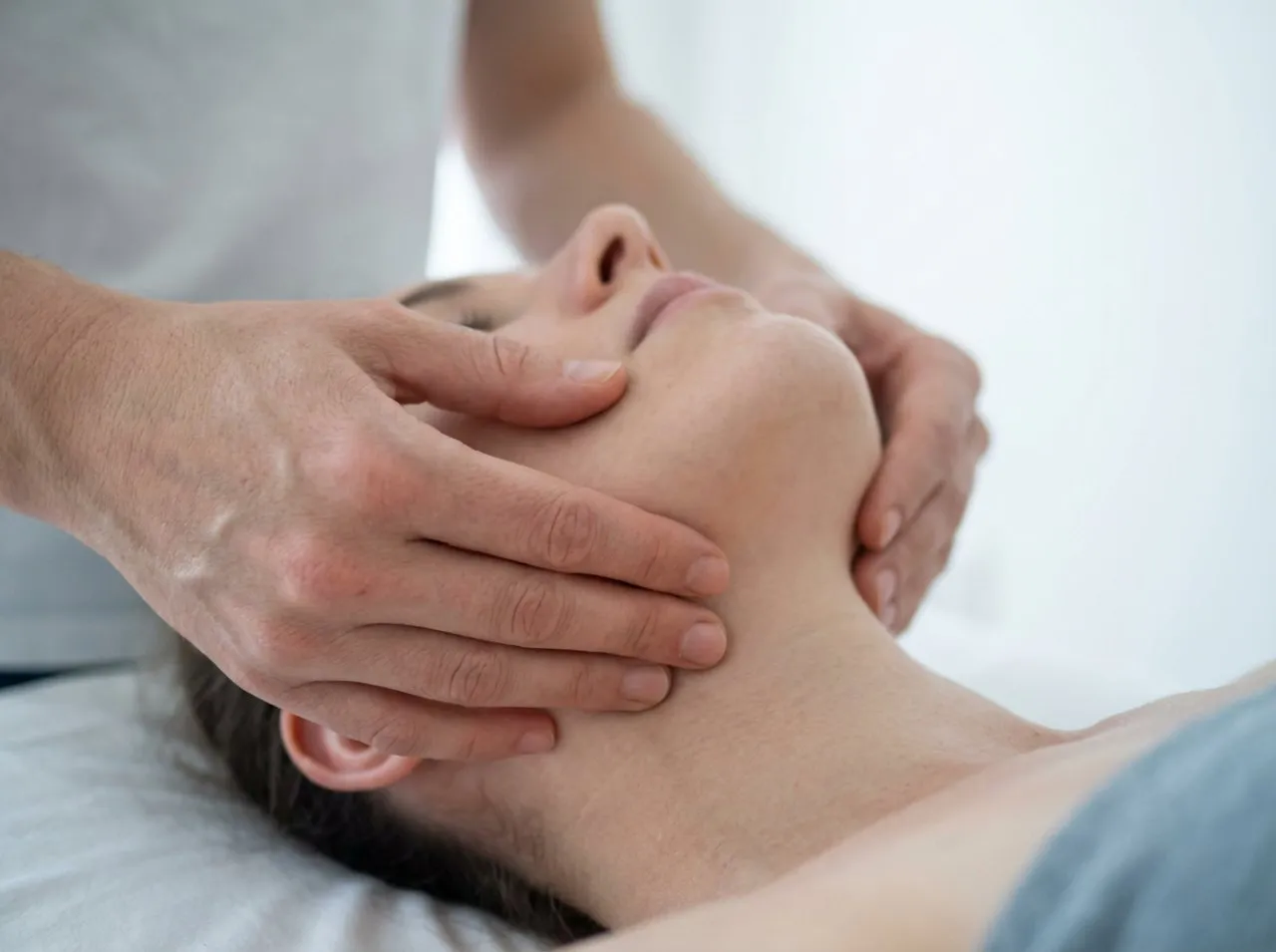
When you should definitely see a dentist
Severe jaw pain should always be investigated. This is especially important if it occurs suddenly. Persistent clicking or locking are also warning signs.
Visit our practice if you can barely open your mouth, or if your lower jaw shifts noticeably when opening it. This could indicate a serious joint problem.
Burning, sensitive teeth should also be examined. Teeth grinding can severely damage tooth enamel and the necks of the teeth. Early treatment prevents more extensive procedures later on.