What types of dental restoration are available? Patient guide
Dental restorations replace missing or severely damaged teeth. They restore chewing, speech and aesthetics. The choice depends on the clinical findings, budget and your preferences.
Über 350 Google-Bewertungen
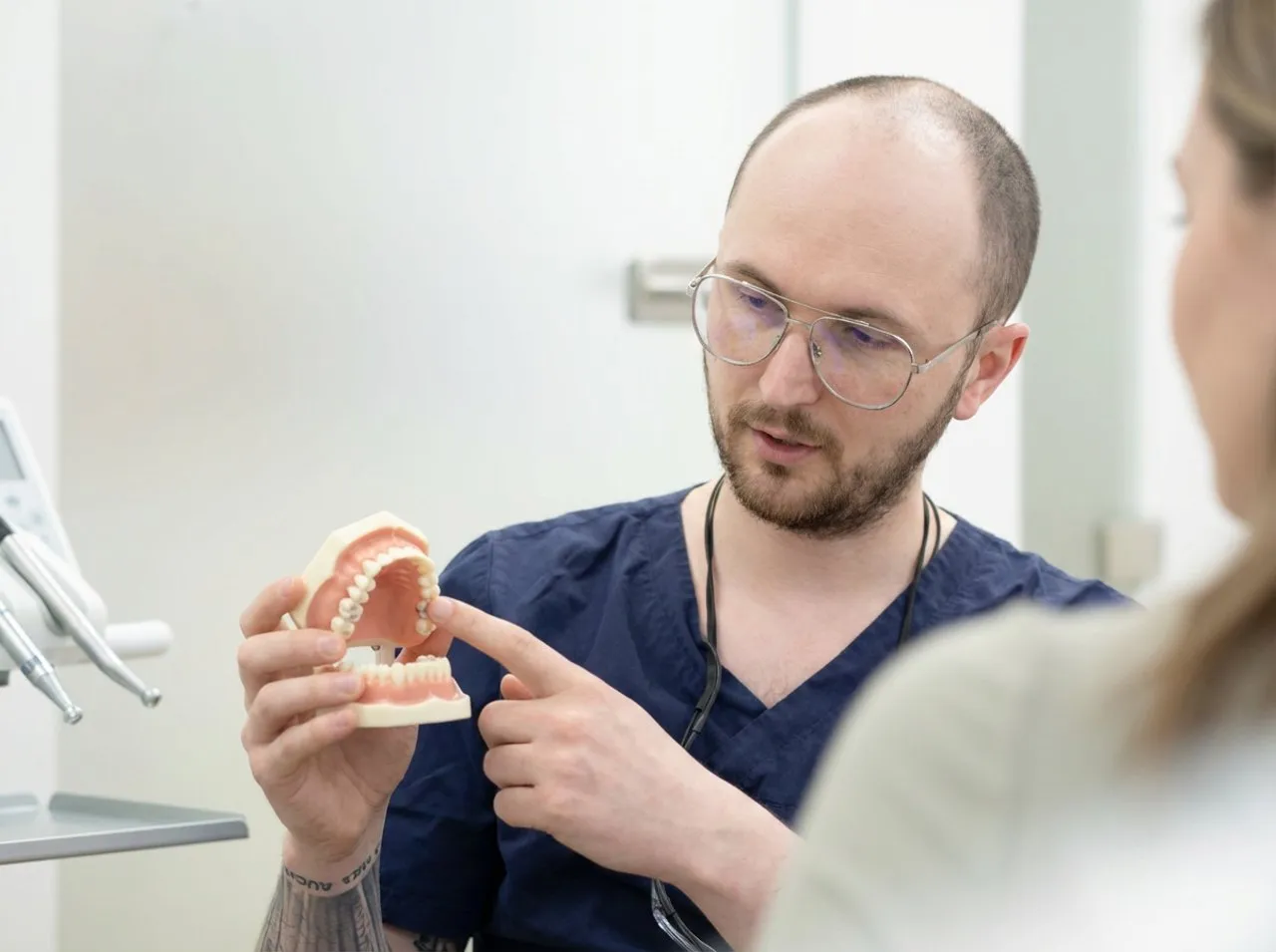
What is dental restoration and when is it needed?
This refers to artificial replacements for the crown and root of a tooth. The aim is a stable bite without pain. Dental restoration is often planned after tooth loss. It can also be advisable following extensive damage. This applies particularly after root canal treatment.
Fixed dental restorations: inlays, partial crowns and crowns
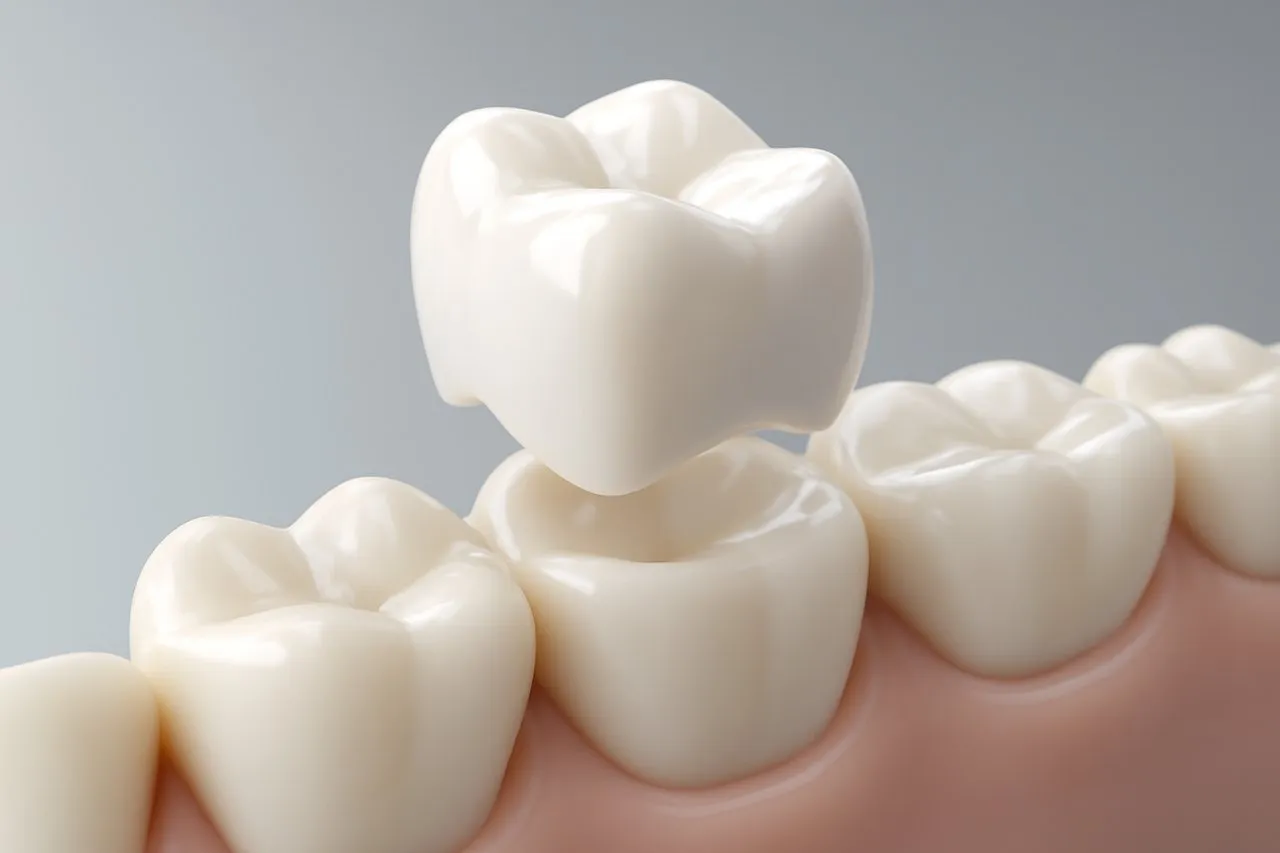
Fixed restorations remain permanently in the mouth. They are cemented or screwed in place. They usually feel like your own teeth.
Inlays and onlays repair defects in a back tooth. They reliably protect the tooth substance. The margins must fit very precisely. A partial crown covers only part of the tooth. It often preserves more tooth substance than full crowns. It is suitable when the tooth walls are stable. A crown completely encases the tooth. It stabilises severely damaged teeth in the long term. People often ask about the cost of crowning a tooth. The cost of a dental crown depends on the material. Ceramic looks very natural in the light. Metal or gold is very durable. Many people search for: cost of a crown after root canal treatment. A root-treated tooth is often more brittle. A crown significantly reduces the risk of fracture. Sometimes a dental restoration is damaged. Then the question arises: who pays if a crown breaks? This depends on the cause and the documentation.
Veneers and aesthetic corrections
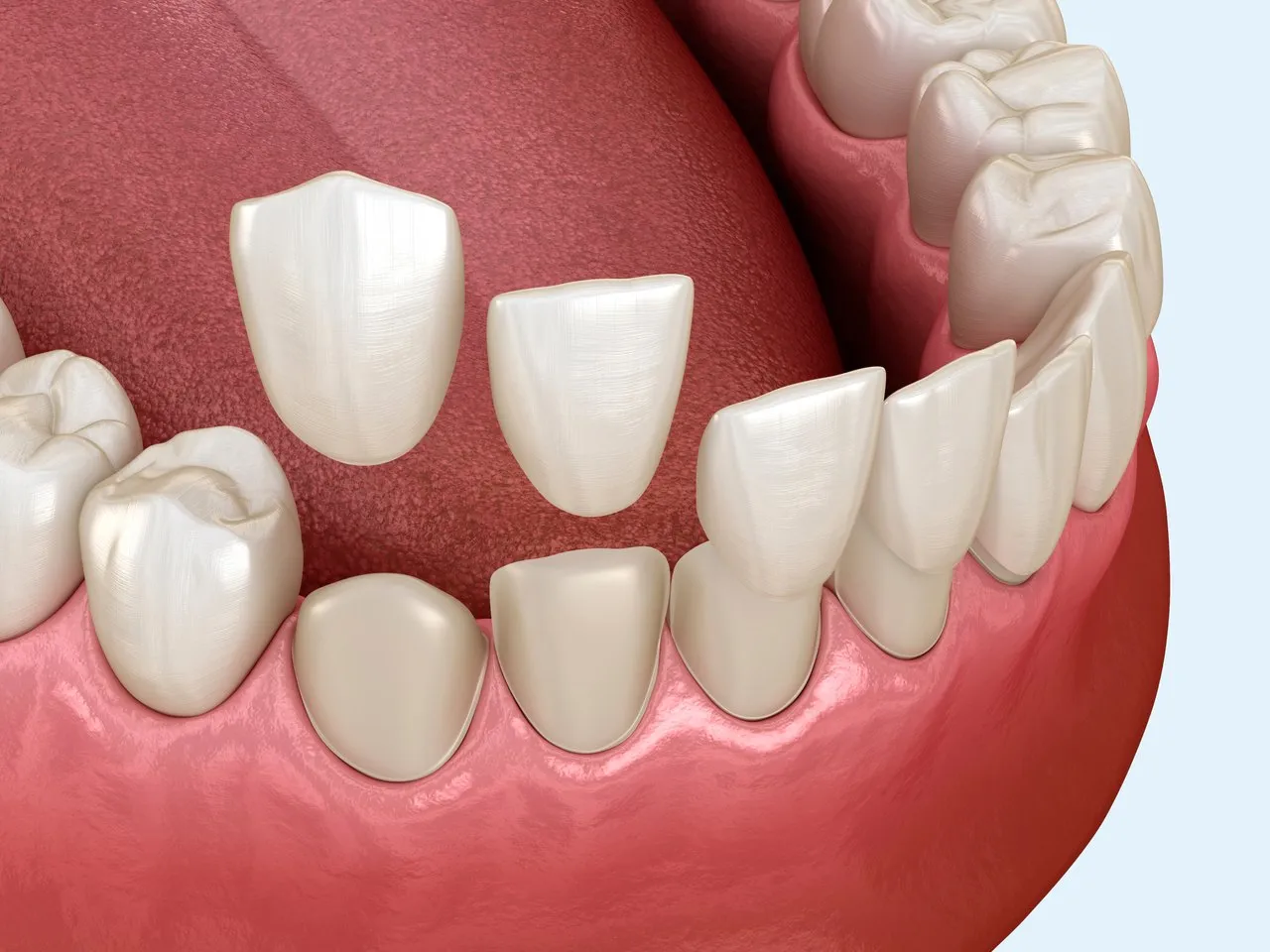
Veneers are thin ceramic shells for front teeth. They gently improve shape and colour. Sufficient healthy tooth enamel is a prerequisite. Small gaps can often be closed visually. Worn edges can be rebuilt. We always check your bite as part of this.
Bridges to replace missing teeth
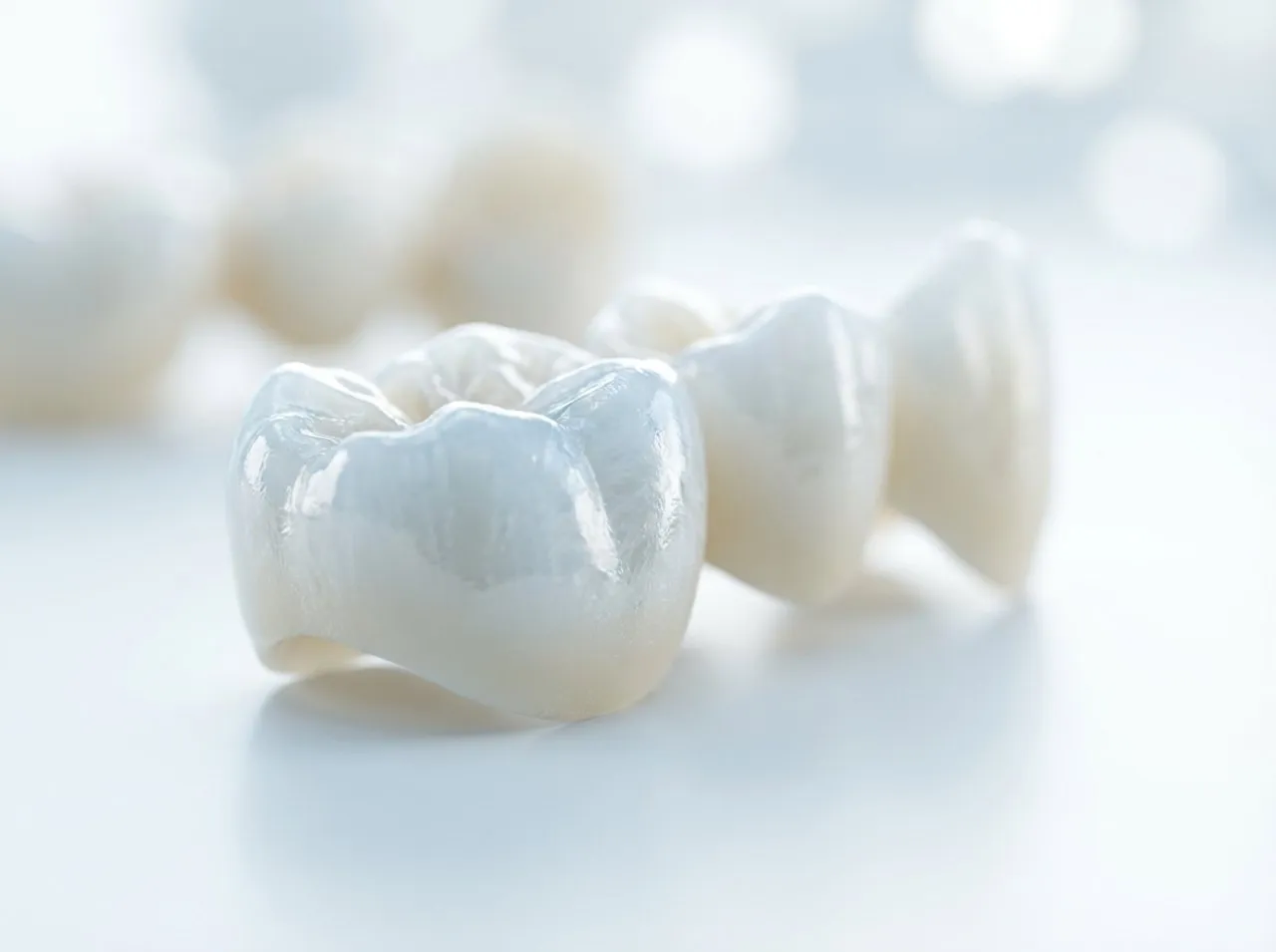
A bridge replaces one or more missing teeth. It is supported by the neighbouring teeth, which act as abutments. These teeth are prepared. There are conventional versions with crowned abutments. There are also adhesive bridges with wings. These usually preserve a great deal of tooth substance. Bridges work well with stable abutment teeth. They are often quicker than implants. Cleaning beneath the pontic remains important.
Implants: replacing teeth with an artificial root
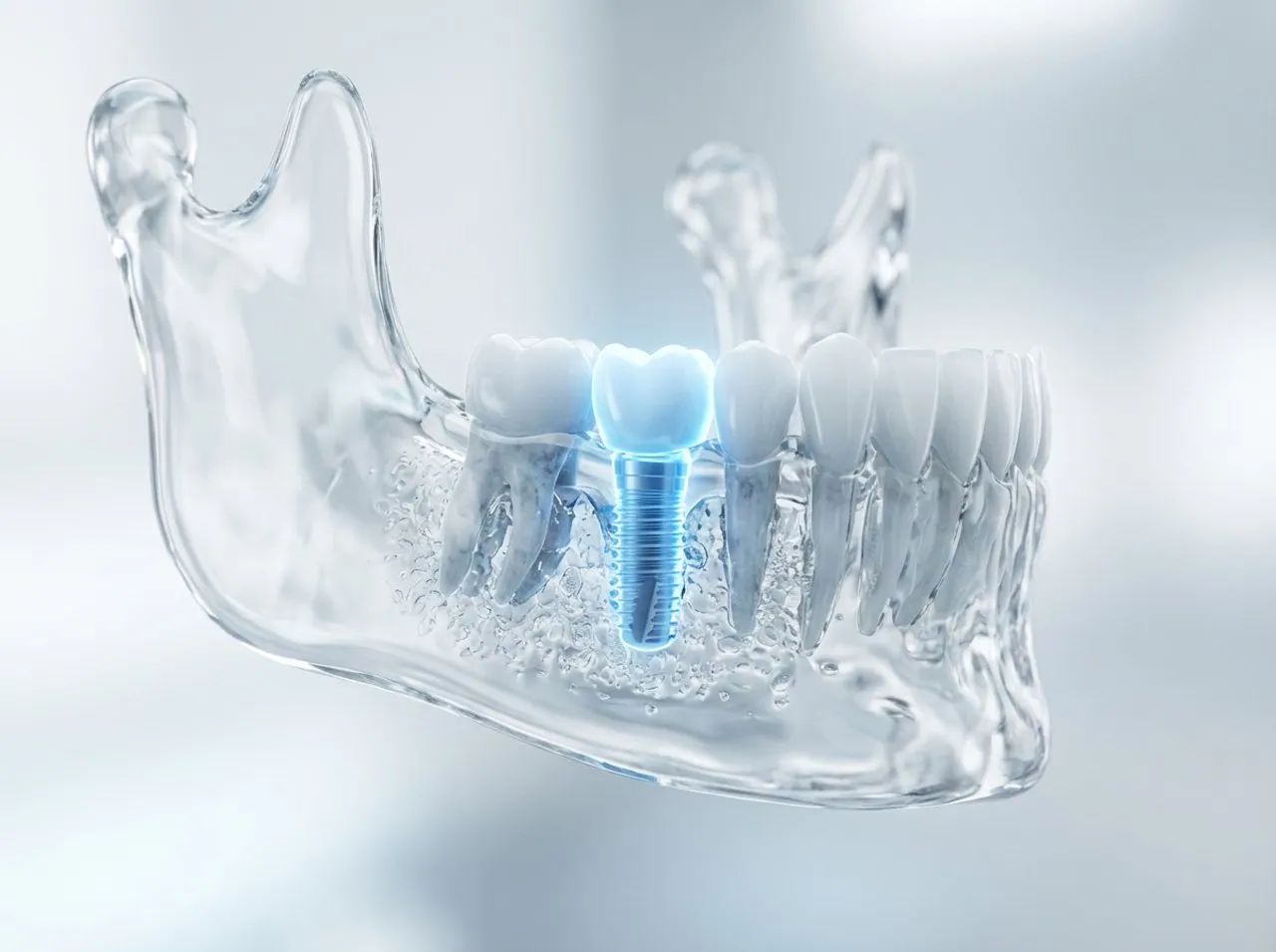
Implants replace the tooth root in the bone. A crown is attached later. Many people regard this as the best replacement for teeth. An implant protects the neighbouring teeth. It prevents them from being ground down for a bridge. It can slow bone loss. Sufficient bone volume is required. If necessary, we plan bone augmentation. Planning often involves 3D diagnostics. After the implant has been placed, there is a healing period. The abutment and crown are then fitted. The result usually feels very stable.
Removable dental restorations: partial and full dentures
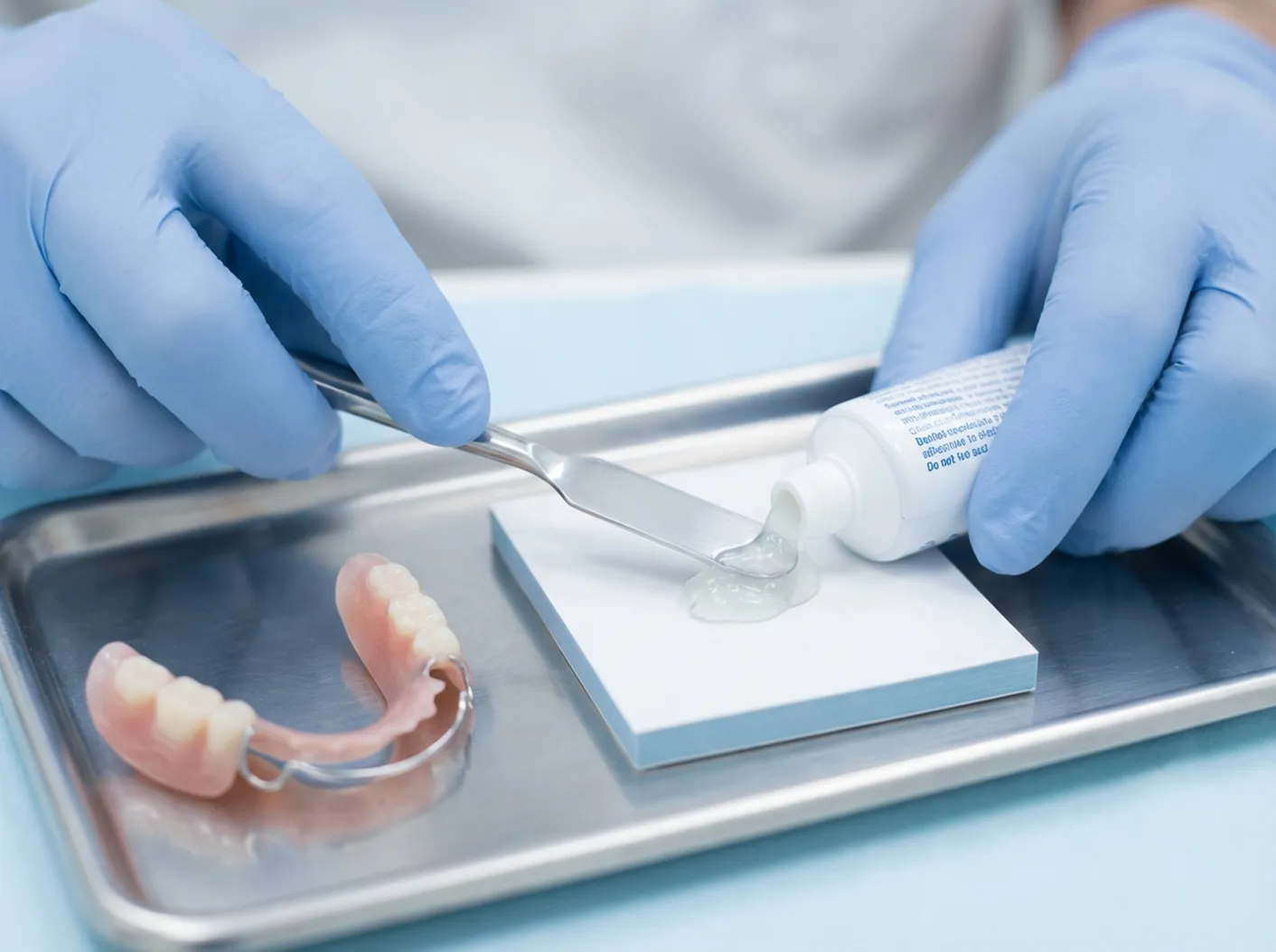
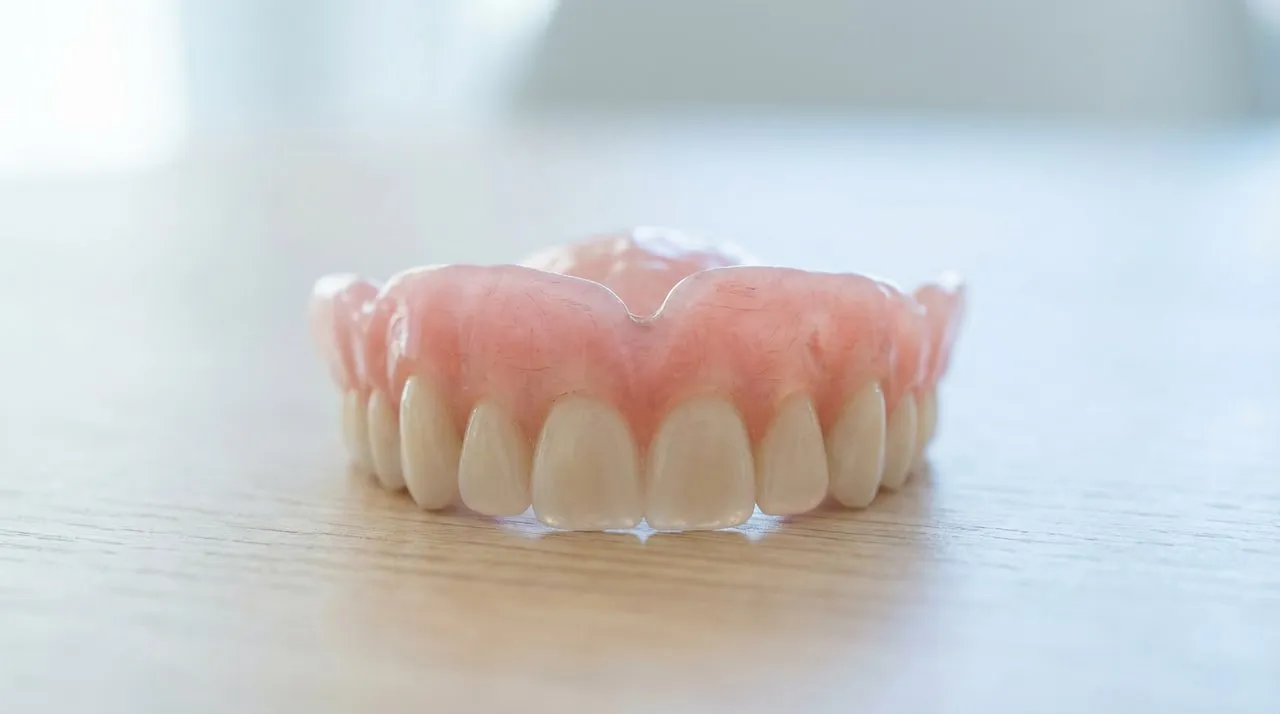
Removable solutions are suitable when there are many gaps. They can be taken out for cleaning. Their cost can often be planned economically. Partial dentures replace several teeth in one jaw. Retention is provided by clasps or concealed components. A good fit prevents pressure sores. The cost depends on the technique and material. The number of missing teeth also plays an important role. Full dentures replace all the teeth in one jaw. They rest on the mucous membrane and alveolar ridge. Retention comes from the fit and suction. Adjustments often quickly help if the fit is loose. Relining improves the contact surface. Implants can significantly increase retention.
Combined dental restorations: telescopic crowns, bars and attachments
Combined solutions combine comfort and secure retention. They are removable yet stable. Telescopic crowns on your own teeth are typical. With the telescopic system, a crown sits on the tooth. The denture fits precisely over it. This ensures good distribution of force. Bar constructions usually use implants as abutments. A bar connects the implants securely. The denture clips onto it. Attachments are concealed retaining elements without visible clasps. They provide an aesthetically pleasing appearance in everyday life. However, the construction is more complex.
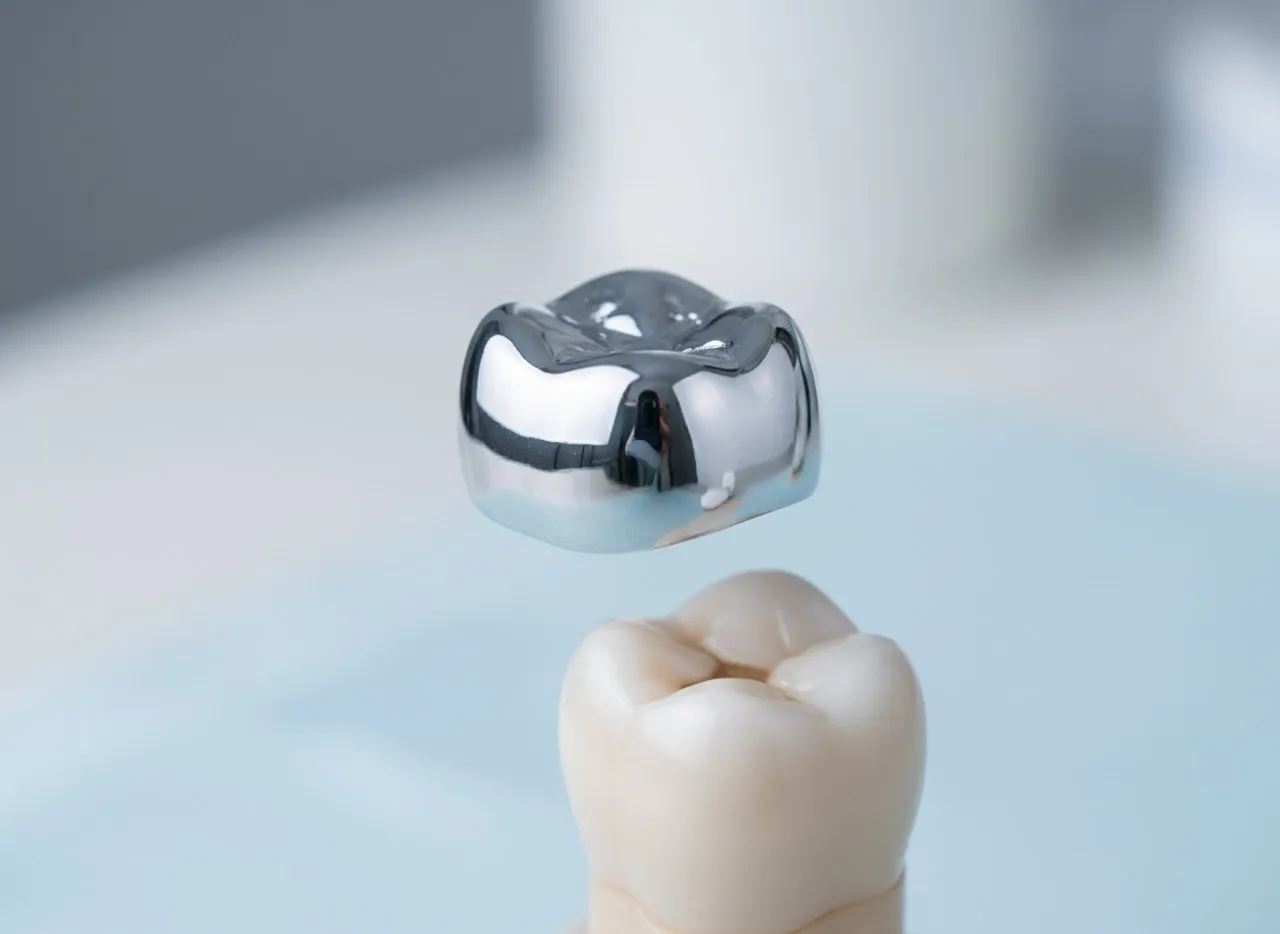
Materials: ceramic, zirconia, metal and plastic
Ceramic is tooth-coloured and well tolerated. Zirconia is very strong and also white. Both are often suitable for visible areas. Metal-ceramic restorations combine metal and a veneering material. They are robust and well established. Gold is durable but visible. Plastic is often used for denture bases. It is easy to adjust and repair. The teeth are often made of plastic.

Costs, health insurance and the treatment and cost plan
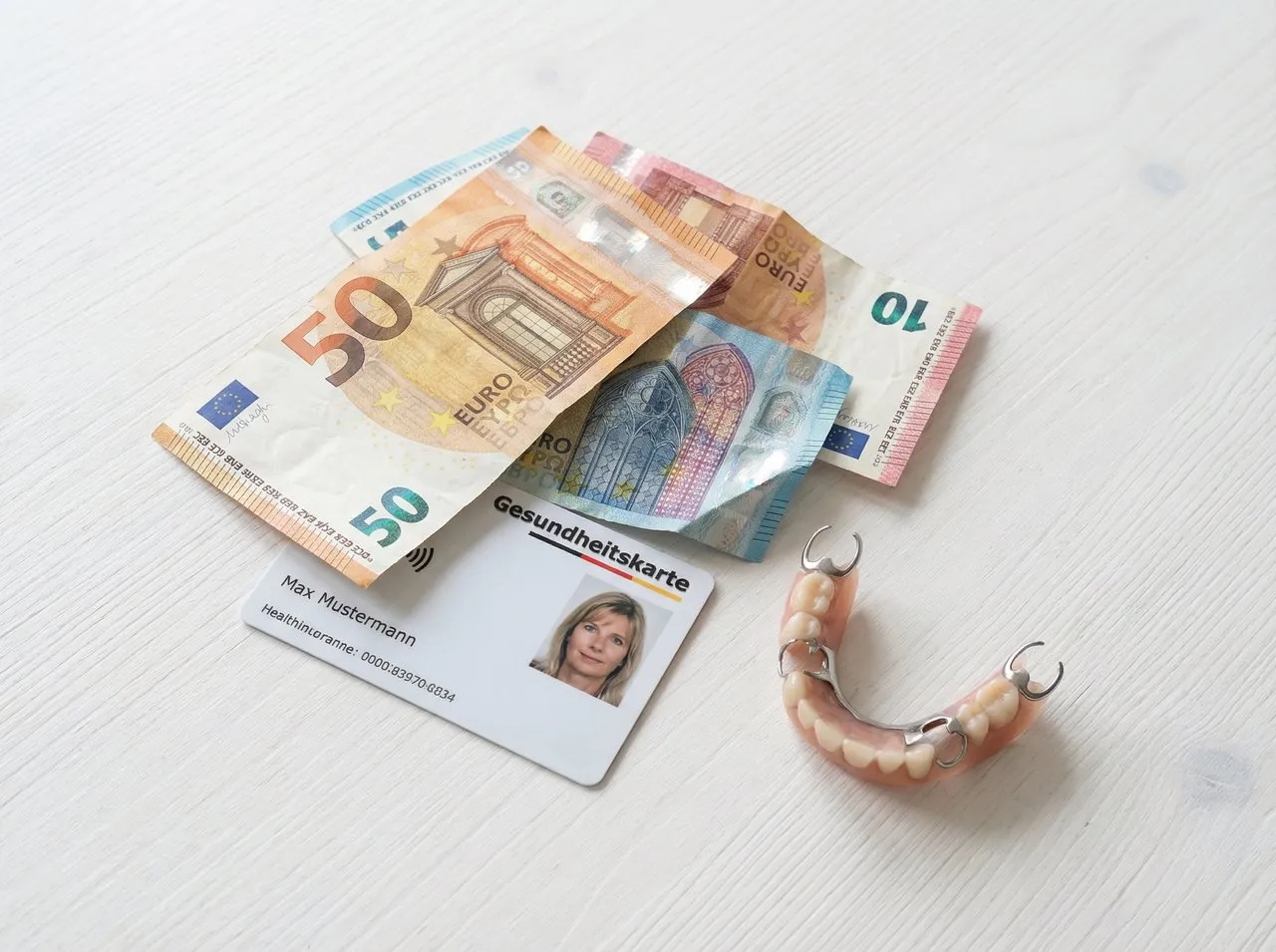
Statutory health insurance pays a fixed subsidy. This depends on the clinical findings. The bonus booklet can increase the subsidy. Before treatment begins, we draw up a treatment and cost plan. It shows the standard care and alternatives. This gives you a clear picture of your out-of-pocket contribution. Additional costs often arise with ceramic or implants. Telescopic technology is also more complex.
Temporary restorations and interim treatment
A temporary restoration is often advisable between appointments. It protects the tooth and gums. It maintains shape and function in everyday life. It makes eating, speaking and smiling easier. A temporary restoration also helps after implant placement. It avoids pressure during the healing phase. This keeps the area undisturbed and easy to clean.
Care, durability and check-ups
Dental restorations last longer with good oral hygiene. Clean between your teeth thoroughly every day. Use interdental brushes or dental floss. Dentures need to be cleaned outside the mouth every day. Any pressure points should be adjusted at an early stage. This helps you avoid inflammation. A bite splint often helps with teeth grinding. It protects crowns, bridges and implants. Regular check-ups ensure a good fit.
Consultations at Wunschlachen in Berlin
We start with an examination and digital diagnostics. We then discuss options and goals. This is followed by the appropriate cost plan. We plan treatment to be as gentle as possible. We often use digital impressions without impression material. This increases comfort and precision. Ultimately, your everyday life is what matters. Dental restorations must function reliably and look good. We also support you after your restoration has been fitted.
FAQ: frequently asked questions about crowns
Two appointments are usually needed. The interval depends on the laboratory time and the clinical findings.
The preparation is carried out under local anaesthetic. Temporary sensitivity may occur after the appointment.
With extensive damage, there is often insufficient stable tooth substance. A crown then offers better protection.
Soft foods are usually no problem. You should avoid very hard or sticky foods.
The bite is then checked again and adjusted. This is a common issue that can be resolved quickly.
This depends on the material and the preparation. Ceramic is often bonded adhesively.
With good care, many years are realistic. Check-ups and hygiene are crucial.
Yes, due to tooth decay, cement loss or heavy loading. The crown should then be checked promptly.
Not always, provided it remains well sealed and stable. Replacement is advisable if there are problems at the margins.
Wait until the anaesthetic has worn off before eating hard foods. Contact the practice if sensitivity persists.