Underbite – causes, treatment and modern solutions
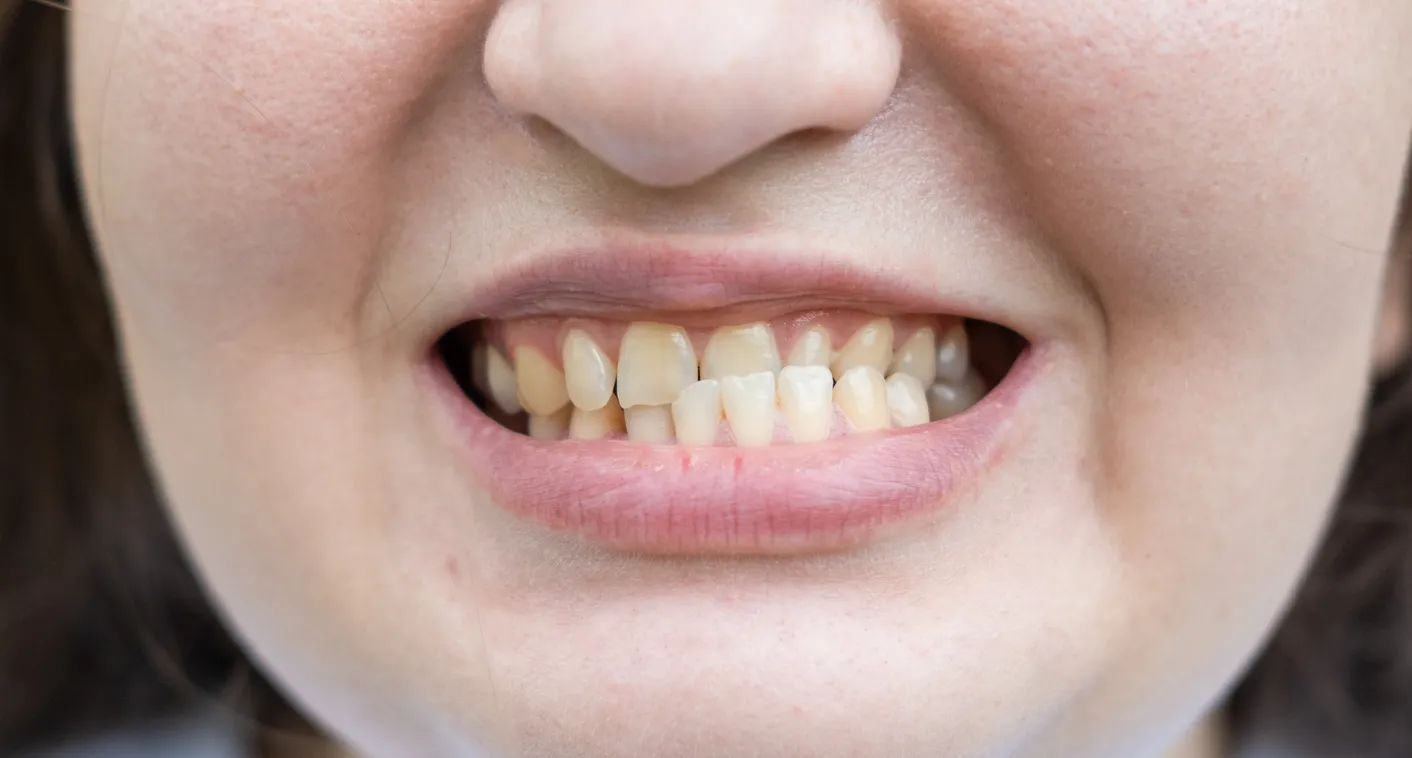
An underbite is a misalignment of the teeth and jaws. As well as affecting outward appearance, it can also have a considerable impact on dental health and the function of the masticatory system. With this misalignment, the lower jaw sits further forward than the upper jaw, so that the lower teeth...
Über 350 Google-Bewertungen
The short answer
With an underbite, the lower jaw sits in front of the upper jaw, so the lower teeth overlap the upper teeth. If left untreated, there is a risk of uneven tooth wear, jaw joint problems and speech difficulties. In children, jaw growth can be influenced through orthodontic treatment; mild to moderate cases can also be corrected with aligners. In adults with a pronounced jaw misalignment, braces are often combined with jaw surgery.
- Typical causes
- Usually congenital due to greater lower jaw growth; an incorrect tongue position, early loss of baby teeth or thumb-sucking can also contribute.
- Treatment
- Fixed or removable braces, aligners for mild to moderate cases; combined orthodontics and surgery for severe jaw misalignments, followed by retainers.
- Duration
- Usually several years; often shorter and simpler in children and adolescents, as jaw growth can be used to advantage.
This does not replace individual dental advice.
Causes of an underbite
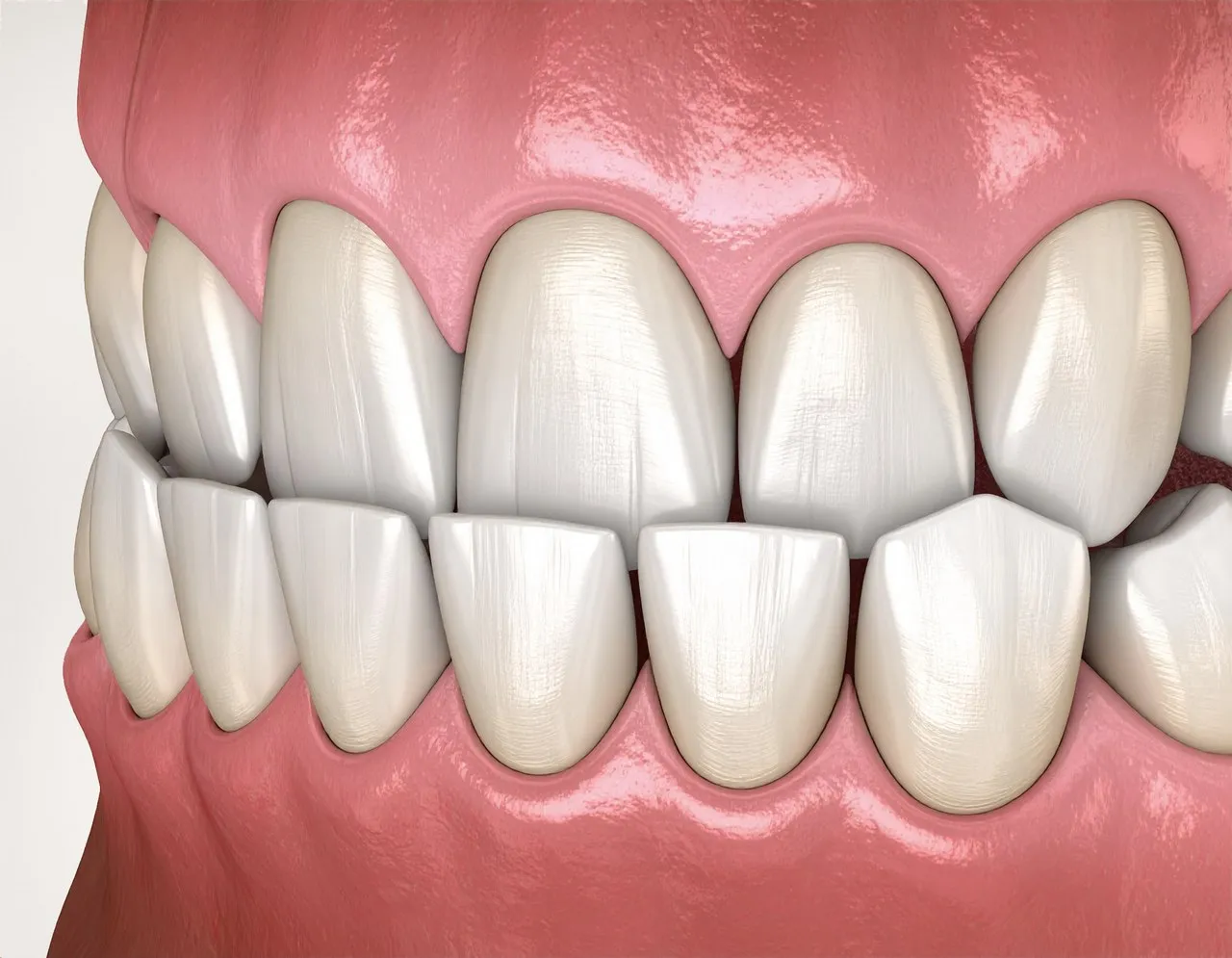
The causes of this misalignment are varied. It is often congenital. This occurs when jaw growth in the lower jaw is more pronounced than in the upper jaw.
Functional reasons can also contribute to its development. Examples include an incorrect tongue position, premature loss of baby teeth or thumb sucking in childhood. All these factors can promote the misalignment.
It is not uncommon for several misalignments to occur in combination with one another. This affects treatment and makes it more complex.
Consequences of an untreated underbite
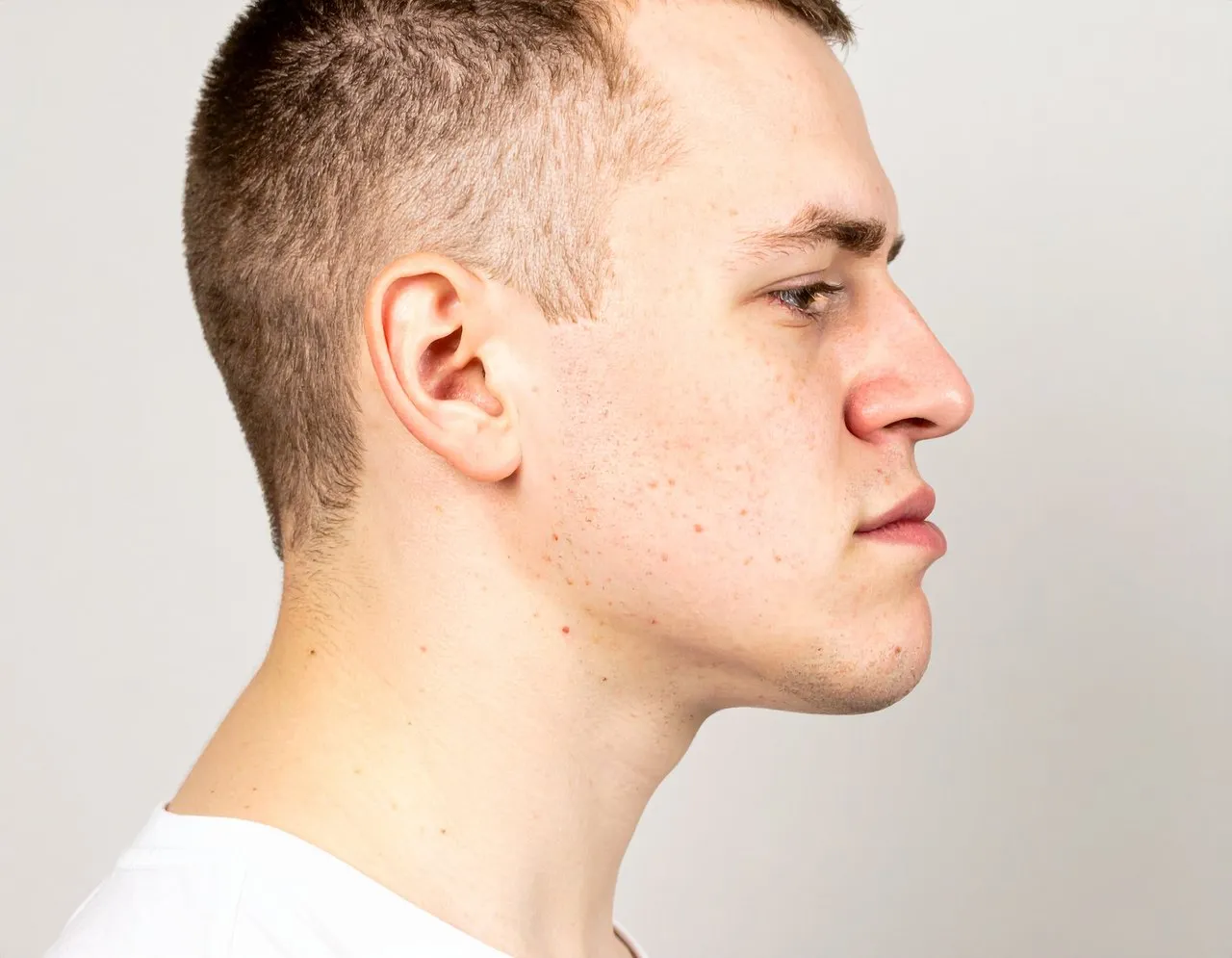
An untreated jaw misalignment can have far-reaching consequences. As well as aesthetic aspects such as an altered facial profile or an asymmetrical smile, functional problems play a major role.
An underbite can lead to uneven wear of the teeth, as the chewing forces are not distributed evenly. This increases the risk of tooth damage, temporomandibular joint problems, tension in the masticatory muscles and even headaches. Speech disorders or problems eating can also occur.
Correcting an underbite – modern treatment
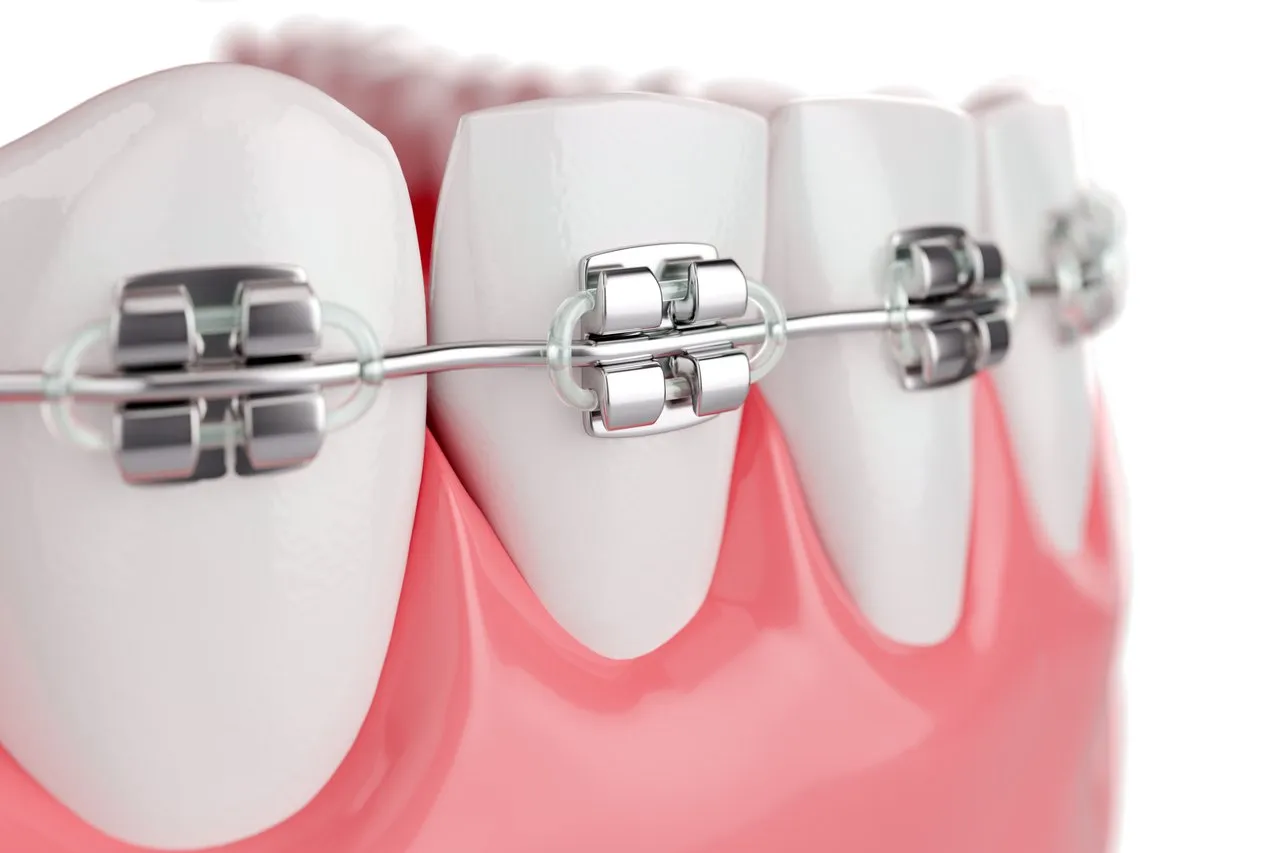
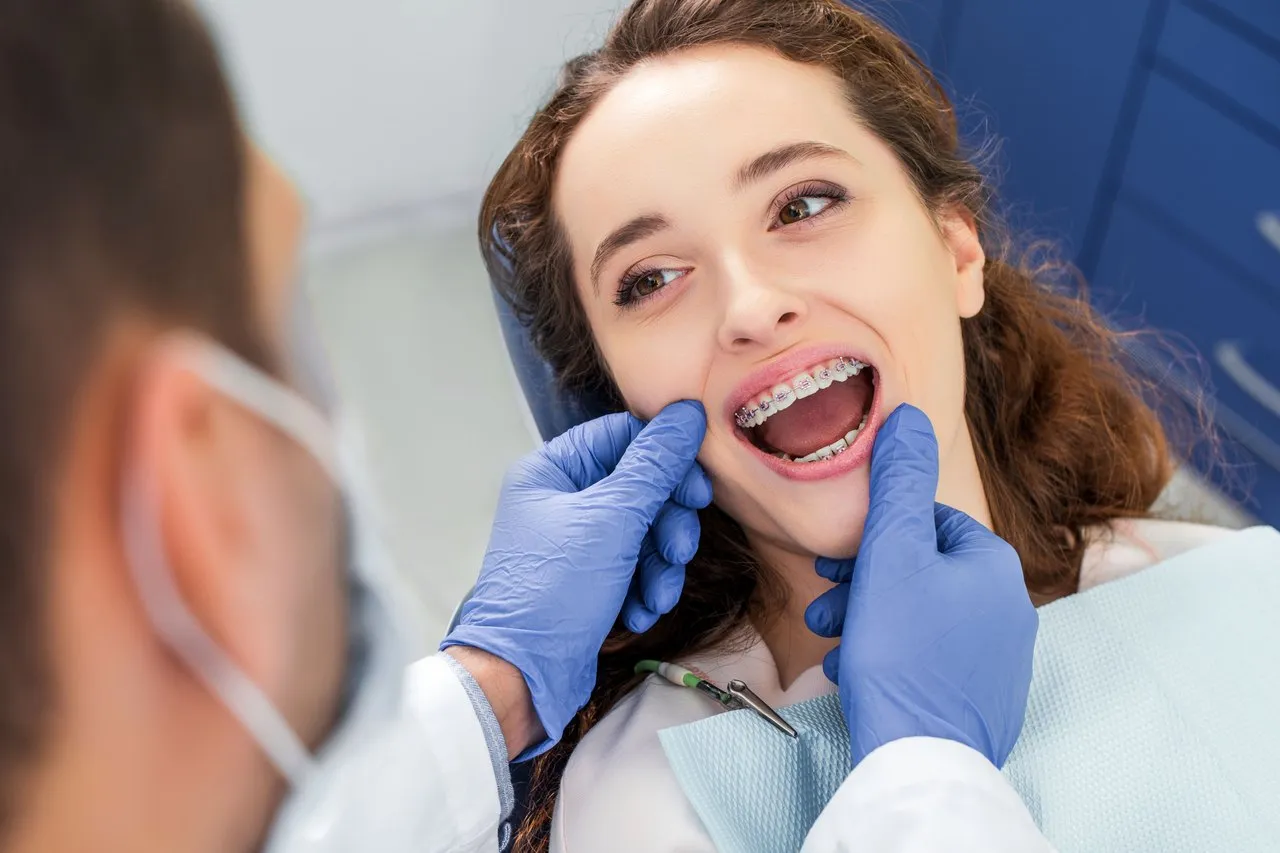
Various modern methods are available today to correct an underbite. Traditional braces are a proven solution that can be used in both children and adults. Fixed or removable braces can be used to move the teeth precisely into the correct position. Often, however, it is not only the position of the teeth but also the position of the jaws that is affected. In such cases, braces alone are not sufficient and combination therapy is required. Particularly in adolescents, early orthodontic treatment can achieve a great deal. Jaw growth can be influenced, allowing the misalignment to be corrected effectively.
Underbite in adults – braces and surgery
Treatment is often more complex in adult patients, as jaw growth is already complete. In such cases, it may be necessary to combine orthodontic treatment with surgical jaw correction. Braces are first fitted to prepare the teeth optimally for the operation.
The surgical procedure then takes place, permanently adjusting the position of the jaws. This combination of jaw surgery and braces can also successfully treat pronounced misalignments.
Invisible braces for an underbite – aligners as an alternative
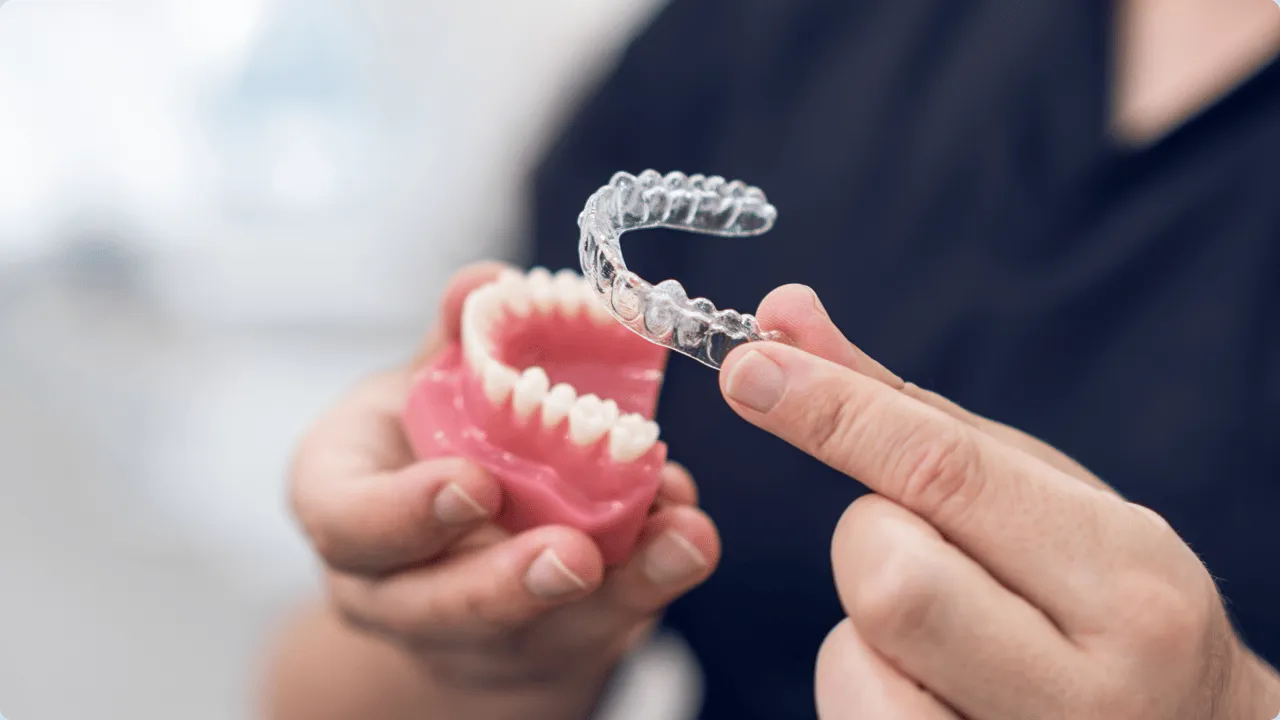
Invisible aligners are a modern and aesthetically pleasing alternative to conventional braces. These transparent trays are particularly popular with adults, as they are barely noticeable in everyday life and can be removed. Aligners can also be used to correct an underbite, provided the misalignment is not too severe. In every case, individual advice is essential to choose the right form of treatment.
Duration of underbite treatment
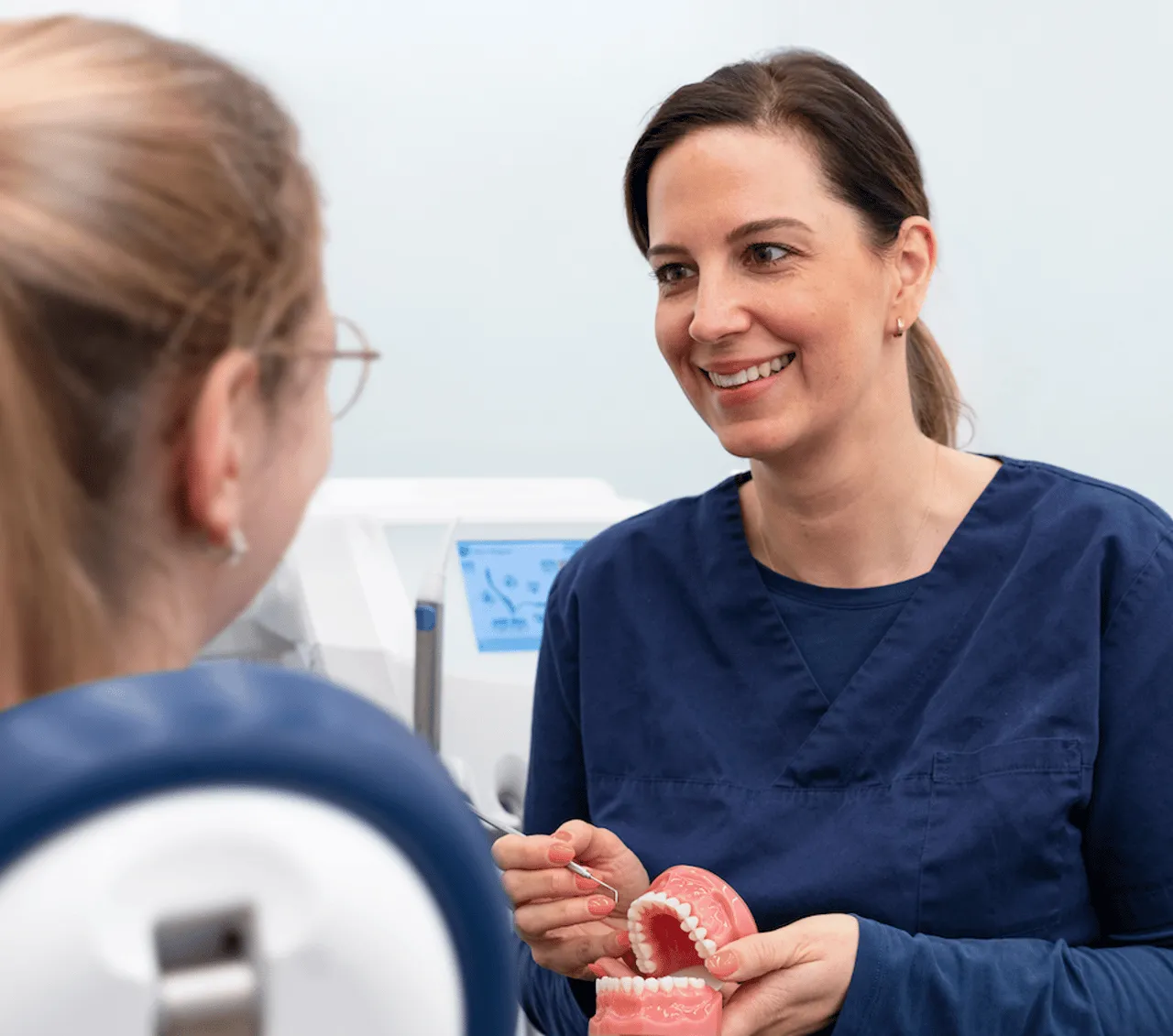
The duration of treatment depends on various factors. The key factor is the severity of the misalignment. The age at which treatment begins and the method used also play a role.
In children and adolescents, correction can often be achieved within a few years. Adult patients should generally expect a longer treatment time.
Treatment of an underbite at Wunschlachen in Berlin
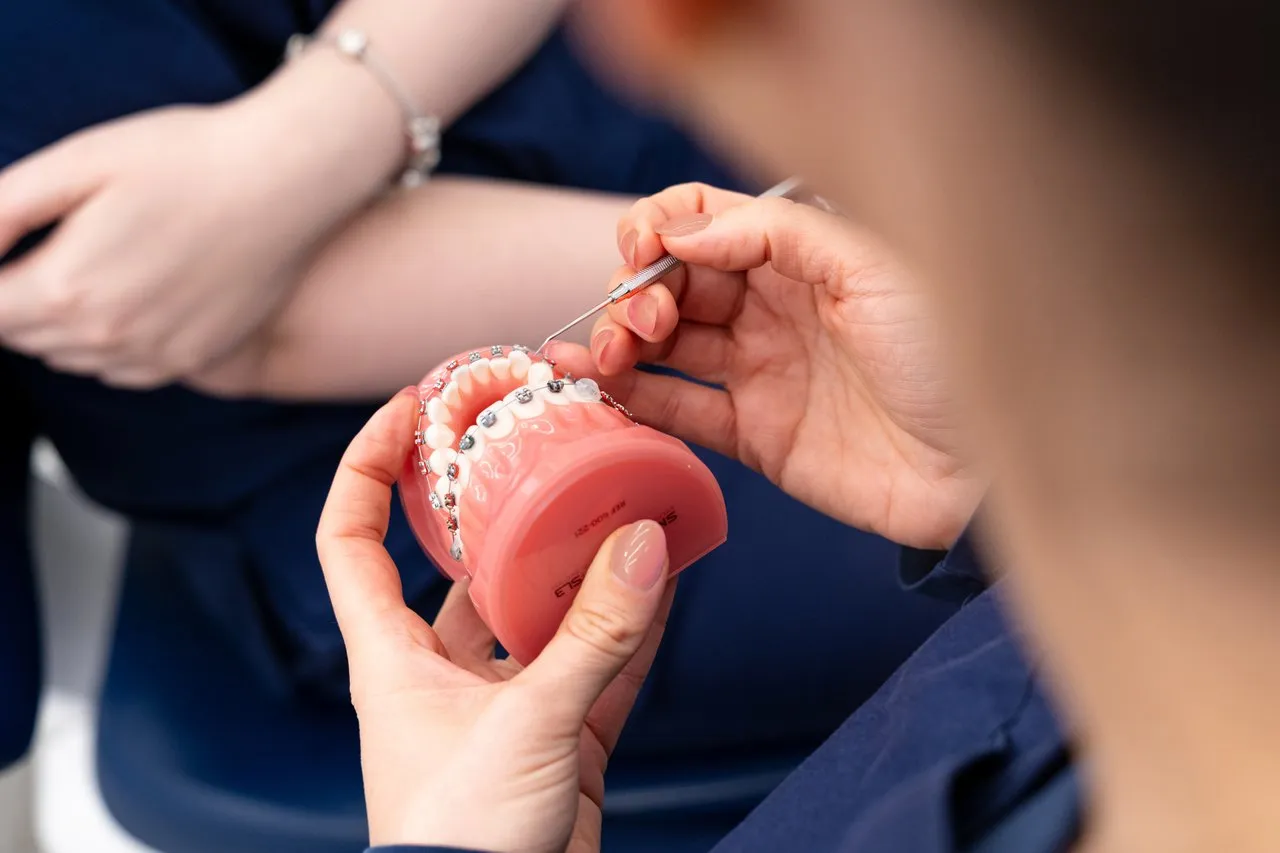
At our Wunschlachen dental practice in Berlin, we place particular importance on individual advice and tailored treatment. Every misalignment is different. We therefore work with our patients to develop a treatment plan that takes both medical needs and personal wishes into account.
We offer a comprehensive range of services to correct underbites successfully. We use traditional braces, aligner therapy or a combination with surgical procedures. Our aim is not only to restore the functionality of the masticatory system, but also to create a harmonious smile.
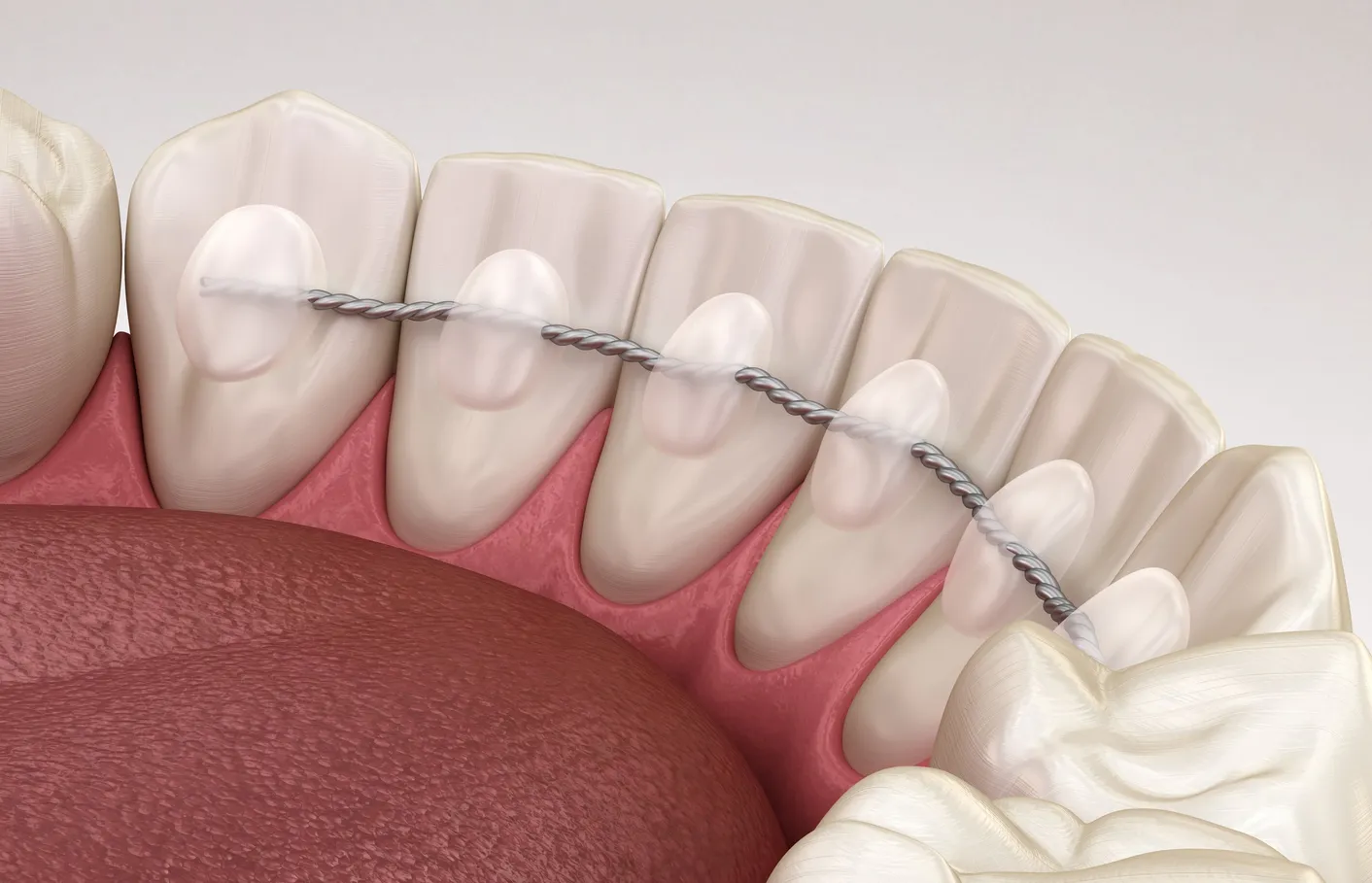
Aftercare following underbite correction
Aftercare plays an important role alongside medical treatment. Following successful correction, the treatment result must be stabilised in the long term. So-called retainers are used for this purpose to prevent the teeth from shifting back into their original position. Regular check-up appointments ensure that the correction is maintained permanently.

Conclusion: Why an underbite should be treated
An underbite is a serious misalignment. It is not merely an aesthetic problem. In the long term, it can have consequences for dental health.
Thanks to modern dentistry and orthodontics, there are now many ways to correct an underbite. This can improve both function and appearance. Those who act early benefit from simpler and more lasting treatment.
FAQs about underbites
It is a misalignment of the teeth and jaws in which the lower jaw sits in front of the upper jaw. As a result, the lower teeth overlap the upper teeth.
Common causes include genetic factors, uneven jaw growth or external influences such as an incorrect tongue position or premature tooth loss.
The consequences can include tooth damage, temporomandibular joint problems, speech disorders and even an altered facial profile.
Yes, braces are a common treatment method that is particularly effective in childhood.
For mild misalignments, braces are sufficient; in more severe cases, a combination of orthodontics and surgery is often necessary.
The duration depends on the severity of the misalignment and the chosen method. Treatment usually takes several years.
Yes, in mild to moderate cases, the misalignment can be corrected with aligners.
No, surgery is only required for severe jaw misalignments. In many cases, orthodontic treatment is sufficient.
Yes, adults can also have the misalignment corrected. However, treatment is often more complex than in childhood.
Treatment not only improves outward appearance, but also helps prevent long-term damage to the teeth and jaws.