Adhesive bridge: options and limitations for gaps between teeth
An adhesive bridge is a fixed dental prosthesisthat can replace a missing tooth by bonding it to a neighbouring tooth. It is also known as an adhesive bridge or Maryland bridge. Unlike a conventional bridge, the supporting teeth are not fitted with large crown anchors. Removing only a small amount of tooth substance can be an advantage; however, this method is not suitable for every gap and every bite.
The short answer
An adhesive bridge is attached to neighbouring teeth by thin wings. Whether it is suitable depends particularly on the tooth enamel, the gap and the bite.
- How is an adhesive bridge constructed?
- The pontic replaces the missing tooth. It is connected to a thin wing that is attached to the back of a neighbouring tooth. Depending on the plan, two wings may also be used. The supporting neighbouring tooth is called the abutment tooth. The connection is created using a suitable dental bonding material.
- Which gaps between teeth can it be used for?
- Adhesive bridges are primarily planned to replace individual missing teeth, often in the front of the mouth. Sufficient suitable enamel surfaces on the abutment teeth are important for retention. A small gap alone is not a sufficient requirement: the available space, tooth position and loading must also be suitable.
- How does the treatment work?
- First, the gap and the potential abutment teeth are examined. Depending on the findings, X-rays, models or digital scans may be used for planning. The next step is to discuss which design may be suitable and whether any other problems need to be treated first.
- Care and what to do if a bridge becomes loose
- Brush twice a day with fluoride toothpaste. The area under the pontic and the adjacent spaces also need to be cleaned appropriately. Ask to be shown how to use suitable cleaning aids there without placing unnecessary strain on the wing. An ordinary toothbrush cannot reach every area under a bridge.
How is an adhesive bridge constructed?
The pontic replaces the missing tooth. It is connected to a thin wing that is attached to the back of a neighbouring tooth. Depending on the plan, two wings may also be used. The supporting neighbouring tooth is called the abutment tooth. The connection is created using a suitable dental bonding material.
Some restorations have a metal framework, while others are made from high-strength ceramic. The choice affects not only the appearance but also the design and loading. The visible replacement tooth and the wing attached to the back are different parts of the same restoration.
An adhesive bridge is not taken out every day. ‘Bonded’ also does not mean that it could be attached using ordinary commercially available glue. Preparing the tooth surface, designing the connection and fitting the bridge are dental treatment steps. Do-it-yourself attempts are unsuitable.

Which gaps between teeth can it be used for?
Adhesive bridges are primarily planned to replace individual missing teeth, often in the front of the mouth. Sufficient suitable enamel surfaces on the abutment teeth are important for retention. A small gap alone is not a sufficient requirement: the available space, tooth position and loading must also be suitable.
The teeth and gums should be examined before treatment. Large fillings, existing crowns or unfavourable loading can influence the choice. If the neighbouring teeth need extensive restorations anyway, another type of bridge may be more appropriate. The decision is based on the clinical findings, not solely on the desire for minimal drilling.
For young people, the question of treatment during development can play a particularly important role. Here too, planning is individual, where necessary in conjunction with orthodontic treatment. However, adhesive bridges are not exclusively a solution for adolescents. Suitability does not depend on a single age limit.
How does it differ from a conventional bridge?
With a conventional dental bridge, the supporting teeth are usually prepared for crowns. The pontic is attached to these crowns. This may be an option particularly when the neighbouring teeth are already crowned or extensively filled.
An adhesive bridge, by contrast, uses a bonded connection via the wing. This usually requires considerably less tooth substance to be removed. However, this is not a guarantee that no preparation involving drilling will be needed in every case. The surface may have to be adapted for bonding.
Ask about the specific difference for your neighbouring teeth: Which surfaces will be altered? Why are one or two wings planned? What contacts will occur when you bite together? An explanation based on your own teeth is more helpful than a general comparison of ‘bonding versus drilling’. Both procedures have requirements and possible disadvantages.

How are the bite and appearance taken into account?
Different forces act on the teeth and restoration when you bite together and move your lower jaw. The wing needs enough space without creating troublesome contacts. Grinding or clenching therefore need to be discussed during planning. An adhesive bridge is not automatically a suitable solution if the neighbouring teeth are healthy but subject to unfavourable loading.
Tooth colour and shape are not the only factors that affect appearance. The space created by the gap and the surrounding gums also influence the result. With thin front teeth, a metal wing may show through and affect the appearance. The material and design are therefore discussed together with the individual circumstances.
Be specific about what you want: Is your main concern a visible gap between the front teeth, biting into food, or treatment following a previous procedure? Also ask what compromises can be expected. A photograph of another result can help the discussion, but it cannot predict your own situation.
How does the treatment work?
First, the gap and the potential abutment teeth are examined. Depending on the findings, X-rays, models or digital scans may be used for planning. The next step is to discuss which design may be suitable and whether any other problems need to be treated first.
Once the necessary preparation is complete, the restoration is made. At a try-in, the fit, bite and appearance can be checked. Only when the conditions are right is the bridge attached using the intended procedure. The exact process and number of appointments depend on the initial situation.
Beforehand, clarify how the gap will be managed between appointments and what instructions apply after fitting. Ask for a written cost plan before making your decision. Materials and scope can vary; a general online price does not describe your individual treatment. Whether the costs will be covered must also be clarified for the particular clinical findings.
What alternatives are there?
Depending on the gap, a conventional bridge, an implant-supported crown or a removable denture may be an option. An implant replaces the anchorage of a missing tooth in the jaw and has different requirements and treatment steps to an adhesive bridge attached to neighbouring teeth.
In certain situations, leaving the gap as it is may also be considered. Function, appearance and possible effects must be assessed. There is no single method that combines every advantage for every gap. The comparison should therefore take into account the neighbouring teeth, the jaw, the treatment involved and your expectations.
For the discussion, you can organise the options around three questions: What would have to be changed on healthy teeth? What aftercare does the restoration require? What options remain if it stops working later? Weighing these points makes it easier to make an informed decision without committing to just one procedure too early.
Care and what to do if a bridge becomes loose
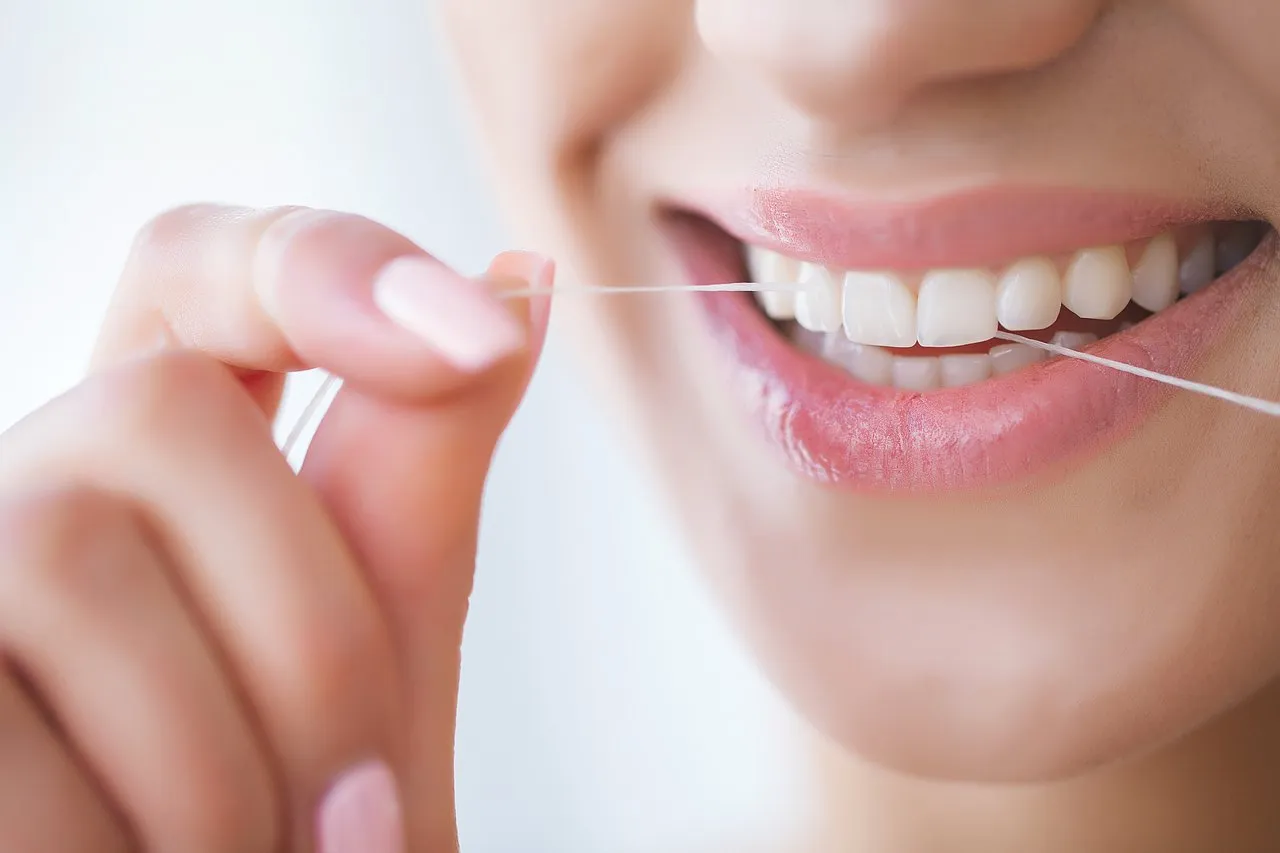
Brush twice a day with fluoride toothpaste. The area under the pontic and the adjacent spaces also need to be cleaned appropriately. Ask to be shown how to use suitable cleaning aids there without placing unnecessary strain on the wing. An ordinary toothbrush cannot reach every area under a bridge.
An adhesive bridge can come loose. This does not necessarily mean that it has to be replaced; after examination, an undamaged restoration can sometimes be bonded back in place. The cause, the condition of the teeth and the fit must be assessed first. Keep a bridge that has fallen out and make an appointment.
Do not try to glue it back in yourself or forcibly detach a wing that is still attached. New movement, changed contacts when biting together or discomfort should be checked. Even a restoration with two wings can be partly detached without falling out. Regular follow-up examinations help to detect such changes and diseases affecting the supporting teeth.
Frequently asked questions
The terms refer to the same basic principle: a pontic is attached to neighbouring teeth via one or more thin wings.
Usually only a little preparation is needed. Whether and how tooth surfaces are adapted depends on the design and the clinical findings. ‘Always without grinding’ is therefore not an appropriate general statement.
No. Although it is often used in younger people, it can also be suitable for adults. The decisive factors are the conditions affecting the teeth, gap and bite.
The design is adapted to the gap and the loading. One or two wings are different planning options, not a simple ranking of quality.
This may be possible if the restoration is undamaged. The practice must first assess the cause, the teeth and the fit. Do not bond the bridge back in place yourself.
Ask to be shown how to use suitable cleaning aids. Suitable floss with a floss threader, for example, can be used under the pontic; the method should be appropriate for the design.