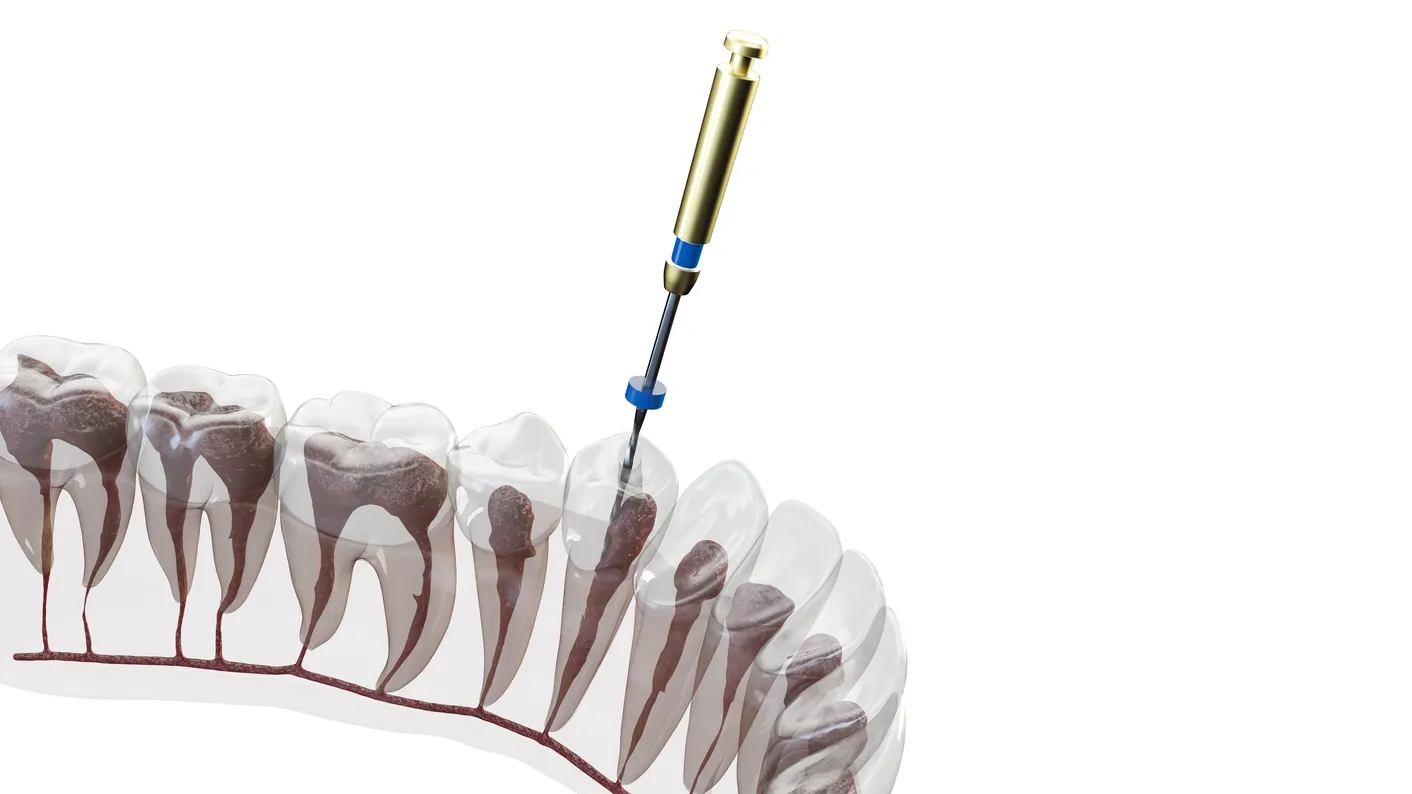
Apicectomy – saving a tooth through surgery
If conventional root canal treatment is not enough to permanently eliminate inflammation in a tooth, an apicectomy may be necessary. During this microsurgical procedure, the dentist removes the inflamed root tip and surrounding diseased tissue....
Über 350 Google-Bewertungen
When is an apicectomy necessary?
An apicectomy is a surgical procedure in which the inflamed root tip of a tooth and any diseased tissue are removed, usually when inflammation fails to heal despite root canal treatment. The procedure is generally performed under local anaesthetic, takes around 30 to 60 minutes and is often the last option for preserving a severely damaged tooth.
- Duration
- Usually 30–60 minutes under local anaesthetic; healing phase around 1–2 weeks, with stitches removed after about a week.
- When advisable
- When inflammation at the root tip does not heal completely despite root canal treatment.
- Prognosis
- A successfully treated tooth can be preserved for many years; the key factors are prior damage, aftercare and oral hygiene.
Suitability and outcome depend on the individual findings; this does not replace dental advice.

What is an apicectomy?
This is a surgical procedure. It is performed when inflammation at the root tip of a tooth does not heal completely, even after root canal treatment. The affected root tip is carefully exposed through the gum and removed.
The procedure is usually performed under local anaesthetic and is an effective way of saving a tooth that would otherwise be considered lost. An apicectomy is often the last option for preserving a severely damaged tooth before it would need to be removed.
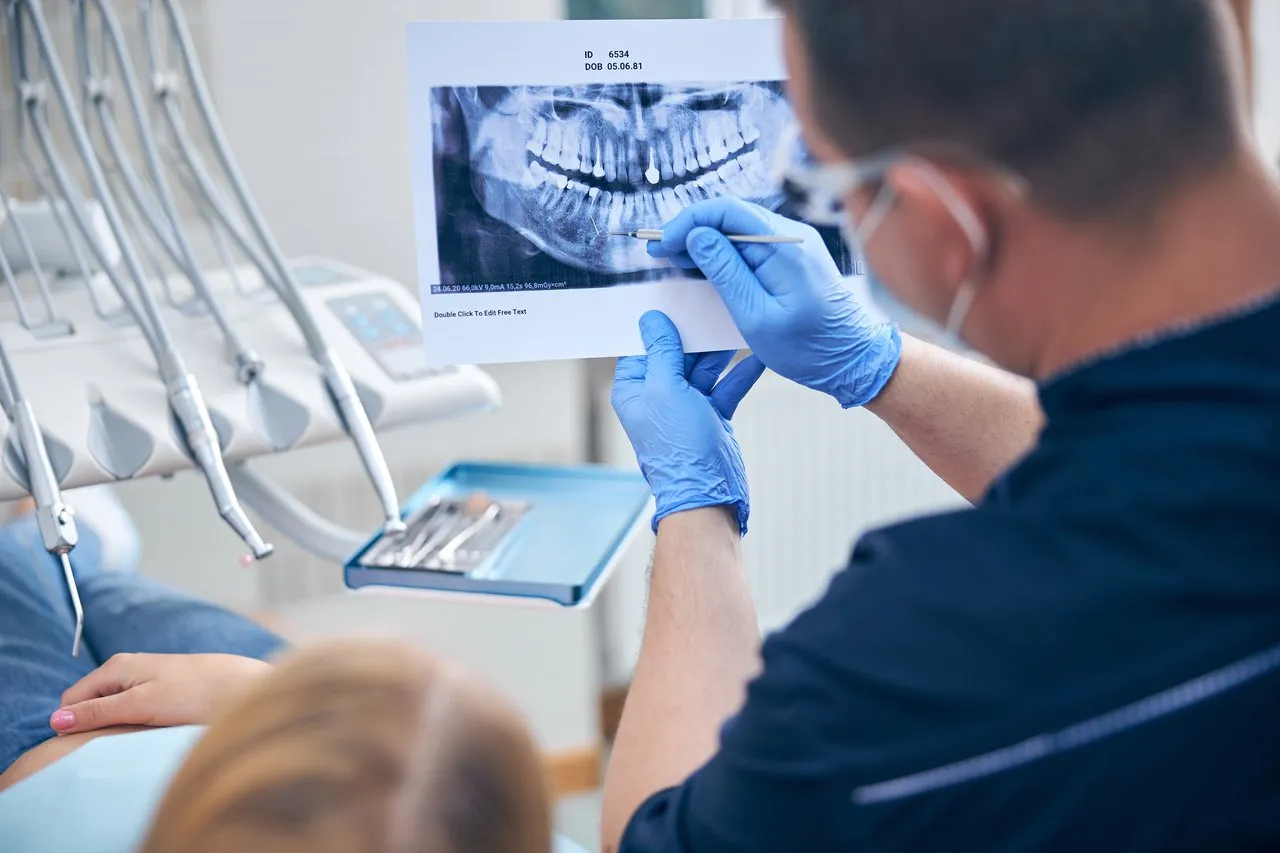
How an apicectomy is carried out
An apicectomy follows a structured and well-established procedure:
• First, a comprehensive diagnosis is carried out using X-rays to determine the exact location of the inflammation.
• During the treatment, the gum around the root is gently opened to provide access to the jawbone and root tip.
• The inflamed tissue is then removed and the root tip is shortened by a few millimetres.
• In most cases, the root canal is also sealed at the root end with a special filling material to prevent bacteria from entering.
After the surgical procedure, the gum is stitched and healing begins. Thanks to modern techniques and our dentists' experience, the procedure is now gentle and well controlled. It usually takes between 30 and 60 minutes, depending on the tooth and its position.
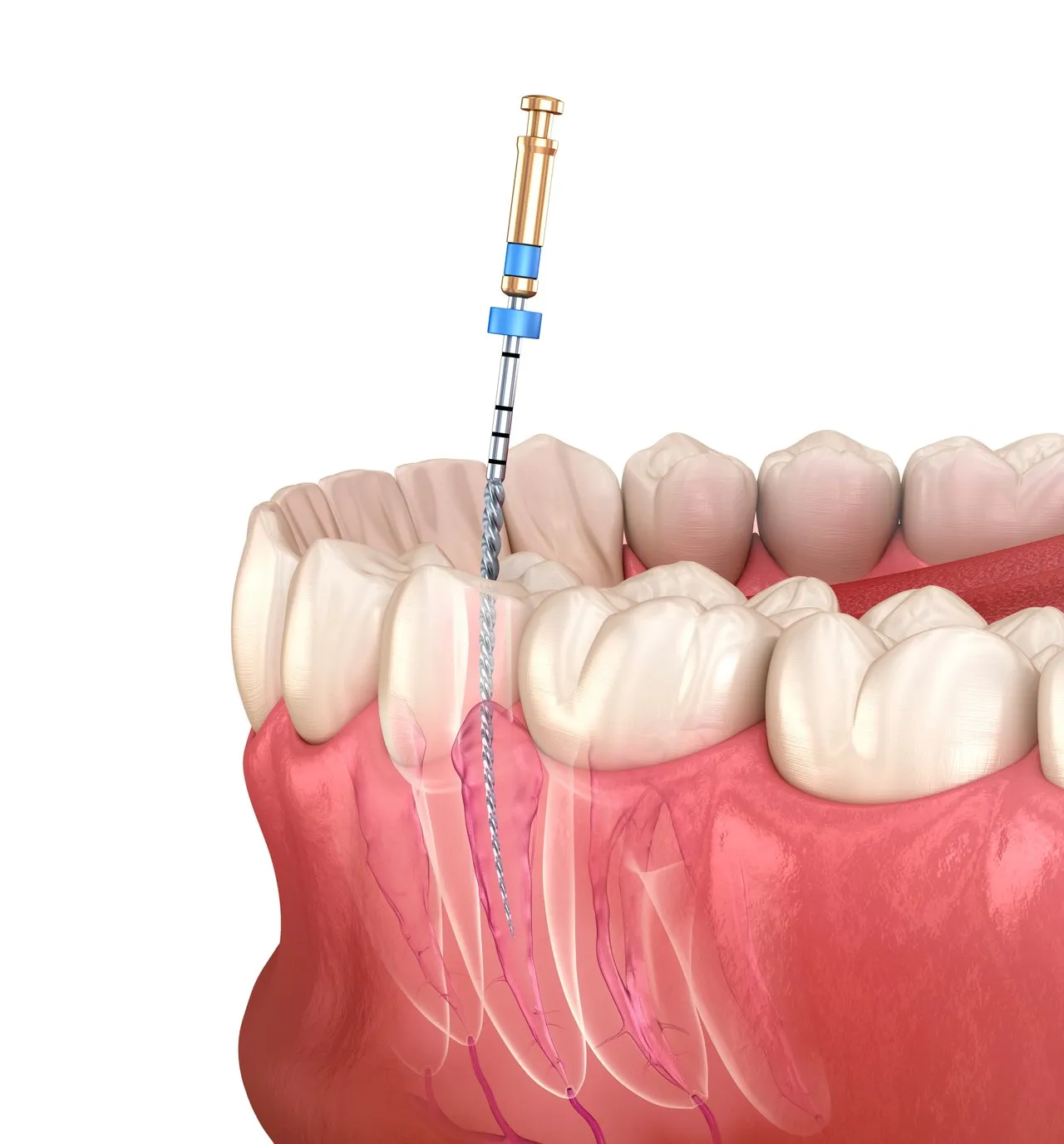
How long does an apicectomy take?
The duration of the procedure depends on the individual case. A single procedure usually takes no longer than an hour. More complex cases, for example involving posterior teeth with several roots, may take a little longer.
However, it is not only the duration of the treatment itself that matters, but also the healing phase afterwards. This usually lasts one to two weeks, during which swelling or mild pain may occur. After the apicectomy, we regularly monitor the healing process and ensure optimal aftercare.

After an apicectomy – what should you bear in mind?
After the procedure, it is important not to disrupt the healing process. Physical exertion should be avoided during the first few days, as should particularly hot, hard or spicy foods. Smoking can also adversely affect the healing process.
Mild pain or swelling around the treated tooth is normal and usually subsides after a few days. If desired, the dentist can prescribe a suitable painkiller. The stitches are removed after approximately one week.
In the long term, good oral hygiene is essential to prevent further inflammation. Regular check-ups also play an important role. In most cases, the tooth can be preserved for many years after a successful procedure.

How long does a tooth last after an apicectomy?
A successfully treated tooth can last for many years, sometimes even a lifetime. The prognosis depends on the extent of the prior damage, aftercare and individual oral health. Precisely removing the inflamed areas stops the inflammation from spreading and stabilises the tooth. With experienced practitioners such as those at our practice, the success rate of the procedure is over 80%.

Apicectomy – pain and risks
Many patients wonder whether an apicectomy involves severe pain. Modern local anaesthetic is used to limit pain during the procedure, although you may feel pressure or discomfort. After treatment, you may experience a pulling pain or a feeling of pressure in the jaw. This can be managed well with painkillers, although recovery varies between patients. Risks such as postoperative bleeding, infection or nerve irritation are rare, but are explained in detail during the consultation beforehand.

Apicectomy costs – who covers the treatment?
The costs of an apicectomy are generally covered by statutory health insurance if the procedure is medically necessary and there is a sufficient chance of preserving the tooth. Different rules apply to privately insured patients and supplementary insurance, depending on the policy. At our practice, we provide patients with transparent information in advance about the expected apicectomy costs and offer advice on financing if needed.

Conclusion
Apicectomy is a well-established procedure for saving severely damaged teeth. At our Wunschlachen dental practice, we perform the procedure precisely, gently and with many years of experience. If you are experiencing pain, have existing inflammation or have had unsuccessful root canal treatment, we will provide comprehensive advice about the procedure ahead and work with you to find the best solution.
FAQs about apicectomy
An apicectomy is a surgical procedure to remove the inflamed root tip of a tooth and the surrounding tissue.
The procedure generally takes between 30 and 60 minutes. This depends on the position and number of roots.
The treatment is carried out under local anaesthetic, which usually controls pain during the procedure. Patient experiences vary, and mild pain or discomfort can occur after the procedure.
The acute healing phase usually lasts 7 to 10 days. Complete bone healing can take several months.
Taking it easy physically, good oral hygiene and a soft diet during the first few days support the healing process.
If treatment is successful, the tooth can be preserved for many years, sometimes even for life.
Rare risks include infection, postoperative bleeding or irritation of surrounding nerve structures.
When inflammation does not heal after root canal treatment or occurs again.
Statutory health insurance providers generally cover the costs when the procedure is medically necessary.
In individual cases, yes, but the likelihood of success decreases if inflammation occurs again. Individual advice is important.