Skip to content

Dental implants in Berlin: consultation, planning and procedure

A missing tooth can affect chewing, speaking or smiling. During an implant consultation at Wunschlachen, you will discuss which restoration is right for the gap in your teeth and what steps would be needed to replace the tooth.

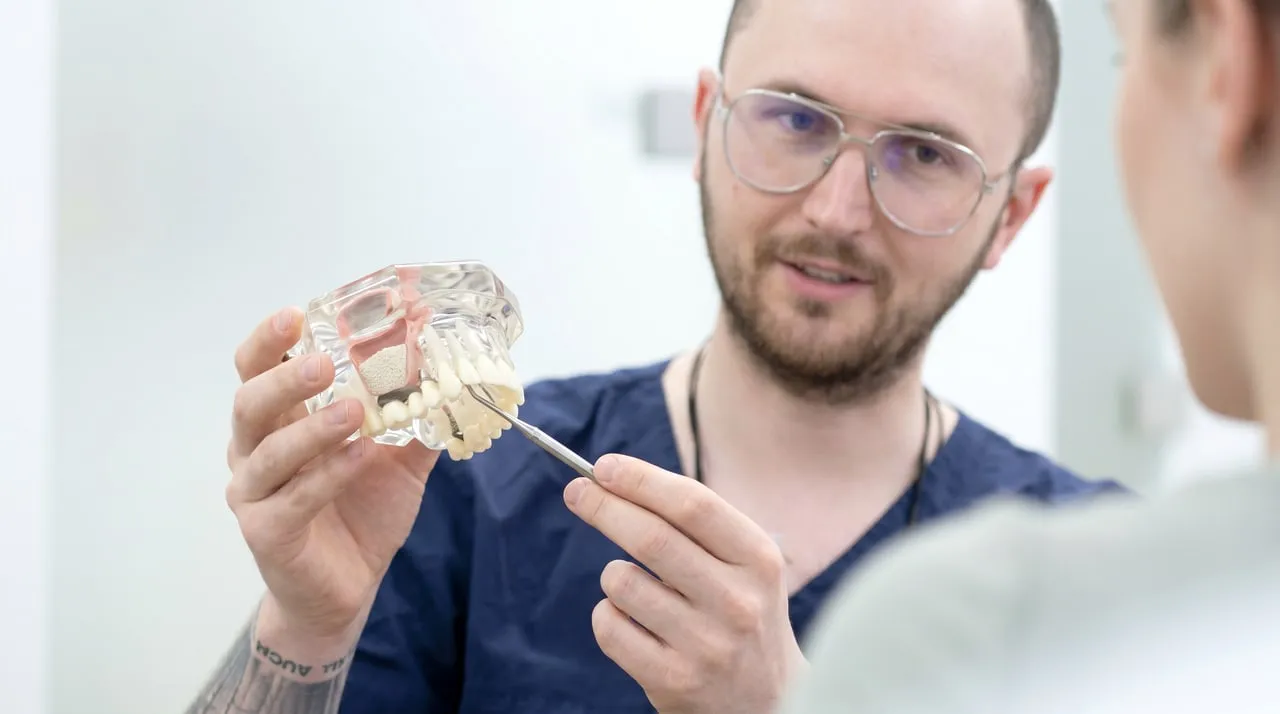
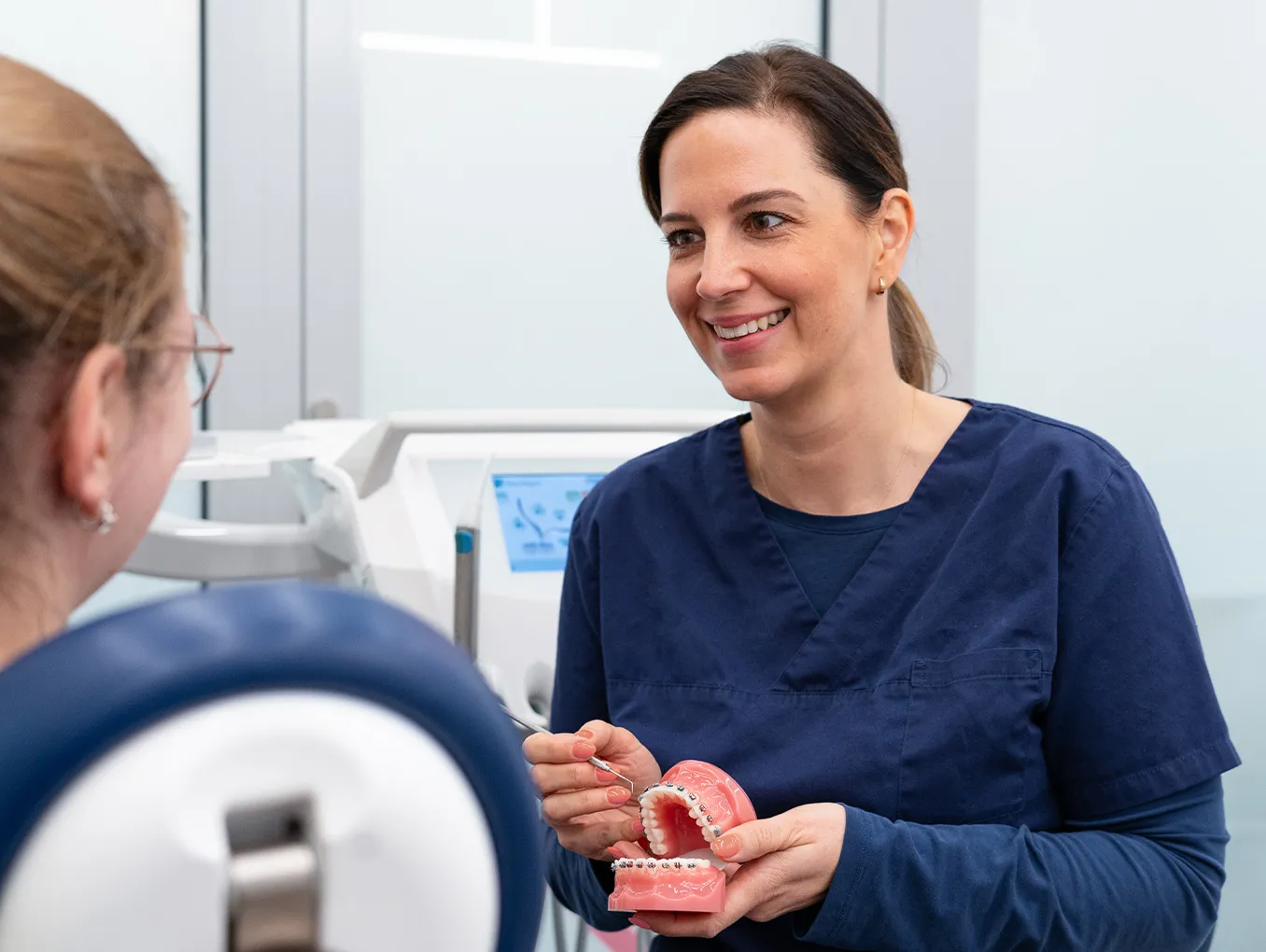
A Wunschlachen practitioner explains a dental model

How does a dental implant consultation in Berlin work?

The first appointment is about the gap in your teeth, the condition of the neighbouring teeth and your preferences for the dental restoration. The examination shows whether an implant is suitable in principle, what images are needed for planning and whether a bridge or another restoration would be an alternative.

In this article

What do we discuss at the first appointment?

Please bring any existing X-rays, previous findings and an up-to-date list of your medication with you, if you have these to hand. It is also helpful to know how long the tooth has been missing or why it is to be removed. During the examination, the condition of the gums and neighbouring teeth, the available space and the amount of bone available are relevant for planning. Any additional imaging will be decided upon as needed.

If several options are possible, you can ask how the restoration can be cleaned day to day, what the transitional phase involves and which appointments are planned for check-ups and your dental restoration. Also ask which documents the team will need for a follow-up appointment.

From the assessment to the finished restoration

  • Planning: The examination determines which treatment is suitable for the tooth, jaw and bite.
  • Implant placement: The artificial tooth root is inserted into the jaw if the requirements are met. If necessary, bone is augmented.
  • Healing and dental restoration: The implant fuses with the bone. When it can be loaded and fitted with a dental restoration depends on the findings. Find out more at Healing of dental implants.

Which restoration is right for the gap in your teeth?

A crown can rebuild a tooth that can be preserved. If the tooth and its root are missing, an implant can support a crown. A conventional bridge can close the gap using the adjacent teeth as abutments. Whether these teeth are suitable for this and whether a removable solution might be advisable can only be discussed based on the assessment. Also ask about the care involved and what a possible interim restoration might look like.

What does long-term planning involve?

Discuss before the procedure how you can clean the planned restoration around the implant. A bridge or denture may require different aids from a single crown. Have the handling demonstrated to you when the restoration is fitted and ask what changes you should mention at a check-up.

Find out whether a temporary restoration is possible until the final dental restoration. If there is a gap in a visible area, this question can be just as important as the later shape and colour of the crown. For the appointment, it helps to note which everyday or work activities could be affected by the procedure and the subsequent healing period. This allows you to ask specifically about the expected sequence of appointments and what the temporary restoration can withstand.

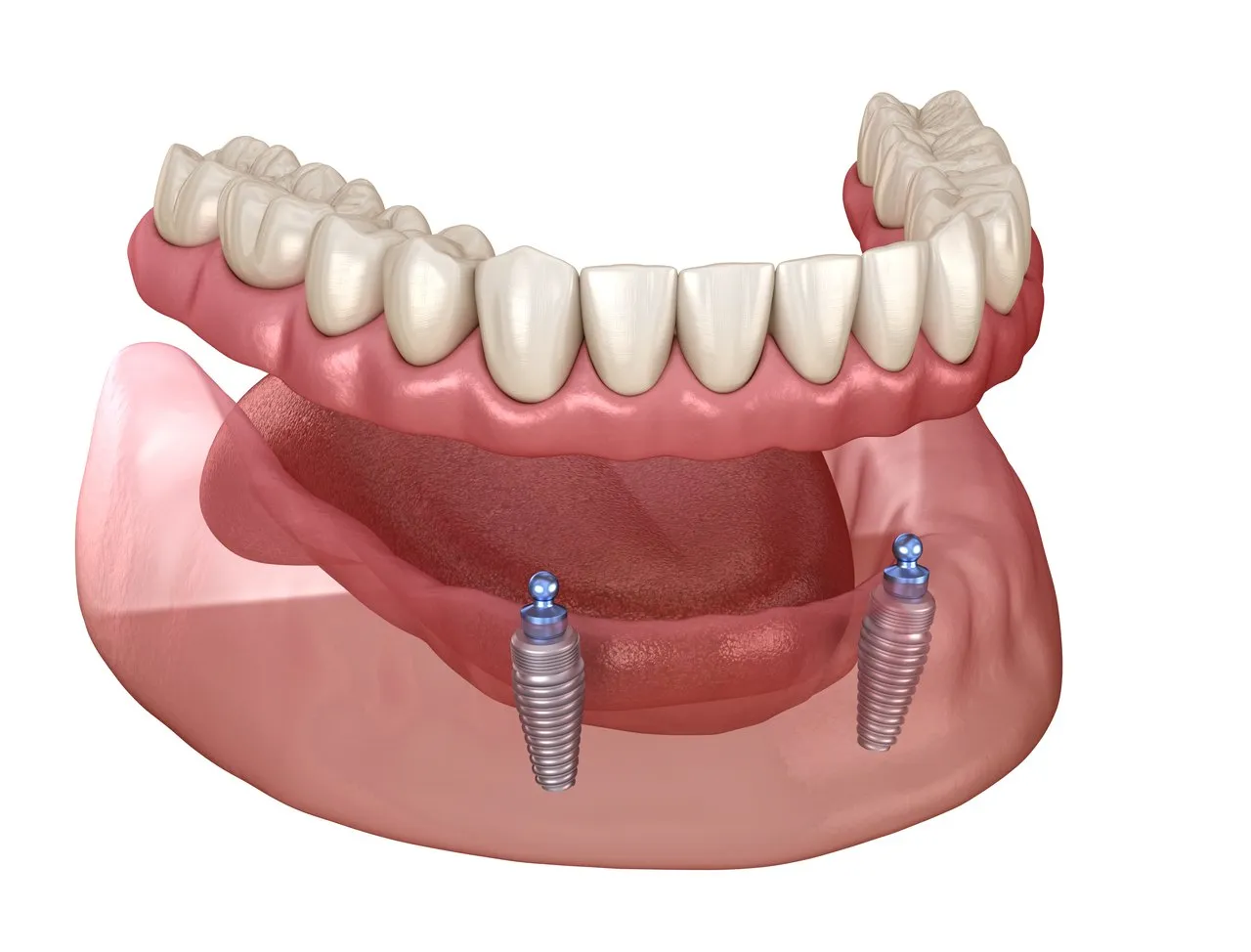
If several teeth are missing, implants can support a bridge or a denture, depending on the findings. Ask what role the number and position of the implants play in cleaning and stability. Your existing teeth and the opposing jaw also influence planning. If a longer break in treatment or a previous inflammation is relevant, it helps to bring existing records to the initial appointment. You can then decide together which findings still need to be clarified before the next step.

More guides to dental implants

Sources

Book an appointment
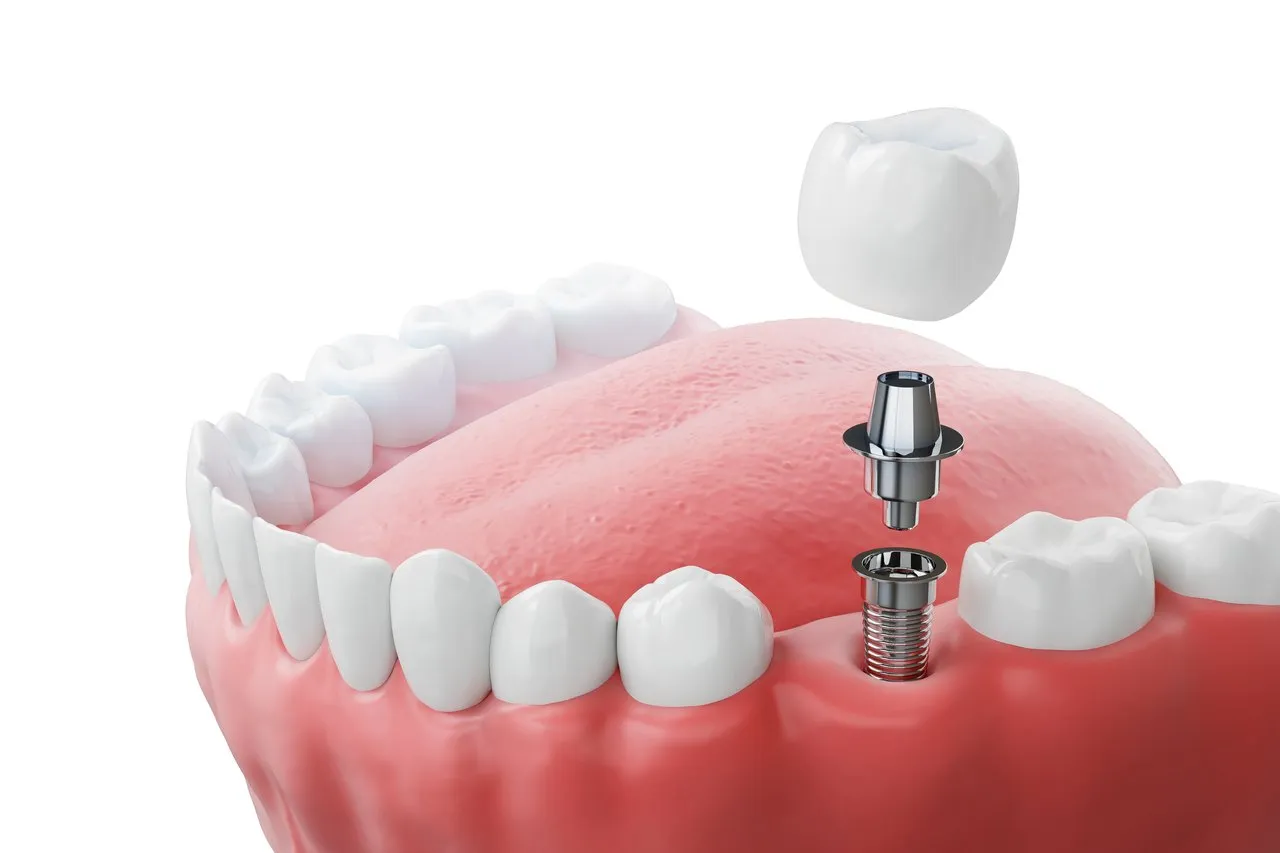
3D representation of a lower jaw with an implant in a gap between teeth, with the abutment and dental crown shown separately above it

What is a dental implant?

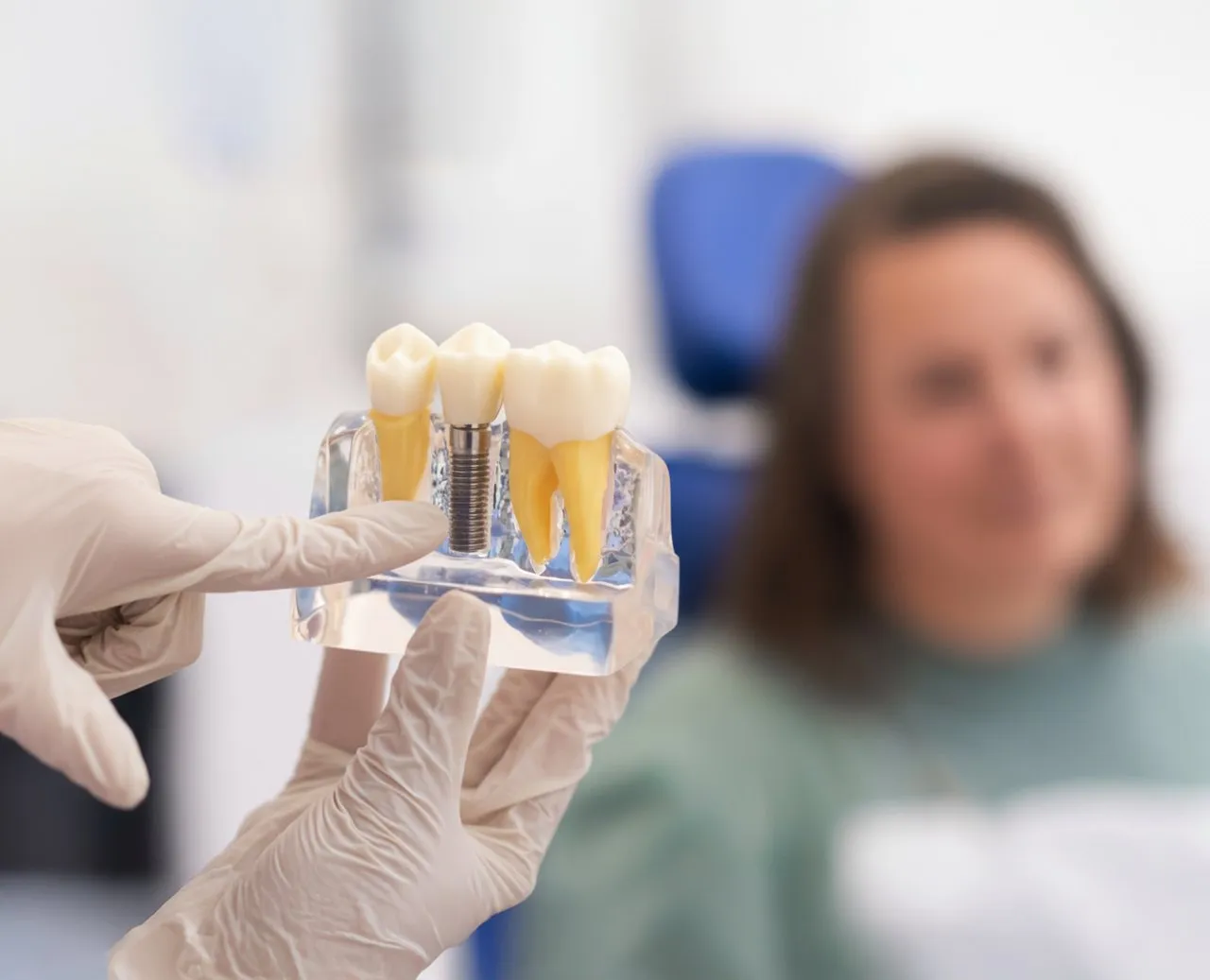
Gloved hands holding an implant model with a crown between two teeth, with a patient in the background

Implant, bridge or denture: what is the difference?

Who might be suitable for a dental implant?

Dentist in dark blue scrubs explaining something to a female patient during a consultation and counting on his fingers as he speaks
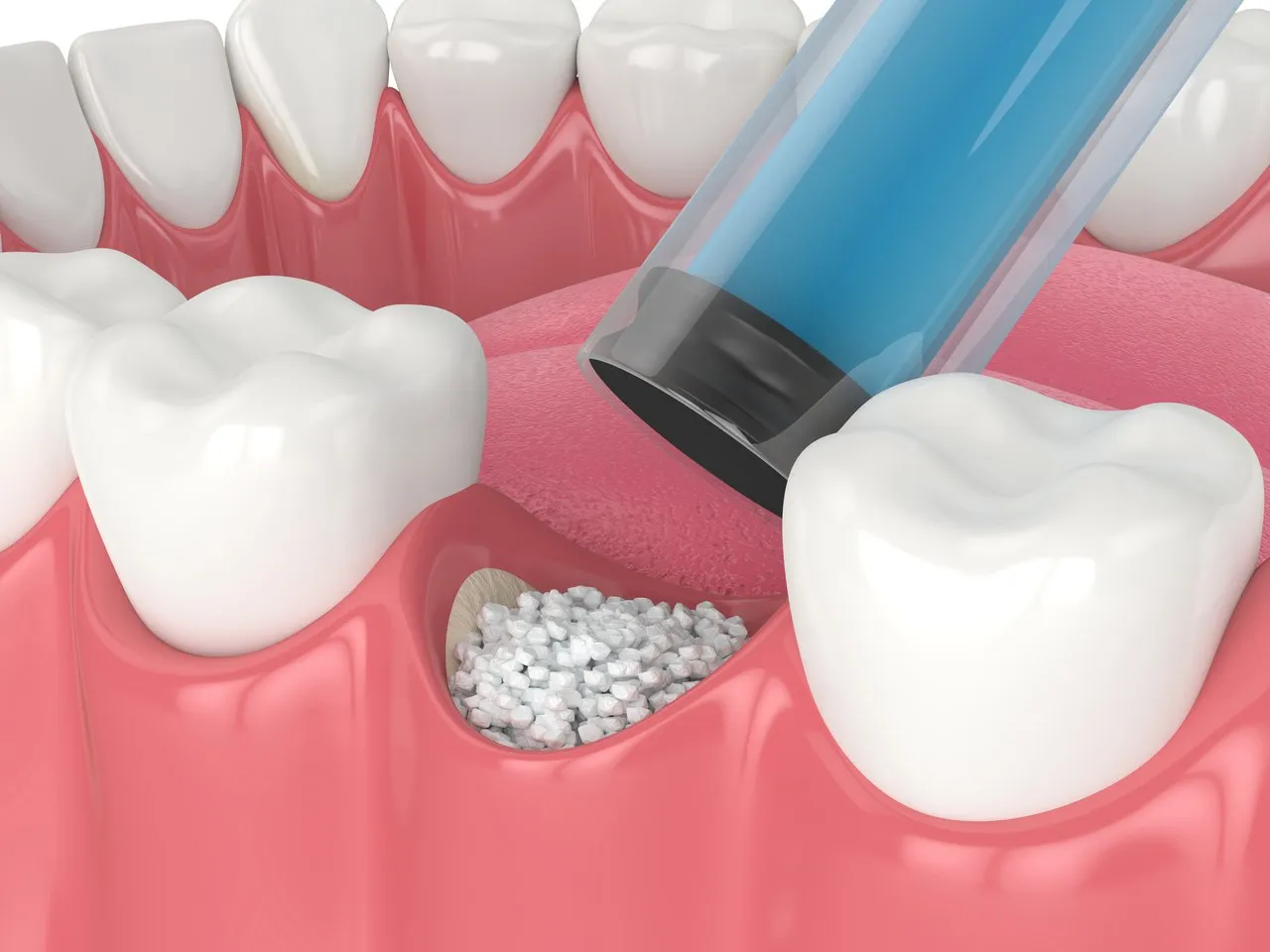
3D illustration: bone substitute material is placed in an empty tooth socket in the lower jaw using an applicator

Is there enough jawbone for an implant?

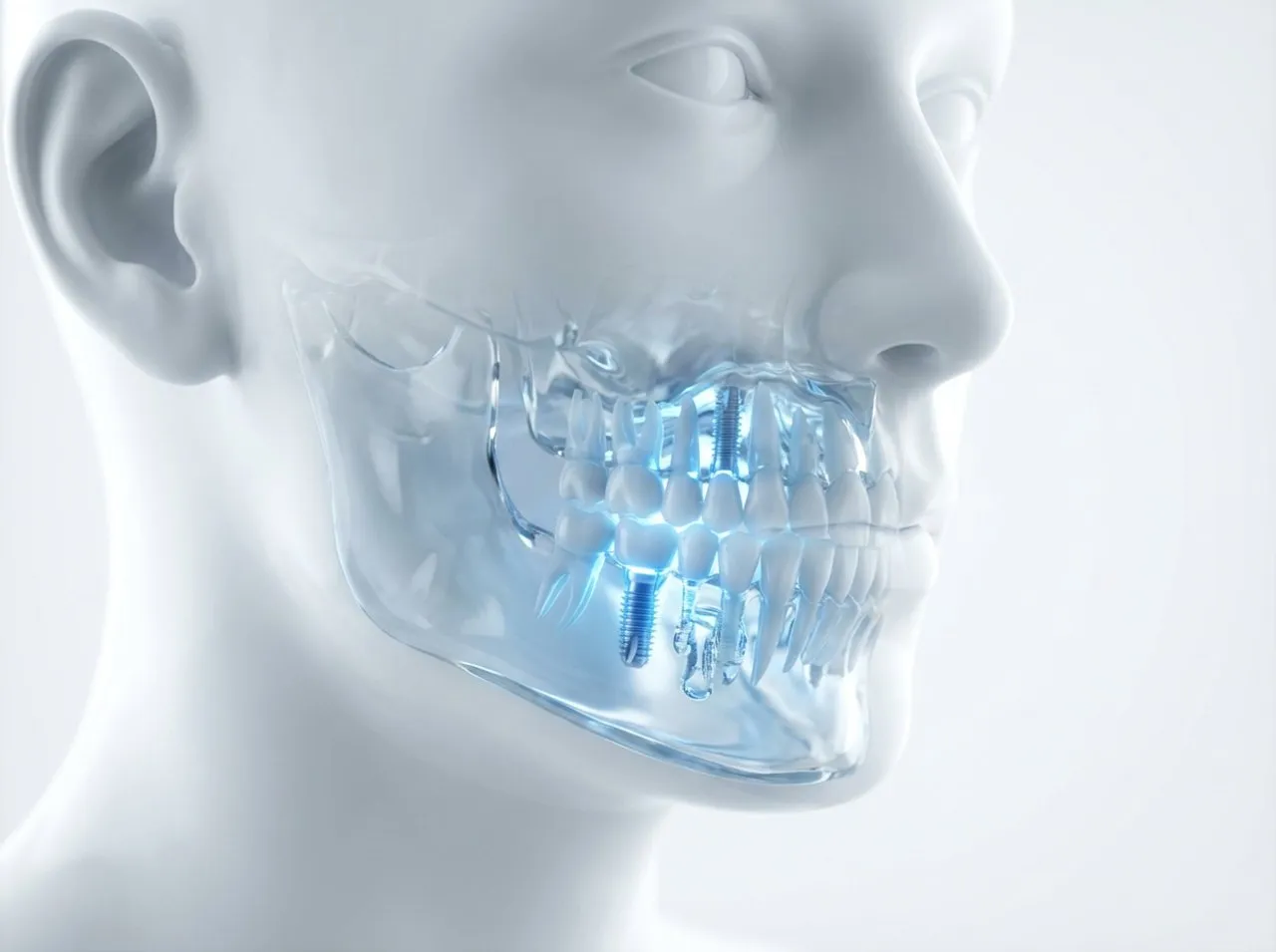
3D illustration of a transparent head with a set of teeth, with one glowing blue implant in each of the upper and lower jaws

Upper and lower jaws: what is different about implants?

When several teeth are missing: a bridge or denture supported by implants

3D illustration of a toothless lower jaw with two implants, with a denture with artificial teeth above it

What does dental implant treatment involve?

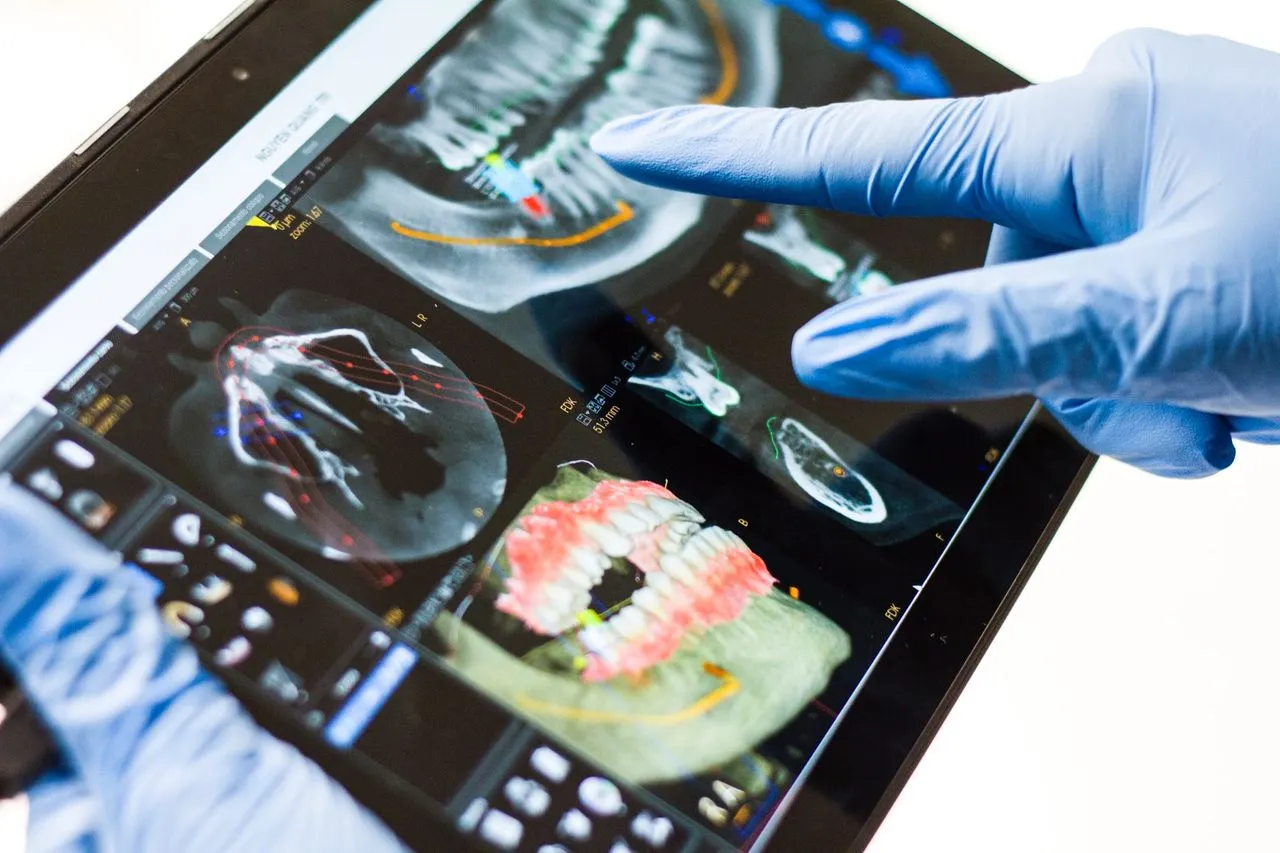
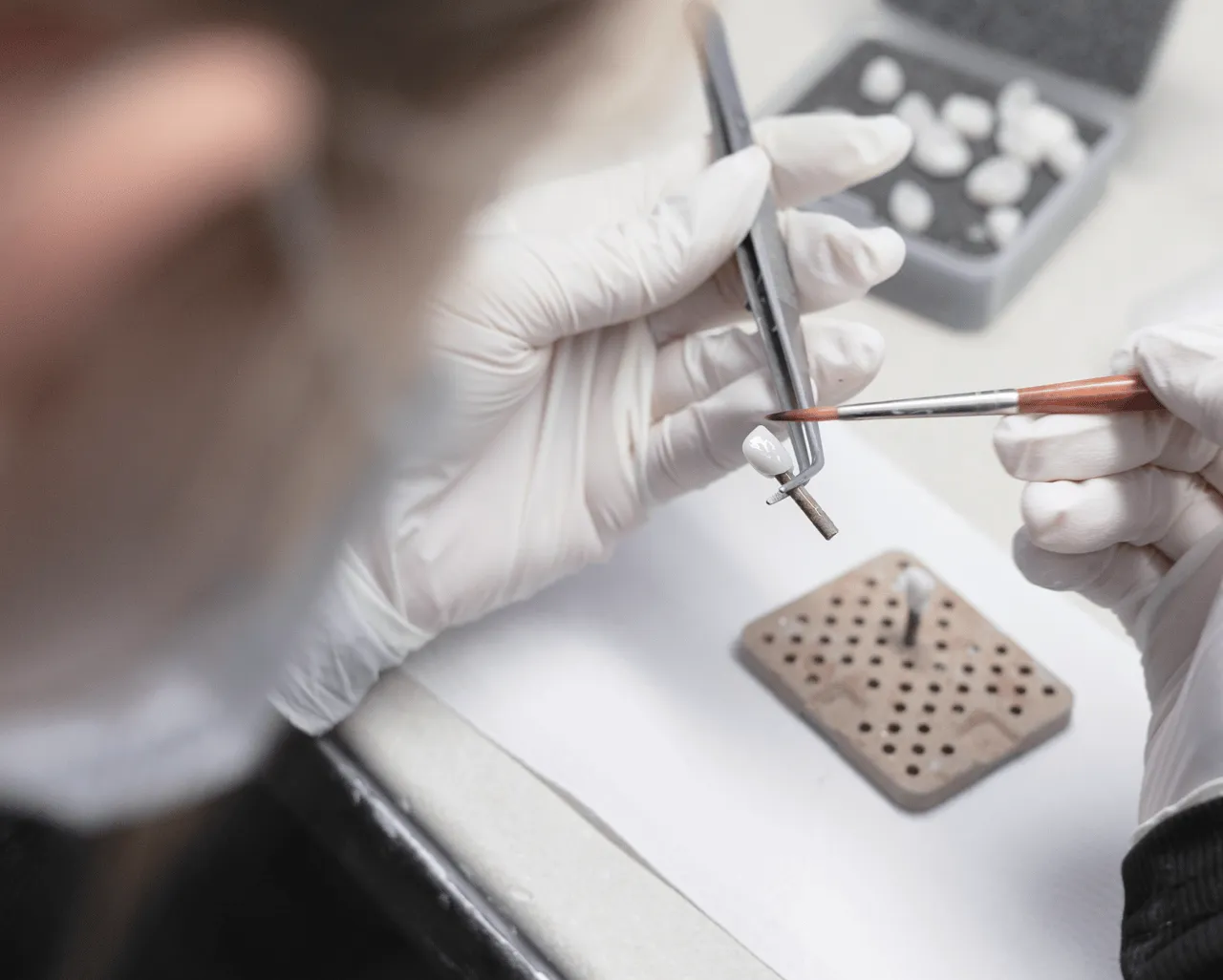
A finger in a blue glove points to 3D images of the jaw and teeth on a tabletGloved hands hold a small ceramic crown with tweezers and work on it with a fine brush
1

Examination and planning

We examine the teeth, gums and jawbone. Any inflammation, such as periodontitis, must be treated beforehand. Using an X-ray or 3D scan (DVT), we determine the position, size and material.

2

Inserting the implant

The implant is usually inserted under local anaesthetic. Depending on the number and position of the implants, the procedure takes approximately 30 to 90 minutes.

3

Healing

The implant generally fuses with the bone over a period of three to six months. A temporary crown or transitional denture usually bridges the gap during this time.

4

Tooth replacement

The healed implant is uncovered. Following an impression or digital scan, the laboratory produces the crown, bridge or denture. A crown is usually fitted around four to six weeks after the implant is uncovered.

5

Aftercare

Aftercare includes regular check-ups and professional teeth cleaning.

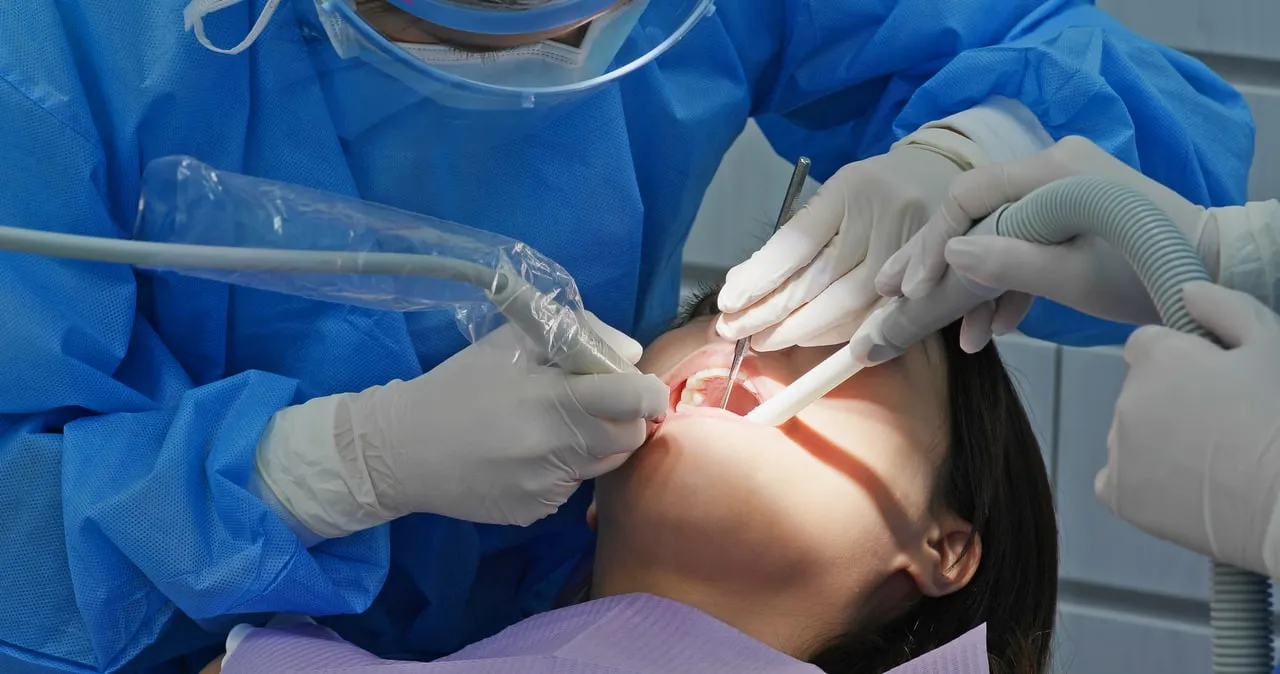
A clinician wearing a face shield and blue protective gown works with an assistant in the mouth of a patient lying down

Inserting the implant: what happens during the procedure?

The timeline: how long does it take to get a permanent tooth?

30–90 minutesthe procedure takes approximately, depending on the number and position
3–6 monthsintegration usually takes
6–12 monthsthe entire treatment with bone augmentation can take
A dentist in dark blue practice clothing gives an explanation using a probe on a transparent jaw model

An implant immediately after tooth extraction: when is this possible?

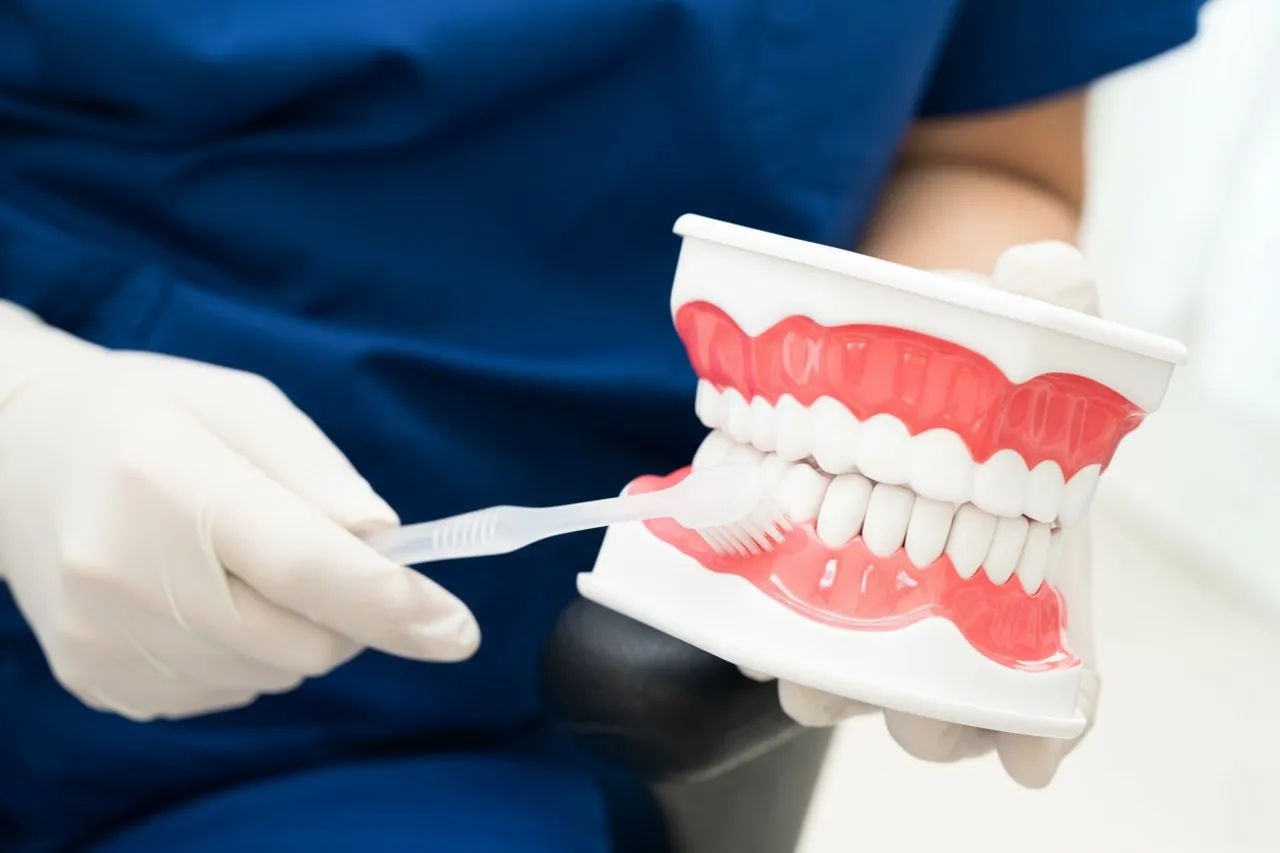
A hand in a treatment glove uses a toothbrush on a dental model to show how to brush along the gumline

Caring for implants: brushing, cleaning between teeth and check-ups

What risks should you be aware of?

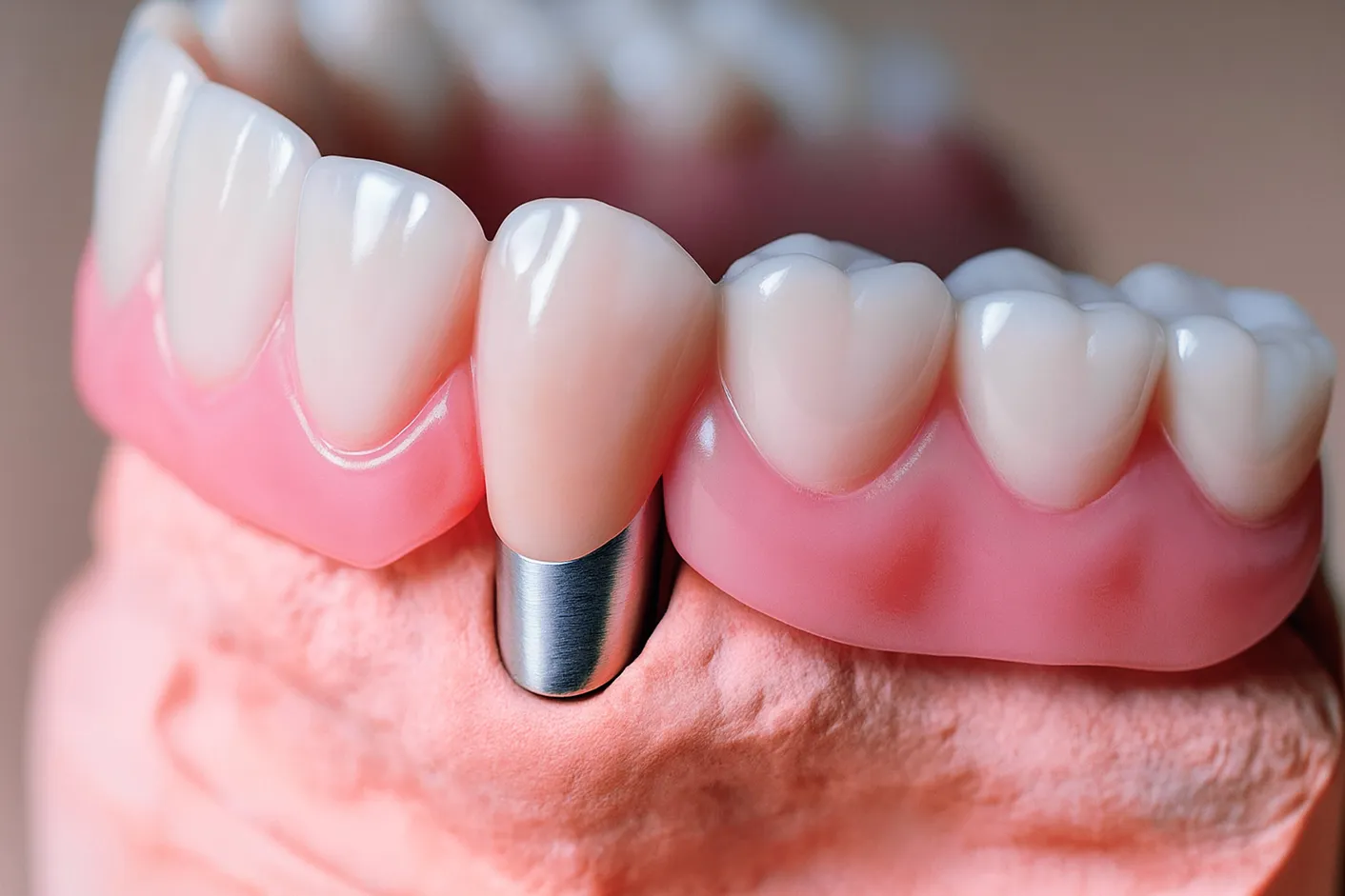
Close-up of a row of teeth with an implant crown and its metal implant neck exposed at the gumline

Implant treatment in Berlin: where can you get an appointment?

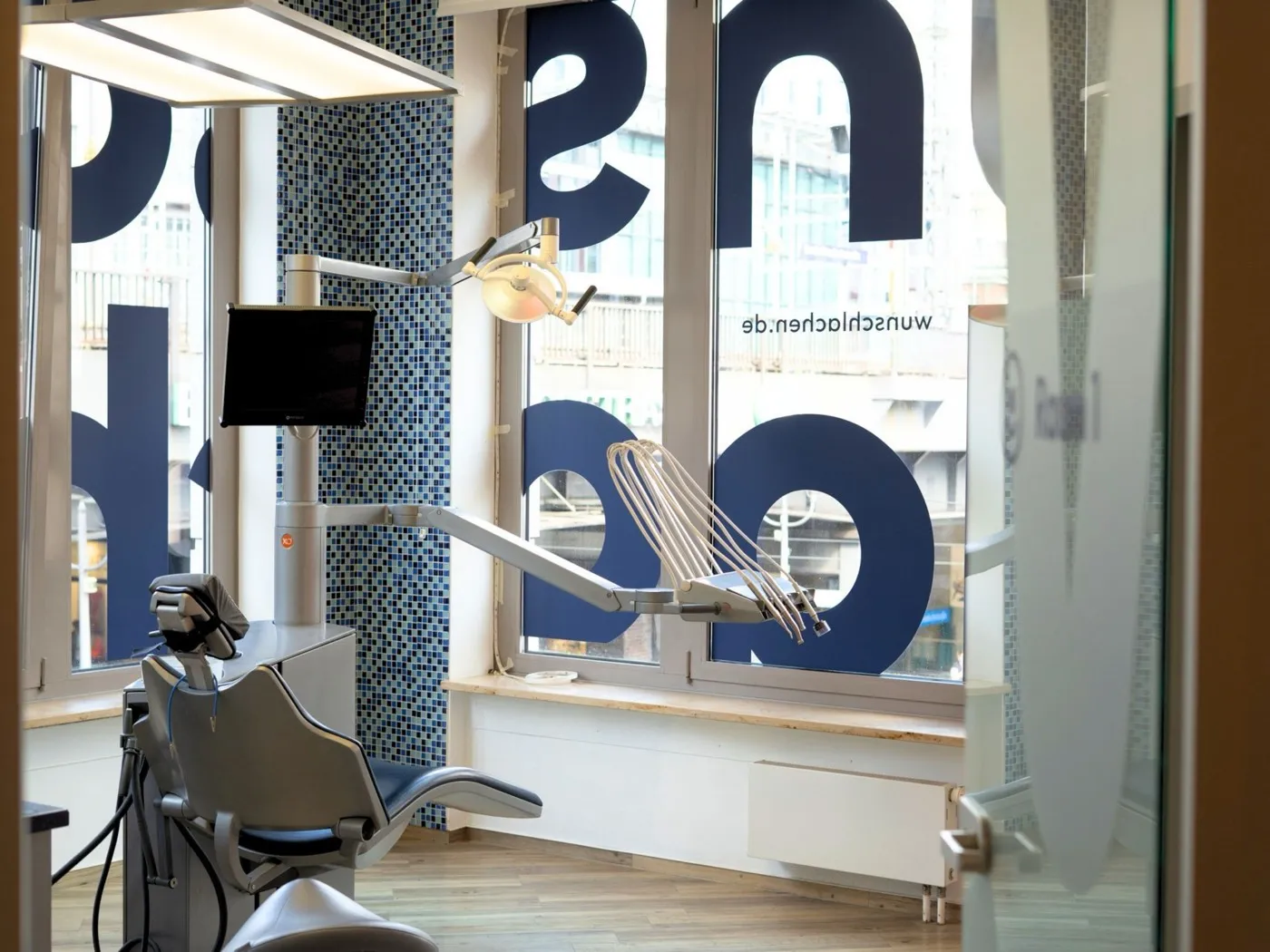
Treatment room at the Friedrichstraße practice: treatment unit in front of a window wall with Wunschlachen lettering

The Wunschlachen team’s surgical focus

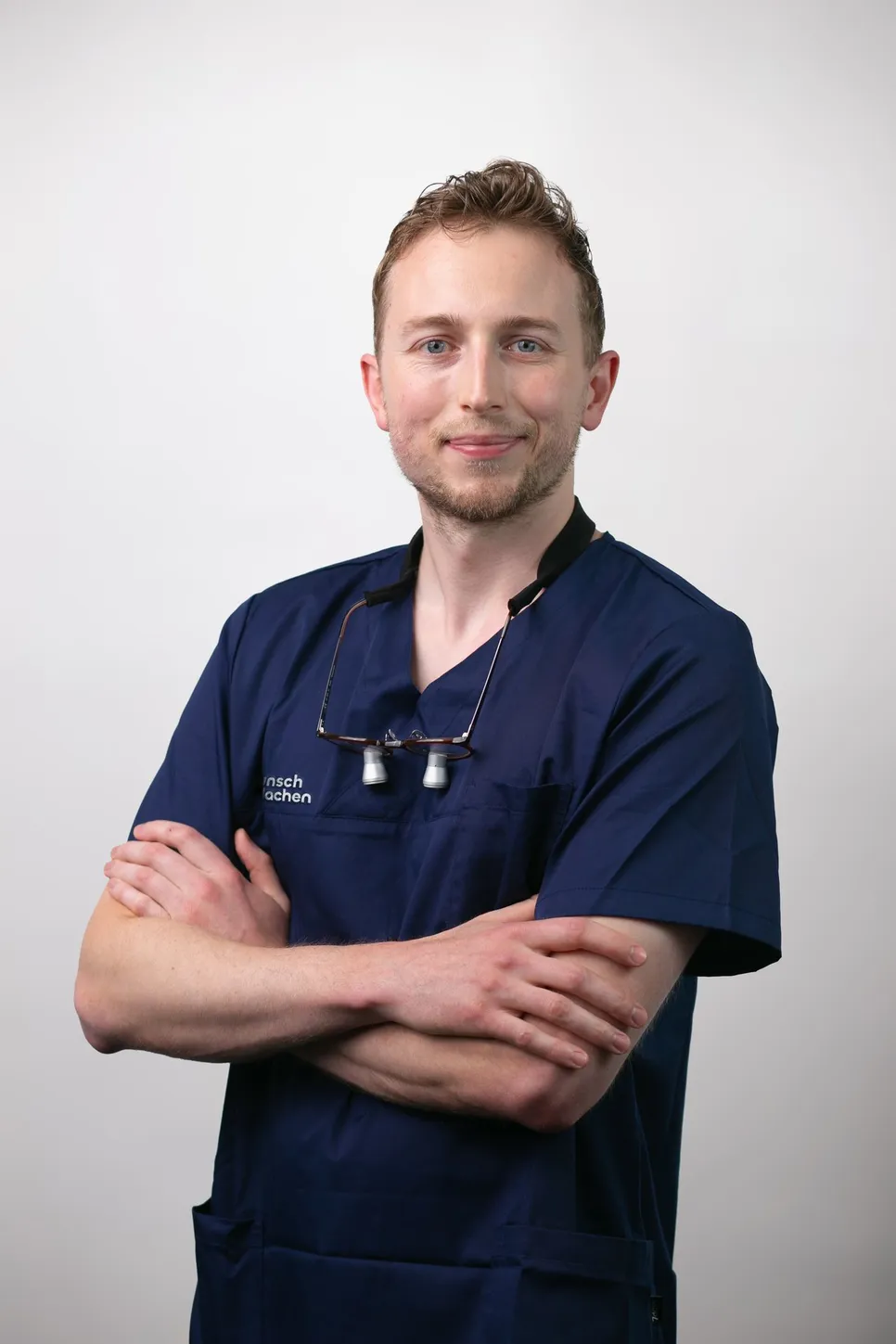
Portrait of Martin Paetz in dark blue practice clothing with dental loupes, arms crossed

Martin Paetz

Leitender Zahnarzt mit dem Schwerpunkt Chirurgie & Gründer von Wunschlachen

Portrait of Dr. Raphael Faulhaber in dark blue practice clothing with dental loupes, arms crossed

Dr. Raphael Faulhaber

Arzt/Zahnarzt mit Schwerpunkt Chirurgie

How we support you throughout your treatment

Many people feel apprehensive before a surgical procedure. We explain every step and discuss the findings, procedure and costs before treatment begins. Treatment only starts once you have given your consent.

If you are anxious, let us know. Treatment with nitrous oxide is available at all four dental practices, and we can arrange general anaesthesia for more extensive procedures on request. Find out more on our page for anxious patients.

Book an appointment

Related topics to explore

Frequently asked questions about dental implants

What our patients say

As an extremely anxious patient, I have to say: great team. I got an appointment very quickly, my tooth problem was over in no time and the nitrous oxide treatment made it bearable.

Dave WBewertet auf Google

I had a prophylaxis appointment with Ms Kern. As an anxious patient, I felt very well looked after. Extremely competent, empathetic and gentle. The practice is perfect for anxious patients.

Nina IffländerBewertet auf Google

I am the classic anxious patient, and this practice has managed to help me move past some of my trauma. The dental nurses are so attentive and the female dentists are incredibly empathetic.

Saskia ReicheBewertet auf Google

Very friendly reception desk, no waiting time and an extremely competent dentist. Above all, I appreciated that no treatment was forced on me. I am delighted!

Andrea GerischerBewertet auf Google