Can periodontitis go away on its own?
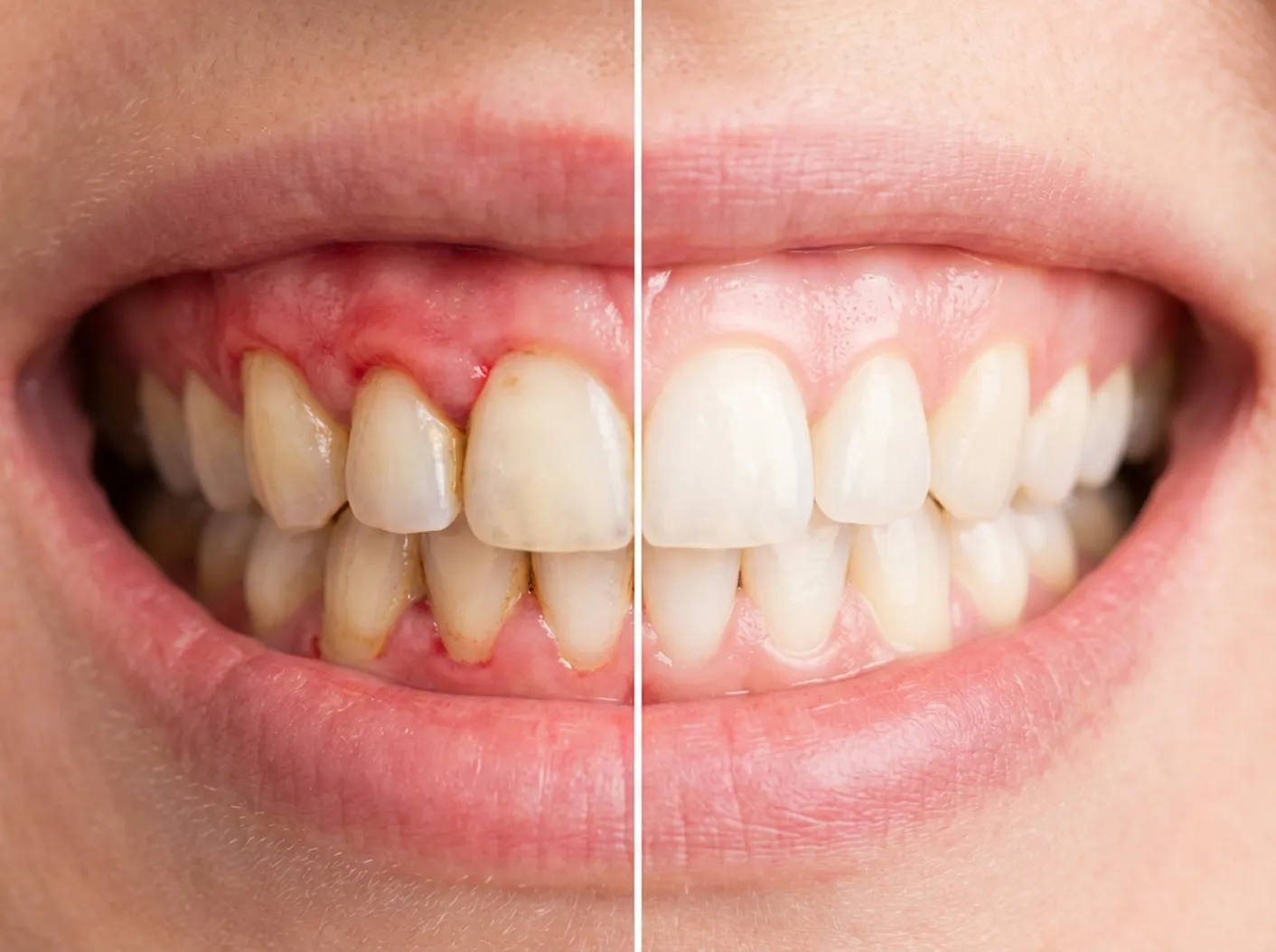
Many patients wonder whether periodontitis can disappear again. The honest answer is that the inflamed tissue can heal. However, lost bone and fibres that have already been destroyed usually do not grow back completely.
Über 350 Google-Bewertungen
What exactly is periodontitis?
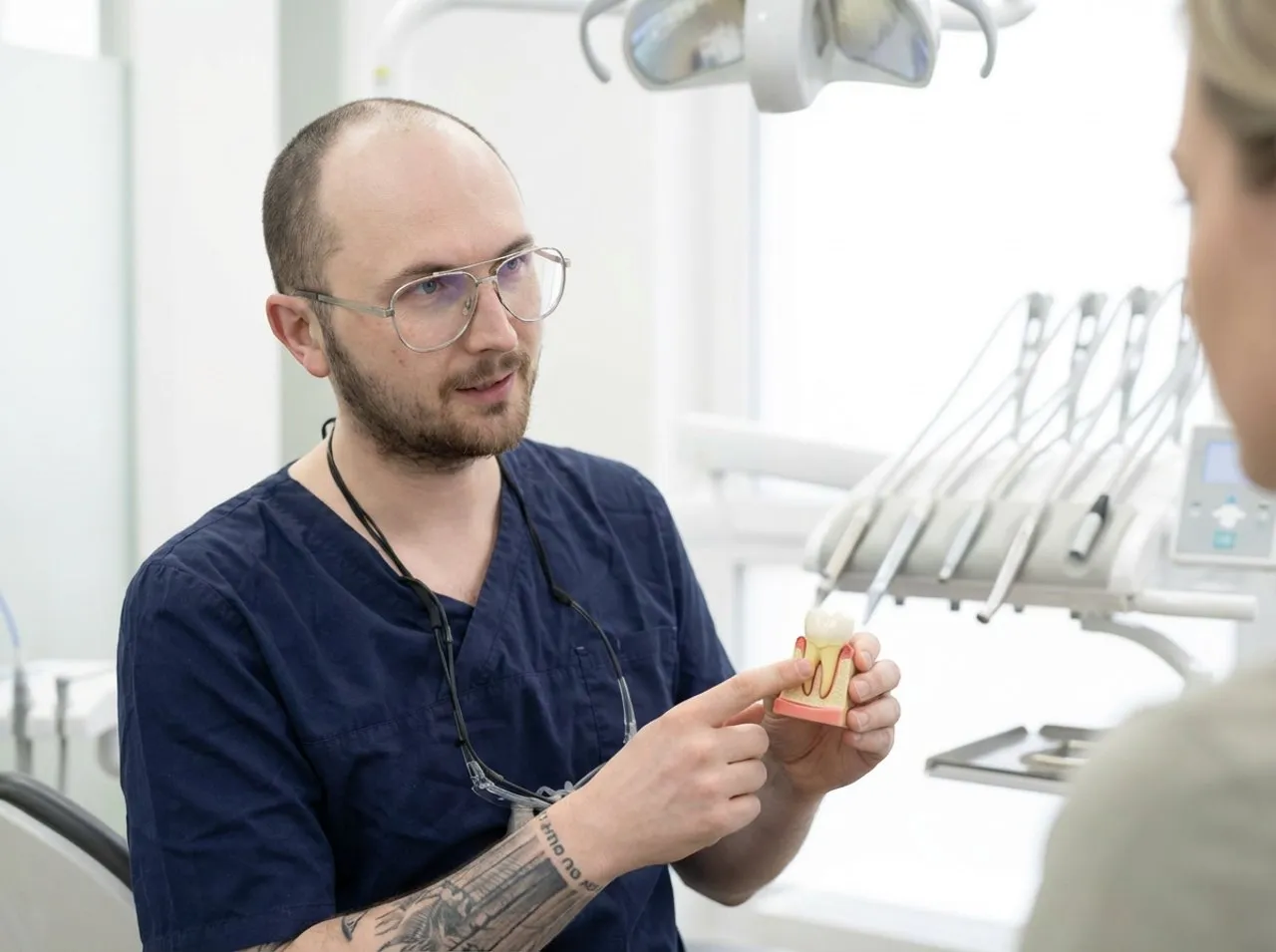
Many people colloquially call it periodontosis, while the medical term is periodontitis. It is a chronic inflammation of the supporting structures of the teeth. The gums, root surface and surrounding jawbone are affected. The disease often progresses gradually and is initially almost painless. The first signs are bleeding gums, swelling and bad breath. If left untreated, it can lead to loose teeth and tooth loss.
Can periodontitis go away?
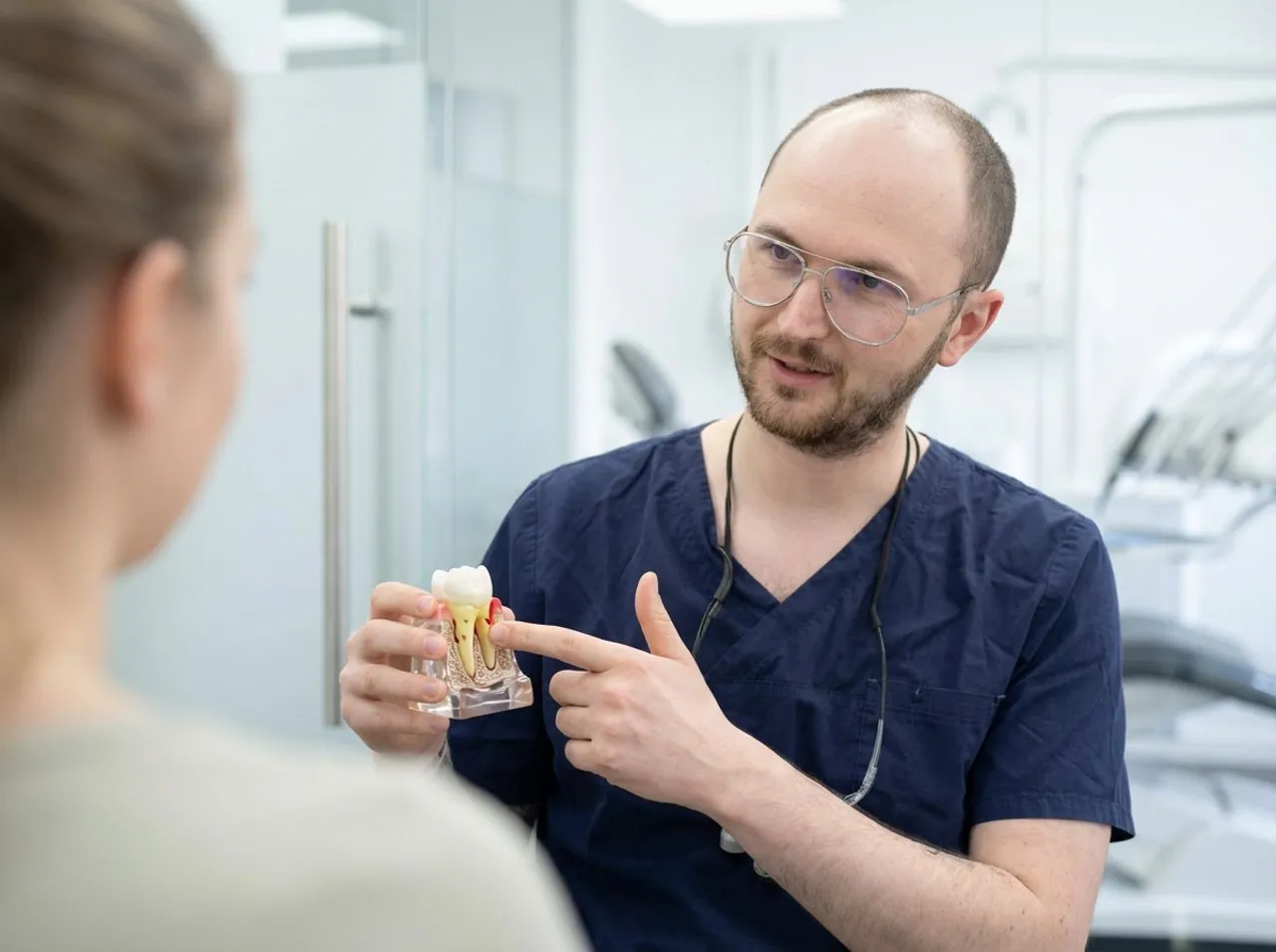
Whether periodontitis goes away depends on its stage. Early forms can largely recede after professional treatment. The gums become firmer again and the inflammation subsides. Bone that has already been lost, however, only grows back to a limited extent. Deep bone pockets can be cleaned, but cannot always regenerate completely. The aim of treatment is therefore to stop the disease and stabilise the existing tissue. Important: without consistent oral hygiene, the inflammation usually returns. Periodontitis is a chronic disease with a risk of recurrence. Ongoing care from a dentist is therefore essential.
Which factors affect recovery?
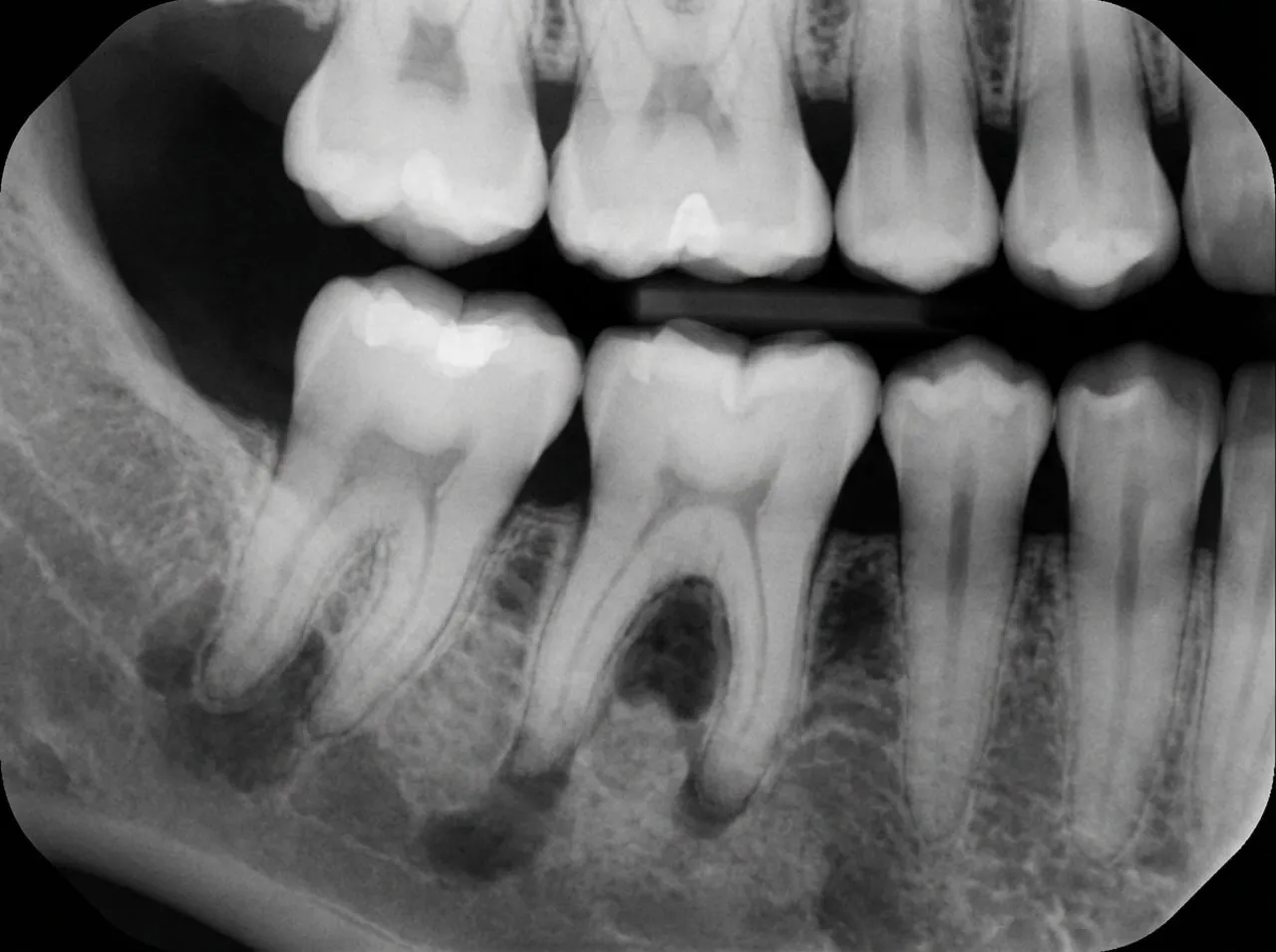
The key factor is how far the inflammation has already progressed. The earlier treatment begins, the better the chances of recovery. Smoking, diabetes and stress also have a negative effect on its course. Bacterial plaque is the most important cause of inflammation in the tissues supporting the teeth. Anyone who does not remove it regularly risks new phases of inflammation. Genetic factors can also play a role. Regular check-ups help to detect recurrences in good time. This allows the dentist to intervene early. This reduces the risk of further bone loss.
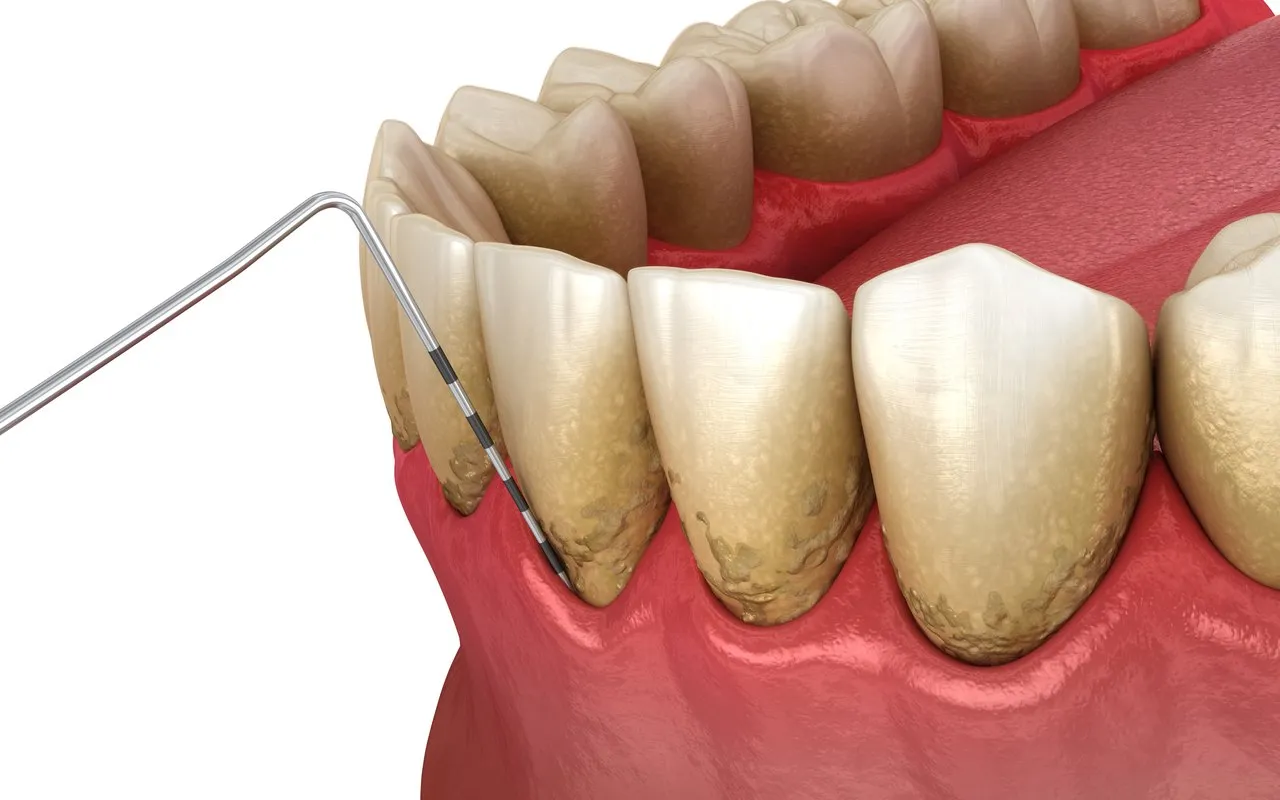
Treatment: how periodontitis can be stopped
At the Wunschlachen practice, we use structured periodontal treatment. First, we carry out a thorough diagnosis, including measuring the periodontal pockets. We then plan individually tailored treatment. Professional dental cleaning is an important component. This removes hard and soft deposits above the gums. This significantly reduces the bacterial count. The next step is deep cleaning of the tooth roots. This cleaning of the periodontal pockets is called closed curettage. Deposits and bacteria below the gum line are gently removed. In severe cases, additional measures may be necessary. These include local antibiotics or special mouth rinses. Minor surgical procedures are sometimes also advisable.
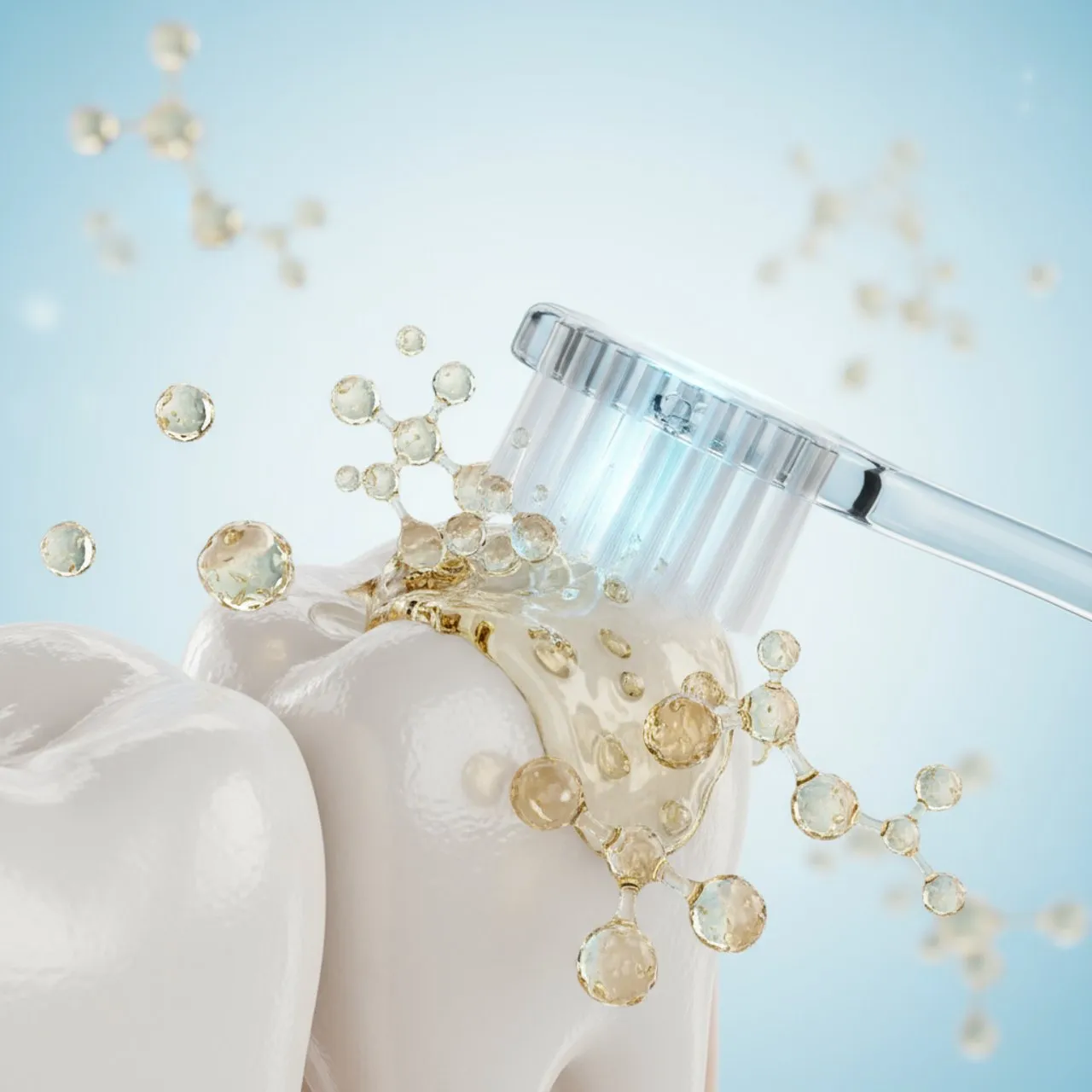
How can patients help themselves?
Periodontitis cannot remain stable in the long term without the patient's cooperation. Careful oral hygiene at home is therefore essential. This includes a toothbrush, interdental brushes and dental floss. After treatment, every patient receives individual brushing instructions. We show you which aids are suitable for your own interdental spaces. This makes it much easier to remove plaque. Lifestyle habits also affect recovery. Smoking severely impairs the blood supply to the gums. Giving up nicotine significantly improves the prognosis of periodontal disease.
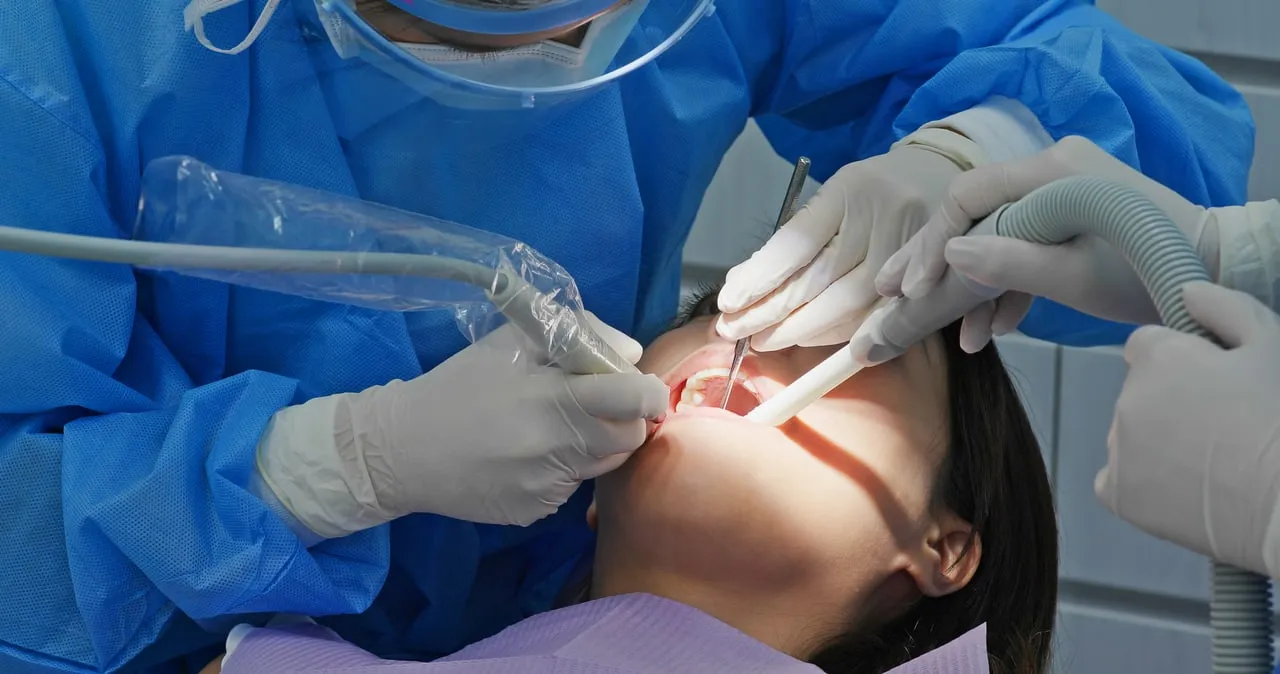
Support from preventive care at our practice
Active periodontal treatment is followed by maintenance therapy. This phase is crucial to long-term success. Without aftercare, the inflammation can quickly flare up again. We carry out professional preventive care appointments at fixed intervals. During these, we check the gums, pocket readings and plaque. Problem areas are cleaned thoroughly. The intervals depend on the individual risk. If conditions are stable, an interval of six months is often sufficient. Shorter intervals are advisable for those at higher risk.
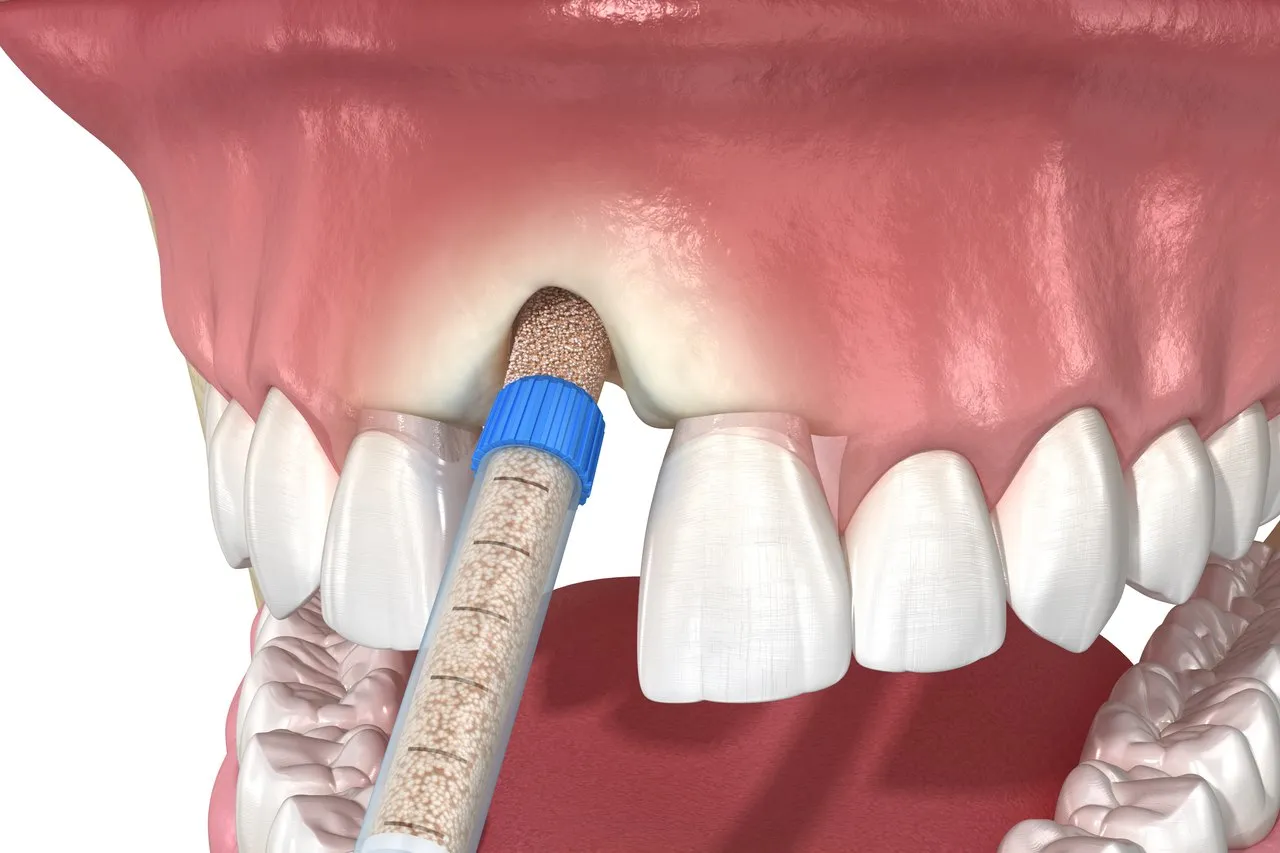
When is bone augmentation advisable?
If major bone defects have already developed, we assess possible reconstructive procedures. Under certain conditions, the jawbone can be partially regenerated. Bone substitute materials or the patient’s own bone are used for this purpose. Bone augmentation is particularly important if implants are planned later on. It stabilises the foundation for fixed dental restorations. However, the periodontitis must be reliably under control beforehand. Not every defect can be fully corrected. Nevertheless, augmentation can significantly improve the situation. Precise planning using X-rays and 3D diagnostics is crucial for this.
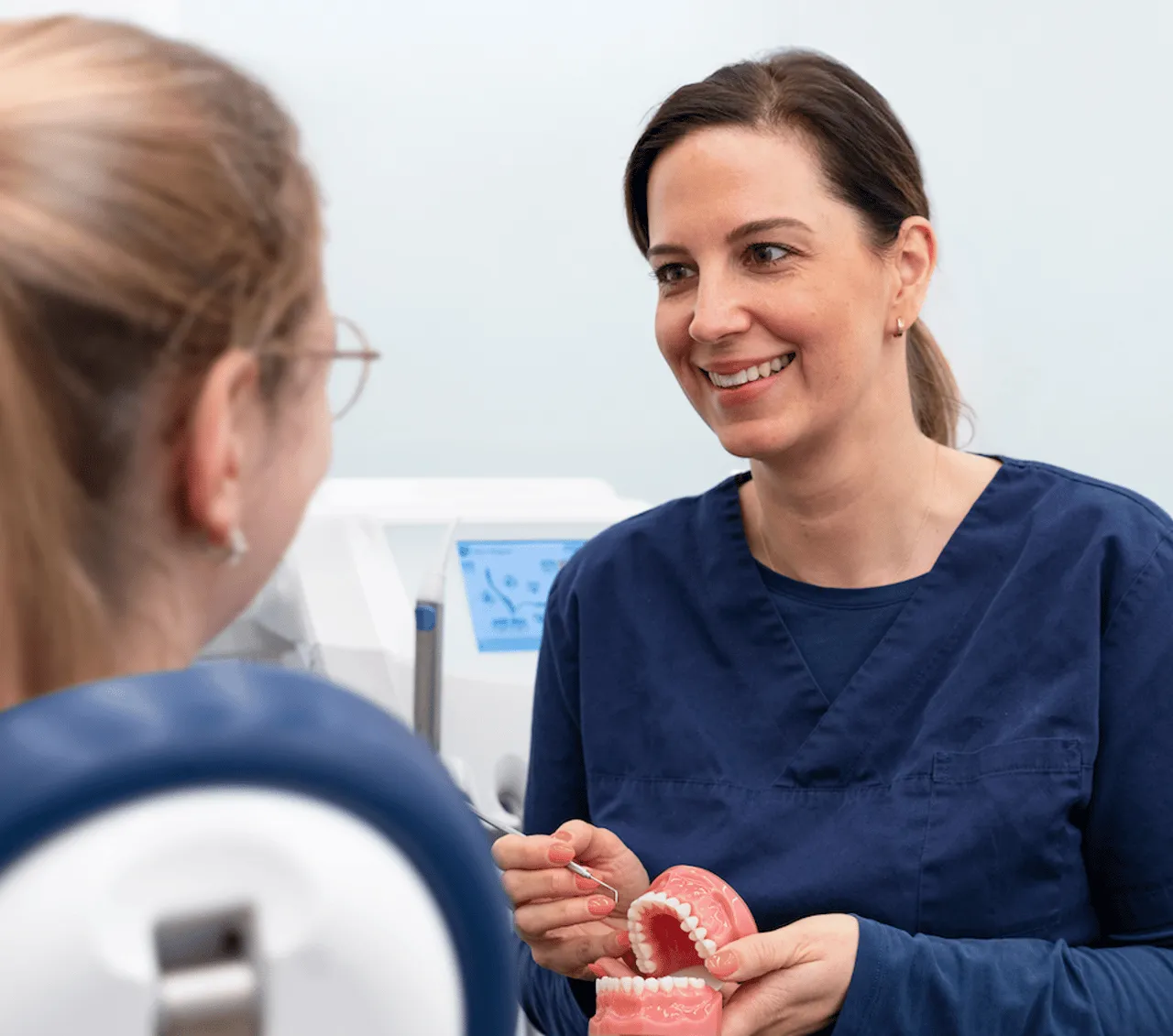
Periodontitis treatment at Wunschlachen
At our Wunschlachen practice in Berlin, we attach great importance to gentle procedures. We combine modern diagnostics with individual treatment concepts. Our aim is to preserve your teeth for as long as possible. We support anxious patients with plenty of time and clear explanations. Calming measures such as sedation are also available on request. This makes periodontal treatment low-stress and easy to plan. Together, we develop a long-term preventive care plan. This keeps the gums stable in the long term. Your smile gains confidence and quality of life.
Conclusion: periodontitis can be stopped
In many cases, periodontitis cannot be completely reversed. However, the inflammation can be reliably halted. Early and consistent treatment is important. With professional treatment and good cooperation, teeth can often be preserved for many years. Regular check-ups prevent new flare-ups. This keeps the supporting structures of your teeth stable in the long term.
Your dental practice in Berlin – locations
Our dental practices in Berlin are located in Reinickendorf, Schöneberg, Friedrichstraße and Charlottenburg. We offer you high-quality treatments and modern technology. Book an appointment with the dentist now. Online or by telephone for a radiant smile.
General dentistry and surgery
Reinickendorf
Zahnarzt & Implantate
Gotthardstr. 27, 13407 Berlin Tel.: 030 / 495 20 10[email protected]Mo-Do: 08:00–20:00 Fr: 08:00–14:00
Mehr erfahrenSchöneberg
Zahnarzt & Implantate
Bayerischer Platz 7, 10779 Berlin Tel.: 030 / 854 44 83[email protected]Mo-Do: 08:00–20:00 Fr: 08:00–14:00
Mehr erfahrenFriedrichstraße
Zahnarzt & Implantate
Friedrichstraße 147, 10117 Berlin Tel.: 030 / 959 990 644[email protected]Mo-Do: 09:00–18:00 Fr: 09:00–14:00
Mehr erfahrenCharlottenburg
Zahnarzt & Implantate
Savignyplatz 5, 10623 Berlin Tel.: 030 / 233 290 390[email protected]Mo-Do: 09:00–18:00 Fr: 09:00–13:00
Mehr erfahrenOrthodontics and paediatric dentistry
Reinickendorf
Kieferorthopädie & Kinderzahnmedizin
Gotthardstr. 27, 13407 Berlin Tel.: 030 / 495 20 10Mo-Do: 08:00–20:00 Fr: 08:00–14:00
Mehr erfahrenSchöneberg
Kieferorthopädie & Kinderzahnmedizin
Bayerischer Platz 7, 10779 Berlin Tel.: 030 / 854 44 83Mo-Do: 08:00–20:00 Fr: 08:00–14:00
Mehr erfahrenFAQ – frequently asked questions: Can periodontitis go away?
Early stages can largely resolve following targeted treatment. However, lost bone and loosened fibres regenerate only to a limited extent.
Typical signs are reduced gum bleeding and less swelling. The dentist also checks the depth of the periodontal pockets.
Active treatment usually takes place over several sessions across a few weeks. However, the subsequent maintenance phase continues over the long term.
Yes, it can return without consistent oral hygiene and aftercare. That is why regular preventive care appointments are so important.
Slightly loose teeth can stabilise following successful treatment. However, severely loose teeth cannot always be saved.
It is a key component of treatment and prevention. It removes the bacterial plaque that triggers the inflammation.
Early stages are often almost painless. Later, pain on pressure, sensitivity and loose teeth may occur.
Smoking significantly impairs the blood supply to the gums. As a result, wounds heal less well and the risk of recurrence increases.
Statutory health insurance funds partially cover recognised forms of treatment. Individual additional services often have to be paid for privately.
Your first point of contact is a dentist or a practice specialising in periodontology. At Wunschlachen in Berlin, we are happy to provide you with detailed advice.