Caries treatment: methods, procedure and diagnosis
Caries is one of the most common dental diseases. If left untreated, it can cause severe pain. At the Wunschlachen dental practice in Berlin, we prioritise gentle procedures. Our aim is to preserve your natural teeth for as long as possible.
Über 350 Google-Bewertungen
The short answer
Caries treatment depends on its stage: early defects can often be treated with fluoride or infiltration without drilling, while conventional cavities are treated with a filling – usually in 20 to 40 minutes under local anaesthetic. Deep caries may require root canal treatment and a crown. Statutory health insurance usually covers basic care.
- Duration
- A small filling usually takes 20–40 minutes per tooth; more extensive treatment takes correspondingly longer
- Costs
- Simple fillings are usually covered by statutory health insurance; patients must pay a contribution towards aesthetic or high-quality materials
- Good to know
- Treatment with modern local anaesthesia; some very early stages can be treated without drilling, and gentle procedures are also available for patients with dental anxiety
The extent and costs depend on the clinical findings; the practice provides transparent information before treatment begins.
What is caries and why does it need to be treated?
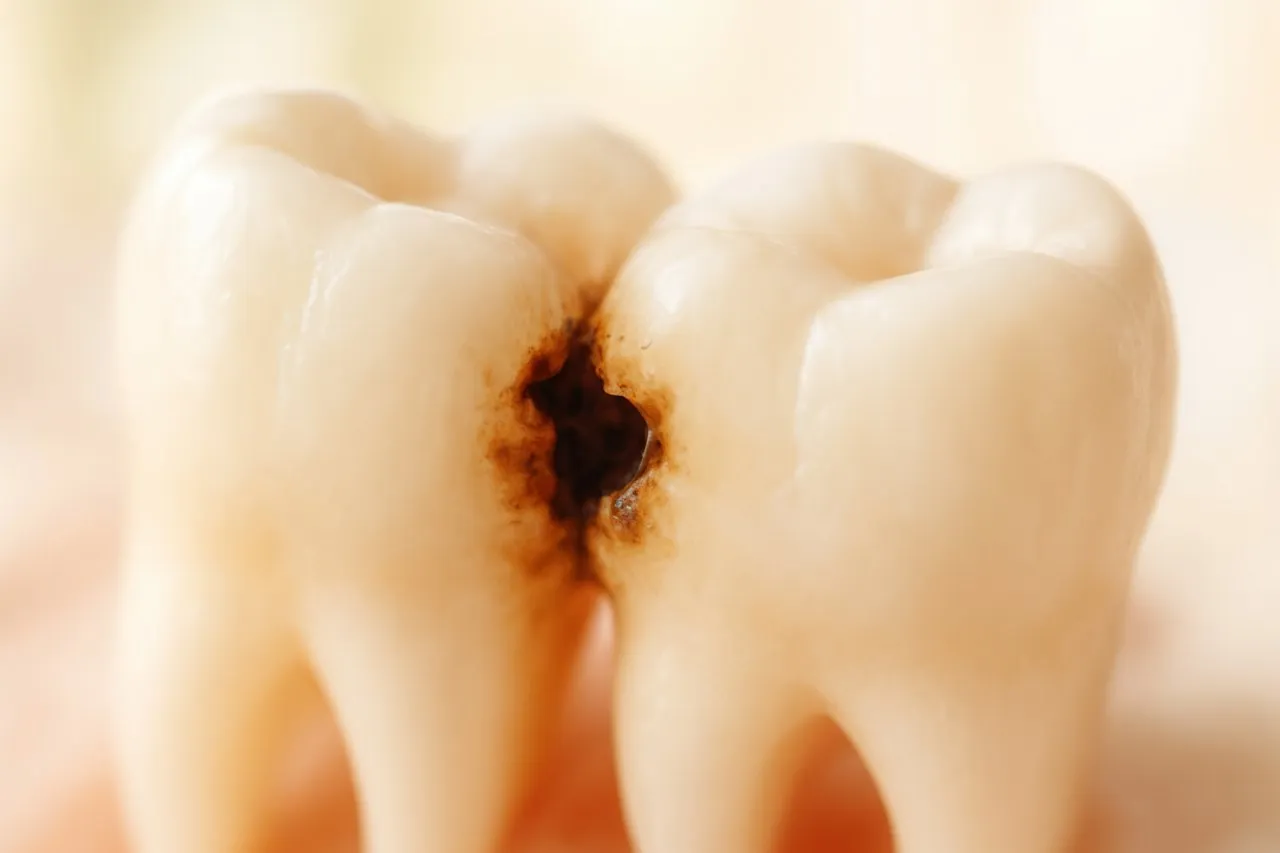
Caries develops when bacteria break down sugar into acids. These acids attack the tooth enamel and leach out minerals. This creates a defect that many people know as a ‘cavity’. In the early stages, patients often notice no symptoms. Nevertheless, the damage continues to progress unnoticed. Without treatment, the inflammation reaches the dental pulp. In the worst case, the tooth has to be extracted. Early caries treatment reliably prevents these consequences.
Diagnosis: How does the dentist detect caries?
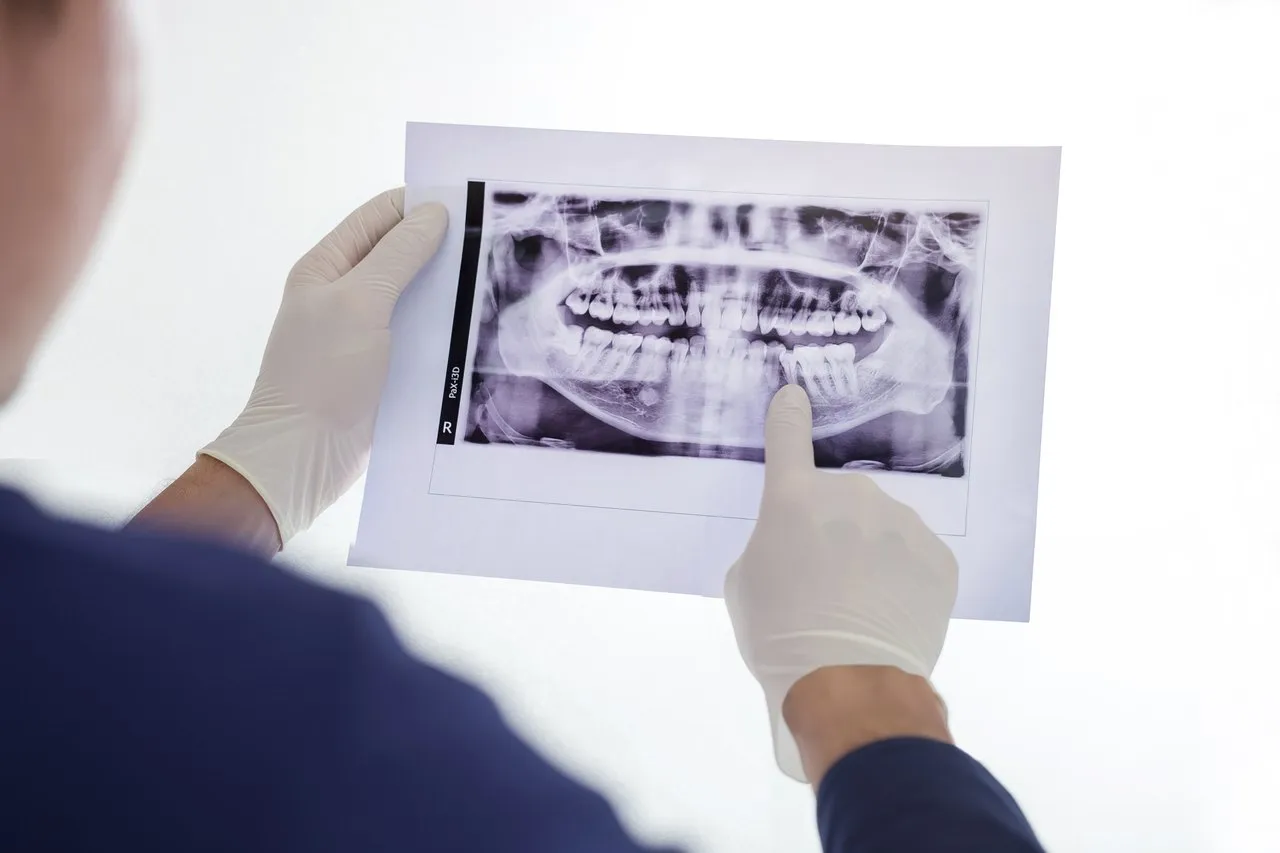
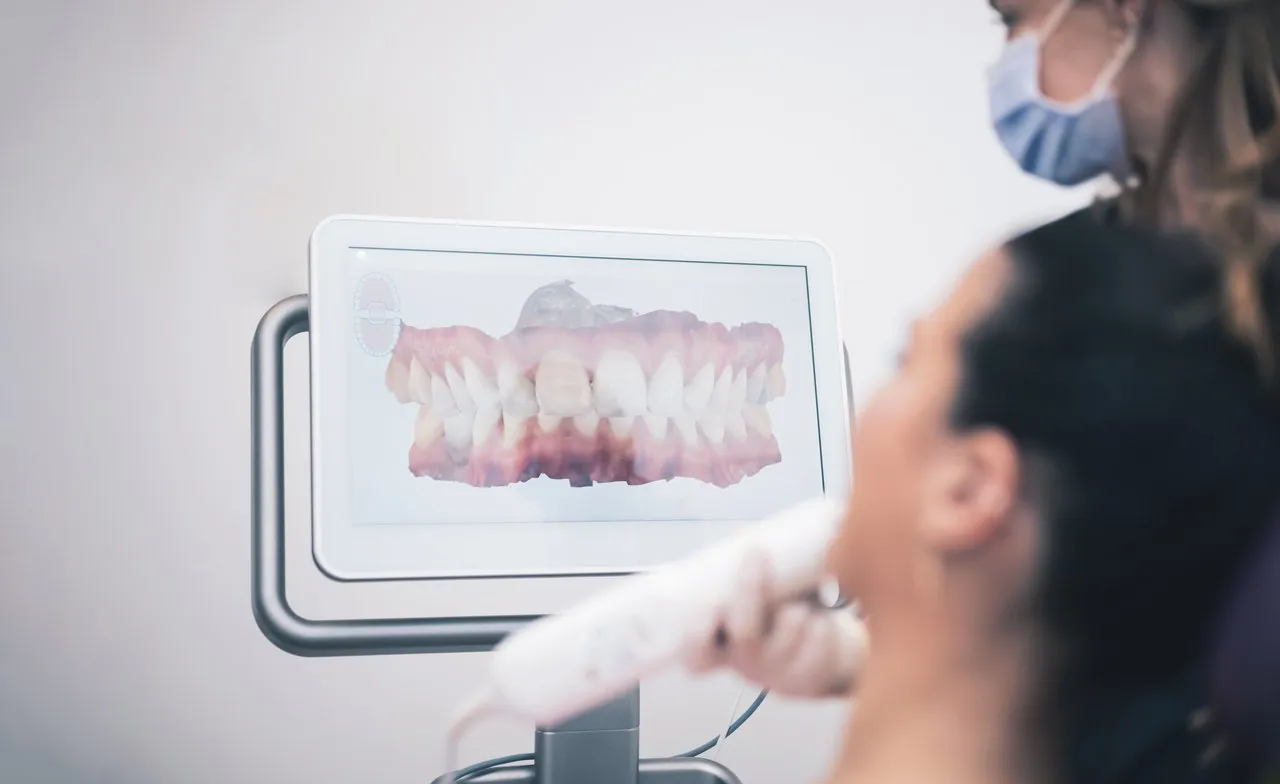
Every therapy begins with a thorough examination. The dentist carefully checks the teeth, gums and chewing surfaces. Special instruments are used to feel for soft spots. X-rays reveal hidden defects between the teeth. This is precisely where caries often remains undetected for a long time. Early diagnosis enables minimally invasive treatment. The findings determine the appropriate caries treatment.
Treating early-stage caries
If only the tooth enamel is affected, gentle treatment is often sufficient. Fluoride preparations harden the enamel and stop demineralisation. Special varnishes can also stabilise the surface. Early fissure caries can be treated with a sealant. This involves sealing the fine pits of the molars with plastic. Food debris and bacteria are then less likely to accumulate there.
Conventional caries treatment with a filling
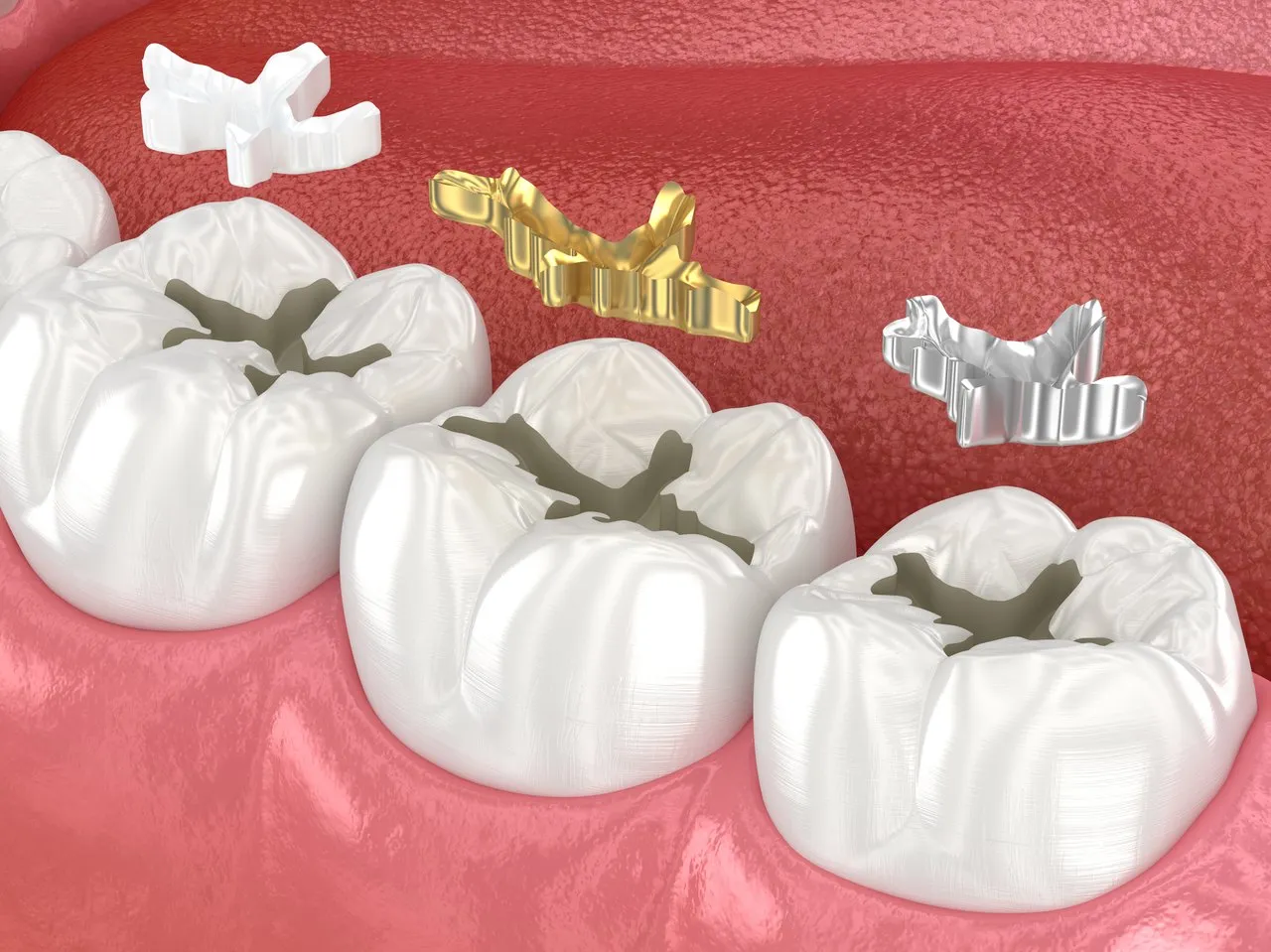
If a defect has already formed in the tooth, diseased tissue must be removed. The extent of removal depends on the diagnosis; in deeper caries, selective removal may be appropriate to reduce the risk of pulp exposure. In the past, a drill was almost always necessary for this. After cleaning, the tooth is sealed with a filling. We generally use tooth-coloured composite materials for this. They provide stable and aesthetically pleasing restorations. For larger areas of damage, inlays or partial crowns may be an option. These are made in a laboratory and fitted precisely. This also allows severely damaged tooth substance to be stabilised in the long term.
Deep caries: root canal treatment and crown
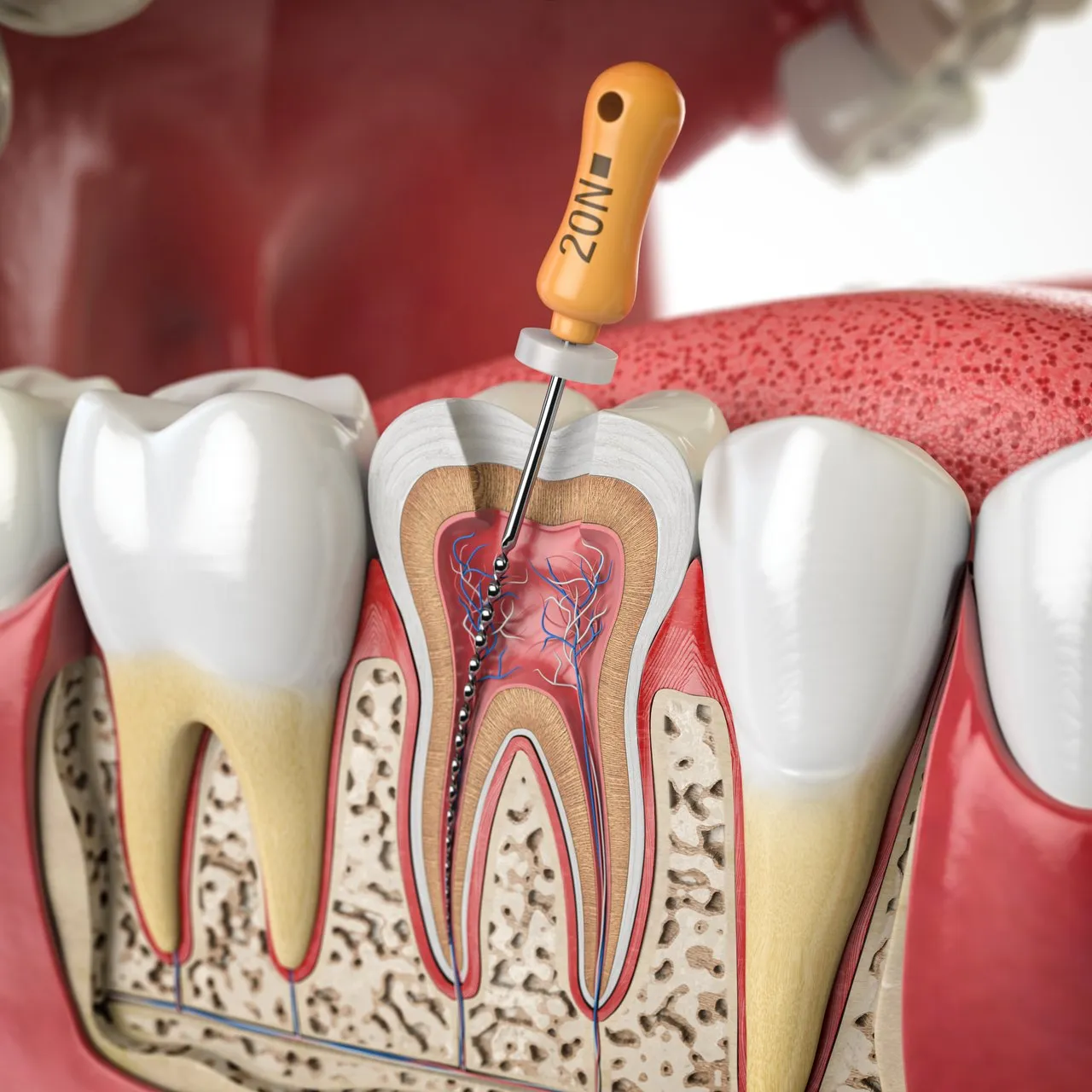
If the inflammation reaches the inside of the tooth, a simple filling is no longer sufficient. Root canal treatment is then usually required. Inflamed nerves and tissue remnants are carefully removed. The root canals are cleaned, disinfected and sealed tightly. The tooth then often receives a crown. This allows it to withstand long-term use despite extensive previous damage. Without this treatment, the tooth would often be lost.
Modern, minimally invasive procedures
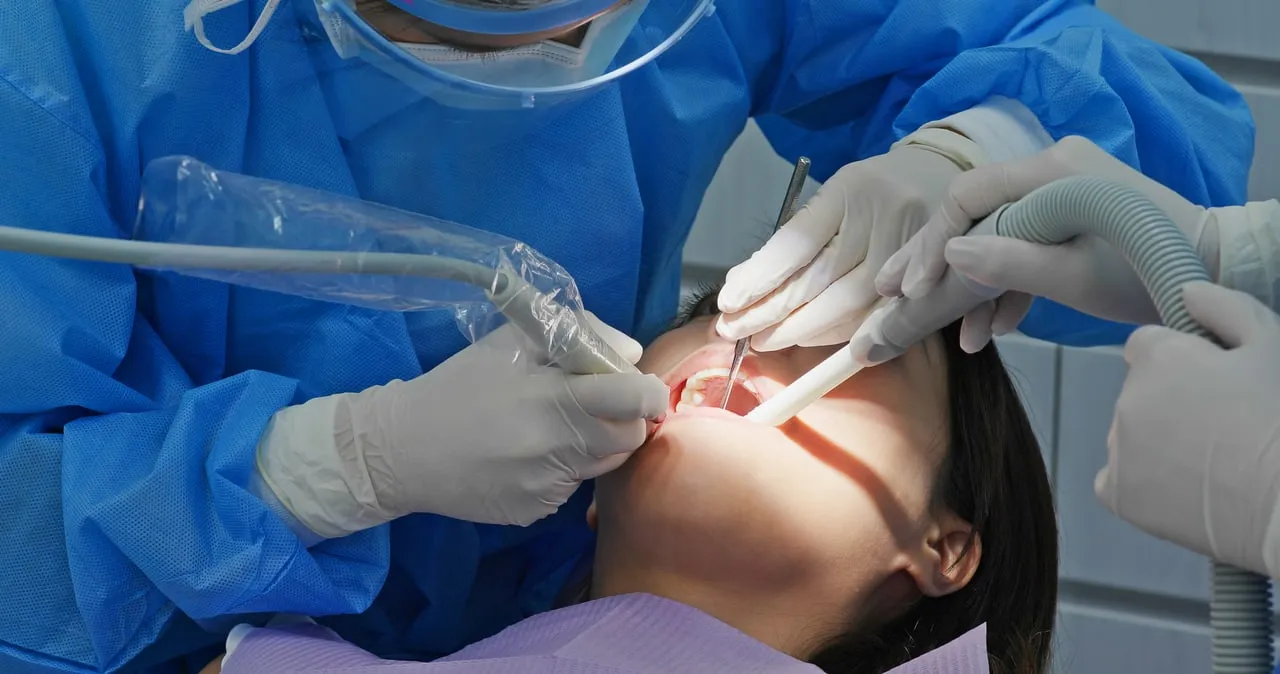
In some cases, caries can be treated without drilling. One example is what is known as caries infiltration. This involves a special resin penetrating porous areas of enamel. Lasers can also be used. They often allow carious tissue to be removed very precisely. The surrounding tooth material is preserved. Which method is appropriate depends on the individual case. We will provide you with detailed advice on this at the Wunschlachen practice. This enables us to find the gentlest and most effective solution.

Does caries treatment hurt?
Many patients are afraid of pain at the dentist. However, modern dentistry offers very good anaesthetic procedures. Local anaesthesia is usually sufficient for comfortable treatment. Further options are available for particularly anxious patients. These include calming medication or sedation. Talk to us openly about your concerns. Together, we will choose the appropriate form of pain relief. Your wellbeing is always our priority.

Treatment procedure and duration
The duration of treatment depends on the extent of the dental damage. A small filling can often be completed in one session. Several appointments are necessary for more extensive defects. The first step is always a precise diagnosis and planning. The tooth is then anaesthetised and cleaned. The dentist then fills the defect layer by layer. Finally, the surface is polished and your bite is checked. You can speak normally again straight afterwards.

What the treatment costs
The cost of caries treatment depends on the clinical findings: a single-surface filling is billed differently from a multi-surface filling, and for patients with statutory insurance, the health insurance fund covers standard care. The individual amounts under the German Fee Schedule for Dentists, the rules of statutory health insurance and the circumstances in which additional costs arise are explained in detail, with sources, on our page about caries.
Preventing caries after treatment
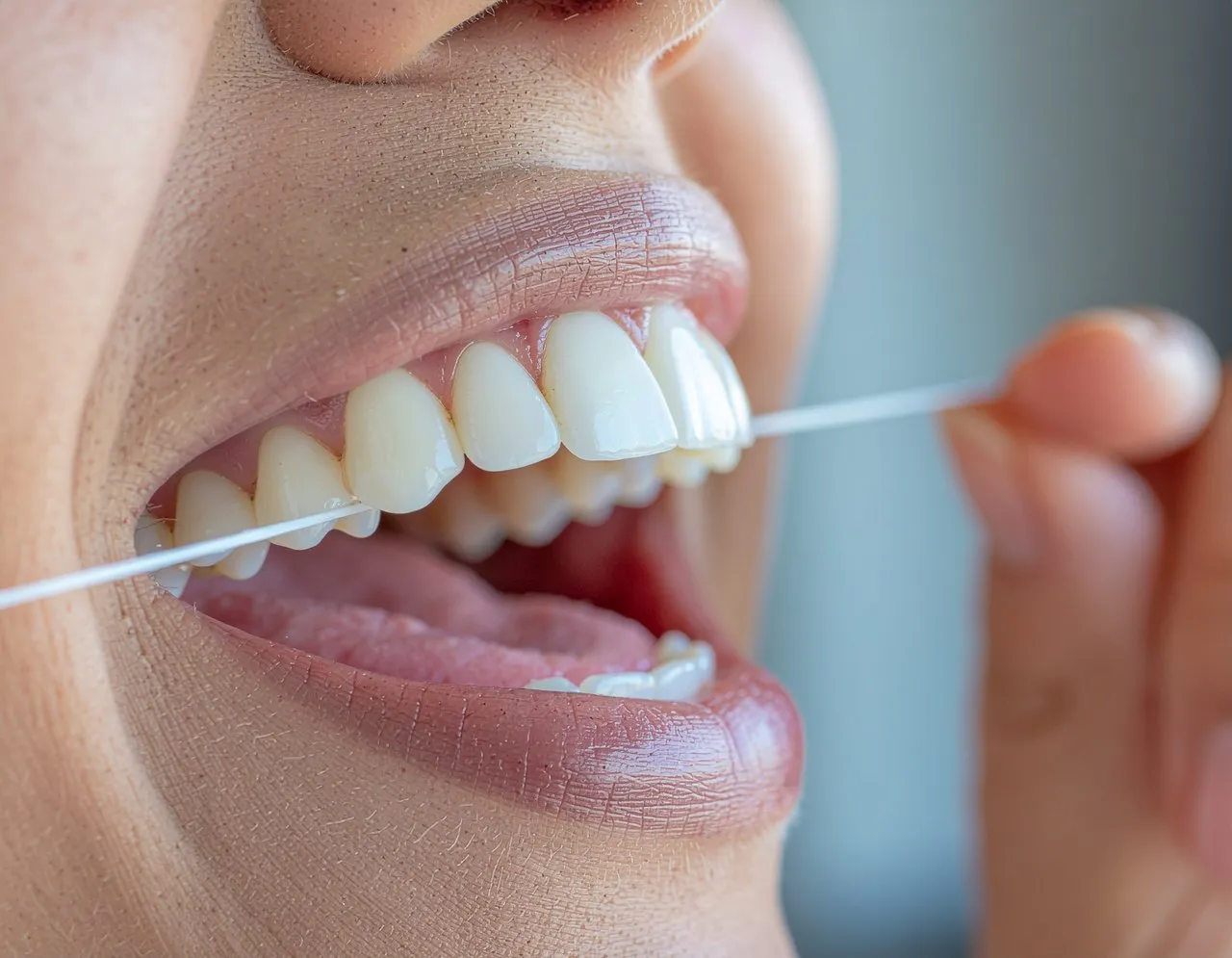
Prevention plays a central role after successful caries treatment. Thoroughly brushing your teeth twice a day is the foundation. Also use dental floss or interdental brushes. A tooth-friendly diet supports preventive care. Sugary snacks and sweet drinks should be the exception. Otherwise, snacks between meals constantly provide bacteria with new nourishment. Regular preventive care at our practice completes the approach. Professional dental cleaning removes hard deposits and biofilm. This significantly reduces the risk of new defects.
FAQs about caries treatment
Treatment is necessary as soon as the tooth enamel is visibly damaged. The earlier the intervention, the smaller the defect remains.
The treatment is carried out using modern local anaesthesia. At most, slight pressure may be felt during treatment.
A small filling usually takes between 20 and 40 minutes. More extensive treatment may take correspondingly longer.
We often use tooth-coloured composites for aesthetically pleasing results. Ceramic inlays or partial crowns may be an option for larger defects.
Simple fillings are often covered by statutory health insurance. Premium options involve additional out-of-pocket costs.
Basic care is generally covered. Patients pay any additional costs for particularly aesthetic solutions themselves.
Caries infiltration is sometimes possible in the early stages. The dentist will decide whether this is appropriate based on the clinical findings.
The damage penetrates deeper into the tooth. This can ultimately result in severe pain and tooth loss.
Consistent oral hygiene, a healthy diet and preventive care are crucial. Regular check-ups at Wunschlachen complement these measures.
Yes, treatment is very suitable for anxious patients when gentle techniques and calming procedures are used. We will discuss together what support you need.