Chalky teeth in children: causes and treatment
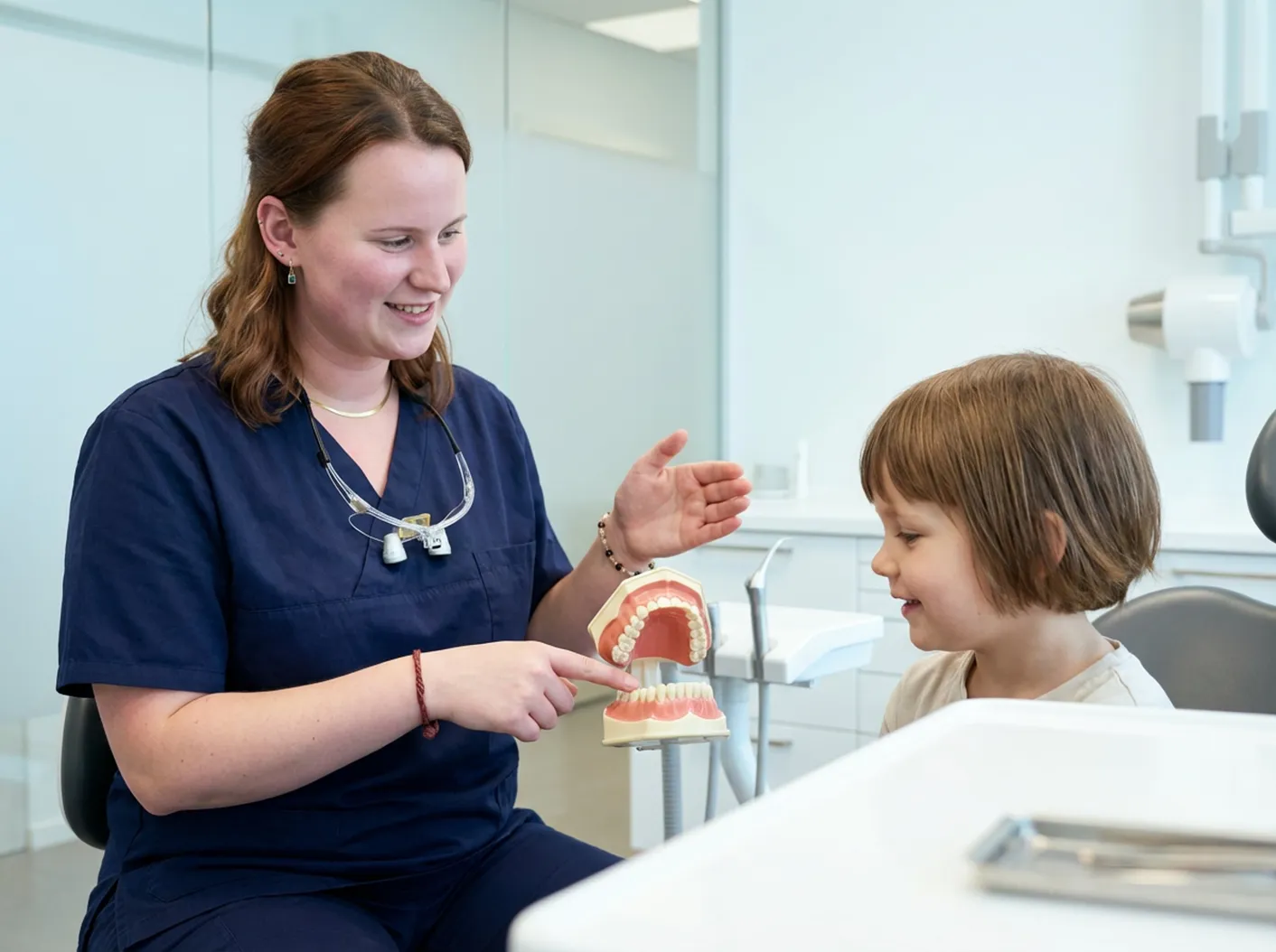
Chalky teeth worry many parents. The teeth appear patchy, brittle and very sensitive. At the Wunschlachen dental practice in Berlin, we provide comprehensive support for you and your child.
Über 350 Google-Bewertungen
What are chalky teeth (MIH)?
Chalky teeth are a developmental defect of tooth enamel. The professional term is molar incisor hypomineralisation, abbreviated to MIH. The first permanent molars and incisors are usually affected. With MIH, tooth enamel is softer and porous. It contains fewer minerals than healthy enamel. This makes it more sensitive to stress and bacteria.
What do chalky teeth look like?
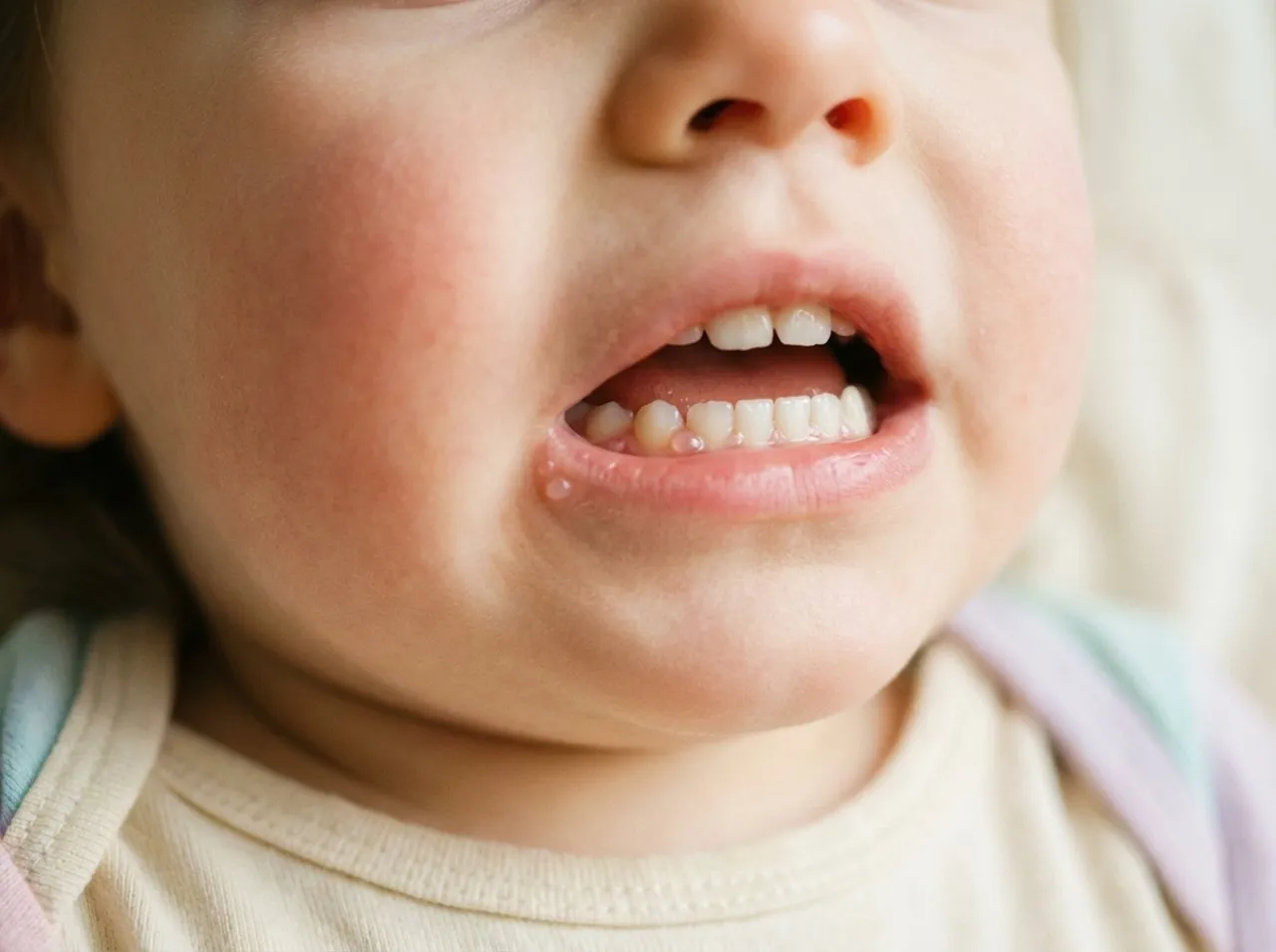
Typical signs are light or yellowish-brown patches on the tooth surface. Some teeth appear dull, rough or chalky. In severe cases, enamel simply breaks off during chewing. Children often complain of pain in response to cold, heat or sweet things. Daily toothbrushing can also be very painful. Many children then avoid thorough oral hygiene.
Symptoms parents should look out for
Watch for colour changes in your child's new permanent teeth. Your child may chew on only one side. Some children suddenly become reluctant to eat hard foods. Discomfort when brushing is another warning sign. If your child often says that their teeth ‘ache’ or ‘burn’, a paediatric dentist should examine them. An early diagnosis makes treatment easier.
Causes of chalky teeth
The exact causes of MIH are not yet fully known. Factors during pregnancy and early childhood are suspected. Febrile illnesses, infections and certain medications are also being discussed. Several factors probably act together. One thing is certain: parents are not to blame for chalky teeth. Neither sugar nor brushing habits alone cause this condition. Chalky teeth can occur even when dental care is excellent. This is why regular check-ups with a paediatric dentist are so important.
Chalky teeth in milk teeth and permanent teeth
Not only permanent teeth are affected. Primary molars can also show similar changes. This is also referred to as an enamel defect. Milk teeth are important placeholders for the permanent dentition. If a primary molar is lost too early, there is a risk of misalignment. Conspicuous milk teeth should therefore also be taken seriously.
How does the paediatric dentist make a diagnosis?
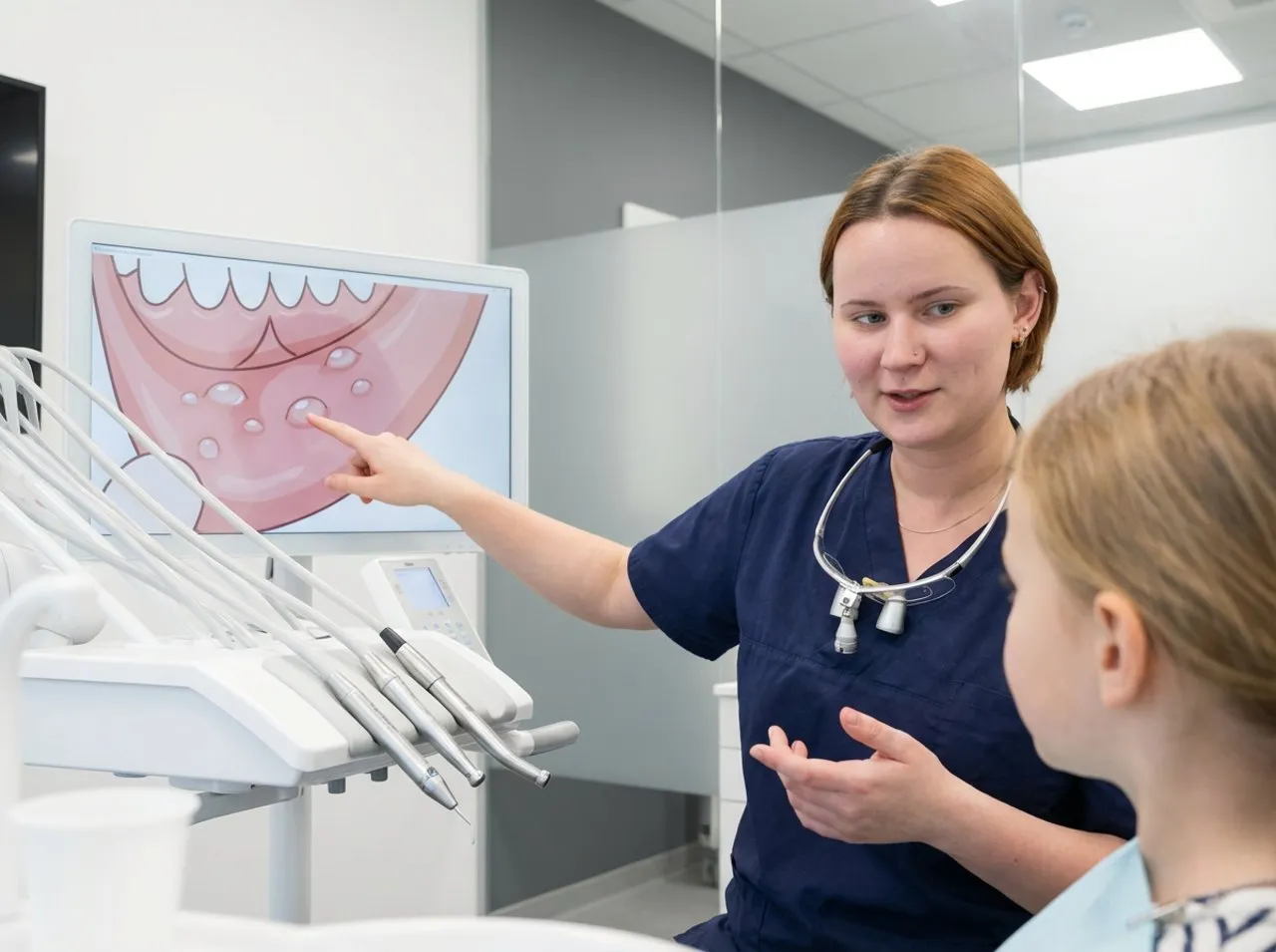
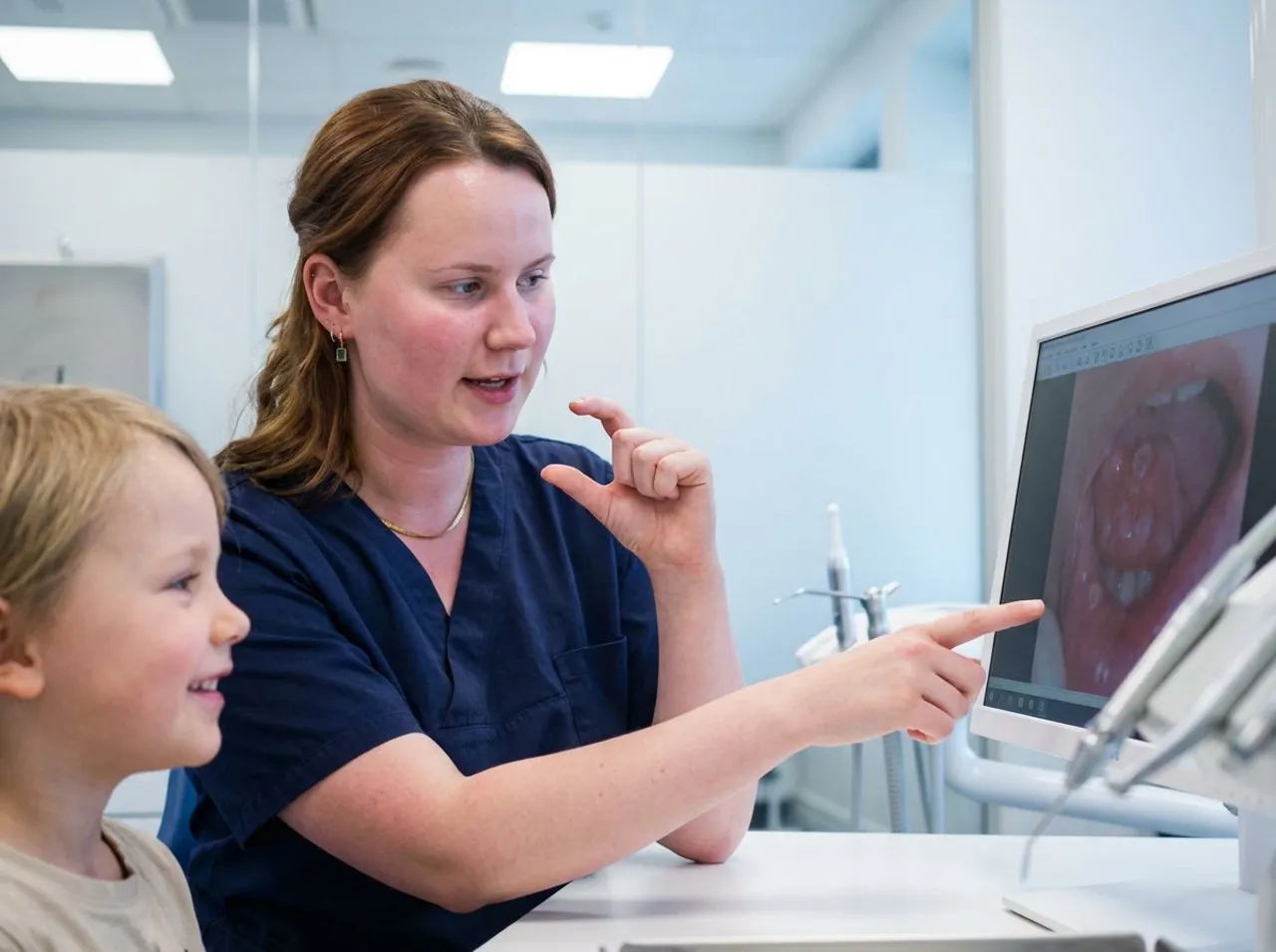
At the Wunschlachen dental practice, we examine your child's teeth very carefully. We look at the colour, structure and extent of the patches. A gentle stream of air helps identify sensitive areas. If necessary, gentle X-rays are also taken to aid diagnosis. This allows us to see whether tooth decay has already developed. Our paediatric dentist in Berlin explains every step in a child-friendly way. We then assess the severity of the chalky teeth. This classification is important for choosing the treatment.
Treatment of chalky teeth according to severity
The aim of treatment is always the same. We want to reduce pain, protect enamel and preserve the teeth. At the same time, we want your child to feel as relaxed as possible during treatment.

Mild cases: protect and strengthen enamel
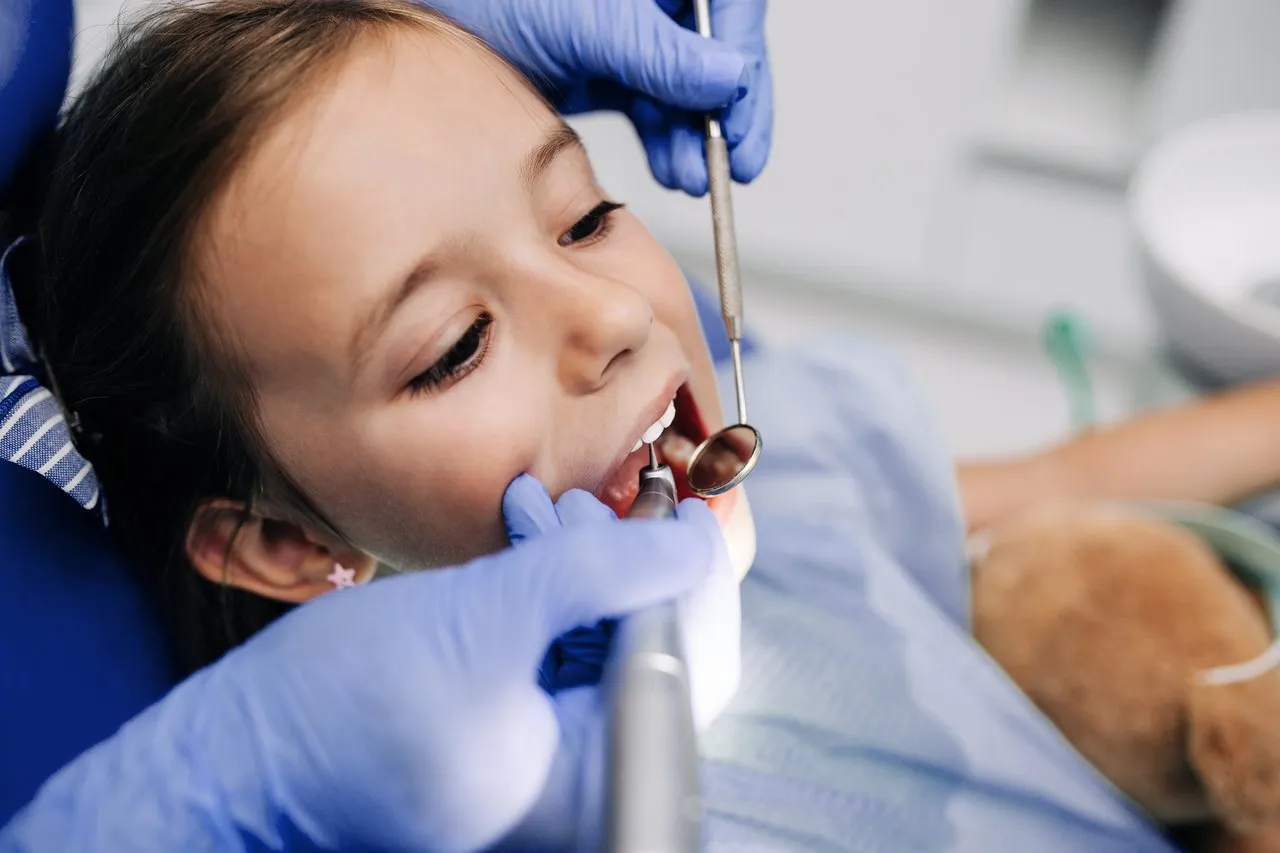
For mild chalky patches, intensive protection is often sufficient. Fluoride varnishes and special protective varnishes harden the surface. Sensitive areas become less vulnerable. We can also seal the teeth. A thin plastic film covers the fissured areas. This makes the chewing surfaces easier to clean. On affected incisors, the patches can be removed using what is known as ICON therapy.
Moderate cases: fillings and partial crowns
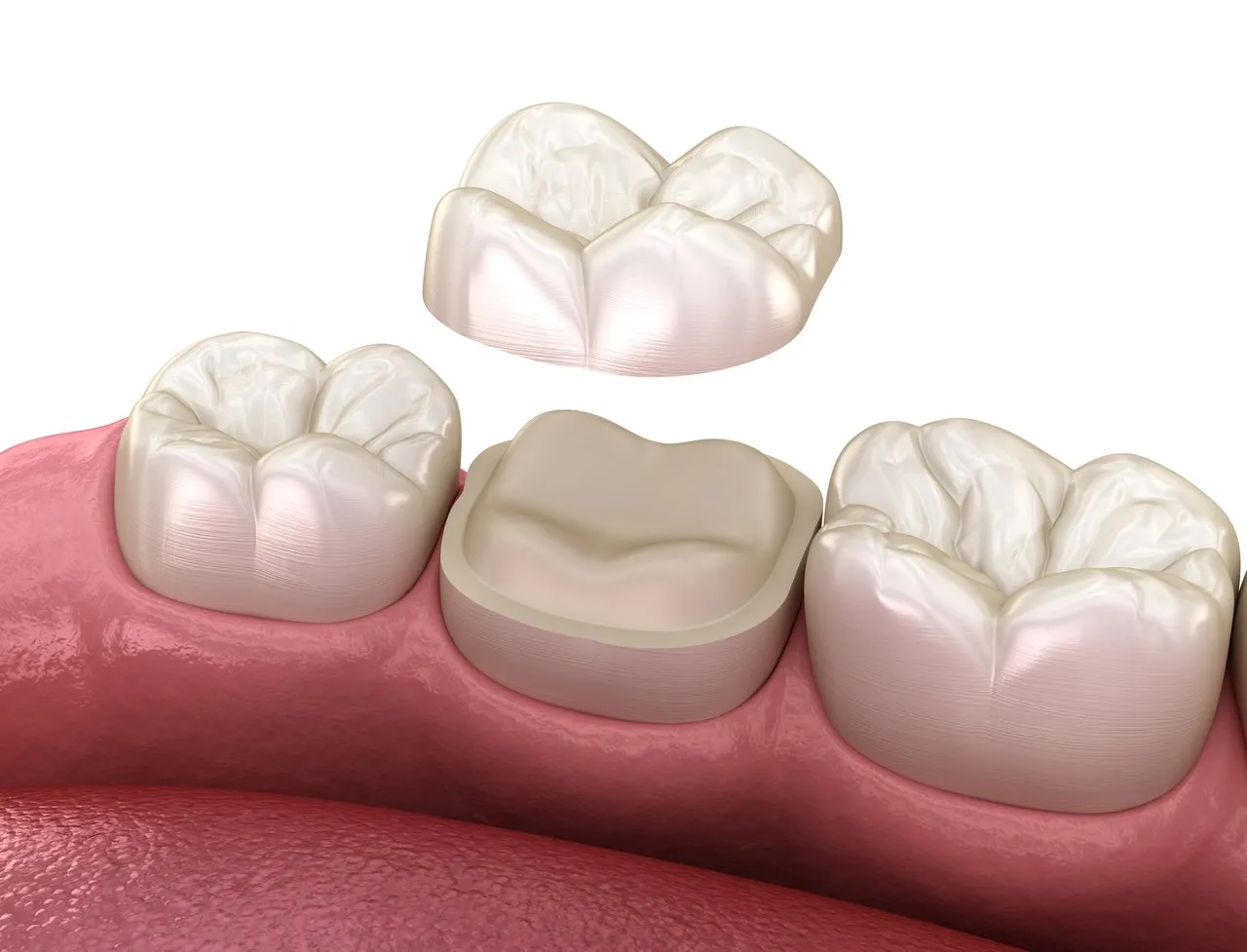
If the enamel has already broken away, the teeth need stability. We use high-quality, tooth-coloured composite fillings for this. They restore the shape and distribute the chewing load more effectively. Partial crowns or onlays are advisable for larger defects. These cover large parts of the chewing surface. This keeps the tooth functional for a long time. ICON therapy can also be used on the front teeth for this form.
Severe cases: children's crowns as protective caps
When molars are badly damaged, fillings reach their limits. We then often use special children's crowns. They cover the tooth like a strong protective cap. The tooth is retained in the jaw as a placeholder. Pain when chewing is significantly reduced. For many children, this brings great relief in everyday life.
Gentle treatment for anxiety and pain
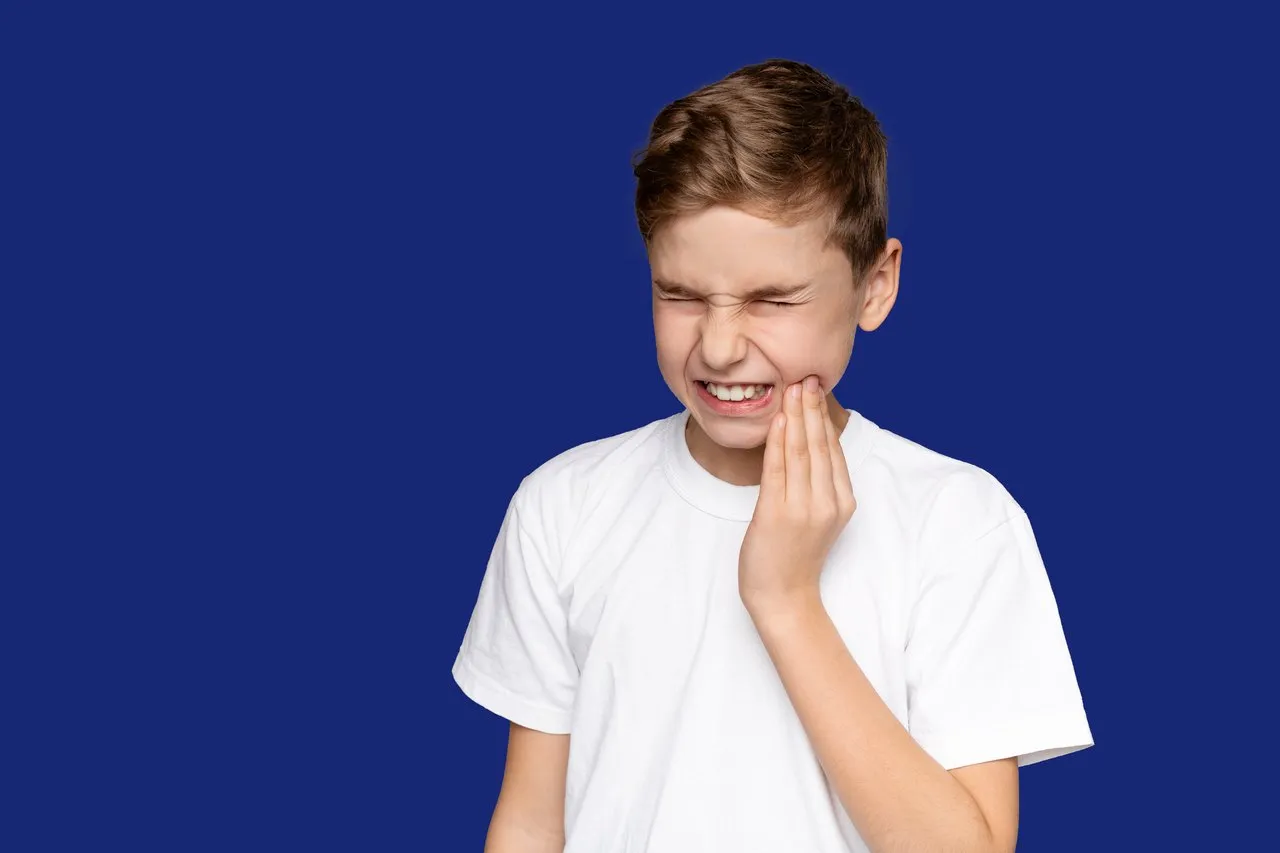
Children with chalky teeth have often already experienced many painful episodes. We therefore work very gently. At our Wunschlachen dental practice, we use modern, gentle anaesthesia techniques. We explain the treatment in simple, child-friendly language. This means your child always knows what will happen next. For severe anxiety, additional calming procedures may be possible.

Oral hygiene with chalky teeth
Thorough care is particularly important with MIH, but is often difficult. Soft toothbrushes are more comfortable for sensitive surfaces. An electric children's toothbrush can also help if the child accepts it. We show parents and children how to brush gently but effectively. An age-appropriate fluoride toothpaste should be used consistently. Regular preventive care at the practice supports care at home.

Dietary advice for sensitive children's teeth
Sugar and acids further attack the weakened enamel. Frequent sweet snacks should therefore be avoided. Set meals with tooth-friendly snacks are better. Water and unsweetened tea are ideal drinks. Fizzy drinks, iced tea and fruit juices significantly increase the risk of tooth decay. Very hard foods can place additional strain on brittle enamel edges.
Course and outlook for chalky teeth
Chalky teeth do not disappear on their own. Tooth enamel cannot regenerate. With good treatment, however, the teeth can often be preserved for many years. Depending on the situation, new restorations may be needed during adolescence. Sometimes severely damaged teeth are replaced with crowns or, later, implants. Consistent paediatric dental care significantly reduces this risk.

Cost of treating chalky teeth
Many basic services are covered by statutory health insurance funds. These include necessary fillings, children's crowns and preventive care. Check-ups with the paediatric dentist are also routinely reimbursed. Particularly high-quality materials or aesthetic preferences may involve out-of-pocket costs. We discuss any potential costs transparently before every treatment. Instalment payment plans are also available at our practice.
Why Wunschlachen in Berlin is the right practice to contact
Our team has extensive experience with sensitive children's teeth and MIH. We understand the concerns of parents and children very well. We therefore take plenty of time to provide information and advice. The practice rooms are bright, welcoming and child-friendly. Short communication channels and familiar faces build trust. This helps your child feel safe quickly. Together, we draw up a personalised treatment plan. Medical necessity and the child's needs are central to this. The aim is stable, pain-free teeth and a relaxed smile.
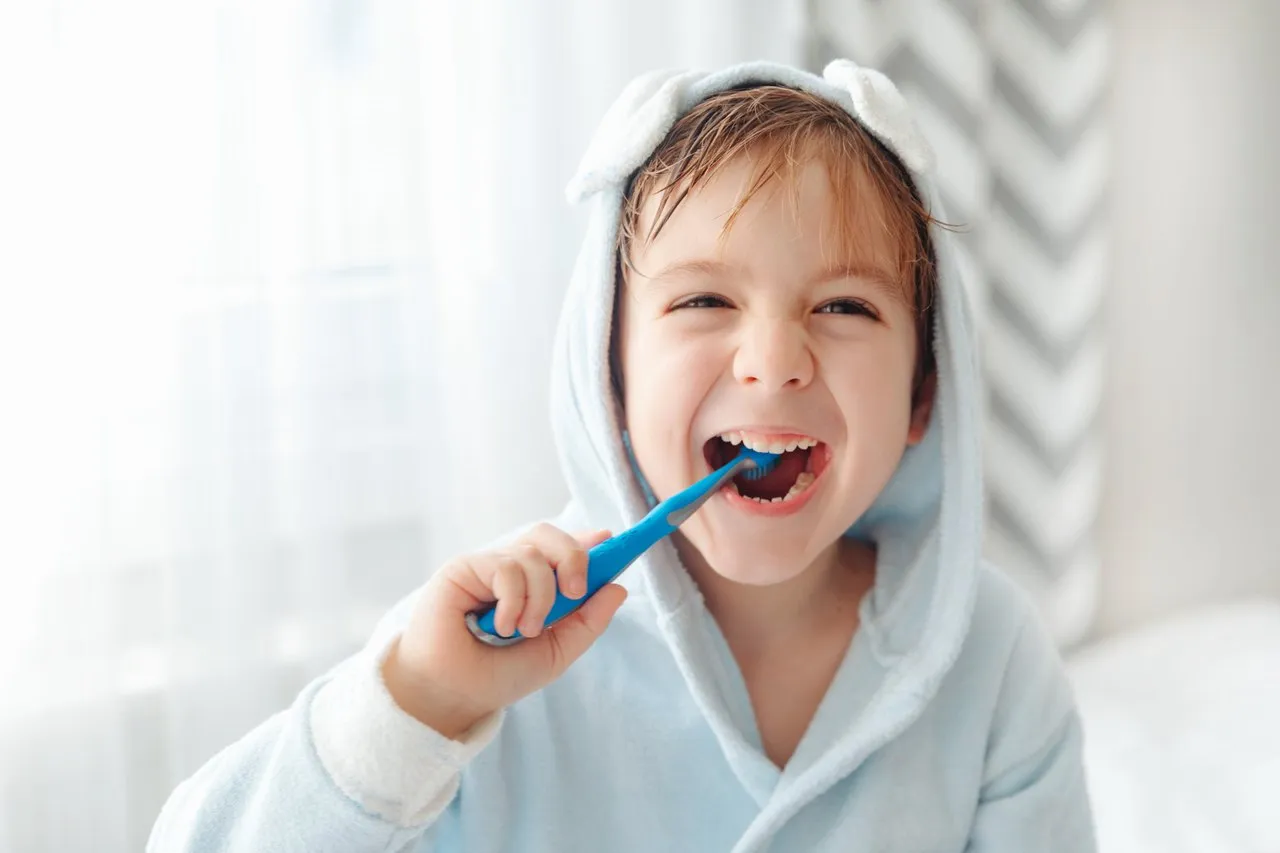
Conclusion: identify chalky teeth early and provide targeted treatment
Chalk teeth are more than a cosmetic problem. They are a serious enamel defect. If left untreated, there is a risk of pain, tooth decay and premature tooth loss. With early diagnosis, effective protective measures and adapted oral hygiene, many problems can be avoided. At Wunschlachen dental practice in Berlin, we support your child every step of the way. This means a carefree smile is still possible despite sensitive teeth.
FAQs about chalky teeth
Chalky teeth have soft enamel with a low mineral content. They are caused by impaired enamel development, known as molar incisor hypomineralisation.
Chalky teeth usually become visible when the first permanent molars erupt. This often happens at primary school age.
The first permanent molars and incisors are mainly affected. Milk molars sometimes also show typical chalky patches.
Typical signs are white or yellowish-brown patches on the teeth. The child often complains of pain in response to cold, heat or sweet things.
Yes, the risk of tooth decay is increased. The soft enamel breaks more easily and gives bacteria more surfaces to attack.
There is currently no reliable way to prevent them. Regular check-ups and good care can, however, significantly limit subsequent damage.
No, this depends on severity. Mild cases can often be treated effectively with varnishes, sealants and fillings.
With modern local anaesthesia, treatment generally causes little pain. We place particular emphasis on a relaxed atmosphere for children.
Tooth enamel does not regenerate. However, we can protect and stabilise the affected teeth over the long term.
You should act as soon as you notice patches or sensitivity. The earlier we see your child, the better we can help.