
Why a filling on an incisor is special
An incisor is in a visible area. Even small defects are quickly noticeable. This is why the repair requires great precision. With front teeth, stability is not the only thing that matters. Colour, shape and light reflections are also important. This applies to tooth decay, cracks and chipped edges. Many people specifically look...
Über 350 Google-Bewertungen
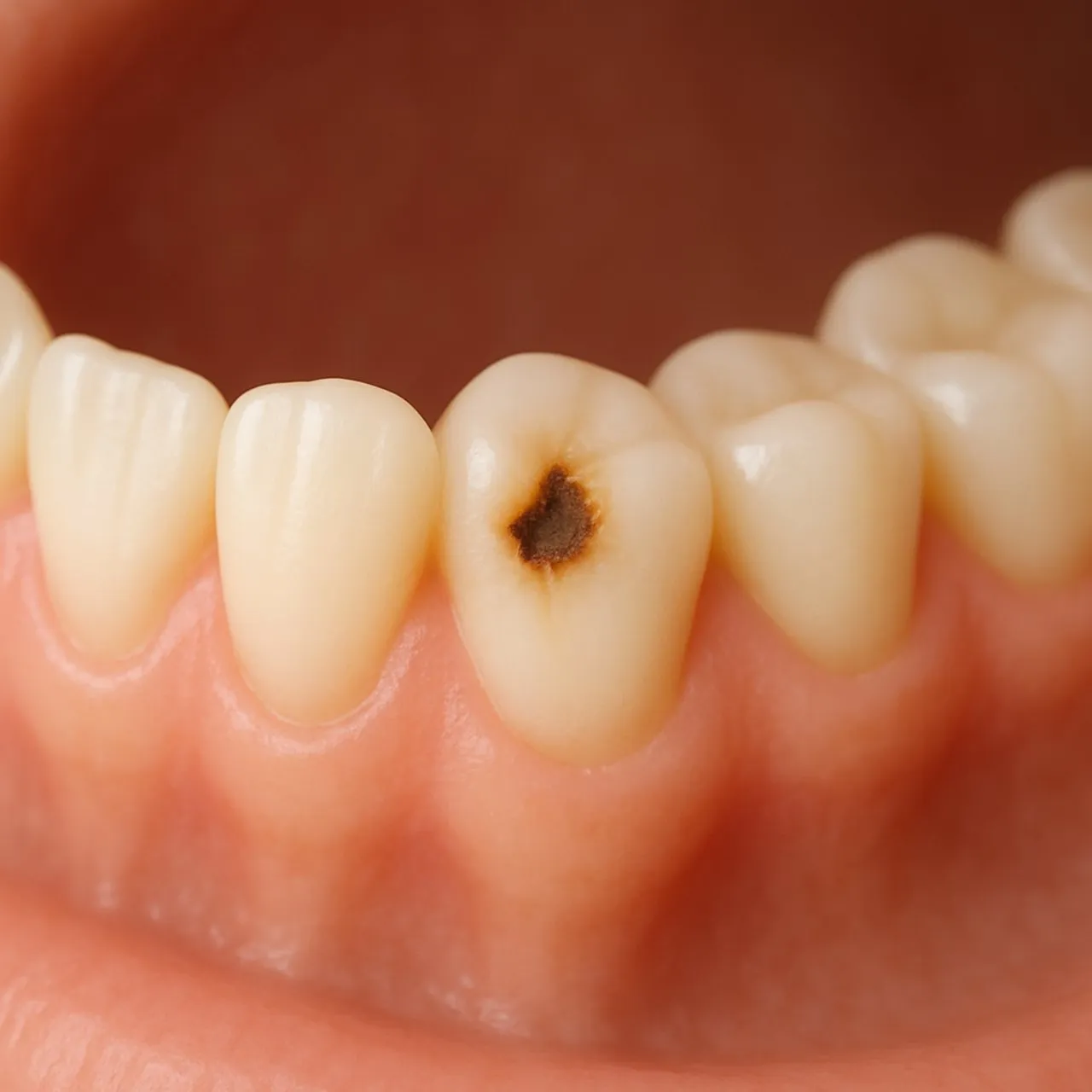
Common reasons for a filling on a front tooth
Tooth decay can also affect front teeth. It often starts at the neck of the tooth or between the teeth. Plaque is more likely to accumulate there. An incisor can also break in an accident. Sometimes only a small chip on the edge occurs. Teeth grinding can also encourage fine cracks in the enamel. Old fillings can become discoloured. The tooth may then look grey or patchy. Replacing the filling improves function and appearance.
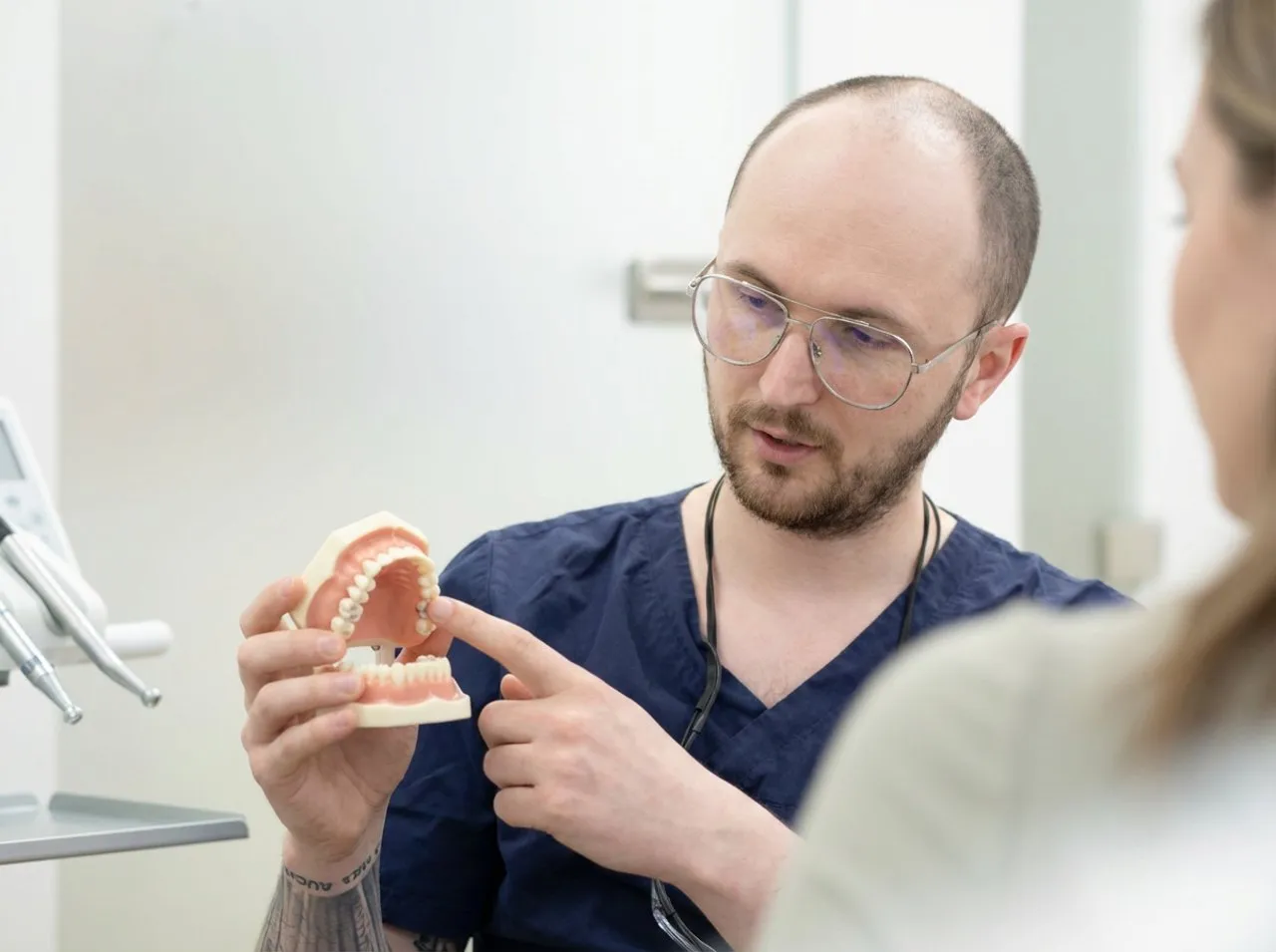
Which materials are suitable for front teeth?
Composite is usually used on incisors. It is a plastic containing ceramic particles. It can be built up in layers and shaped easily. This makes composite fillings for incisors very popular. The surface can be polished to give a natural appearance. Small gaps can also be gently closed with it. Glass ionomer cement is used less frequently in the front teeth. It is quicker to apply, but less resistant to wear. Nevertheless, it may be suitable for temporary restorations. Ceramic restorations are an alternative. These include inlays, partial inlays and ceramic build-ups. They are colour-stable, but usually more involved.

Composite filling on an incisor: how a natural look is achieved
The colour is selected before the tooth dries out. We compare several shades in daylight. This allows us to find the right match. The composite is applied layer by layer. Each layer is cured with light. This creates depth like that of natural tooth enamel. Finally, the surface is finely contoured. Microstructures create realistic reflections. A good polish increases shine and reduces plaque adhesion.

Inlay on a front tooth: when is it useful?
Inlays are mostly used on back teeth. On a front tooth, the shape is often unsuitable. Nevertheless, ceramic can help with larger defects. This is usually referred to as a ceramic build-up. Sometimes a veneer is the more suitable solution. Which option is appropriate depends on the defect. The bite and remaining tooth structure also matter. We explain the options clearly and without pressure.

Treatment process at Wunschlachen
First, we examine the tooth and gums. We also check the neighbouring teeth and your bite. X-rays are only necessary if they are clinically appropriate. We then carefully remove the decay. The tooth is isolated, often using a rubber dam. This keeps the treatment area dry and clean. The tooth is then prepared and bonded. The adhesive bond is particularly important on a front tooth. It affects durability and the marginal seal. Finally, we shape the new edge. We check the contact when you speak and bite. This is followed by polishing and brief care instructions.
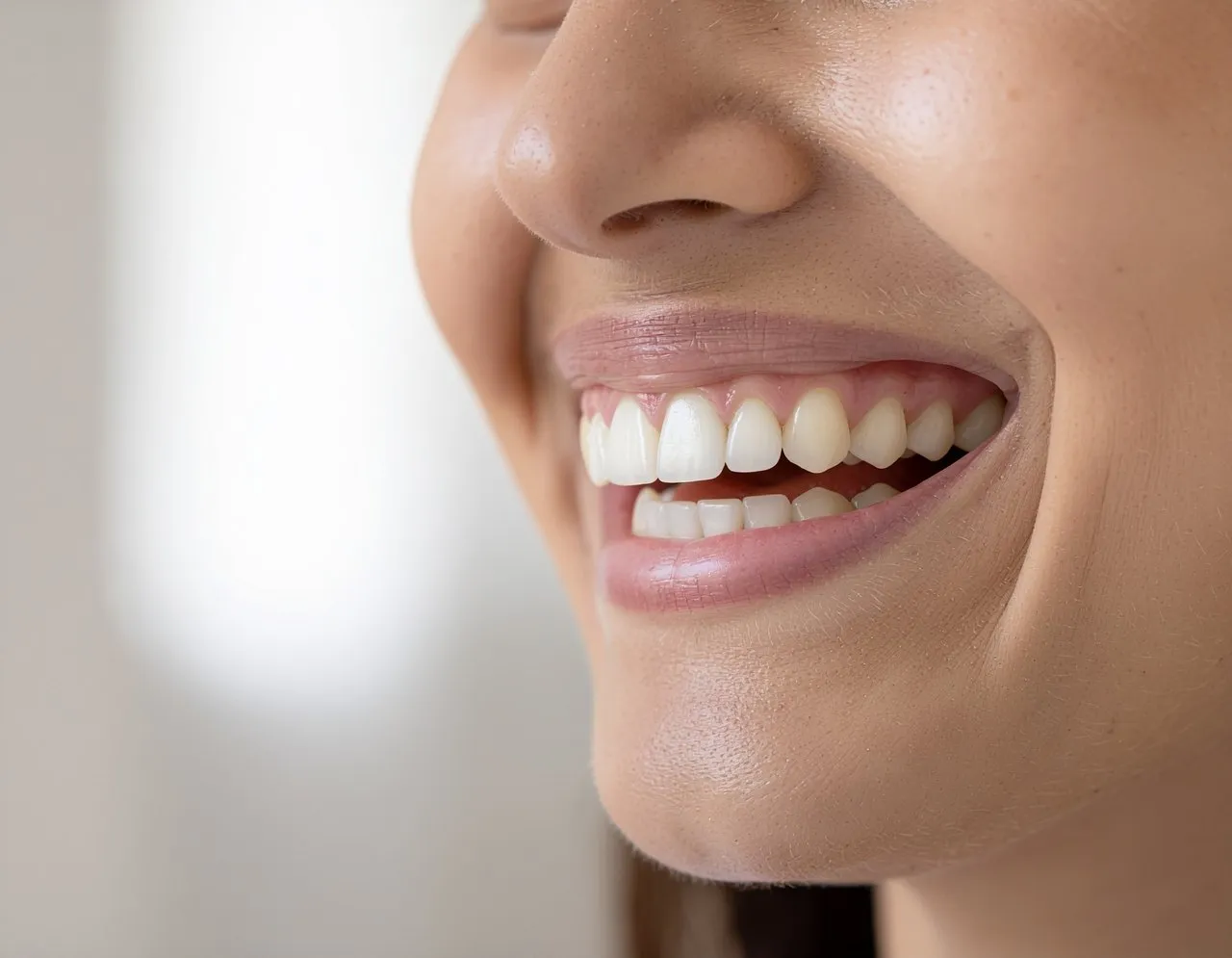
Durability: how long does a filling on an incisor last?
Lifespan depends heavily on the strain placed on it. Biting your nails risks chipping. Teeth grinding can also put strain on the edges. Good oral hygiene protects against secondary tooth decay. Regular preventive care reveals small problems early. This often allows repolishing in good time. For severe bruxism, we recommend a splint. It distributes the forces at night. This protects the filling and the hard tooth structure.

Costs: what affects the price?
The cost depends on the size and technique. A small filling is usually less expensive than a build-up. The effort involved in matching the colour also plays a role. Statutory health insurance usually covers basic care. Aesthetic multi-layer composite fillings often require an additional payment. Private insurers reimburse costs depending on the policy. Supplementary dental insurance can also help. We provide a transparent cost plan in advance. Payment in instalments is also available on request. This keeps the treatment predictable. Simply ask us about it.
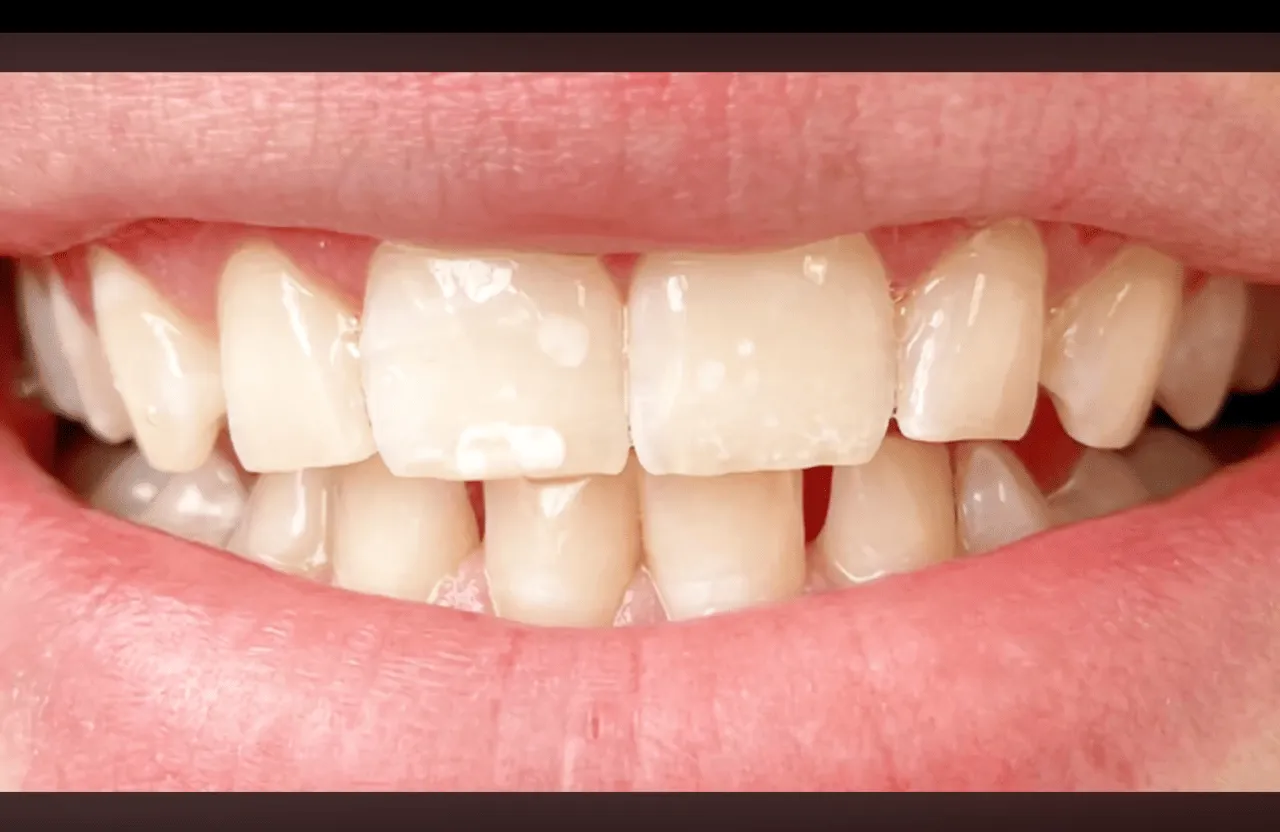
Risks and limitations of a filling on a front tooth
Composite is stable, but not indestructible. Very hard biting can overload the edges. For large defects, we therefore consider alternatives. Fillings can become discoloured over time. Coffee, tea and nicotine increase the risk. Regular polishing can reduce this effect. If the tooth is severely weakened, composite is not sufficient. A crown or veneer is often a safer option in this case. We decide based on the clinical findings and desired result.
Building up teeth: when an aesthetic correction is useful
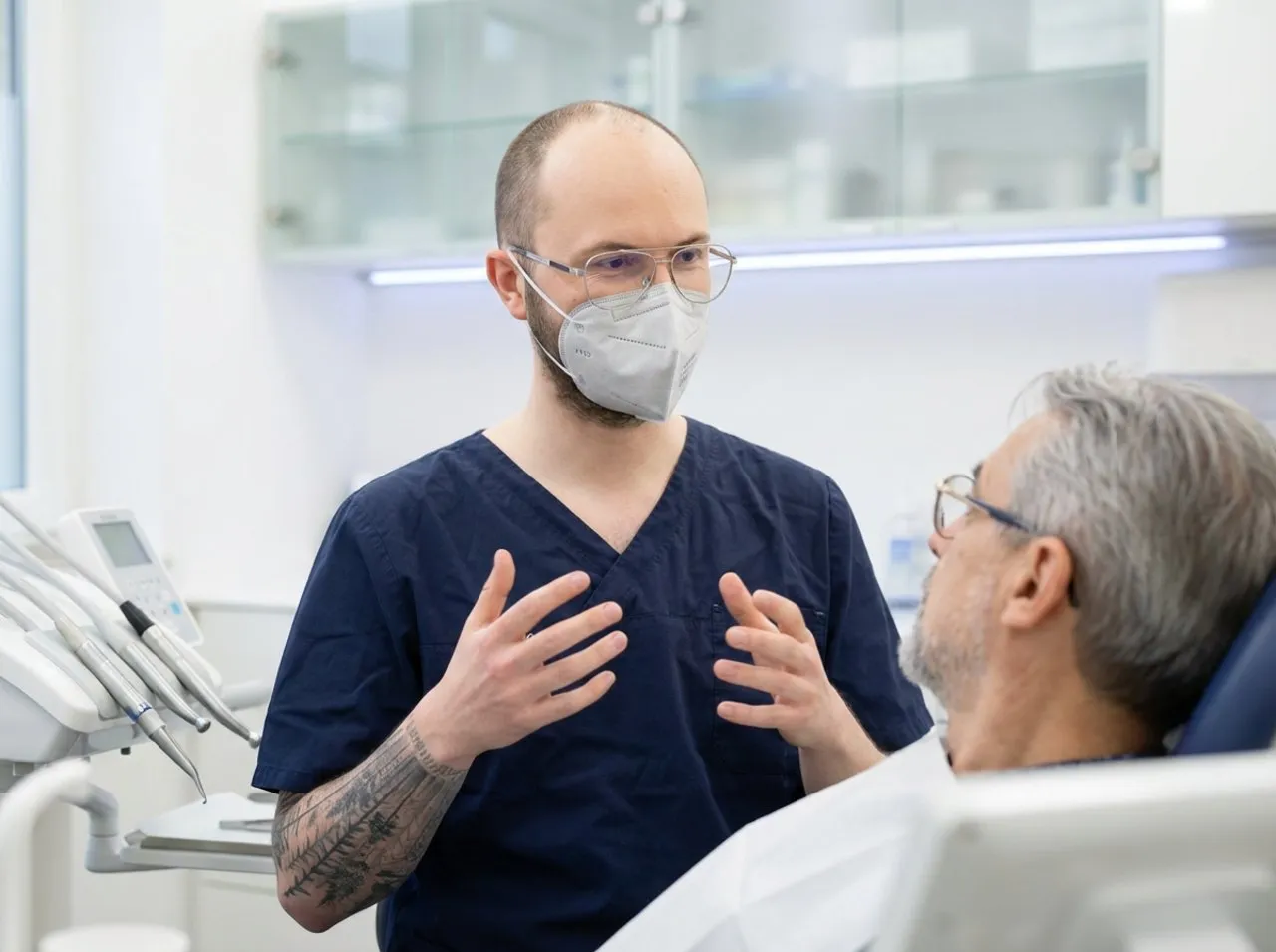
Some people want to ‘build up their teeth’ without having tooth decay. This refers to small shape corrections to the incisors. Composite bonding can then be very gentle. It can be used to smooth edges or add to corners. Small gaps can also be made less noticeable. A harmonious overall appearance is important. We plan these changes with photographs and a preview. A mock-up shows the shape before the final build-up. This means you retain control over the result.
Appointment in Berlin: consultation at Wunschlachen
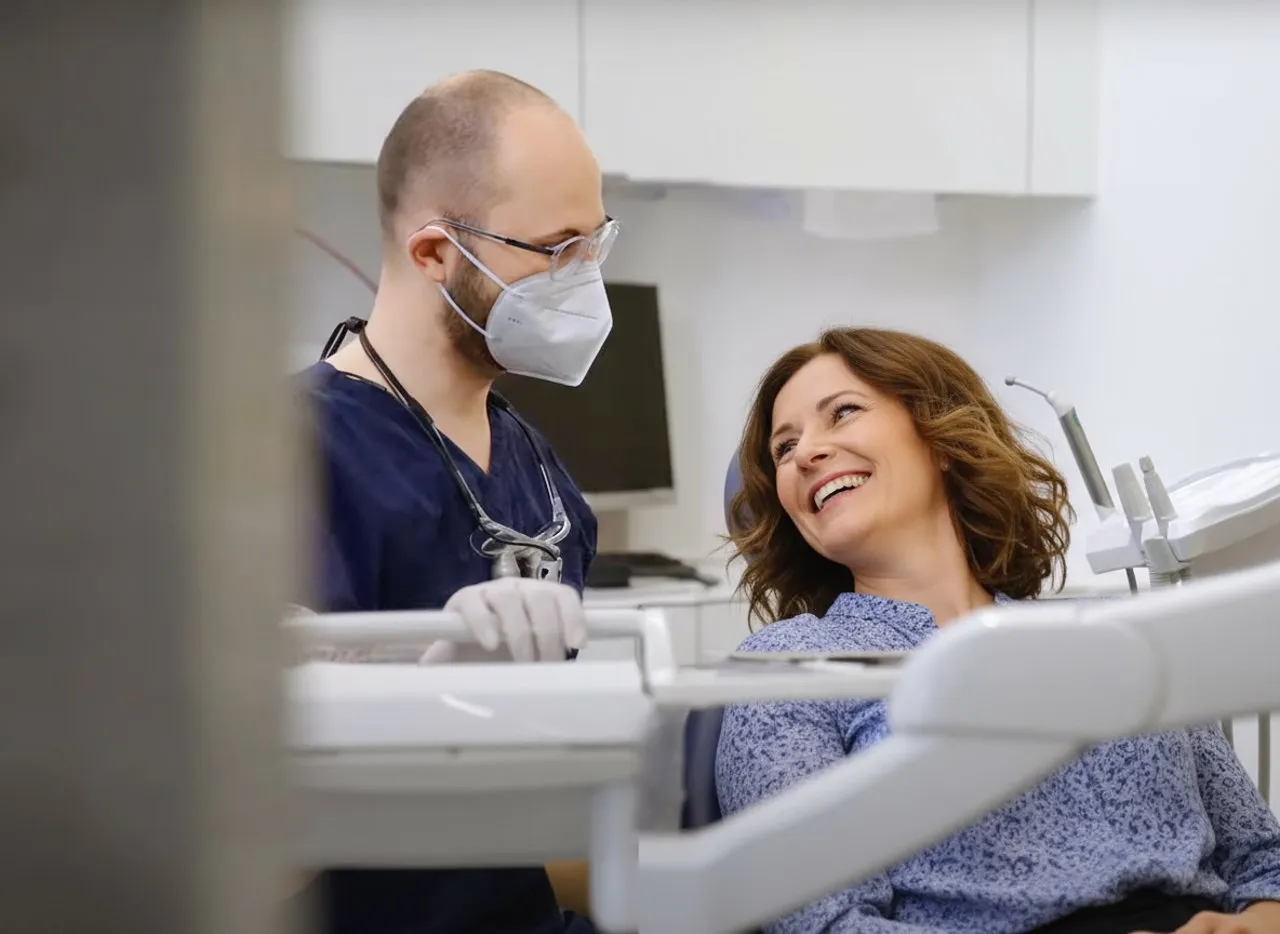
A beautiful smile often makes you appear more confident straight away. A suitable incisor filling can make a big difference. The key is a solution that looks natural. At Wunschlachen in Berlin, we combine function and aesthetics. We work precisely and explain every step. Please feel free to book a consultation.
FAQ: fillings on incisors
It depends on the size, material and layering technique. You will receive a clear cost plan in advance.
Basic care is usually covered. Aesthetic composite layering often requires an additional payment.
Often many years with good care. Teeth grinding and heavy strain shorten its lifespan.
We use a local anaesthetic if needed.
Yes, small to medium-sized defects can be built up well. For extensive damage, we consider crowns or veneers.
Composite can become slightly discoloured over time. Polishing and preventive care help to counter this.
Inlays are rare on front teeth. Ceramic build-ups or veneers are often the better choice.
Yes, usually without any problems after a short adjustment period. We check the bite very carefully.
If there are gaps at the edges, tooth decay or chips. Severe discolouration can also be a reason.
Yes, it is very suitable for small shape corrections. It is usually minimally invasive and quick to carry out.