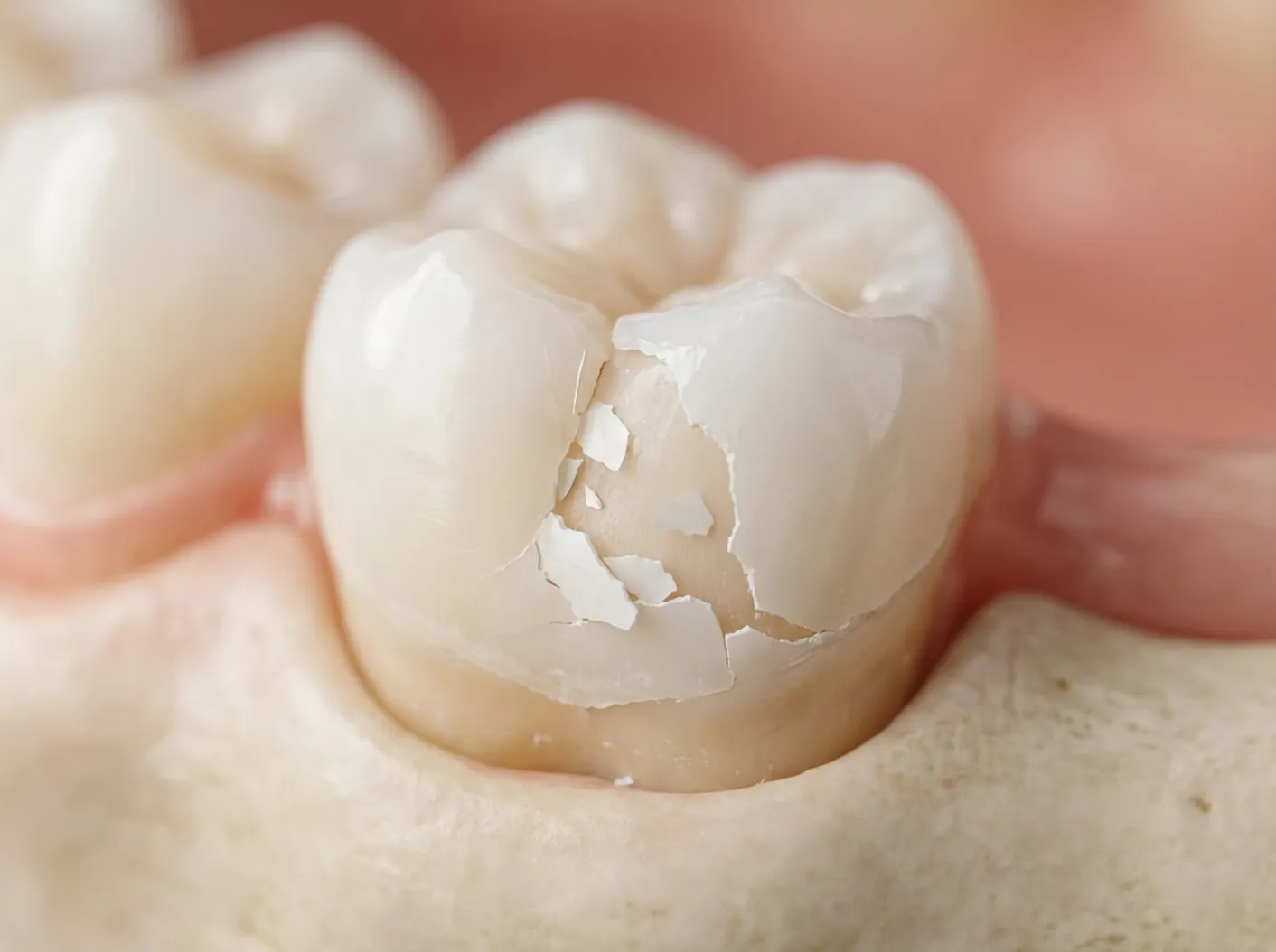
Chipped tooth enamel: causes and help
A small crack, a splintering sound and suddenly a piece of tooth is missing. Many people are alarmed when this happens. The good news is that chipped tooth enamel can usually be treated effectively. It is important to act quickly and have the situation assessed. At the dental practice...
Über 350 Google-Bewertungen
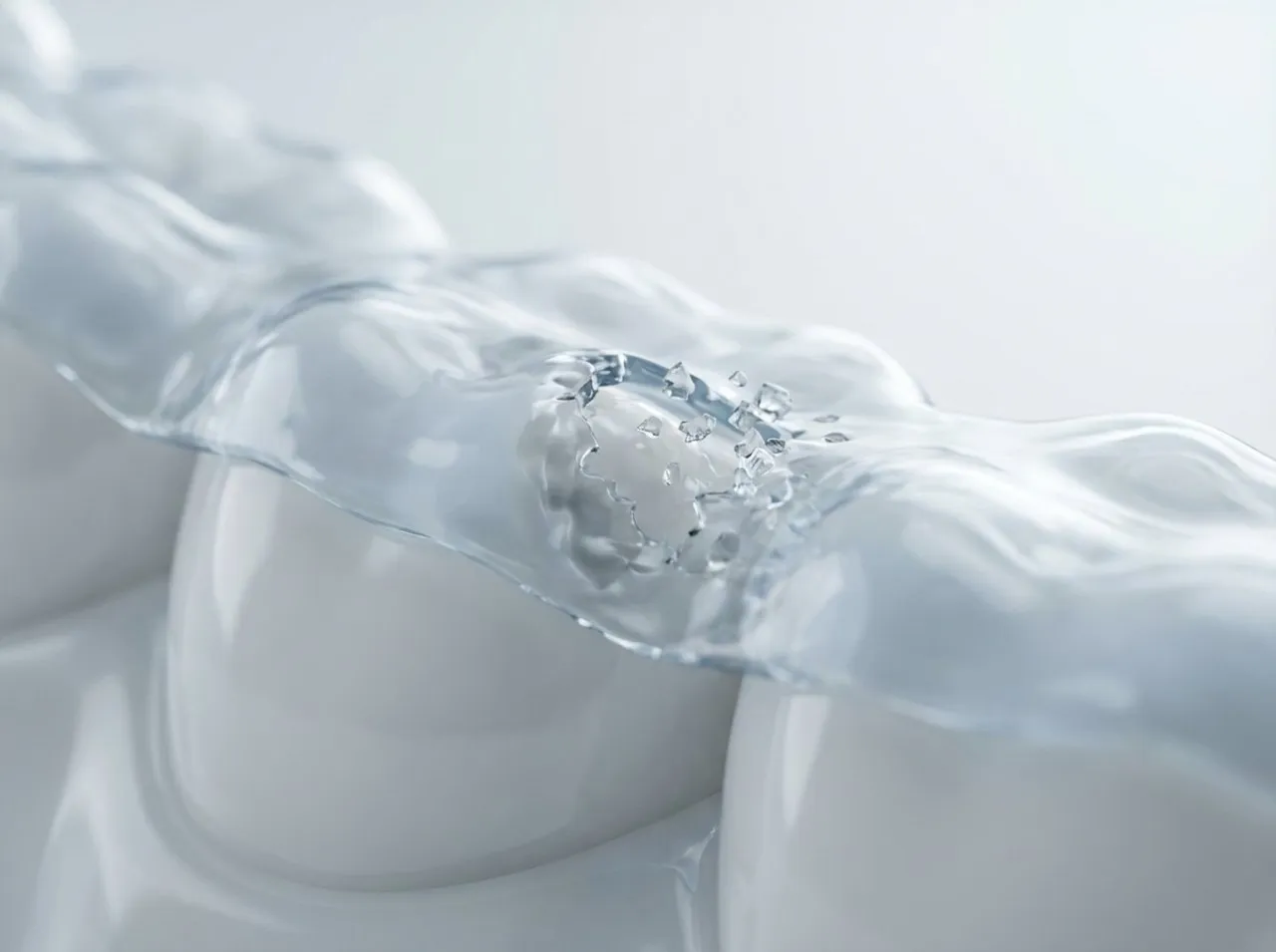
What does ‘chipped tooth enamel’ mean?
Tooth enamel is the hard outer layer of the teeth. It protects the sensitive inside of the tooth. If a piece breaks off, this is known as an enamel defect or chip. The tooth substance itself cannot regenerate. Dental treatment is therefore important to prevent further damage.
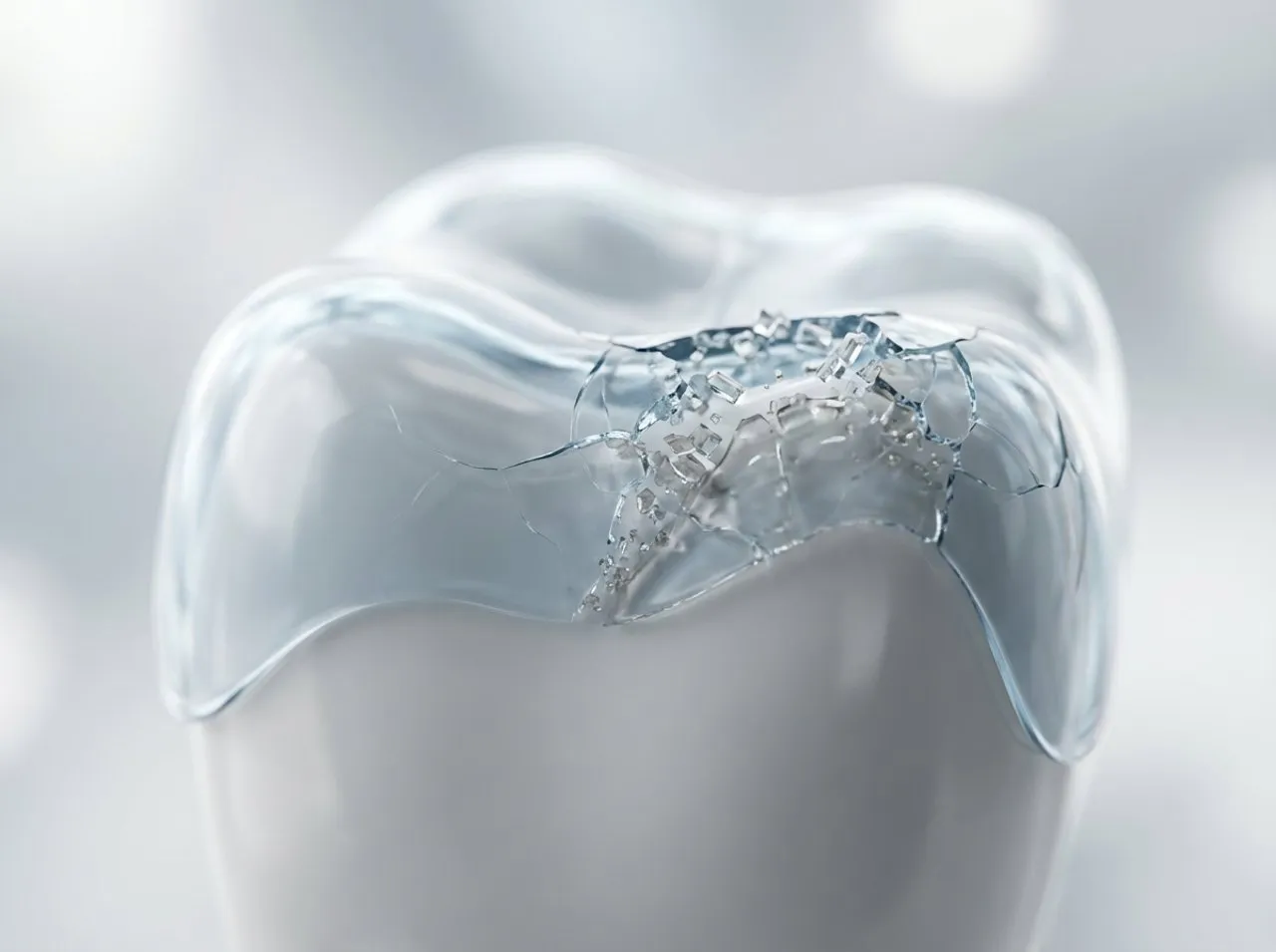
Common causes of chipped tooth enamel
Chipped tooth enamel can have many causes. Mechanical stress is often to blame. Examples include: • Biting on something hard, such as nutshells or bread crusts • Accidents or falls involving a blow to the jaw • Grinding or clenching at night • Old fillings that break and take some enamel with them Acids can also attack the hard surface. People who drink a lot of soft drinks, fruit juices or energy drinks risk erosion. The enamel becomes thinner and more prone to fractures.
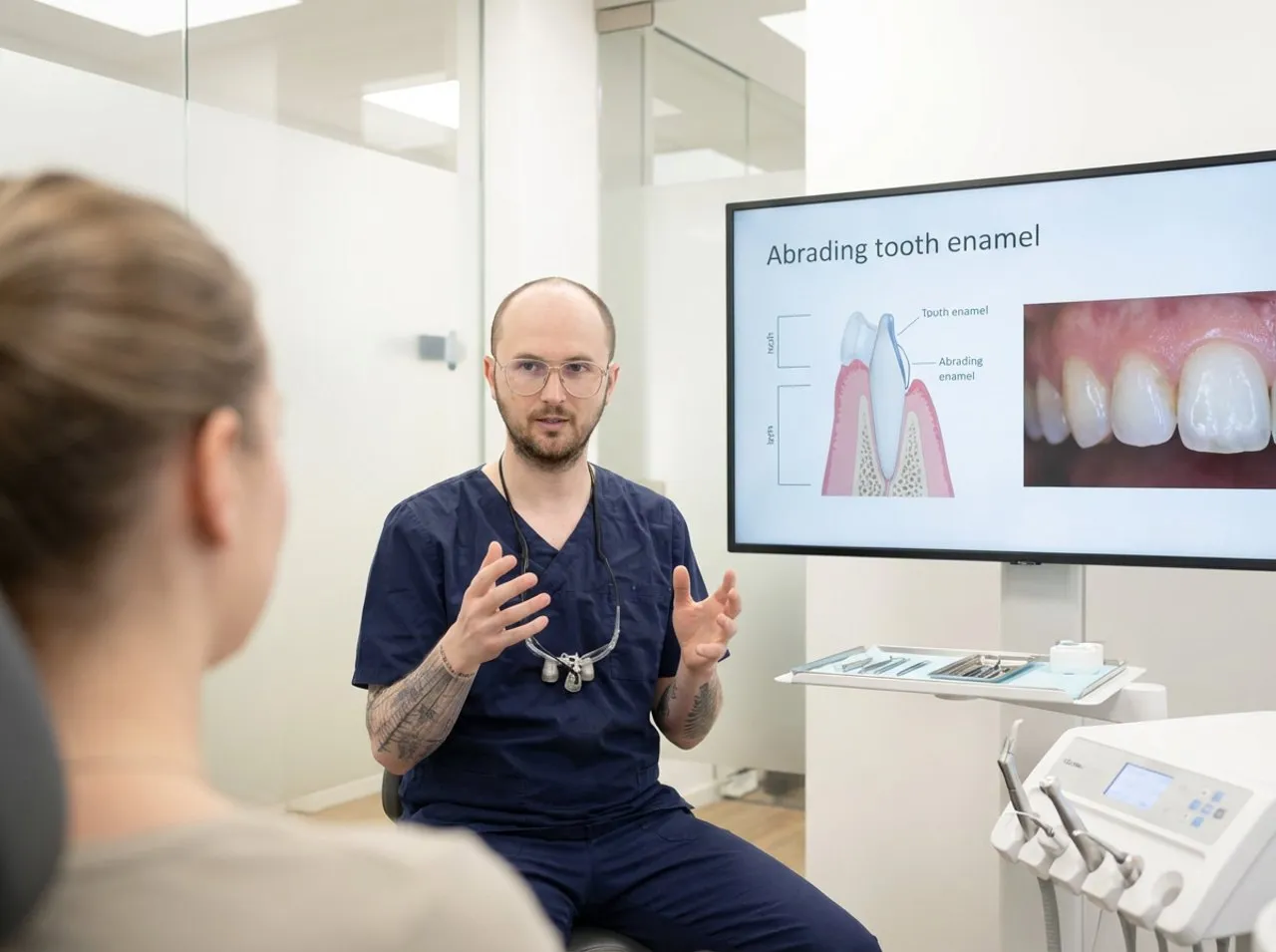
Typical symptoms of chipped tooth enamel
Not all enamel damage causes severe symptoms straight away. Typical signs include: • Sharp edges that catch on your tongue or cheek • Sensitivity to cold, heat or sweet foods • Visible cracks or chipped corners • A feeling of pressure or pulling when chewing The deeper the defect, the more severe the pain usually is. If the dentine or even the nerve is already affected, the tooth can react intensely.
Risks if the defect is left untreated
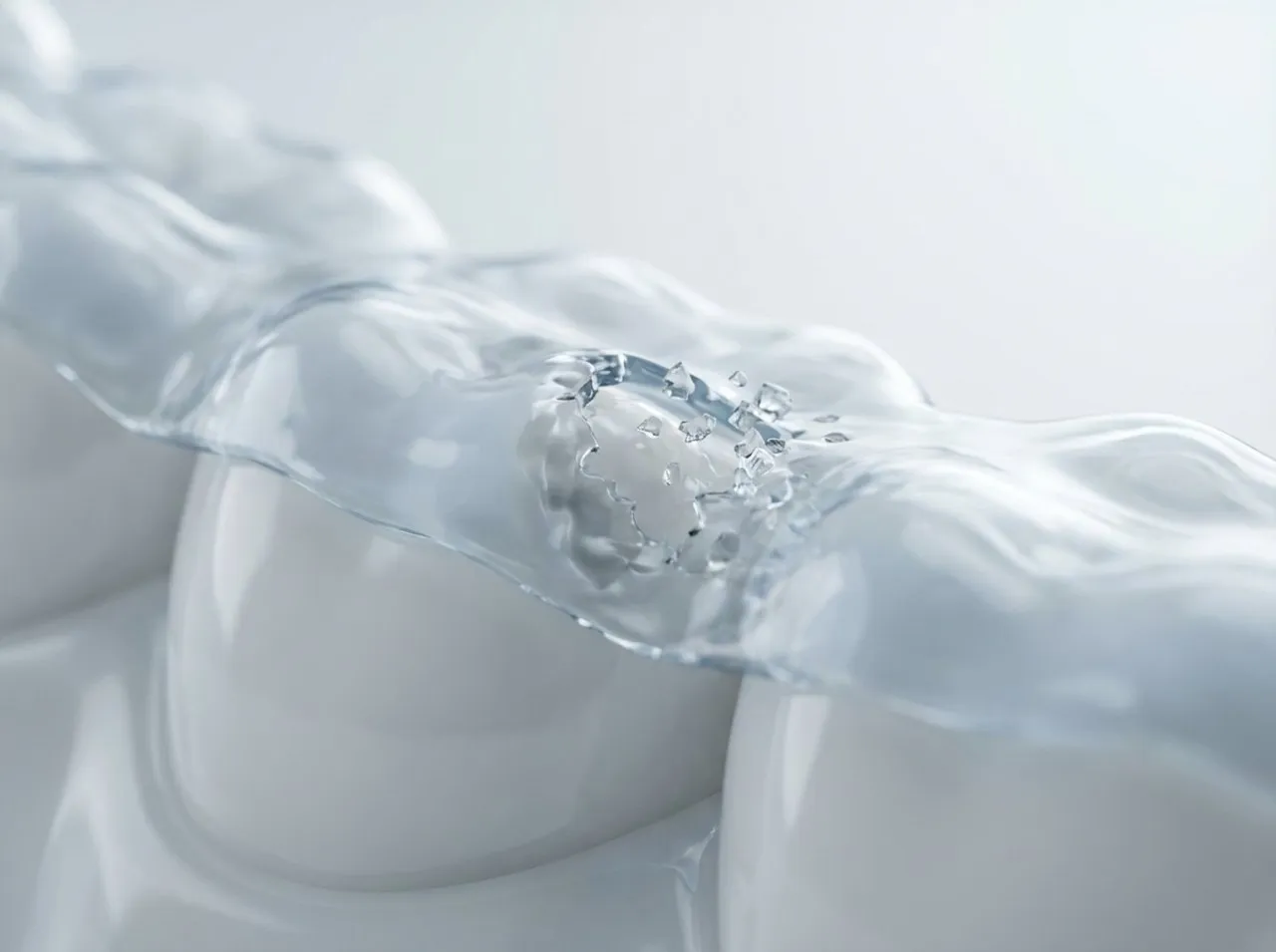
Chipped tooth enamel is not just a cosmetic problem. The damaged surface gives bacteria easier access. Possible consequences include: • Tooth decay beneath the fracture site • Inflammation inside the tooth • Cracks extending further into the root • Larger fragments breaking off, potentially resulting in a broken tooth The sooner the tooth is treated, the more conservative the treatment can be. Minor damage can often be repaired using minimally invasive techniques.

Diagnosis at the Wunschlachen dental practice
At our practice in Berlin, we first check how deep the defect extends. We examine the tooth carefully and take X-rays if necessary. This allows us to determine whether only the tooth enamel or deeper layers are also affected. At the same time, we check the neighbouring teeth and your bite. Signs of grinding or old fillings can reveal other possible causes.

Treatment options for chipped tooth enamel
The treatment depends on the size and location of the defect. The following measures are often suitable.
Smoothing and polishing
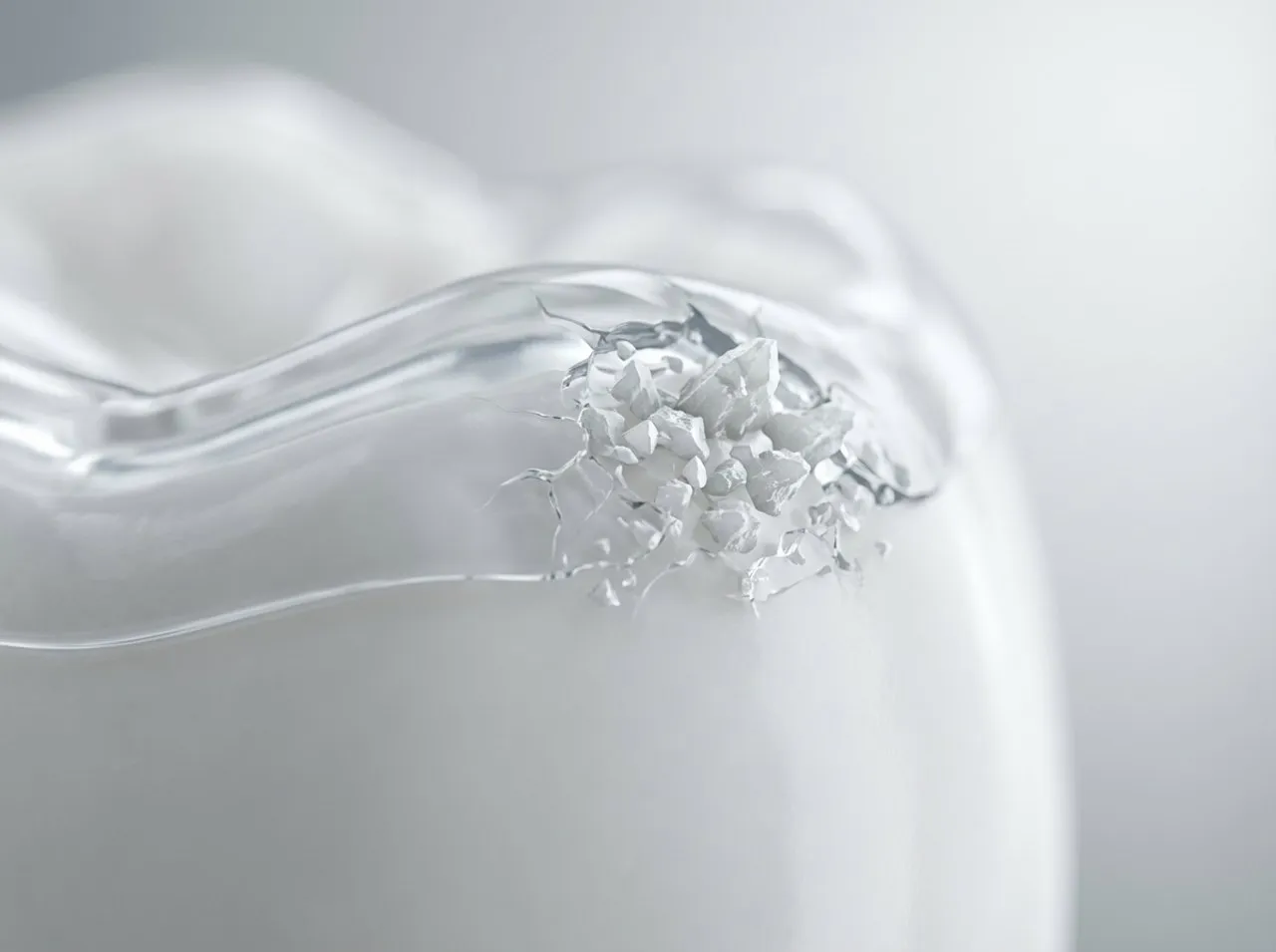
For very small chips, careful smoothing is sometimes sufficient. Sharp edges are removed and the surface is polished so that it can be cleaned thoroughly again.
Composite filling
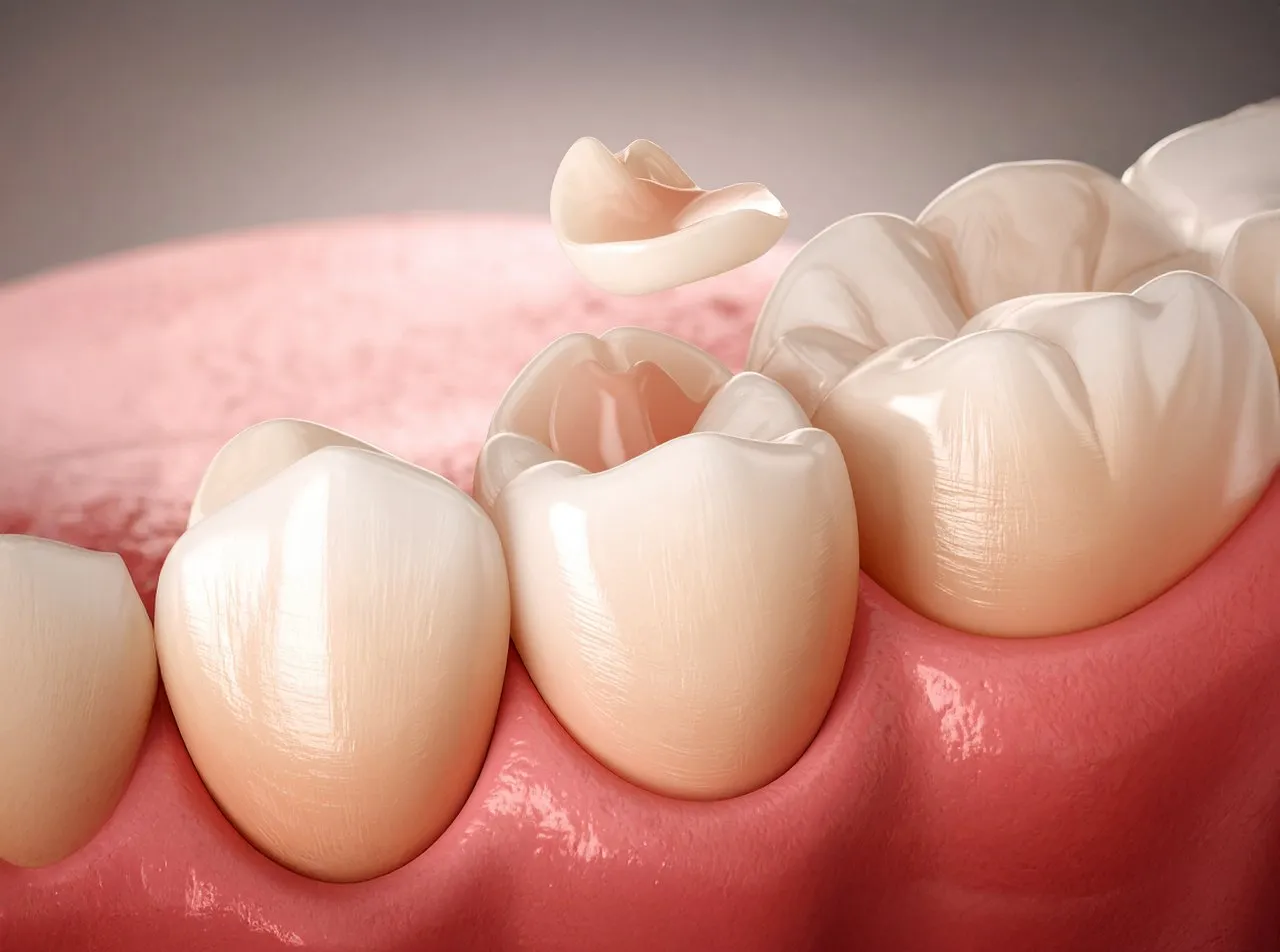
If a piece of tooth enamel has broken off, the area can be rebuilt with composite resin. The composite is colour-matched and bonds firmly to the surface.
Inlay, onlay or partial crown
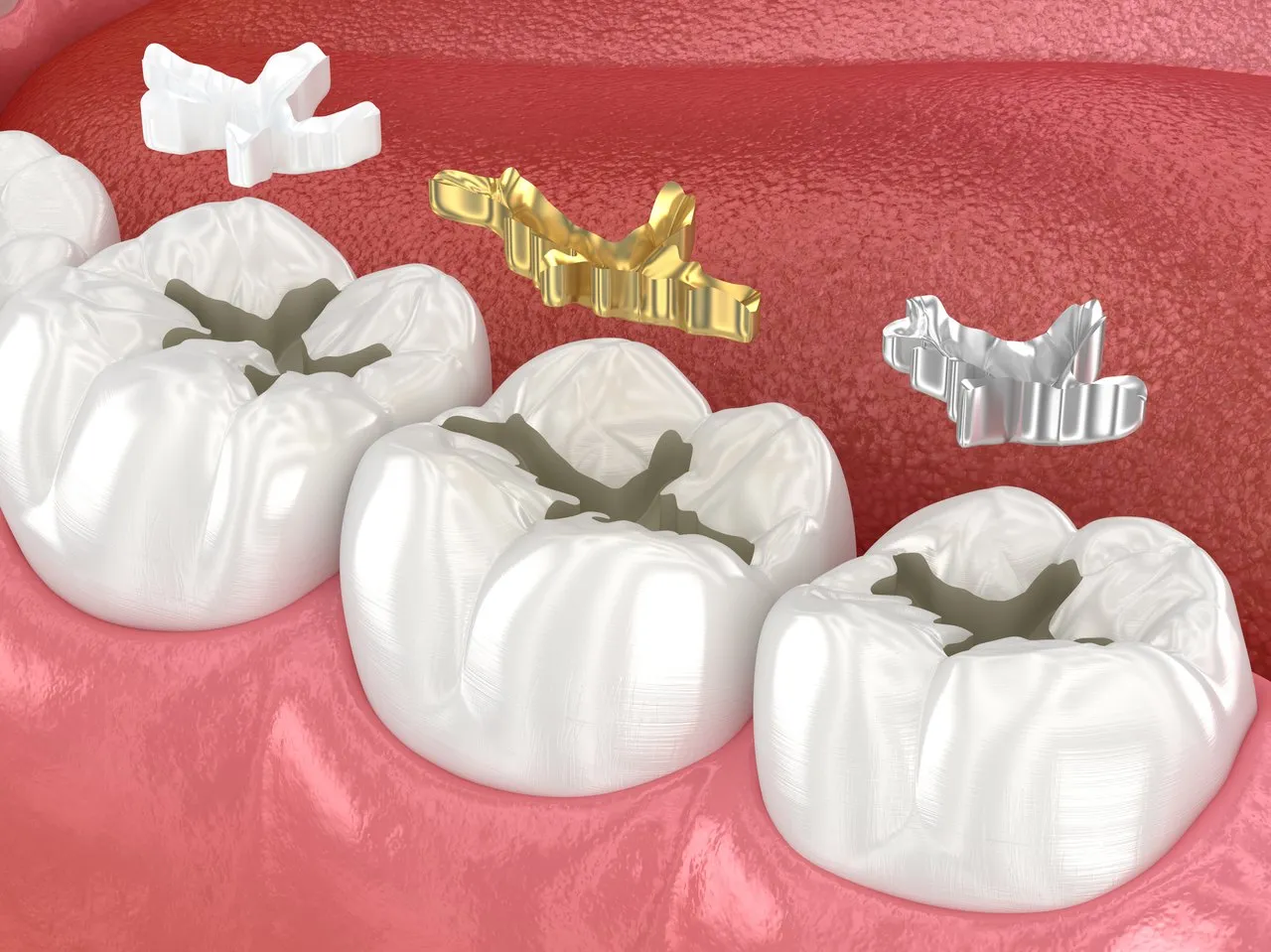
For larger defects, a simple filling is often not enough. In such cases, a laboratory-made inlay or onlay may be advisable. It precisely replaces the missing area and stabilises the tooth.
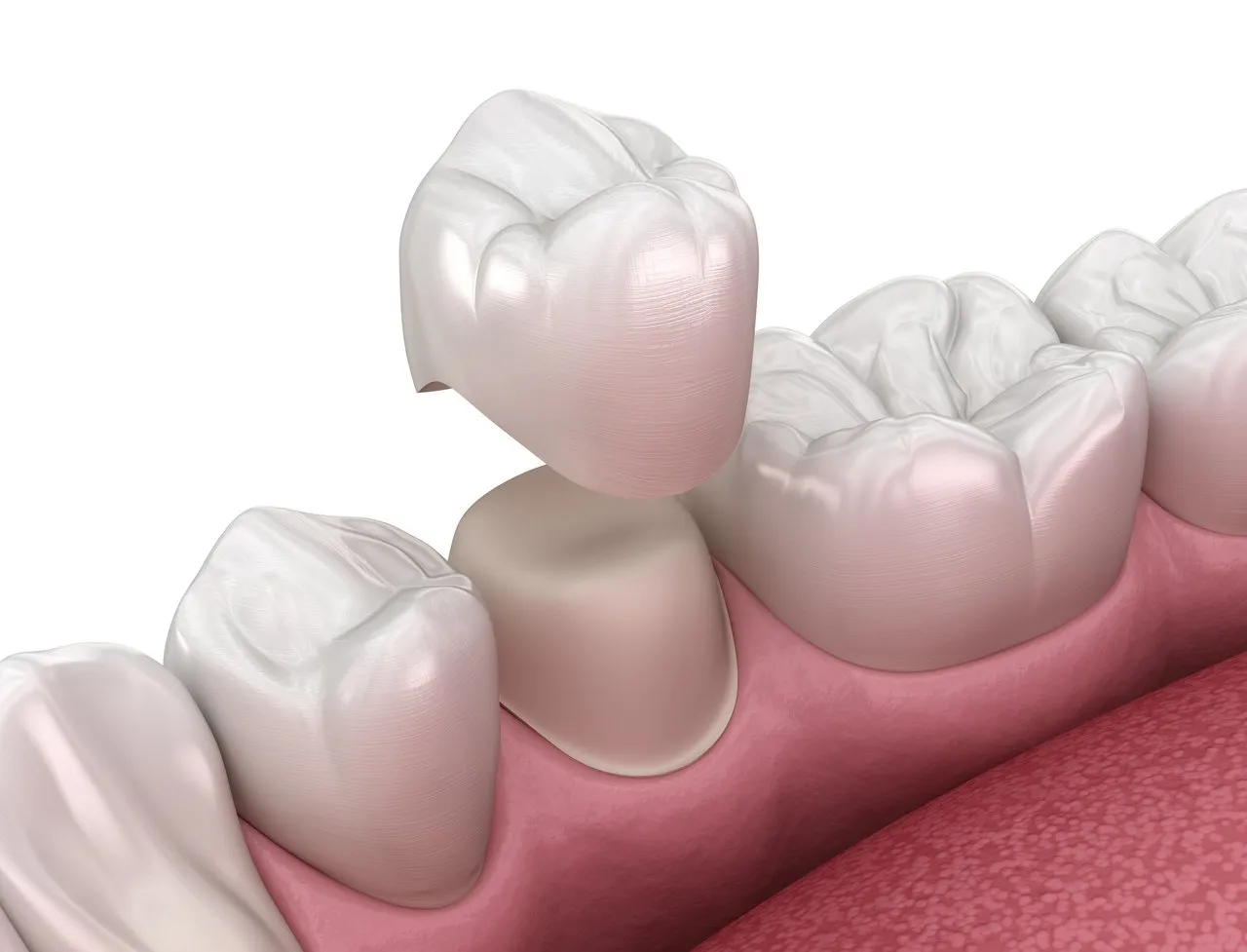
Dental crown
If a large part of the crown is missing, a full-coverage crown protects the tooth. It encases the entire visible structure, allowing severely damaged tooth substance to be preserved in the long term.
What can you do immediately after a chip?
If tooth enamel breaks, try to stay calm. The following steps are advisable: • Carefully keep the broken fragment, if available • Rinse your mouth with lukewarm water • Avoid very hot or ice-cold foods • Do not irritate the damaged area with your tongue • Make a dental appointment as soon as possible In some cases, the broken fragment can be reattached. It is therefore worth keeping it in clean water or milk.

How to protect your tooth enamel in future
To keep enamel strong, some precautions are advisable: • Do not hold objects such as pens or nails with your teeth • Have grinding treated with a dental splint • Consume acidic drinks only in moderation • After contact with acid, rinse with water rather than brushing immediately • Use a soft brush and a tooth-friendly brushing technique Regular check-ups at the Wunschlachen practice help detect fine cracks early, allowing timely intervention.

When should you see a dentist immediately?
It is an emergency if: • you experience severe pain • the inside of the tooth is visible • there is bleeding from the root canal • the tooth feels loose or moves In these cases, you should seek dental help immediately. This can prevent nerve damage and infections.
FAQs about chipped tooth enamel
No. For small defects, an appointment in the near future is often sufficient. However, if you are in severe pain, you should come in immediately.
Enamel does not regenerate on its own. It can only be replaced with fillings, inlays or crowns.
The costs depend on the type and extent of treatment. Small composite build-ups are less expensive than crowns.
No. Some defects are painless at first. Nevertheless, the tooth should be checked.
Stay calm, avoid putting strain on the area and keep the broken fragment safe. If you are in severe pain, use the emergency dental service.
Yes, in most cases the tooth can be restored effectively. The earlier treatment begins, the better the chances.
Fine cracks are often not a cause for concern at first. However, they can deepen and lead to larger chips.
With good care, composite fillings can last for many years. Regular check-ups extend their lifespan.
Yes. A splint can protect the teeth from excessive strain and reduce cracks.
After minor repairs, you can usually eat normally again soon. After more extensive treatment, you will receive individual advice.