Cleaning retainers: caring for trays and fixed wires
After braces, a retainer is intended to maintain the achieved tooth position. Everyday life then brings a new care task: how do you keep the transparent tray clean, and how do you reach the areas around a bonded wire? This requires different methods. This guide explains the steps and limits of cleaning. Your individual wearing schedule and the material instructions from your orthodontic practice remain authoritative; care instructions for a different appliance cannot simply be applied across the board.
The short answer
A clean retention tray and thoroughly cleaned areas around the fixed wire are part of aftercare. The right method depends on the retainer.
- First identify the type of retainer
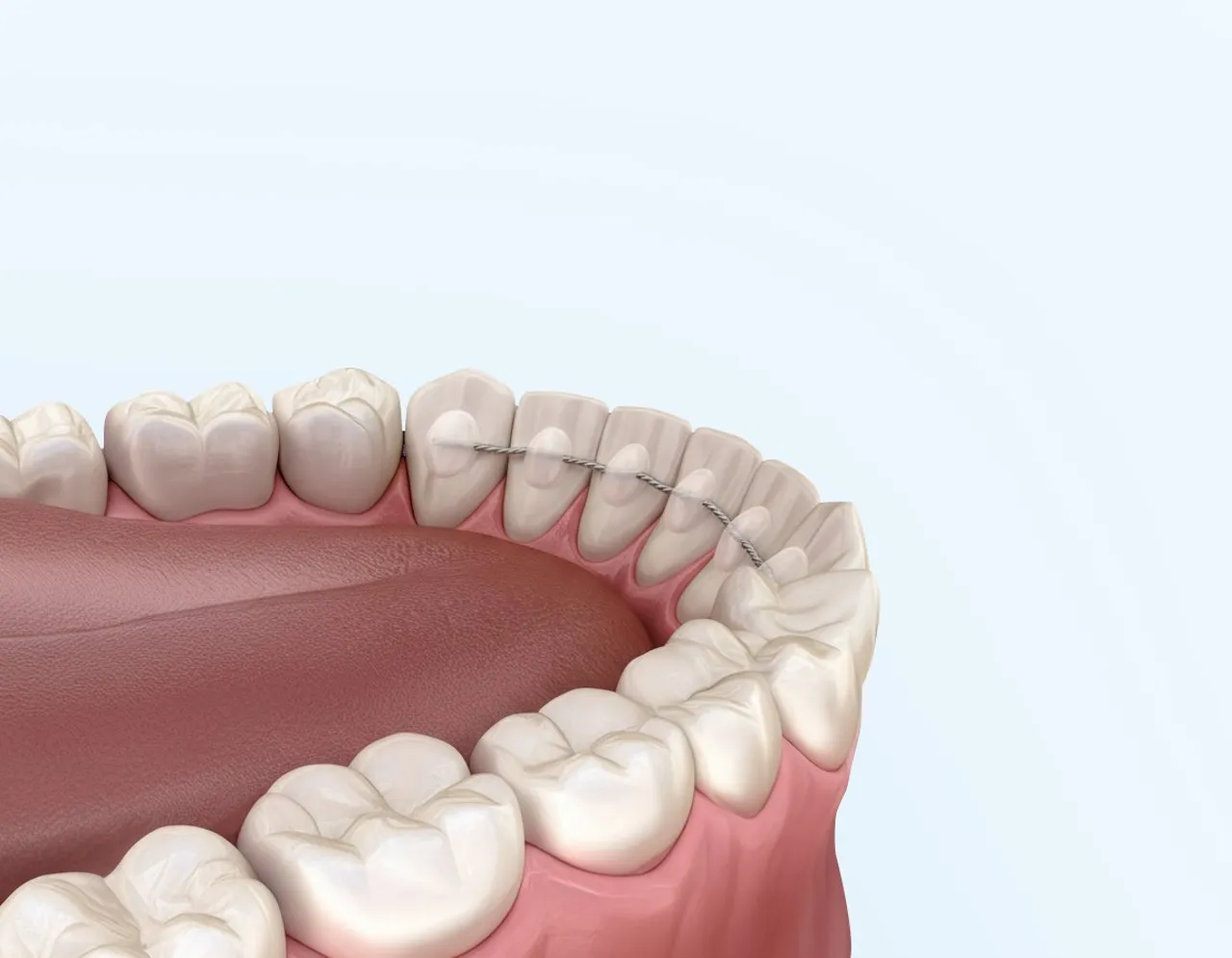
- A removable retainer can be a transparent plastic tray or an appliance made from plastic and wire. A fixed retainer is attached to the inner surfaces of the teeth. It stays in the mouth for cleaning. With a combination, the removable appliance, the teeth and the areas around the wire all need care. Cleaning the tray is no substitute for brushing your teeth.
- Avoid heat and harsh household remedies
- Hot water and heat can deform plastic. Boiling, dishwashers, microwaves and hot cars are therefore unsuitable for cleaning or care. A deformed appliance may fit the teeth differently. Do not try to reshape it yourself by heating it again. Have the fit assessed if the tray has changed shape.
- Caring for a fixed retainer in the mouth
- With a fixed wire, carefully clean the teeth and the accessible areas around the wire and bonding sites. Ask to be shown a technique using a suitable brush and, if appropriate, an interdental cleaning aid. Not every piece of dental floss can be guided from above into the gap as it can around a tooth without a wire. A floss threader may be useful, depending on the design.
- Changes that should be reported
- Report a crack, a sharp end, a loose bonding site or an altered fit to the practice promptly. A wire can partially detach even though it is still attached to other teeth. New tooth movement, pressure sores and persistently irritated gums are also reasons for a check-up. The cause may not lie in cleaning alone.
First identify the type of retainer
A removable retainer can be a transparent plastic tray or an appliance made from plastic and wire. A fixed retainer is attached to the inner surfaces of the teeth. It stays in the mouth for cleaning. With a combination, the removable appliance, the teeth and the areas around the wire all need care. Cleaning the tray is no substitute for brushing your teeth.
When you receive it, ask to be shown which material has been used and which cleaning aids are suitable for it. Write down the instructions or ask for an information leaflet. Also ask where replacements or repairs are arranged. You can find information on the purpose of aftercare under Retainer; the focus here is on daily care.

Gently brushing removable retainers
Remove the appliance using the technique you were shown and clean it with a soft brush and cool or lukewarm water, following the instructions. Hold the tray so that it is not twisted or bent excessively. The inner surfaces and edges deserve as much attention as the easily visible outer surface. Afterwards, thoroughly rinse off any residue from the recommended product.
Clinic leaflets differ on the use of toothpaste: some allow it for certain retainers, while others recommend water and mild liquid soap and advise against toothpaste. This does not provide a universal recipe for every material. Use the product recommended for your retainer. Particularly coarse or highly abrasive products are not a sensible solution for stubborn deposits.
Avoid heat and harsh household remedies
Hot water and heat can deform plastic. Boiling, dishwashers, microwaves and hot cars are therefore unsuitable for cleaning or care. A deformed appliance may fit the teeth differently. Do not try to reshape it yourself by heating it again. Have the fit assessed if the tray has changed shape.
Concentrated acids, household cleaners and homemade mixtures should also not come into contact with the retainer. Wanting clear plastic is understandable, but it does not justify using substances with unknown effects on the material. Visible discolouration alone also does not indicate whether an appliance is damaged or needs replacing. The practice can distinguish between deposits, wear and changes to the material.
When an additional cleaning product is suitable
A cleaning product approved for the specific appliance can supplement mechanical cleaning. Follow the manufacturer's instructions, the soaking time and the treatment team's directions. The term ‘denture cleaner’ does not mean that every product is suitable for a retention tray or metal parts. A mouthwash intended for the oral cavity is likewise not automatically a care product for the tray.
If deposits remain after brushing or the appliance smells unusual, ask about a suitable additional product. Do not scrape off hard deposits with needles or metal tools. An ultrasonic cleaner is no substitute for either a suitable solution or checking material compatibility. New cleaning aids should have a clear purpose rather than combining several unfamiliar methods at the same time.
Caring for a fixed retainer in the mouth
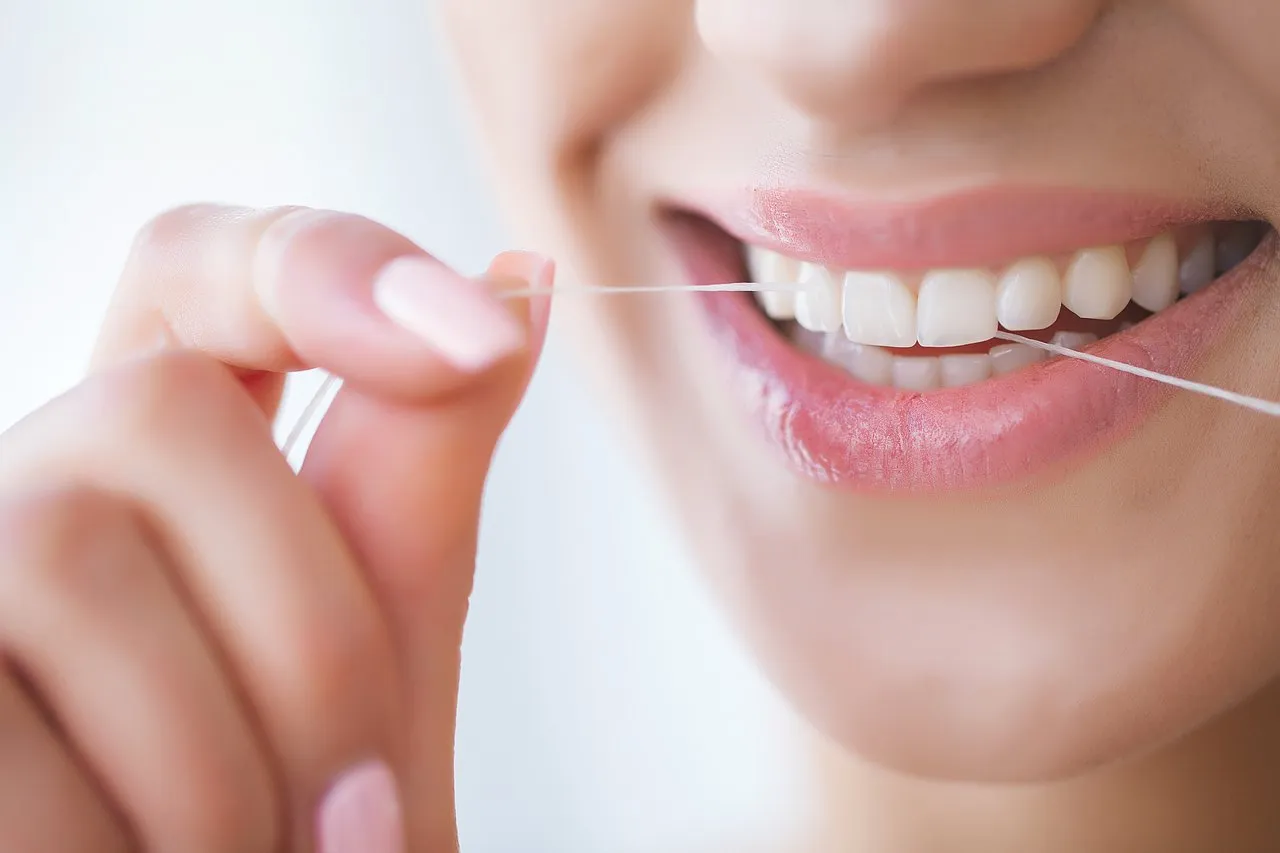
With a fixed wire, carefully clean the teeth and the accessible areas around the wire and bonding sites. Ask to be shown a technique using a suitable brush and, if appropriate, an interdental cleaning aid. Not every piece of dental floss can be guided from above into the gap as it can around a tooth without a wire. A floss threader may be useful, depending on the design.
Choose the size of an interdental brush according to the instructions and do not force it under the wire. Do not pull on the bonding sites or attempt to remove tartar yourself. A fixed retainer makes some areas harder to reach, but it does not make care unnecessary. The general guide to cleaning between your teeth supplements your personal instructions.
Organising storage and routine
Store a removed retainer in the sturdy case provided. Whether it should be stored dry or in another way depends on the appliance. Clean the case too and follow its care instructions. Keep appliances away from pets and young children. A tray wrapped in a tissue can accidentally be thrown away.
A simple routine helps: have the case ready, remove the appliance, clean it according to the instructions and then store or reinsert it as agreed. On holiday, include the case and approved cleaning aids on your packing list. If you need to change your care routine, discuss the alternative before travelling where possible. Cleaning time should not become a longer break from wearing the retainer on your own initiative.

Changes that should be reported
Report a crack, a sharp end, a loose bonding site or an altered fit to the practice promptly. A wire can partially detach even though it is still attached to other teeth. New tooth movement, pressure sores and persistently irritated gums are also reasons for a check-up. The cause may not lie in cleaning alone.
Do not force a poorly fitting retainer into place. Do not repair or glue it yourself. Ask how to manage the appliance until your appointment and bring it with you for the check-up. The next step may be an adjustment, a repair or a replacement; a noticeable deposit alone does not determine this decision. Good care and appropriate check-ups complement each other.
Recording the instructions clearly
For everyday life, start with clear answers to four questions: which brush and which product should be used? When should cleaning take place? How should the retainer be stored? Which changes should I report? These questions can be answered together when the retainer is handed over or at a later check-up.
Also make a note of your individual wearing schedule. Cleaning and wearing time serve different purposes. A clean tray will not maintain the position of the teeth if it is left unused for long periods contrary to the agreement. Conversely, frequent wear is no substitute for care. If the instructions are unclear or difficult to follow in everyday life, ask for a practical solution for your specific appliance.
Frequently asked questions
This depends on the material and your personal care instructions. Clinical recommendations differ. Use the product approved for your appliance and avoid coarsely abrasive products.
No. Heat can deform plastic and alter the fit. Use the specified cleaning method with a suitable brush, water and, if appropriate, an approved product.
It stays in the mouth. Clean the teeth and accessible areas around the wire with the cleaning aids you were shown. Do not pull on the wire or remove hard deposits yourself with tools.
No. The material, metal components and manufacturer's instructions must be taken into account. Ask about a suitable product and follow the intended directions for use.
Review your routine with the practice and have any remaining deposits assessed. Harsh household remedies or scraping with metal are not suitable shortcuts.
Do not force it into place. Report the change promptly and ask how to manage it until your check-up. Bring the retainer to your appointment.