Does coconut oil make teeth white?
Coconut oil cannot actively bleach teeth. It can complement your oral care routine. This sometimes makes teeth look cleaner and smoother. However, this method is only of limited use against deep discolouration. Anyone wanting noticeably whiter teeth should have the cause of the discolouration assessed by a dentist...
Über 350 Google-Bewertungen
What is behind the coconut oil trend?
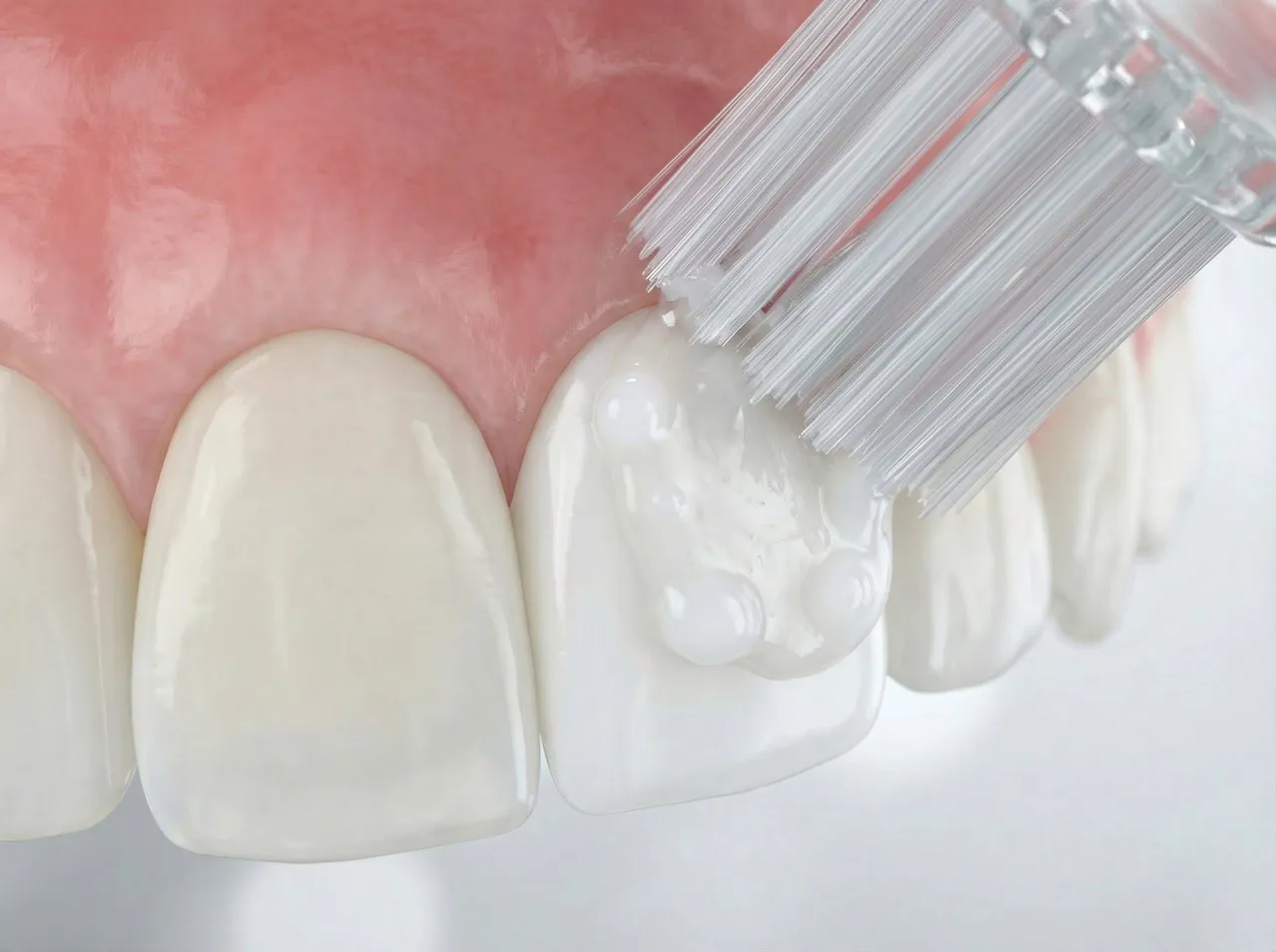
Many people are looking for a gentle home remedy for whiter teeth. Coconut oil and white teeth are often asked about in this context. The best-known method is what is called oil pulling. This involves moving the oil around the mouth for a few minutes and then spitting it out. The method does not come from modern dentistry. Nevertheless, it is now often associated with dental care and natural teeth whitening. The idea behind it is simple. Deposits are meant to be loosened and the mouth cared for.
Can coconut oil really whiten teeth?
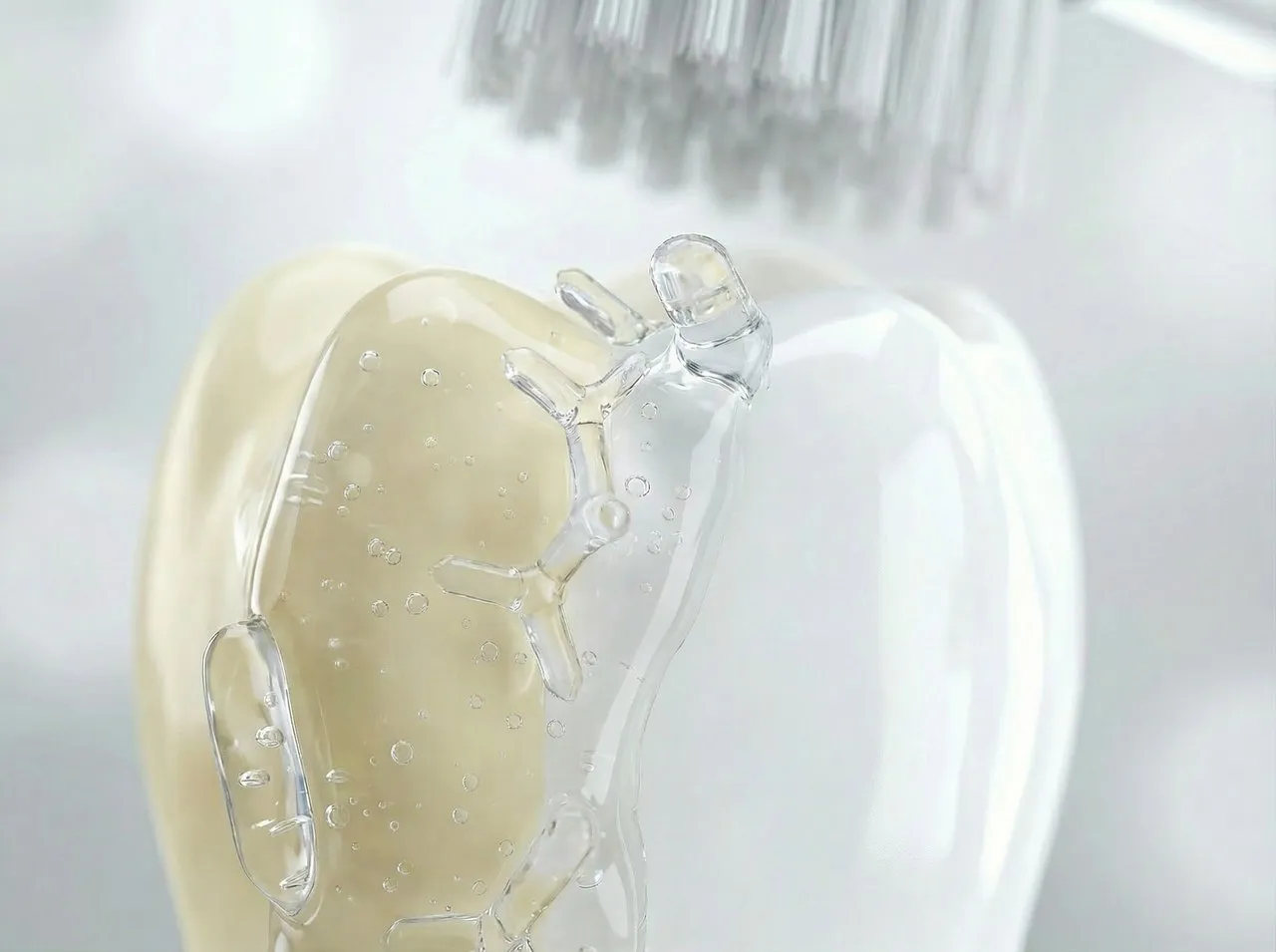
The short answer is: only to a very limited extent. The oil does not change the natural colour of the teeth. Nor does it chemically whiten tooth enamel. It is therefore no substitute for professional teeth whitening. Nevertheless, some people report that their teeth look lighter. There is a plausible reason for this. Surface deposits can be reduced. The tooth surface then looks cleaner and slightly shinier. However, this effect is not the same as genuine tooth whitening. People with severe discolouration caused by coffee, tea, nicotine or red wine will usually see only slight changes. Age-related colour changes also remain.
Why do teeth sometimes look whiter after oil pulling?
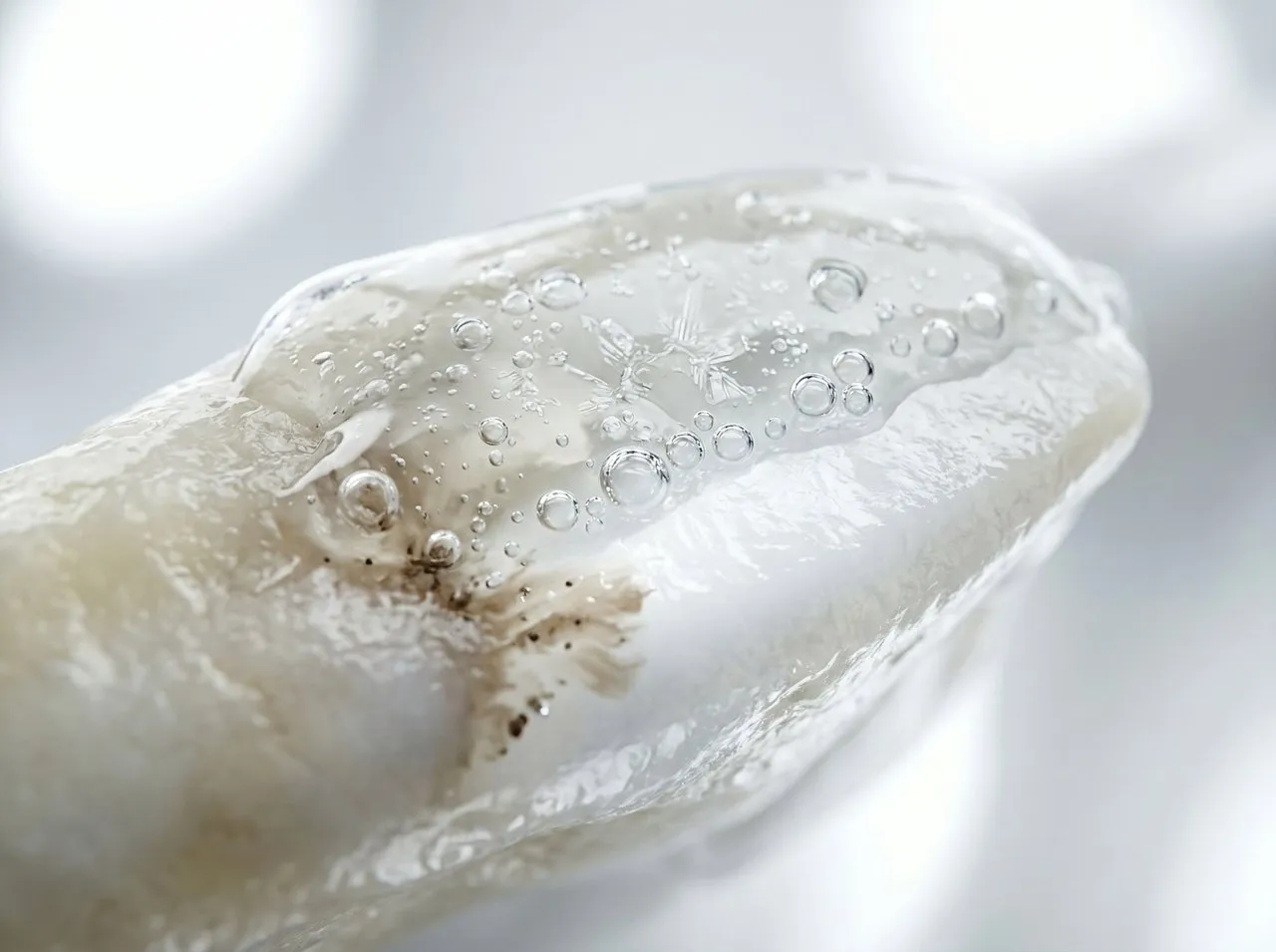
Teeth often feel smoother after oil pulling. This may be due to a smaller amount of soft deposits. A smooth surface reflects light differently. This can make the teeth look fresher. There is also a psychological effect. People who take more conscious care of their teeth usually pay more attention to their overall oral hygiene. They often then use their toothbrush, dental floss and preventive care more consistently. This further improves the overall appearance.
What are the limits of coconut oil for discolouration?
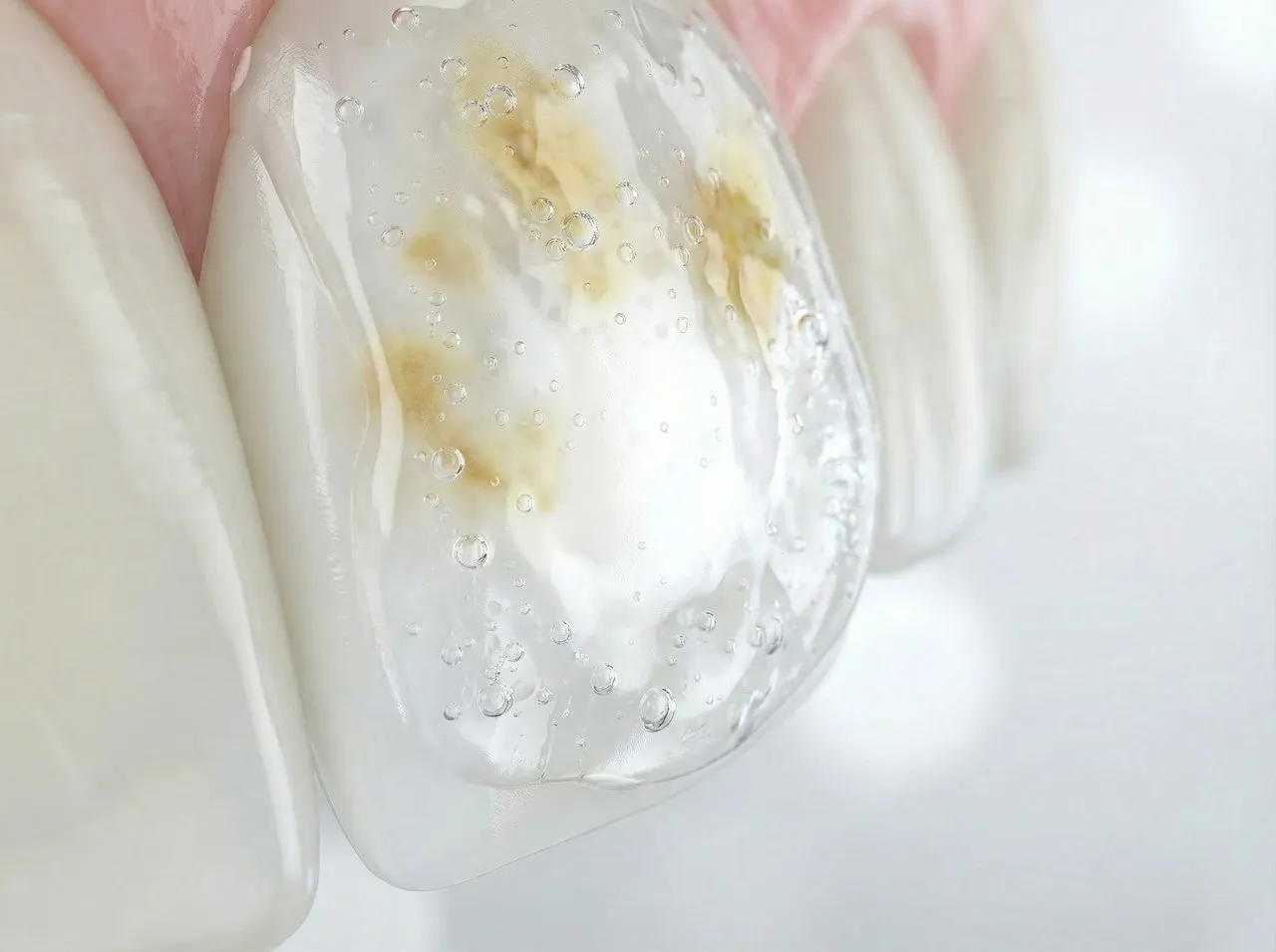
Not all discolouration sits on the surface of the tooth. Some colour changes lie deeper within the tooth. This can happen, for example, after taking medication, following an accident or with age. Such causes can hardly be influenced with a home remedy. Coconut oil does not reliably help with tartar either. Hard deposits must be removed professionally. The same applies to fillings, crowns and veneers. Their colour is not changed by oil pulling.
Is oil pulling good for dental health?
Oil pulling can be a supplementary care ritual. However, it must never replace normal dental care. Brushing twice a day with fluoride toothpaste remains essential. Cleaning between the teeth also remains important. Some people find the oil pleasant. The mouth feels cared for. However, there is no scientifically proven evidence of strong whitening effects. From a dental perspective, the method should be assessed realistically.
Coconut oil or teeth whitening. What is the difference?
The difference is clear. Bleaching targets the colour of the teeth. Special active ingredients are used to lighten discolouration. This is done under controlled conditions and after an examination of the teeth. Coconut oil, on the other hand, tends to work indirectly. It can support dental care. Visible whitening is generally only conceivable with light surface deposits. For noticeably whiter teeth, professional tooth whitening is usually more effective. Before any bleaching treatment, a check should be carried out for dental caries, leaking fillings or sensitive tooth necks. This allows the appropriate treatment to be planned safely. At the Wunschlachen practice, the condition of the teeth is therefore assessed first.
Who is coconut oil more suitable for?
This home remedy is particularly unsuitable for people with high expectations. It is more suitable for people who want to gently supplement their oral care. People who focus on natural routines also often try the method. However, anyone expecting quickly visible results will often be disappointed. Its effect is limited, particularly in cases of pronounced discolouration. Professional preventive care is then often the better first step.

How should coconut oil be used correctly?
Usually, a small teaspoonful is moved around the mouth. This often takes five to ten minutes. The oil is then spat out and the mouth rinsed with water. Afterwards, the teeth should be brushed as usual. It is important to keep expectations modest. More oil or longer use does not automatically lead to whiter teeth. Regular dental care remains crucial. Regular dental check-ups are also important.

When is dental advice worthwhile?
Advice is worthwhile if discolouration appears suddenly. Individual dark teeth should also be examined. There may be internal causes behind this. A home remedy is then not enough. Likewise, before planned teeth whitening, a check should be carried out to determine which method is suitable. Not all discolouration responds equally well to whitening. A professional assessment protects against false expectations.
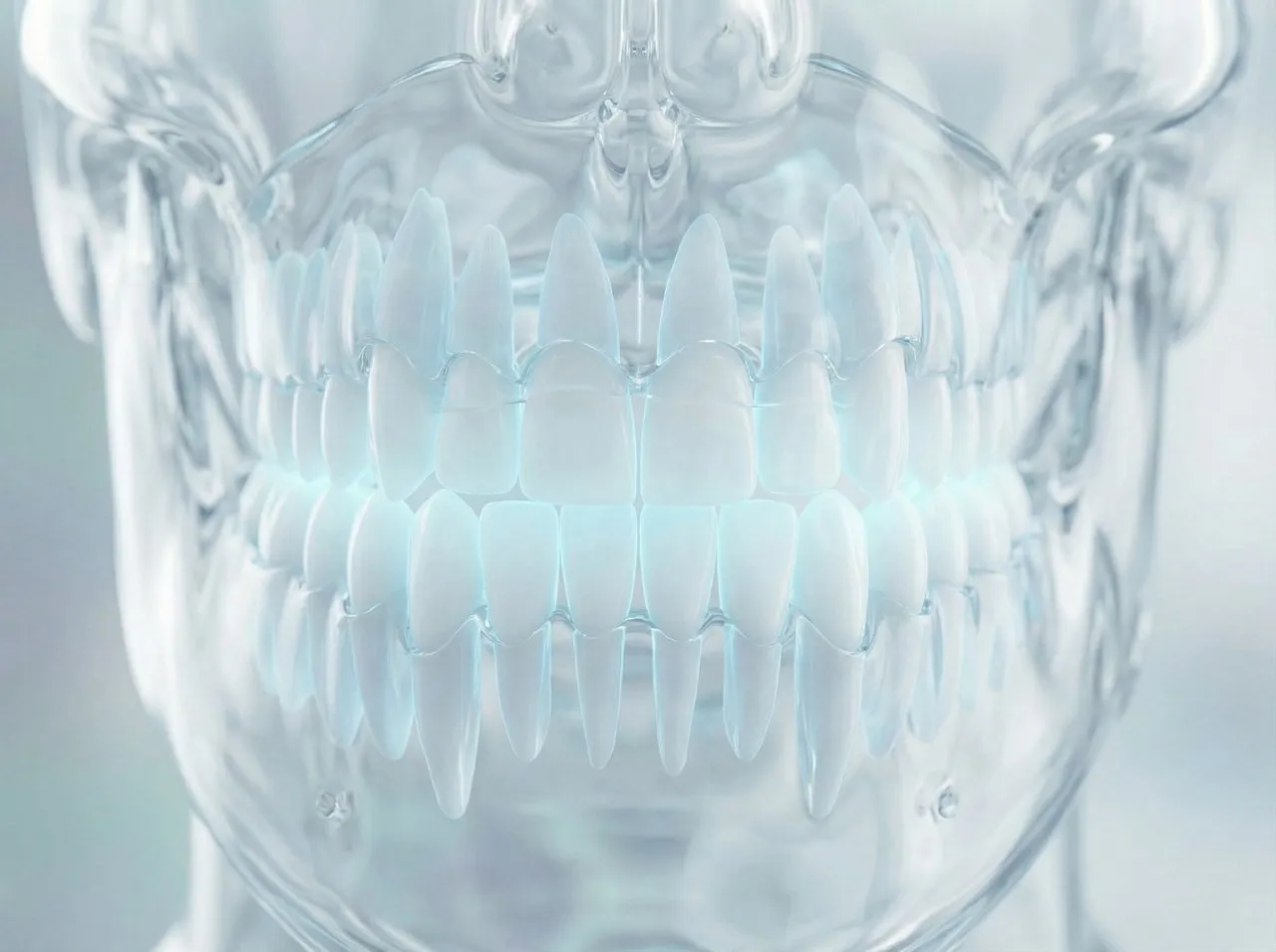
Conclusion: Does coconut oil make teeth white?
Coconut oil usually does not actually make teeth white. At most, it can affect surface deposits. In some cases, this makes teeth look slightly whiter. It is no substitute for genuine teeth whitening. Anyone who wants a visibly whiter smile should have the cause of the discolouration assessed. Depending on the findings, preventive care, professional dental cleaning or teeth whitening may be options. This allows the appropriate solution to be selected specifically.
Your dental practice in Berlin – locations
Our dental practices in Berlin are located in Reinickendorf, Schöneberg, Friedrichstraße and Charlottenburg. We offer you high-quality treatments and modern technology. Book your dental appointment now. Online or by phone for a radiant smile.
General dentistry and surgery
Reinickendorf
Zahnarzt & Implantate
Gotthardstr. 27, 13407 Berlin Tel.: 030 / 495 20 10[email protected]Mo-Do: 08:00–20:00 Fr: 08:00–14:00
Mehr erfahrenSchöneberg
Zahnarzt & Implantate
Bayerischer Platz 7, 10779 Berlin Tel.: 030 / 854 44 83[email protected]Mo-Do: 08:00–20:00 Fr: 08:00–14:00
Mehr erfahrenFriedrichstraße
Zahnarzt & Implantate
Friedrichstraße 147, 10117 Berlin Tel.: 030 / 959 990 644[email protected]Mo-Do: 09:00–18:00 Fr: 09:00–14:00
Mehr erfahrenCharlottenburg
Zahnarzt & Implantate
Savignyplatz 5, 10623 Berlin Tel.: 030 / 233 290 390[email protected]Mo-Do: 09:00–18:00 Fr: 09:00–13:00
Mehr erfahrenOrthodontics and paediatric dentistry
Reinickendorf
Kieferorthopädie & Kinderzahnmedizin
Gotthardstr. 27, 13407 Berlin Tel.: 030 / 495 20 10Mo-Do: 08:00–20:00 Fr: 08:00–14:00
Mehr erfahrenSchöneberg
Kieferorthopädie & Kinderzahnmedizin
Bayerischer Platz 7, 10779 Berlin Tel.: 030 / 854 44 83Mo-Do: 08:00–20:00 Fr: 08:00–14:00
Mehr erfahrenFAQ: Frequently asked questions about coconut oil and white teeth
Only to a very limited extent. The oil can affect surface deposits, but cannot produce a genuine whitening effect.
This involves moving the oil around the mouth for several minutes and then spitting it out. It is considered a supplementary care method.
Light deposits may look less visible. Deep discolouration generally remains.
No. Oil pulling is usually not enough for noticeably whiter teeth.
Many people use it regularly as part of their routine. However, no strong effects on tooth colour should be expected.
It can complement oral care. Nevertheless, brushing, flossing and preventive care remain more important.
Perhaps slightly in appearance with light deposits. Usually not with deep or older discolouration.
No. Tartar must be removed professionally.
That depends on the cause. Professional dental cleaning is often more worthwhile than a home remedy.
For severe, unexplained or sudden discolouration. An examination is also advisable before planned teeth whitening.