
Composite fillings – a modern solution for tooth damage
Composite fillings are one of the most popular methods of repairing damaged teeth in modern dentistry. They offer an aesthetic and functional solution that not only protects the tooth, but also preserves its natural appearance. Compared to conventional fillings such as...
Über 350 Google-Bewertungen
The short answer
Composite fillings consist of plastic containing fine ceramic particles and provide tooth-coloured repairs for decayed or damaged teeth while preserving tooth structure. They are usually placed directly into the tooth and hardened in a single appointment. With good care, they last for several years, but coffee, tea or nicotine can discolour them. The costs are explained in advance in an individual cost plan.
- Duration
- Usually one appointment; the filling is placed directly and hardened
- Durability
- Several years with good care; heavy chewing loads can shorten their lifespan
- Costs
- Varies depending on the size and position of the filling; individual cost plan before treatment begins
Whether a composite filling is suitable in an individual case depends on the size and position of the defect and is assessed by a dentist.

What are composite fillings?
Composite fillings, also known as plastic fillings, consist of a mixture of plastics and fine ceramic particles that form a strong and durable filling. They are used to treat caries or repair minor cracks and chips in teeth. The main advantage of these modern dental repairs is their aesthetic appeal. As they are available in various shades, they can be closely matched to the colour of the natural teeth, making them particularly suitable for the front teeth.
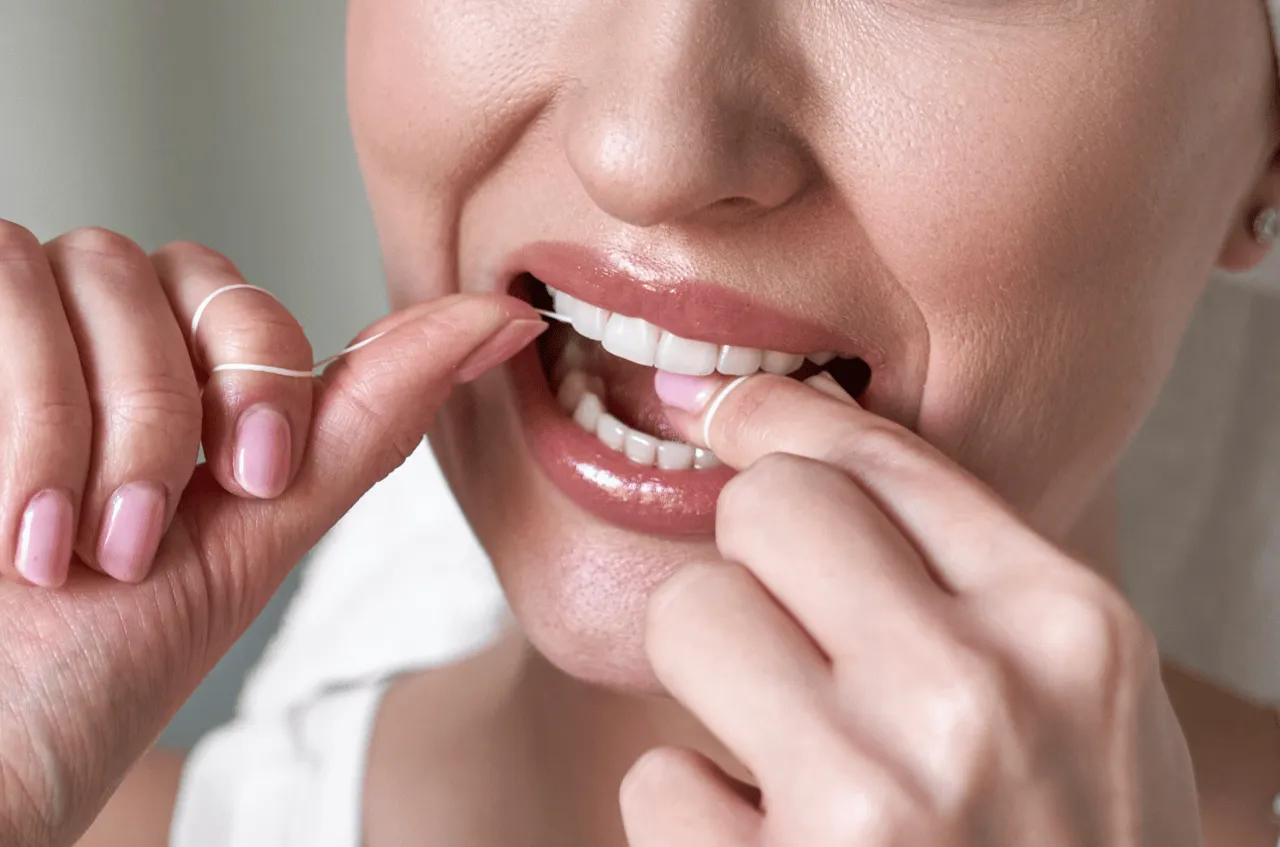
Advantages of composite fillings
1. Aesthetics: These fillings are almost invisible, as they can be matched to the natural tooth colour. This makes them the ideal choice for the front teeth, where appearance is particularly important. 2. Minimal tooth preparation: Compared to other materials, preparing the tooth for a filling requires only minimal removal of tooth structure. This preserves more of the natural tooth substance. 3. Durability: Modern composites are robust and resistant to the forces exerted on the teeth when chewing. 4. Quick placement: Composite fillings can be placed in just one appointment, as they are cured directly in the tooth. 5. Versatility: These fillings are suitable for both small and larger tooth defects and offer an excellent solution for front and back teeth.

Disadvantages of composite fillings
1. Susceptibility to wear: Although these dental fillings are robust, they can wear down over time, particularly under heavy chewing loads. 2. Discolouration: Over time, composite fillings can become discoloured by coffee, tea or nicotine, especially if they are not properly cared for. 3. Cost: Composite fillings are generally more expensive than other materials, which can increase the financial burden on the patient.
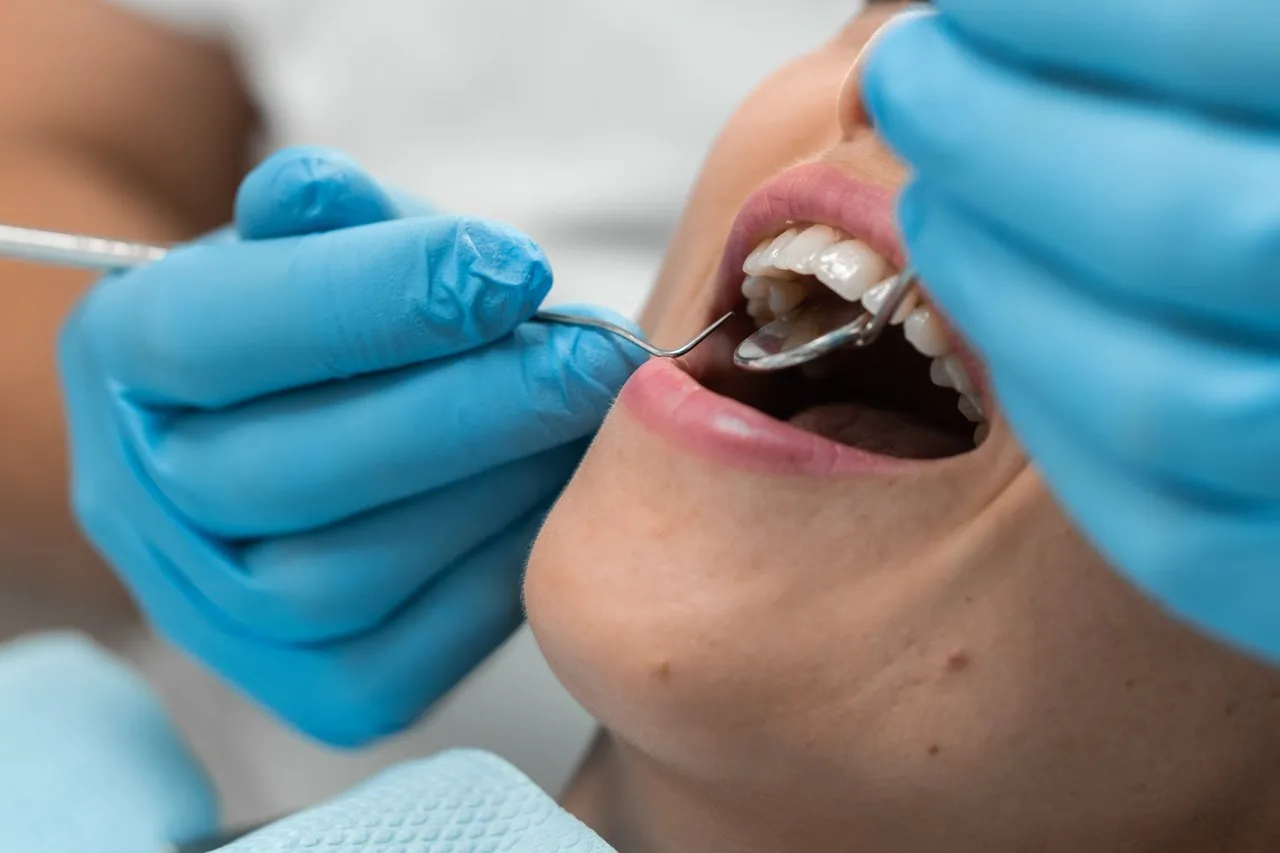
How composite fillings are applied
These modern dental fillings are inserted directly into the cavity of the tooth. The dentist thoroughly cleans the affected area, selectively removes decay where appropriate according to the clinical findings and depth, removes damaged layers of tooth, and shapes the filling in several layers. Each layer is cured with a special dental curing light, ensuring that the filling fits perfectly in the tooth.
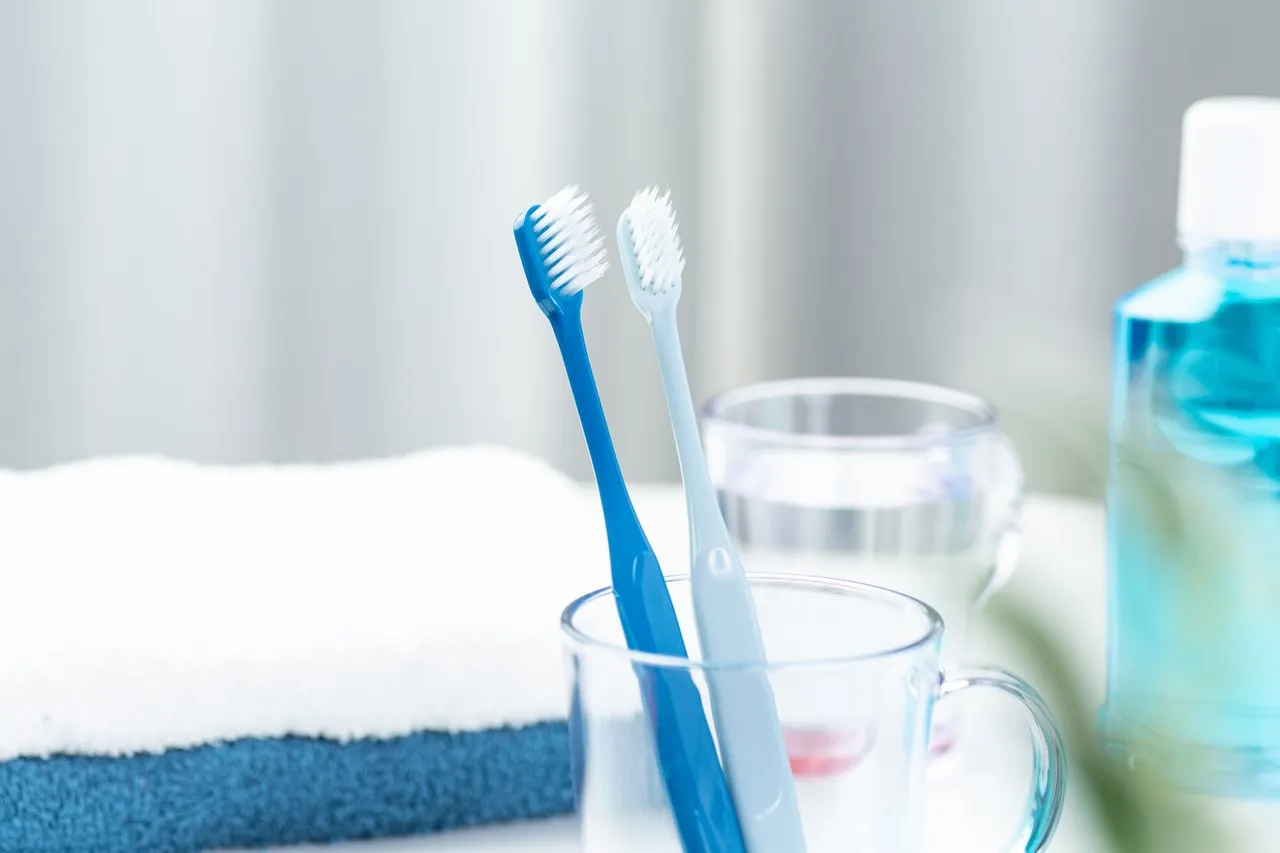
Caring for composite fillings
As with any dental filling, good oral hygiene is crucial to maximise the longevity of composite fillings. Regular tooth brushing, the use of dental floss and visits to the dentist for check-ups are essential to avoid the risk of tooth decay under the filling or further tooth damage.
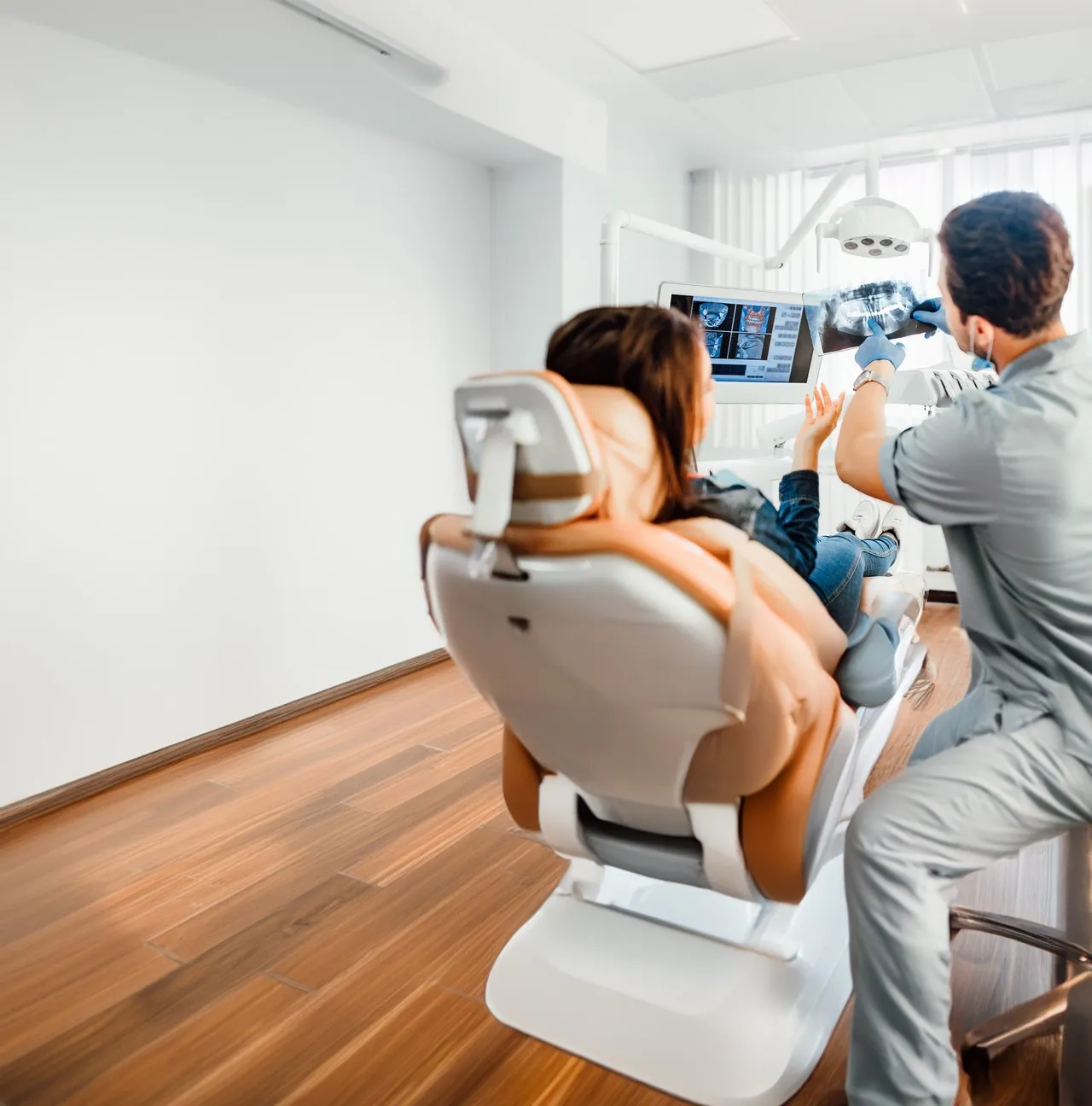
Cost of composite fillings
The cost of this type of filling varies depending on the size and location of the defect. In general, composite fillings offer an aesthetic and, to some extent, durable solution. In many cases, part of the cost is covered by statutory health insurance, particularly for medically necessary procedures. We can assist you with communications with your health insurer.

Conclusion
Composite fillings offer an excellent solution for dental restoration and are particularly appealing to patients with high aesthetic expectations. They provide not only a functional but also a visually appealing repair for the tooth. Although they can have some disadvantages, such as discolouration and wear, they offer one of the best options for modern dental treatments.
Further details on care and durability:
Following treatment with composite fillings, it is important for patients to monitor their dental health regularly. While composite fillings can last for many years with proper care and good oral hygiene, maintaining them requires slightly more attention than traditional materials. In terms of diet in particular, patients should take care not to consume too many strongly staining foods or drinks. Hard foods and sugar should also be consumed in moderation to minimise strain on the filling and prevent premature wear. Regular dental check-ups are also advisable to ensure that the composite filling remains in good condition. In some cases, after a longer period it may be necessary to replace the filling if it shows signs of cracks or wear. However, an experienced dentist can extend the life of the filling by carrying out a minor repair in good time.
10 FAQs about composite fillings:
These fillings are made from a mixture of plastics and fine ceramic particles and are used to repair damaged teeth.
They are particularly suitable for the front teeth, as they perfectly mimic the natural tooth colour and are barely visible.
Yes, they are durable and hard-wearing, but they can wear down over time under heavy chewing loads.
The cost of such a filling varies. We will draw up a detailed cost plan for you.
Yes, they can become discoloured over time through coffee or tea consumption or nicotine use.
With good care, such a filling can last for several years before it needs to be replaced.
The treatment is carried out under local anaesthesia and usually causes little pain.
Yes, they are inserted directly into the tooth and can be cured within a single appointment.
It is important to brush your teeth regularly and use dental floss. This helps ensure the durability of the filling.
Yes, they are a flexible solution for most dental problems. However, they are not always ideal for very large tooth defects or severe wear.