Crossbite – causes, consequences and modern treatment
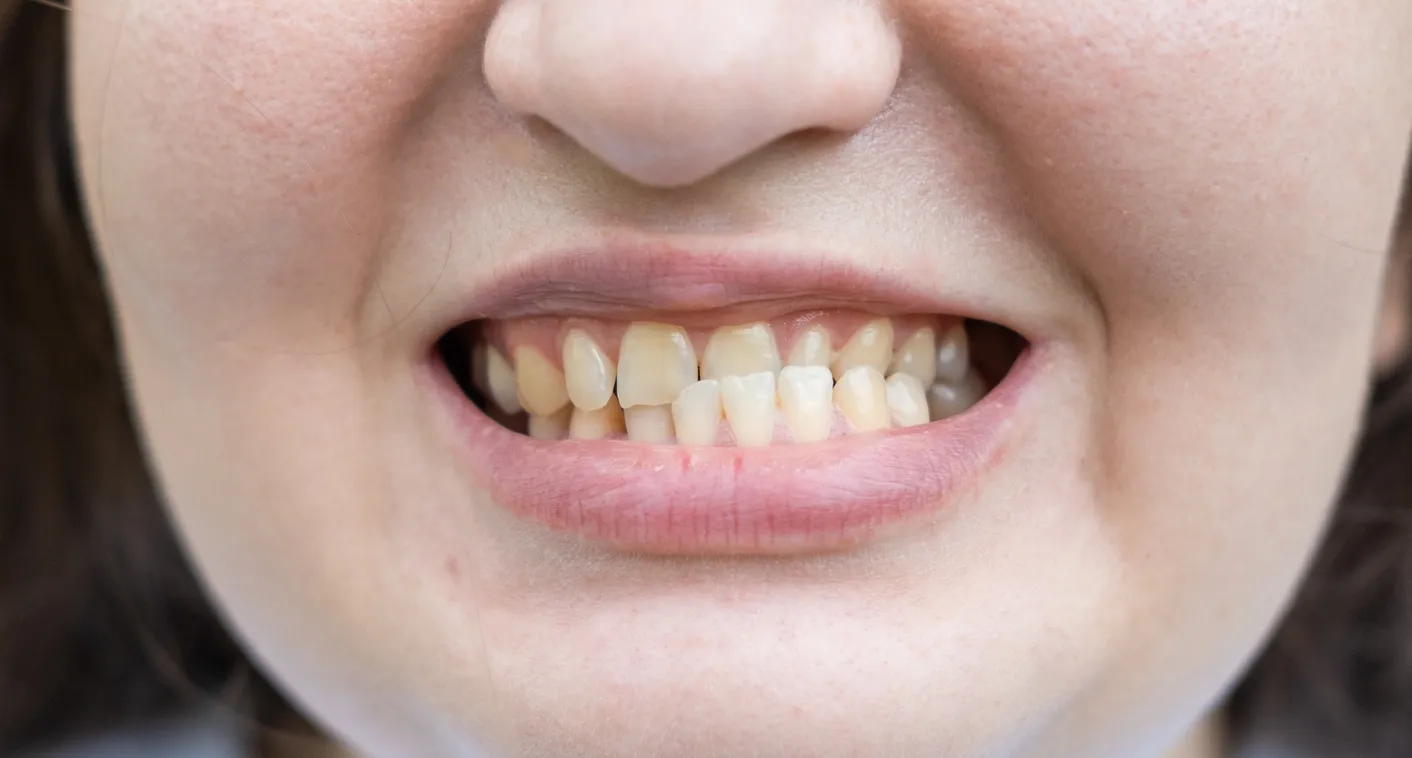
A crossbite is a misalignment of the teeth or jaws in which the upper teeth do not overlap the lower teeth. Instead, some or all of the teeth in the upper jaw sit inside the lower dental arch. This disrupted bite pattern can affect individual teeth,...
Über 350 Google-Bewertungen
The short answer
A crossbite is a misalignment of the teeth or jaws in which the upper teeth sit partially or completely inside the lower dental arch. It can contribute to tooth wear, temporomandibular joint problems and asymmetrical jaw growth. It is treated orthodontically, usually with fixed braces or aligners in adults; an orthodontic assessment determines the need and timing of treatment. Treatment generally takes one to three years.
- Duration
- Generally 1–3 years, depending on severity and the method chosen
- Treatment
- Fixed braces, removable braces or transparent aligners – depending on the findings
- Start of treatment
- An orthodontic assessment during childhood can help determine suitable timing; correction may also be possible following assessment in adulthood
The course and outcome of treatment vary from person to person; an orthodontic diagnosis and personal consultation are required.
What is a crossbite?
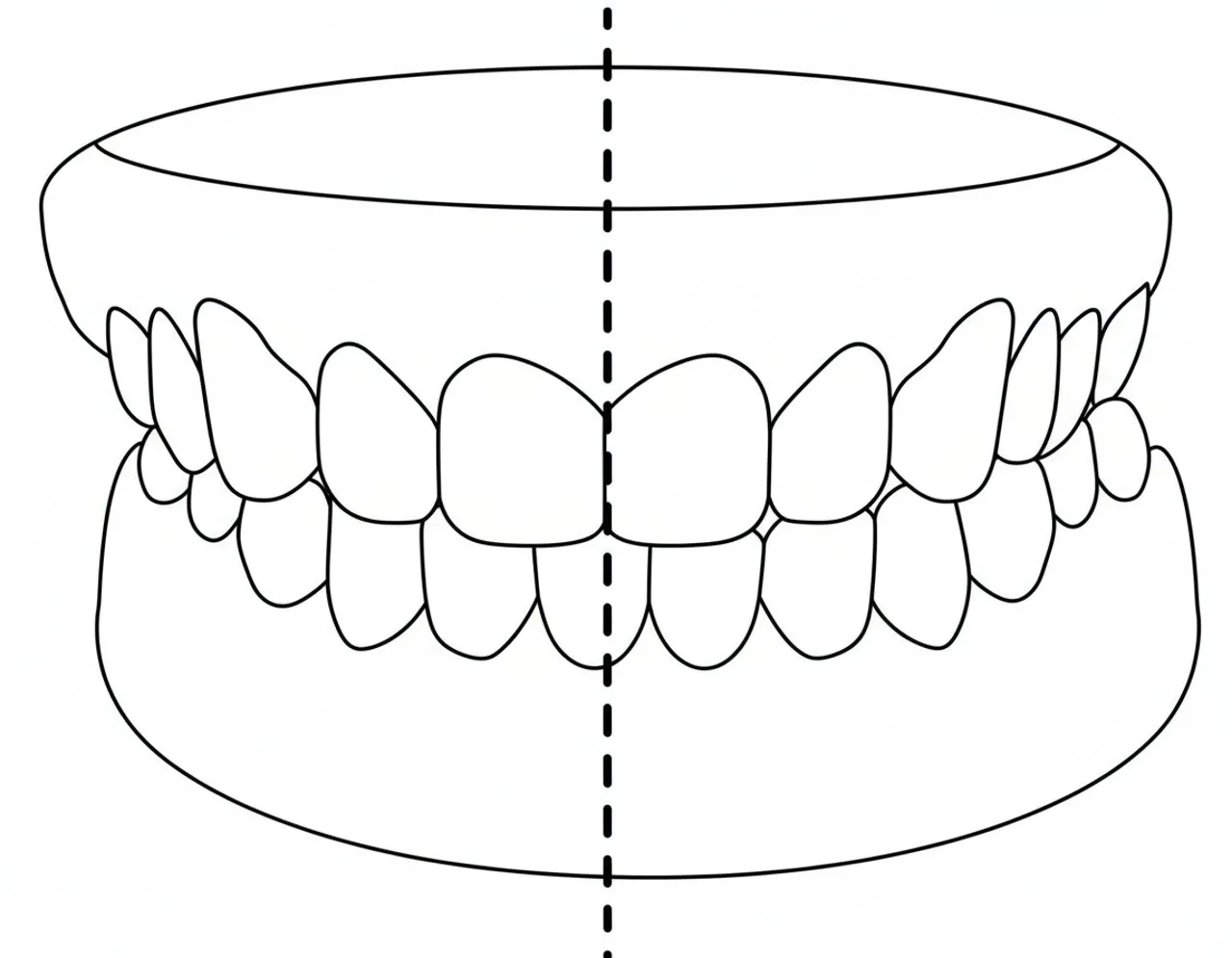
A crossbite can occur in both the anterior and posterior regions. In the anterior region, one or more incisors are often affected. In the posterior region, meanwhile, the upper posterior teeth are not positioned correctly above the lower posterior teeth. A distinction is also made between unilateral and bilateral forms.
Causes of a crossbite
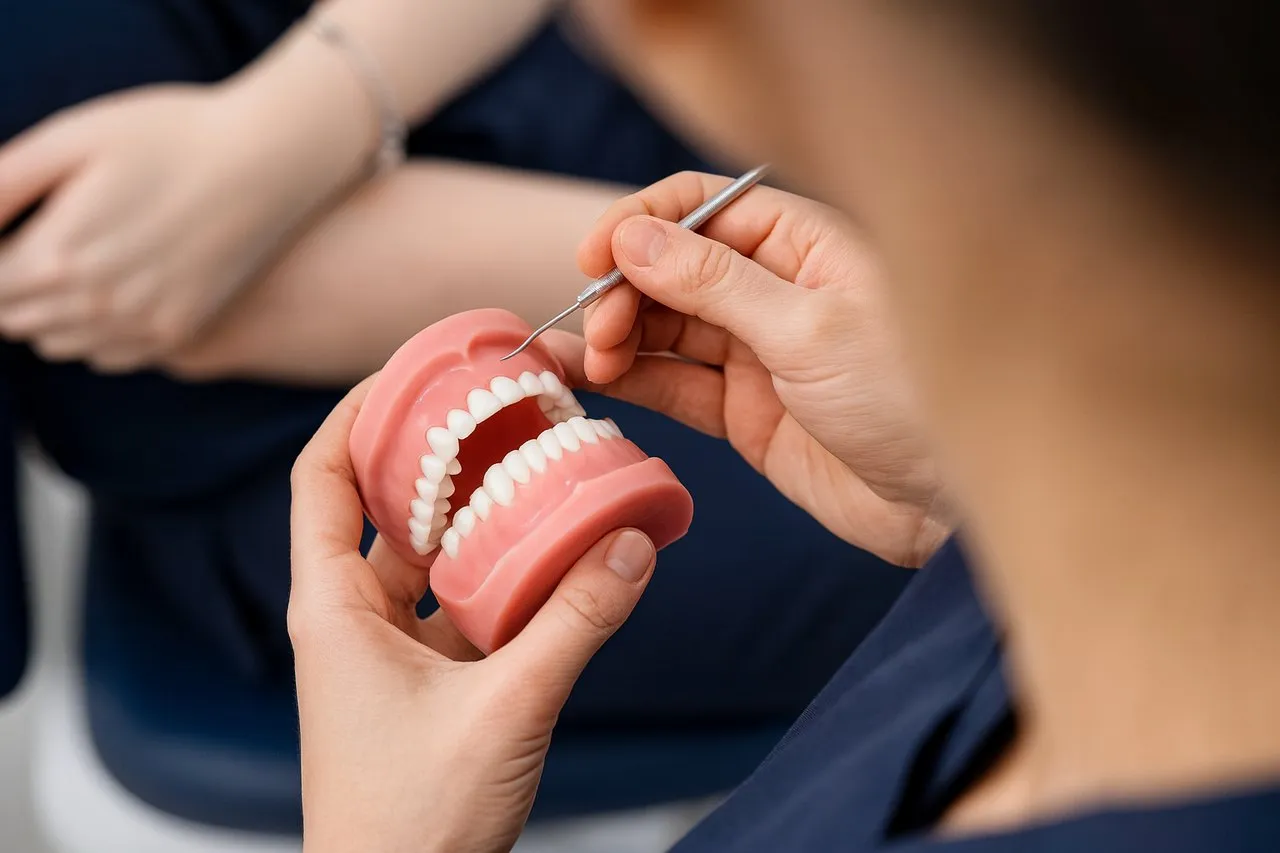
This type of misalignment can have various causes. Genetic factors that influence the growth of the upper and lower jaws are often involved. Asymmetrical jaw development during growth can also lead to jaw misalignment. Other causes include habits such as thumb-sucking or prolonged mouth breathing, which can adversely affect jaw growth. A crossbite is not always noticed early. It is often not recognised until adolescence or even adulthood. In adults, however, the consequences are usually more pronounced because the misalignment has become established over many years.

Consequences of a crossbite
This type of misalignment should not be treated for aesthetic reasons alone, but above all for functional reasons. The angled bite places uneven strain on the teeth. In the long term, this leads to increased wear and damage to the tooth enamel. Temporomandibular joint problems, tension in the chewing muscles and, in some cases, even headaches can also result. In children, a crossbite can permanently affect jaw growth and lead to asymmetrical facial development. In adults, by contrast, loose teeth or tooth migration occur more frequently. Targeted treatment is therefore advisable at any age.
Crossbite treatment in childhood
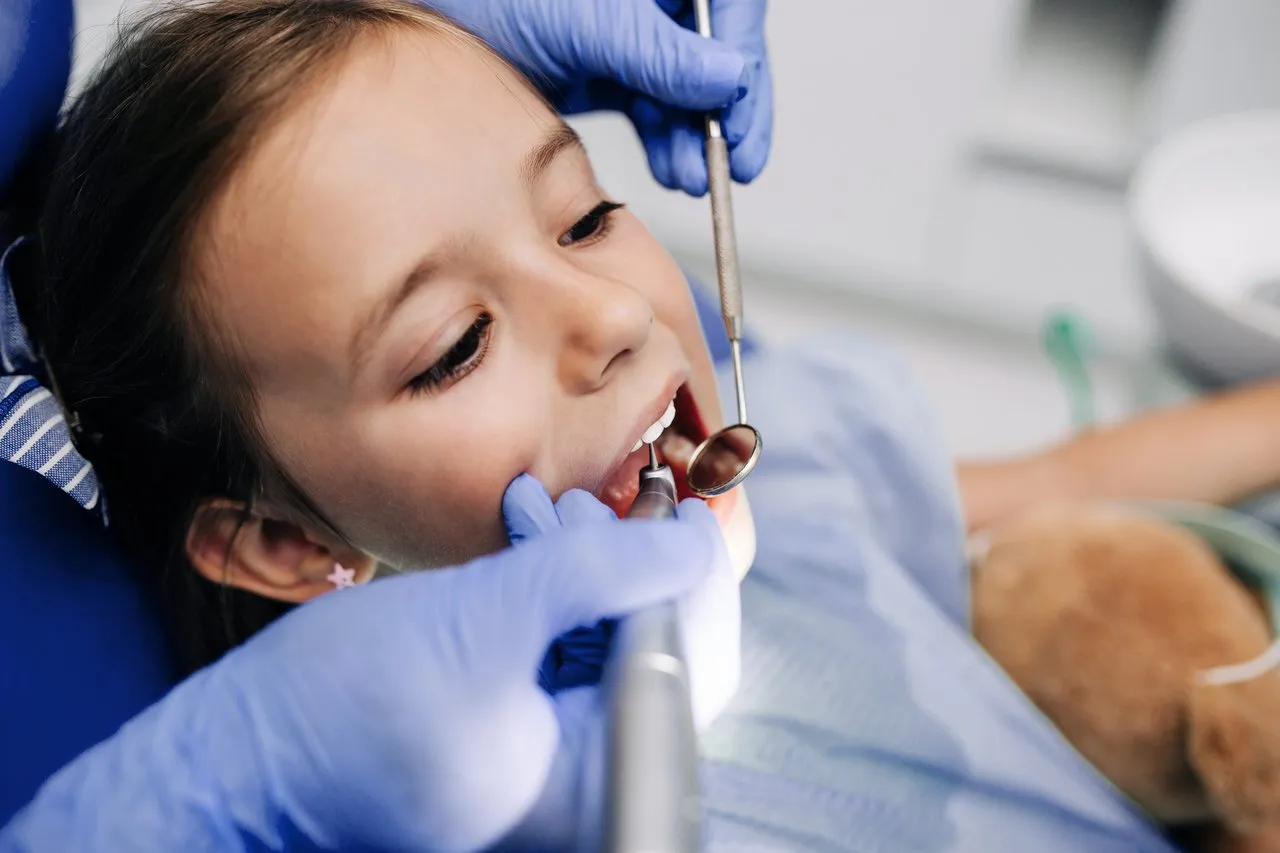
The earlier this type of misalignment is detected, the simpler treatment tends to be. In children and adolescents, jaw growth can still be influenced in a targeted way. Special orthodontic appliances can be used to widen the upper jaw and establish a correct bite. Removable braces are often used here because they can gently guide jaw growth. If a crossbite is successfully treated in childhood, later functional problems and aesthetic impairment can be effectively avoided.
Crossbite in adults
In adults, correction usually requires more complex measures because jaw growth is complete. In many cases, fixed braces are needed to move the teeth in a targeted way. Severe misalignment may require a combination of orthodontic treatment and jaw surgery. Nevertheless, the prospects of success are very good in adults too. Thanks to modern braces, aligner systems and precise planning, even long-standing misalignments can be corrected. This restores both the function and appearance of the teeth.
Crossbite – which brace is right?
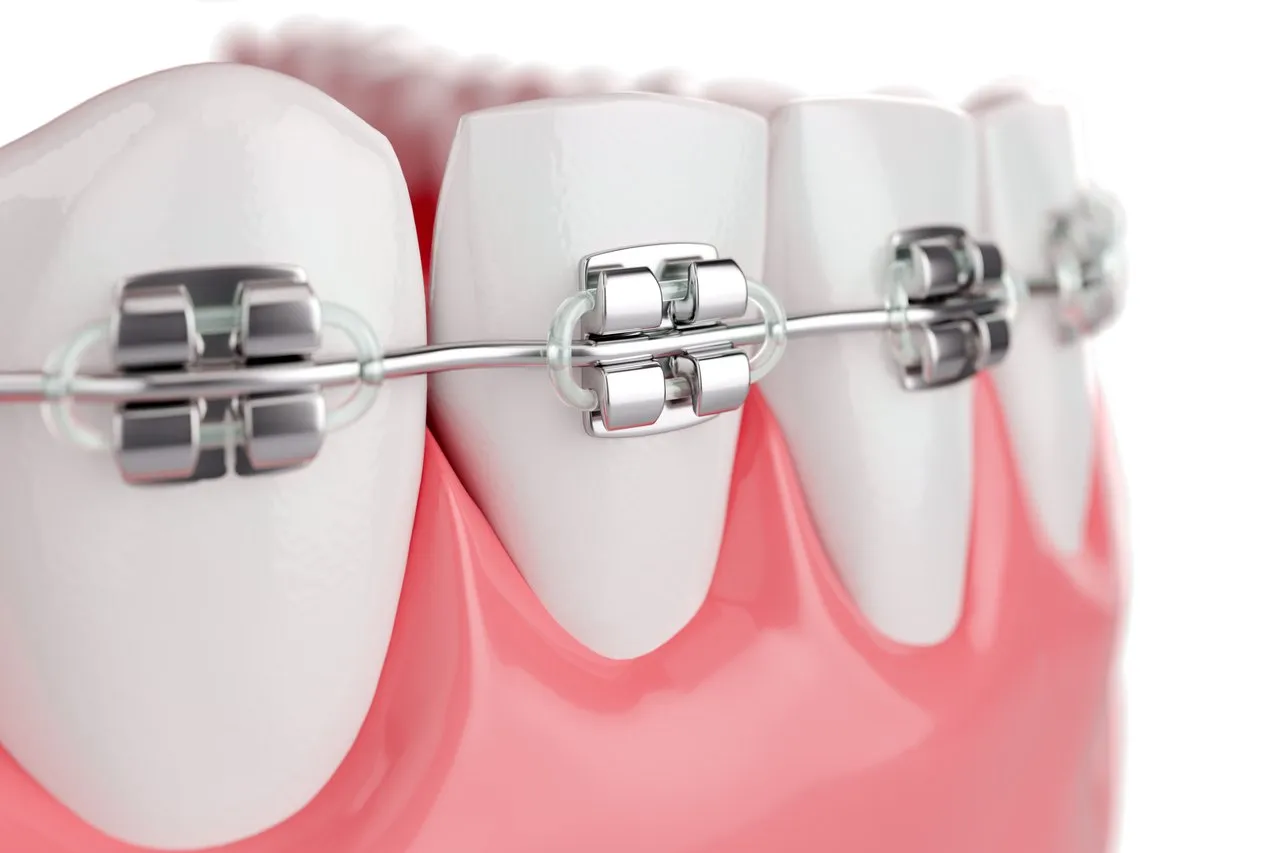
Many patients would like to know which type of brace is most suitable. The answer depends on the individual situation. For mild forms of crossbite, clear aligners can be an aesthetically pleasing and comfortable solution.
For more complex cases, fixed braces are often the most effective method. They enable precise movements of individual teeth and groups of teeth. The aim of a brace is to move the teeth into a stable position. In addition, the chewing load is distributed evenly and jaw function is optimised. Individual planning allows the appropriate method to be selected for each patient.
Modern methods of crossbite treatment
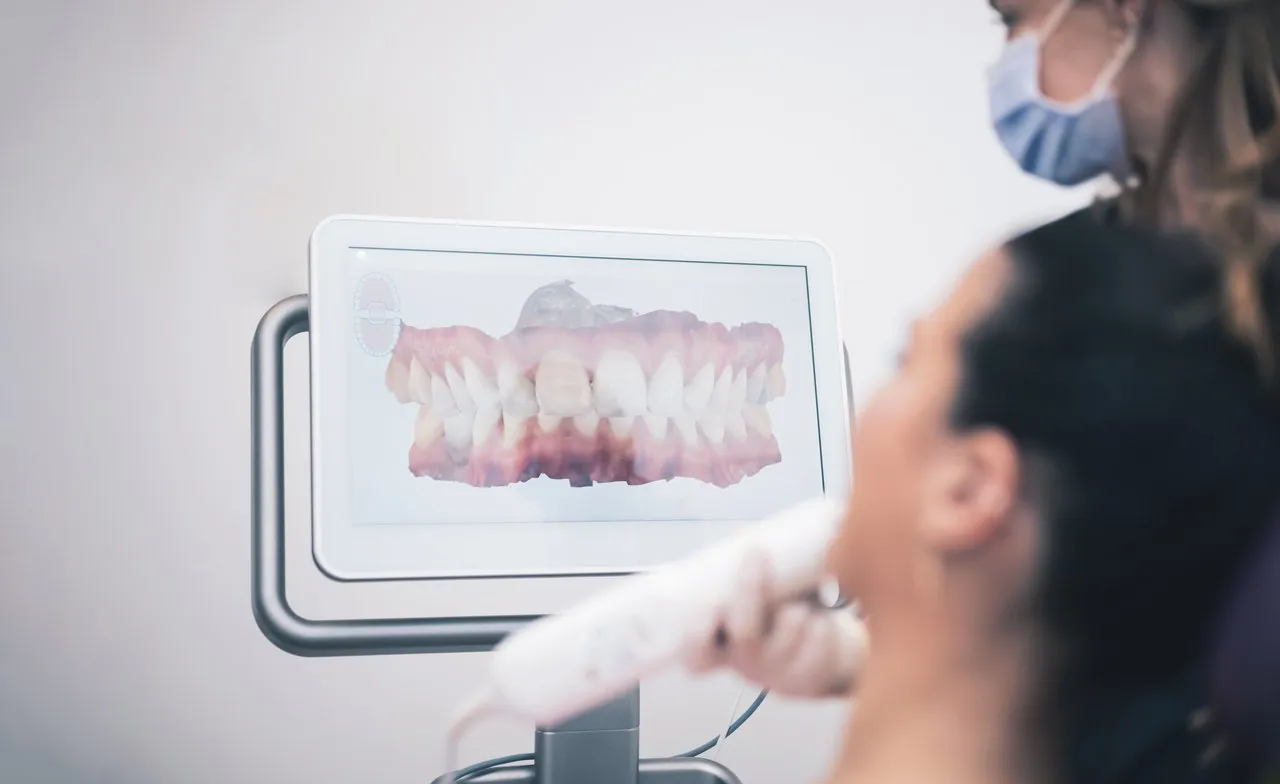
Modern orthodontics offers a wide range of treatment options that are tailored to the individual patient. Digital diagnostics, 3D imaging and computer-aided treatment planning make it possible to simulate treatment precisely and achieve predictable results. This means that it is now possible to correct misalignment not only functionally but also with optimal aesthetic results. Patients benefit from shorter treatment times, greater comfort and long-term stable results.
Conclusion – why treating a crossbite is important
A crossbite is more than a cosmetic irregularity. Depending on individual findings, it can lead to functional problems, discomfort in the jaw joint and long-term damage to the teeth. Targeted assessment and treatment may therefore be advisable in both childhood and adulthood, with the timing and approach depending on the individual case. We tailor treatment to the individual needs of our patients.
At the Wunschlachen practice, we attach great importance to providing each patient with a thorough consultation. Our aim is not only to correct the position of the teeth, but also to safeguard the health of the masticatory system.
Frequently asked questions (FAQ) about crossbites
A misalignment of the teeth or jaws in which the upper teeth do not sit over the lower teeth. Some of them sit inside the lower dental arch.
The misalignment may be genetic or caused by habits such as thumb-sucking or mouth breathing.
An orthodontic examination will determine whether and when treatment is needed.
This misalignment can lead to tooth wear, temporomandibular joint problems, uneven strain and asymmetrical jaw growth.
Ideally as early as possible in childhood, when jaw growth can still be influenced in a targeted way.
Yes, it can also be successfully corrected in adults. This is usually done with fixed braces or aligners.
The choice depends on the individual situation. Fixed braces, removable braces or transparent aligners may be used.
The duration varies depending on severity and the method chosen, and is generally between one and three years.
A slight feeling of pressure may occur, but the treatment itself is painless and well tolerated.
Because this misalignment can lead to functional problems, tooth damage and jaw problems in the long term. Depending on the crossbite and individual findings, an early orthodontic assessment and appropriately timed treatment can help support healthy teeth and stable jaw function.