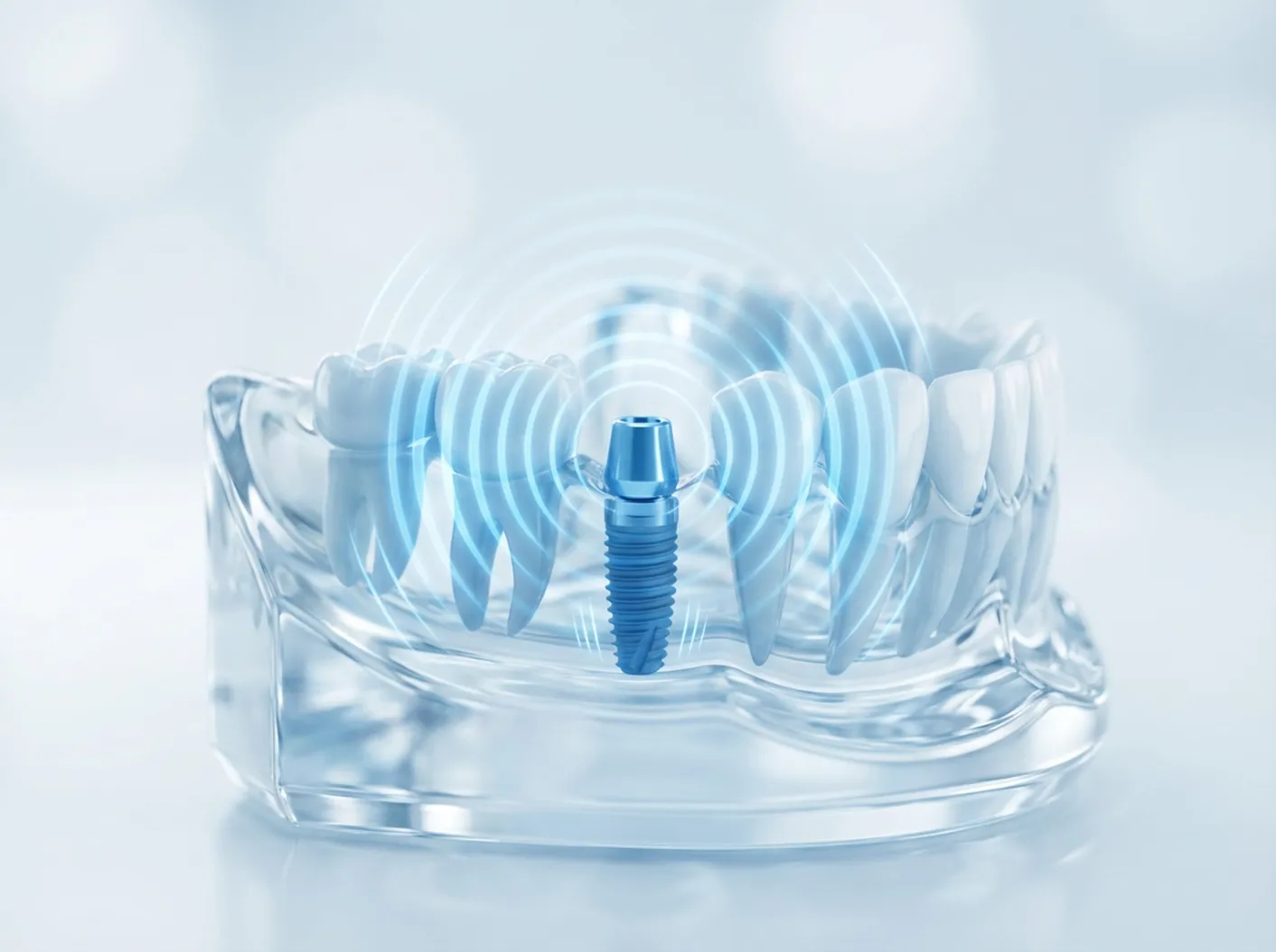
Severe pain after dental implant exposure
Severe pain after dental implant exposure worries many patients. Exposure is usually a minor procedure. Nevertheless, the tissue is sensitive. At Wunschlachen, we assess symptoms promptly. We distinguish normal healing from complications. This helps ensure the success of your treatment.
Über 350 Google-Bewertungen
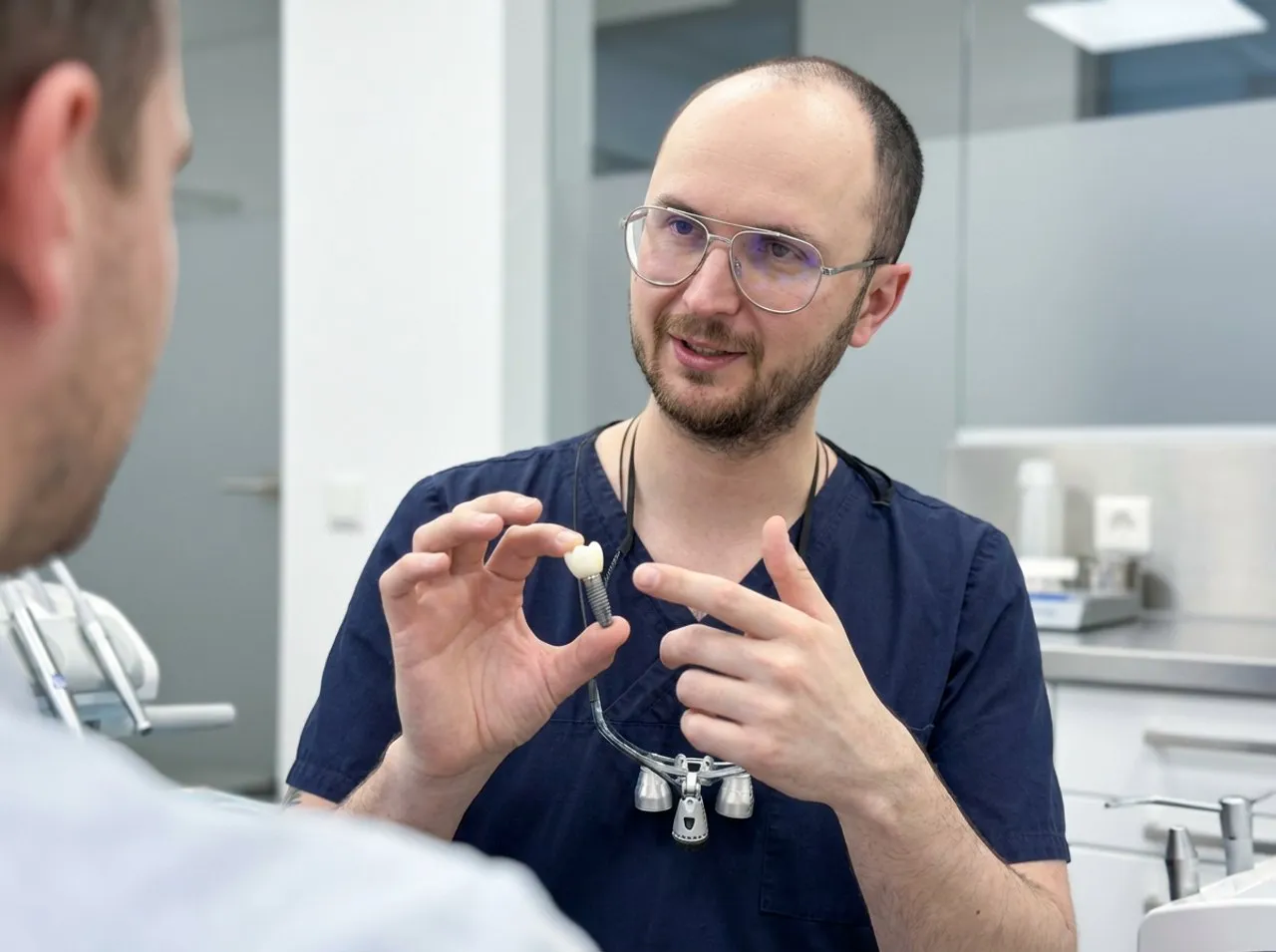
What does dental implant exposure involve?
During exposure, the healed implant is uncovered. A gingiva former is often then fitted. This shapes the soft tissue for the subsequent crown. The procedure is usually the second surgical phase. It is carried out under local anaesthetic. Only minimal strain is placed on the bone.
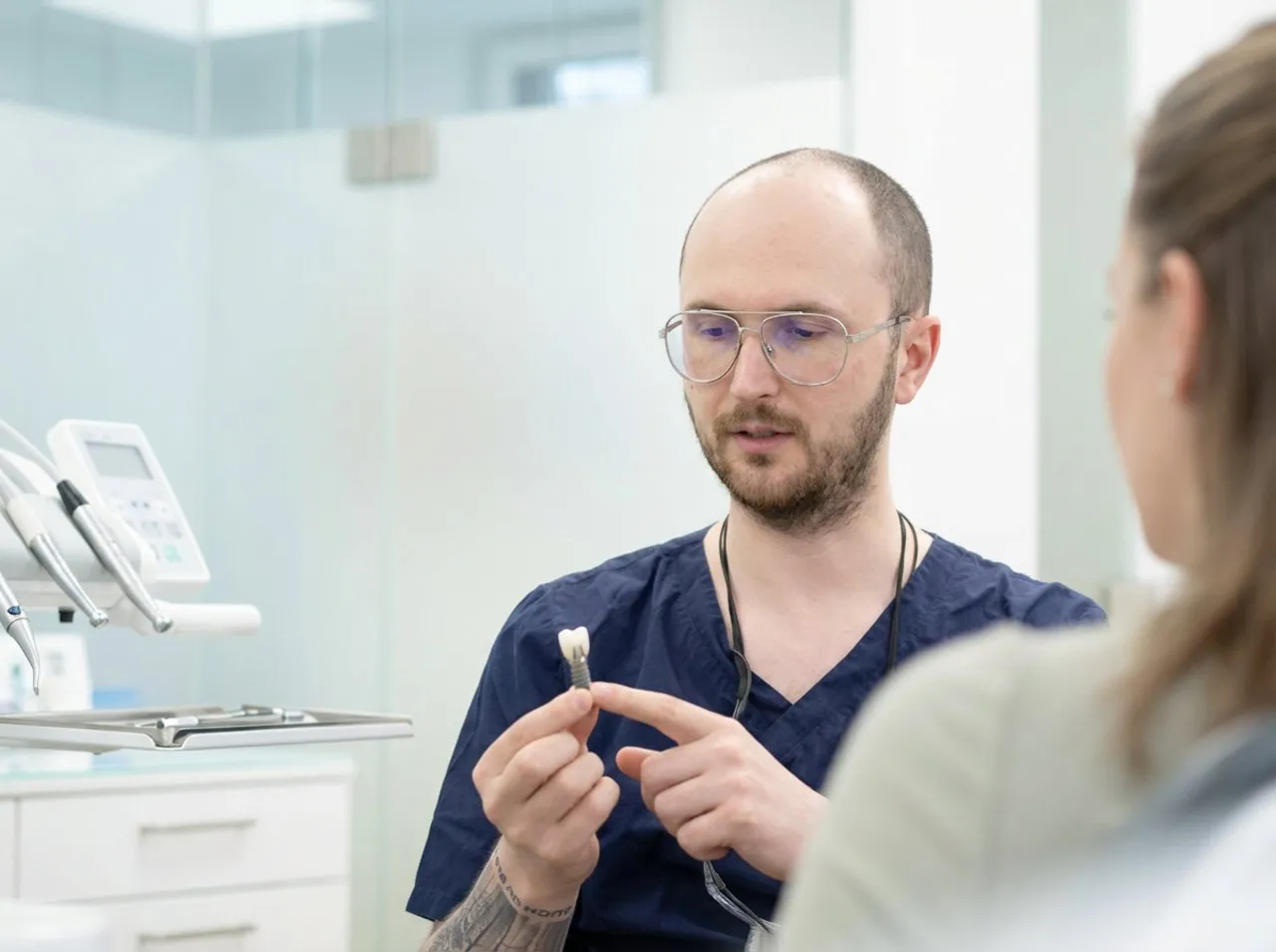
Dental implant exposure duration: How long does the procedure take?
Dental implant exposure often takes only a short time. Many appointments last around 15 to 30 minutes. The extent and location of the procedure determine how long it takes. Additional sutures are sometimes needed. Minor corrections to the mucosal flap are also possible. This makes the appointment longer.
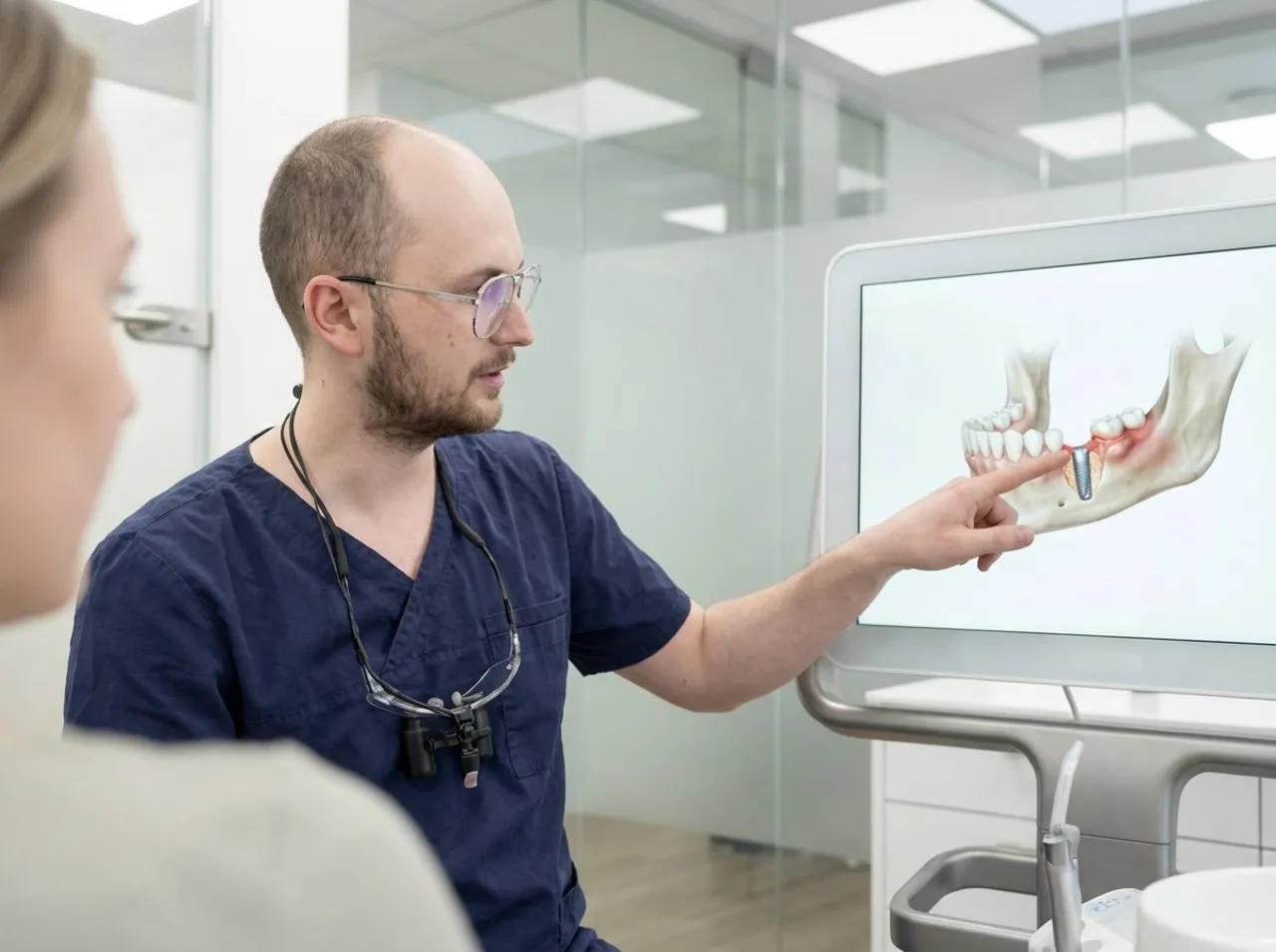
Dental implant exposure pain: What is normal?
Pain after dental implant exposure is possible during the first few days. Patients often feel pressure or wound pain. Slight swelling is also typical. The pain usually subsides within 48 hours. You should then start to feel better. A slight pulling sensation at the sutures is normal.
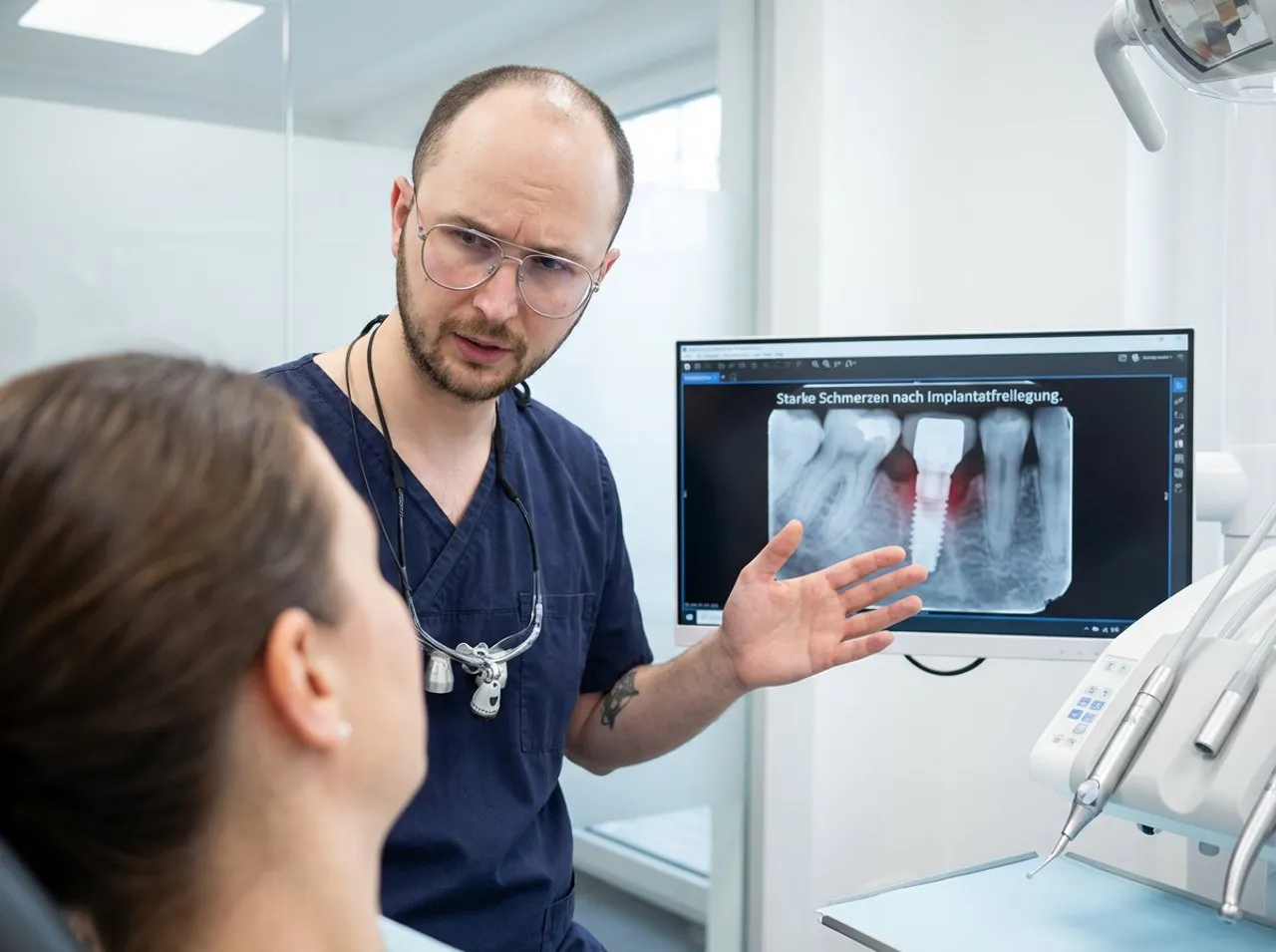
Severe pain after dental implant exposure: Common causes
Severe pain is not always typical of the usual healing process. It is often caused by local irritation. In some cases, inflammation is present. Typical causes include a gingiva former that is too high or tension on the sutures. A haematoma can also create pressure. More rarely, nerve irritation may be involved.
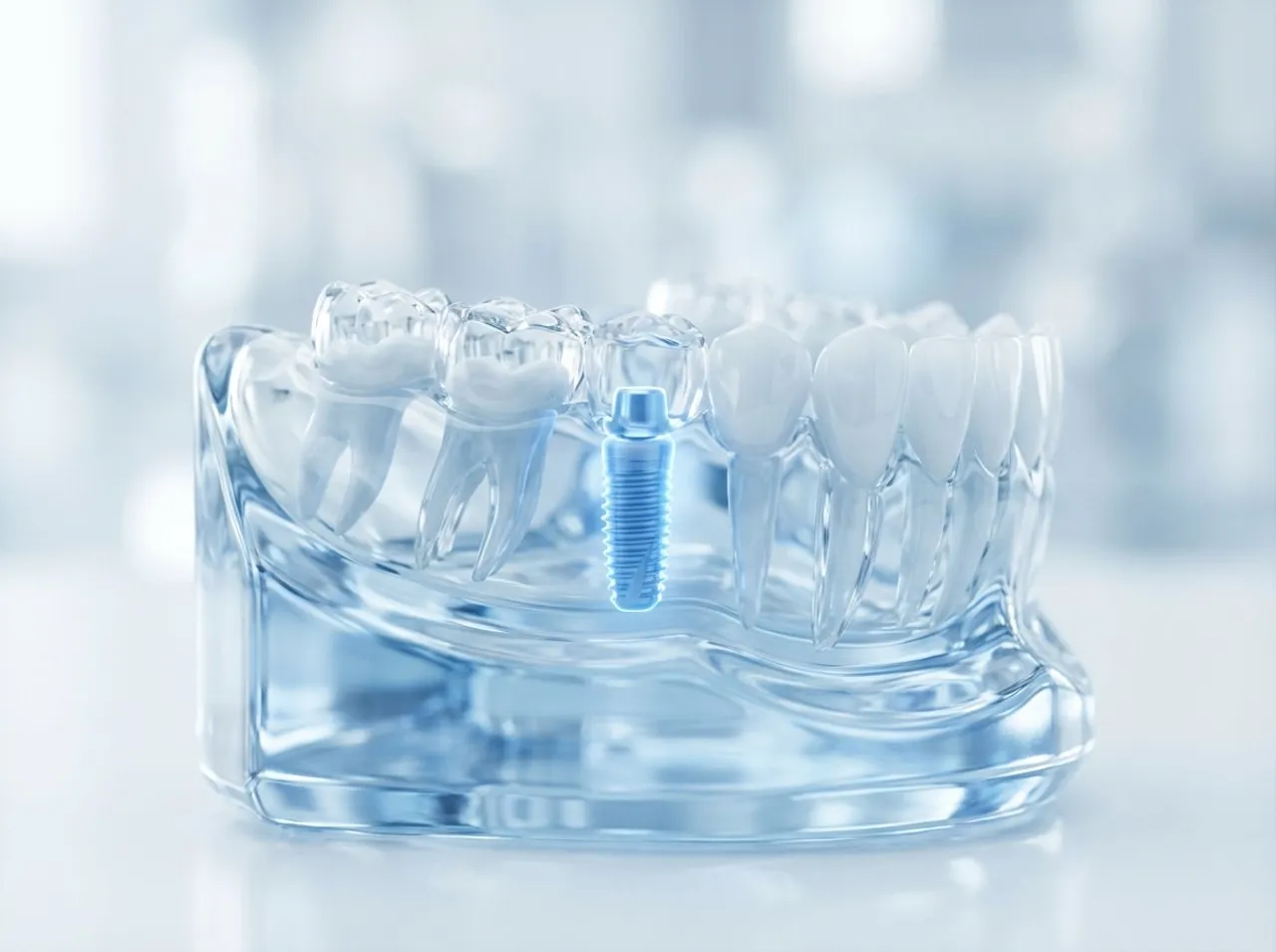
Gingiva former pain: When the abutment presses
Gingiva former pain is often caused by mechanical pressure. The soft tissue has to adapt to the abutment. Temporary sensitivity to pressure is possible. Pain that continually gets worse is a cause for concern. The abutment may be too high. Trapped mucosa is another possibility.
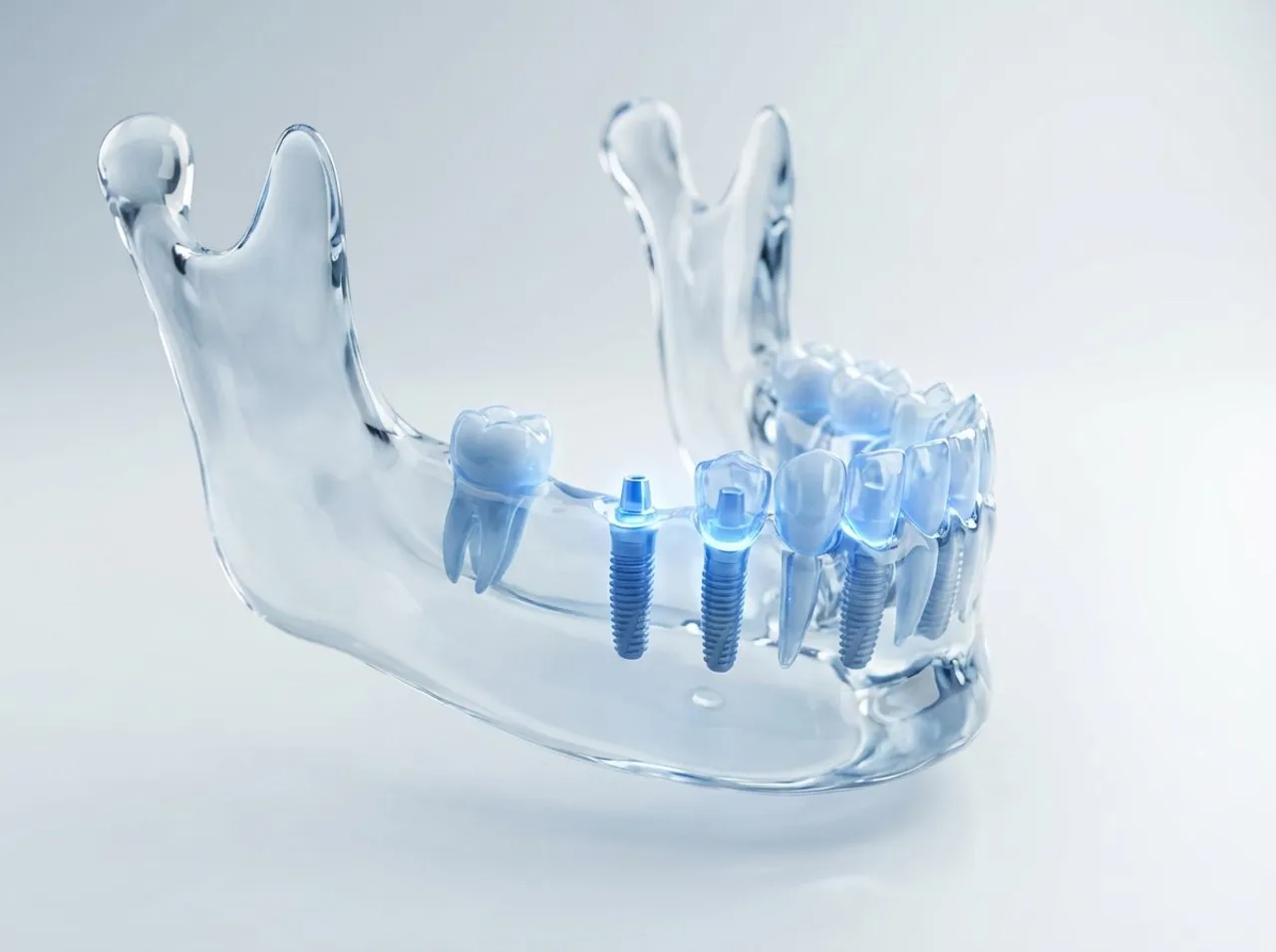
Recognising inflammation after dental implant exposure
Inflammation after dental implant exposure often causes redness and warmth. More pronounced swelling is also common. Pus may sometimes be discharged. General symptoms are also warning signs. These include fever and feeling very unwell. Such signs indicate an infection. Slight swelling is to be expected. Increasing symptoms should be assessed.
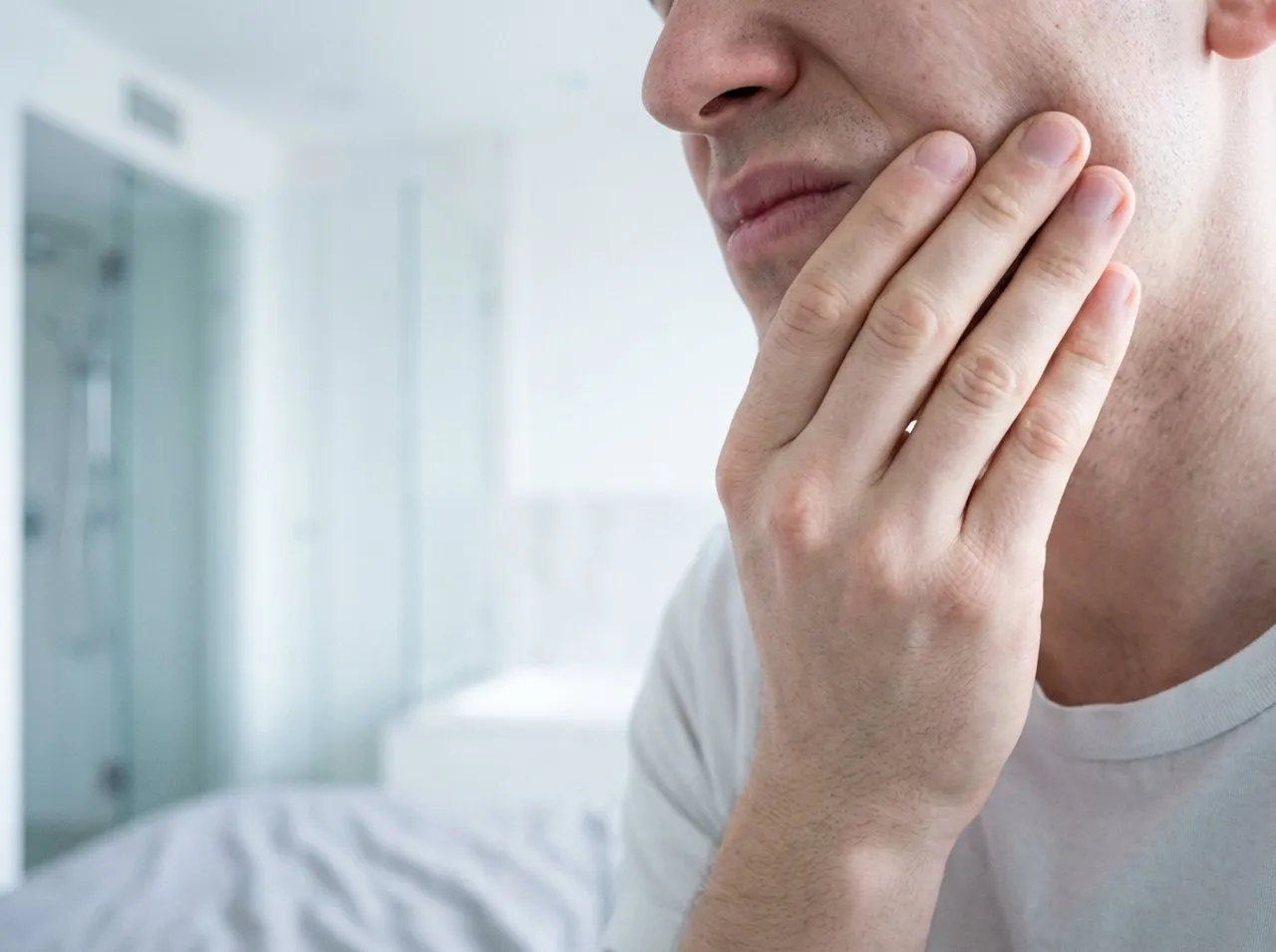
Dental implant exposure pain: When is it an emergency?
Seek help immediately if you experience severe bleeding. The same applies to breathing difficulties. These situations are rare. Contact us promptly if swelling increases. Pus, fever or an unpleasant taste are also serious. The same applies to numbness or tingling. Implant mobility is equally important. A loose implant is a warning sign. Rapid diagnosis is then required.

Eating after dental implant exposure: What is advisable?
You should eat soft foods initially after dental implant exposure. Chew on the opposite side wherever possible. This protects the sutures and gingiva former. Avoid very hot food on the day of the operation. Also avoid crumbly foods. Seeds and grains can irritate the wound. Drink plenty of water. Avoid alcohol for the first few days. Nicotine significantly delays wound healing.
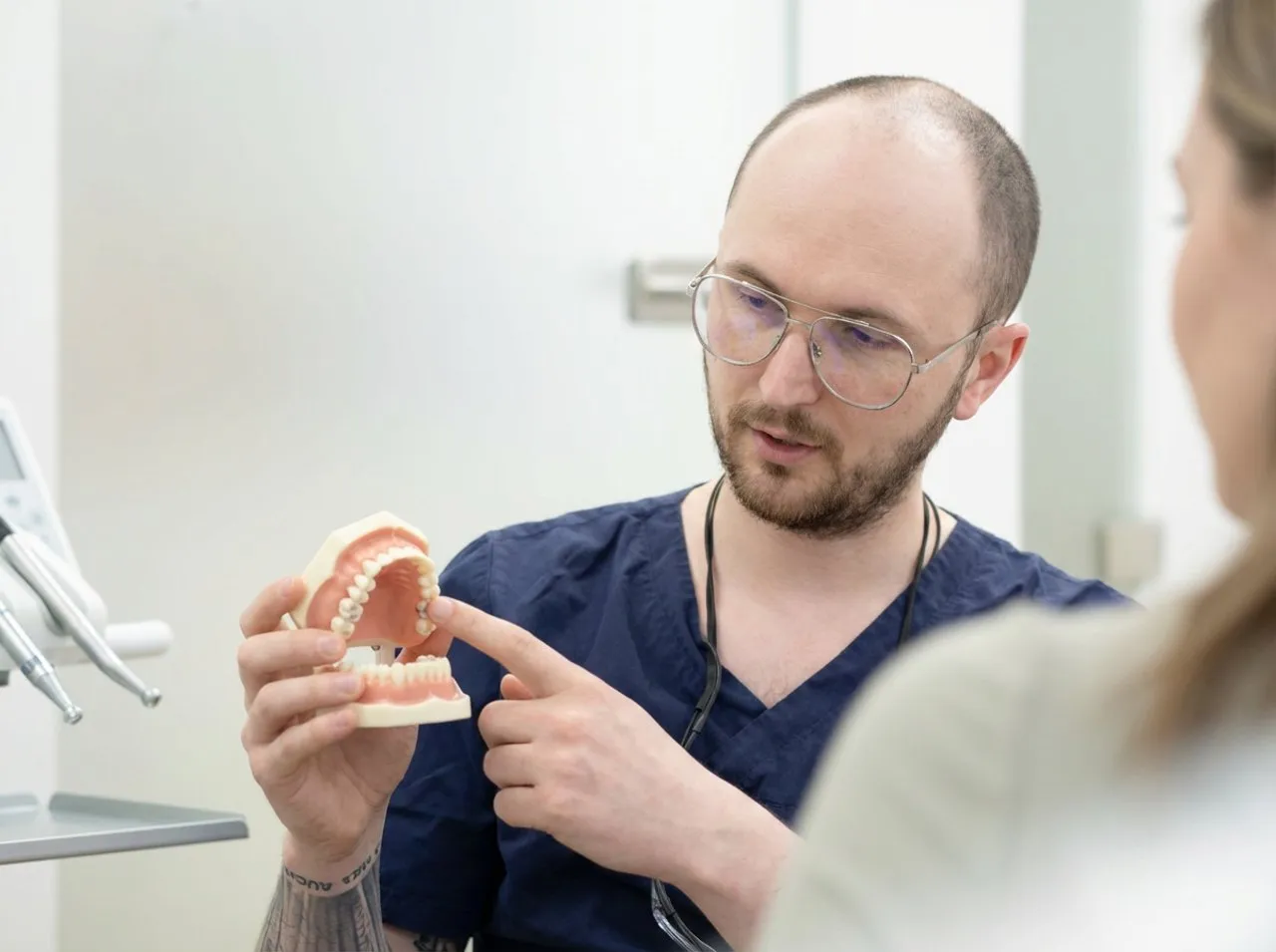
Pain management and local care
Only take painkillers as recommended by your doctor or dentist. Anti-inflammatory medicines are often suitable. Be aware of contraindications. Apply cooling at ten-minute intervals. Never place anything cold directly on your skin. This prevents cold injuries. Clean your teeth carefully but gently. Use a soft brush around the surgical site. Mouthwashes are only advisable for short-term use.
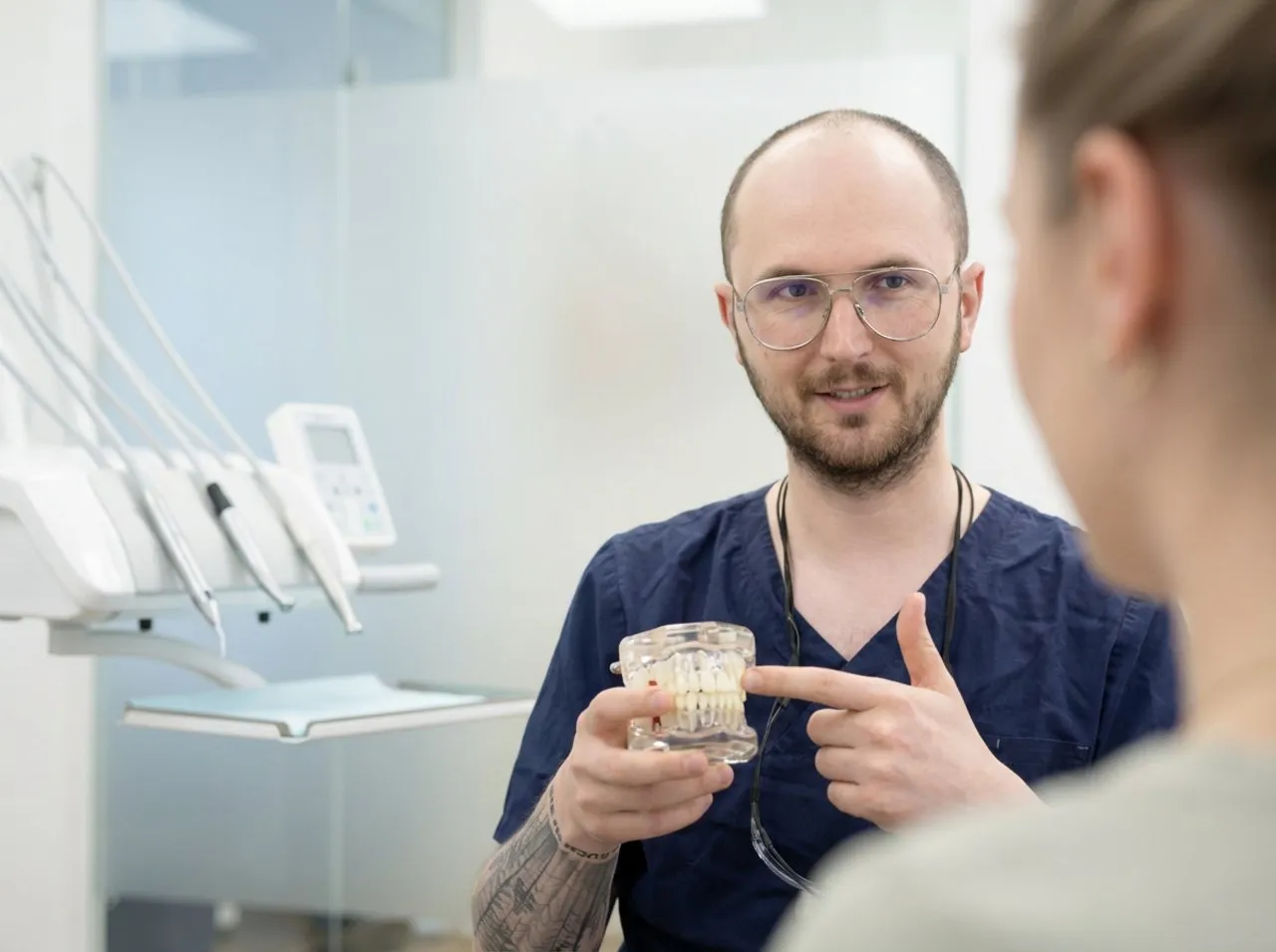
How long does it take to be symptom-free after dental implant exposure?
Many patients feel considerably better after just a few days. Some residual sensitivity may last longer. This is particularly true with thin mucosa. The sutures are often removed after about a week. The tissue is usually less sensitive afterwards. However, the final shaping takes longer.

When is the crown fitted after dental implant exposure? The right timing
The impression is usually taken after the soft tissue has healed. This often takes one to two weeks. The exact timing depends on the clinical findings. The gingiva former also plays a role. We only plan the crown once conditions are stable.

How to actively avoid complications
Attend all your follow-up appointments without fail. Avoid sport and heavy lifting initially. This reduces the risk of bleeding. Brush regularly but without applying pressure. Only use interdental cleaning aids once you have been advised to do so. This helps prevent peri-implant inflammation. Look out for warning signs during the first few days. Make a note of how any pain and swelling develop. This helps with the assessment.

Conclusion: Severe pain requires assessment
Severe pain after dental implant exposure is not something to ignore. There is often a treatable cause. An early examination prevents subsequent damage. At Wunschlachen, you will receive a structured assessment. We provide treatment based on clinical findings and guidelines. Our aim is a resilient implant with a stable crown.
FAQ: Frequently asked questions about dental implant exposure
It may hurt for a short time. Increasing pain should be checked.
Mild wound pain is possible. Any deterioration is a cause for concern.
The abutment often presses on the mucosa. Sometimes it is too high.
Redness, pus or fever are warning signs. You should then come in immediately.
Many procedures take 15 to 30 minutes. The extent and location are decisive factors.
Soft foods are advisable initially. Chew on the opposite side wherever possible.
Come in immediately if you have a fever, pus or severe swelling. Numbness also requires assessment.
The mucosa often settles down after a week. The shaping takes longer.
Often after one to two weeks of soft-tissue healing. The clinical findings determine the timing.
A pulling sensation at the sutures is possible. Any movement of the implant is never normal.