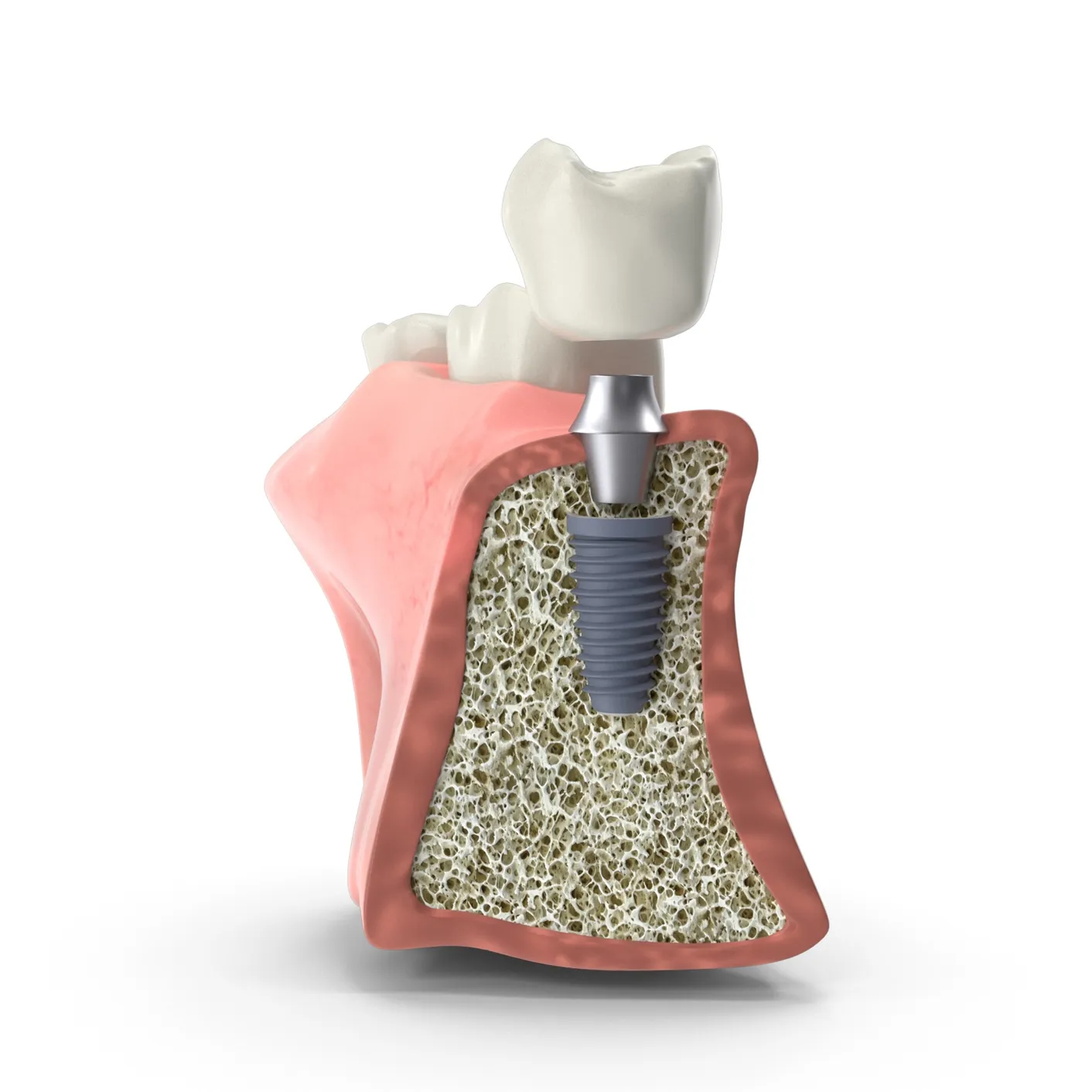
The longevity of dental implants: What you need to know
Dental implants are one of the best solutions for replacing missing teeth long term. But how long do dental implants really last? Which factors affect their longevity? In this article, we address these questions and explain what you can expect from dental implants.
Über 350 Google-Bewertungen
How long does an implant really last?
With proper care, dental implants can last for many years, but there is no fixed or guaranteed lifespan. The implant fixture and the attached prosthetic components should be considered separately. Key factors include oral hygiene, bone quality, general health and the material used; smoking and untreated inflammation can significantly shorten their lifespan.
- Longevity
- Can last for many years with good care; no fixed lifespan applies, and the implant fixture and attached restoration should be considered separately
- Influencing factors
- Oral hygiene, quality of the jawbone, general health, material and smoking
- Good to know
- Age is not an exclusion criterion – the key factors are a stable jawbone and state of health; implants in the upper and lower jaws have comparable longevity
How long an implant lasts varies from person to person; regular care and check-ups at the practice support long-term maintenance.
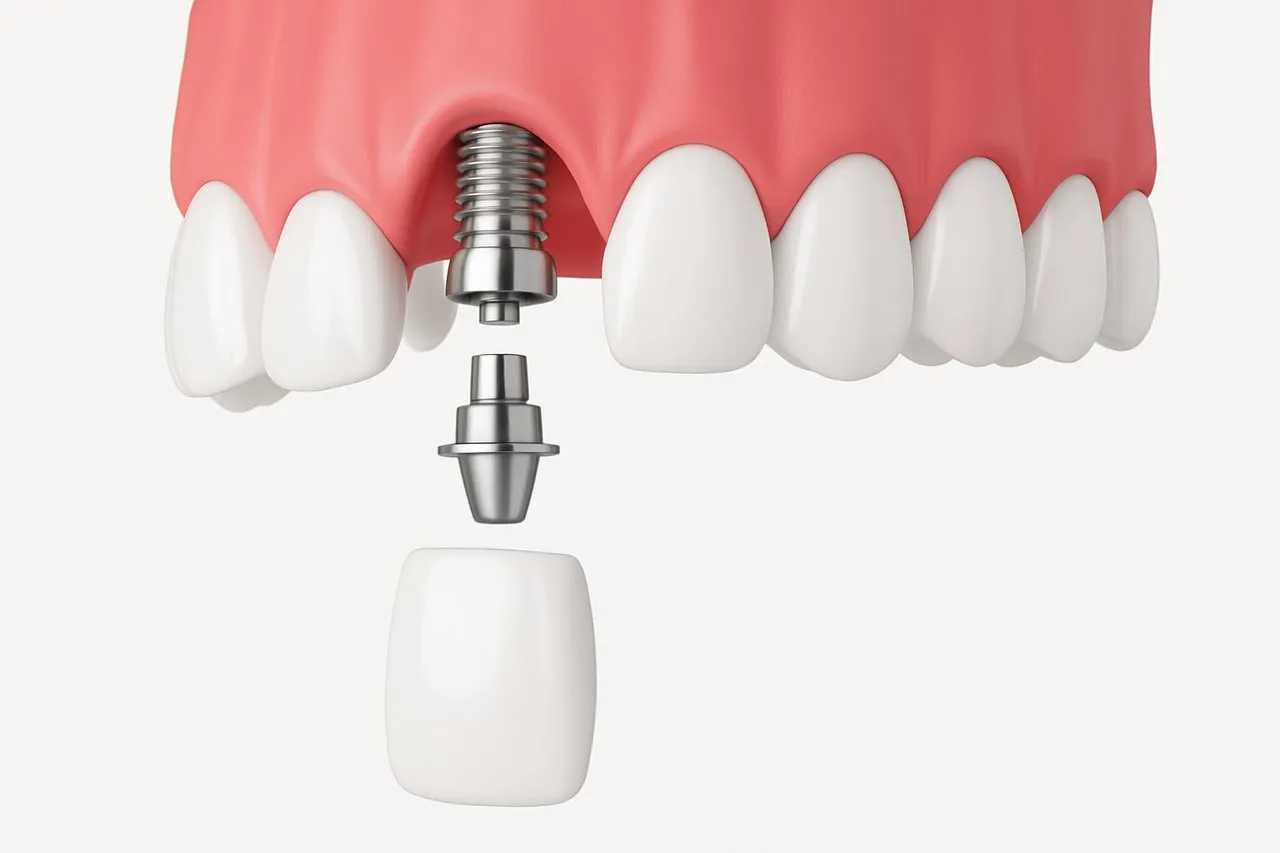
How long does an implant last in the mouth?
How long dental implants last is a frequently asked question. Patients want to know whether an implant is a permanent solution. In general, dental implants can last for many years and, with proper care, potentially for life. How long an implant lasts varies from person to person and depends on several factors. These include oral hygiene, the quality of the jawbone and the patient's general health. The quality of the materials used, the precision of the surgical procedure and aftercare are also important. It is important to distinguish the implant itself, which is anchored in the jawbone, from the crown or other prosthetic components attached to it, as these may require maintenance or replacement.
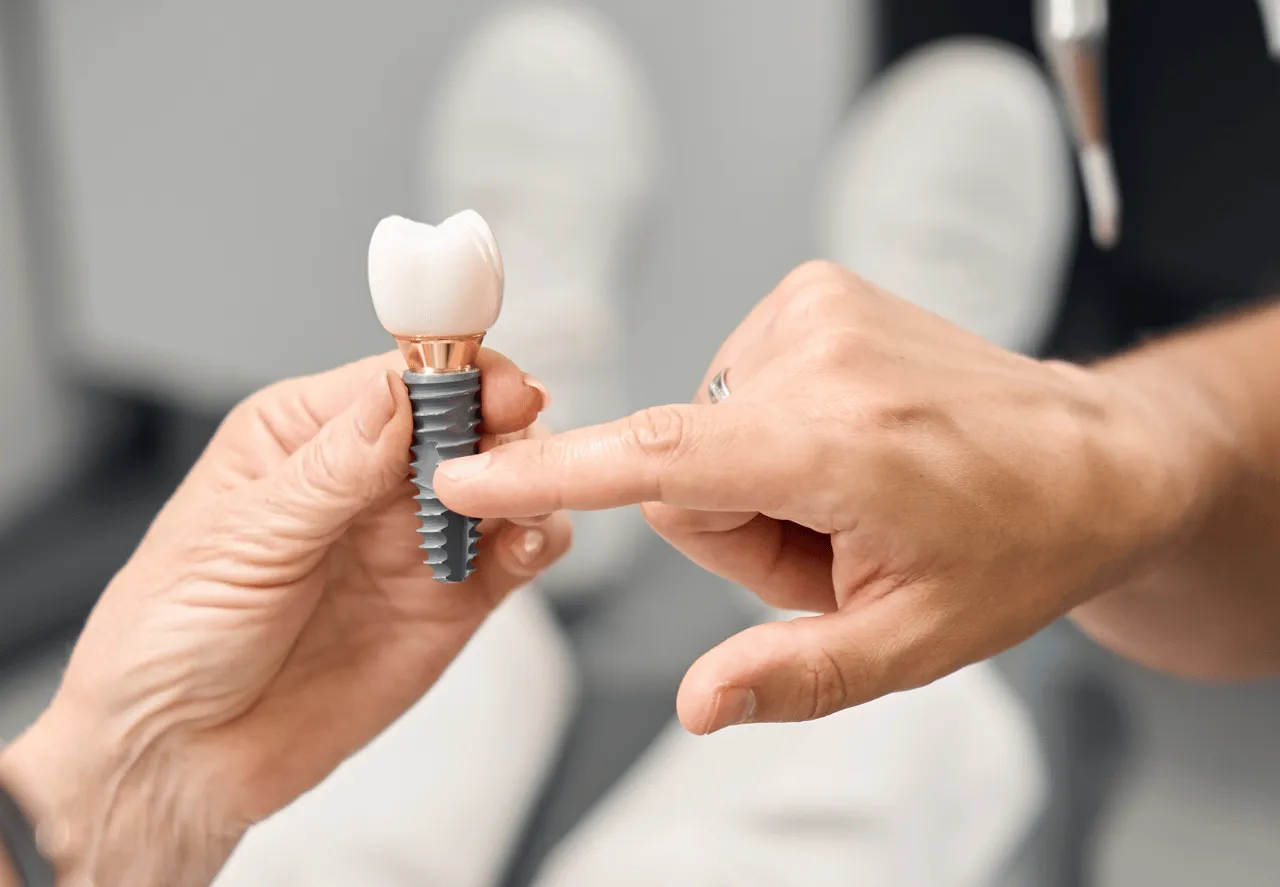
Factors that affect the longevity of dental implants
There are several factors that can affect the durability of dental implants: 1. Oral hygiene: Thorough oral care is crucial for the longevity of dental implants. Poor oral hygiene can lead to gum disease and infections, which can compromise the implant and shorten its lifespan. 2. Jawbone quality: The stability of the implant depends largely on the quality of the jawbone. If the jawbone is too thin or weak, the implant may not integrate properly. In such cases, bone augmentation treatment may be necessary. 3. Patient's general health: Patients with chronic illnesses or poor wound healing have a higher risk of complications. Smoking can also impair healing. 4. Implant material: Modern dental implants are usually made of titanium or a titanium alloy. Their biocompatibility and strength mean they offer a very long lifespan. Ceramic implants are now also an option and are particularly appealing where aesthetics are important. 5. Regular check-ups: Regular dental check-ups are necessary to ensure the long-term durability of dental implants. The dentist checks the integrity of the implant, removes plaque and examines whether there are any signs of infection or complications.
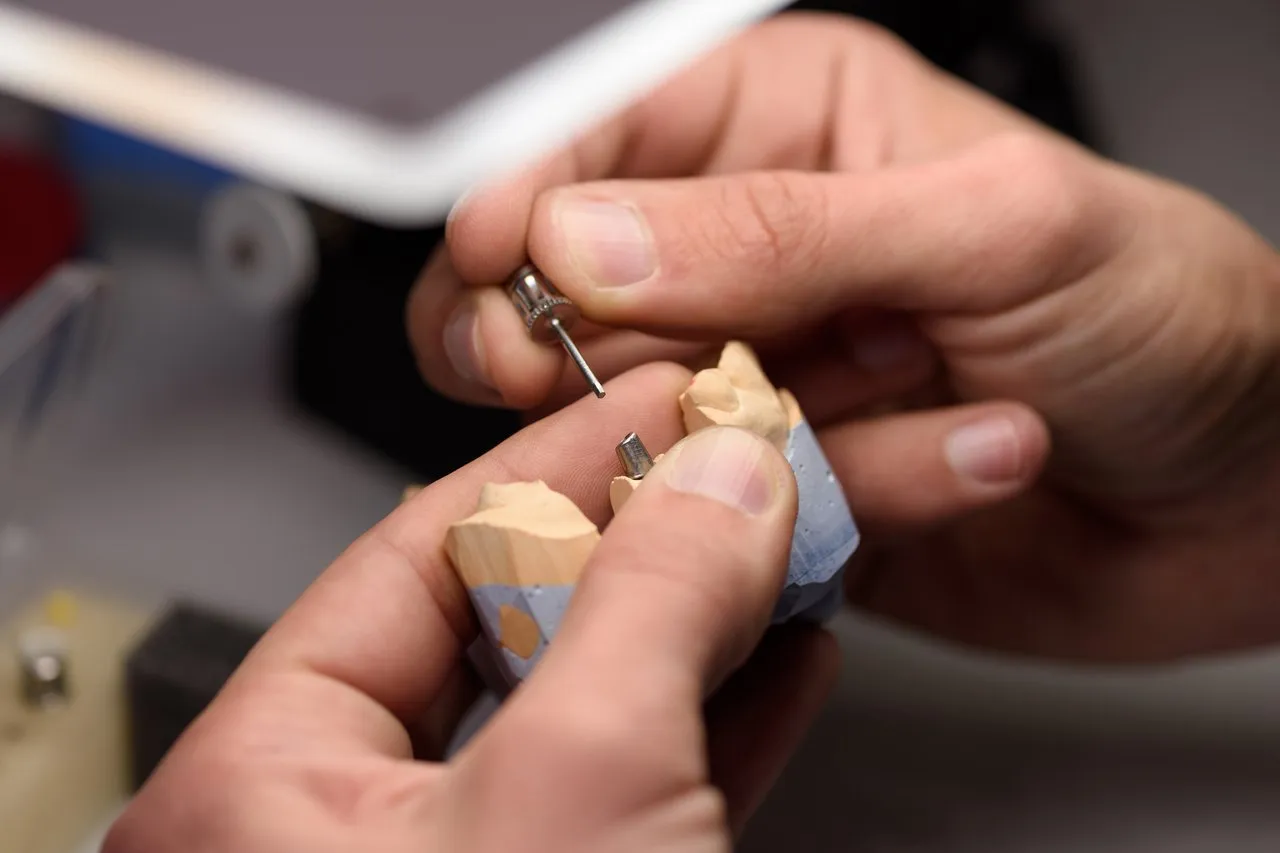
How long do implants last in older people?
The durability of dental implants in older people is generally just as high as in younger patients. However, general health factors must be taken into account. The jawbone of older people may be weaker, which could affect the success of the implantation. In such cases, it may be necessary to strengthen the jawbone or use additional bone substitute material. However, there is no fixed age limit for dental implants. Older people can also benefit from them. There must be sufficient jawbone and no medical contraindications.
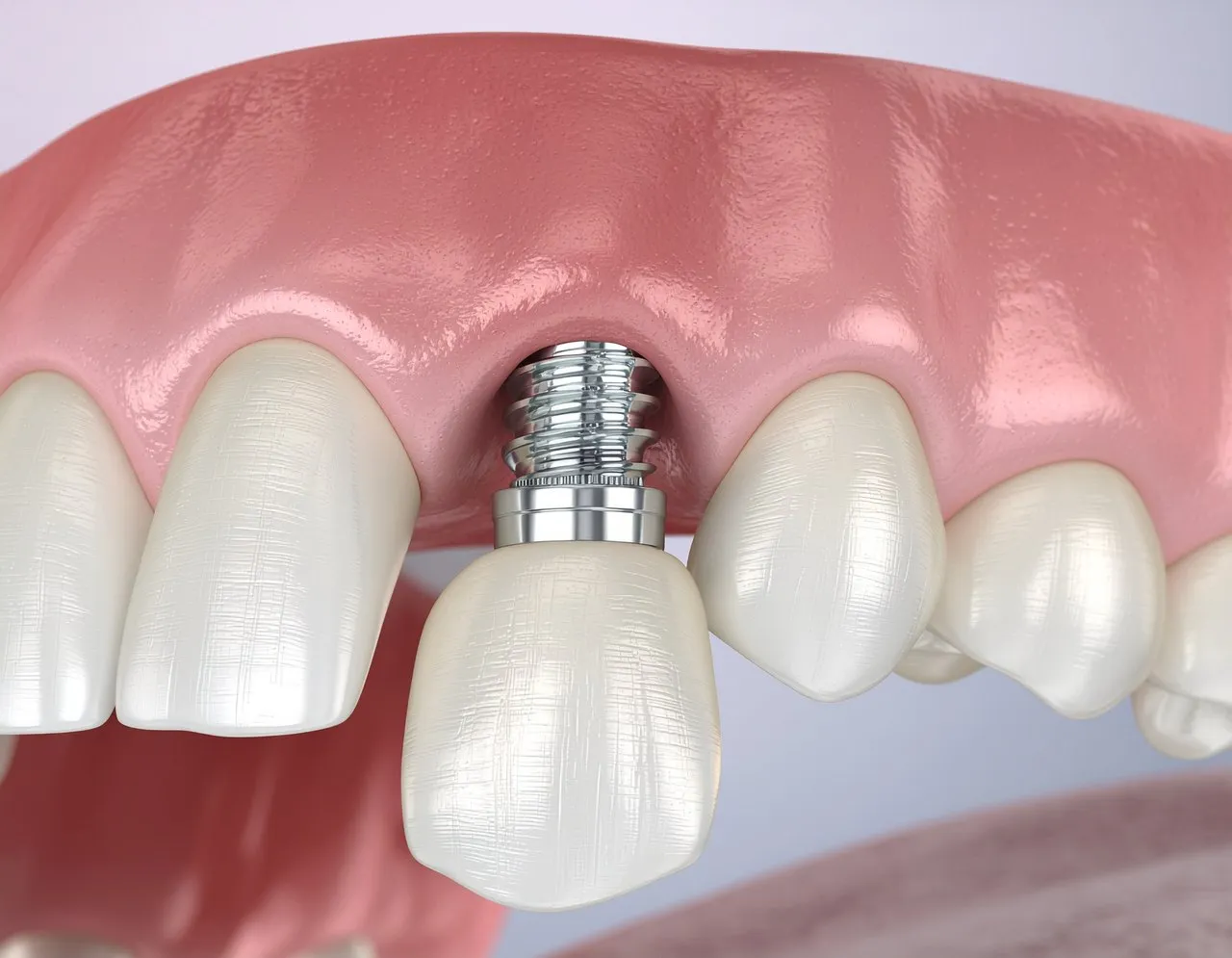
How long do implants last in the upper jaw?
The durability of dental implants in the upper jaw is similar to that in the lower jaw. However, there are some differences that should be taken into account. The jawbone in the upper jaw is often less dense than in the lower jaw. This can affect the integration process and the stability of the implants. Nevertheless, dental implants in the upper jaw are just as long-lasting as those in the lower jaw. The jawbone must be sufficiently stable and the procedure must be performed correctly. Another important detail is the proximity of the paranasal sinuses, which are located in the upper jaw. In some cases, it may be necessary to perform what is known as a sinus lift operation. This increases the volume of the jawbone, creating more space for the implant. However, this has no effect on the durability of the implant once it is correctly anchored in the jaw.

Can implants last 30 years?
A dental implant can last for many years with proper care and in a healthy oral environment, but there is no fixed or guaranteed lifespan. How long it lasts depends on a range of factors, and the implant fixture should be considered separately from the attached restoration. Patients can make an important contribution through the necessary aftercare. Dental implants are a long-term solution that can offer excellent function and aesthetics when properly cared for.

Conclusion: The longevity of dental implants
Dental implants offer one of the longest-lasting and most effective solutions for replacing missing teeth. With proper care and regular check-ups, dental implants can last for many years and, in some cases, potentially for life. How long an implant lasts varies from person to person and depends on several factors, including the quality of the jawbone, the patient's oral hygiene and their general health. Despite the high success rates of dental implants, patients should be aware that regular aftercare is essential. Regular, risk-based follow-up helps identify potential complications early and supports peri-implant health and long-term maintenance.
Frequently asked questions (FAQs)
With proper care, dental implants can last for many years, although there is no fixed or guaranteed lifespan. The implant fixture and the attached restoration may also have different lifespans.
Factors such as oral hygiene, jawbone quality, the patient's general health and the material used.
The longevity of implants in older people is similar to that in younger patients, provided there are no medical contraindications and the jawbone is sufficiently stable.
The longevity of implants in the upper jaw is comparable to that of implants in the lower jaw. However, it can be affected by the lower bone density in the upper jaw.
Yes, with proper care and regular check-ups, a dental implant can last a lifetime.
Through thorough oral hygiene, regular visits to the dentist and avoiding harmful habits.
Possible risks include infection, loosening or rejection of the implant, particularly if oral hygiene is inadequate.
The healing process usually takes several months, as the implant must fuse with the jawbone.
Yes, there is no fixed age limit for dental implants, provided the jawbone is stable and there are no health problems.
The cost of a dental implant varies depending on the region, dentist and any additional treatments required. However, it is generally in the higher price range.
Book your appointment now
We would be happy to advise you in person at our practice.