Dental implant materials – an overview
More and more people are choosing implants when one or more teeth need to be replaced. But many patients ask themselves: what is a dental implant and what is it made of? The implant material plays a crucial role in durability, ...
Über 350 Google-Bewertungen
The short answer
Dental implants today are primarily made of titanium or ceramic (zirconia). With over 40 years of long-term experience, titanium is considered the gold standard: it is very stable, biocompatible and integrates reliably. Ceramic offers a tooth-like white colour and is metal-free, but is usually slightly more expensive. Which option is suitable depends on the clinical findings, aesthetic preferences and condition of the gums.
- Titanium
- Gold standard with over 40 years of experience – very stable, biocompatible, reliable osseointegration.
- Ceramic (zirconia)
- White, metal-free, potentially lower plaque accumulation (although clinical evidence does not establish that zirconia is superior for preventing peri-implantitis) – of interest for thin gums and in the front tooth region; usually slightly more expensive.
- Good to know
- Allergies to titanium are very rare; ceramic is considered hypoallergenic and particularly well tolerated.
General information, not a promise of cure. The choice of material requires individual dental advice and an examination.
Video laden
Mit Klick wird eine Verbindung zu TikTok hergestellt.
What is a dental implant?
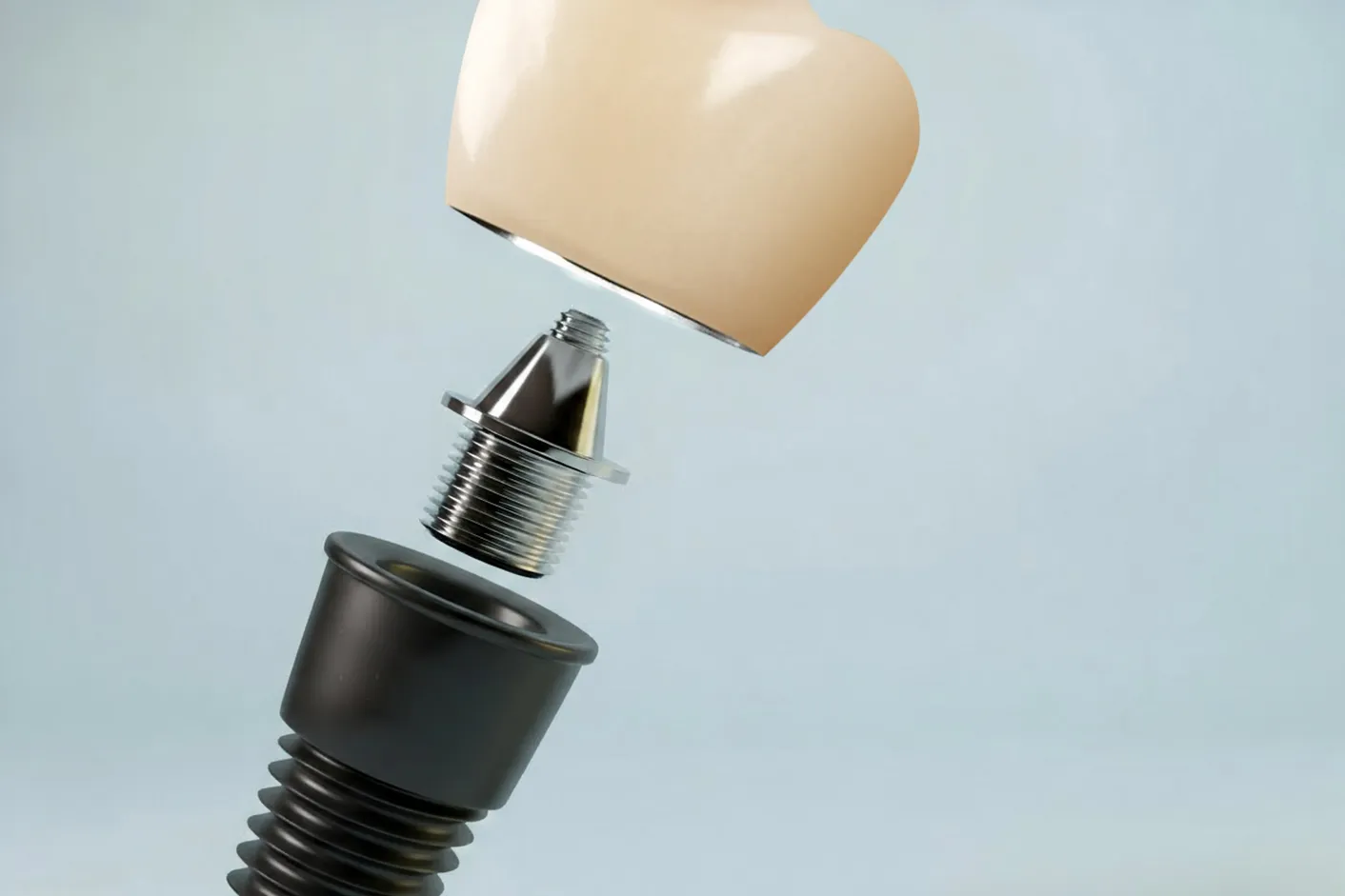
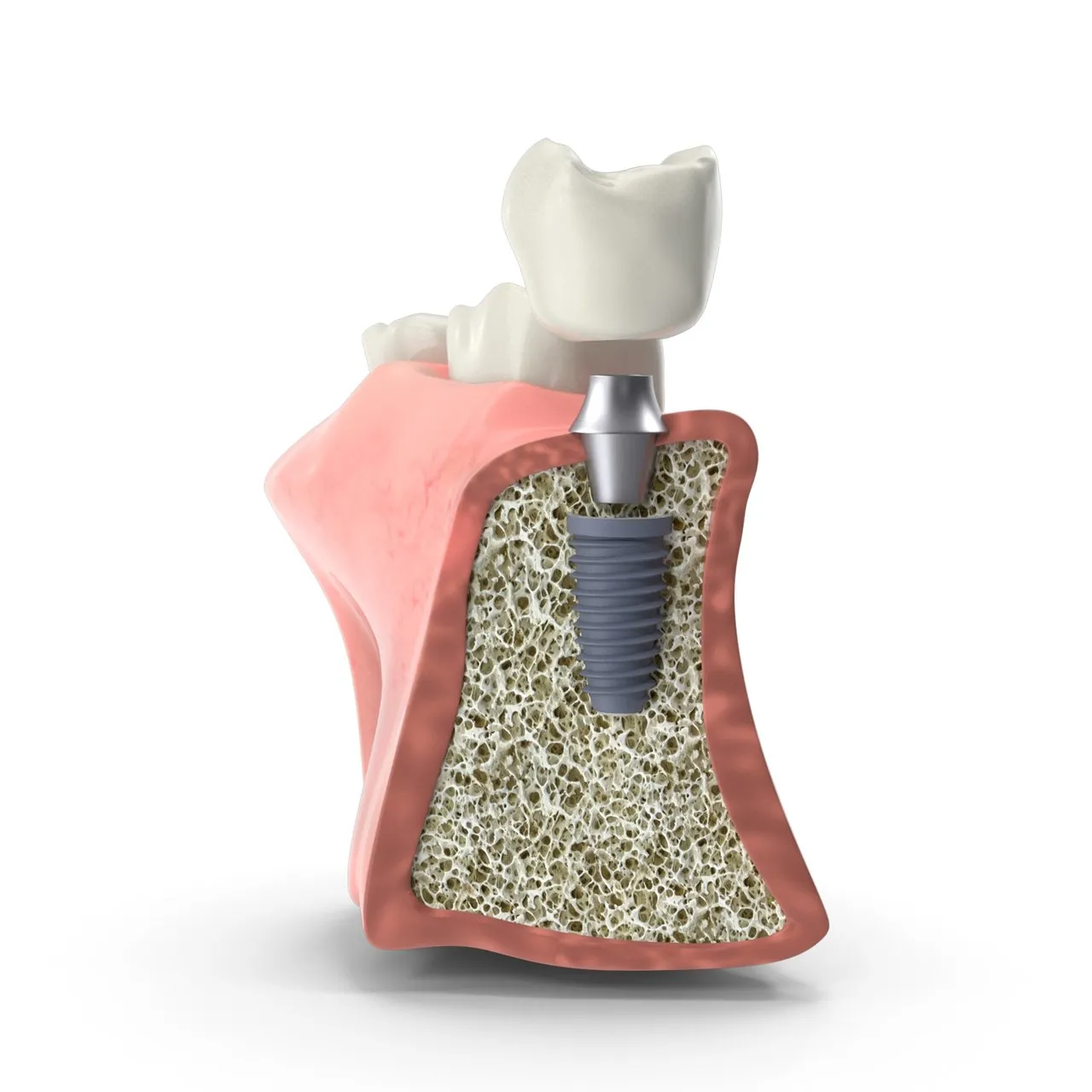
A dental implant is an artificial tooth root that is securely anchored in the jawbone. It usually consists of three parts:
• the implant body (which sits in the bone),
• a connecting element (abutment)
• and the visible dental crown.
The dental implant material of the implant body is particularly important. It must permanently fuse with the bone while also being stable and biocompatible.
What is a dental implant made of?
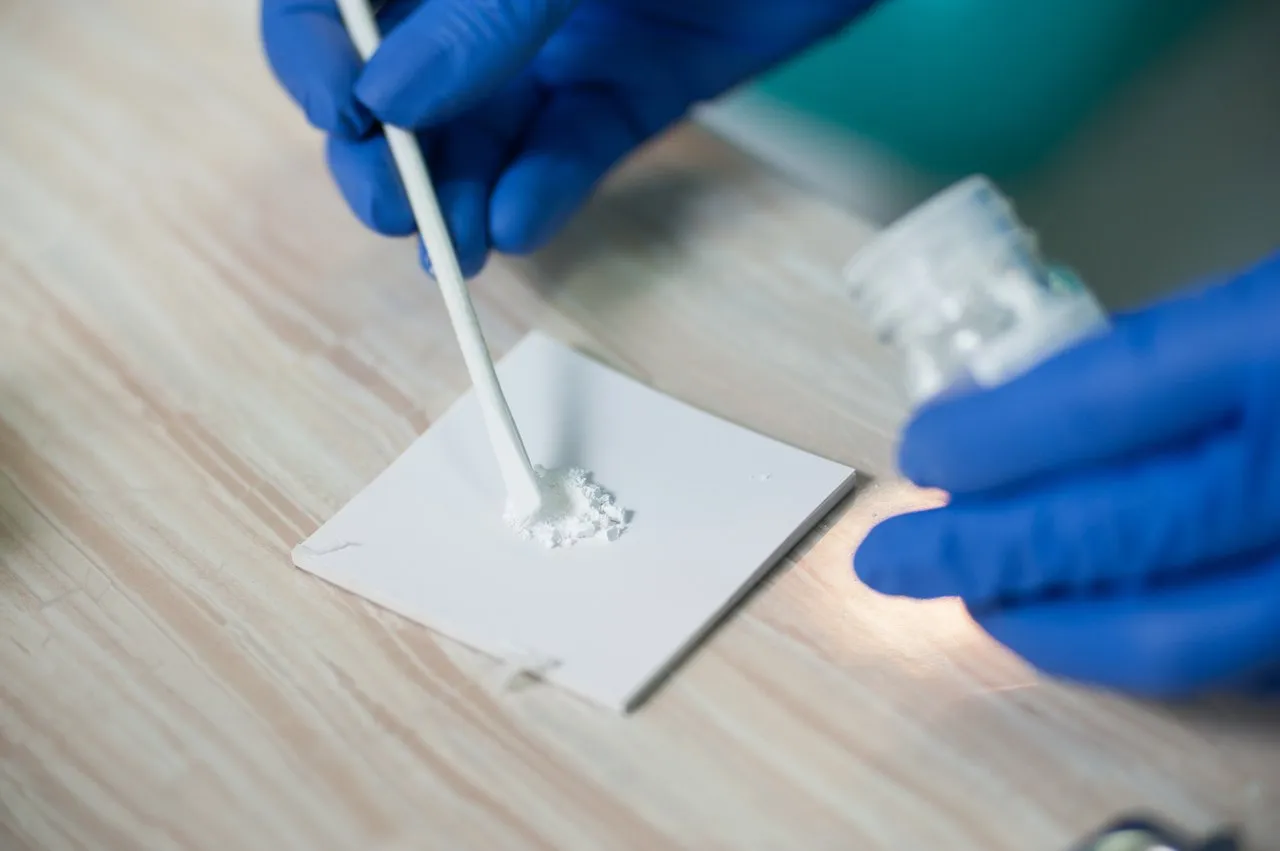
Over time, two main materials in particular have become established: titanium and ceramic. Both options offer different advantages and are used depending on the patient's wishes, medical situation and aesthetic requirements. Two-part implants consisting of a combination of both materials are also possible.
1. Titanium implants
Titanium has been the most commonly used dental implant material for decades. This is due to its excellent properties: Biocompatibility: Titanium is very well tolerated by the body, and rejection reactions are extremely rare. Stability: Titanium is extremely resilient and withstands chewing forces over the long term. Osseointegration: The material bonds with the jawbone. Long-term experience: Titanium dental implant materials have been used successfully for over 40 years. One disadvantage of titanium is the grey colour of the metal. In rare cases, this may be visible at the gum line. This can be relevant for patients with very thin gums or high aesthetic expectations. 2. Ceramic implants
Ceramic, or more precisely zirconium oxide, has become established as an alternative in recent years. This white dental implant material is particularly impressive in terms of aesthetics: Tooth-like colour: Ceramic is white and therefore inconspicuous, even if the gums are very thin. High biocompatibility: Ceramic is metal-free and is often chosen by patients who want a particularly “natural” solution. Peri-implantitis: Clinical evidence does not establish that zirconia is superior for preventing peri-implantitis. One disadvantage is that ceramic implants are generally somewhat more expensive. There is also less long-term experience compared with titanium implants.

Which is the best material for dental implants?
The choice of material depends on various factors: • Medical situation: the available bone, condition of the gums and any pre-existing conditions influence the decision. • Aesthetic requirements: ceramic implants often have an advantage in the visible front tooth region because of their natural colour. • Long-term stability: titanium implants are still considered the “gold standard” for many treatment cases. • Patient preferences: some patients prefer metal-free solutions, while others focus on proven materials with decades of experience.
Which is better, a titanium or ceramic implant?
In addition to conventional dental implants made of titanium or ceramic, there are developments that combine both materials. Titanium implants, for example, can be coated with a layer of ceramic. This combines the aesthetic advantages of ceramic with the stability of titanium. New surface structures are also being developed that enable even faster integration and better tissue compatibility.
Conclusion
The material of dental implants is a decisive factor in the success of treatment and the patient's well-being. Titanium implants impress with their stability and decades of experience, while ceramic implants score particularly highly in terms of aesthetics and being metal-free.
Ultimately, the decision should always be made on an individual basis. It is important to discuss this with the treating dentist. We will help you make the right decision, taking into account the medical requirements and your personal wishes.
FAQs – frequently asked questions about dental implant materials
A dental implant is an artificial tooth root made of titanium or ceramic. It is anchored in the jawbone and used as a base for replacement teeth.
The most common dental implant materials are titanium and ceramic (zirconia).
Titanium is extremely stable, biocompatible and fuses reliably with the jawbone.
Ceramic implants are white, metal-free and highly biocompatible, and are particularly suitable for the visible front tooth region.
Allergies to titanium are very rare. Ceramic is considered hypoallergenic and particularly well tolerated.
Titanium implants have the longest track record. Ceramic implants provide good results, but have fewer long-term studies.
Yes, ceramic implants are generally slightly more expensive because the material is more complex to manufacture.
Ceramic implants have an aesthetic advantage in the front tooth region because of their tooth-like colour.
In rare cases, a grey tinge may be visible if the gums are thin.
The decision should be made after a thorough examination and consultation with the dentist, tailored to your individual situation.