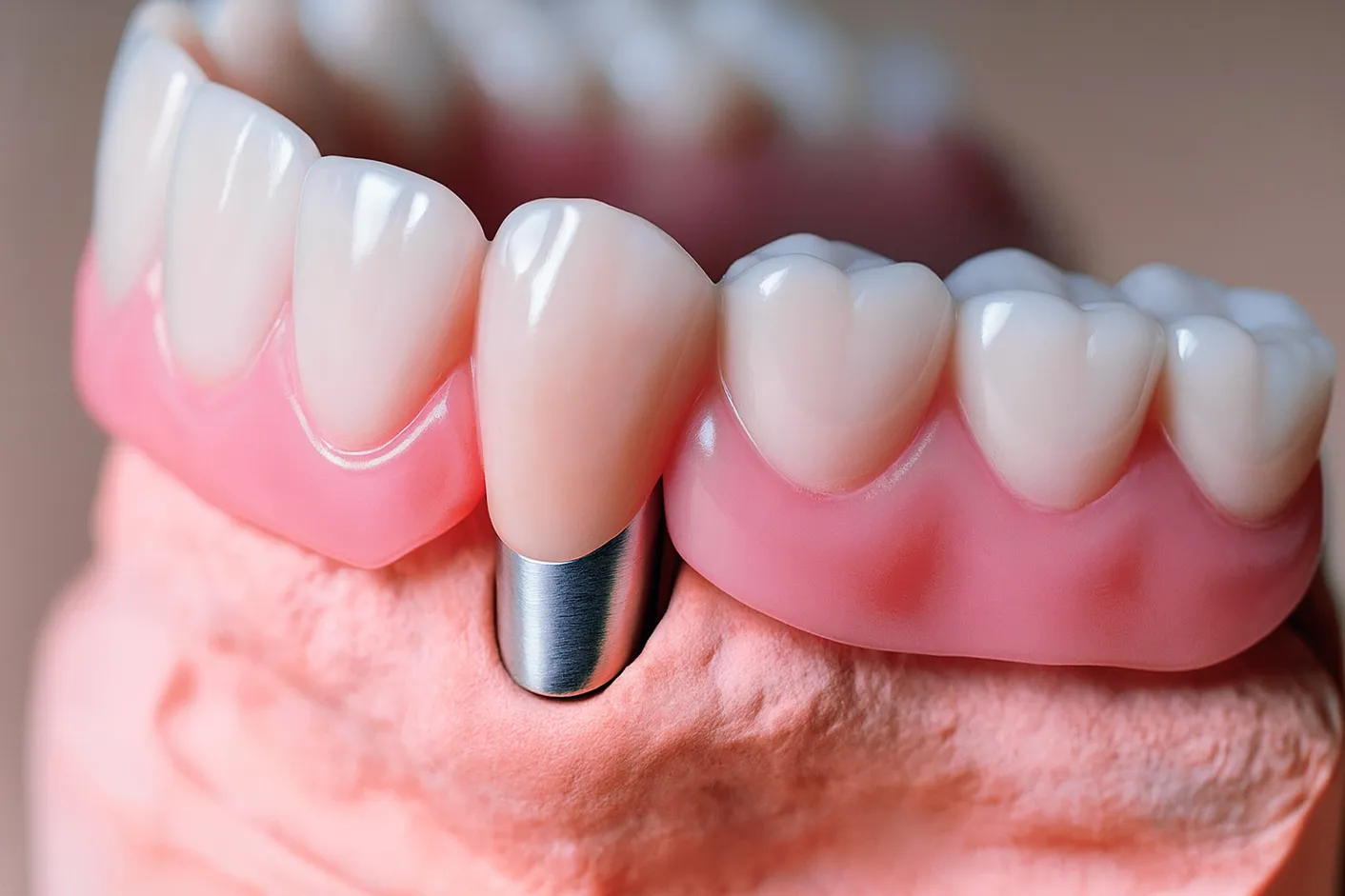
Dental implant pain – everything you need to know
A dental implant offers a permanent solution for tooth loss and provides a secure fit and natural aesthetics. For the implant to remain stable in the long term, healing after implant placement plays a crucial role. At our Wunschlachen dental practice in Berlin, we attach great importance...
Über 350 Google-Bewertungen
How long does a dental implant hurt?
Mild pain, swelling or a feeling of pressure are normal in the first few days after implant placement and usually subside on their own. Osseointegration generally takes three to six months. If you experience severe or worsening pain at any time, or if symptoms persist after two weeks or redness, pus or loosening develops, you should see a dentist promptly.
- Normal
- Mild pain, swelling, bruising or a feeling of pressure in the first few days after the procedure.
- Warning signs
- Severe or worsening pain at any time, including after 2 weeks, swelling, pus, bleeding gums or an implant that feels loose should be assessed promptly.
- When to see a dentist
- Have persistent or worsening symptoms checked promptly to rule out inflammation.
General information only; not a substitute for a diagnosis. Have persistent symptoms assessed by a dentist; use painkillers only after consulting a doctor or in accordance with the package leaflet.

How long does pain last after dental implant placement?
After the surgical procedure, what is known as osseointegration begins. During this process, the implant (artificial tooth root) fuses firmly with the jawbone. The healing phase usually lasts between three and six months. The following factors play a key role in the length of healing:
• individual bone quality • implant type
• position in the jaw During this time, it is important to protect the surgical site. The dentist's instructions must be followed precisely to achieve a good result.
Immediately after the procedure, mild swelling, bruising or a feeling of pressure around the implant may occur. These are normal accompaniments of the healing process. Careful oral hygiene, an adapted diet and regular check-ups help to support the healing of the dental implant as effectively as possible.

What can I do if my dental implant hurts?
There are several ways you can actively promote the healing of a dental implant:
• Rest after surgery: Physical exertion, sport and vigorous chewing should be avoided for the first few days.
•Diet: Soft foods that are not too hot are ideal for the first few days. Alcohol, nicotine and strongly spiced foods should be avoided, as they can impair healing.
• Thorough oral hygiene: Careful tooth brushing and disinfectant mouthwashes help to prevent infections.
• Attend check-ups: Follow-up appointments are crucial for monitoring the healing process.
These measures can significantly improve the chances of healing and reduce risks.
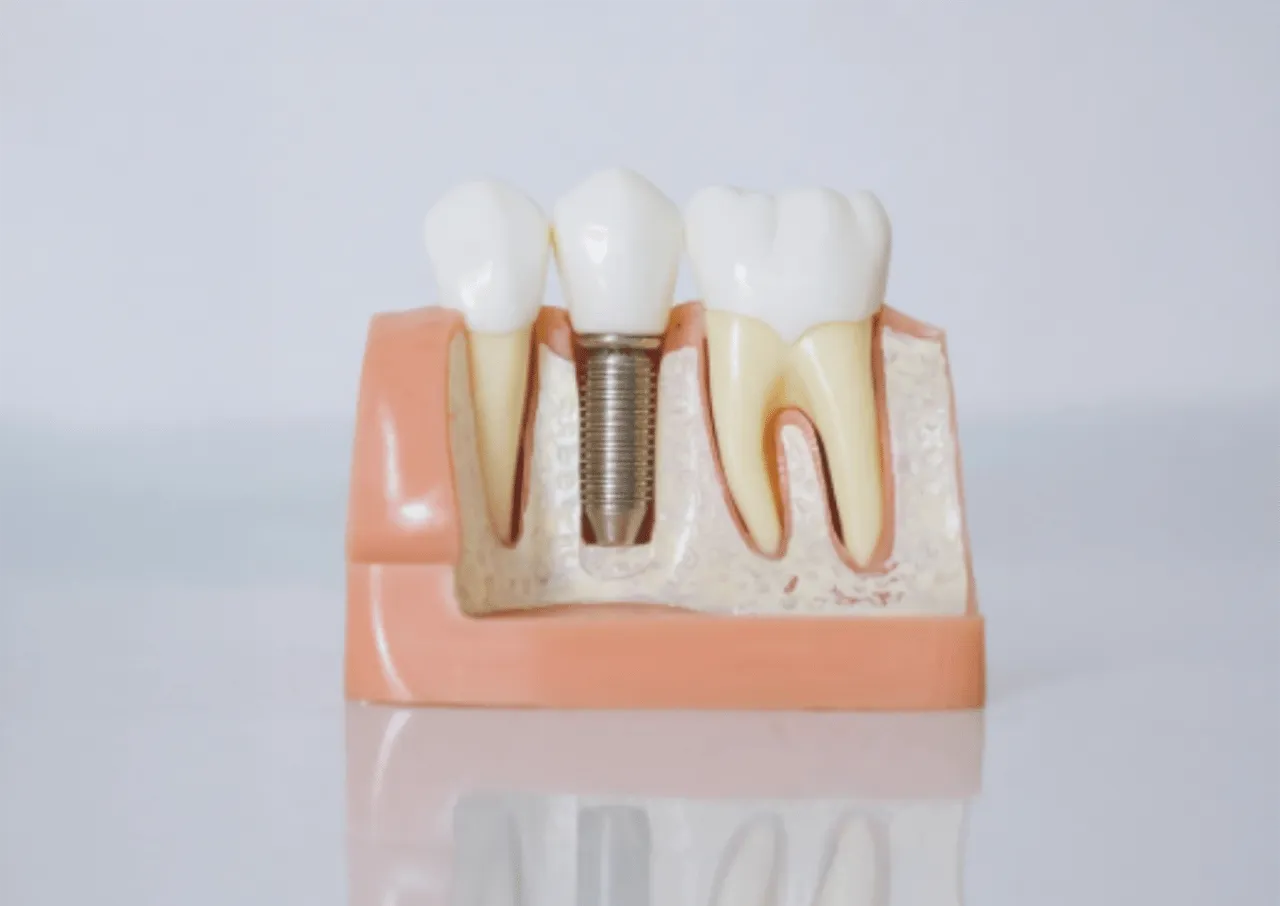
How can you tell whether a dental implant is being rejected?
Many patients wonder which symptoms are normal after implant placement. Mild pain, feelings of pressure or a pulling sensation in the surrounding tissue are common during the first few days. Even if the implant site is sensitive to touch, this is initially no cause for concern. Severe or worsening dental implant pain should be assessed promptly, regardless of whether 2 weeks have passed. In this case, a check-up appointment should definitely be arranged. This allows complications such as inflammation or an allergic reaction to be ruled out.
Dental implant inflammation – signs and risks
Inflammation around a dental implant is one of the most common complications. It can develop when bacteria enter the tissue around the implant. Possible symptoms include:
• Swelling and redness of the gums
• persistent pain or sensitivity to pressure
• bleeding gums when brushing
• possible discharge of pus
These symptoms do not confirm the cause on their own and should be assessed by a dentist. If inflammation is not treated in time, it can jeopardise healing. It is therefore crucial to see a dentist immediately if you notice pus or increasing swelling, or if symptoms persist.
Symptoms of dental implant rejection
Even though modern implants are very well tolerated, complications, including possible implant rejection, can occur in rare cases. Symptoms that may indicate a complication include:
• the implant or the restoration attached to it feels loose
• severe, persistent pain
• swelling or inflammation despite treatment
• lack of stability when chewing
These symptoms are not specific to implant rejection and require dental assessment. Treatment depends on the cause and the assessment, and may involve addressing the underlying problem or, if necessary, removing or replacing the implant. It is important to determine the cause, for example insufficient bone quality or an infection, in order to ensure reliable treatment.
When can I chew again after a dental implant?
Many patients wonder what a proper diet looks like during the healing phase. Light, soft foods can be eaten after just a few days.
However, chewing solid food in the implant area should only resume once the implant has fully healed. The dental prosthesis must also already be in place. This usually takes several months. Putting strain on the implant too early carries the risk that it will not fuse properly with the bone.
Conclusion on the healing of dental implants
Healing after dental implant placement is a crucial step for the long-term success of the treatment. With careful care, rest and regular follow-up appointments, risks such as inflammation or rejection can be minimised. Our Wunschlachen practice in Berlin will support you throughout the entire healing phase and answer your questions. We make sure that your implant heals securely and that you enjoy it for a long time to come.
FAQ – Healing of dental implants
The healing phase usually lasts between three and six months, depending on bone quality and individual circumstances.
Mild pain and swelling during the first few days are normal. Severe or worsening pain should be checked promptly, whether it occurs before or after two weeks.
Rest, good oral hygiene, not smoking and attending all follow-up appointments support the healing process.
Swelling, redness, pain, bleeding gums and discharge of pus may indicate inflammation.
Loosening of the implant, severe pain and a lack of stability when chewing can be nonspecific signs of a problem and require dental assessment and diagnosis.
Soft foods can be eaten after a few days, but normal chewing in the implant area should only resume after complete healing.
Mild sensitivity may still be present, but severe pain is not normal and should be examined promptly, whether it occurs before or after two weeks.
Yes, insufficient healing, infection or rejection can lead to implant loss.
A secure feeling, decreasing pain and an absence of inflammation are signs of successful healing.
Regular check-ups make it possible to identify problems early and ensure the long-term stability of the implant.