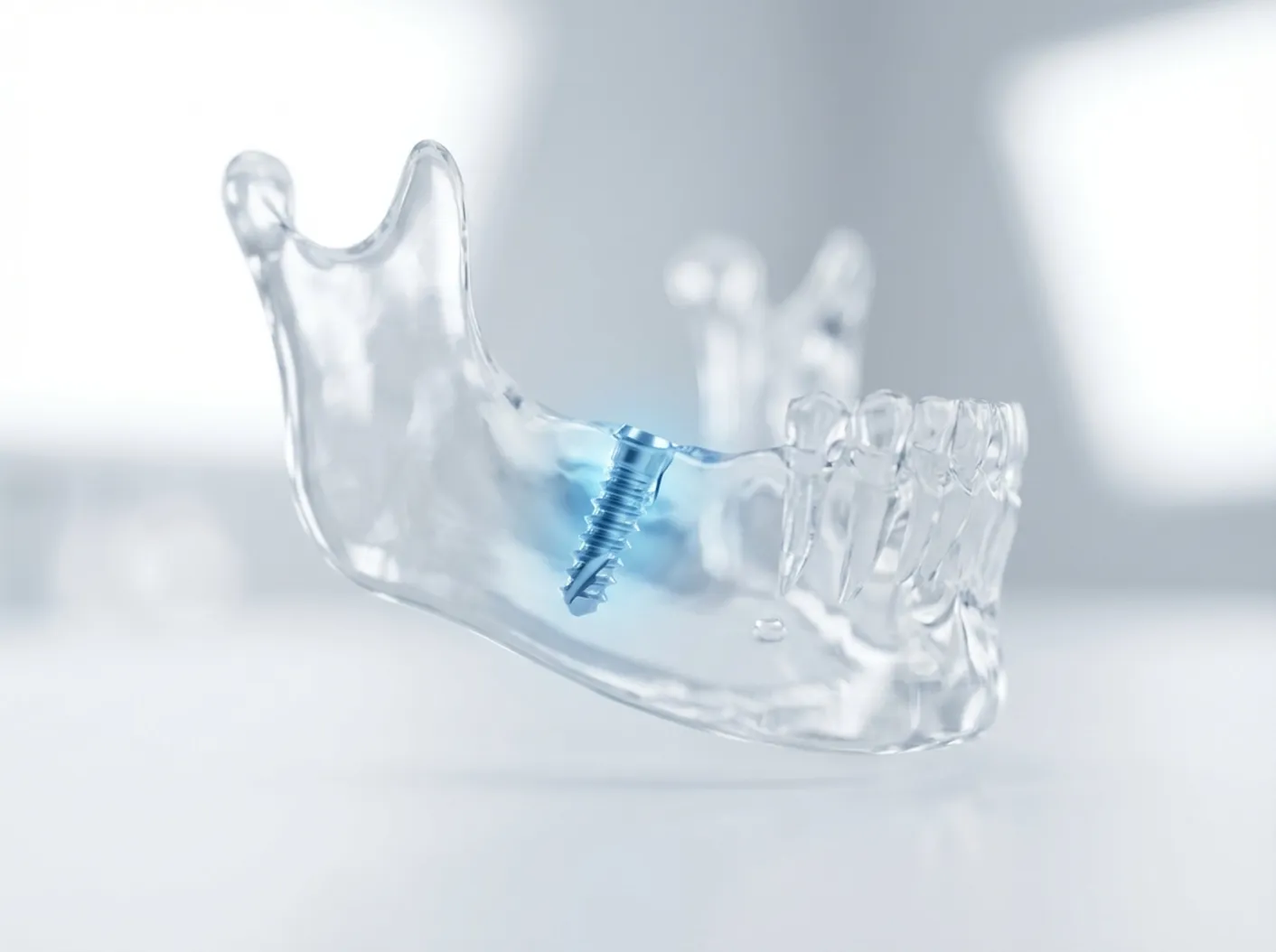
Bad experiences with implants: causes & help
A dental implant replaces a missing tooth root. It supports a crown, bridge or denture. Many treatments remain stable over the long term. Nevertheless, some patients report problems. There are often several causes. Symptoms are frequently not clearly assessed.
Über 350 Google-Bewertungen
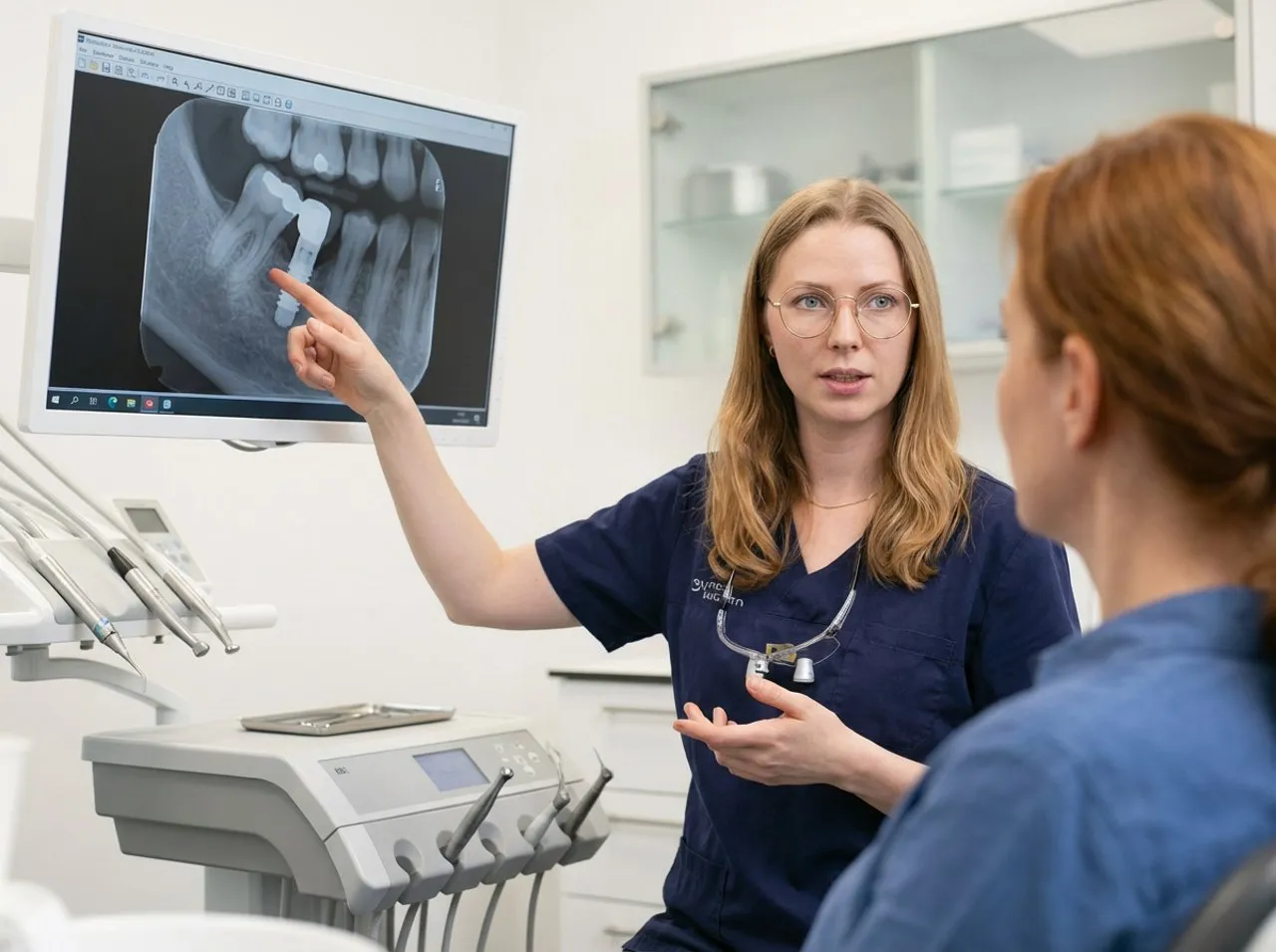
Why do people have bad experiences after implant treatment?
Implant procedures are surgical interventions. The body responds with healing processes. Mild pain and swelling are normal at first. Bad experiences often arise from expectations. Some people expect the implant to withstand immediate loading. Others underestimate day-to-day care. Risk factors also play a role. These include smoking and diabetes. Periodontitis also increases the risk of inflammation.
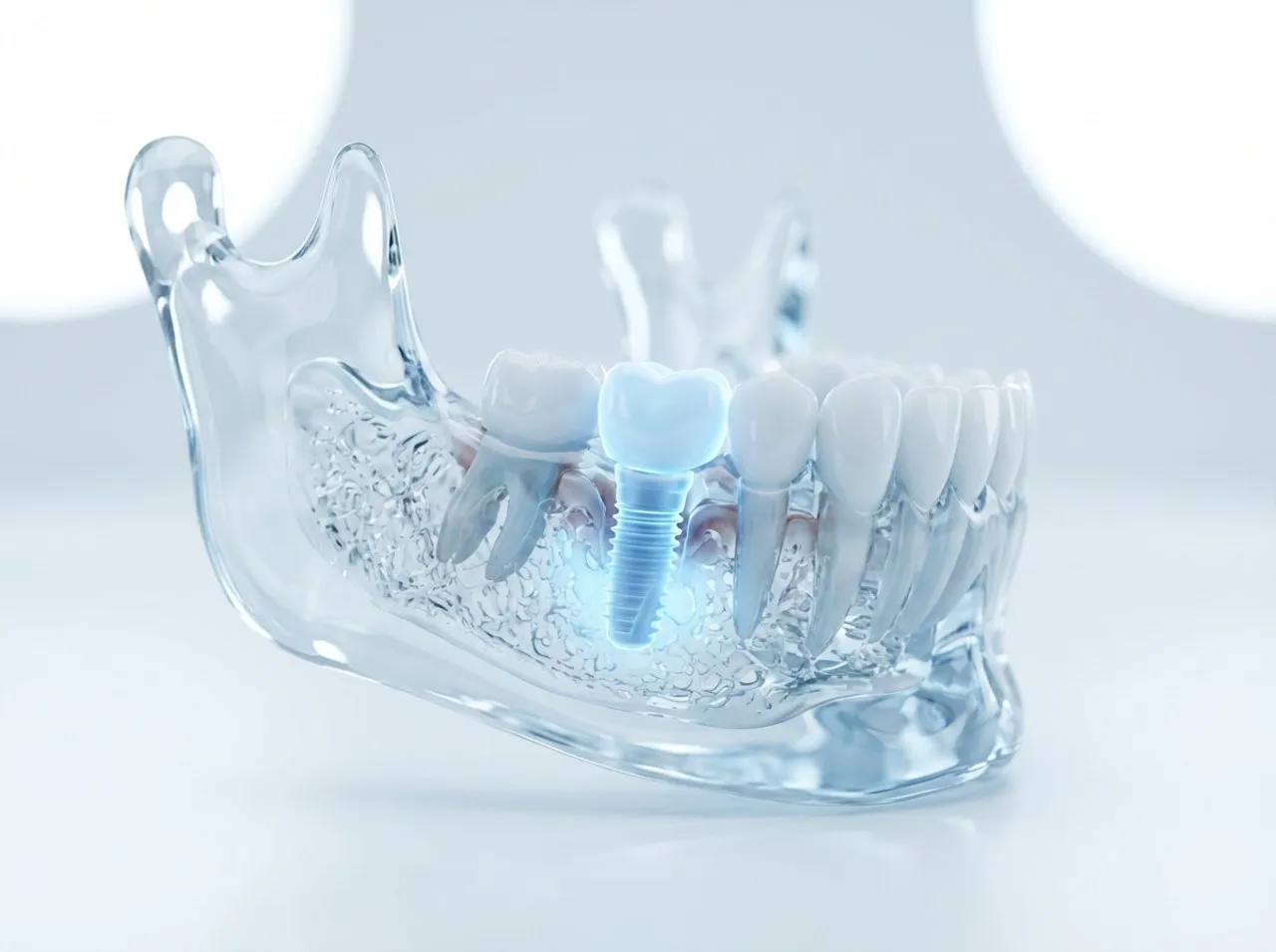
Which symptoms are still normal after the procedure?
During the first few days, pressure and pain at the wound are common. Haematomas can occur. The symptoms usually subside quickly. Swelling is more common after bone augmentation. This applies particularly to the upper jaw. A sinus lift may be necessary there. Short-term bleeding is also possible. Cooling and rest often help. Follow-up appointments and good oral hygiene are important.
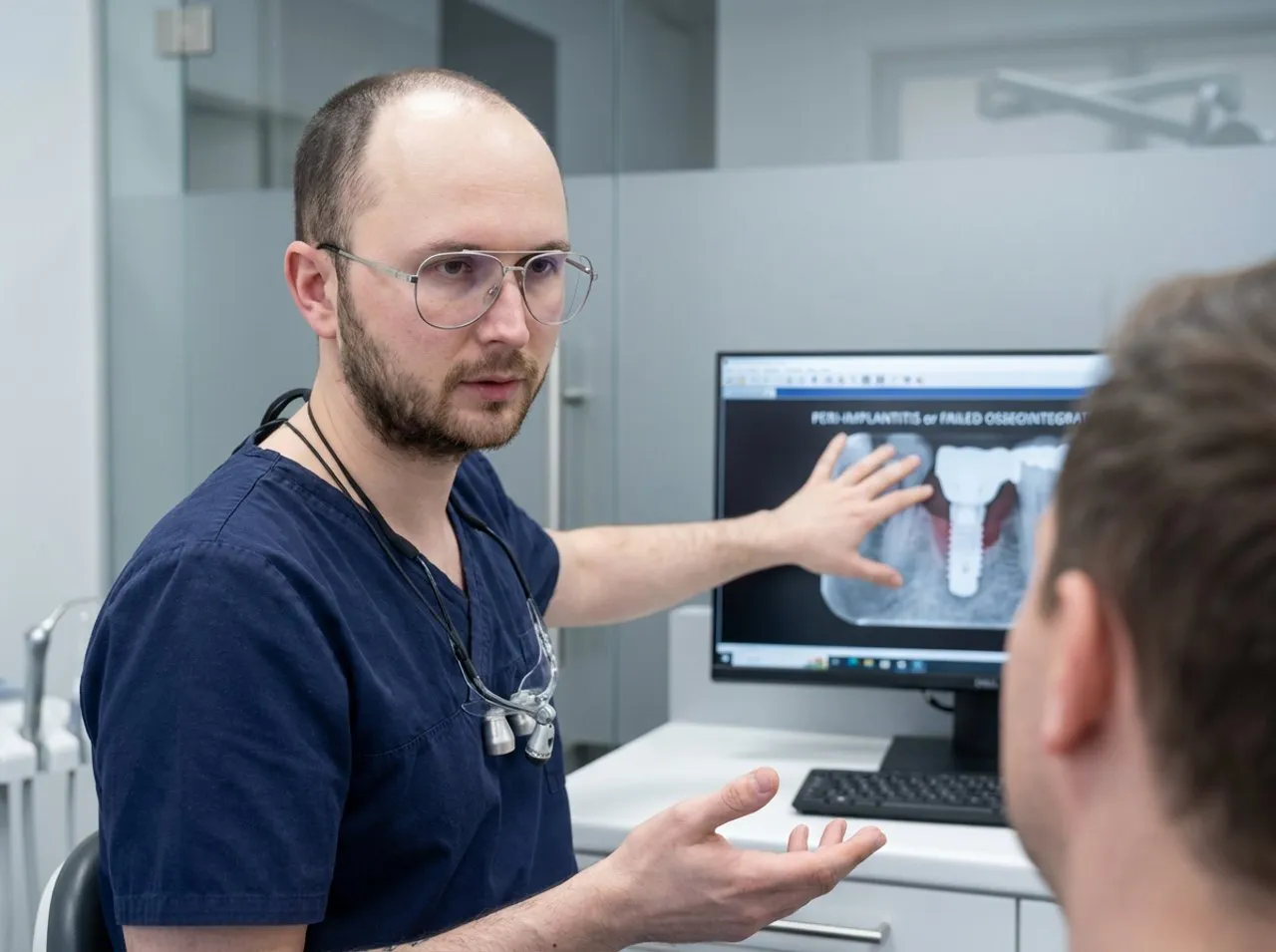
Warning signs: when do implant problems become serious?
Persistent swelling can be a warning sign. Pus, fever or severe redness are also important signs. You should then come to the practice immediately. A foul taste may indicate suppuration. Pain when chewing is also relevant. This also applies to a new feeling of pressure. Numbness of the lip or chin should be taken seriously. It can be caused by nerve irritation. It usually improves, but sometimes lasts longer.
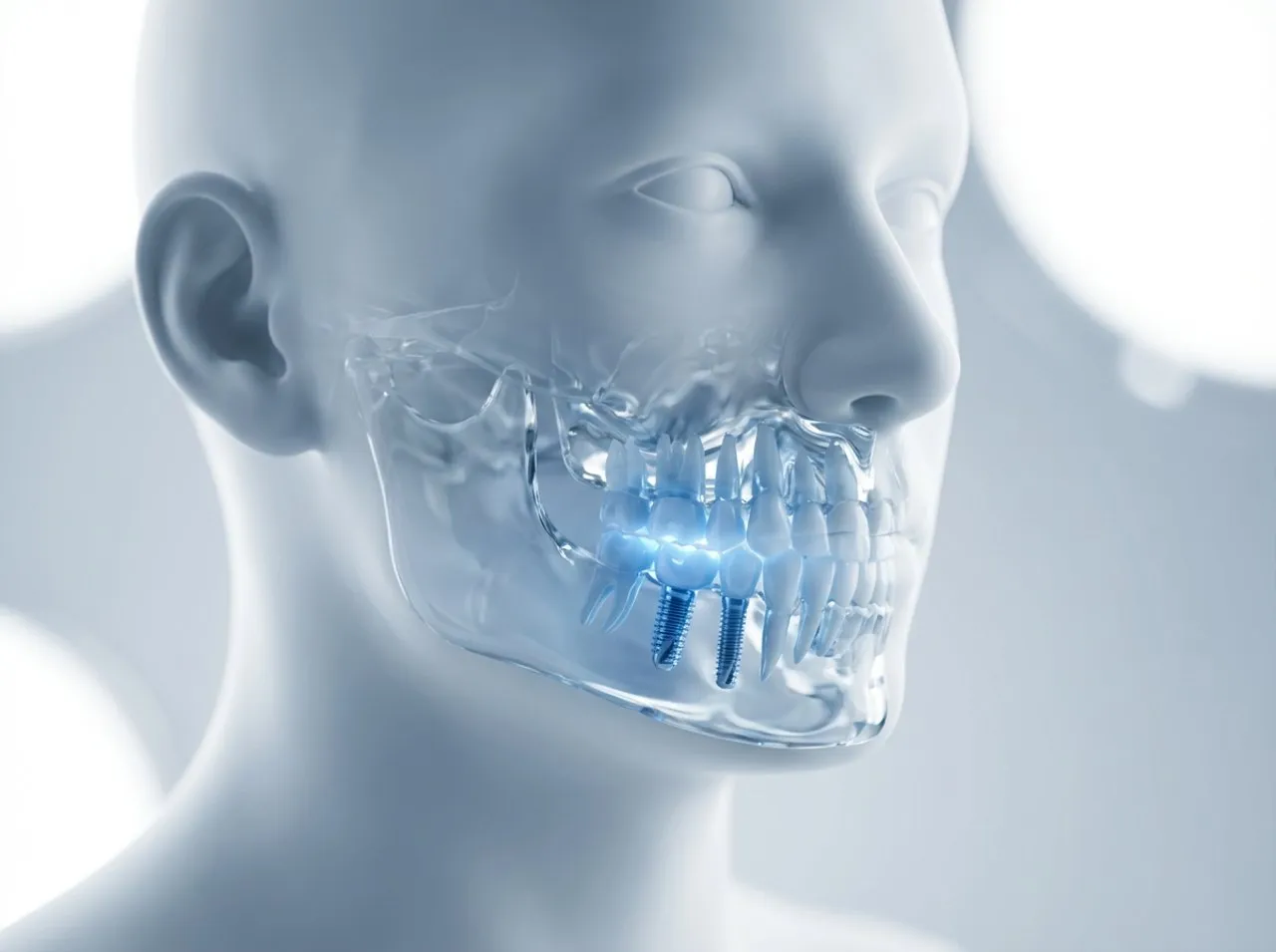
Common causes of bad experiences with implants
A key cause is inflammation. This is referred to as peri-implant mucositis or peri-implantitis. The tissue reacts to bacterial plaque. If left untreated, bone loss can occur. The implant then loses stability. Early diagnosis is crucial. Bone condition is also important. Bone loss often requires augmentation. Pain and swelling are possible during this process. In rare cases, bone substitute material may not be tolerated. Signs include persistent pain and open wounds. Particles may also be released. Another issue is overloading. Loading too early can cause micromovements. This disrupts osseointegration. Technical problems are also possible. These include loose screws or ceramic fractures. Such complications often affect the dental restoration.
How common are problems really?
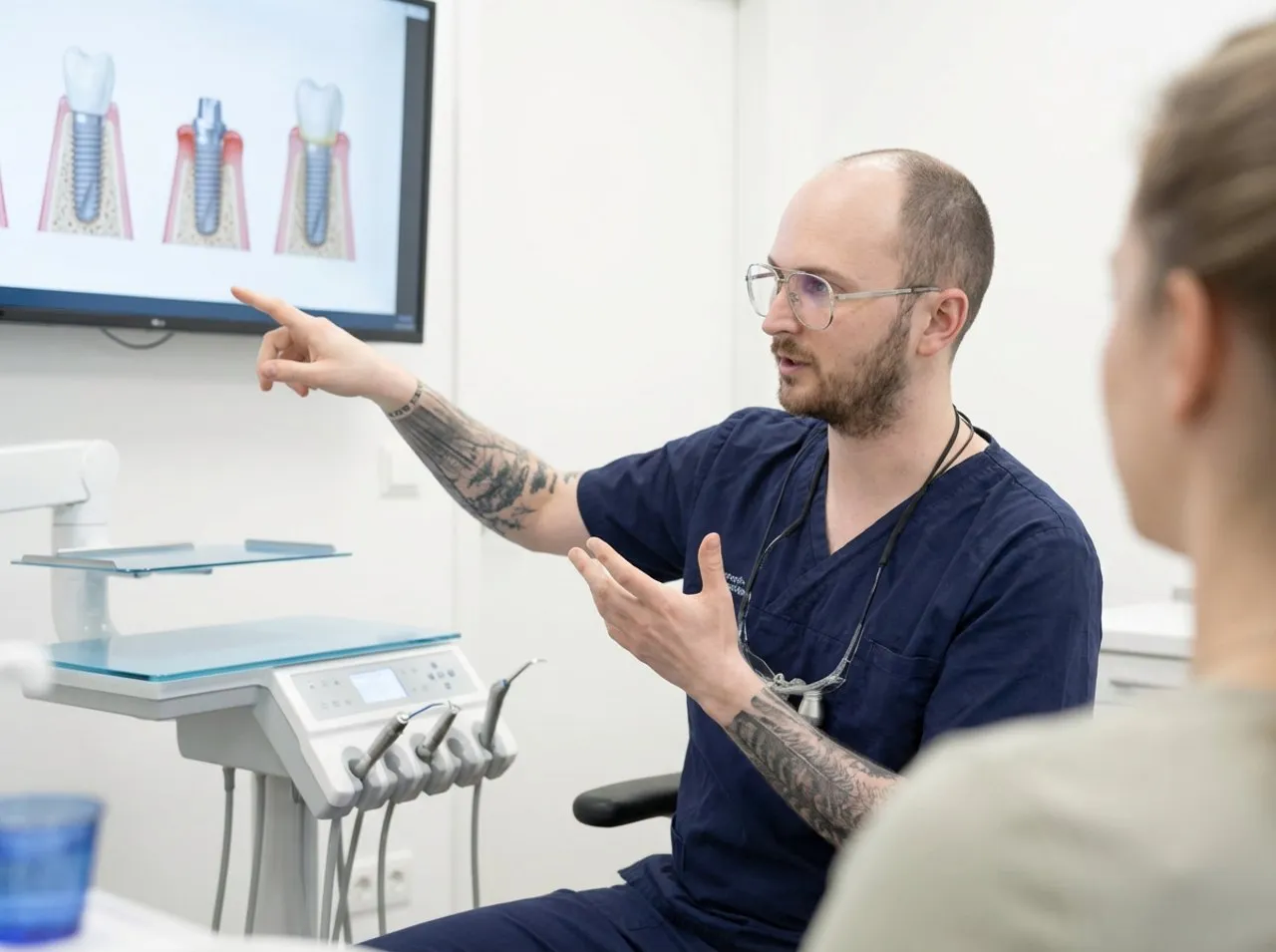
Long-term data show high success rates. Many implants remain stable for years. Planning and aftercare are crucial. At the same time, inflammation is not uncommon. The risk increases in smokers and people with periodontitis. Structured prophylaxis reduces the rate. It is important to put this into perspective. Not every problem means implant loss. Many findings can be treated effectively.
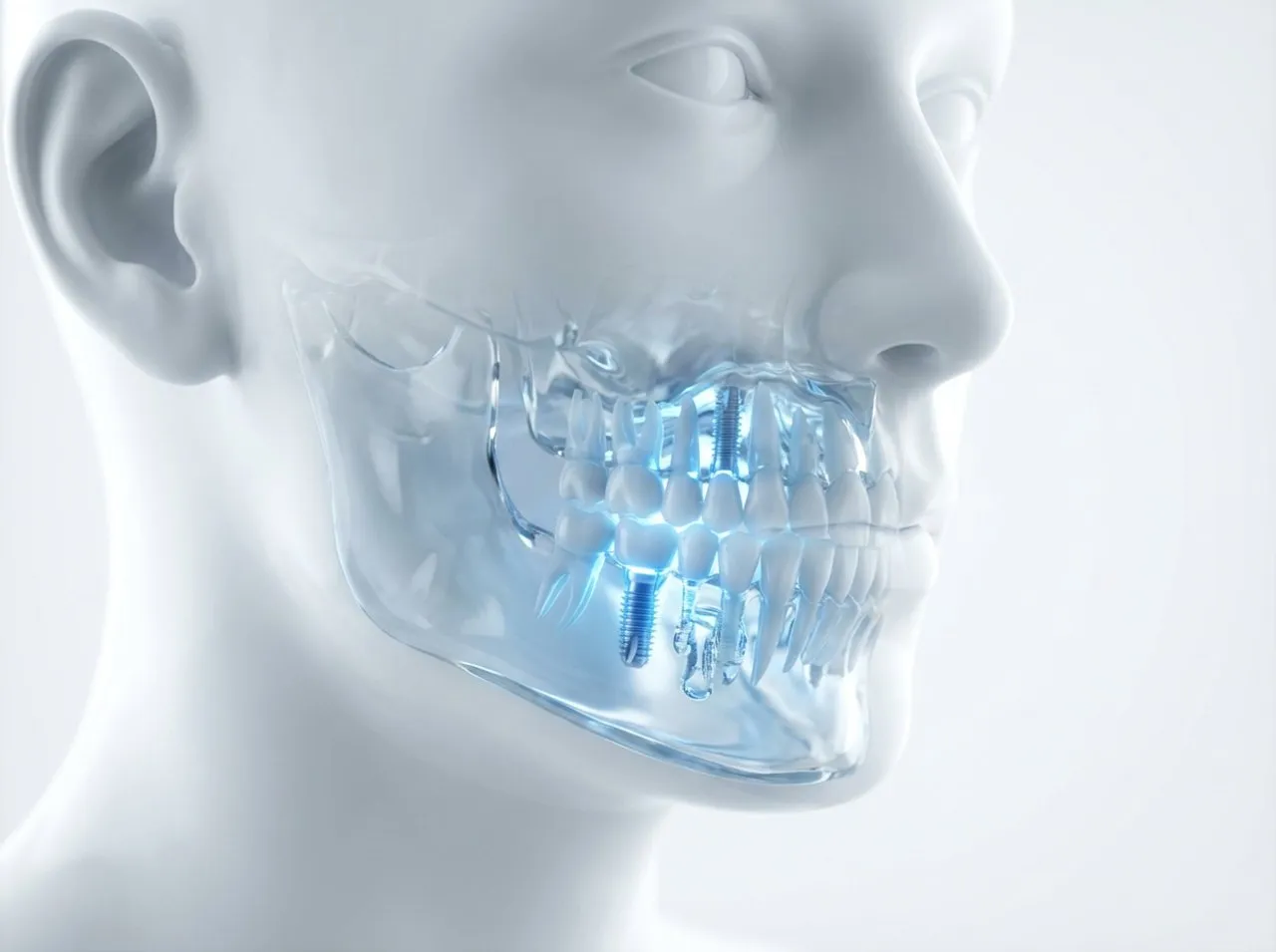
Implants with periodontitis: a particular risk profile
Periodontitis is a chronic inflammation of the supporting structures of the teeth. It can weaken the jawbone. This increases the demands on planning and aftercare. With implants in patients with periodontitis, stabilisation comes first. This includes consistent periodontal therapy. This is followed by closely monitored preventive care. Home care is also essential. Interdental brushes and professional cleaning are important. This reduces the risk of peri-implant infections.
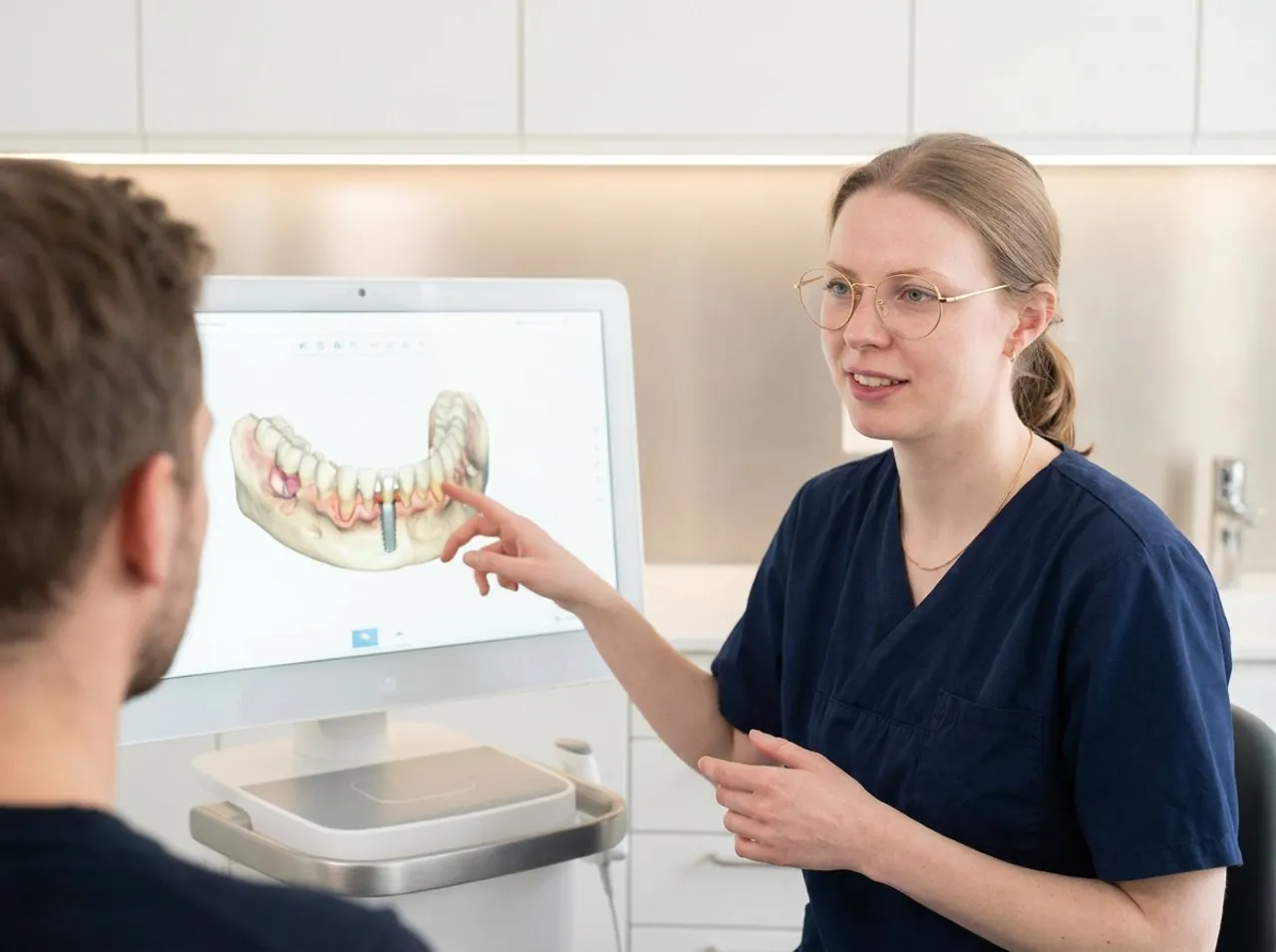
Diagnosing problems: what we specifically check
We begin with a clinical examination. This involves measuring probing depths and bleeding. Mobility is also checked. X-rays show the shape of the bone. In complex cases, 3D diagnostics are useful. This makes the defect precisely visible. If infection is suspected, we also examine the soft tissue. Occlusion is also assessed. Faulty contacts can contribute to overloading.
Treatment options after bad experiences
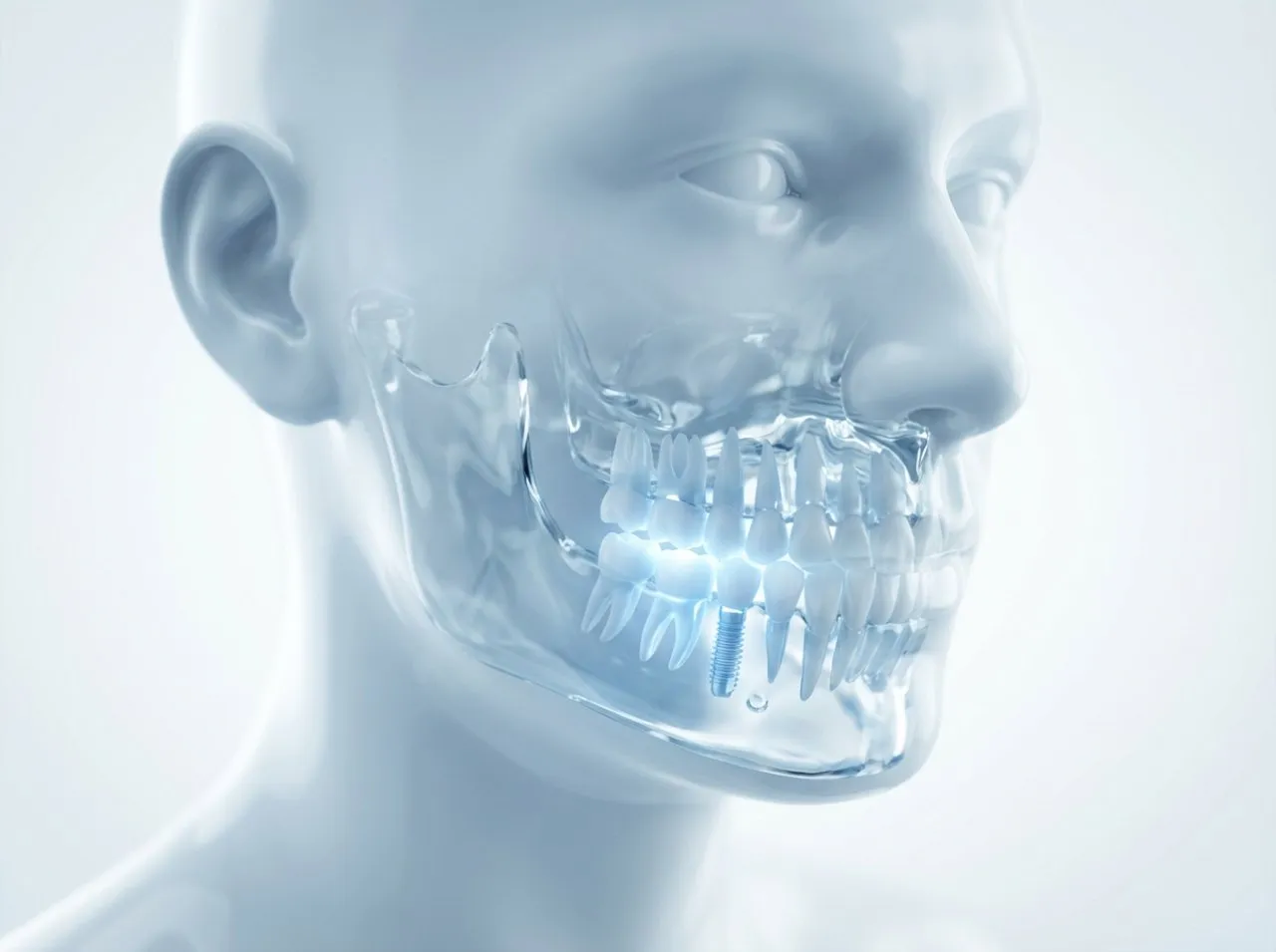
For mucositis, cleaning is the focus. Plaque is reduced and hygiene optimised. A consistent recall programme is often sufficient. Combined therapy may be necessary for peri-implantitis. This ranges from non-surgical measures to surgery. If an implant does not integrate, it is removed. We then examine the bone. Bone augmentation is often possible again.
How to reduce the risk of negative experiences
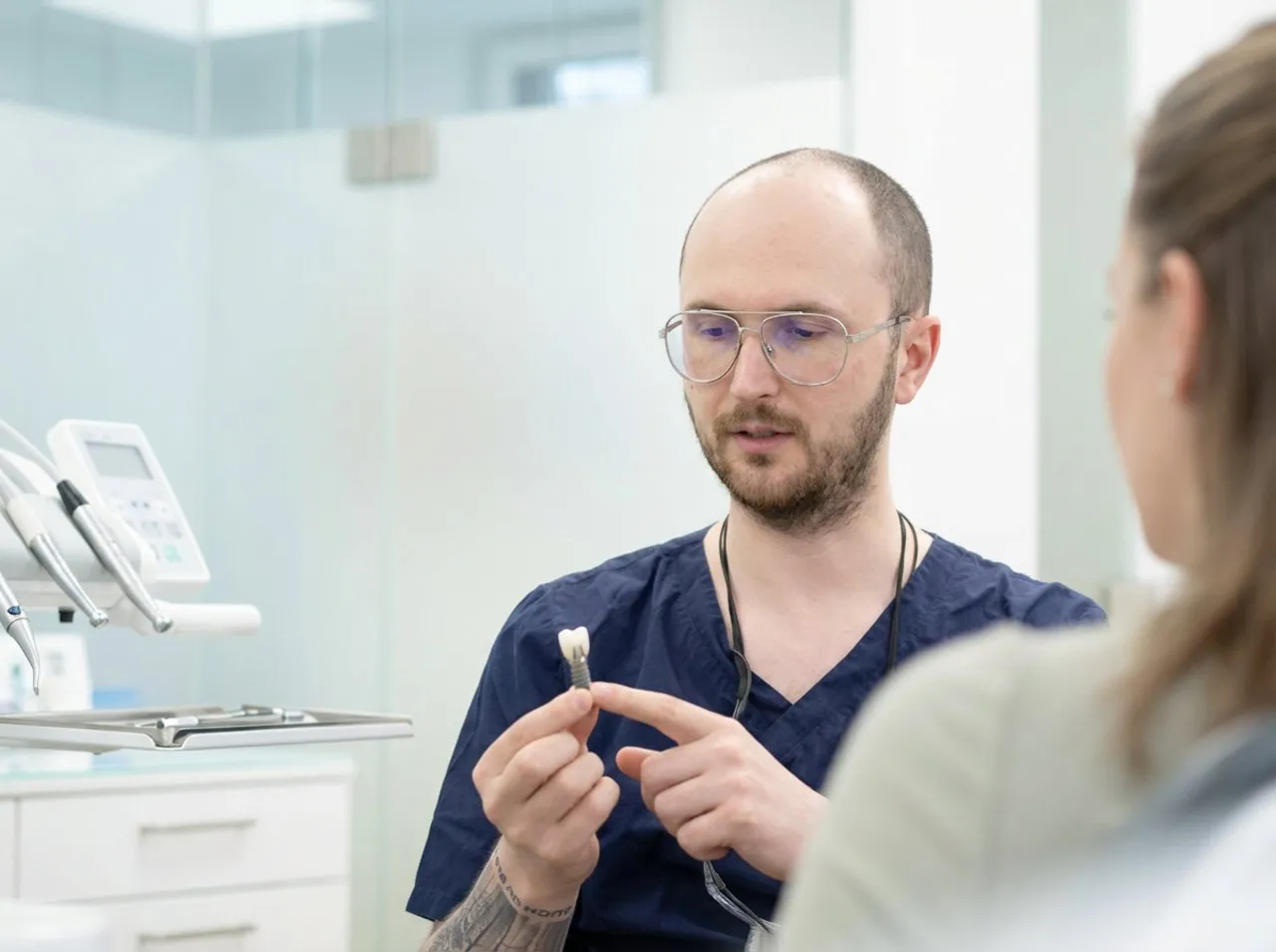
Planning is the first safeguard. This includes medical history and risk profile. Medication and general health conditions also matter. Stopping smoking improves healing. Good blood sugar levels are also important. Oral hygiene should also be stable beforehand. Rest and monitoring are crucial after the operation. Avoid physical exertion in the first few days. Attend all appointments consistently.

Wunschlachen Berlin: transparency, aftercare and financing
At Wunschlachen, we plan every implant treatment individually. We explain the benefits, risks and alternatives. You receive clear aftercare plans. Costs should also remain predictable. Payment in instalments is available on request. Repayment terms can often be arranged flexibly. If you feel uncertain, a second opinion is worthwhile. Bring your findings and X-rays with you. We assess your situation in a structured way.
Conclusion: bad experiences can often be avoided
Negative experiences usually have clear causes. Inflammation or overloading are often involved. Diagnosis and preventive care significantly reduce the risk. An implant is not a maintenance-free solution. It requires care and monitoring. Its long-term prognosis is then very good.
FAQ: bad experiences with implants
Pain is initially part of wound healing. Persistent symptoms require assessment.
Redness, swelling and bleeding are typical signs. Pus or fever are warning signs.
Mucositis affects the soft tissue. Peri-implantitis also causes bone loss.
Yes, this is possible in rare cases. The implant then fails to integrate.
Yes, the upper jaw is often softer. A sinus lift can prolong healing.
This may be nerve irritation. It usually resolves.
This depends on the risk. Many patients benefit from regular recall appointments.
Yes, after stable periodontal therapy. Closely monitored aftercare is then required.
Many implants remain stable for years. Care and check-ups are crucial.
Yes, payment in instalments is often possible. We explain the options transparently.