Dental impression: conventional impressions and digital scanning
A crown, bridge or brace should fit your own teeth. The dental team therefore needs precise information about the shape of your teeth, the adjacent structures and your bite. This can be recorded using a conventional impression or a digital scan. Both methods are used for planning and manufacture; neither replaces an examination of the mouth. If you have a strong gag reflex or have previously had an unpleasant experience, mention this before your appointment. The procedure, breaks and possible alternatives can then be discussed in good time.
The short answer
Impressions and scans record the shape of the teeth and jaws. The appropriate method depends on the planned treatment and the clinical findings.
- Why is a dental impression needed?
- An impression reproduces the required surfaces. It can be used to create a model for planning or making a dental restoration. Leeds Teaching Hospitals, for example, describes the impression taken after a tooth has been prepared for a crown: the information is sent to the dental laboratory. Models or digital data sets may also be needed for other types of treatment. Which areas are recorded depends on the specific requirements.
- How digital dental impressions differ
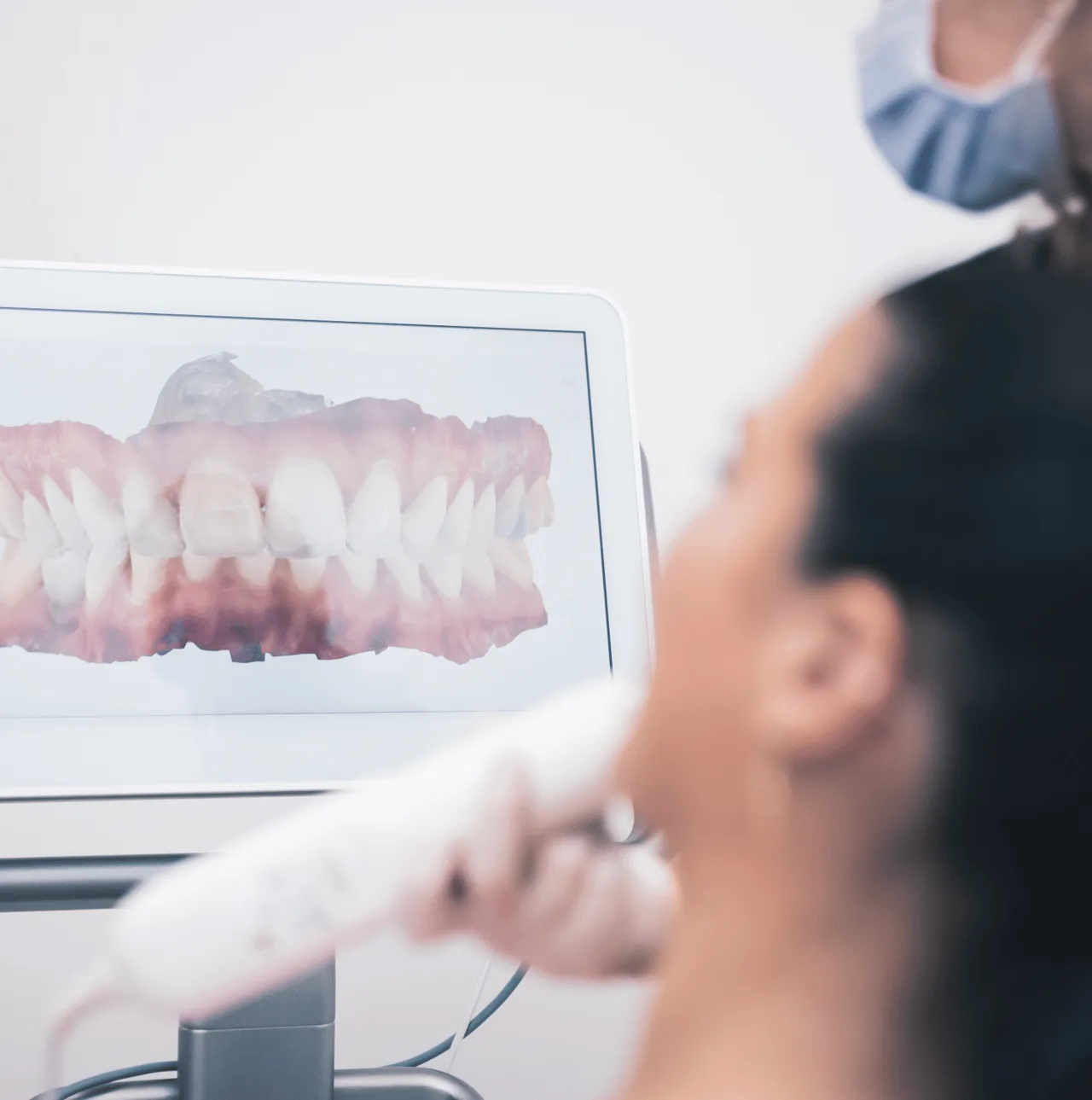
- An intraoral scanner records surfaces in the mouth and uses them to create a digital model. UCLH describes this technique as an alternative to impression material: the shape of the teeth and gums is recorded digitally and can be viewed on a screen. This involves recording the shape with an optical device. It is not the same as an X-ray and does not simply show through a tooth.
- Managing a gag reflex and anxiety
- Describe as specifically as possible the step during which you previously experienced a gag reflex. Was it the tray, contact with the roof of your mouth, lying down, or concern that you would not be able to stop the procedure? This description is more helpful than assuming that an impression is simply impossible. Agree a clearly recognisable stop signal and ask the team to explain each step before it happens. Also ask whether your position or the approach can be adjusted.
- These questions can help before and after your appointment
- Bring information about allergies, previous reactions to materials and any known difficulties. If you already have a temporary restoration, report any pressure, pain or loosening. Check whether further appointments are planned afterwards and who to contact if you have problems. An impression itself does not determine a price, a manufacturing time or a guaranteed number of appointments.
Why is a dental impression needed?
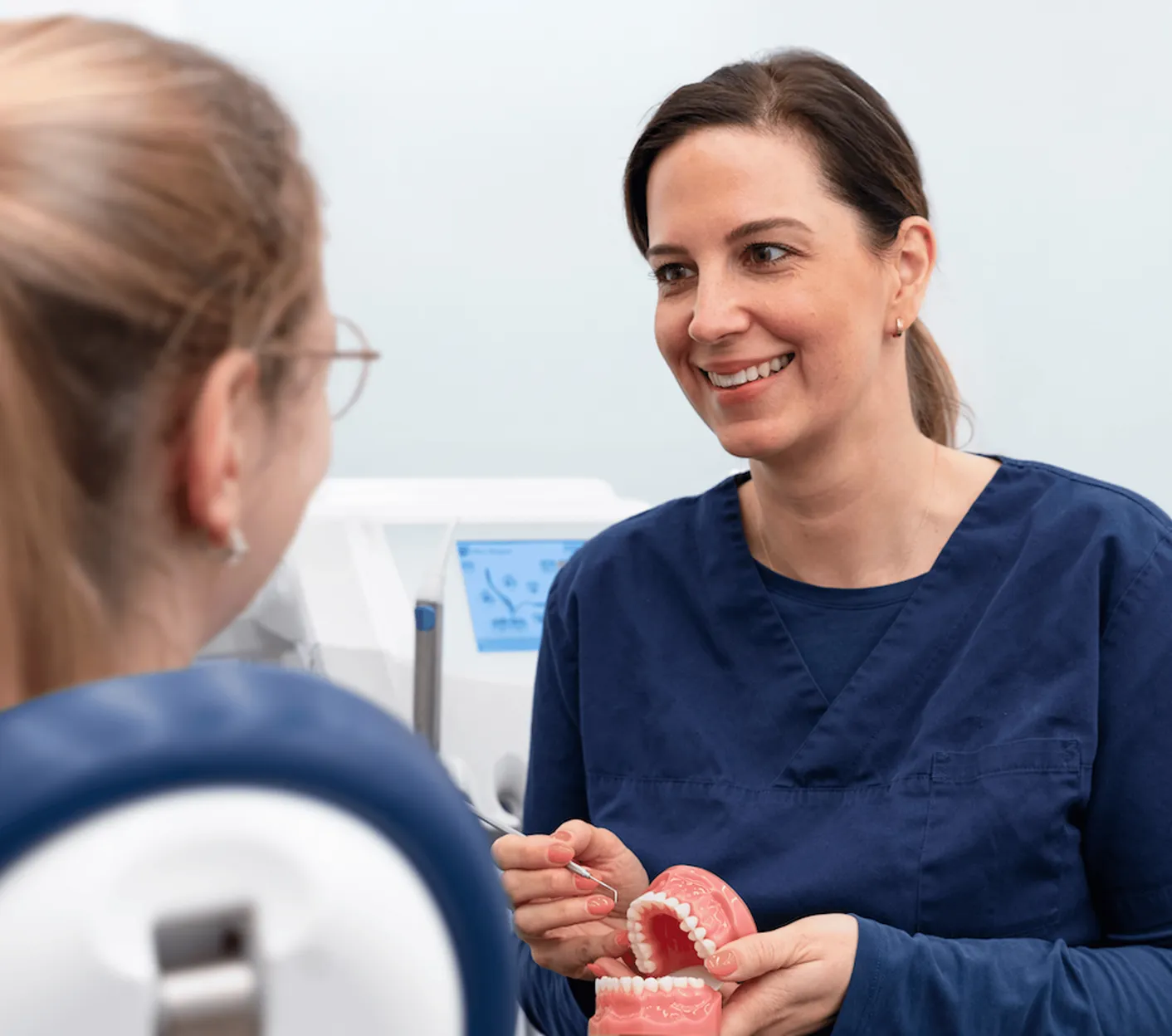
An impression reproduces the required surfaces. It can be used to create a model for planning or making a dental restoration. Leeds Teaching Hospitals, for example, describes the impression taken after a tooth has been prepared for a crown: the information is sent to the dental laboratory. Models or digital data sets may also be needed for other types of treatment. Which areas are recorded depends on the specific requirements.
Achieving the right fit often involves more than the shape of a single tooth. The opposing jaw and the position of the teeth when you bite together can also be important. However, a model does not automatically reveal every disease or the internal structure of a tooth. The clinical findings determine whether further diagnostic tests are needed. An image of the model must therefore not be regarded as a substitute for a clinical examination or an X-ray that is clinically indicated.
How a conventional impression is taken
With the conventional method, suitable impression material is applied to the teeth in the relevant area, often using a tray. The area should remain as still as possible while the material sets. The impression is then removed and checked. Sensations such as pressure, a full mouth or an unusual taste are possible. A general promise that the procedure will be completely free of discomfort would therefore not be appropriate.
Before treatment begins, ask what will be recorded and what steps to expect. If you notice a problem, use the stop signal agreed beforehand. Do not try to pull out an inserted tray yourself. It is better to pause and discuss the situation calmly with the team. Needing to repeat an impression does not automatically mean that the restoration will fit poorly later: checking the record is part of the preparation.
How digital dental impressions differ
An intraoral scanner records surfaces in the mouth and uses them to create a digital model. UCLH describes this technique as an alternative to impression material: the shape of the teeth and gums is recorded digitally and can be viewed on a screen. This involves recording the shape with an optical device. It is not the same as an X-ray and does not simply show through a tooth.
The NHS hospitals in Lincolnshire describe how digital data sets can be reused for models and planning. Physical models can also be produced from scans there. The planned method is what matters for your treatment. Before your appointment, ask how the impression will be taken and what you can expect.
Impression or scan: which method is suitable?
| Conventional impression | Digital scan |
|---|---|
| Records surfaces using an impression material. | Records visible surfaces optically and creates a digital data set. |
| The impression can serve as the basis for a model. | The model can be assessed on a screen and shared digitally. |
| You must be able to tolerate the material, tray and setting phase. | A scanner also requires room in the mouth and your cooperation during recording. |
| The recording is checked before it is used further. | With digital records too, checks are made to ensure that all required areas have been captured. |
“Digital” does not automatically mean that every restoration can be made without a conventional impression. Equally, an impression taken with material is not outdated simply for that reason. What matters is a usable data set or model for the intended purpose. Ask why the method was chosen and what is needed if an area cannot be recorded adequately. Anyone receiving a bridge has different planning considerations from someone with a removable brace.

Managing a gag reflex and anxiety
Describe as specifically as possible the step during which you previously experienced a gag reflex. Was it the tray, contact with the roof of your mouth, lying down, or concern that you would not be able to stop the procedure? This description is more helpful than assuming that an impression is simply impossible. Agree a clearly recognisable stop signal and ask the team to explain each step before it happens. Also ask whether your position or the approach can be adjusted.
A scan may be more comfortable for some people, but it still involves a procedure in the mouth. It should therefore not be promised as guaranteed to prevent a gag reflex. Medication or sedation is not an automatic solution for an impression; each requires its own clinical indication and informed consent. Do not take any additional sedatives on your own initiative before the appointment. If fasting or other preparation is necessary, have this expressly confirmed for the specific procedure.
These questions can help before and after your appointment
Bring information about allergies, previous reactions to materials and any known difficulties. If you already have a temporary restoration, report any pressure, pain or loosening. Check whether further appointments are planned afterwards and who to contact if you have problems. An impression itself does not determine a price, a manufacturing time or a guaranteed number of appointments.
Ultimately, what matters is the fit of the planned restoration in your actual mouth. The model or scan supports this process but does not replace the subsequent checks. At the try-in and fitting, ask what feedback would be helpful. Describe any problems rather than hoping that particularly modern recording technology will automatically rule them out.
Frequently asked questions
No. An intraoral scanner records surfaces optically. An X-ray provides different information, such as about structures within a tooth or bone. A scan does not replace a clinically necessary X-ray.
The recording should be as comfortable as possible. Nevertheless, pressure, unfamiliar contact or a gag reflex may occur. Report any existing pain and agree a stop signal.
No. The appropriate method depends on the planned treatment and the specific situation. A digital data set must also be adequately recorded and suitable for its purpose.
Discuss the problem beforehand and describe previous triggers. Agree on breaks and a stop signal. Whether a scan or another adjustment will help can be assessed individually.
The restoration must fit the opposing teeth and your bite. Which areas are recorded depends on the planned treatment.
The recorded information must be usable for the planned work. If a required area has not been adequately captured or the situation has changed, another recording may be necessary.