
Dental plaque: causes, risks and treatment
Dental plaque affects almost everyone. Plaque forms anew on tooth surfaces every day. Without appropriate care, it can lead to serious disease. At the Wunschlachen dental practice in Berlin, we provide personal advice. We explain how bacterial plaque forms and how...
Über 350 Google-Bewertungen

What is dental plaque?
Dental plaque is a soft, sticky biofilm on the teeth. This film, also known as plaque, consists of bacteria, saliva and food debris. It adheres particularly along the gumline and in hard-to-reach areas. Plaque on the teeth is initially invisible. However, the surfaces feel rough to the tongue. Many patients notice this layer especially in the morning.

Causes of plaque and other deposits
The main cause is the normal bacterial flora in the mouth. Microorganisms use sugar and other carbohydrates as food. This produces acids that can attack tooth enamel. Inadequate oral hygiene significantly accelerates this process. If you brush infrequently or inadequately, more deposits build up. Crooked teeth and narrow spaces between the teeth make cleaning even more difficult. A dry mouth encourages plaque. Medication, stress or mouth breathing at night can reduce saliva flow. This partly eliminates its natural cleaning effect.
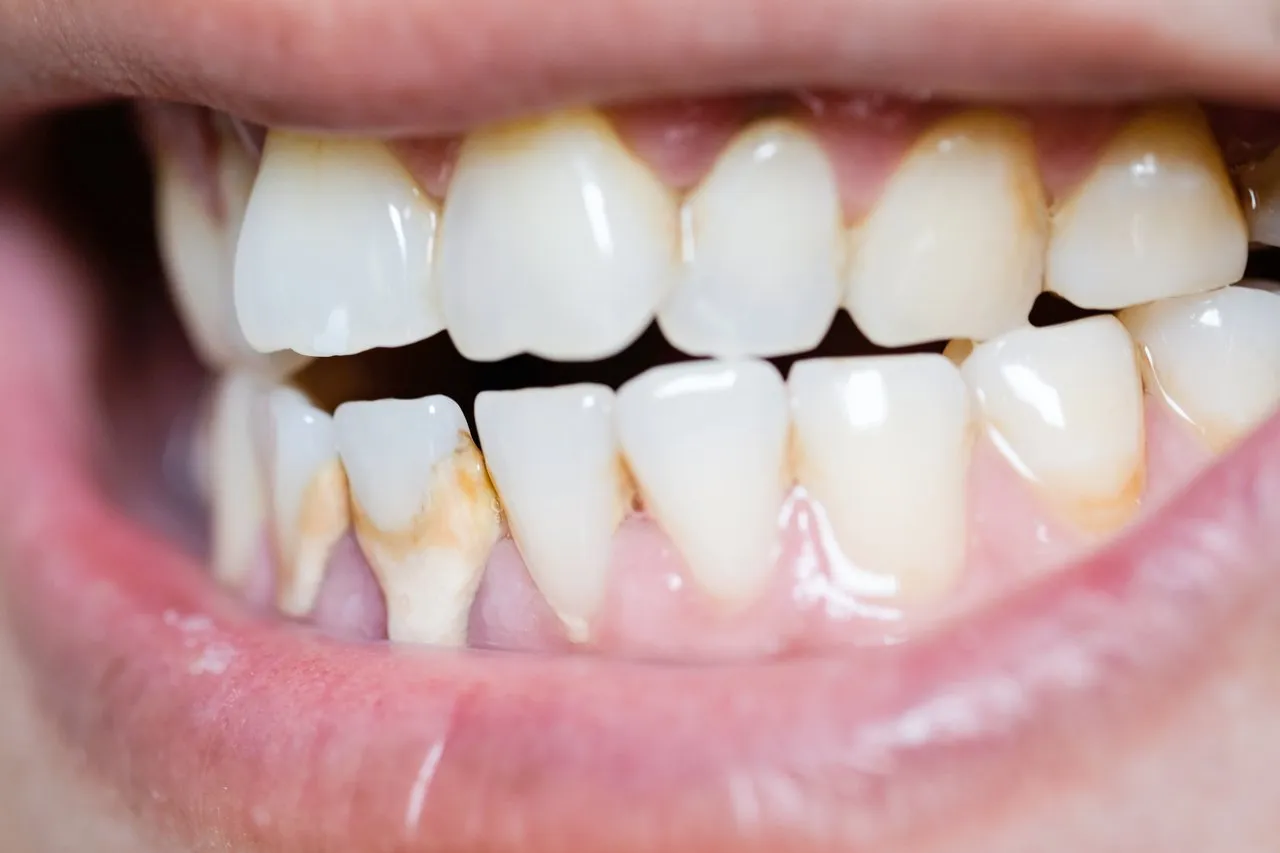
From soft plaque to tartar
Fresh dental plaque is soft and easy to remove. A toothbrush and dental floss can dislodge the layer. However, if it is left in place, the plaque hardens. Minerals from saliva are deposited in the build-up, forming hard tartar on the surfaces. The surface becomes rough and provides new places for bacteria to adhere. You can no longer remove hardened deposits yourself. Only a professional dental cleaning at the practice can help here. This thoroughly removes plaque residue and tartar.
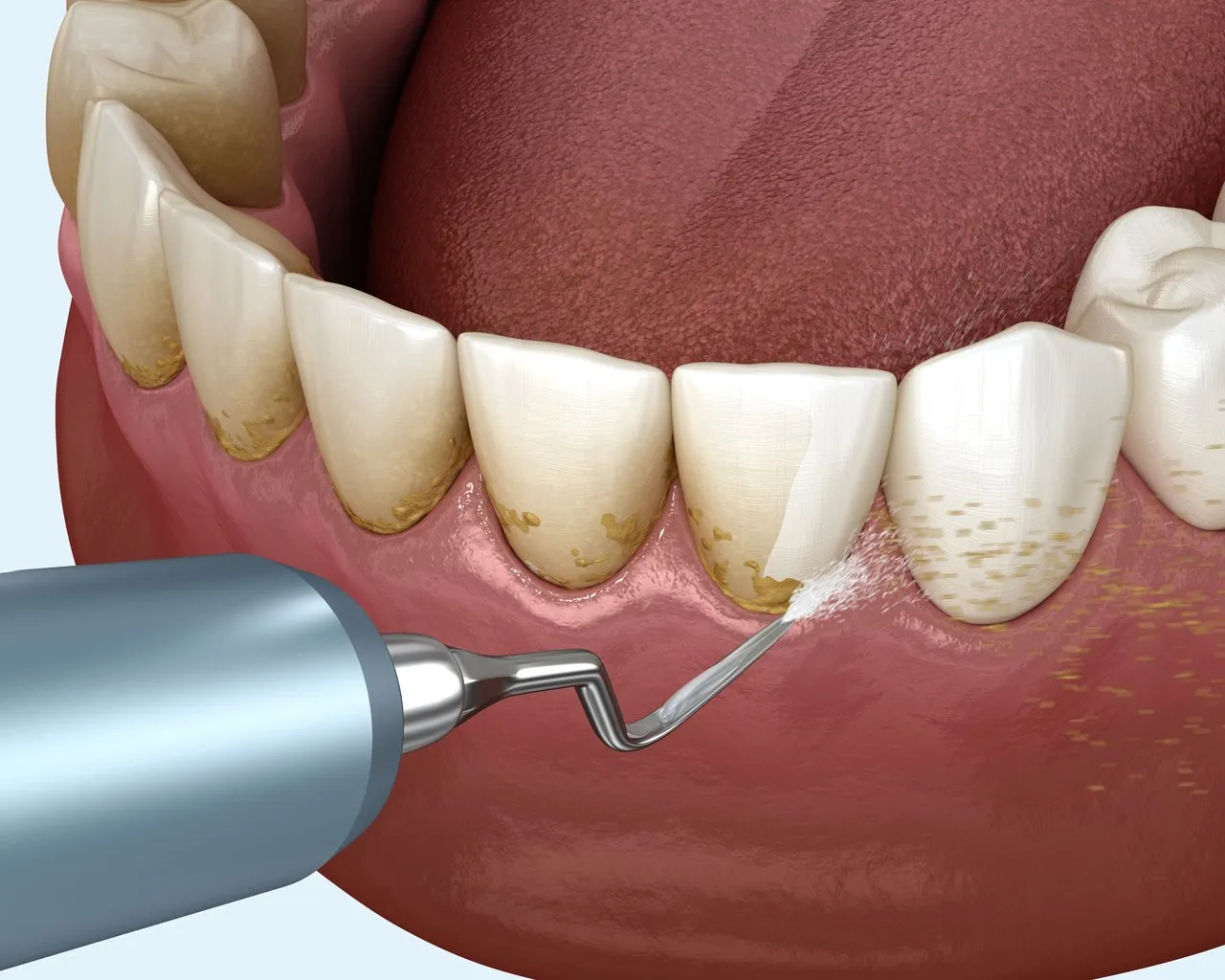
Risks associated with plaque on the teeth
Untreated deposits significantly increase the risk of tooth decay. Bacteria in the biofilm continuously produce acids. These attack tooth enamel and cause defects. The layer of plaque also irritates the gums, causing redness, swelling and bleeding gums. This often leads to gum inflammation. If the inflammation spreads deeper, periodontitis develops. This gradually breaks down the supporting structures of the teeth. In the long term, this can lead to loose teeth or even tooth loss. Bad breath also often has this cause. Metabolic products from bacteria enter the breath. Many patients find this very distressing in everyday life.

How to recognise plaque yourself
Fresh plaque is colourless. However, teeth may feel dull or furry to the tongue. This sensation becomes stronger if you have not brushed for a long time. Bleeding gums when brushing are an important warning sign. Bleeding along the gum line is particularly concerning. Soft deposits build up very quickly here. Persistent bad breath can also indicate plaque. Sometimes an unpleasant aftertaste occurs as well. Both should be assessed by a dentist.
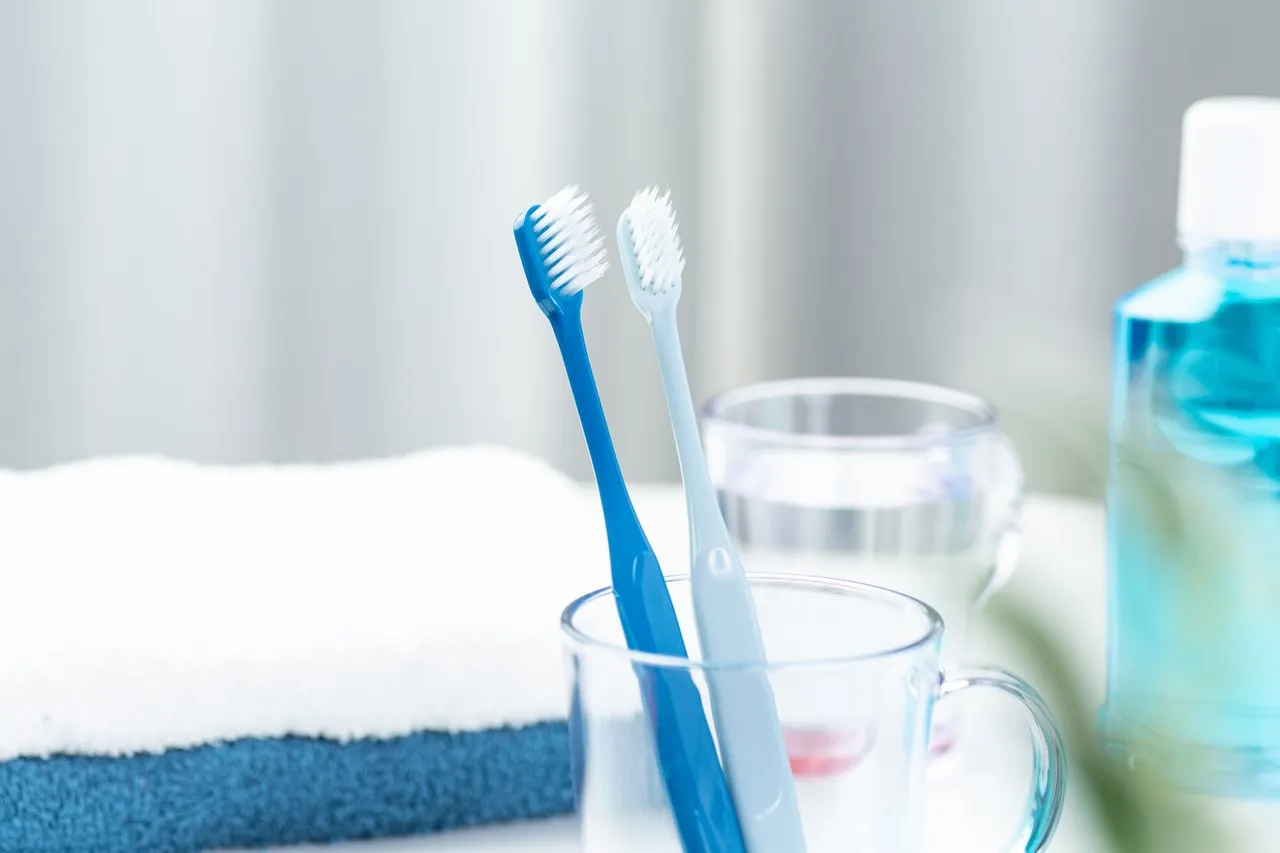
Good oral hygiene to combat dental plaque
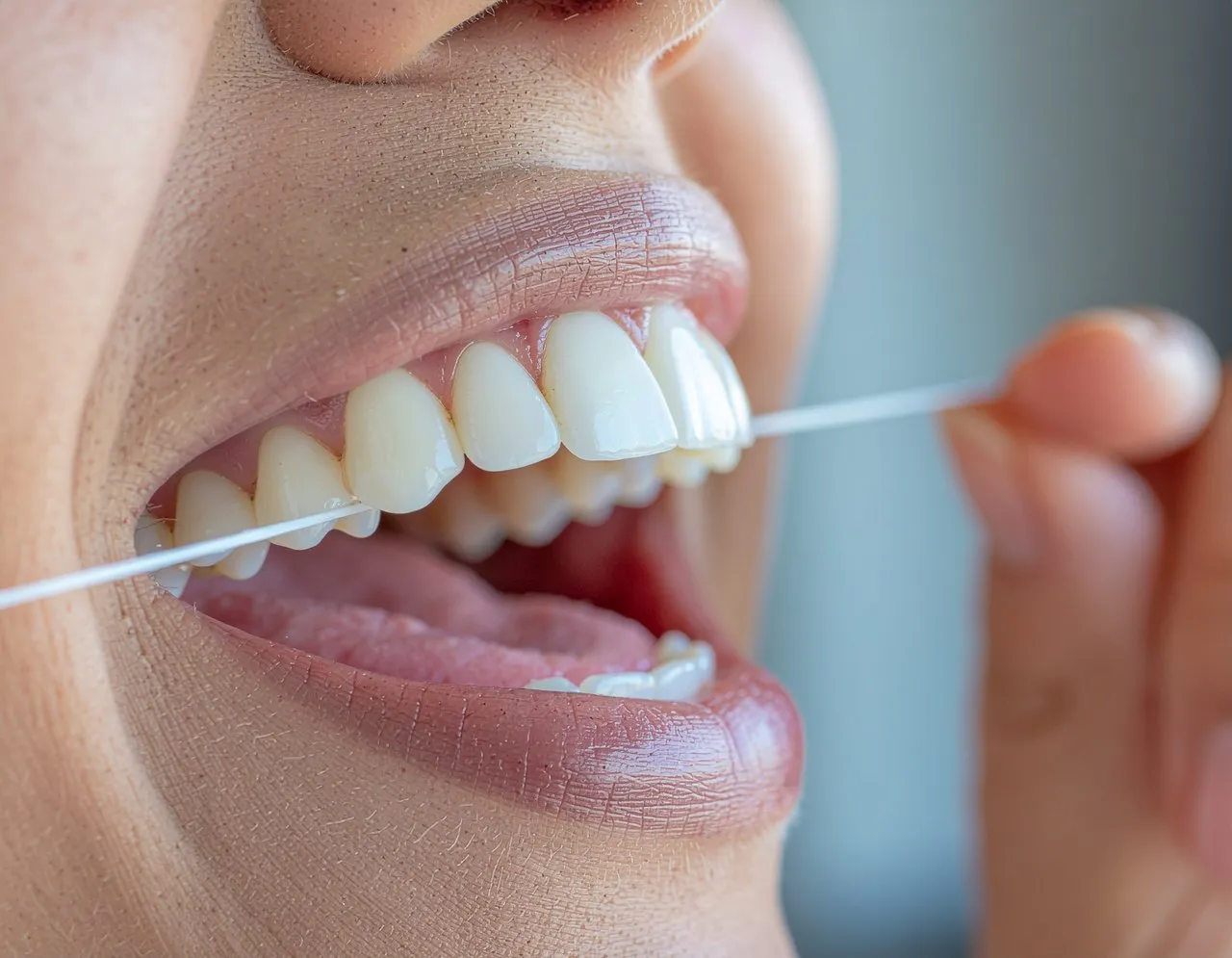
The basis is thorough tooth brushing. Brush at least twice a day for two minutes. Use a soft or medium toothbrush. Technique plays an important role. Make small, circular movements along the gum line. This removes bacterial plaque particularly effectively. Also clean between your teeth. Dental floss or interdental brushes remove plaque between the teeth. Only then is your oral hygiene truly complete. Use a fluoride toothpaste. Fluoride strengthens tooth enamel and makes it more resistant to acid. Mouthwashes can be a useful addition to your daily routine.
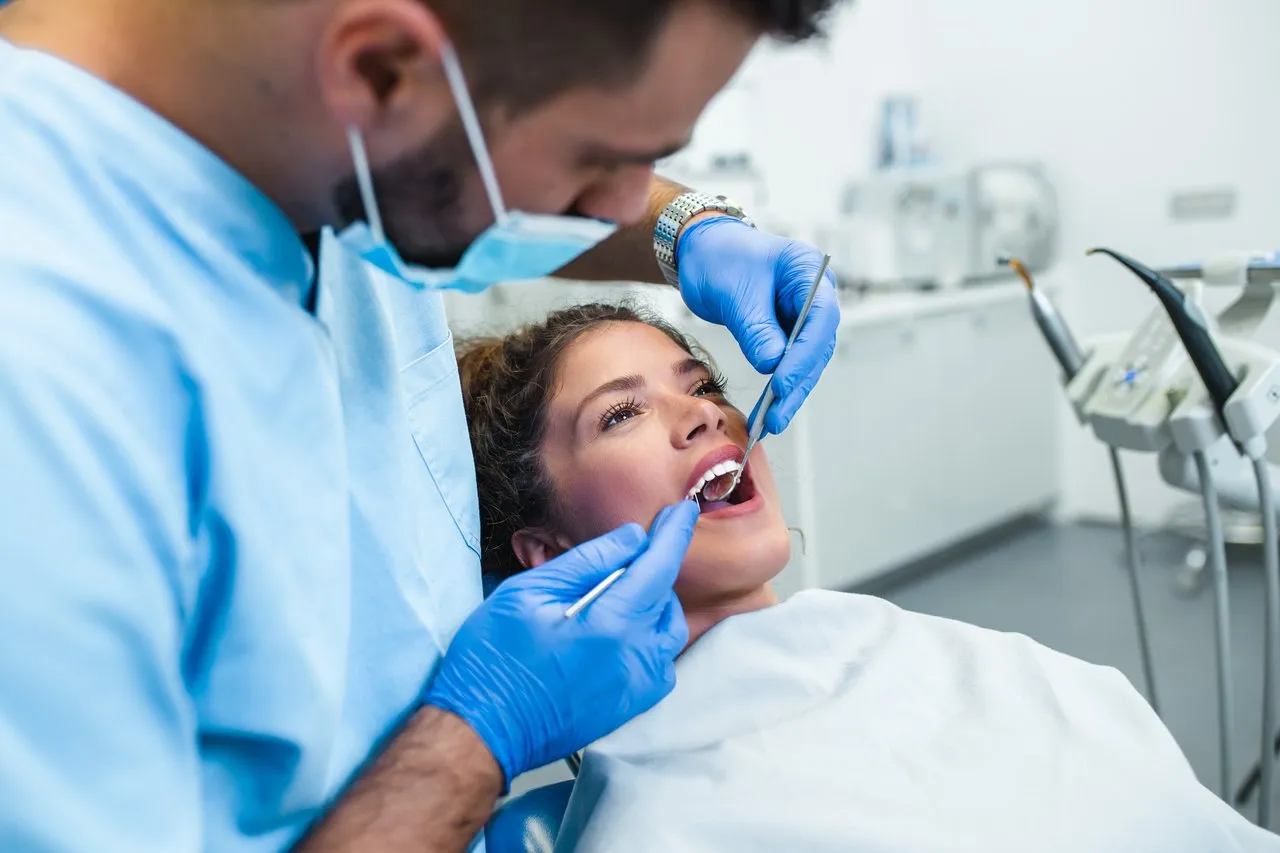
Professional dental cleaning at Wunschlachen
At home, you cannot reach every area in the mouth. Hardened deposits and deep niches often remain. Professional dental cleaning is therefore recommended. At the Wunschlachen dental practice in Berlin, we gently remove plaque and tartar. We use ultrasonic devices and fine hand instruments. All surfaces are then polished and smoothed. Smooth, polished teeth make it harder for new plaque to accumulate. Bacteria find fewer surfaces to adhere to. This reduces the risk of tooth decay and periodontitis in the long term. You also receive an individual preventive care plan. We assess your oral hygiene and demonstrate suitable techniques. This helps you reduce dental plaque effectively in the long term.
Prevention in everyday life
Regular oral hygiene is the most important preventive measure. Always follow a fixed routine when brushing so that you do not miss any tooth surfaces. Maintain a tooth-friendly diet. Reduce sugary snacks and drinks. Water and unsweetened tea are much better choices. Arrange regular check-ups with your dentist in Berlin. We detect early damage and identify plaque. A simple dental cleaning is often then sufficient.

Dental plaque in children and adolescents
Children develop plaque on their teeth very quickly. They often eat sweets and still have difficulty brushing properly. Parents should therefore brush their children's teeth again and check them at first. Fluoride toothpaste for children provides additional protection for young teeth. Regular preventive care at our practice supports this protection. This helps prevent tooth decay at an early stage. Fixed braces make cleaning more difficult for teenagers. Brackets provide many niches for plaque and other deposits. Special brushes and precise instructions are particularly important here.

When to see a dentist about dental plaque
Mild plaque is normal and forms every day. If you brush well, you can usually keep it under control. Nevertheless, regular check-ups are important. Visit us if your gums bleed. Persistent bad breath is also a serious warning sign. Pain or sensitivity should always be investigated. The earlier we intervene, the simpler the treatment remains. Professional dental cleaning is often then sufficient. This can avoid extensive treatments.

Dental plaque removal in Berlin at Wunschlachen
At our Wunschlachen dental practice, we combine modern preventive care with individual attention. We create a personal preventive care plan for you. This keeps your smile healthy and attractive in the long term. Book an appointment for a dental cleaning. Together, we will discuss your situation and your risk of tooth decay. Our aim is a clean, stable set of teeth in the long term.
FAQ – Frequently asked questions about dental plaque
Dental plaque is a soft biofilm on the teeth. It consists of bacteria, saliva and food debris. Without regular cleaning, it can harden.
Plaque starts forming just a few hours after brushing. That is why daily oral hygiene is so important. Only then can plaque be kept to a minimum in the long term.
Plaque is soft and can be removed mechanically. Tartar is hardened dental plaque. It can only be removed at a dental practice.
Yes, bacteria in plaque produce acids. These attack tooth enamel. Over time, tooth decay develops.
Deposits irritate the delicate gums. They may become red, swollen and bleed. If left untreated, this can develop into periodontitis.
Yes, professional dental cleaning removes plaque and tartar very thoroughly. The surfaces are also smoothed. New plaque then adheres much less easily.
For many patients, two appointments a year are sufficient. If you are at increased risk, we recommend shorter intervals. The precise schedule is tailored to you individually.
Use a soft or medium brush. Electric toothbrushes often clean particularly evenly. However, the correct technique remains crucial.
Mouthwashes can support oral hygiene. However, they do not replace tooth brushing. Mechanical cleaning always remains the basis.
We offer modern preventive care and gentle treatments. Cleaning is structured and thorough. Your smile and comfort are our focus.